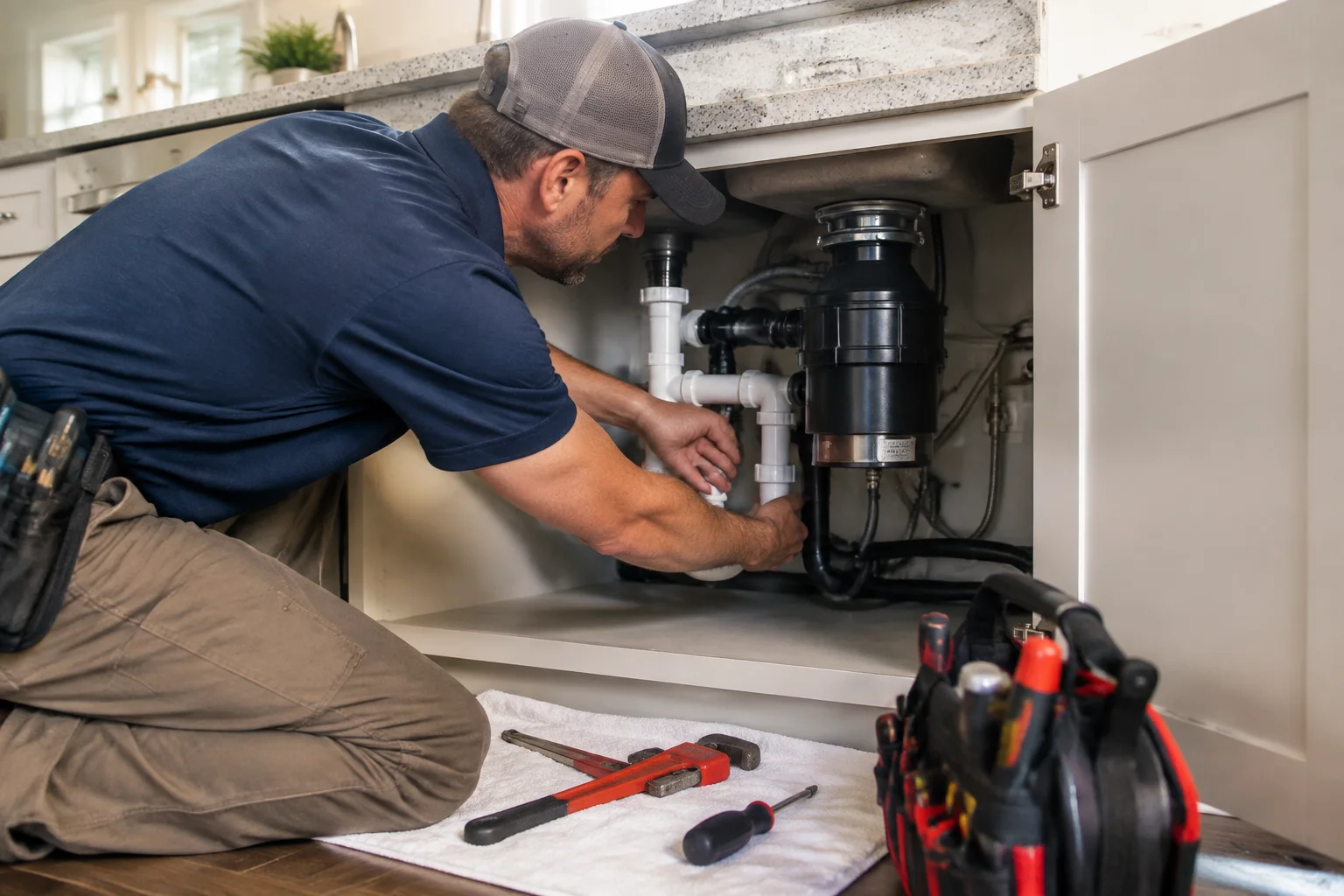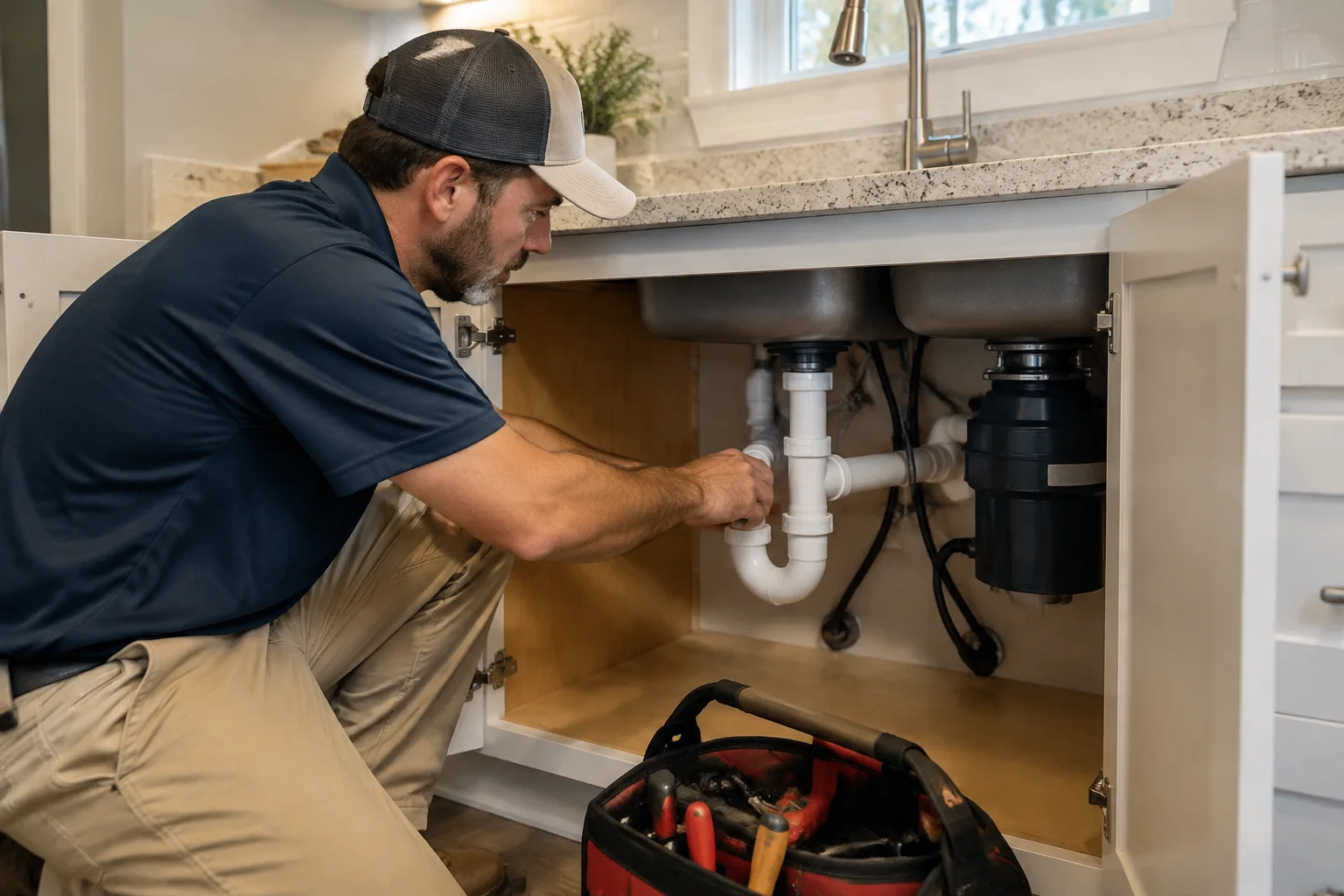
A new faucet or remodeled bathroom is easy to appreciate. The plumbing behind it deserves just as much attention. Pipe sizing, drain slope, accessible shutoff valves, and secure connections determine whether an upgrade works reliably or becomes a recurring repair problem.
For homeowners planning plumbing installation in Upper Grand Lagoon, FL, the best approach starts with the whole system. A Superior Mechanical installs plumbing for new construction, remodels, and fixture upgrades, helping homeowners connect today's improvements to dependable daily use. These practical checks can help you plan the work and recognize problems that should be addressed before walls or floors are closed.
Plan Around How Your Upper Grand Lagoon Home Uses Water
Upper Grand Lagoon includes year-round residences, condos, and vacation properties with different plumbing demands. A household that adds a bathroom may need more supply capacity. A vacation rental may have several showers, laundry loads, and dishwasher cycles running within a short window. Those patterns matter when sizing water lines and selecting a water heater.
The area's warm, humid climate can make damp cabinets and enclosed spaces slow to dry. Coastal exposure may also affect exposed metal components, depending on their location and protection. Heavy rain can reveal drainage or sewer problems, although a properly functioning sanitary system should remain separate from stormwater.
Before requesting professional plumbing installation in Upper Grand Lagoon, describe current problems and future plans. Mention pressure changes, slow drains, previous leaks, and upcoming appliance additions. For condos, confirm association requirements, shared-line responsibilities, and water shutdown procedures before scheduling work.
Inspect Existing Pipes Before Adding New Fixtures
A new sink does not correct a deteriorated supply line. Likewise, a larger shower can expose restrictions that were less noticeable with the old fixture. An installation assessment should identify accessible pipe materials, visible corrosion, damaged supports, questionable repairs, and transitions between different materials.
Decide Whether Repair or Replacement Makes Sense
A single damaged connection may need a targeted pipe repair. Repeated leaks in different locations may justify evaluating a larger section of piping. Age is one factor, but condition, water quality, installation history, and the location of failures also matter. Ask the plumber to explain the evidence behind the recommendation.
Homeowners searching for pipe leak repair near me after several repeat failures should mention that history before approving another patch. If the incoming supply is involved, water line repair may need to be coordinated with the installation. Replacing cabinets before resolving hidden supply problems can make the eventual repair more disruptive.
Water Pressure Needs a Measurement, Not a Guess
A weak shower does not always mean the house needs larger pipes. A clogged aerator, partially closed valve, restricted cartridge, or supply issue can produce similar symptoms. The first question is whether the problem affects one fixture, hot water only, or the entire home.
Excessive pressure creates a different concern. It can stress hoses, valves, fittings, and appliances. A plumber can measure static pressure and check performance while water is flowing. Pressure above 80 psi generally requires pressure regulation under applicable plumbing code provisions, but the right setup depends on the property and local requirements.
During installation, ask whether an existing pressure-reducing valve is working and whether thermal expansion control is needed for the water heater. Do not adjust regulators blindly to improve one shower. Correcting the underlying restriction is often more effective than raising pressure throughout the house.
Drain Layout Matters More Than a Fast Sink Test
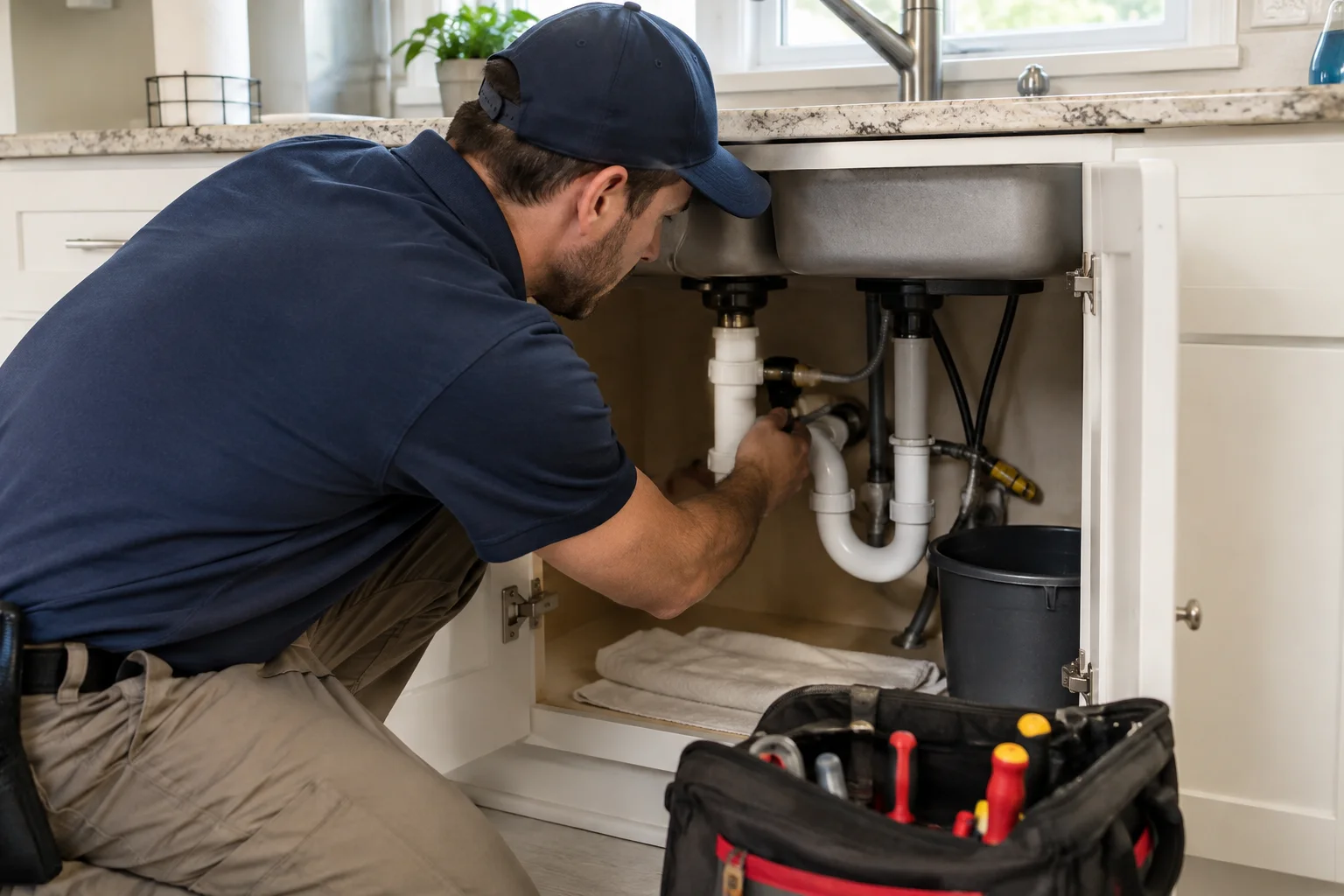
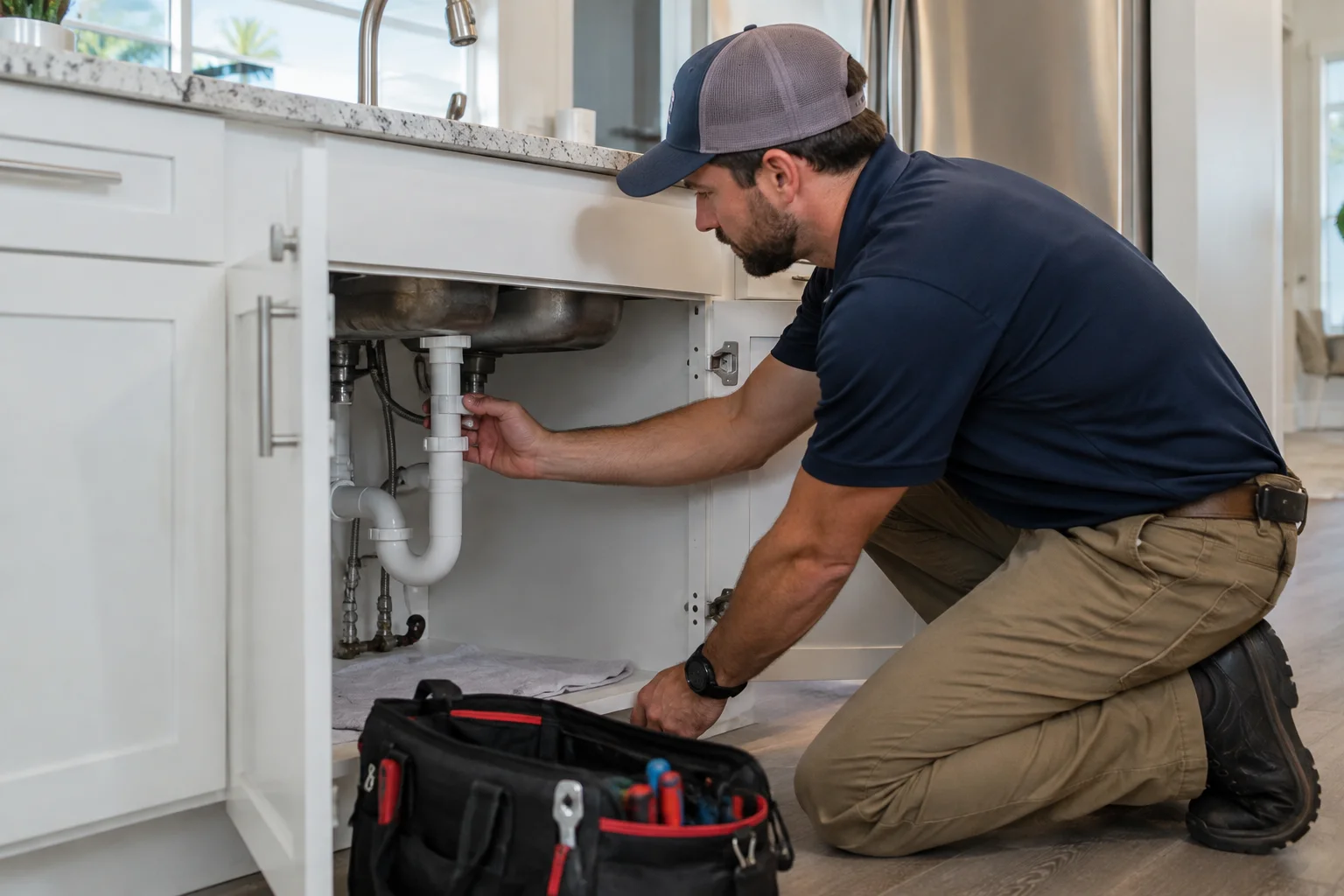
A drain that empties once during installation can still have problems with slope, venting, or downstream restrictions. Drain piping needs appropriate sizing, support, fittings, and vent connections. Improvised flexible drain pieces and awkward turns can collect debris or make future drain cleaning difficult.
Separate a Local Clog From a Larger Drain Problem
If only the kitchen sink drains slowly, grease, food debris, or a trap obstruction may be responsible. If several fixtures gurgle or back up together, the problem may be farther downstream. A toilet that bubbles when another fixture drains also deserves investigation rather than repeated plunging.
Homeowners searching for kitchen sink drain repair near me should mention recent disposal replacements or sink remodels. A new, deeper sink may leave insufficient space for a proper drain connection at the existing wall outlet. That should be checked before purchasing fixtures. Mechanical cleaning or a camera inspection may be appropriate when the cause remains uncertain.
Choose Fixtures That Fit the Plumbing and the Household
Fixture selection involves more than finish and style. A toilet needs the correct rough-in dimension and a sound flange connection. A faucet must fit the sink openings and leave room for supply connections. Shower valves need adequate access, secure mounting, and appropriate temperature protection.
Running toilets commonly involve worn flappers, fill valves, or incorrect water levels. Faucet drips may come from worn cartridges or seals. Those problems often allow straightforward toilet repair or faucet repair rather than full replacement. Cracked fixtures, badly corroded connections, or incompatible parts can change that decision.
When replacement is appropriate, plumbing fixture replacement can include checking nearby valves and supply connectors instead of reusing questionable components. WaterSense-labeled fixtures can reduce water use without relying on homeowners to change every habit. Choose models with readily available service parts, especially in heavily used bathrooms.
Account for Hard Water Without Assuming Every Home Needs Treatment
White deposits around faucets, cloudy shower glass, and scale inside an aerator can suggest mineral buildup. These observations alone do not establish the hardness level of the incoming water. Water quality can vary with the supply, so testing is more useful than assuming every Upper Grand Lagoon property has the same conditions.
During a remodel, mineral buildup may explain why an older fixture performs poorly even when the supply pressure is adequate. Cleaning or replacing affected parts can help, but recurring scale may warrant discussing treatment options based on measured hardness and household needs.
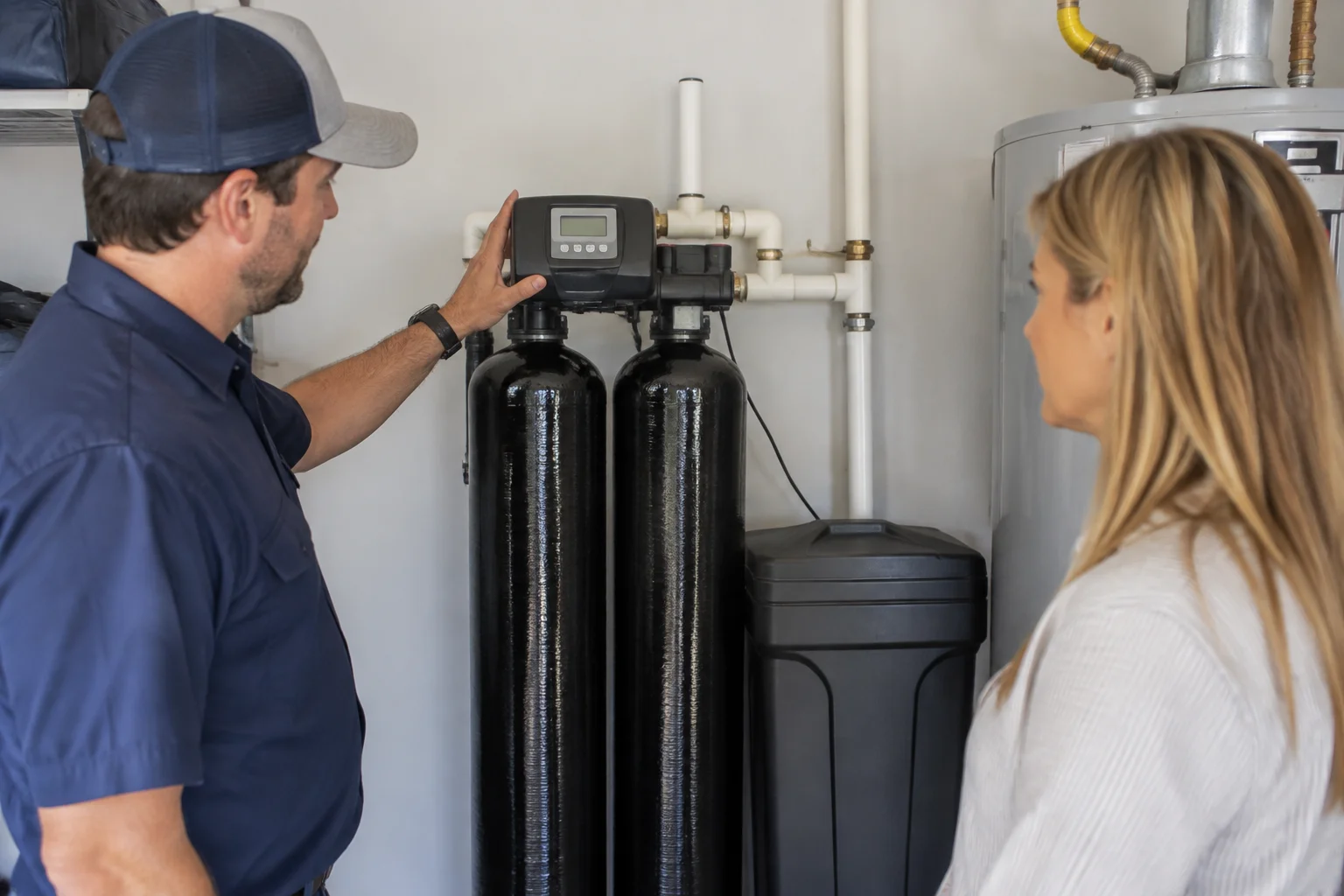
If treatment equipment is planned, include service access, approved drainage arrangements where required, and a bypass in the design. Sediment filtration and water softening serve different purposes. Neither should be presented as a universal solution for leaks, corrosion, or unsafe water without identifying the actual problem.
Size and Install the Water Heater for Real Demand
A water heater should match peak hot water use, not simply copy the old unit's capacity. Consider simultaneous showers, tub size, laundry habits, and seasonal occupancy. For tank models, first-hour delivery matters. For tankless models, required flow and the temperature rise determine usable output.
Homeowners searching for water heater installation near me should ask what the quote includes beyond the heater itself. Depending on the equipment and location, the work may involve shutoff valves, thermal expansion control, a drain pan, approved relief-valve discharge piping, or venting requirements. Access for future service also matters.
After installation, follow the manufacturer's maintenance guidance. Water heater maintenance may include checking for leaks, evaluating sediment, or descaling tankless equipment when appropriate. Never cap a relief-valve outlet or ignore repeated discharge. Have unexplained water around the heater investigated before assuming replacement is the only option.
Take Hidden Leaks and Slab Leak Clues Seriously
An unexplained increase in water use, a warm patch of flooring, damp baseboards, or the sound of moving water when fixtures are off can point to a concealed leak. These clues are not a diagnosis. Moisture may also come from a roof leak, appliance, or other source.
If your property has an individual water meter, watching it with all known water uses stopped can help identify unexplained flow. Account for irrigation, ice makers, and other automatic equipment. A shared meter requires a different approach, and a moving meter does not reveal where the leak is located.
For suspected under-slab leakage, leak detection and slab leak repair should begin with locating and evaluating the problem. Direct repair and rerouting are different options, not interchangeable defaults. Accurate diagnosis can reduce unnecessary demolition and help determine whether nearby piping also needs attention.
Include Sewer Access in Remodeling Plans
Sewer line problems can become more noticeable when an addition increases fixture use. Repeated backups, multiple slow drains, or sewage appearing at a low fixture warrant professional evaluation. Potential causes include blockages, root intrusion, damaged piping, or poor alignment. Symptoms alone cannot confirm which one is responsible.
During installation, preserve access to required cleanouts. Do not bury them behind permanent cabinetry or cover them with new landscaping. If recurring sewer problems predate the remodel, discuss whether a camera inspection would help establish the line's condition before new finishes are installed.
Upper Grand Lagoon homeowners should also confirm whether their property uses public sewer or a septic system before adding fixtures. Applicable connection rules, system capacity, and permit requirements may affect the project. For broader planning considerations, these plumbing installation tips for nearby Panama City homes explain why supply and drainage improvements belong in the same conversation.
Know Which Problems Cannot Wait
A burst supply line, rapidly spreading water, or sewage backing into living space needs prompt attention. Stop using affected fixtures. For a supply leak, close the fixture valve or main water shutoff if you can reach it safely. Avoid water near electrical equipment, and do not enter a flooded area to reach a valve.
If you are searching for an emergency plumber near me, describe whether the water is still flowing, whether sewage is involved, and which fixtures are affected. Keep people and pets away from contaminated water. Do not keep flushing toilets to test a backed-up sewer or mix drain chemicals while waiting for help.
Build Maintenance Into the Installation
Before the job is complete, have the plumber demonstrate shutoff locations and explain any new equipment. Ask about required permits and inspections, installation testing, warranty terms, and maintenance instructions. Photograph accessible piping before walls close, and keep product information where you can find it.
Check under sinks periodically, investigate new stains promptly, and keep grease and wipes out of drains. Before leaving a vacation property unoccupied, establish a water shutoff plan that accounts for equipment needing a continuous supply. Leak sensors can provide an added warning, but they do not replace sound plumbing.
A Superior Mechanical provides local service in Upper Grand Lagoon and serves homeowners across Bay County. When planning an installation, bring a list of existing concerns along with your fixture choices. Addressing both together helps prevent a fresh remodel from inheriting old plumbing problems.
Find Plumbing Installation in Upper Grand Lagoon, FL
If you need Plumbing Installation in Upper Grand Lagoon, FL, visit our local service page or contact A Superior Mechanical today.
Map of Upper Grand Lagoon, FL
Frequently Asked Questions
Do I need a permit for plumbing installation in Upper Grand Lagoon?
New piping, fixture relocations, water heater replacements, and other plumbing work may require permits and inspections. Requirements depend on the scope and the authority having jurisdiction over your property. Ask your contractor to confirm what is required and who will handle permits before work begins.
Should old pipes be replaced during a bathroom or kitchen remodel?
Not automatically. A plumber should evaluate pipe condition, materials, leak history, and whether the existing lines can support the new fixtures. Replacing deteriorated or inadequate piping while walls are open may prevent more disruptive work later, but sound piping may be suitable to retain.
Can a plumbing installation help prevent future leaks and drain problems?
Correct pipe sizing, secure supports, proper drain slope and venting, compatible materials, and tested connections can reduce avoidable problems. Accessible shutoff valves and cleanouts also make future service easier. Installation cannot eliminate every risk, so pressure checks, prompt leak repair, and routine maintenance remain important.
Related Articles
Photo Gallery