A higher water bill, a warm patch of tile, or the sound of running water in a quiet house can be easy to dismiss. Yet these small changes sometimes point to a leak behind a wall, beneath a yard, or under a concrete slab. Finding the source early helps limit water waste and avoid unnecessary damage to flooring and cabinets.
For homeowners in Wright, FL, good plumbing maintenance starts with knowing what is normal for the house. A Superior Mechanical provides leak detection and slab leak services in Wright to investigate hidden water loss and identify appropriate repair options. These checks can help you recognize trouble and decide how urgently to act.
Why hidden leaks deserve attention in Wright
Wright sits in Okaloosa County near Fort Walton Beach, where hot, humid summers and periods of heavy rain can complicate moisture problems. A damp floor may come from a plumbing leak, rain intrusion, or condensation. Humid air can also slow drying, so finding and stopping the actual source matters more than simply wiping up visible water.
Local homes vary in age, layout, and plumbing materials. In houses with supply pipes routed beneath a concrete slab, a small break can release water without producing an obvious puddle indoors. Older repairs, concealed connections, and remodeled bathrooms can make the route difficult to follow. Local plumbing service is useful because an assessment can account for the property's construction, drainage, and repair history rather than treating every wet spot alike.
Look for changes in water use, sound, and surfaces
A water bill that no longer matches your routine
Compare water consumption, not just the dollar amount, across several billing periods. Utility rates, billing dates, irrigation, visitors, and pool filling can change the total. If usage rises without an explanation, check toilets, outdoor faucets, irrigation equipment, and accessible supply connections before assuming the problem is beneath the slab. A continuously running toilet can waste substantial water while leaving the floor completely dry.
Moisture or warmth where it does not belong
Watch for lifting flooring, swollen baseboards, persistent dampness along a wall, or a musty smell in a room that usually stays dry. A warm floor patch can indicate a hot water supply leak, but sunlight and nearby heat sources can create similar effects. Cracked tile or concrete alone does not prove a slab leak. Several clues together justify a closer inspection.
Running water sounds and changing pressure
Listen when faucets, appliances, and irrigation are off. Unexplained hissing or flowing sounds may indicate water moving through a damaged line. Reduced pressure can also accompany a leak, although clogged aerators, a failing pressure regulator, or a utility issue can cause similar symptoms. If only one faucet is affected, start there. If the whole house changes, the investigation should extend beyond that fixture.
A safe first check with your water meter
If your meter is safely accessible, turn off all intentional water use, including irrigation and appliances that fill automatically. Let toilets finish refilling. Record the meter reading or photograph it, then check again after a period without water use. Movement can indicate ongoing consumption somewhere downstream of the meter, but it does not identify the location or establish that the leak is under the slab.
Check visible connections under sinks, around toilets, behind accessible appliances, and near the water heater. Dry a suspect connection and look for fresh moisture without loosening anything. Do not reach into flooded meter boxes, operate utility-owned valves, or force a stuck shutoff. A plumber can perform controlled isolation tests if the meter keeps moving and no visible source explains it.
How professional leak detection narrows the search
Homeowners searching for slab leak repair near me often worry that finding the leak means tearing up the entire floor. That should not be the starting point. A careful investigation combines the symptoms, meter behavior, accessible piping, and testing to narrow the likely location before discussing access.
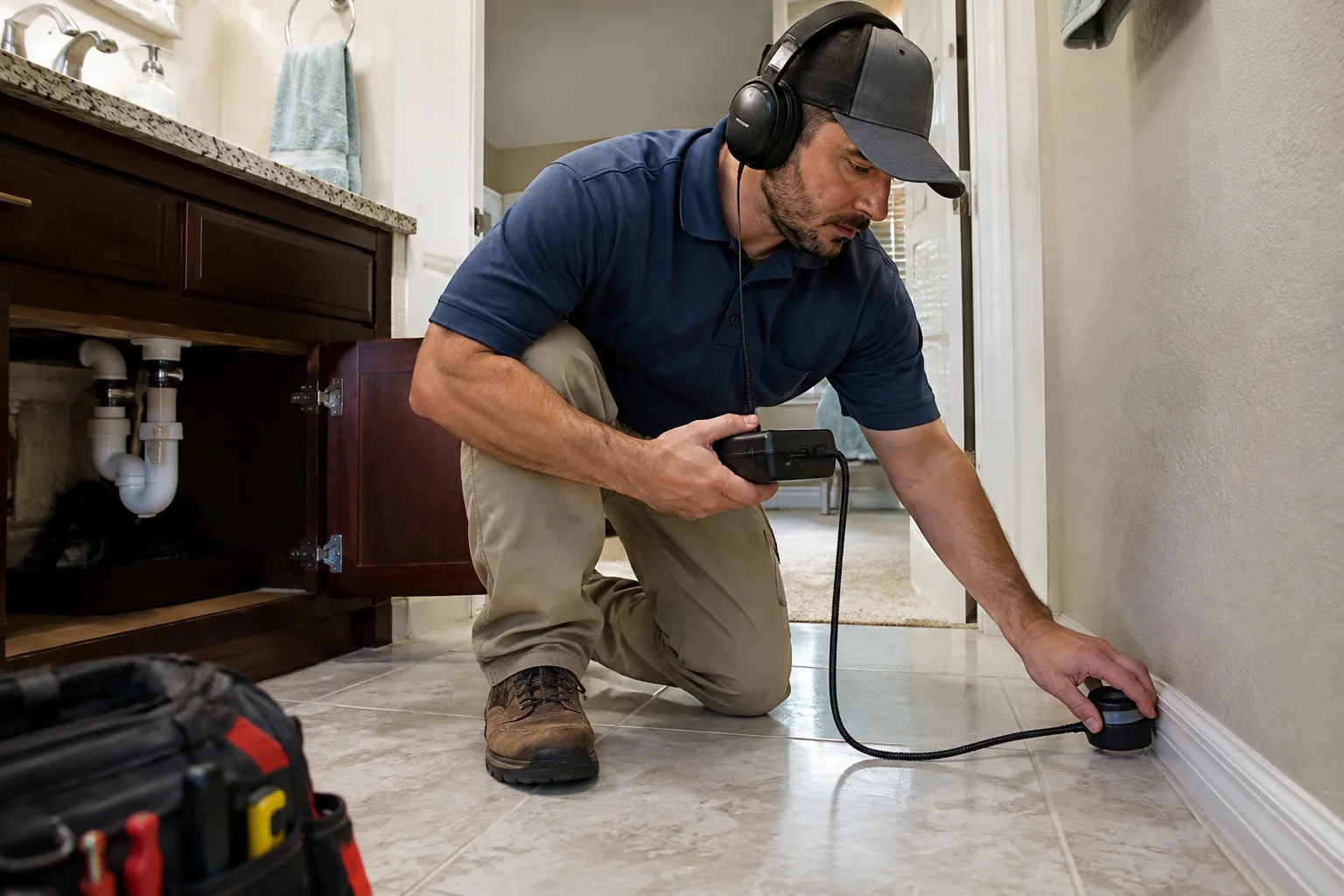
Depending on the property, a plumber may use pressure testing, acoustic listening equipment, thermal imaging, or other locating methods. Thermal imaging shows temperature differences, not a direct picture of water inside a pipe. Acoustic results can be affected by pipe material and background noise. Using the appropriate methods together helps distinguish a suspected leak from a confirmed repair location.
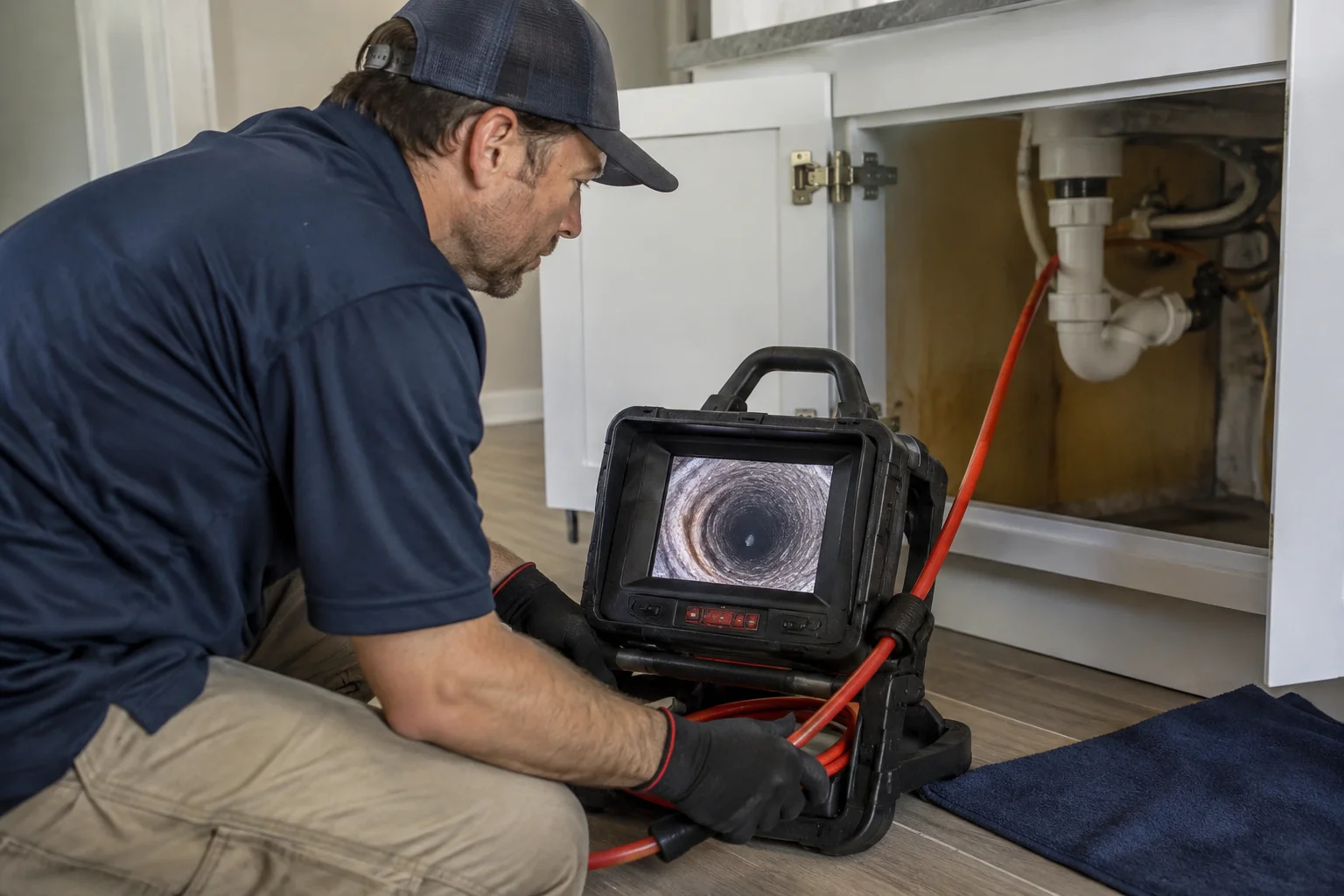
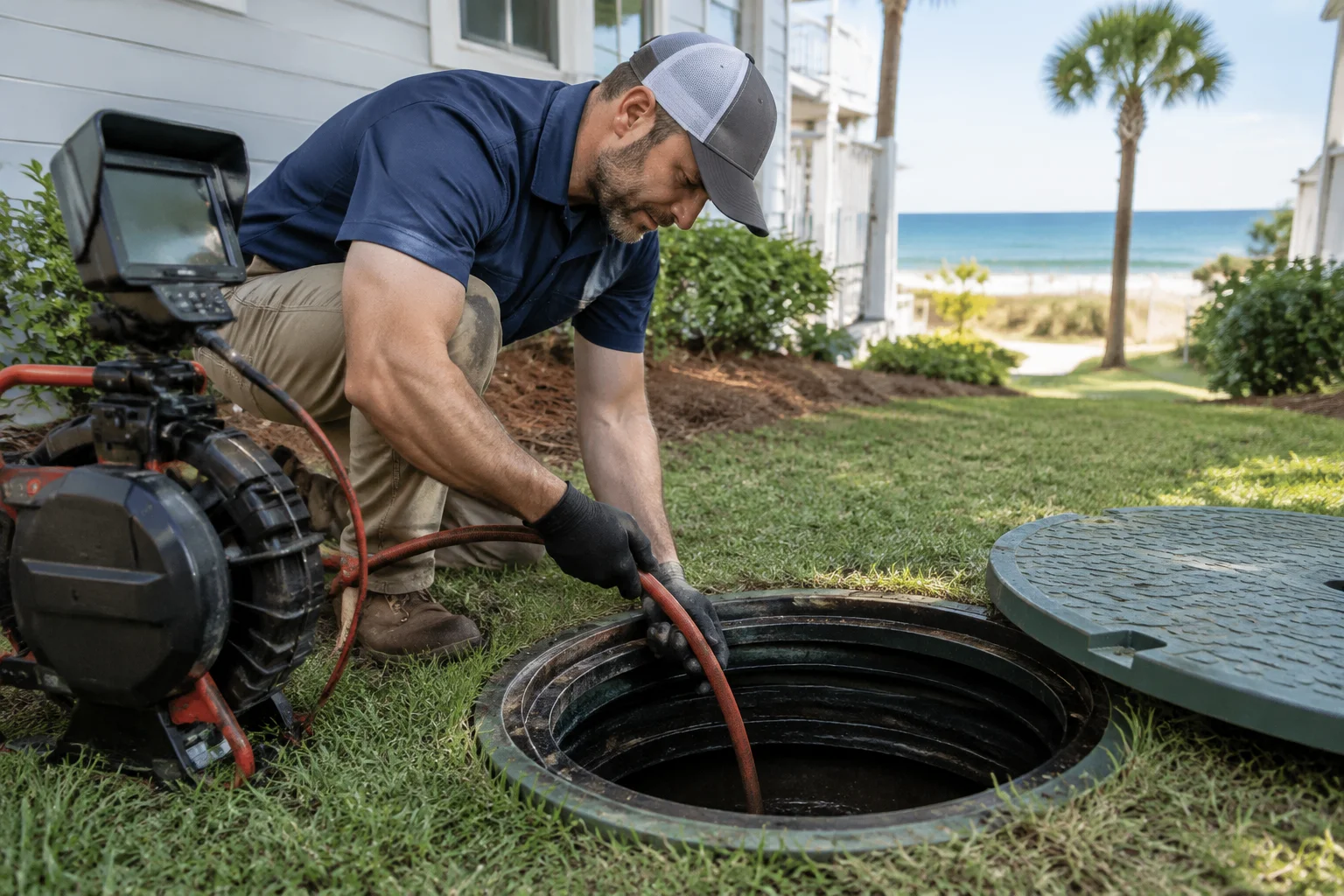
Ask what testing is proposed, what it can establish, and whether further access may be needed. Supply piping and drain piping require different diagnostic approaches. A sewer camera can help inspect an accessible drain line, but it does not locate every pressurized water supply leak or prove that a drain system is watertight.
What causes leaks beneath a slab?
A slab leak generally refers to damaged plumbing beneath a concrete foundation. On supply lines, possible contributors include corrosion, abrasion where piping contacts surrounding material, stressed connections, installation defects, and excessive pressure. Soil movement may also stress piping. The cause cannot be determined from the home's age or the location of a wet spot alone.
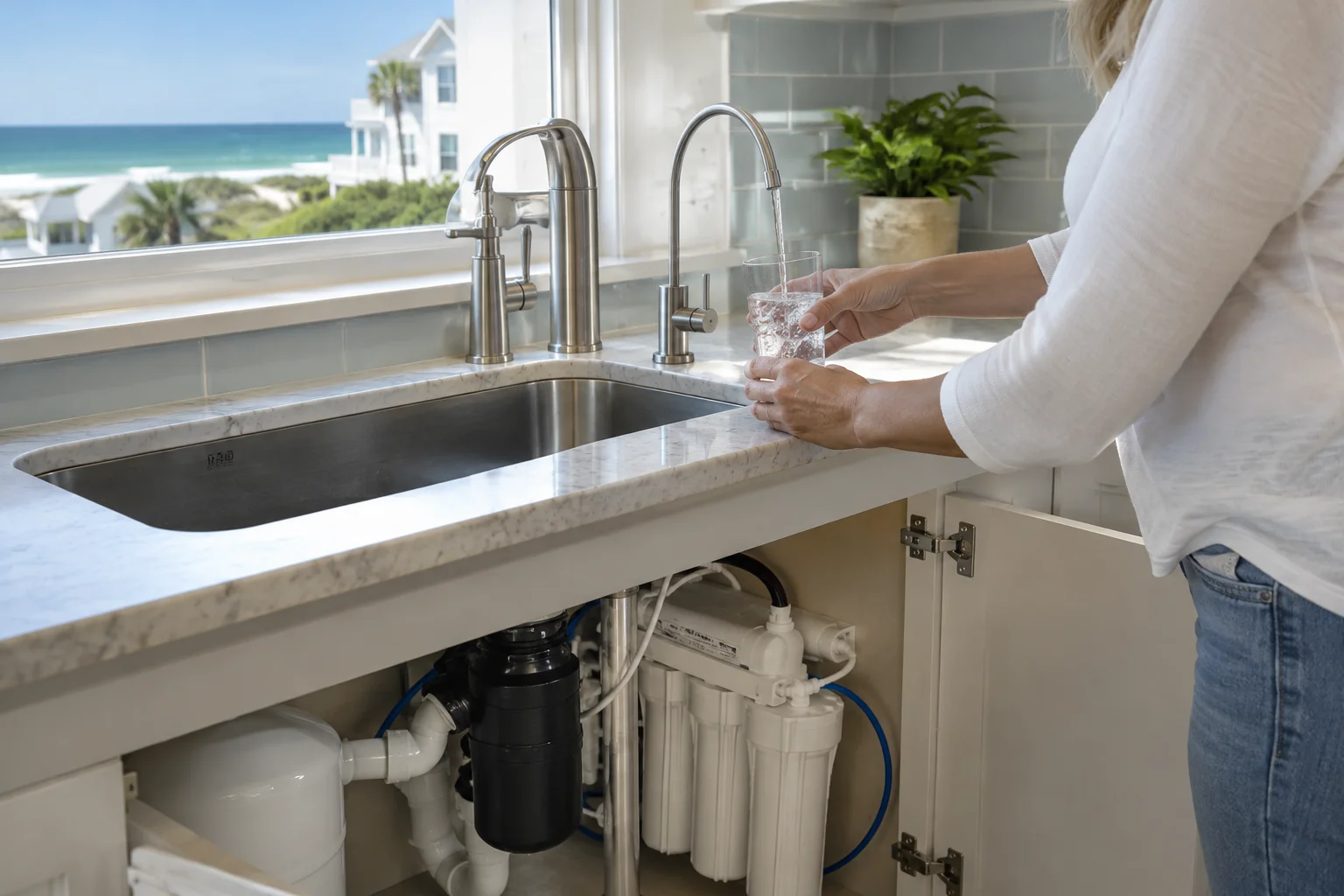
Hard water deserves attention, but it is not an automatic explanation for every pipe failure. Mineral deposits can restrict fixtures and accumulate in water heaters. Corrosion involves additional factors, including water chemistry and pipe material. If recurring scale or water quality concerns are present, testing can guide whether water filtration services in Wright or a separate hardness treatment approach makes sense. Ordinary filtration does not necessarily soften water.
Choosing between a targeted repair and new piping
Repairing an isolated damaged section
If testing finds a single problem and the surrounding pipe appears serviceable, a localized repair may be appropriate. Access could involve opening a limited area of flooring and concrete. Ask whether the estimate includes detection, access, pipe repair, testing, and surface restoration. Those tasks may involve different trades, so a clear scope prevents surprises.
Rerouting a line or replacing deteriorated piping
Repeated leaks, difficult access, or widespread deterioration may make rerouting or broader replacement worth considering. A reroute moves the affected supply through an approved alternative path instead of reopening the same slab area. Suitability depends on the home's layout and applicable requirements. Plumbing replacement in Wright should be based on the system's condition, not recommended automatically for every leak.
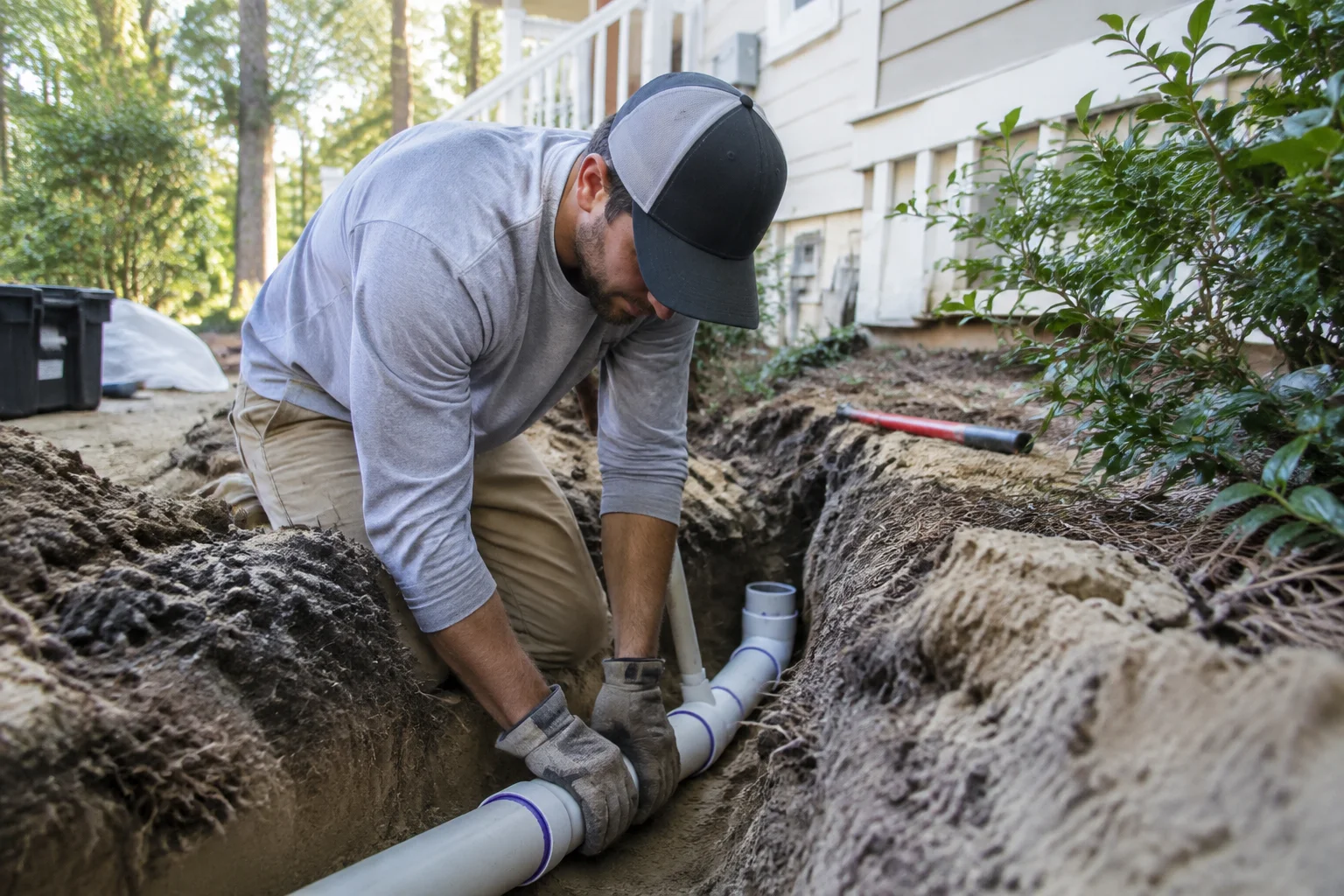
A leak between the meter and the house may instead require waterline repair. If you are searching for pipe leak repair near me, describe whether the evidence is indoors, in the yard, or only on the meter. That information helps frame the initial investigation, even though testing is still needed.
Keep drain problems separate from supply leaks
A leaking supply pipe can release water continuously while the line is pressurized. A leaking drain may show symptoms only when a sink, shower, toilet, or washing machine discharges. Tell the plumber whether moisture appears after a particular fixture runs. That timing can help distinguish a drain connection problem from a supply leak.
A single slow bathroom sink often points to a local obstruction. Several slow fixtures, toilet gurgling, or wastewater backing into a shower can suggest a shared drain or sewer line problem. Homeowners searching for drain cleaning near me should mention multiple affected fixtures before scheduling. Avoid chemical drain cleaners, especially when wastewater is backing up, and tell the technician if any have already been used.
Keep grease, wipes, and hygiene products out of drains, and use hair catchers where appropriate. Recurring blockages deserve investigation rather than repeated temporary clearing. Roots can enter compromised sewer joints, while damaged or poorly sloped piping may collect debris. For routine care, see this Wright homeowner's guide to drains, pipes, and prevention.
Water heaters and fixtures can hide the simpler answer
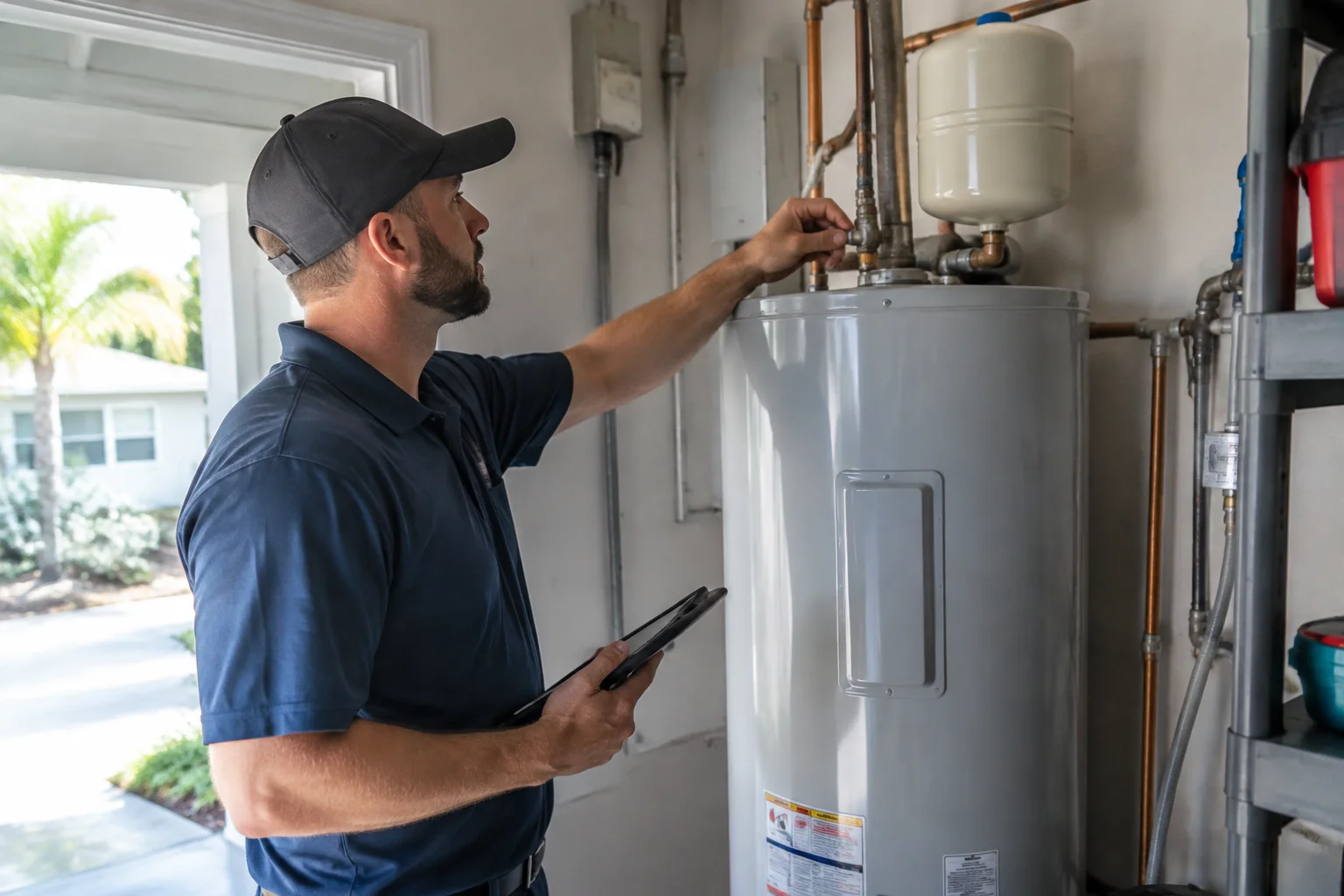
Before blaming an underground pipe, inspect the accessible plumbing around the water heater. Moisture can come from a connection, valve, or the tank itself. Unexplained hot water loss or unusually frequent heating cycles can also accompany a hot supply leak. Never cap a temperature and pressure relief discharge pipe. Active discharge, tank leakage, or unsafe temperatures need prompt professional attention.
Routine water heater service should follow the manufacturer's instructions and account for the unit's condition. Sediment, corrosion, and pressure problems deserve attention before they lead to a larger repair. Learn more about how a failing water heater can affect plumbing in Wright homes.
Toilet repair and faucet repair are also important parts of leak prevention. A little food coloring in the toilet tank can reveal a leaking flush seal if color reaches the bowl without flushing; flush afterward to limit staining. Dripping faucets and damp supply hoses deserve repair too. For worn fixtures, a planned approach to fixture replacement can help address shutoffs and connections at the same visit.
Build a maintenance routine around pressure and visibility
Check beneath sinks and around the water heater regularly, especially before leaving home for an extended period. Keep shutoffs accessible and know where the homeowner's main water valve is located. Monitor monthly consumption and inspect exposed hoses for deterioration. Moisture alarms near appliances can provide an early warning, although they will not detect every concealed leak.
Have water pressure checked if fixtures hammer, connections repeatedly leak, or pressure changes noticeably. Persistent readings above 80 psi generally warrant professional evaluation, though acceptable pressure and corrective measures depend on applicable requirements and system conditions. A regulator or thermal expansion issue may need attention. Also protect exposed piping during occasional Northwest Florida freezes.
Know when a plumbing problem cannot wait
Rapid flooding, a burst pipe, sewage backing into living areas, or water reaching electrical equipment calls for immediate action. Shut off the home's water only if you can safely reach and operate the valve. For a sewer backup, stop using connected fixtures. Stay away from wet electrical equipment and contaminated water. Do not enter standing water to reach a shutoff.
When searching for a licensed plumber near me during an urgent problem, explain the active symptoms and ask about current availability rather than assuming same-day service. A Superior Mechanical's Wright service page and Okaloosa County service information provide local service context. For a suspected hidden leak, have recent water bills, photos, and the timing of any moisture ready. Those details help turn an uncertain symptom into a focused plumbing assessment.
Find Leak Detection and Slab Leak Services in Wright, FL
If you need Leak Detection and Slab Leak Services in Wright, FL, visit our local service page or contact A Superior Mechanical today.
Map of Wright, FL
Frequently Asked Questions
How can I tell whether I have a slab leak or a leaking toilet?
A leaking toilet may refill unexpectedly or allow colored water placed in the tank to reach the bowl without flushing. A slab leak may cause unexplained meter movement, damp flooring, or a warm floor patch, but those clues are not definitive. If visible fixtures do not explain the water loss, professional isolation and leak detection testing can help locate the source.
Does slab leak repair always require breaking through the floor?
No. A localized repair may require opening a limited section of flooring and concrete, but rerouting the affected line may be another option. The appropriate approach depends on the leak location, pipe condition, home layout, and applicable requirements. Ask whether the repair estimate includes access and surface restoration.
Should I shut off the water if I suspect a hidden leak in my Wright home?
For active flooding or a significant supply leak, shut off the homeowner's main water valve if it is safe and operable, then request urgent plumbing help. Do not force a stuck valve or enter standing water near electrical equipment. For unexplained usage without visible flooding, arrange prompt testing and monitor for worsening symptoms.
Related Articles
Photo Gallery