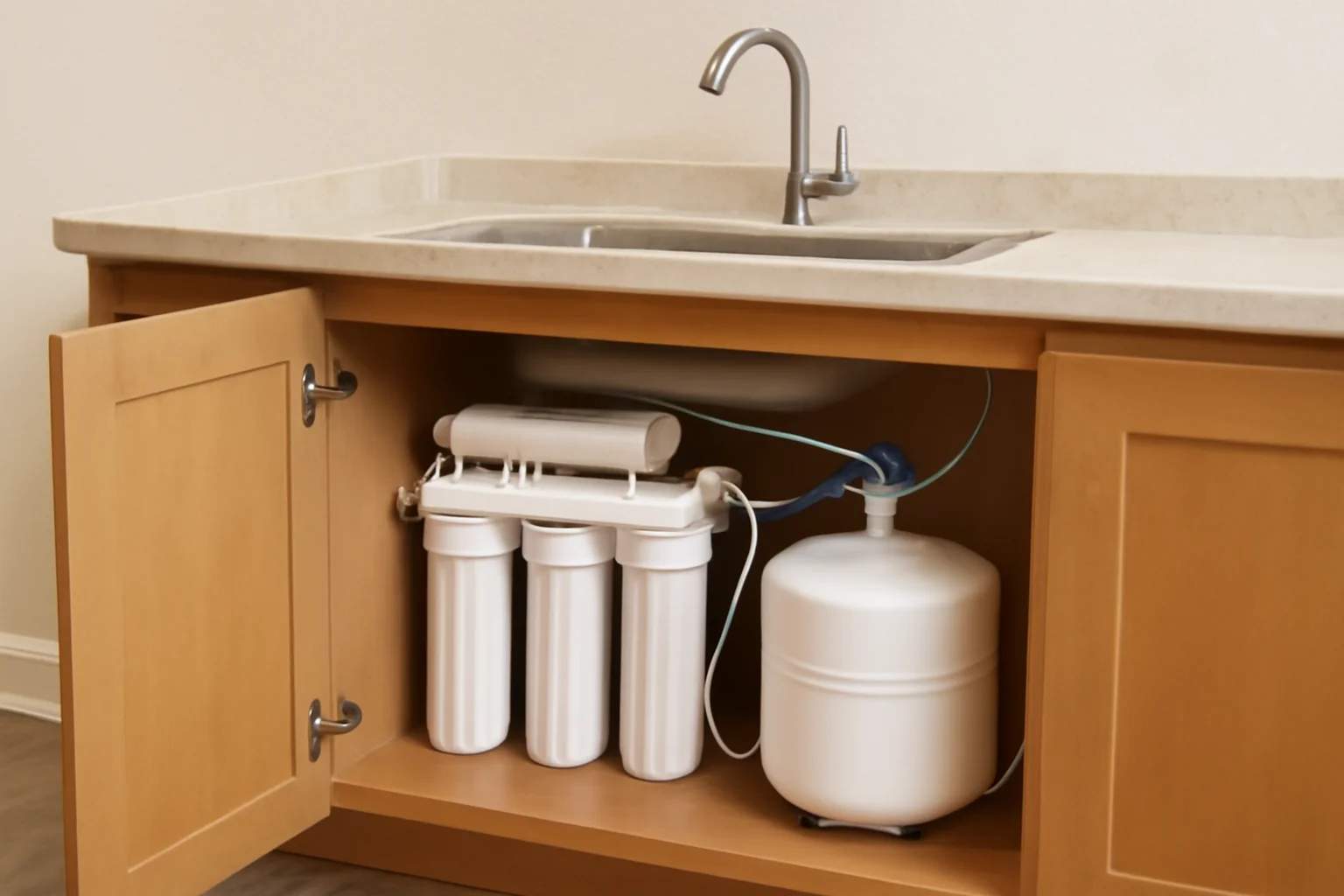
Callaway homes deal with real water challenges: hard water minerals, mineral scale on fixtures, and water that can pick up chlorine odor or an unpleasant taste. If you have a reverse osmosis system, you already know RO can deliver great drinking water. The catch is that RO performs best when the water entering the system is properly conditioned. Better water treatment helps protect the membranes, improves taste and odor, and reduces sediment issues that can shorten system life.
Whether you are planning a reverse osmosis system in Callaway or you want to improve an existing setup, this guide explains how water treatment choices work together. You will also see what to look for at home, including hard water spots on glass and cloudy ice cubes, and how to reduce them with the right filtration approach.
Why hard water makes reverse osmosis harder to run in Callaway
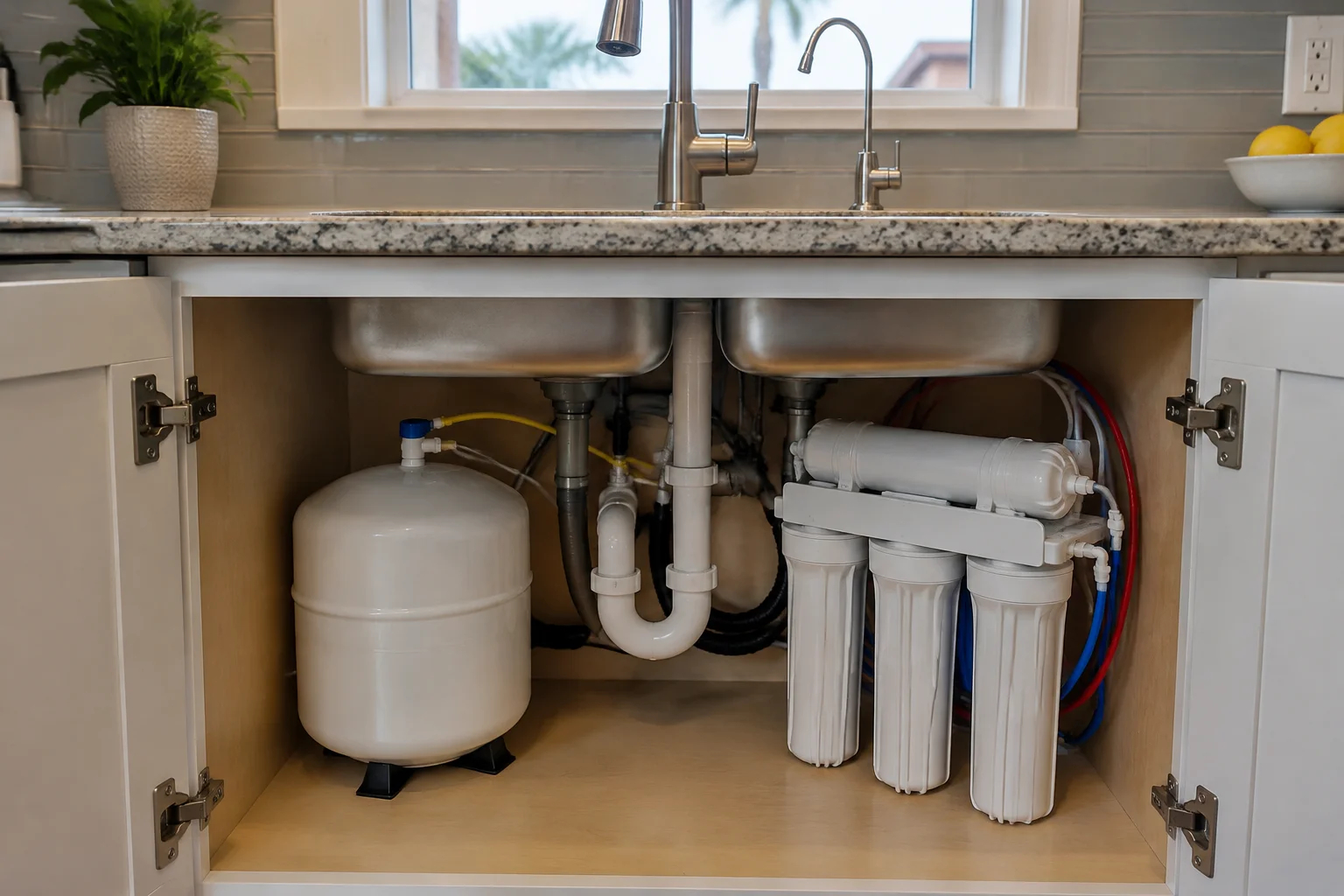
Reverse osmosis is a precision filtration process. It pushes water through a semi permeable membrane to reduce dissolved solids and many contaminants. But the membrane is not designed to handle every water problem without help. In Callaway, the combination of hard water minerals and common water chemistry issues can lead to:
More sediment and particulate entering the RO system, which can foul filters faster.
Scale buildup from hardness minerals, which can reduce membrane performance over time.
Odor and chlorine taste concerns that are unpleasant for drinking, cooking, and coffee.
Appliances wearing out faster because scale and mineral buildup affect water heaters, faucets, and water using fixtures.
When hard water treatment is not addressed, homeowners often notice the everyday results: scale buildup on faucets and showerheads, visible discoloration or odor in the water, soap that does not lather or rinse well, and dry skin or dull hair after bathing. Those same issues can show up in your RO system as well, just behind the scenes.
What better water treatment does before RO
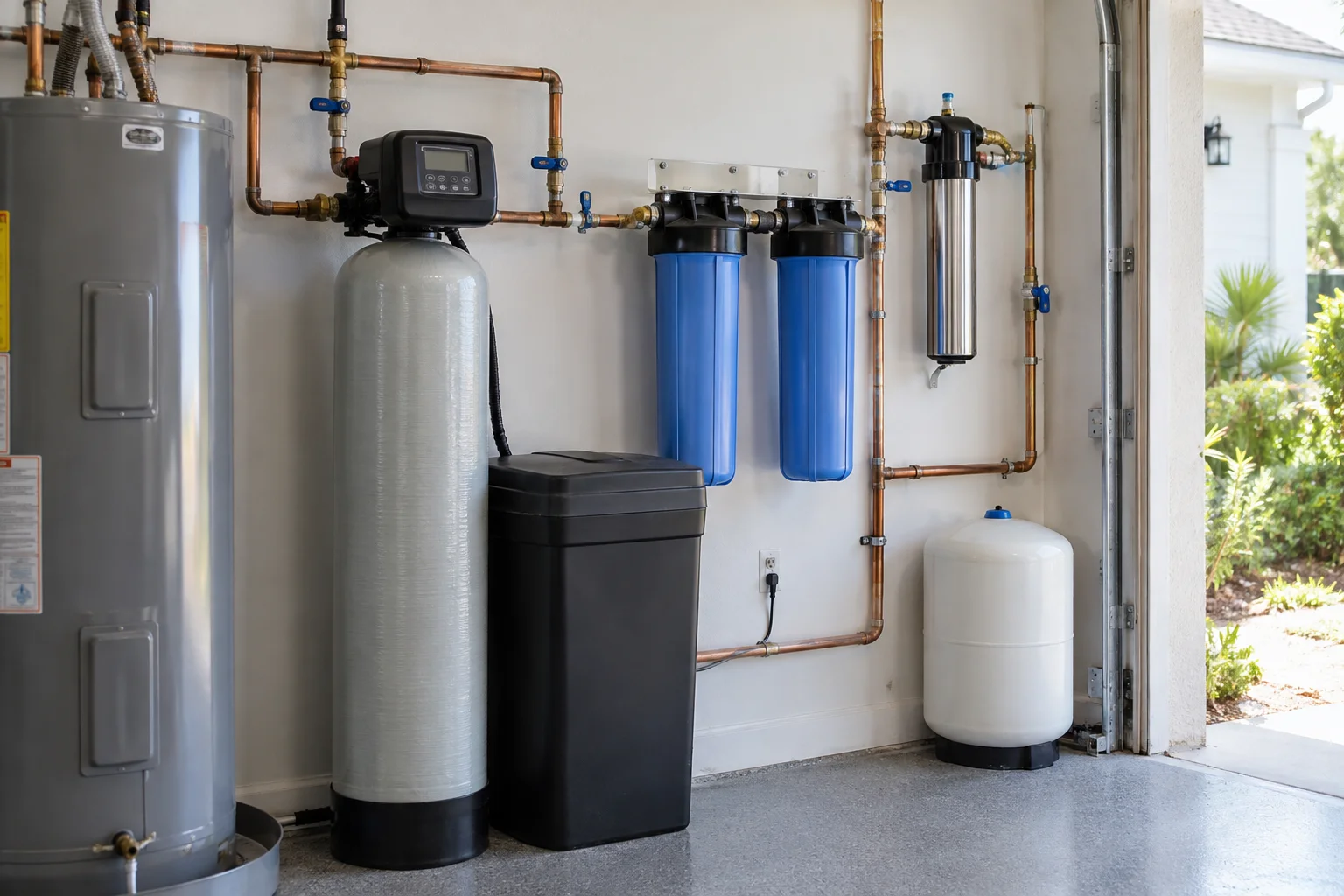
Think of reverse osmosis as the final step in a clean water system. Better water treatment focuses on conditioning the incoming water so the RO membrane stays clean and the finished water tastes better. A well designed setup typically includes a combination of sediment reduction, carbon filtration, and water softening or hardness control.
1) Sediment reduction to protect filters and the membrane
Even if your water looks “clear,” sediment can be present. In homes, you may see visible sediment, discoloration, or a lingering odor. Sediment can also contribute to cloudy ice cubes and gritty buildup at fixtures. With RO, sediment can clog pre filters and reduce flow, which can impact production and pressure.
Proper pre filtration helps by catching particles before they reach the RO membrane. That means:
Less filter clogging between service intervals
More stable water flow for consistent RO drinking water system output
Cleaner, clearer finished water for drinking and cooking
2) Carbon filtration to reduce odor and chlorine taste
Many homeowners describe metallic tasting water or a chlorinated, unpleasant taste. That is often tied to chlorine or related treatment byproducts. Carbon filtration can help reduce chlorine taste and odor, improving what you actually experience at the kitchen sink.
When carbon is included in the right place in the system, you can get better tasting drinking water for:
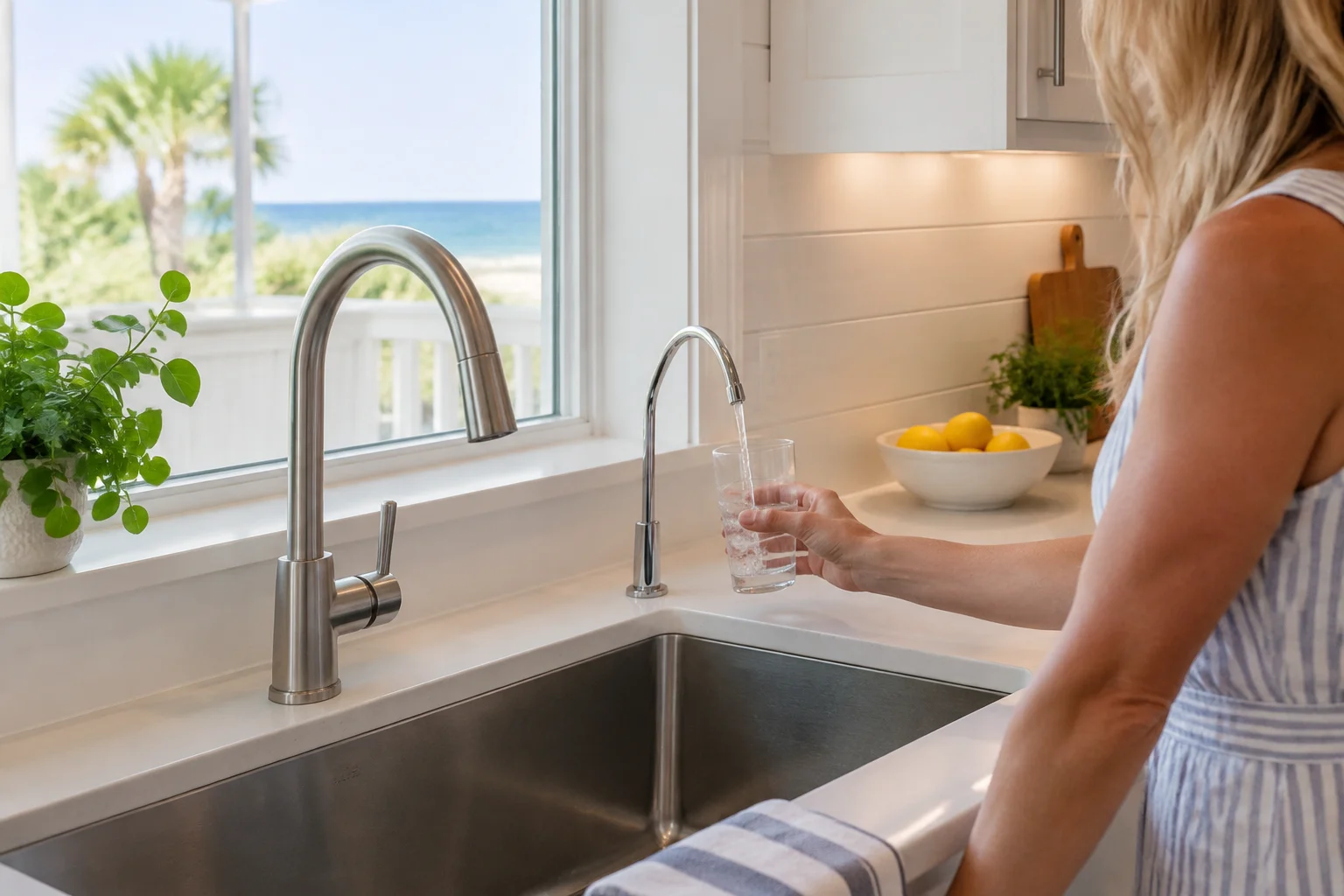
Drinking water straight from the RO tap
Filtered water for coffee and cooking
Ice that looks clearer instead of cloudy
For families, this matters. Picture a busy Callaway morning: someone filling a glass, another person making coffee, and dinner plans based on tap water. When the taste is off, it is easy to notice even if you have a working RO system. Good pre treatment helps the RO deliver what it is supposed to deliver.
3) Water softening or hardness control to reduce scale buildup
Hard water minerals can leave scale where water evaporates or concentrates, such as around faucets, showerheads, and plumbing. Scale buildup can also impact RO performance by contributing to membrane fouling. Over time, that can lead to reduced output, higher pressure demands, and less effective contaminant reduction.
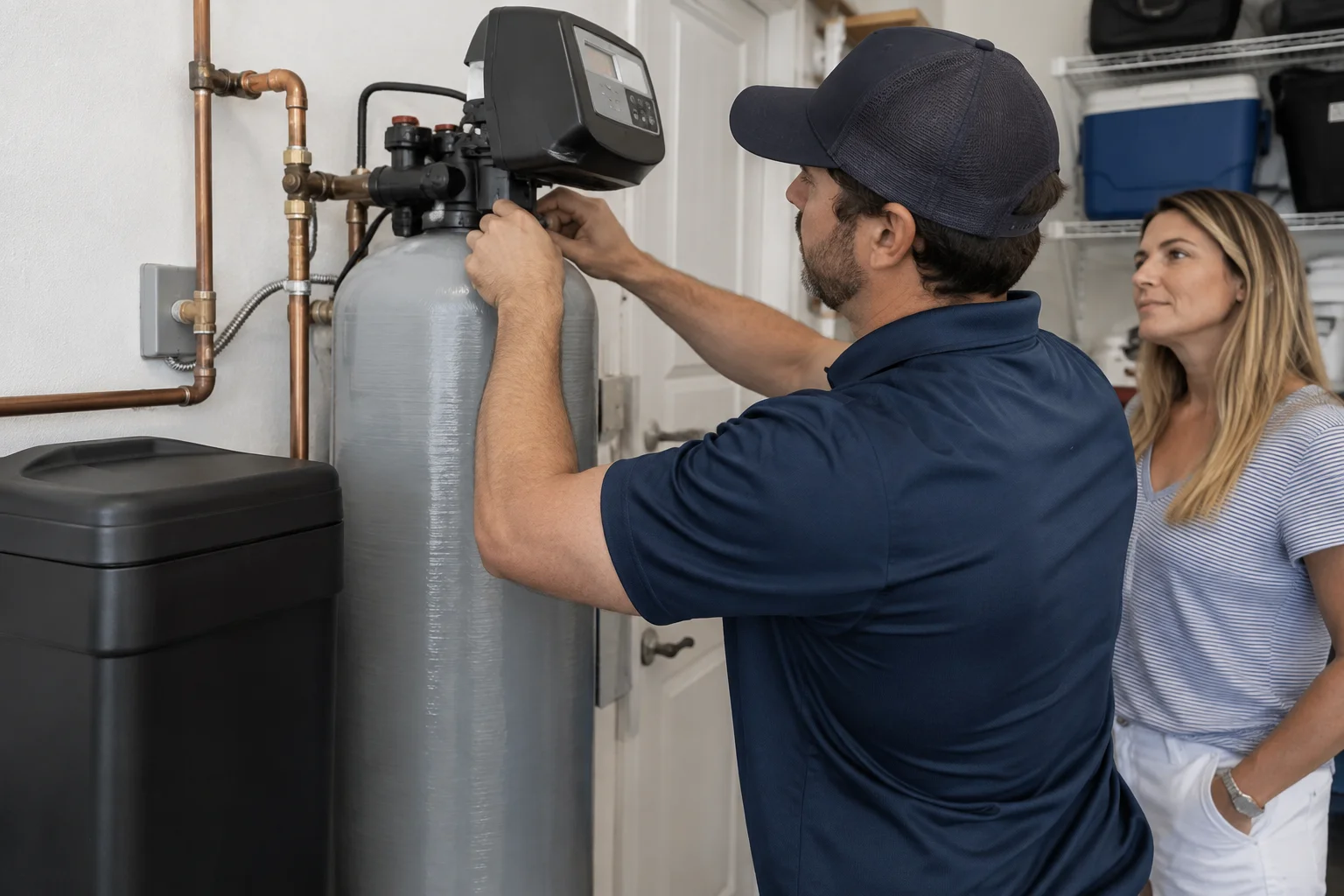
Water softening is one approach to manage hardness. An AO Smith water softener can help reduce mineral scaling throughout the home, including areas that connect to your clean water system. That reduces the “background” mineral stress that can also affect RO.
Many homeowners also choose whole home water filtration paired with targeted RO for drinking. Whole home treatment can reduce sediment and improve water quality across showers, laundry, and fixtures, while the RO provides concentrated drinking water. This combination often helps when you want better bathing comfort and fewer plumbing repairs, not just better water at one tap.
Common home signs that your RO needs better pre treatment
If you already have reverse osmosis installed, these signs can point to pre filtration gaps or membrane stress from hard water. If you do not have RO yet, the same symptoms can help you decide what to include in a clean water system design.
Hard water spots on glass and dull results in the kitchen
Do your drinking glasses show hard water spots after they dry? Do dishes come out with a film, dull shine, or spots that look like mineral residue? These are classic hard water signals. Scale and mineral residue can also affect the way water behaves in your RO system, especially if sediment or chlorine taste is also present.
Scale buildup on faucets, showerheads, and plumbing
When you notice scale buildup around faucets and showerheads, it is not just an appearance problem. It is evidence of mineral concentration in the water. That same mineral behavior can contribute to RO membrane scaling if hardness is not properly addressed.
Dry skin or dull hair after bathing
Homeowners often describe dry skin from hard water and hair that feels less clean or looks dull. Soap that does not lather or rinse well is another clue. While RO focuses on drinking water, whole home water filtration and water softening can improve bathing and laundry results, making your entire home feel more comfortable.
Metallic, chlorinated, or unpleasant taste
Do you notice a metallic taste, a chlorinated odor, or an unpleasant flavor in drinking and cooking water? Even when the RO system is operating, odor and taste issues can remain if chlorine is not adequately reduced prior to RO. Carbon filtration and proper system configuration can help.
Cloudy ice cubes and poor tasting coffee
Cloudy ice cubes can happen when minerals or dissolved solids are not controlled. If coffee tastes “off” or cooking water affects flavor, that is a sign your water quality is not where you want it. Clean RO drinking water system output depends on stable pre treatment.
Appliances wearing out faster
Scale contributes to wear and reduced efficiency. If you are seeing earlier than expected issues with water heaters, faucet aerators, and other water using appliances, it may be time to think beyond RO alone. Whole home water filtration and hardness control can protect equipment and reduce maintenance costs.
How a proper RO system design addresses sediment, odor, and chlorine concerns
Every Callaway home has different water conditions. That is why a professional water treatment approach starts with understanding your water. A Superior Mechanical can help evaluate sediment levels, hardness, and taste or odor concerns so the system is matched to your household.
Pre treatment sizing and placement matters
Sediment reduction and carbon filtration need the right size and placement to protect the RO membrane. If pre filters are undersized or skipped, the RO system can clog faster. If carbon is not included or is bypassed, chlorine taste and odor can continue to show up in your drinking water.
Hardness management protects performance over time
When hardness is high, scale buildup can reduce membrane efficiency. Water softening or other hardness control steps can reduce that stress. The goal is not just better tasting drinking water today, but dependable long term performance for your reverse osmosis system near me search and your monthly routine.
Whole home water filtration can complement RO for everyday comfort
Many homeowners want clean water beyond the kitchen tap. Whole home water filtration can reduce sediment and improve water quality for showers, laundry, and fixtures. That can reduce hard water spots on glass and reduce the “battle” with soap that does not rinse well.
In Bay County, seasonal weather and local water characteristics can affect how your plumbing experiences sediment and mineral concentration. A system designed with local conditions in mind helps ensure consistent results through humid stretches and rainy periods.
What maintenance looks like for RO in a hard water Callaway home
A clean water system is not “set it and forget it,” especially in hard water conditions. Maintenance is what keeps your RO drinking water system performing and tasting good.
Replace pre filters on schedule
Pre filters handle sediment and taste related issues. When they are overdue, you may see reduced flow, cloudy ice cubes, and renewed odor concerns. Scheduling filter changes helps protect the RO membrane and supports better tasting drinking water.
Monitor membrane performance and production
If RO output drops, you may have membrane stress from hardness or a buildup issue. A professional can check system performance and recommend whether water softening, carbon, or pre filtration should be adjusted.
Address hardness control to slow scale buildup
If you have scale buildup around faucets and showerheads, your water is clearly carrying minerals. Adding or optimizing water softening can reduce the overall scaling load and help your RO system run more efficiently.
Keep an eye on taste and odor changes
When chlorine taste returns, or metallic tasting water shows up again, it is often connected to carbon filtration performance or pre treatment changes. Homeowners should not wait until the water tastes “bad enough.” Early service typically protects the RO membrane and reduces repair or replacement risk.
Where AO Smith fits in: softening and filtration for cleaner water
AO Smith is a well known option for water softening and filtration equipment. For homeowners considering a setup that includes both whole home improvements and drinking water purification, AO Smith water filtration and water softening products can be part of a coordinated plan.
In a typical strategy, whole home treatment helps with bathing, laundry, and fixture scaling, while RO handles purified drinking water for the kitchen. Pairing an AO Smith water filtration approach with reverse osmosis can support better results and reduce the mineral stress that causes scale buildup.
If you are searching for water softener installation near me or a reverse osmosis system near me, it helps to choose a company that treats the whole picture. A Superior Mechanical focuses on reverse osmosis systems in Callaway, FL and can guide homeowners toward the right pairing of sediment control, carbon filtration, and hardness reduction.
Protect your kitchen routines: drinking, cooking, coffee, and ice
It is easy to underestimate how much water quality affects daily life until it is not right. In a Callaway kitchen, clean water shows up in small moments:
Clear ice cubes instead of cloudy cubes that look like they came from a different source
Better tasting drinking water that family members actually choose
Filtered water for coffee and cooking that tastes consistent, not metallic or chlorinated
Dishes that rinse cleaner, with fewer hard water spots on glass
With proper better water treatment before RO, your RO tap becomes the reliable water source you want for drinking water and cooking water. That is the difference between “RO installed” and “RO performing the way it should.”
Why local service matters in Callaway, Bay County, FL
Water treatment is not one size fits all. Local water conditions can vary, and even within the same city, household plumbing, usage patterns, and existing filtration can change how your water behaves.
In Callaway, homeowners face common hard water and taste or odor concerns that show up on fixtures and in daily routines. Working with a local team helps you choose the right approach for your home and protect the investment you make in reverse osmosis installation.
If you want to explore options, start with the service page for reverse osmosis systems in Callaway. If you are also considering whole home improvements, visit water filtration, RO, and water softeners. You can also browse more about service options across the area on the Callaway service page and Bay County service areas.
When to call a professional for RO and hard water treatment
It is a good time to get help if you notice several of the following at once:
Cloudy ice cubes or persistent odor in the RO drinking water
Hard water spots on glass that keep returning quickly
Scale buildup on faucets and showerheads that feels worse over time
Metallic tasting water or chlorinated taste despite RO
Appliances or plumbing components wearing out faster
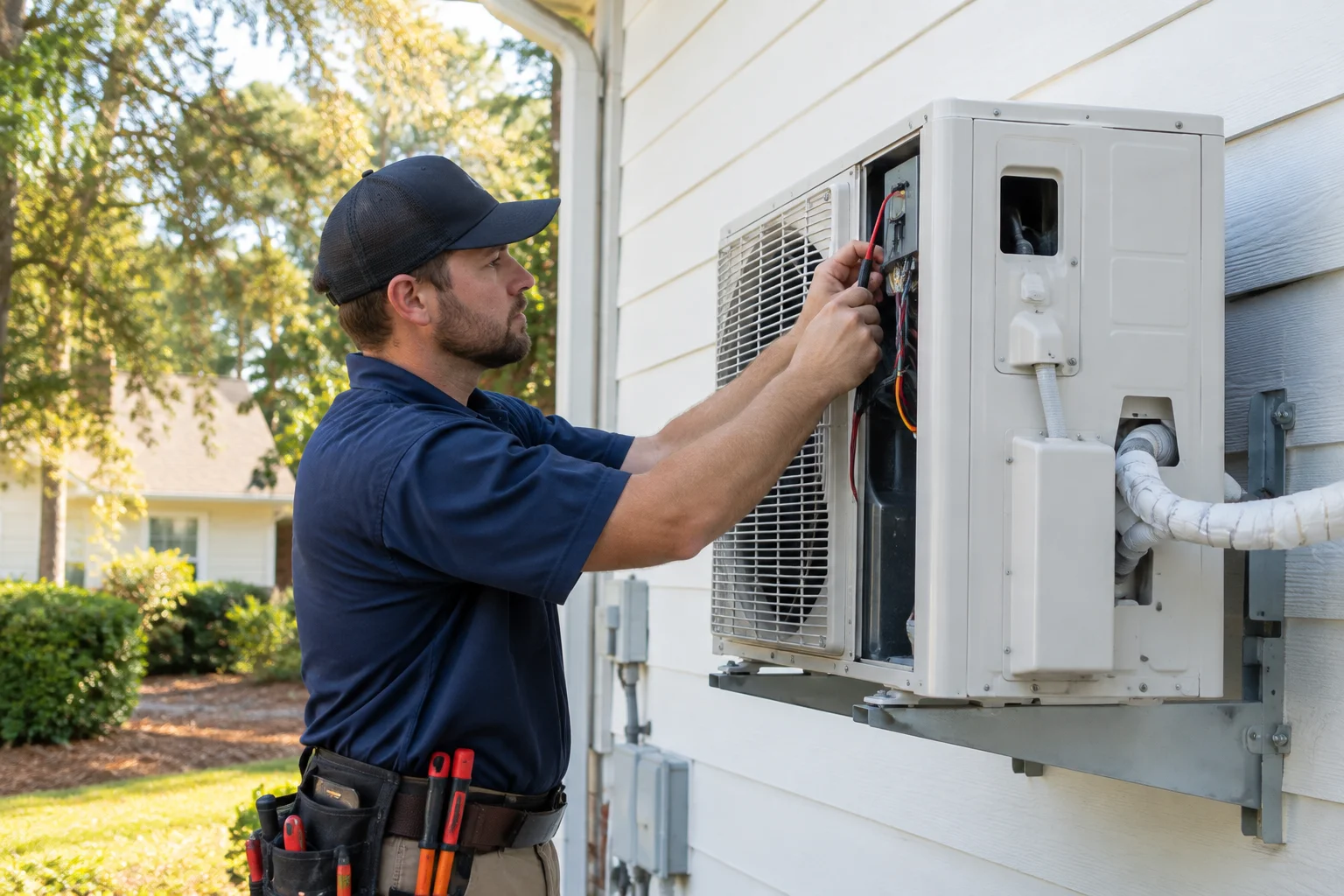
Professionals can evaluate your system, check water quality, and recommend upgrades such as improved sediment filtration, carbon adjustments, and water softening support. That is how homeowners reduce sediment, odor, and chlorine concerns while extending the life and performance of their RO system.
Related reading for Callaway homeowners
If you want a deeper look at how RO systems behave in local homes, these guides can help:
- Why Reverse Osmosis Systems Struggle in Callaway Homes and What Water Treatment Can Fix
- A Callaway Homeowner’s Guide to Smarter Water Filtration and Fewer Plumbing Repairs
- Smart Plumbing Habits for Reverse Osmosis Systems in 30A Homes
- Cleaner Drinking Water and Healthier Plumbing: A Rosemary Beach Homeowner’s Guide to Reverse Osmosis Systems
Find Reverse Osmosis Systems in Callaway, FL
If you need Reverse Osmosis Systems in Callaway, FL, visit our local service page or contact A Superior Mechanical today.
For a broader look at whole-home water filtration, reverse osmosis, and water softener options, visit our water filtration, RO, and water softener page.
Map of Callaway, FL
Frequently Asked Questions
Can hard water damage a reverse osmosis system in Callaway, FL?
Yes. Hard water can contribute to scale buildup that stresses the RO membrane. That can reduce water output, affect taste, and shorten membrane life unless hardness control and proper pre filtration are included.
Why does my RO drinking water taste chlorinated or metallic?
Chlorine taste and odor usually point to carbon filtration that is missing, undersized, or overdue. Metallic or unpleasant flavors can also be tied to water chemistry and how pre treatment is configured before RO.
Do I need whole home water filtration if I already have RO for drinking water?
Not always, but many Callaway homeowners choose whole home water filtration and water softening to reduce hard water spots on glass, scale on fixtures, dry skin, and laundry issues. RO can handle drinking water, while whole home treatment improves day to day water across the house.
How often should RO filters and pre treatment be serviced?
Service intervals depend on your water quality and usage. In hard water homes, pre filters and related components may need more frequent replacement to prevent sediment and odor issues and to protect the RO membrane.
Related Articles
- Why Reverse Osmosis Systems Struggle in Callaway Homes and What Water Treatment Can Fix
- A Callaway Homeowner’s Guide to Smarter Water Filtration and Fewer Plumbing Repairs
- Smart Plumbing Habits for Reverse Osmosis Systems in 30A Homes
- Cleaner Drinking Water and Healthier Plumbing: A Rosemary Beach Homeowner’s Guide to Reverse Osmosis Systems
Photo Gallery