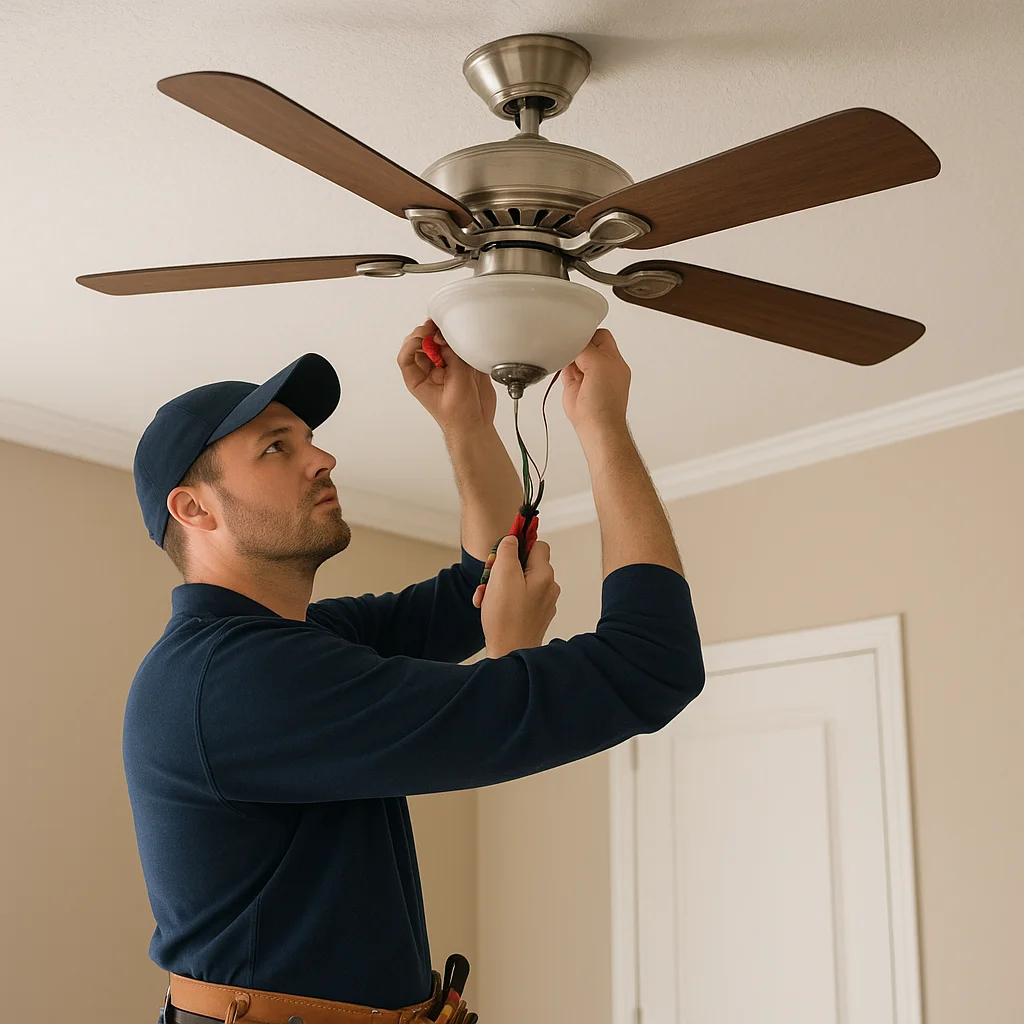
In Springfield, FL, ceiling fans do more than move air. They help homes stay comfortable through humid summers, reduce strain on cooling systems, and give homeowners a chance to catch electrical issues before they turn into bigger problems. When fans are installed correctly and repaired with the rest of the home’s electrical system in mind, they can also support storm readiness, safer wiring, and better day to day reliability.
That matters in Bay County, where coastal weather, heavy rain, lightning, and power interruptions can expose weak points in panels, breakers, outlets, and older wiring. If you are searching for a trusted ceiling fan installation and repair service in Springfield, it helps to think beyond the fan itself. A proper install should fit the ceiling box, the circuit, the grounding, and the home’s overall electrical load.
Why ceiling fans deserve a closer look in coastal Florida homes
Many Springfield homes were built with mixed electrical updates over time. Some have newer lighting and outlets in one area, older wiring in another, and a panel that has been expanded to keep up with remodels, additions, and modern appliances. Ceiling fans can reveal those differences fast. A fan that wobbles, hums, trips a breaker, or dims nearby lights is often pointing to a wiring, box, or circuit issue rather than a fan problem alone.
In a humid coastal climate, metal parts can corrode faster, attic temperatures can rise, and storm season can put more stress on electrical systems. That is why ceiling fan installation and repair in Springfield should be handled as part of a broader electrical check, especially in homes that also need electrical repair, outlet updates, or breaker troubleshooting.
What a safe ceiling fan installation should include
A ceiling fan is heavier and more dynamic than a basic light fixture, so the mounting box has to be rated for fan support. The wiring should be sized correctly, the connections should be secure, and the switch leg should match the way the fan will be controlled. If the fan includes a light kit, remote receiver, or wall control, those parts need to be compatible with the circuit and the fan’s load.
For homes in Springfield and across Bay County, safe installation often includes:
- A fan rated ceiling box and secure mounting
- Proper grounding and bonding
- Correct wire connections and polarity
- A circuit that can handle the fan and light load
- Testing for switch, remote, and dimmer compatibility
If the project involves new wiring, a new switch location, or a replacement in a room that never had a fan before, it may also fall under electrical installation work. That is especially true in older homes where a simple swap can uncover outdated boxes, loose splices, or a lack of proper support in the ceiling.
Electrical problems a ceiling fan can expose
Homeowners often notice fan issues before they notice the electrical cause. A fan that wobbles may be mounted to the wrong box. A fan that only works on certain speeds may have a control issue. A fan that causes the lights to flicker can point to a loose connection, a worn switch, or a circuit that is already carrying too much load.
Common warning signs include:
- Flickering lights when the fan starts
- Buzzing at the fan, switch, or ceiling box
- Breaker trips when the fan and lights run together
- A fan that shakes even after balancing
- Warm switches or a faint burning smell
- Remote controls or wall controls that stop responding
Those symptoms can overlap with other home electrical concerns. A homeowner searching for flickering lights repair near me or switch repair near me may find the fan is only part of the story. In some cases, the real issue is a loose neutral, a failing breaker, or an overloaded circuit that needs attention from a licensed electrician.
Panels, breakers, and power demand in Springfield homes
Ceiling fans may seem small compared with an HVAC system or water heater, but they still add to the home’s electrical demand. That matters in homes with multiple fans, outdoor living spaces, upgraded lighting, or added appliances. If a panel is crowded, outdated, or showing signs of heat damage, even modest loads can become a problem during storms or high usage periods.
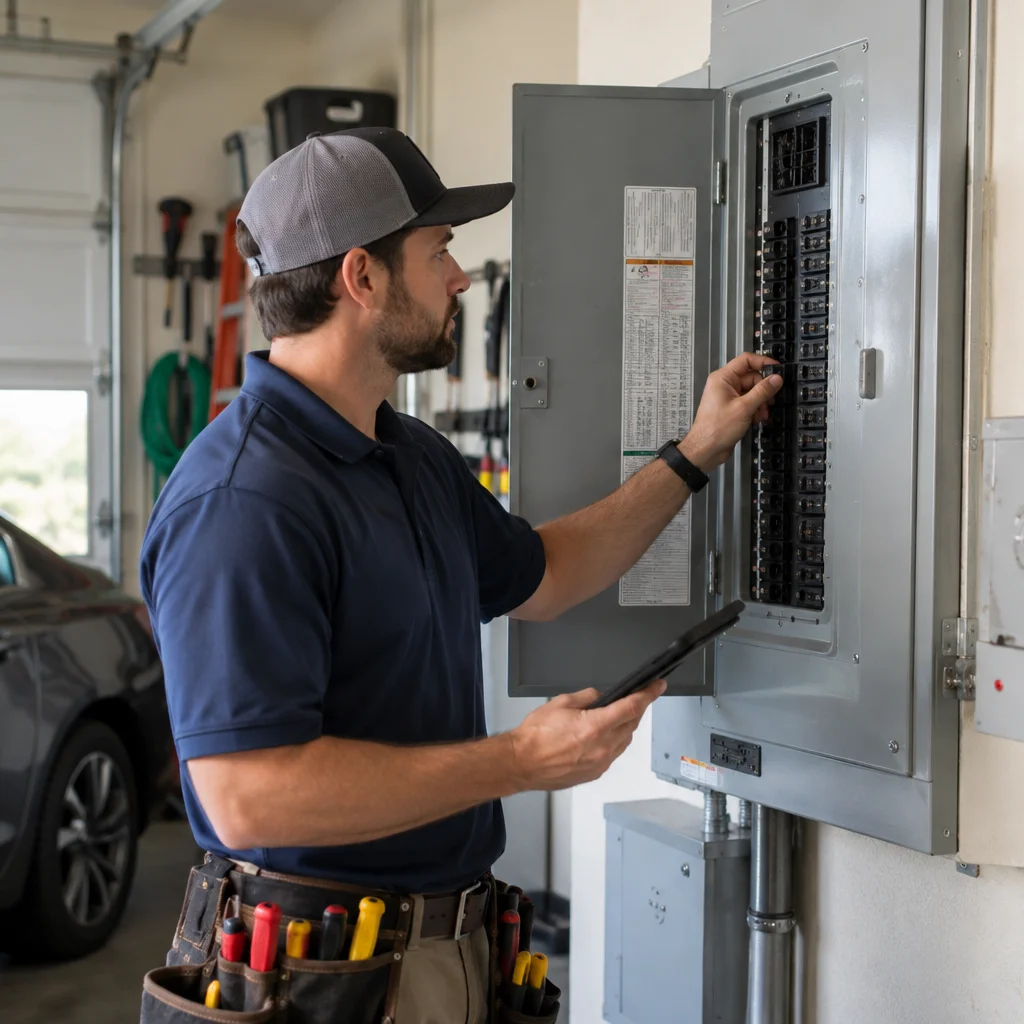
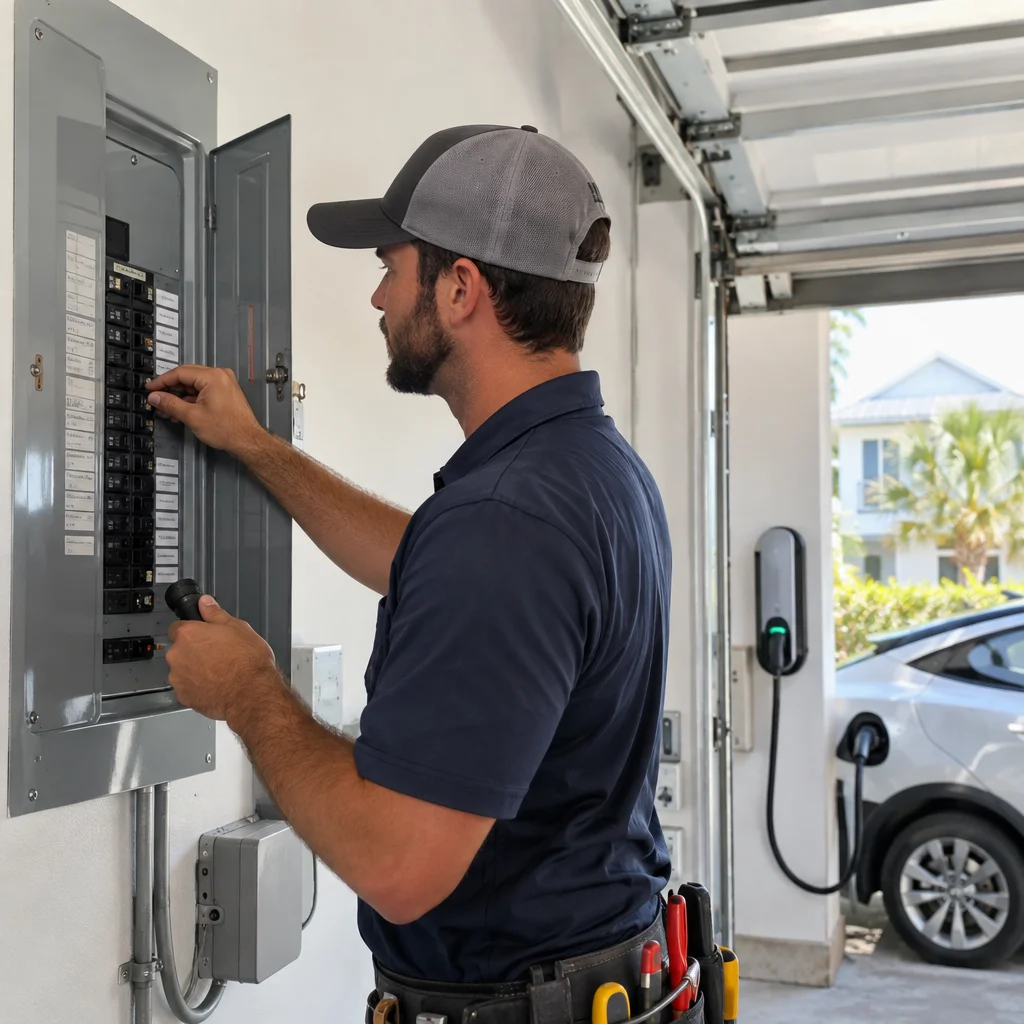
Homeowners looking into electrical panel upgrade near me or 200 amp panel upgrade near me are often dealing with the same root issues that affect ceiling fans. Older fuse boxes, undersized breakers, and weak connections can cause nuisance trips, dimming, and unreliable operation. If a fan circuit trips repeatedly, it may be time for a breaker repair or a broader panel evaluation.
In some Springfield homes, especially older properties and remodels, a panel inspection can also reveal the need for grounding improvements, surge protection, or code corrections. That is part of why local electrical service matters. A technician who understands Bay County homes can look at the fan, the circuit, the panel, and the surrounding wiring as one system instead of treating each symptom separately.
Storm readiness starts with the right protection
Springfield weather can bring lightning, wind, and outages that stress electrical systems in a hurry. Ceiling fans are not usually the first thing people think about during storm prep, but they can still be affected by surges, loose wiring, and unstable power. A fan motor, remote receiver, or integrated light can fail after a surge even if the rest of the room seems fine.
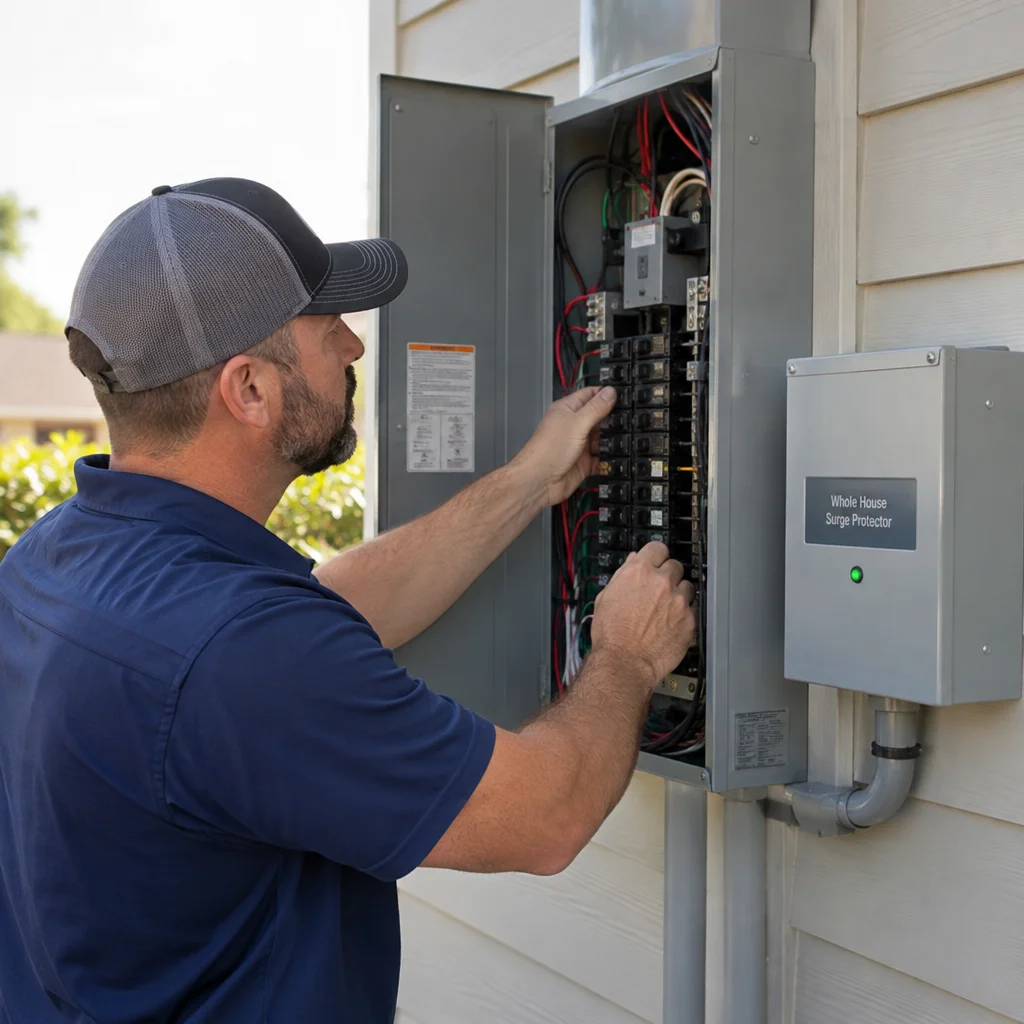
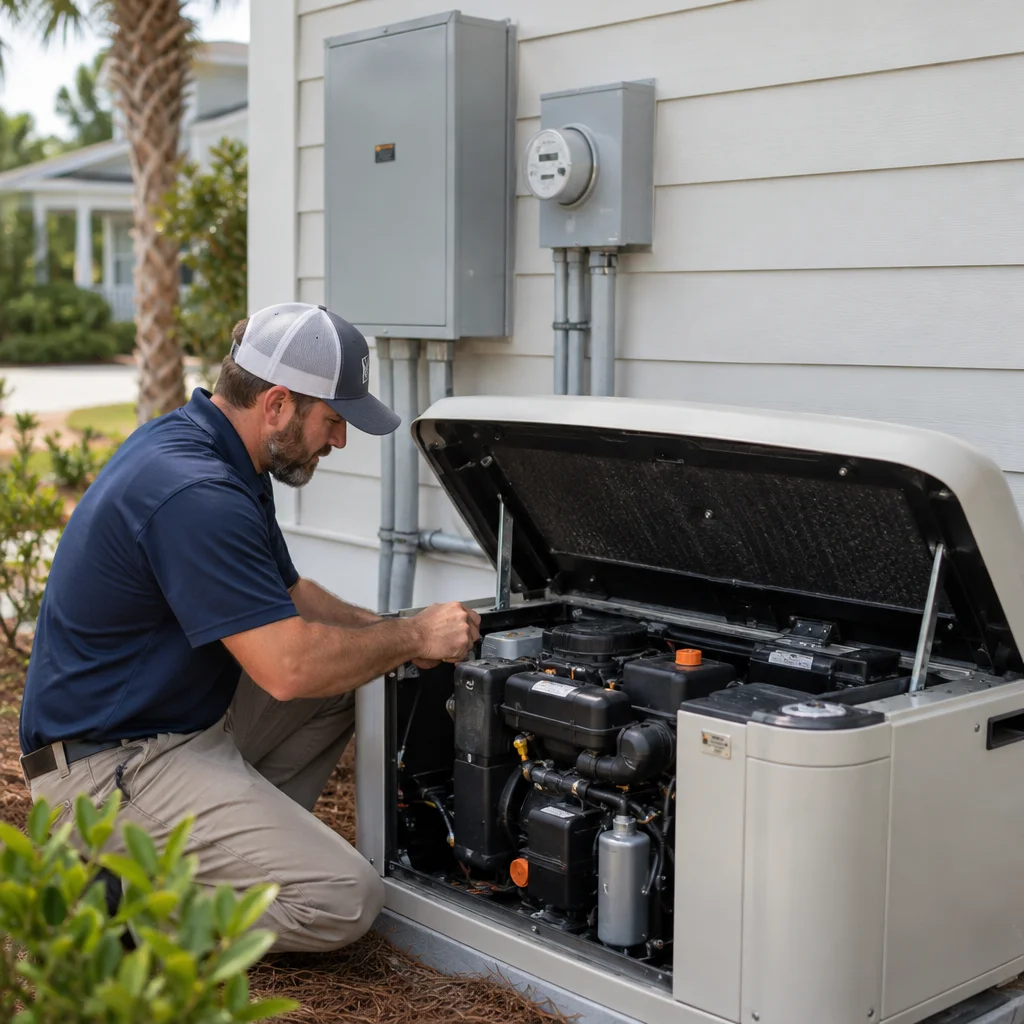
That is where surge protection, grounding, and backup planning come in. Whole home surge protection can help shield electronics, fan controls, and lighting circuits. A properly grounded system lowers the chance of damage and improves safety. For homes that want a backup plan during outages, power generator installation and maintenance can keep critical lights, fans, and other essentials running when the grid goes down.
During storm season, homeowners should also pay attention to outdoor fans, porch fixtures, and covered patio wiring. Moisture intrusion, damaged boxes, and corroded connections can all create hazards after heavy rain. If a fan or light fixture was struck by a surge or exposed to water, it is smart to schedule an inspection before using it again.
Older wiring, remodels, and ceiling fan upgrades
Springfield has a mix of older homes, renovated properties, and newer builds. That variety is one reason ceiling fan work often uncovers hidden electrical issues. Older homes may still have knob and tube wiring replacement near me concerns, outdated switch loops, or boxes not meant to support a fan. Remodels can leave behind junctions that were extended without enough planning. Additions can create new circuits that are already near capacity.
When a fan installation reveals brittle insulation, open splices, or overloaded conductors, a larger project may be the safer choice. That could mean whole home rewiring in a home with aging materials, or targeted wiring corrections in a newer property that was expanded without enough electrical capacity. In some cases, a homeowner searching for electrical wiring installation near me is really looking for a safe way to support a new fan, light, or switch location.
Ceiling fans and room upgrades that often need electrical review
Kitchen remodels, new bedrooms, enclosed porches, home offices, and bonus rooms often need more than a fan swap. They may require dedicated circuits, updated switches, or new lighting layouts. If you are adding recessed lights, a new dimmer, or a fan with separate controls, it is a good time to ask whether the circuit and box are correct for the load. Homeowners searching for kitchen lighting installation near me, dimmer switch installation near me, or electrical services near me often benefit from the same careful planning.
Outlets, switches, and GFCI protection around fan projects
Ceiling fan work can also bring attention to outlets and switches nearby. Loose receptacles, warm switches, and missing GFCI protection are common in older homes and in areas exposed to moisture. If a fan is being added to a porch, patio, garage, or bathroom adjacent area, the surrounding electrical devices may need upgrades to stay code compliant.
That is especially important in rooms where people also use portable heaters, dehumidifiers, or charging equipment. A homeowner searching for outlet repair near me or electrical inspection near me may find that a fan project is the right time to address several small issues at once. GFCI protection, proper grounding, and secure switch wiring all help reduce risk.
For homes with outdoor living areas or pool equipment, it is also worth checking nearby circuits for moisture protection and proper labeling. A search for pool electrical repair near me or spa wiring near me can point to the same kind of safety concerns that show up around ceiling fans, especially when weather exposure is involved.
When a ceiling fan issue points to a bigger electrical repair
Some fan problems are simple, like replacing a worn pull chain or tightening a loose blade. Others are signs of a deeper electrical issue. If the fan trips a breaker, causes lights to dim across the room, or stops working after a storm, the problem may be in the circuit, panel, or wiring rather than the fan itself.
That is when a local electrician can check for loose neutrals, overloaded circuits, damaged switches, or a failing connection in the ceiling box. In some cases, a homeowner searching for power outage electrician near me or home safety inspection electrician near me is really looking for help after a storm exposed a weakness that had been developing for years.
Ceiling fan repair also pairs well with broader maintenance work such as smoke detector installation, carbon monoxide detector installation, and code corrections. If the home has older devices or mixed wiring methods, a safety check can help prioritize the most important fixes before the next storm season.
Local electrical maintenance that keeps fans reliable
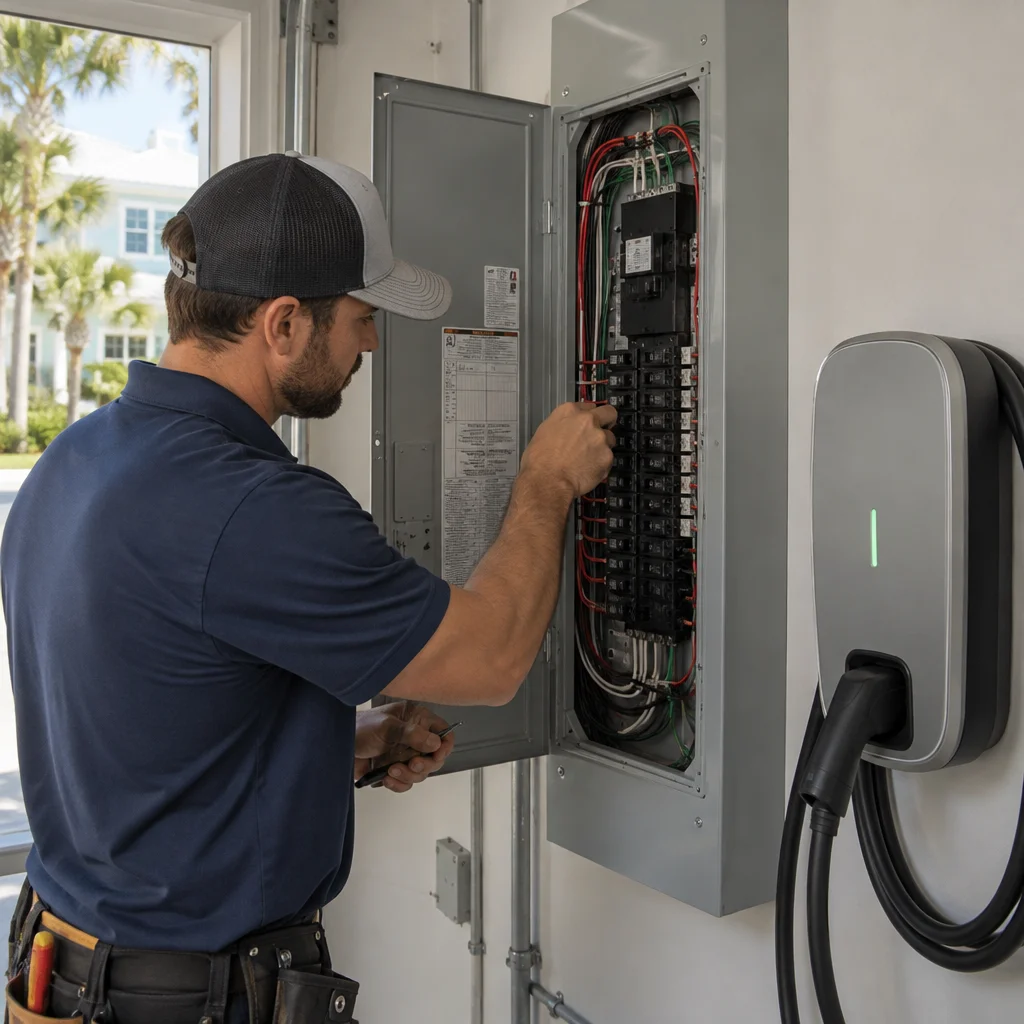
The best way to avoid repeat fan problems is to keep the home’s electrical system in good shape. That means checking the panel, testing breakers, tightening loose devices, and making sure every fan is mounted to the correct box. It also means paying attention to how the home is changing. New appliances, added rooms, upgraded lighting, EV chargers, and generator tie-ins all affect the available capacity.
If you have been comparing options for ceiling fan installation and repair in Springfield, it is worth choosing a contractor who can also handle panel upgrades, breaker repair, outlet repair, lighting installation, and wiring repair when needed. That kind of service keeps the project cleaner and reduces the chance of one small issue becoming a larger one later.
A Superior Mechanical helps Springfield homeowners protect their property with safe ceiling fan work, practical electrical repairs, and code aware recommendations. Whether the job is a single fan replacement, a storm related repair, or a larger upgrade tied to a remodel, the goal is the same: safer wiring, steadier power, and a home that is ready for Bay County weather.
For homeowners thinking ahead, it can also make sense to schedule an electrical inspection before hurricane season, especially if the house has older wiring, frequent breaker trips, or a panel that has not been evaluated in years. That is often the simplest way to catch small problems before they interrupt comfort or safety.
Find Ceiling Fan Installation & Repair in Springfield, FL
If you need Ceiling Fan Installation & Repair in Springfield, FL, visit our local service page or contact A Superior Mechanical today.
Map of Springfield, FL
Frequently Asked Questions
Can a ceiling fan reveal electrical problems in my Springfield home?
Yes. A wobbling fan, flickering lights, buzzing, or repeated breaker trips can point to loose wiring, a weak ceiling box, an overloaded circuit, or a panel issue that needs professional attention.
Do I need a special box for ceiling fan installation?
Usually, yes. Ceiling fans should be mounted to a fan rated ceiling box that is secured properly and able to handle the fan’s movement and weight.
Should I have my panel checked before adding more ceiling fans or lighting?
If your home already has several fans, new lighting, or added appliances, a panel check is a smart idea. It helps confirm that the breakers, grounding, and available capacity can support the load safely.
Can storm damage affect ceiling fans and switches?
Absolutely. Lightning, surges, and moisture can damage fan motors, remote controls, switches, and nearby wiring. If a fan acts strangely after a storm, it should be inspected before use.
Related Articles
- How Electrical Wear and Tear Shapes Inspections and Code Updates in Springfield Homes
- A Springfield Homeowner’s Guide to Smarter Water Heater Installation and Fewer Plumbing Surprises
- Why Clean Water Services Matter Before Small Plumbing Problems Turn Costly in Springfield, FL
- Staying Ahead of Pipe Problems in Springfield Homes Starts with the Right Replacement Plan
Photo Gallery