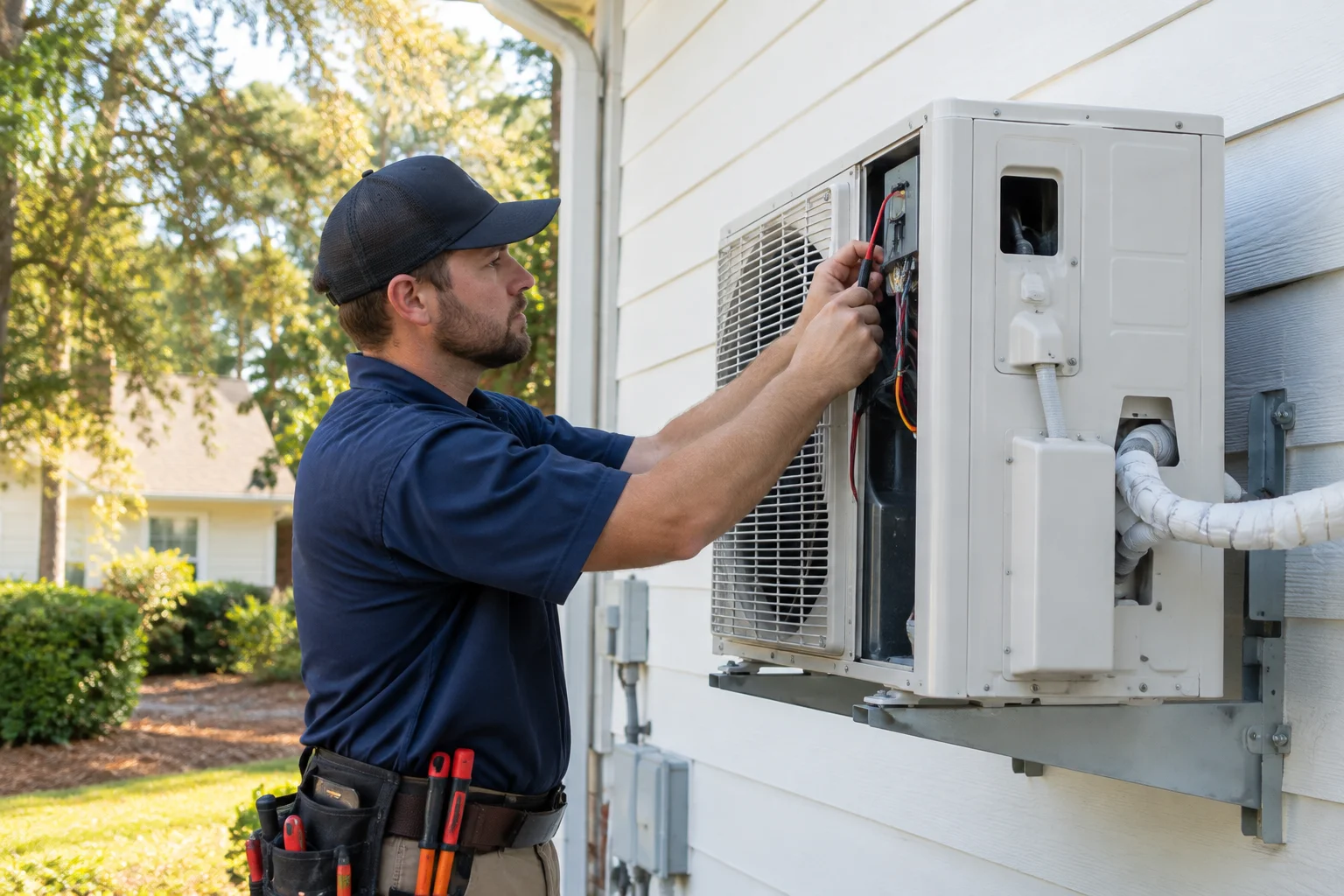
A comfortable commercial building needs more than a powerful air conditioner. In Mary Esther, equipment must handle long cooling seasons, humid outdoor air, changing occupancy, and coastal exposure. A system that cools the lobby but leaves offices sticky or back rooms warm is not delivering the comfort the property needs.
Smart planning for commercial HVAC installation in Mary Esther, FL starts with the building, not a replacement model number. For business owners, rental property managers, and homeowners converting space for business use, the goal is dependable temperature control, balanced airflow, and manageable operating costs. A Superior Mechanical provides commercial HVAC installation in Mary Esther with attention to these connected needs.
Start With How the Property Actually Operates
A small retail shop, professional office, and rental property's shared amenity room may have similar floor areas but very different cooling requirements. Customer traffic, computers, lighting, exterior doors, and business hours all affect system demand. Equipment selected by square footage alone can miss those differences.
Before choosing equipment, document uncomfortable rooms, operating schedules, utility use, and recurring repairs. Ask occupants where temperatures drift and whether the air feels damp even when the thermostat reaches its setting. These observations help guide the assessment, although they do not replace measurements.
Account for remodels, additions, and changed uses
Older homes converted into offices may retain residential ductwork that no longer suits the layout. Newer homes and commercial buildings can also develop comfort problems after partitions, additions, or occupancy changes. A storage room converted into a busy workspace creates a different load, even if the existing HVAC system still runs.
Installation planning should include applicable permit, ventilation, and occupancy requirements. Residential equipment should not automatically be assumed suitable for a commercial conversion.
Size for Mary Esther's Heat and Moisture
Mary Esther's warm coastal climate creates both sensible cooling loads, which affect temperature, and latent loads, which involve moisture removal. Proper sizing must address both. Long summers and busy seasonal periods also make reliability important when replacement scheduling is least convenient.
A commercial load calculation should consider insulation, windows, roof exposure, occupancy, equipment heat, ventilation, and air leakage. Replacing an old unit with the same tonnage without checking these factors can repeat an existing design mistake.
Bigger equipment can leave a building clammy
Oversized systems may satisfy the thermostat quickly and shut down before removing enough moisture. Undersized equipment may struggle during peak conditions. Variable capacity equipment can improve load matching when properly selected, but it cannot compensate for poor duct design or uncontrolled outdoor air.
For owners searching for ac installation near me, a useful first question is whether the proposal includes load calculations and an airflow assessment. Those steps matter more than a larger capacity number.
Choose Equipment Around the Building's Needs
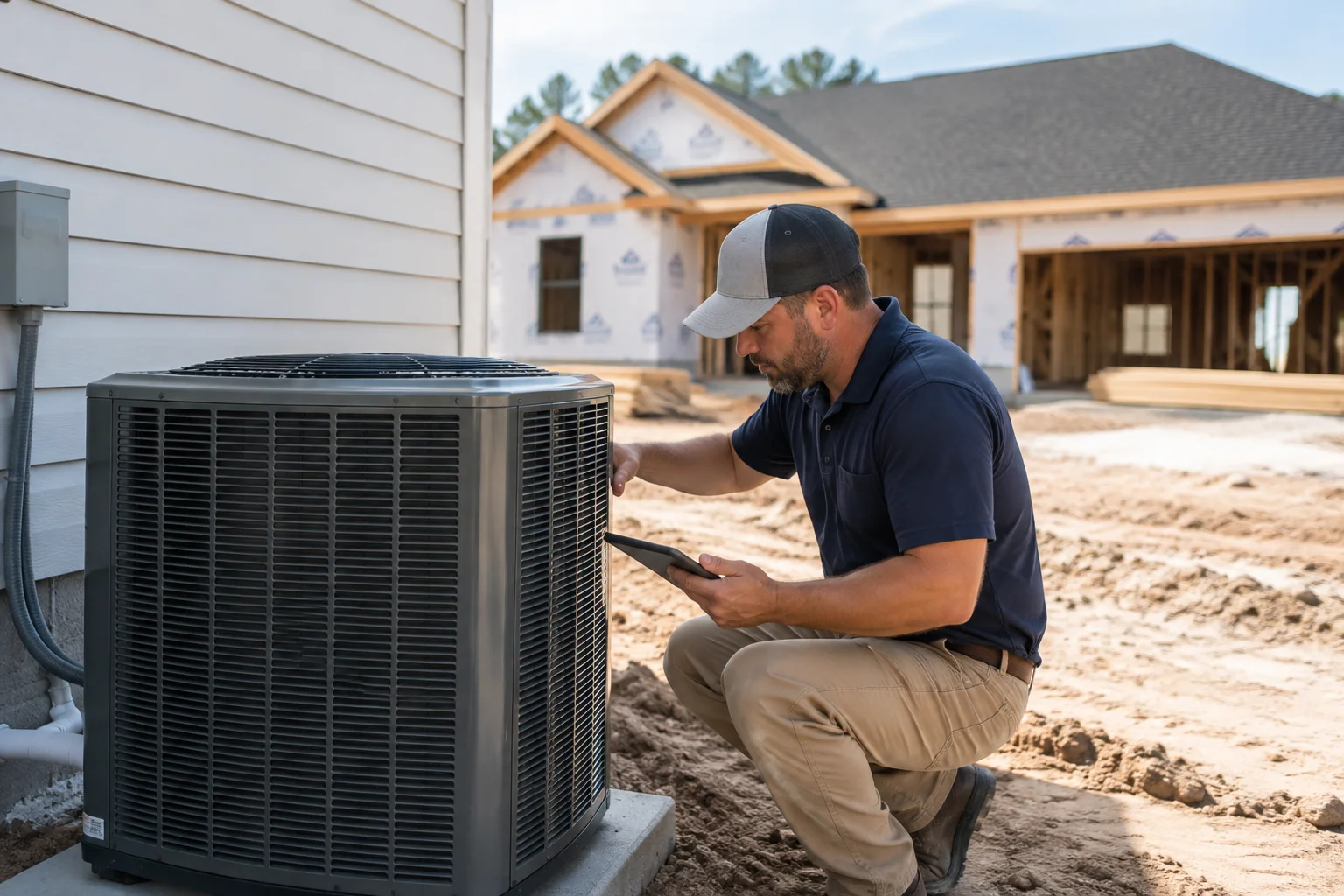
Commercial properties may use packaged rooftop units, split systems, heat pumps, or ductless mini splits. Access, available space, building structure, ventilation needs, and serviceability influence the right choice. A rooftop installation also requires appropriate structural review and safe maintenance access.
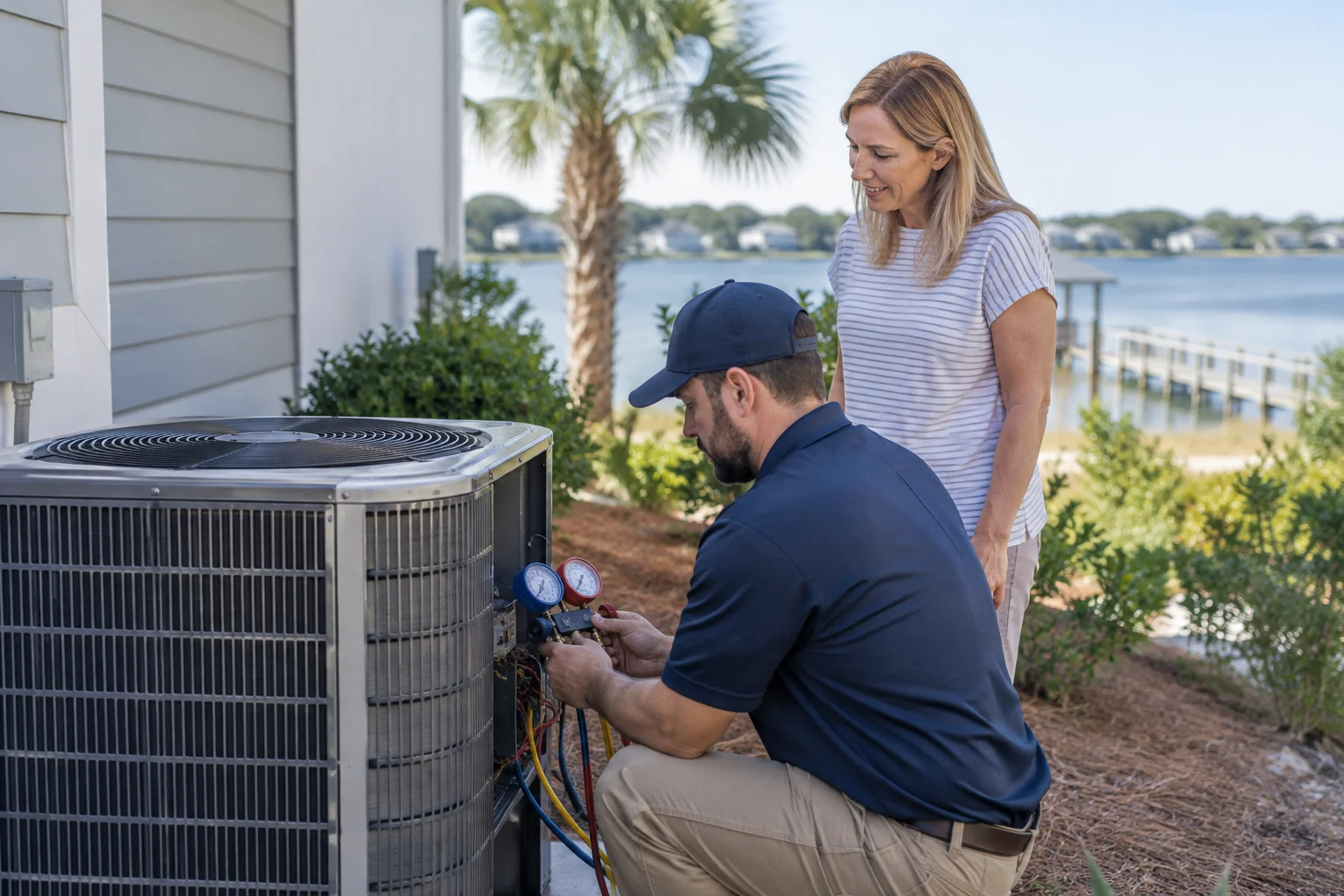
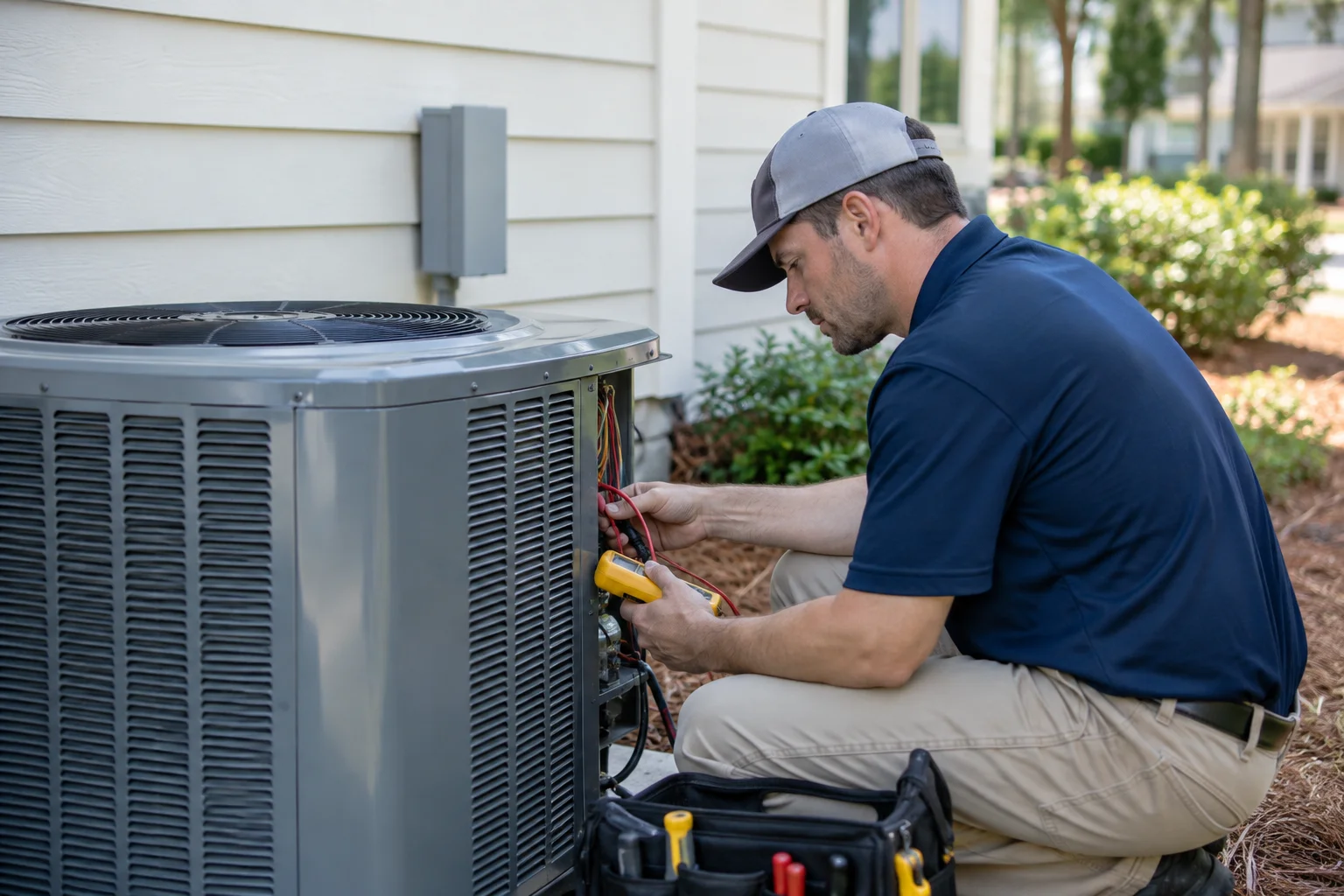
With a split system, the outdoor condenser, indoor evaporator coil, and air handler need to be compatible. Refrigerant piping, controls, and drainage must suit the selected equipment. Mixing components without verifying approved compatibility can undermine efficiency and performance.
Heat pumps, furnaces, and mini splits
Heat pumps can provide cooling and heating through Mary Esther's relatively mild winters. Some properties use furnaces or packaged gas heating, which require combustion safety checks and proper venting. The Mary Esther heating services page is a useful resource when evaluating heating repair or system needs alongside cooling installation.
Mini splits can serve certain additions or isolated offices, but most do not independently supply required outdoor ventilation. For more local context, read about heat pump comfort in Mary Esther's coastal weather.
Fix Airflow Before Blaming the Thermostat
Uneven temperatures often originate in ductwork rather than cooling capacity. Leaking supply ducts, restricted returns, crushed flexible ducts, and poorly located vents can keep conditioned air from reaching occupied areas. Installing new equipment without correcting those conditions may leave the original complaints unchanged.
A contractor should evaluate duct condition, static pressure, return air pathways, and airflow requirements. Ductwork repair and duct sealing can reduce losses and improve delivery. Balancing dampers may help distribute air, while substantial layout changes may require redesigned branches or returns.
Zoning needs a complete design
Separate controls can help spaces with different schedules or sun exposure. However, homeowners and property owners searching for hvac zoning installation near me should ask how the design maintains minimum equipment airflow. Closing dampers without a compatible control strategy can create pressure and performance problems.
Keep supply vents and return grilles clear of shelving, curtains, and furniture. Avoid closing multiple vents as a shortcut to redirect cooling.
Humidity Control Is Part of the Installation
Lowering the thermostat is not always the answer to sticky indoor air. Frequent door openings, leaking ducts, excessive infiltration, and improperly controlled ventilation can continuously introduce moisture. Unbalanced exhaust can also draw humid outdoor air through building gaps.
The solution may involve correcting airflow, sealing leaks, adjusting controls, or providing dedicated dehumidification. Ventilation requirements still need to be met. Simply reducing outdoor air without evaluating occupancy and code requirements is not an appropriate humidity strategy.
Relative humidity around 40 to 60 percent is a useful general comfort reference, though appropriate targets depend on building conditions. Persistent condensation or musty odors warrant investigation. Indoor air quality testing in Mary Esther may help identify concerns and guide next steps rather than relying on an equipment upgrade alone.
Plan for Salt Air, Storms, and Drainage
Salt air can accelerate corrosion on outdoor units, coils, and exposed metal. Exposure varies by location, wind patterns, and surrounding structures, so coastal protection should be evaluated for the property. Ask about manufacturer-approved protective options and cleaning procedures rather than applying an aftermarket coating without guidance.
Condensers need required clearance for airflow and service. Crowding them with landscaping or enclosures can restrict heat rejection. Placement should also consider drainage, flood exposure, and applicable storm anchoring requirements.
Condensate deserves its own inspection
Evaporator coils remove moisture that must drain safely away. Drain lines need proper routing and trapping where required, with overflow protection as applicable. A blocked drain can interrupt cooling or damage ceilings and finishes.
After storms, inspect accessible areas from a safe distance for debris, displaced equipment, or water damage. Do not operate flood-exposed equipment until a qualified professional has evaluated it.
Use Filters and Controls That Fit the System
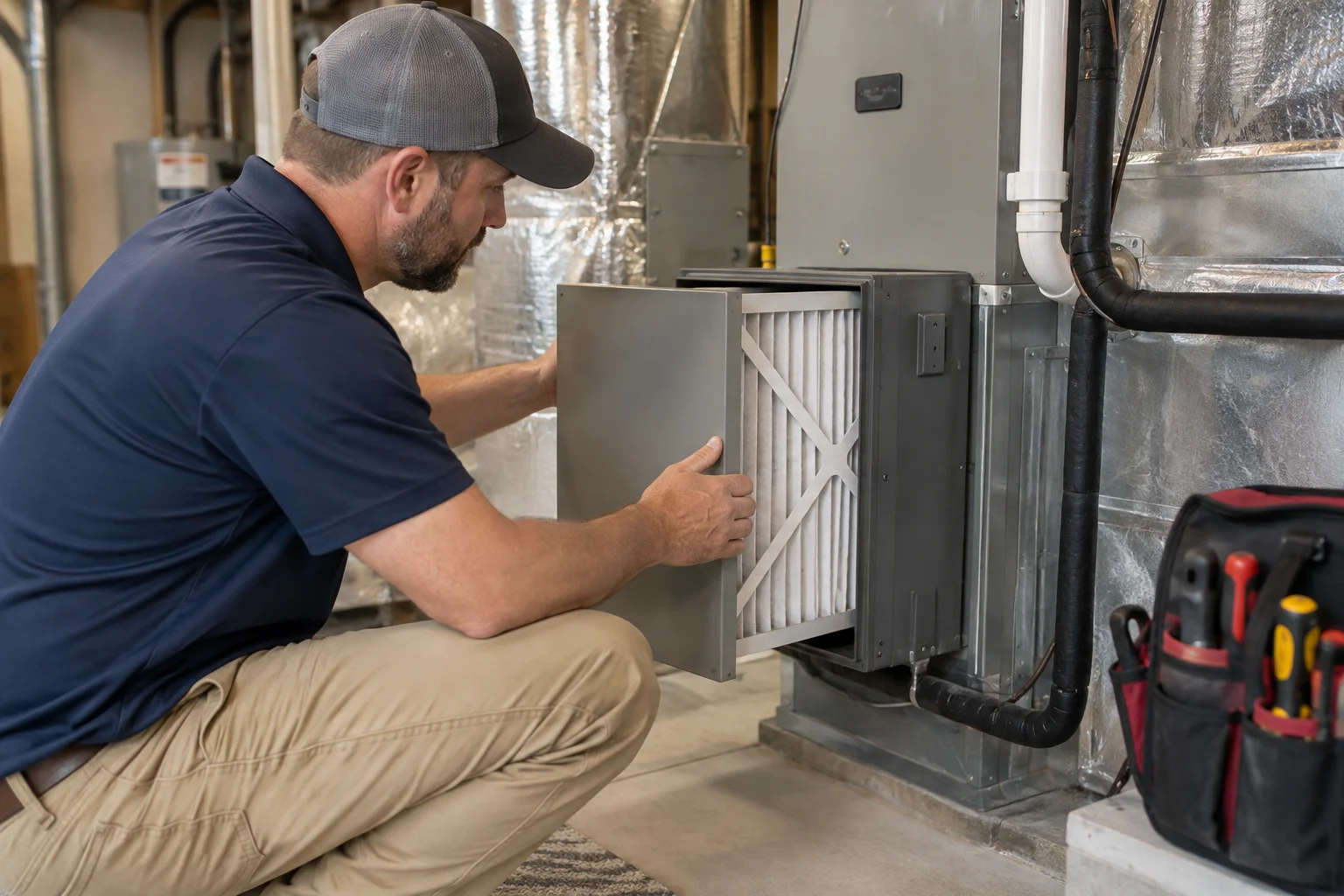
Indoor air quality depends on source control, ventilation, moisture management, and filtration working together. A higher efficiency filter can capture more particles, but the system must accommodate its pressure drop. An overly restrictive filter can reduce airflow and contribute to coil freezing.
Choose filter dimensions and ratings based on equipment requirements. Inspection frequency should reflect operating hours, dust, construction activity, and occupancy. Duct cleaning may be appropriate for documented contamination or substantial debris, but it does not replace duct sealing or moisture correction.
Thermostat installation also deserves planning. Locate sensors away from direct sunlight, drafts, and heat-producing equipment. Use occupied and unoccupied schedules suited to the property, while avoiding temperature changes that allow excessive humidity or create long recovery periods.
Require Performance Checks Before Handover
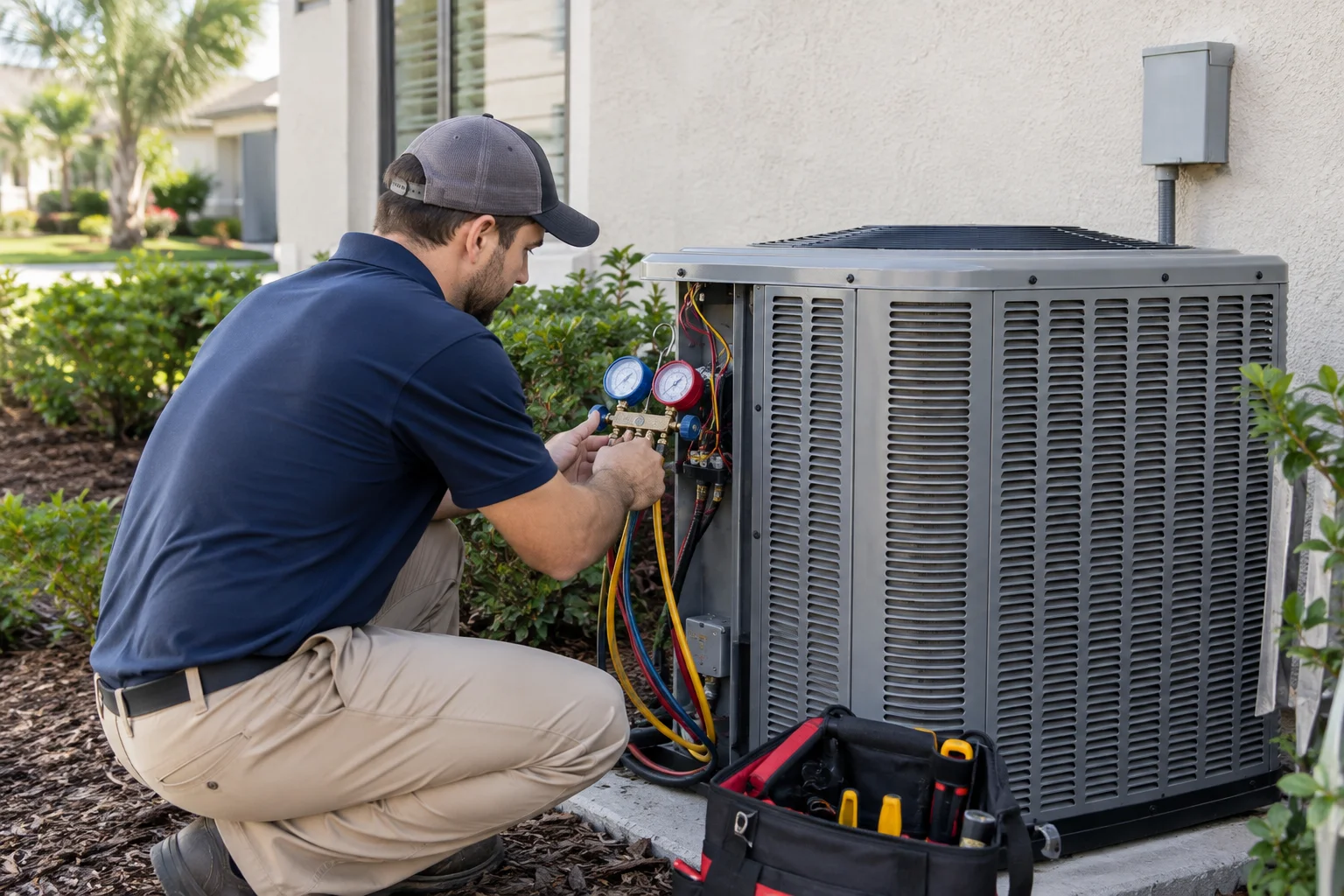
A system that starts and blows cool air has not necessarily been fully commissioned. Installation should include verification of airflow, controls, condensate drainage, and heating and cooling operation. Refrigerant charge must be checked using the manufacturer's procedures and suitable operating conditions.
Ask for documented startup readings, equipment model information, warranty requirements, filter specifications, and basic operating instructions. Clarify who handles permits and inspections, how old equipment is removed, and what duct modifications are included in the price.
Owners comparing a licensed hvac contractor near me should verify relevant credentials and compare written scopes, not just total prices. For properties with residential spaces, planning a better AC replacement in Mary Esther offers additional context on matching equipment to comfort needs.
Know Which Problems Need Prompt Attention
Weak airflow, repeated breaker trips, short cycling, water around an air handler, or ice on refrigerant lines should not be dismissed as normal summer behavior. Possible causes include dirty filters, blower problems, restricted coils, drainage failures, control faults, or refrigerant leaks. Similar symptoms can have different causes, so diagnosis matters.
Refrigerant does not normally get used up. A low charge calls for leak evaluation and appropriate repair, not repeated topping off. Frozen evaporator coils also need investigation; continuing to run cooling can worsen the problem.
If searching for emergency ac repair near me because of smoke, burning odors, or significant water leakage, shut the system down if safe and seek professional help. Smoke or fire requires emergency services. During extreme heat, protect vulnerable occupants and temperature-sensitive materials while service is arranged. Do not open equipment panels or attempt refrigerant work.
Build Maintenance Into the Installation Budget
Preventive care protects the installation investment. Plan professional inspections before demanding cooling periods and before heating use. Depending on equipment, operating hours, and coastal exposure, some properties need more frequent attention.
A practical maintenance scope includes inspecting coils, checking drain lines, reviewing filters, testing controls, evaluating airflow, and checking accessible components for wear or corrosion. Heat pump repair and furnace service needs should be addressed before the first cold spell, not discovered during it.
Commercial HVAC maintenance in Mary Esther can support ongoing performance after installation. Owners overseeing multiple properties can also use this HVAC care guide for managed homes and rentals to organize access, inspections, and maintenance records.
A Local Plan for Lasting Comfort
Energy efficiency comes from the whole system: appropriate capacity, sound ductwork, clean heat transfer surfaces, sensible controls, and managed humidity. Compare efficiency ratings for the equipment category, but also consider installation quality, maintenance access, and expected operating schedules.
Local HVAC service matters because coastal exposure, storm conditions, and seasonal demand affect both design and upkeep. Explore A Superior Mechanical's HVAC services in Mary Esther and broader Okaloosa County service area when planning your project.
Before requesting a commercial installation assessment, gather floor plans, recent utility bills, equipment history, and a list of comfort complaints. That information helps turn a replacement purchase into a practical plan for cooling, heating, airflow, and moisture control.
Find Commercial HVAC Installation in Mary Esther, FL
If you need Commercial HVAC Installation in Mary Esther, FL, visit our local service page or contact A Superior Mechanical today.
Map of Mary Esther, FL
Frequently Asked Questions
How is commercial HVAC equipment sized for a Mary Esther property?
Sizing should be based on a commercial load calculation that considers the building envelope, windows, occupancy, lighting, equipment heat, ventilation, and local weather conditions. Moisture removal requirements also matter. Square footage or the existing unit's capacity alone is not enough to select equipment reliably.
Should existing ductwork be replaced during commercial HVAC installation?
Not always. Existing ductwork should be evaluated for condition, leakage, capacity, insulation, and compatibility with the proposed equipment and layout. Some properties need targeted duct sealing or repairs, while remodels, additions, or substantial airflow problems may justify partial or complete redesign.
Will a new commercial HVAC system solve high indoor humidity?
It can help when the equipment is properly sized and commissioned, but humidity may also come from air leaks, frequent door openings, ventilation imbalances, or drainage problems. A complete assessment should identify moisture sources and determine whether airflow corrections, building repairs, control changes, or dedicated dehumidification are needed.
Related Articles
- Keeping Mary Esther Properties Comfortable: A Practical Guide to HVAC Care for Managed Homes and Rentals
- A Smarter Electrical Budget for Mary Esther Homes: Financing Panels, Wiring, and Prevention
- Heat Pump Comfort Built for Mary Esther’s Coastal Weather
- Building Better Comfort Into an AC Replacement in Mary Esther
Photo Gallery