Living near the Gulf means your home can face a unique mix of heat, humidity, salt air, and airborne particles. Those conditions can make indoor air quality feel “off,” even when your AC seems to run fine. The good news is that many indoor air quality problems start with predictable HVAC factors like airflow, filtration, ductwork condition, and condensate drainage. With a few smart habits and preventive HVAC maintenance, you can reduce allergens, help control moisture, and support healthier comfort year-round.
If you are looking for indoor air quality services in Cinco Bayou, A Superior Mechanical focuses on practical improvements that work with your existing system, including air filtration and humidity control options. You can also explore more about our work in Cinco Bayou and Okaloosa County.
Why Cinco Bayou homes tend to struggle with indoor air quality
Indoor air quality is not only about what is floating in the air. It is also about how your HVAC system moves air through your home, how it handles moisture, and whether contaminants build up inside ducts, coils, and drain lines.
Florida heat and humidity can turn comfort into an IAQ problem
In the Cinco Bayou area, summer humidity is often high enough that your air conditioner has to work harder to keep indoor relative humidity in a healthy range. When humidity control slips, you can see side effects like:
- Musty odors that come and go with the AC cycle
- Condensation around registers, windows, or on indoor surfaces
- Dust that settles quickly after cleaning
- More allergy symptoms indoors
Moisture problems are especially important because moisture can support mold growth and can make airborne particles more irritating. Even if you do not see visible mold, damp conditions can still impact air quality.
Salt air and outdoor particles can load your system
Coastal breezes can bring salt-laden moisture and outdoor particulates. When your HVAC runs, it can pull outdoor air in through leaks or through pressure imbalances. Over time, that can increase the dust and debris your system has to handle. If filtration is not sized or maintained properly, contaminants may circulate more than you realize.
Airflow problems can concentrate irritants
Indoor air quality depends on steady airflow through the whole system. When airflow drops due to dirty filters, blocked returns, poorly designed ductwork, or partially closed dampers, the system may cool without properly ventilating or cleaning the air stream. That can lead to hot or cold rooms and a “stale” feeling that homeowners often describe as stuffy or uneven.
Common HVAC causes of poor indoor air quality
Homeowners searching for HVAC repair near me often discover that IAQ complaints are tied to comfort and system performance issues. Here are several causes that show up in local service calls in the Cinco Bayou area.
Filters that are the wrong type or not replaced on schedule
A filter that is too restrictive for your system can reduce airflow, while a filter that is too basic may not capture the particles that trigger allergies and asthma. The goal is not just “higher MERV” for every home. It is choosing a filtration approach that matches your HVAC setup and then keeping it maintained.
During preventive HVAC maintenance, a technician can check whether your current filter strategy supports correct airflow and whether the return path is pulling air where it should.
Ductwork leaks and ductwork contamination
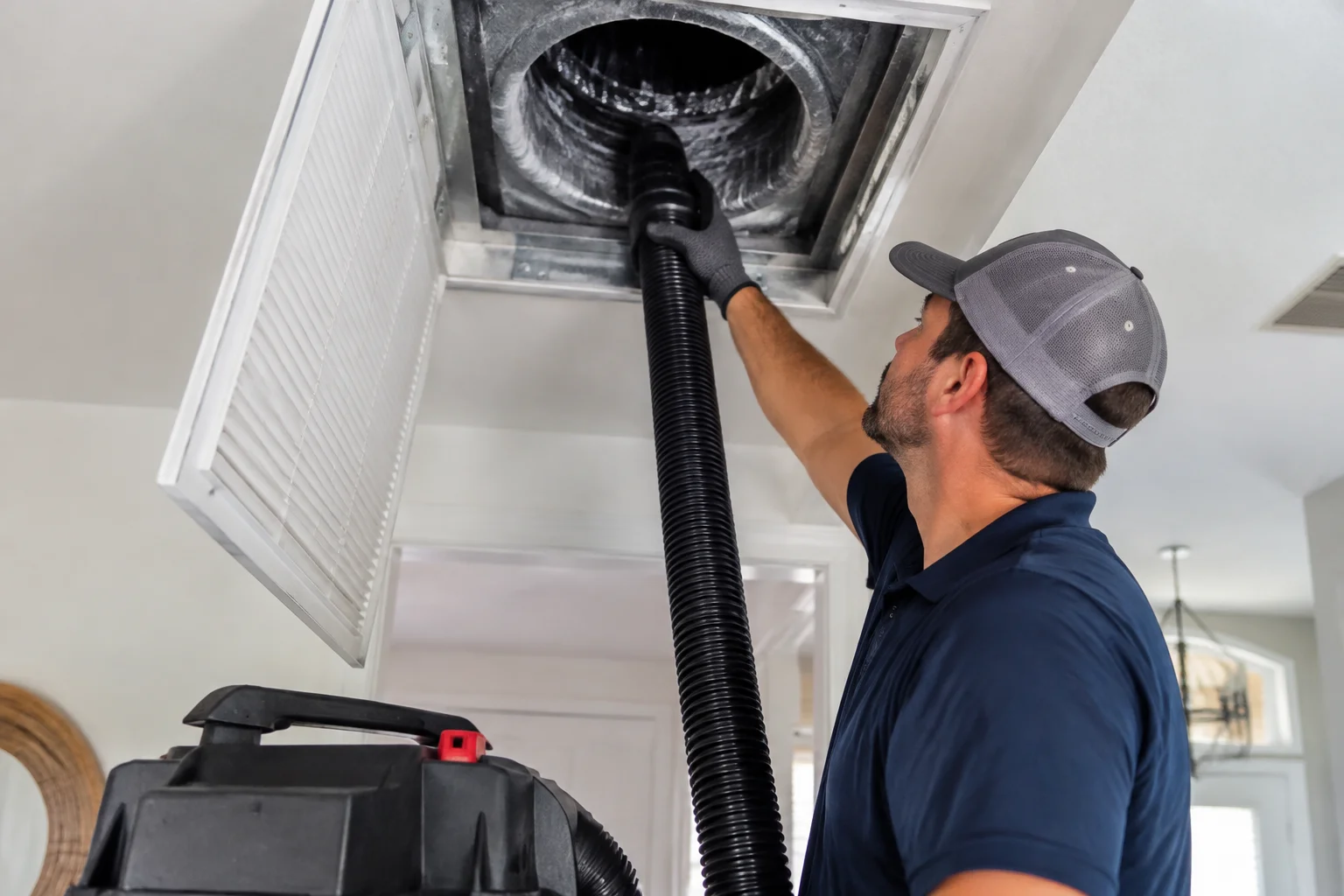
Ductwork can affect indoor air quality in two major ways. First, leaks can pull in unconditioned air from attics, crawl spaces, or wall cavities. That air can carry dust, humidity, and outdoor contaminants. Second, dust buildup inside ducts can become a source of particles if airflow increases or if the system runs in a way that stirs debris.
Many homeowners also ask about duct cleaning near me, but the better first step is often duct inspection to understand what is present and where. For Cinco Bayou homes, especially those with older duct runs or tight crawl spaces, this matters for both air quality and humidity control. You can review our approach with duct inspection.
Condensate drainage issues that keep moisture trapped
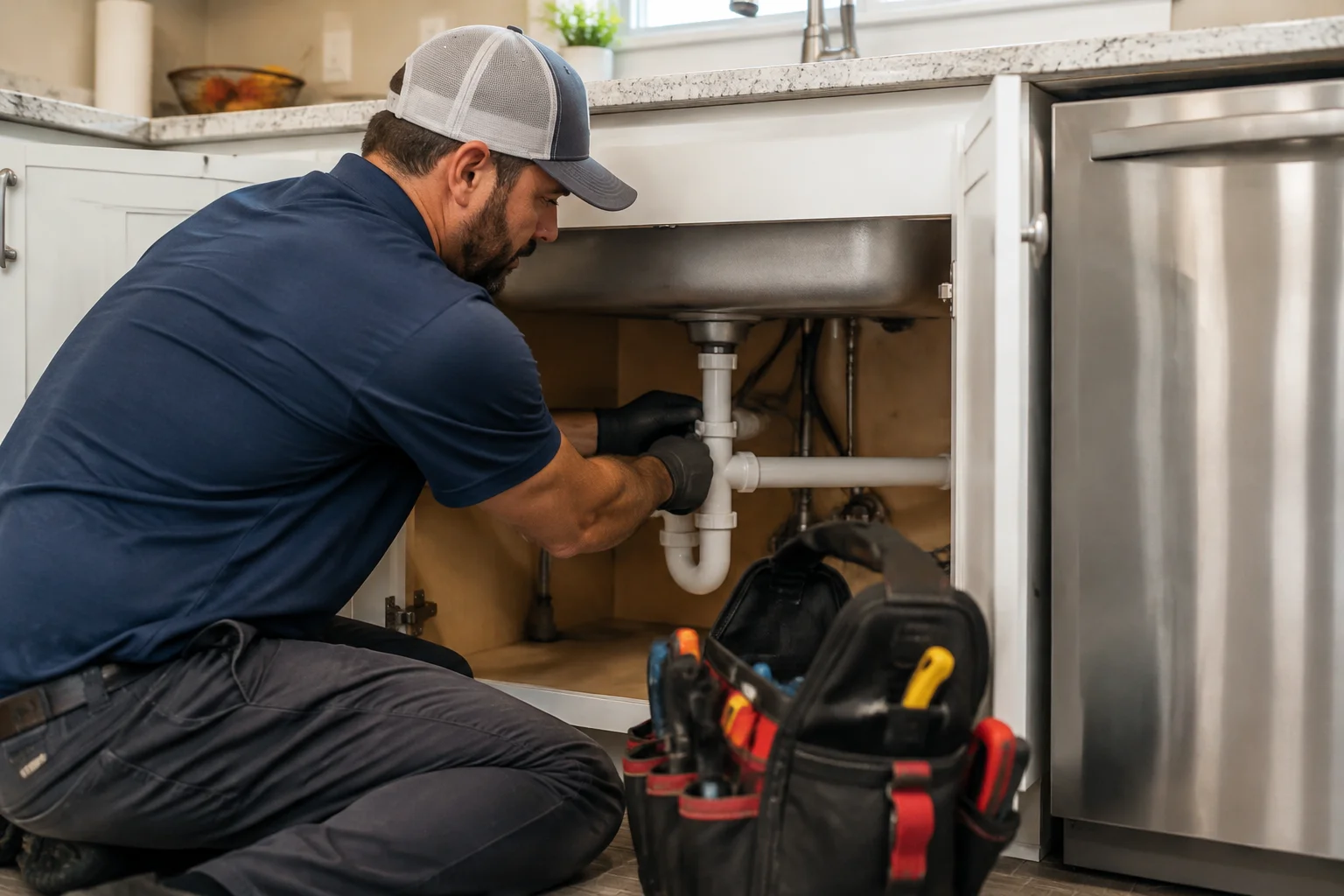
When an air conditioner removes humidity, it creates condensate. That water has to drain properly. Problems with condensate drainage can lead to water backing up, wetting nearby components, or creating conditions that encourage microbial growth. Homeowners may notice:
- Water dripping near the indoor unit or around the furnace/air handler
- AC running but humidity not dropping as expected
- Unusual smells after the system has been running for a while
Condensate drainage is one reason indoor air quality and HVAC performance are tied together. If drainage is not right, you can get both comfort issues and air quality issues.
Airflow imbalance caused by registers, returns, or thermostat settings
Even a well-maintained system can underperform if airflow is blocked. Common culprits include closed return vents, blocked supply registers by furniture, or a thermostat schedule that does not match actual occupancy. In Florida, this can lead to the system cycling in ways that do not remove humidity consistently.
Thermostats also influence runtime and fan operation. Some homeowners unknowingly run the fan continuously, which can change how air is filtered and how humidity is managed. A professional can help you set up thermostat behavior that supports comfort and healthier indoor air.
Refrigerant system performance that affects cooling and humidity removal
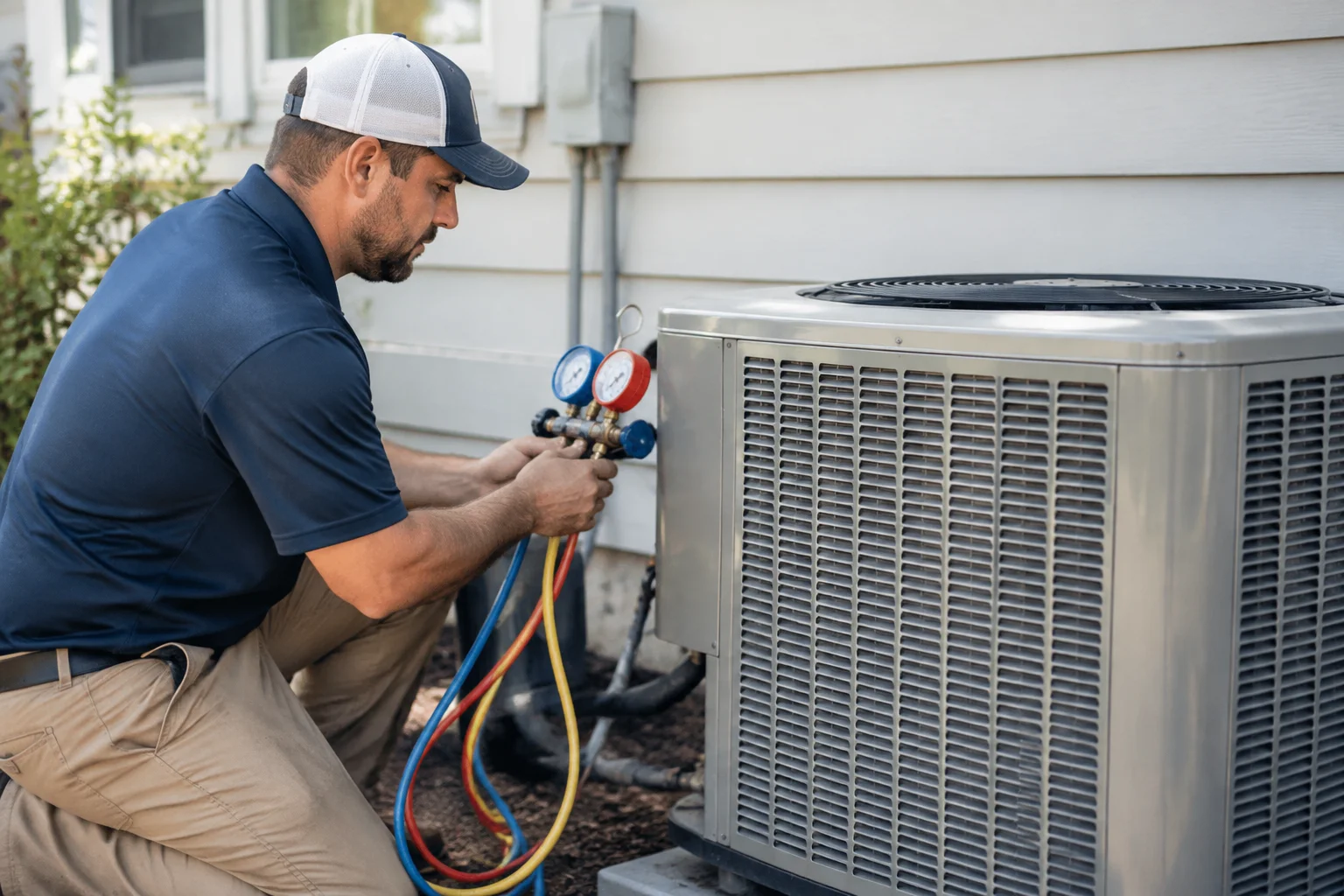
Indoor air quality is indirectly tied to refrigerant system performance because insufficient cooling capacity can leave humidity higher than you want. A refrigerant system that is not operating correctly can also cause the AC to run longer than necessary, changing airflow patterns and potentially increasing the buildup of contaminants on coils and in the drain system.
It is important to note that refrigerant-related issues should be evaluated in person. A qualified technician can check system performance, airflow, and operating conditions before recommending any repair steps.
Preventive steps homeowners can take without overcomplicating things
Preventing indoor air quality problems is mostly about consistent maintenance and smart choices. You do not need to turn your home into a lab. Start with the items you can control and then layer in professional support.
Keep filters clean and correctly installed
Set a reminder to check filters regularly, especially during the hottest and muggiest months. If you have pets, recent renovations, or you run the system frequently, you may need to inspect more often. When you replace a filter, make sure it fits properly and that airflow is not restricted by poor installation.
If you are unsure what filter approach fits your system, ask a licensed HVAC contractor to review your setup. Searching for HVAC air filtration near me can lead you to local indoor air quality services where the technician can match filtration to your HVAC configuration and comfort goals.
Manage humidity, not just temperature
Temperature is only part of the story. In humid climates, an AC that cools but does not dehumidify can leave the air feeling heavy and can increase dust and allergen irritation. A humidity-focused approach works alongside your thermostat and system runtime.
Many homeowners benefit from indoor air quality services that include humidity control solutions. If you suspect humidity is staying too high, it is a good sign to request an air conditioning inspection near me so a technician can review airflow, condensate drainage, and system performance.
Use airflow habits that support filtration and even cooling
Simple habits can make a measurable difference:
- Keep supply vents and returns unobstructed
- Close doors to rooms you do not use, but do not block returns
- Use ceiling fans to help circulate air without overworking the AC
- Avoid constant changes to thermostat settings during peak humidity periods
These steps support proper airflow, which helps your HVAC system filter air more effectively and reduces the likelihood of stagnant zones where contaminants gather.
Watch for condensate drainage clues
During summer, do a quick visual check around your indoor unit and condensate drain area. If you see water where it should not be, notice recurring dampness, or smell mustiness after AC use, treat it as a priority. Condensate drainage problems should not be ignored because they can contribute to moisture-related indoor air quality issues.
Air filtration and purification options that fit local conditions
Some homeowners try to solve indoor air quality with portable air cleaners alone. Portable units can help, but they do not replace the role your HVAC plays in whole-home airflow and filtration. A balanced approach often includes HVAC filtration upgrades plus targeted purification.
Whole-home filtration upgrades
Upgrading filtration can reduce airborne particles that contribute to allergies, dustiness, and respiratory irritation. The right solution depends on your system’s airflow and static pressure, and it should be installed so the system still moves air properly. A technician can also help ensure you are not accidentally creating restriction that harms airflow.
Air purification strategies that complement your HVAC
Some indoor air quality services include technologies designed to reduce airborne contaminants within the HVAC airflow path. These can be paired with filtration and humidity control to support cleaner indoor air. If you are exploring indoor air quality services near me, ask how the approach integrates with your existing system and ductwork.
Why airflow and ductwork condition matter as much as the filter
Even the best filter cannot do its job if airflow is compromised by duct leaks or blocked runs. This is where duct inspection and ductwork service become part of the IAQ conversation. If you are noticing uneven temperatures, dusty rooms, or persistent odors, consider starting with an evaluation of your ducts. You can also explore duct inspection and discuss whether duct repair is needed.
Thermostats, comfort settings, and energy use that affect indoor air quality
Thermostats can influence how long your system runs, how the fan operates, and how consistently humidity is removed. In Florida heat, that matters for both comfort and air quality.
Fan settings can change how air is filtered
Running the fan continuously can increase air mixing, but it can also affect humidity control depending on how your system is configured. Some homes do better with fan operation that supports consistent filtration without upsetting dehumidification. A professional can review your thermostat settings and system behavior to recommend practical adjustments.
Short cycling can leave humidity behind
When an AC cycles too quickly, it may cool air without running long enough to remove moisture. That can lead to higher indoor humidity, which then impacts comfort and air quality. If your system seems to turn on and off frequently, it is worth scheduling residential HVAC service near me so a technician can evaluate airflow, ductwork, and cooling performance.
When indoor air quality complaints point to HVAC repair or replacement
Not every IAQ problem requires a major change. Many issues can be resolved with cleaning, filtration updates, ductwork attention, or HVAC repair. However, some situations warrant deeper evaluation.
Call for HVAC repair if you notice these patterns
- Musty smells that increase after the system runs
- Visible dust buildup near vents soon after cleaning
- Humidity not improving despite frequent AC use
- Uneven airflow where some rooms feel stale
- Condensate drainage concerns, water spots, or damp areas
These concerns can tie back to condensate drainage, airflow restrictions, duct leakage, filtration problems, or refrigerant system performance. A licensed HVAC contractor can check system operation in person rather than guessing.
Consider HVAC replacement only after an in-person assessment
Homeowners sometimes ask about HVAC replacement near me when indoor air quality does not improve. Replacement might be appropriate in some cases, but it should not be assumed based on smell or comfort alone. A technician can evaluate your system’s efficiency, airflow capability, and how it handles humidity and filtration needs. If your system is struggling to meet comfort requirements in the local heat, a professional can explain what options make sense.
Emergency cooling concerns are real in Florida
When indoor air quality is poor, many homeowners try to keep windows open for relief. In hot, humid weather, that can make indoor air worse by bringing in more outdoor moisture and particles. If your AC is failing or not cooling properly, treat it as an emergency cooling concern. A working HVAC system supports both comfort and safer indoor air conditions.
Preventive HVAC maintenance that protects indoor air quality
Preventive HVAC maintenance is one of the most reliable ways to prevent indoor air quality problems from developing. It helps keep airflow steady, supports humidity control, and reduces the chance that contaminants build up unnoticed.
What a quality maintenance visit should cover
While every home is different, a strong maintenance approach typically includes:
- Checking airflow and evaluating whether the system is moving air correctly through ductwork
- Inspecting and maintaining condensate drainage components
- Reviewing filtration strategy and advising on filter selection and replacement timing
- Inspecting accessible ductwork connections for leaks or issues that affect airflow
- Reviewing thermostat settings that affect runtime and humidity behavior
If you have a heat pump, the same principles apply. Heat pump service should include checks that support humidity control and consistent airflow, especially during Florida shoulder seasons when your system may run in ways that are different from peak summer cooling.
Heat pump and AC repair still impacts indoor air quality
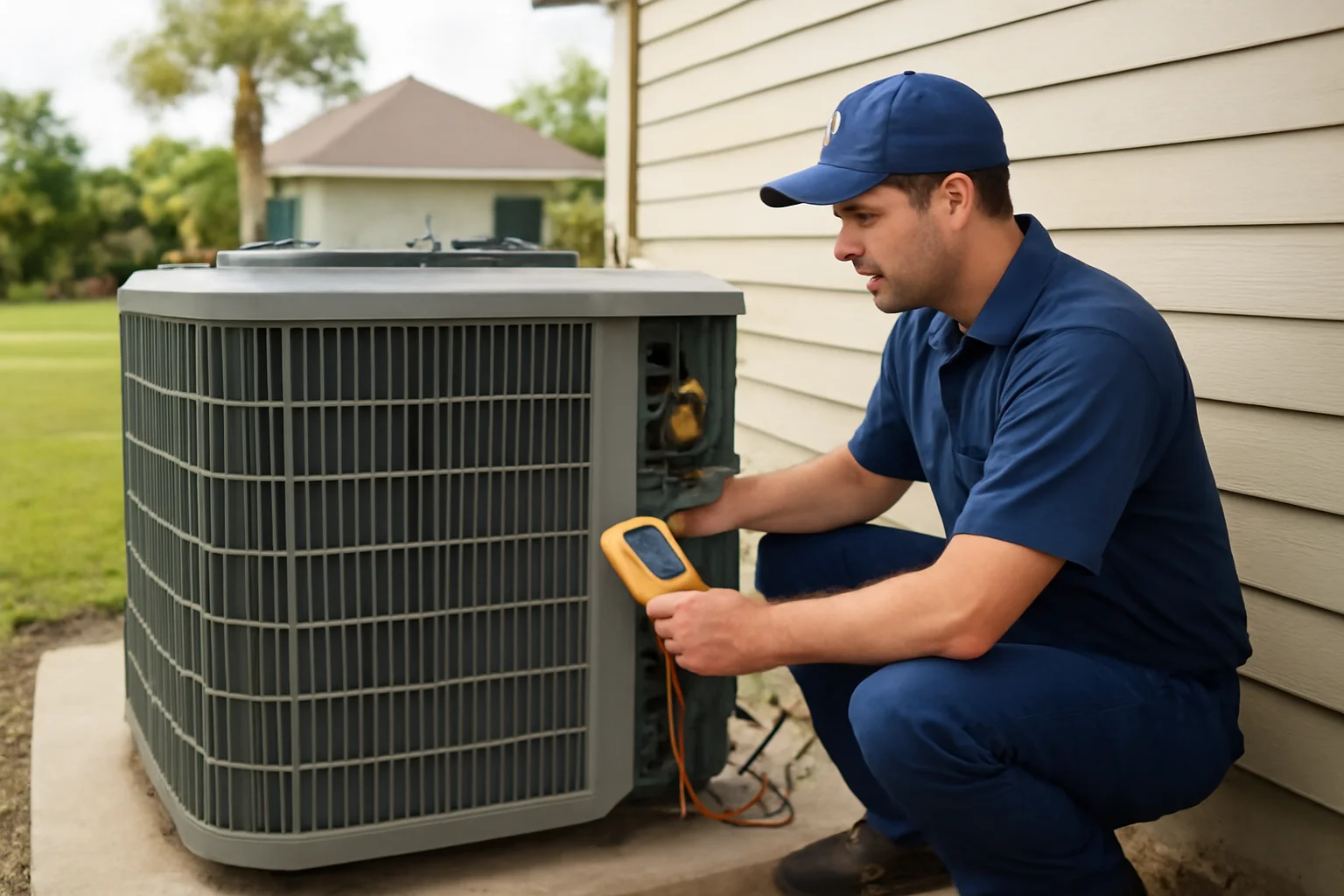
Even when the complaint is about air quality, the fix often involves HVAC repair. For example, an AC repair visit may focus on cooling performance and airflow, which then helps your system remove humidity and maintain better indoor conditions. If you need air conditioner service near me because comfort and air quality are both slipping, ask the technician to evaluate the system’s humidity and airflow behavior, not just temperature.
Whole-home strategies for better air in Cinco Bayou
Indoor air quality is a whole-home goal. Your HVAC system is the engine, but ductwork, humidity management, and filtration are the systems that keep the engine clean and effective.
Start with an IAQ-focused assessment
If you are dealing with recurring allergies, persistent musty odors, or humidity that never seems to improve, an indoor air quality services evaluation can help identify which part of the HVAC system is most responsible. This is also where a technician can discuss solutions like improved filtration, purification options, and humidity control tailored to your home.
To learn more about IAQ options for local homes, visit A Superior Mechanical’s indoor air quality page.
Use duct inspection and ductwork service to reduce hidden sources
For homes with dusty vents, uneven temperatures, or air that feels stale, ductwork can be a major factor. If you are considering duct cleaning near me, look for an approach that starts with inspection first. You can also explore duct inspection and discuss whether duct repair is needed.
Support advanced systems with the right controls and airflow
Some Cinco Bayou homes use multi-zone setups or advanced controls to manage comfort. Those systems can be excellent when they are configured correctly, including proper airflow and humidity behavior. If your home has a complex system, consider reviewing how comfort is controlled and whether the ductwork distribution supports indoor air quality goals. For local options, you can read about VRF multi-zone systems and heating control systems.
Related reading for homeowners in the area
If you want more practical guidance on IAQ testing and cleaner comfort, these articles may help:
- Indoor Air Quality Testing That Helps Inlet Beach Homes Stay Comfortable Longer
- Why Seaside Homes Benefit From Indoor Air Quality Testing Before Comfort Issues Spread
- Indoor Air Quality in Callaway: A Homeowner’s Guide to Cleaner, More Comfortable Living
- Protecting Parker Homes From the Air Inside Them: A Practical Guide to Better Indoor Air Quality
If your home is also commercial or you manage a property with shared HVAC systems, you may need a different approach. For that, see Commercial HVAC Services.
For homeowners who want better indoor air quality in Cinco Bayou, prevention is the strategy: keep filtration and airflow healthy, watch humidity and condensate drainage, and schedule preventive HVAC maintenance so small issues do not become bigger comfort and air quality problems.
Find Indoor Air Quality in Cinco Bayou, FL
If you need Indoor Air Quality in Cinco Bayou, FL, visit our local service page or contact A Superior Mechanical today.
Map of Cinco Bayou, FL
Frequently Asked Questions
How can I tell whether my indoor air quality issue is from my HVAC system or something else in the home?
Often, HVAC-related IAQ issues show up with system patterns. For example, musty odors that increase during AC cycles, dust that returns quickly after cleaning, or humidity that stays high despite cooling can point to airflow, filtration, ductwork, or condensate drainage. A professional indoor air quality evaluation can help you connect symptoms to the most likely HVAC causes.
Is duct cleaning helpful for improving indoor air quality in Cinco Bayou?
Duct cleaning can help in specific situations, but it is usually most effective when it starts with inspection. Ductwork can also affect humidity and airflow, so an inspection can clarify whether you need ductwork service, sealing, or targeted cleaning. If you are noticing uneven temperatures or dusty vents, ask about duct inspection first.
What role does humidity control play in indoor air quality with Florida heat?
Humidity control directly affects comfort and can influence how indoor air feels and how irritants behave. When humidity is too high, it can support microbial growth and make the air feel heavier even if the temperature seems acceptable. Your AC needs to remove moisture effectively, which depends on airflow, condensate drainage, and system performance.
Can I improve indoor air quality without changing my whole HVAC system?
Many homeowners can. Common improvements include upgrading HVAC air filtration, adding air purification strategies, improving ductwork airflow paths, and correcting condensate drainage or airflow imbalance. In-person evaluation is important before recommending any major HVAC replacement.
When should I schedule AC repair or heat pump service for indoor air quality concerns?
Schedule service if you notice persistent musty smells, recurring condensation, humidity that does not improve, frequent short cycling, or stale air with uneven rooms. In hot Florida weather, it is also worth addressing cooling problems quickly because a properly operating AC supports both comfort and healthier indoor conditions.
Related Articles
- Indoor Air Quality Testing That Helps Inlet Beach Homes Stay Comfortable Longer
- Why Seaside Homes Benefit From Indoor Air Quality Testing Before Comfort Issues Spread
- Indoor Air Quality in Callaway: A Homeowner’s Guide to Cleaner, More Comfortable Living
- Protecting Parker Homes From the Air Inside Them: A Practical Guide to Better Indoor Air Quality
Photo Gallery