A failing air conditioner rarely arrives at a convenient time for the household budget. In Fort Walton Beach, even a system that still runs can create an expensive decision if rooms stay warm, humidity climbs, or repairs keep returning. Service financing can help spread out eligible costs, but the best starting point is understanding what the house actually needs.
A Superior Mechanical offers service financing in Fort Walton Beach, FL for eligible repairs, replacements, and upgrades. A thoughtful plan connects that payment option to a clear diagnosis, a defined scope of work, and improvements that address comfort rather than just replacing equipment.
Let the diagnosis set the budget
Homeowners searching for AC repair near me often want two answers: how quickly cooling can return and what the repair will cost. Both matter, but financing a repair before identifying the underlying problem can leave you paying for work that does not solve it.
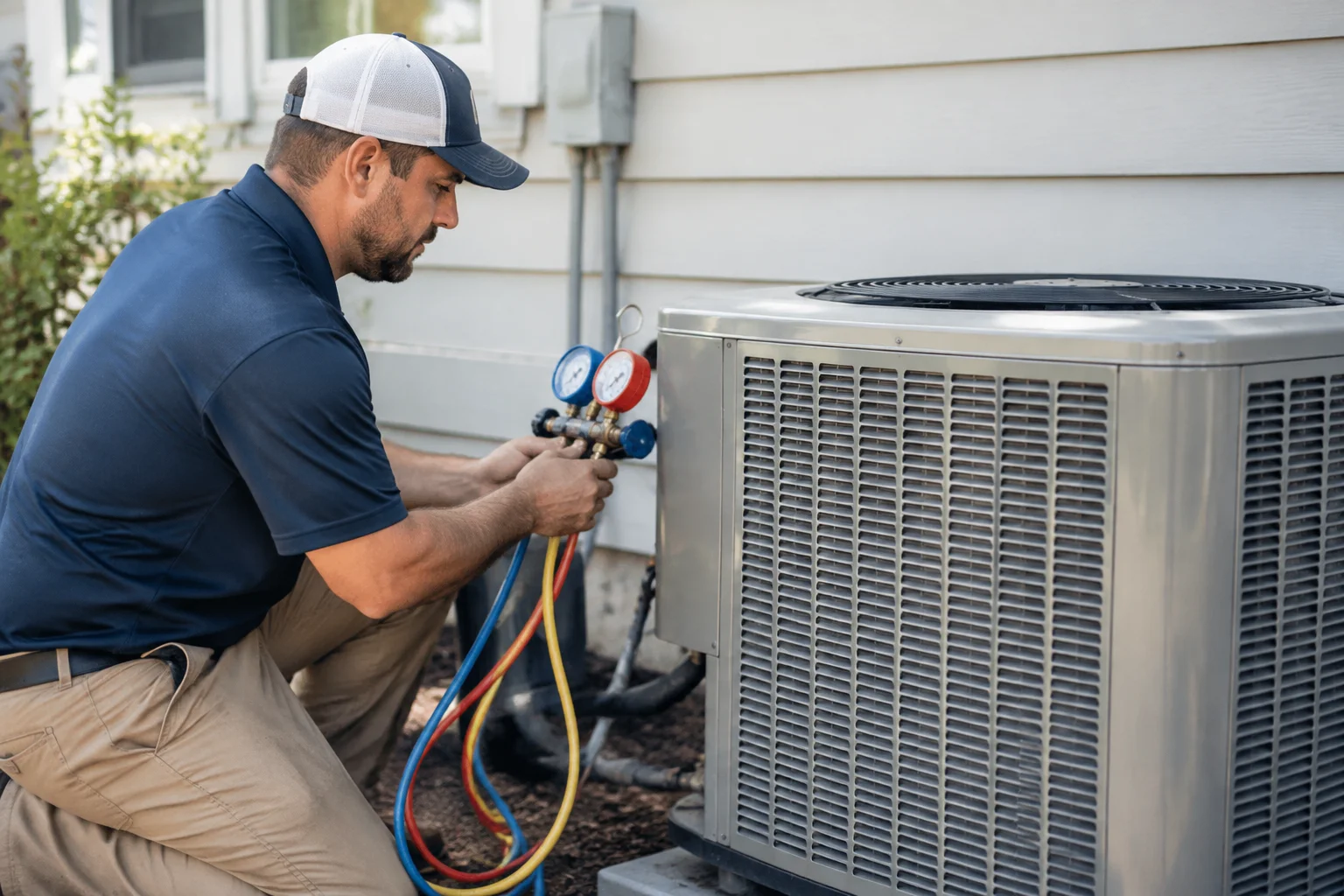
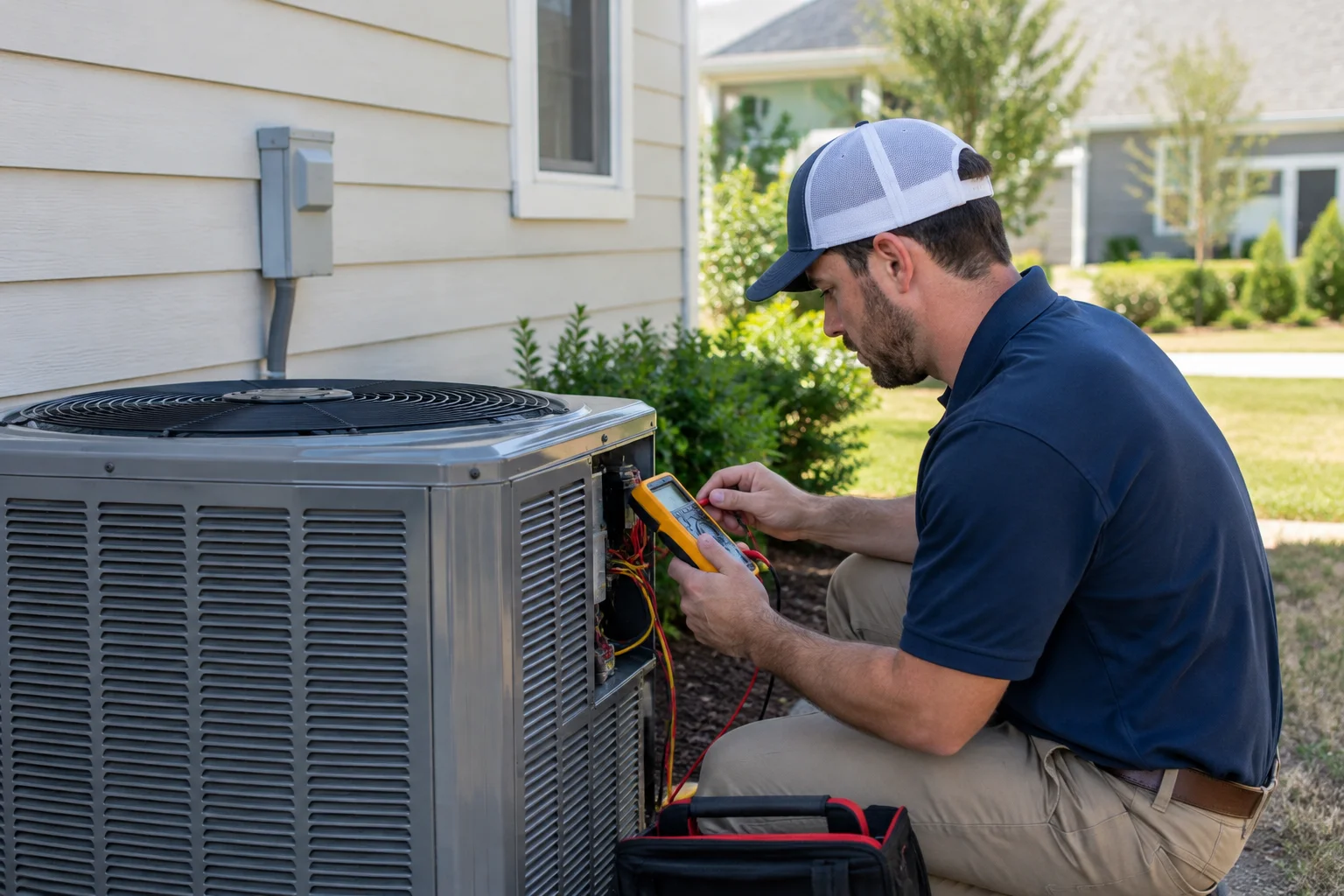
Weak cooling could come from a restricted filter, dirty evaporator coil, failing blower, refrigerant leak, or leaking ductwork. An outdoor condenser that will not start might have an electrical component problem rather than a failed compressor. Those situations call for very different budgets.
Start with professional air conditioning repair in Fort Walton Beach and ask for written findings. The estimate should distinguish immediate repairs from recommended improvements and optional upgrades. That separation makes financing easier to evaluate without turning every recommendation into an emergency.
Why coastal conditions belong in the plan
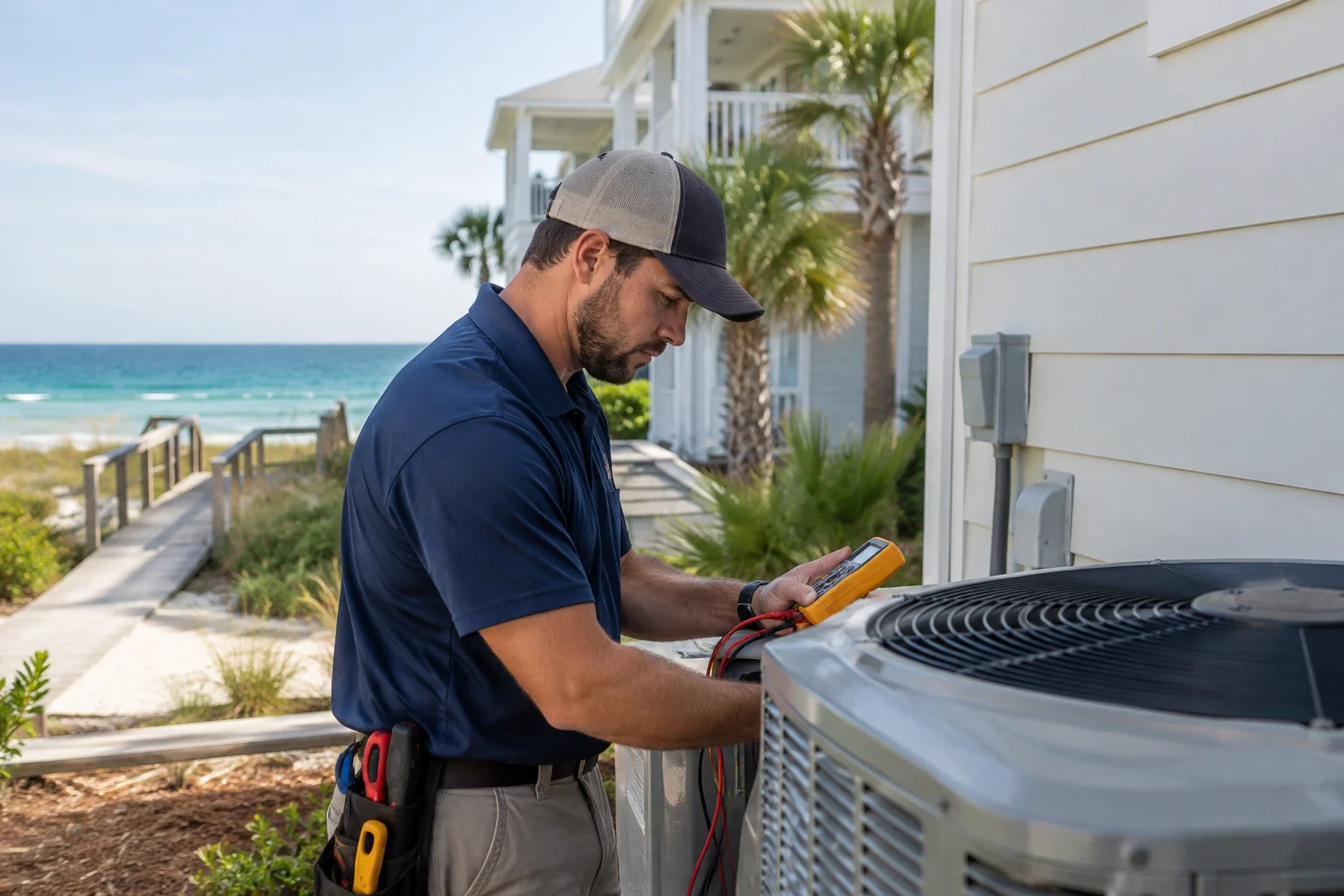
Fort Walton Beach systems face long cooling seasons, humid outdoor air, and coastal exposure. Salt air can accelerate corrosion on outdoor units, especially in exposed locations. Storm debris can obstruct condensers, while heavy rain and power interruptions can create additional service concerns.
Humidity also changes what comfort requires. A home can reach the thermostat setting yet feel clammy if the equipment cycles too briefly or moist air enters through leaks. Simply buying a larger air conditioner may make that problem worse by shortening cooling cycles.
Older homes may have aging ducts, limited return airflow, or insulation gaps. Newer homes can still have sizing or balancing problems. Remodels and additions change loads and air distribution, so a replacement should reflect the current house, not just the capacity printed on the old unit. Local experience helps identify these differences before money is committed.
Understand the financing before choosing the payment
Financing spreads an eligible expense over time; it does not reduce the project price by itself. Ask A Superior Mechanical which services qualify and request the current application requirements and written terms. Approval, available offers, and repayment conditions can vary, so do not assume a particular rate or promotional period applies.
Compare the full cost, not only the monthly amount
Review the financed amount, annual percentage rate, term length, fees, and total of payments. Ask whether there are prepayment penalties and how late payments affect the agreement. If an offer includes deferred interest, understand exactly what must happen to avoid interest charges and what happens if a balance remains.
A longer term may lower the monthly payment while increasing total borrowing costs. Compare financing with other payment options available to your household. Keep room in the budget for filters, routine maintenance, and unrelated home expenses rather than using the entire comfortable monthly amount on equipment alone.
Make sure the estimate defines the project
For a replacement, clarify whether the price includes equipment, installation labor, permits where required, thermostat setup, removal of old equipment, and commissioning. Ask about duct modifications, drain work, and warranty coverage. Financing comparisons are meaningful only when the proposals cover comparable work.
Repair, replace, or improve the system in stages?
A single failed component does not automatically justify replacing an otherwise sound system. A properly diagnosed fan motor, control, or drain problem may have a straightforward repair. On the other hand, repeated breakdowns, substantial corrosion, and a major component failure can change the economics.
Ask the technician to compare the repair cost with the equipment's condition, repair history, warranty status, and likely remaining service life. For refrigerant leaks, discuss locating the leak and evaluating repair options. Adding refrigerant without addressing a confirmed leak can lead to another loss of cooling and another bill.
A staged approach sometimes makes sense: restore safe operation now, repair verified duct leaks next, and plan equipment replacement later. In other cases, combining compatible work avoids repeated labor. Ask which improvements must happen together and which can wait without compromising performance or safety.
Give airflow the same attention as equipment
Cold air at one vent does not prove the whole home is cooling properly. Hot bedrooms, noisy returns, weak supply airflow, and large room-to-room temperature differences can point to distribution problems. Financing a high efficiency system without addressing those issues may preserve the same uncomfortable rooms.
A professional duct inspection can identify disconnected runs, damaged insulation, crushed flex duct, and leakage. Airflow testing can help determine whether the blower, return paths, and duct sizes support the equipment. Ductwork repair and duct sealing should target documented problems rather than assume every duct needs replacement.
Keep vents and returns working as intended
Homeowners can keep furniture away from returns, leave supply vents unobstructed, and replace filters according to the equipment instructions and household conditions. Avoid closing numerous vents to redirect cooling. That can increase system pressure and reduce performance. Persistent imbalance deserves testing, not a larger thermostat setback.
Budget for humidity control and healthier indoor air
Sticky rooms, condensation, and persistent musty odors deserve investigation. Possible causes include insufficient moisture removal, duct leakage, air infiltration, or drainage problems. A technician should check operation and drainage, while roof or building leaks may require a separate trade. Not every moisture problem starts inside the HVAC system.
In many homes, indoor relative humidity around 30 to 50 percent is a useful target, although conditions vary. A standalone hygrometer helps distinguish temperature complaints from moisture complaints. Correct sizing, suitable controls, and sound ductwork come first; dedicated dehumidification may help when cooling alone cannot manage the moisture load.
Air handlers, evaporator coils, and condensate drain lines also need attention. Blocked drains can cause water damage or shut cooling down through a safety switch. Have the technician check drainage and any installed overflow protection during maintenance.
For indoor air quality concerns, discuss air filtration and purifiers matched to the home and system. Higher filtration is not automatically better if it restricts airflow. Air cleaning also does not replace moisture control, source removal, or appropriate ventilation.
Choose upgrades around how your home is used
Heat pumps, furnaces, and central systems
Heat pumps provide cooling and heating, making both operating modes relevant to a replacement decision. During heating repair or heat pump repair, technicians may need to evaluate controls, defrost operation, and auxiliary heat. Homes with furnaces need appropriate furnace service, including combustion and venting checks for fuel-burning equipment.
Equipment selection should include a load calculation and a review of duct capacity. Correctly matched indoor and outdoor components matter for efficiency, reliability, and warranty requirements. A higher efficiency rating can reduce energy use under suitable conditions, but no contractor should promise that savings will automatically cover the financing payment.
Mini splits, additions, and thermostat upgrades
Homeowners searching for ductless mini split installation near me may be trying to cool an addition, converted space, or garage without extending existing ducts. Mini splits can be useful, but the room still needs a sizing assessment, suitable condensate drainage, and an appropriate installation location.
Thermostat installation can improve scheduling and control when the device is compatible with the equipment. Zoning requires more than adding thermostats; duct design, controls, and minimum airflow must support it. During a remodel, have those requirements evaluated before walls close and the project scope becomes harder to change.
Use maintenance to protect the investment
A search for HVAC maintenance near me is often prompted by a breakdown, but preventive visits are easier to plan before peak seasonal demand. Cooling inspections before sustained hot weather and heating checks before winter can uncover developing problems while scheduling is more flexible.
Maintenance should follow manufacturer recommendations and system needs. Typical work includes checking coils, electrical components, blower operation, refrigerant performance, and condensate drainage. Outdoor units need unobstructed airflow and care appropriate to coastal exposure. Ask about manufacturer-approved cleaning rather than applying household chemicals to coils.
Between visits, watch for longer run times, rising indoor humidity, unusual sounds, and unexplained energy increases. Change filters as needed and record service history. If considering a maintenance agreement, check what it includes and whether repairs, parts, or emergency visits cost extra. Maintenance reduces avoidable problems but cannot guarantee that equipment will never fail.
Separate urgent HVAC problems from planned upgrades
Some symptoms should not wait for financing comparisons. Smoke, a burning smell, repeated breaker trips, or water near electrical components require prompt attention. Stop using affected equipment when it is safe to do so. If a carbon monoxide alarm sounds or you suspect a fuel gas leak, leave the home and contact emergency services or the gas utility from outside.
For homeowners searching for emergency HVAC repair near me, explain the symptoms and any vulnerable occupants when requesting service. Availability depends on scheduling and conditions. Do not keep resetting a breaker, bypass a safety switch, or run cooling equipment with a frozen coil while waiting for help.
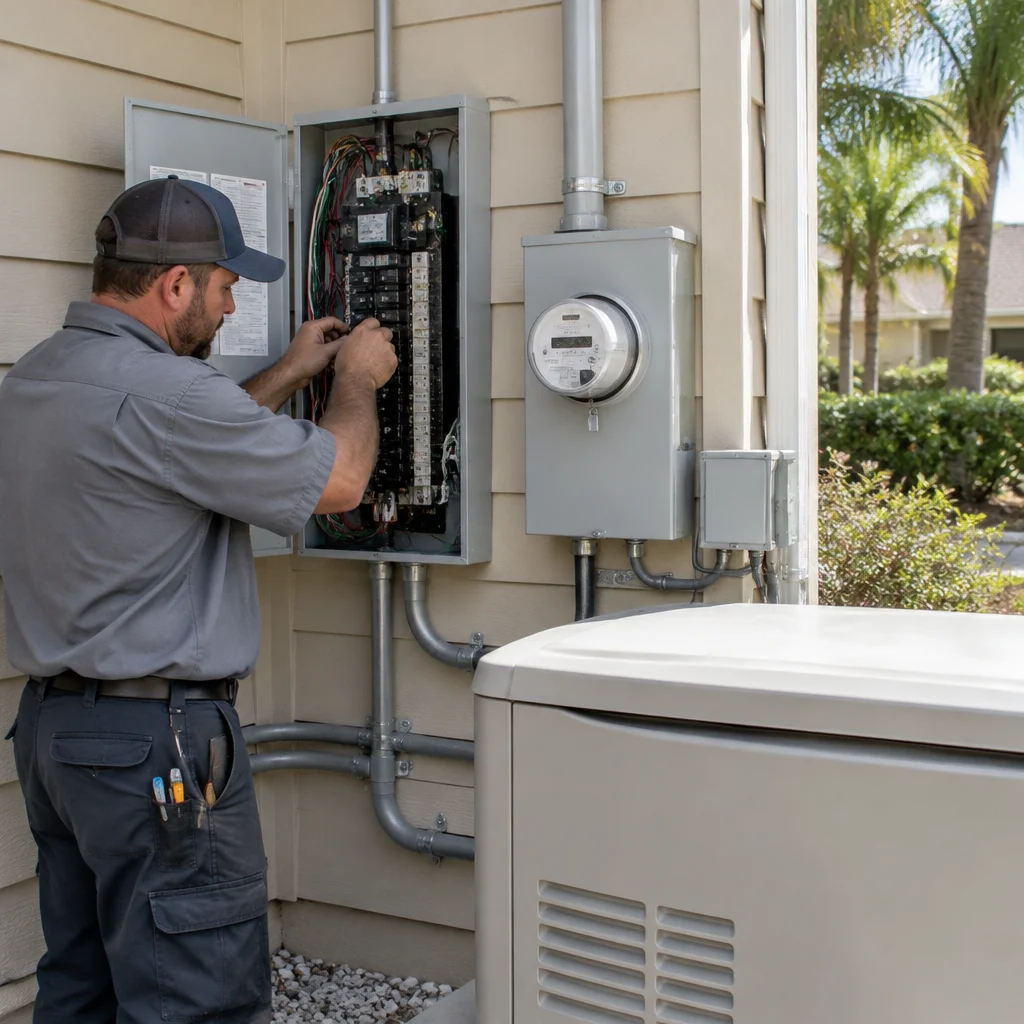
Storm preparation is also worth discussing before hurricane season. Backup power must be sized and connected safely for the loads it serves. This Fort Walton Beach backup power planning guide provides context for a separate resilience decision, not a substitute for HVAC repair.
Build a practical plan with a local contractor
Before your appointment, gather the equipment age, recent repair invoices, warranty information, and notes about uncomfortable rooms. Share whether problems occur all day, during afternoon heat, or after storms. Those details help connect the proposed work to everyday conditions in your home.
A Superior Mechanical provides HVAC services in Fort Walton Beach and serves customers throughout Okaloosa County. Ask for a prioritized estimate and current financing information together. The goal is a manageable payment for clearly justified work, with airflow, humidity, maintenance, and reliable comfort accounted for from the start.
Find Service Financing in Fort Walton Beach, FL
If you need Service Financing in Fort Walton Beach, FL, visit our local service page or contact A Superior Mechanical today.
Map of Fort Walton Beach, FL
Frequently Asked Questions
Can I finance an HVAC repair instead of a full replacement in Fort Walton Beach?
A Superior Mechanical offers financing for eligible repairs, replacements, and upgrades. Ask whether your specific repair qualifies and review the current application requirements and written repayment terms. Eligibility and approval are not guaranteed.
Should ductwork and humidity problems be included in a financed HVAC project?
They should be evaluated before the project scope is finalized. Leaking ducts, inadequate airflow, and poor moisture removal can limit the benefits of new equipment. Ask for an itemized estimate that separates necessary corrections from optional upgrades, then confirm which work is eligible for financing.
What should I compare when reviewing HVAC financing offers?
Compare the project scope, financed amount, annual percentage rate, fees, repayment term, monthly payment, and total of payments. Review any deferred-interest conditions, late-payment consequences, and prepayment rules. A smaller monthly payment does not necessarily mean a lower overall cost.
Related Articles
- Cleaner Water, Healthier Pipes: Whole Home Water Purification in Fort Walton Beach
- A Fort Walton Beach Backup Power Plan Built Around the Whole Electrical System
- From Spotted Glasses to Better Coffee: A Fort Walton Beach Guide to Reverse Osmosis
- A Room by Room Electrical Plan for Fort Walton Beach Outlets and Switches
Photo Gallery