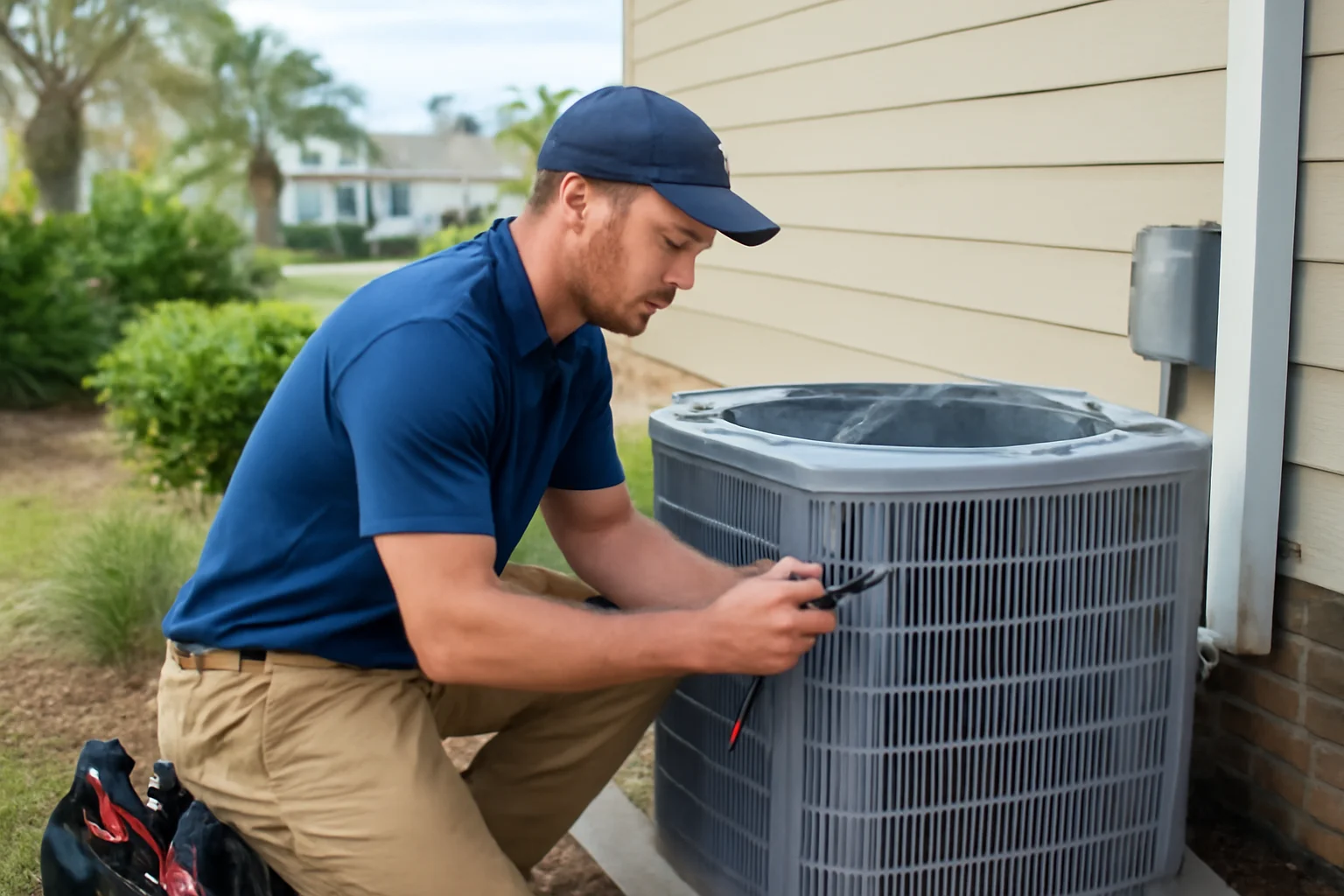
Rosemary Beach is beautiful, but its weather is demanding on HVAC systems. Warm coastal air, persistent humidity, and salt-laden wind can push commercial cooling equipment harder than property owners expect. The good news is that many common HVAC problems are preventable when commercial HVAC installation is planned around airflow, humidity control, condensate drainage, and the realities of Florida heat.
Below is a practical guide for homeowners and property managers who want to reduce emergency cooling concerns, improve comfort, and avoid avoidable AC repair calls. If you are searching for a commercial HVAC installation in Rosemary Beach, FL, use this checklist to understand what should be addressed during design and installation.
Why Rosemary Beach humidity turns “normal wear” into HVAC problems
Commercial HVAC systems in the Florida Panhandle are often asked to do two jobs at once: cool the building and manage moisture. When humidity is high, air conditioners and heat pumps do not just lower temperature. They remove moisture by cooling air across refrigerant systems so condensation can drain away properly.
When installation details are off, moisture management suffers. That can lead to:
- Uneven cooling because airflow is restricted or poorly balanced
- Higher indoor humidity that makes spaces feel sticky and uncomfortable
- Condensate drainage problems that increase the risk of microbial growth
- More frequent cycling that increases energy use and shortens component life
Salt air adds another layer of stress. Coastal exposure can accelerate corrosion on certain metal components and can affect how systems perform over time. That is why professional local HVAC service matters, especially for commercial properties where downtime affects operations and comfort.
Cooling and dehumidification start with correct system sizing and design
Many HVAC issues begin with the foundation of the job: the design. A system that is too small will struggle to reach set temperature, run longer, and still fail to control humidity. A system that is oversized may cool quickly, but it can short-cycle, which often reduces moisture removal and leads to higher indoor humidity.
During commercial HVAC installation, a licensed HVAC contractor should consider:
- Cooling loads based on building layout, insulation, window area, and sun exposure
- Airflow requirements by zone or floor plan
- Thermostat strategy and control sequences that match how the building is used
- How outdoor air and ventilation needs influence humidity levels
If you are comparing an air conditioning systems proposal, ask how the installer will handle both temperature and humidity. Homeowners often focus on cooling performance, but humidity control is what protects comfort and indoor air quality when the coastal air never really “lets up.”
Airflow matters more than many people realize
In commercial spaces, airflow problems show up as hot spots, cold drafts, and rooms that never feel right. Those issues can be caused by ductwork, improper balancing, or equipment airflow that does not match the design.
What to look for in ductwork and airflow planning
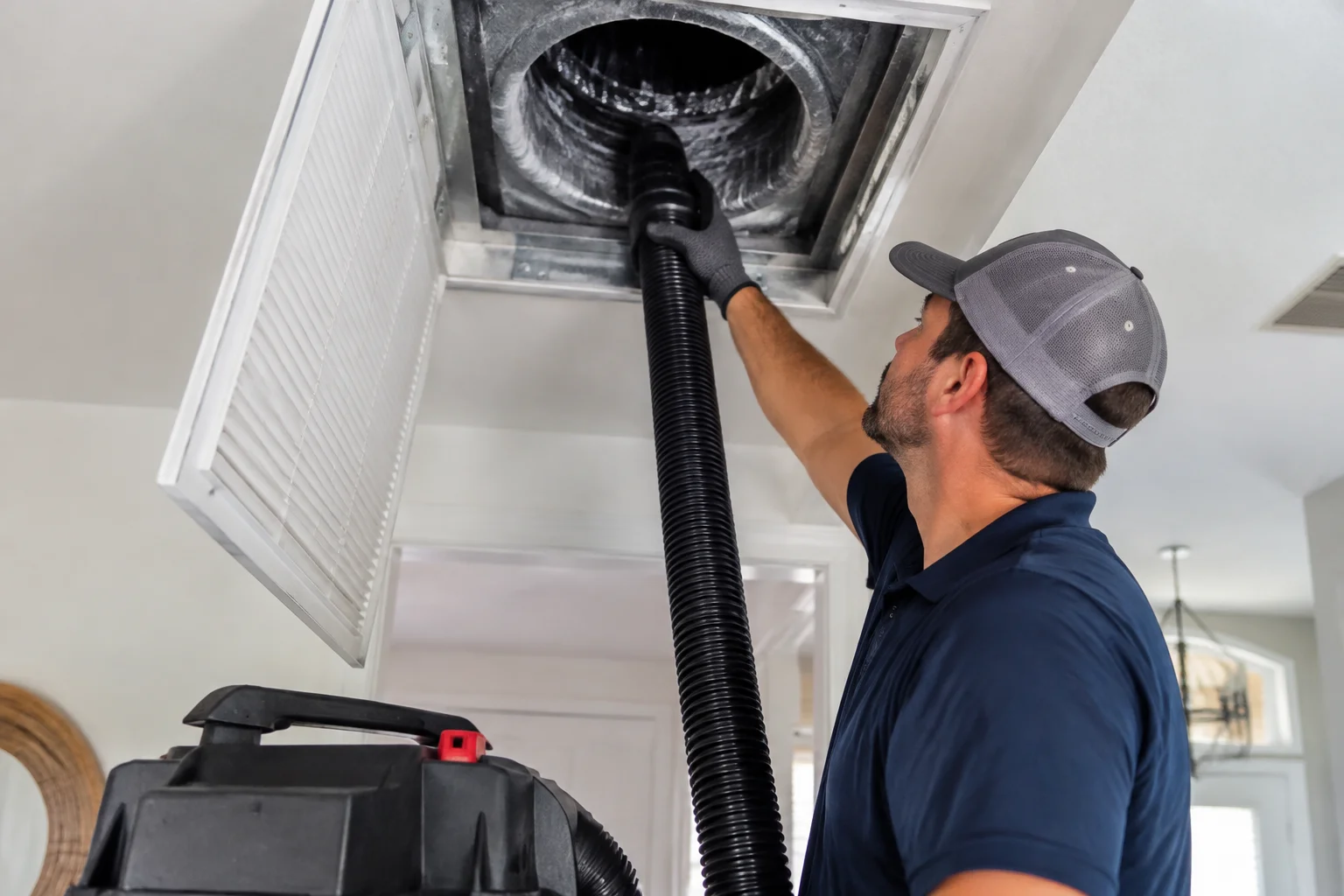
- Duct inspection and layout: Ductwork should be examined for route efficiency, restrictions, and how air will move through the space.
- Proper sizing and sealing: Leaks and undersized runs can reduce airflow and increase humidity retention.
- Balanced distribution: Supply and return placement should support even comfort across zones.
- Return air paths: Poor return air design can cause pressure imbalances that affect comfort and ventilation effectiveness.
If you suspect airflow issues, a HVAC service near me search is not always enough. Look for a team that offers duct inspection near me and can evaluate airflow with real-world measurements. Even good equipment can underperform if ductwork is not ready to deliver the airflow the system was designed for.
For a deeper look at how planning affects comfort, see Smart HVAC Planning for Rosemary Beach Homes: Comfort, Airflow, and Coastal Protection.
Humidity control depends on condensate drainage, not just the thermostat
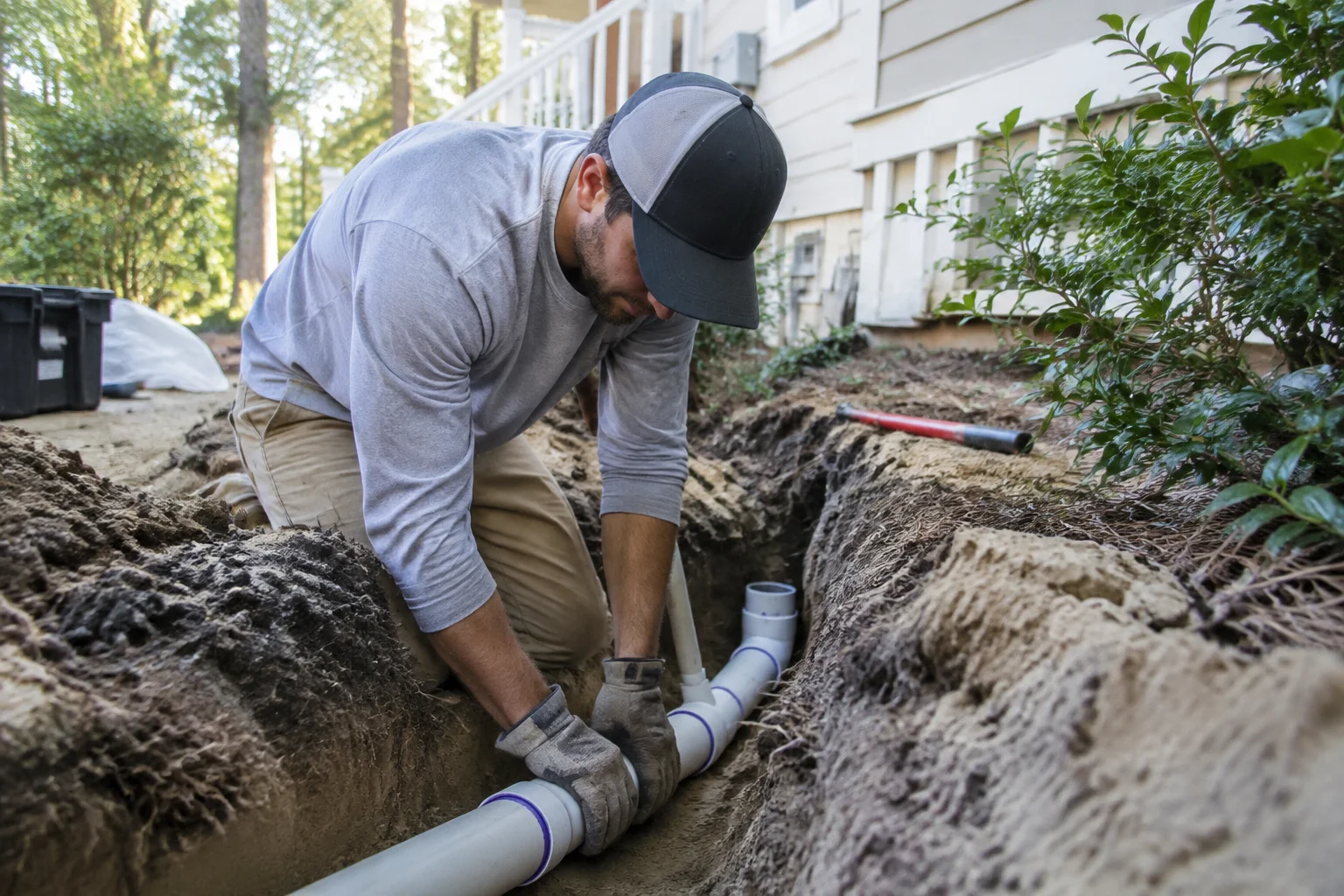
In humid climates, the air conditioner’s moisture removal is only as reliable as the condensate drainage system. When installation does not account for correct condensate drainage, water can back up, leak, or fail to drain away as intended.
Proper condensate drainage planning helps prevent:
- Wet areas around equipment that can support microbial growth
- Corrosion and damage to nearby components
- Operational problems that lead to more frequent AC repair
Common causes related to installation
- Drain lines installed with incorrect slope
- Drain lines that are improperly insulated or routed for local conditions
- Condensate pumps or drain components selected without regard to the system design
- Condensate overflow safety devices not configured correctly
Thermostats play a role, but they cannot fix a drainage problem. If you are noticing recurring musty odors, damp ceilings, or persistent humidity complaints, it is smart to schedule a professional evaluation before the problem escalates into an emergency cooling situation.
Refrigerant systems need careful installation and responsible handling
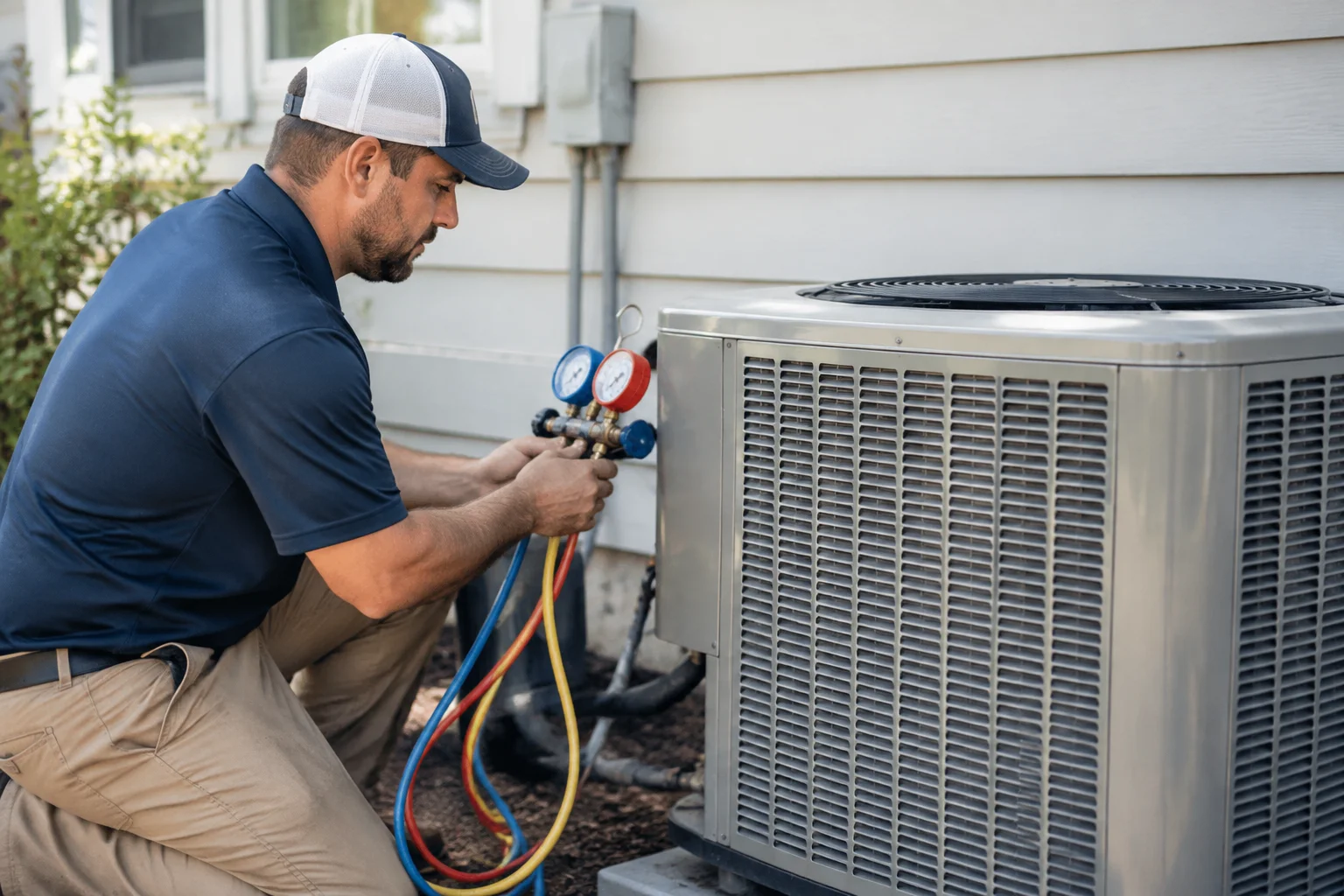
Commercial cooling relies on refrigerant systems to move heat out of the building. During installation, refrigerant piping, connections, and system performance must be handled correctly. Improper installation can contribute to poor cooling, reduced dehumidification, and premature wear.
Because refrigerant systems are complex and safety-sensitive, homeowners should avoid attempting DIY checks. A licensed HVAC contractor should evaluate performance in person, confirm the system is operating as designed, and address issues using proper tools and procedures.
If you are dealing with uncertain performance and searching for emergency AC repair near me, prioritize a contractor that can assess airflow, humidity behavior, and system operation rather than focusing on quick fixes that do not address the root cause.
Ventilation and indoor air quality should be part of commercial HVAC installation
Humidity control and indoor air quality are connected. When moisture levels are high, indoor air can feel worse even if the temperature is acceptable. That is why commercial HVAC service should also address ventilation and filtration strategy.
During installation, a professional should consider:
- Filtration that matches the building’s needs and maintenance capabilities
- How outdoor air impacts humidity and comfort
- Air distribution that prevents stagnant areas
- How system controls manage airflow during occupied and unoccupied periods
If you are planning improvements, it can be helpful to pair installation planning with Indoor Air Quality Services. That combination is especially relevant in coastal areas where humidity and outdoor air conditions can challenge comfort.
Thermostats and controls: the difference between “cooling” and “comfort”
A well-installed system can still feel wrong if controls are not configured for the building. In commercial settings, occupancy schedules, meeting room use, and varying exposure to sun can cause comfort swings.
During commercial HVAC installation, ask how thermostats and controls will be set up for:
- Zone control or staged operation where appropriate
- Humidity-aware operation when the system supports it
- Occupancy schedules to prevent unnecessary run time and energy use
- Fail-safe behavior so comfort does not collapse during abnormal conditions
Improper control settings can increase energy use by running longer than needed. They can also reduce moisture removal by preventing the system from operating in the way it was designed to dehumidify.
Energy use and long-term performance in Florida heat
In Rosemary Beach, energy use is not just about utility bills. It is also about how often equipment runs and how hard it works. Efficient comfort is a result of correct sizing, airflow, and system operation.
Commercial property owners often ask about an energy efficient AC system near me. The most efficient equipment on paper can still waste energy if it is installed into a duct system with restrictions, if return air is poor, or if controls do not match the building’s use.
Professional installation should also consider how the system will be maintained. A plan that supports regular filter changes, drain checks, and performance verification helps keep energy use stable and reduces the likelihood of mid-summer breakdowns.
How to prevent the most common commercial HVAC problems
Even with excellent installation, Florida conditions are tough. The best prevention strategy combines proper installation with preventive HVAC maintenance and early intervention.
Maintenance items that protect cooling and humidity control
- AC tune up near me: Seasonal tune ups help catch airflow restrictions, control issues, and operational drift.
- Drain line and condensate checks: Verify condensate drainage is clear and operating as intended.
- Duct inspection near me: Look for leaks, damaged sections, or airflow bottlenecks that develop over time.
- Filter and filtration review: Confirm filtration supports indoor air quality without starving airflow.
- Thermostat and control verification: Make sure set points and schedules match how the building is actually used.
If you want a broader look at how comfort changes over time, read How HVAC Wear and Tear Changes the Air Inside Rosemary Beach Homes.
Local issues that make professional installation a must in Walton County
Rosemary Beach is in Walton County, where coastal exposure, seasonal humidity swings, and strong summer cooling demands can reveal installation flaws quickly. Buildings with large windows, coastal landscaping that affects airflow around outdoor units, or older ductwork can be especially sensitive.
That is why choosing a licensed HVAC contractor near me is not just a formality. It is a way to ensure the installer accounts for local climate realities, airflow needs, and condensate drainage behavior. For more on the service area, visit this Rosemary Beach location page and Walton County service area.
When you should plan repairs or replacement before “emergency cooling” hits
Emergency cooling concerns are stressful and often expensive because they happen when systems are already under maximum load. You can reduce the chance of a mid-summer failure by paying attention to early indicators and scheduling professional evaluation.
Consider calling a commercial HVAC service team if you notice:
- Rooms that feel humid even when the temperature is set correctly
- Persistent hot spots or cold drafts that suggest airflow imbalance
- Strange odors that could be related to condensate drainage issues
- Frequent short cycling or unusual system behavior
- Rising energy use without a change in occupancy
If you are thinking about upgrading comfort and performance, it can help to compare options for Property Management HVAC Services for properties that need consistent scheduling and reliable oversight.
Related coastal lessons from nearby installs
While every building is different, installation oversights often repeat across communities. If you want to see how other local property owners can avoid mistakes, these guides may help:
- The Details That Get Missed in Commercial HVAC Installation in Freeport, FL
- Commercial HVAC Installation in Laguna Beach, FL: The Issues Local Property Owners Should Not Overlook
Choosing A Superior Mechanical for commercial HVAC installation in Rosemary Beach
When you are ready to protect your property from heat and humidity challenges, start with a contractor that treats installation as a system, not just a set of components. A Superior Mechanical focuses on commercial HVAC installation in Rosemary Beach, FL for efficient, reliable performance. That includes careful planning for cooling, airflow, humidity control, and condensate drainage, along with the ongoing support that helps prevent future breakdowns.
If you want to review the right approach for your building, you can explore our commercial HVAC installation service page and see how we support businesses across Walton County.
For some properties, alternative approaches like Geothermal Energy Systems may be part of a larger energy strategy. Even then, the same principles apply: correct design, correct airflow, and correct moisture management.
Find Commercial HVAC Installation in Rosemary Beach, FL
If you need Commercial HVAC Installation in Rosemary Beach, FL, visit our local service page or contact A Superior Mechanical today.
Map of Rosemary Beach, FL
Frequently Asked Questions
How does commercial HVAC installation help with humidity control in Rosemary Beach?
Humidity control depends on correct system sizing, airflow design, and reliable condensate drainage. When installation supports proper moisture removal, spaces feel more comfortable and indoor air quality improves during Florida’s humid cooling season.
What are the most common installation-related airflow problems in commercial buildings?
Common issues include ductwork restrictions, poor return air paths, unbalanced supply and return airflow, and duct leaks. These can cause hot spots, cold drafts, and reduced dehumidification even if the thermostat temperature looks “right.”
Can a thermostat setting fix a humidity problem?
Sometimes adjustments help, but persistent humidity issues are often tied to installation details like airflow balance, filtration strategy, and condensate drainage. A professional evaluation is the safest way to identify what is actually driving the problem.
When should I worry about condensate drainage in a commercial HVAC system?
If you notice damp areas, recurring musty odors, water around equipment, or signs of overflow, it is time for a professional inspection. Condensate drainage problems can affect comfort, indoor air quality, and equipment reliability.
What should homeowners ask during a commercial HVAC installation consultation?
Ask how the contractor will handle cooling and dehumidification, ductwork and airflow planning, condensate drainage design, thermostat and control setup, and indoor air quality considerations. A clear plan for these areas is a strong indicator the installation will perform under Rosemary Beach heat and humidity.
Related Articles
- Smart HVAC Planning for Rosemary Beach Homes: Comfort, Airflow, and Coastal Protection
- How HVAC Wear and Tear Changes the Air Inside Rosemary Beach Homes
- The Details That Get Missed in Commercial HVAC Installation in Freeport, FL
- Commercial HVAC Installation in Laguna Beach, FL: The Issues Local Property Owners Should Not Overlook
Photo Gallery