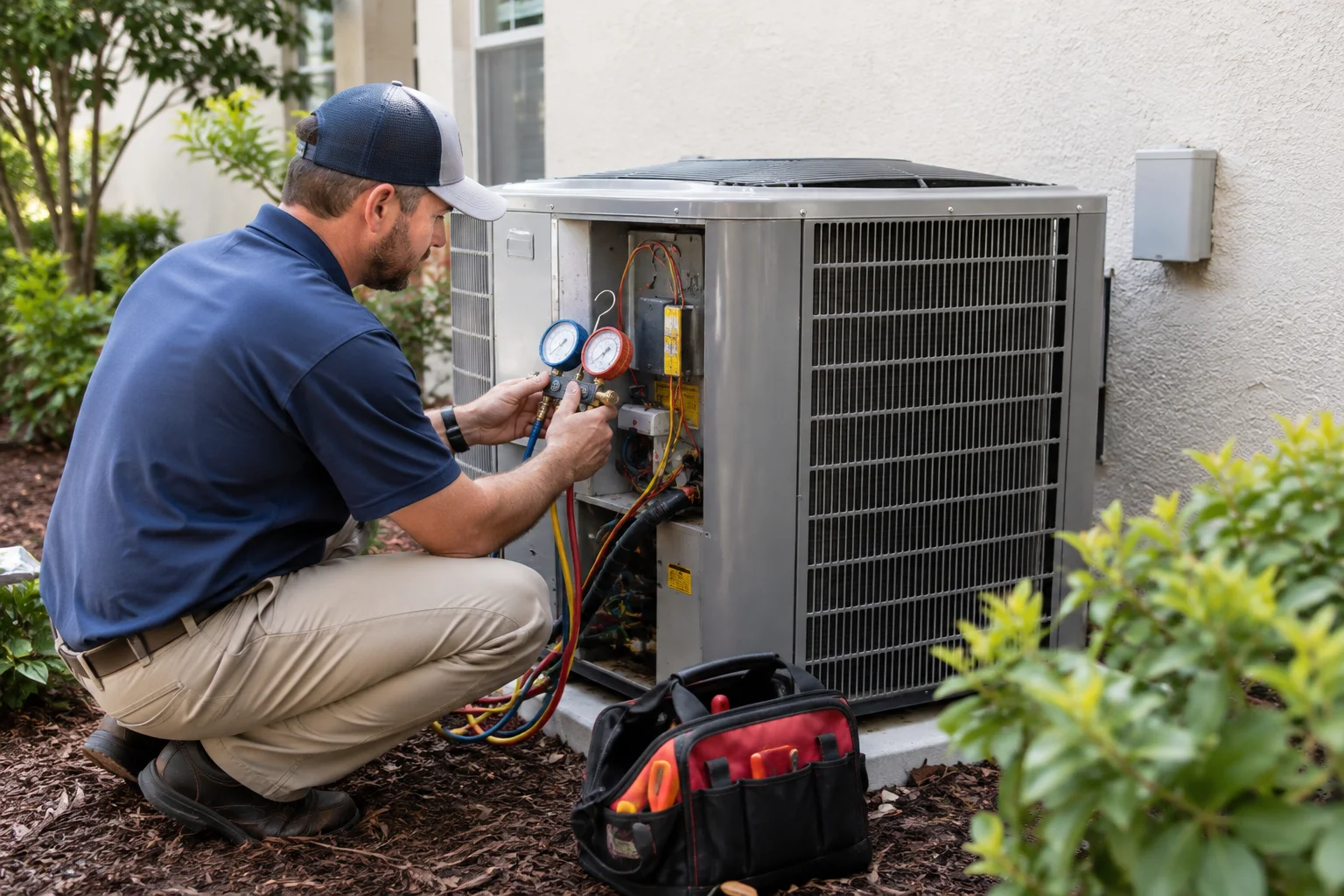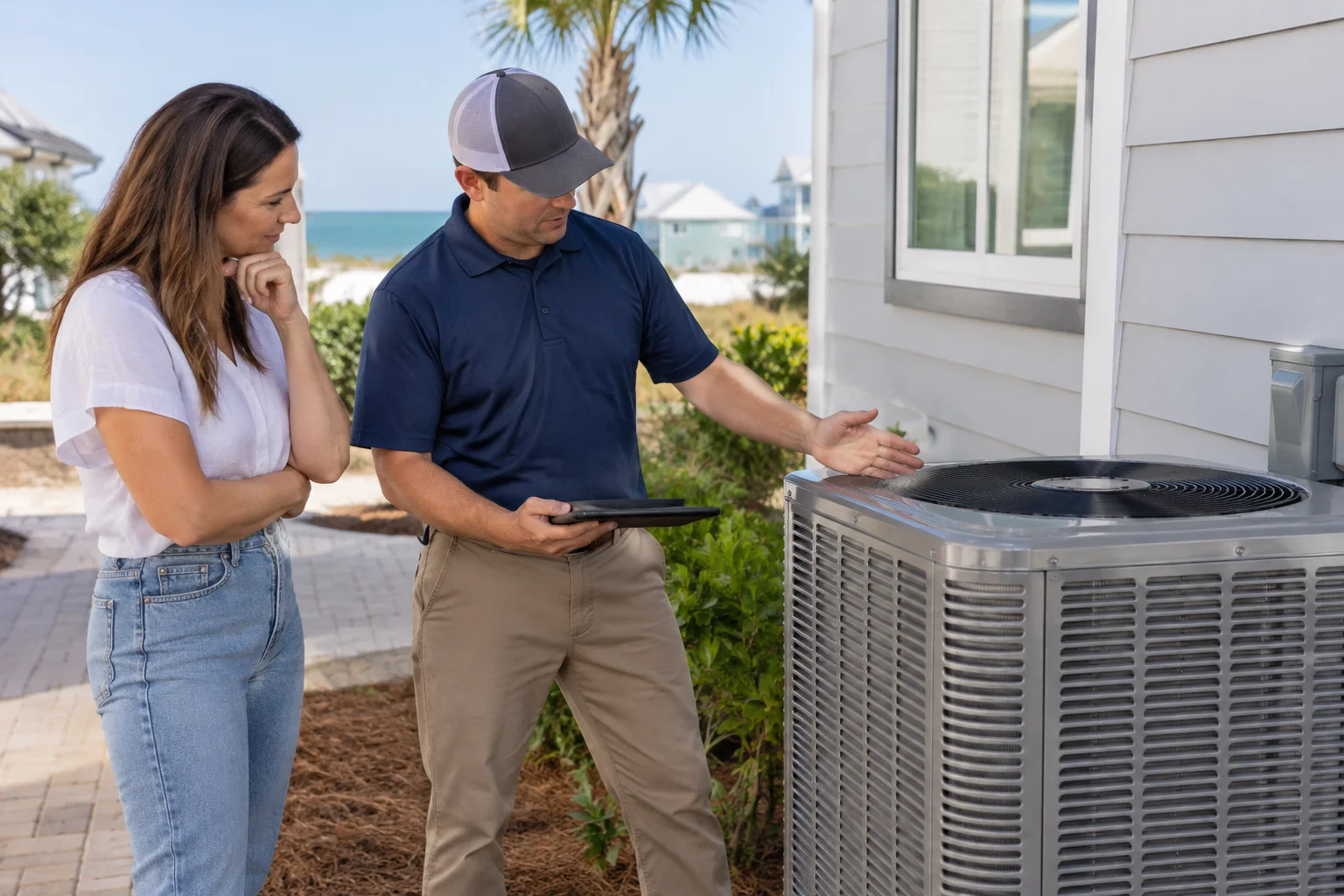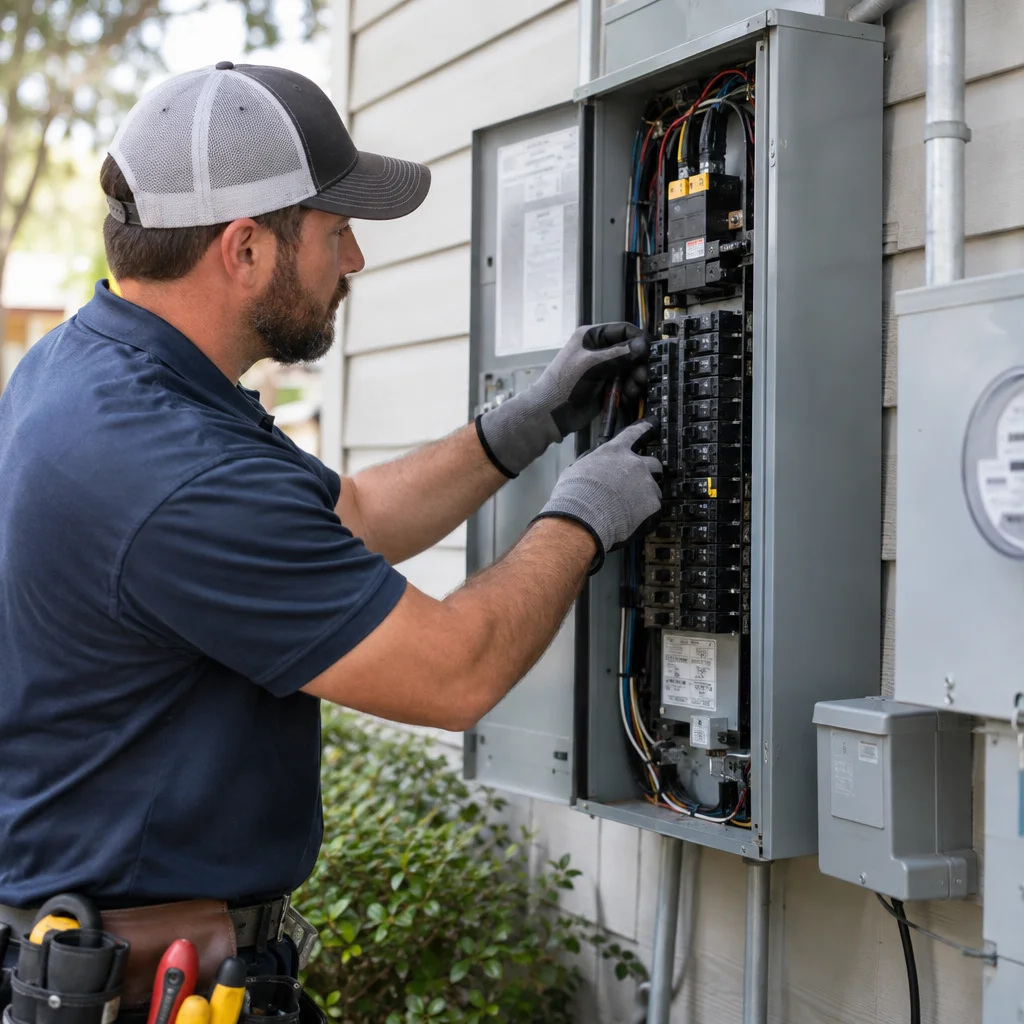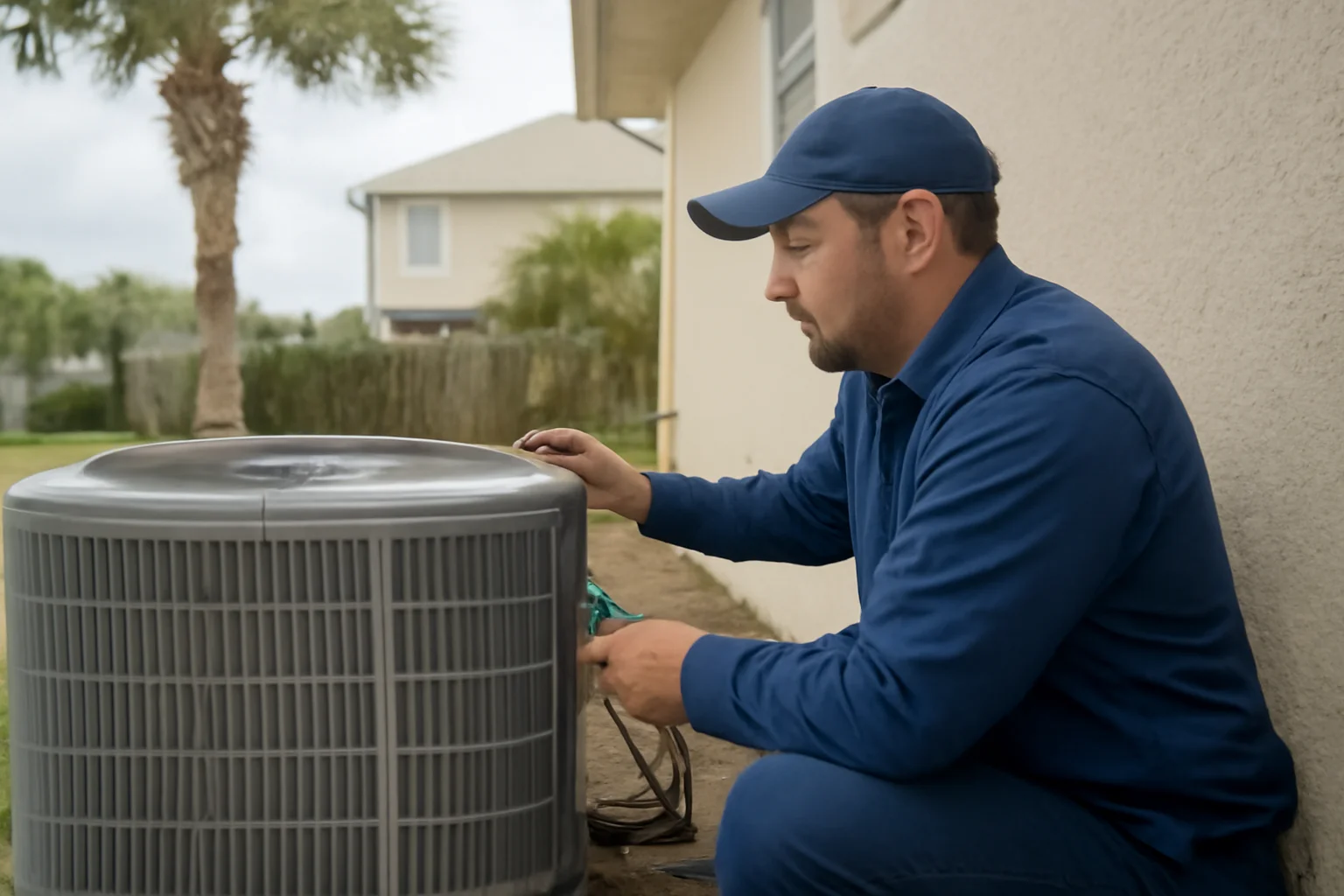
Inlet Beach is beautiful, but the climate is tough on heating and cooling systems. Florida heat and humidity, coastal salt air, and frequent swings in indoor comfort demands can turn a small installation mistake into a real comfort problem. If your home includes a commercial-style setup, a larger HVAC system, or you manage a property used by guests or tenants, better installation practices help you catch issues early.
This homeowner’s guide focuses on commercial HVAC installation in Inlet Beach, FL and how to recognize warning signs tied to airflow, refrigerant systems, condensate drainage, thermostats, ductwork, and indoor air quality. It also covers preventive HVAC maintenance that helps reduce emergency cooling concerns when the temperature climbs.
Why commercial HVAC installation matters more in Inlet Beach than you might think
Commercial systems are designed for steady, longer operating schedules and larger spaces. In a coastal area like Inlet Beach, the same factors that affect businesses also affect homes with commercial needs: higher moisture loads, more frequent AC runtime, and air distribution challenges created by complex layouts.
When installation is done right, your system can handle Florida humidity without turning your home into a damp environment. When it is done poorly, you may see symptoms like uneven temperatures, recurring callbacks, higher energy use, and faster component wear. That is why working with a licensed HVAC contractor near me who understands Walton County conditions is so important.
If you are comparing installation approaches or reviewing what was installed in your property, start with the service page here: commercial HVAC installation in Inlet Beach.
Common early installation problems homeowners can spot
Many HVAC issues appear after the system has been running for a while, not on day one. The good news is that the early signs are often visible, measurable, or noticeable during normal daily use.
1) Airflow that feels “weak” or uneven
Air distribution problems are among the most common early clues. After installation, homeowners may notice:
- Hot spots or cold spots that do not match room size
- Some rooms taking longer to cool down
- Supply vents blowing harder in one area than another
- Return air that seems limited or noisy
In coastal climates, airflow issues can also worsen humidity control. If air is not moving correctly through the system and ductwork, the evaporator coil may not operate as intended, and comfort can degrade quickly during humid stretches. Airflow problems can come from ductwork design, duct sealing, filter selection, or improper balancing during installation.
If you suspect duct-related issues, it helps to review ductwork condition and performance with a contractor. You can explore options like duct replacement if the system’s airflow path is compromised.
2) Humidity that lingers even when the AC is running
Florida humidity is relentless. A properly installed cooling system should remove moisture during cooling cycles. If you notice persistent dampness, condensation, or a musty smell, it may be tied to installation details such as:
- Coil performance affected by airflow restrictions
- Incorrect system setup that limits dehumidification
- Filter and return air issues that change how the system runs
For homes used as vacation rentals or multi-tenant properties, humidity control is also an indoor air quality issue. Excess moisture can contribute to dust buildup, odor retention, and comfort complaints from guests.
Many homeowners also consider whole home dehumidifiers to improve comfort in high humidity conditions, especially when paired with an HVAC system that may be struggling.
3) Condensate drainage problems that show up as water or recurring wet spots
Air conditioning naturally produces condensate. Proper condensate drainage is a key installation detail. Early warning signs include:
- Water pooling near equipment
- Dripping from an indoor unit or drain line
- Wet drywall or staining around air handlers
- Corrosion or algae-like buildup near drainage areas
In coastal weather, moisture exposure can be more noticeable and damaging. A contractor should verify condensate routing, drainage slope, and how the system drains during real operation. If you are seeing water issues, treat it as a comfort and equipment-protection concern, not a “wait and see” item.
4) Thermostat behavior that never seems to match reality
Thermostats are the control center for comfort. Installation problems or configuration issues can cause symptoms like:
- Short cycling, where the system turns on and off frequently
- Temperature changes that lag behind thermostat set points
- Rooms that stay uncomfortable even after adjustments
- Frequent re-requests for “AC repair near me” during peak heat weeks
Even if the equipment appears to run, thermostat setup affects how the system responds to humidity and temperature changes. If you have a multi-zone or commercial-style setup, control accuracy and proper sensor placement matter.
5) Refrigerant system concerns that show up as performance issues
Refrigerant systems are designed to operate within specific conditions. Homeowners cannot safely diagnose refrigerant problems from symptoms alone, and you should not attempt DIY checks. However, you can still catch early performance red flags:
- Cooling that feels weak compared to what you remember
- Long run times without reaching comfortable temperatures
- Unusual noises or frequent interruptions
- Ice buildup on accessible coil surfaces (if visible)
When refrigerant system issues are suspected, a professional evaluation is required. A licensed technician can inspect system operation and verify readings with proper tools. If you are searching for HVAC repair near me because performance seems off after installation, look for a contractor that will assess the system in person rather than relying on guesswork.
6) Salt air and corrosion effects that appear sooner than expected
Coastal salt air can accelerate wear on outdoor components and metal parts. If installation did not account for corrosion risk, you may see early signs like:
- Rough outdoor unit operation or visible corrosion
- Increased maintenance needs for outdoor surfaces
- Performance drift during humid, salty months
Salt air is not something you can “wish away.” The best approach is proactive care and a contractor who understands local exposure. Preventive HVAC maintenance near the coast can help reduce the chances that a minor issue becomes a major one.
How to verify your commercial HVAC installation was done with Inlet Beach in mind
Homeowners often cannot see every detail behind the walls or in the mechanical room, but you can still ask targeted questions and look for practical evidence that installation was handled correctly.
Ask about airflow planning and ductwork integrity
Good installation is not just about placing equipment. It includes:
- Proper duct sizing and routing for the space
- Sealing and insulation where ducts pass through problematic areas
- Balanced supply and return airflow so humidity control can work
- Filter compatibility with the system and airflow needs
If you have experienced duct-related problems in the past, it can be especially important to review ductwork condition. For homeowners considering changes, duct replacement may help restore consistent airflow.
Confirm condensate drainage and moisture management steps
During installation, drainage should be planned so condensate moves away safely and reliably. Homeowners can ask whether the drain line was routed correctly, how the system was tested for condensate flow, and what maintenance points exist.
In humid seasons, even small drainage issues can lead to larger comfort and indoor air quality problems.
Discuss thermostat control and comfort goals
Thermostats should be installed and configured to match how the home is used. For example, vacation rentals often have frequent occupancy changes, while offices or multi-tenant homes may run for long hours. Ask how the thermostat setup supports stable comfort and humidity control.
For homeowners exploring indoor comfort upgrades, pairing HVAC with indoor air quality improvements can also reduce complaints. You can review options through indoor air quality services in Inlet Beach.
Make sure the refrigerant system was verified by a technician
Refrigerant system setup is a technical process. Homeowners should not attempt DIY refrigerant checks. Instead, request that the technician verify operation and ensure the system is set up correctly for the installed configuration.
If you are evaluating whether a system is performing properly, ask for an in-person inspection rather than remote troubleshooting. That is the safest way to avoid incorrect assumptions.
How to catch HVAC problems early without becoming a full-time mechanic
You do not need to memorize every HVAC detail to notice when something is off. A few simple habits can help you spot issues early and reduce the odds of an emergency cooling situation.
Track comfort and run-time during peak heat
During Inlet Beach’s hottest, most humid weeks, pay attention to:
- How quickly rooms reach comfort
- How long the system runs before it shuts off
- Whether humidity feels worse at night
- Whether the system short cycles
Long run times and poor humidity control are often clues that the system is working harder than it should. That can increase energy use and wear over time.
Listen for patterns, not just noises
New sounds after installation deserve attention. Some noises are normal, but patterns matter. For example:
- Frequent starts and stops
- Rattling or scraping during operation
- Airflow sounds that suddenly change after filter changes
If you notice changes, document them with dates and conditions. That information helps a technician focus the inspection.
Watch for indoor air quality clues tied to moisture and airflow
Indoor air quality complaints often show up as comfort issues. Look for:
- Musty odors that return after cooling starts
- More dust accumulation than usual
- Allergy flare-ups during humid weather
- Condensation on windows or near vents
These symptoms can relate to filtration, airflow, ductwork sealing, and humidity control. If you are searching for indoor air quality services near me, choose a contractor that will consider how the HVAC system and ductwork work together.
Preventive HVAC maintenance that fits Inlet Beach homes
Preventive maintenance is where homeowners can make a meaningful difference. It is also one of the best ways to reduce the chance of needing HVAC replacement near me or emergency repairs during peak summer days.
Maintenance items that matter for commercial-style systems
Ask your contractor what a maintenance visit includes for your specific system and setup. In general, a solid preventive plan focuses on:
- Inspecting airflow pathways and checking for restrictions
- Reviewing condensate drainage performance and moisture risks
- Verifying thermostat operation and control response
- Checking outdoor unit condition with coastal corrosion in mind
- Ensuring indoor filtration supports airflow and air quality
Because Inlet Beach has coastal exposure, maintenance should not be treated as a generic checklist. The technician should consider humidity load, salt air effects, and how your ductwork and airflow are performing.
Energy use can be a clue, not just a bill
When installation or maintenance is off, systems often consume more energy to achieve the same comfort results. Homeowners may notice rising utility costs alongside comfort issues such as weak cooling or uneven temperatures. If energy use increases during the same seasonal conditions, it can be a sign that the system needs professional attention.
When you should schedule service instead of waiting
Some homeowner issues are easy to handle, like replacing a visibly dirty filter. Others are not. With commercial HVAC installation, the risk is that small problems can compound quickly in Florida heat.
Schedule an inspection if you notice any of these
- Cooling performance drops after installation or after a system adjustment
- Humidity stays high even with normal cooling settings
- Water is present around indoor equipment or drainage areas
- Airflow feels weak or uneven across rooms
- The thermostat behavior seems inconsistent or the system short cycles
- Indoor air quality complaints increase during humid weeks
If your system is not keeping up and you are searching for AC repair near me or HVAC repair near me, prioritize a contractor that will inspect the system in person. Avoid anyone who tries to “diagnose” refrigerant or equipment issues without seeing the equipment and verifying operation.
How professional local HVAC service helps prevent emergency cooling concerns
Inlet Beach properties face real-world conditions: coastal humidity, salt air, and long cooling seasons. A professional local HVAC contractor understands what tends to go wrong in Walton County settings and can help you catch problems early through inspection and preventive maintenance.
When you work with a team experienced in commercial HVAC service near me, you are more likely to get:
- Installation practices that match the property’s layout and airflow needs
- Moisture management that accounts for condensate drainage and humidity control
- System setup that supports stable thermostat operation
- Maintenance recommendations that fit Florida’s coastal environment
You can also explore the city overview at Inlet Beach HVAC services and broader county coverage at Walton County HVAC services.
Reading between the lines: installation mistakes that often get missed
Homeowners sometimes discover issues after the fact, especially when a system is installed in phases or when ductwork is modified during construction. These articles can help you understand what to look for:
- The Details That Get Missed in Commercial HVAC Installation in Freeport, FL
- Commercial HVAC Installation in Laguna Beach, FL: The Issues Local Property Owners Should Not Overlook
- Keeping Sandestin Buildings Comfortable Starts With Smarter Commercial HVAC Installation
- What Panama City Beach Property Owners Should Know Before a Commercial HVAC Installation
Heat pump systems, AC systems, and the same early warning signs
Whether your commercial-style setup uses an air conditioner or a heat pump, the early warning signs often overlap. Heat pump service and air conditioning service both depend on airflow, humidity control, and proper system setup. You may notice:
- Reduced cooling comfort during Florida humidity peaks
- Weak airflow from vents due to ductwork or filter issues
- Moisture problems tied to condensate drainage
- Inconsistent thermostat response
If you need heat pump repair near me or heat pump installation near me, treat installation and performance checks the same way: an in-person evaluation is the safest path to the right next step.
Choosing the right next step: repair, maintenance, or replacement planning
When problems show up early, it does not automatically mean you need HVAC replacement. Many issues are tied to airflow, ductwork, condensate drainage, thermostat control, or maintenance gaps. At the same time, repeated failures can indicate a bigger system mismatch or installation problem that should be addressed professionally.
A Superior Mechanical can help homeowners evaluate what is happening and what is most appropriate for their property. If you are looking for HVAC installation near me or need to ensure a new commercial system is set up properly, start with the local installation service: commercial HVAC installation in Inlet Beach. For comfort upgrades tied to moisture and air quality, consider pairing that work with whole home dehumidifiers and indoor air quality services.
Questions homeowners in Inlet Beach should ask during an HVAC inspection
Bring these questions to your next HVAC appointment. They keep the conversation focused on what matters for Florida coastal comfort and early problem detection:
- How is airflow balanced across the property, and does ductwork sealing support consistent performance?
- Is condensate drainage set up correctly, and what should I watch for as humidity changes?
- Does the thermostat setup match how the home is used, including occupancy changes?
- What maintenance items are most important in a coastal environment with salt air exposure?
- What performance symptoms should I monitor, like run time, humidity levels, or indoor air quality changes?
These questions help you catch HVAC problems early and reduce the odds of being stuck searching for emergency cooling solutions when the next heat wave hits.
Find Commercial HVAC Installation in Inlet Beach, FL
If you need Commercial HVAC Installation in Inlet Beach, FL, visit our local service page or contact A Superior Mechanical today.
Map of Inlet Beach, FL
Frequently Asked Questions
What are the most common early signs of a bad commercial HVAC installation in a coastal area like Inlet Beach?
Homeowners often notice uneven temperatures, weak or inconsistent airflow, humidity that stays high even when the AC runs, water or staining near condensate drainage areas, and thermostat behavior that does not match comfort. Salt air exposure can also make equipment wear or corrosion show up sooner when installation and maintenance planning are incomplete.
Can I tell if there is a refrigerant problem just by looking or listening?
You can sometimes spot performance red flags like weak cooling or long run times, but you should not try to diagnose refrigerant issues yourself. Refrigerant system evaluation requires an in-person inspection and proper tools. If cooling performance feels off after installation, schedule an HVAC inspection.
How does ductwork affect indoor air quality and humidity control?
Ductwork impacts airflow distribution and how well the system can remove moisture during cooling. Leaks, poor sealing, or restrictions can reduce airflow, which can make humidity control harder and increase dust movement. If you are dealing with recurring comfort or air quality complaints, ask about ductwork condition and airflow performance.
What preventive HVAC maintenance is most important for Inlet Beach homes with commercial-style systems?
Preventive maintenance should include airflow and filter checks, inspection of condensate drainage performance, review of thermostat operation, and outdoor unit checks that account for coastal salt air exposure. A maintenance plan tailored to your specific setup helps reduce energy waste and the chance of mid-summer breakdowns.
When should I stop troubleshooting and call for service?
Call for an inspection when you see persistent humidity problems, recurring water near condensate drainage, consistent uneven temperatures, short cycling, or cooling performance that does not improve. If you are searching for HVAC repair near me due to ongoing comfort failures, prioritize an in-person evaluation rather than remote guesses.
Related Articles
- The Details That Get Missed in Commercial HVAC Installation in Freeport, FL
- Commercial HVAC Installation in Laguna Beach, FL: The Issues Local Property Owners Should Not Overlook
- Keeping Sandestin Buildings Comfortable Starts With Smarter Commercial HVAC Installation
- What Panama City Beach Property Owners Should Know Before a Commercial HVAC Installation
Photo Gallery