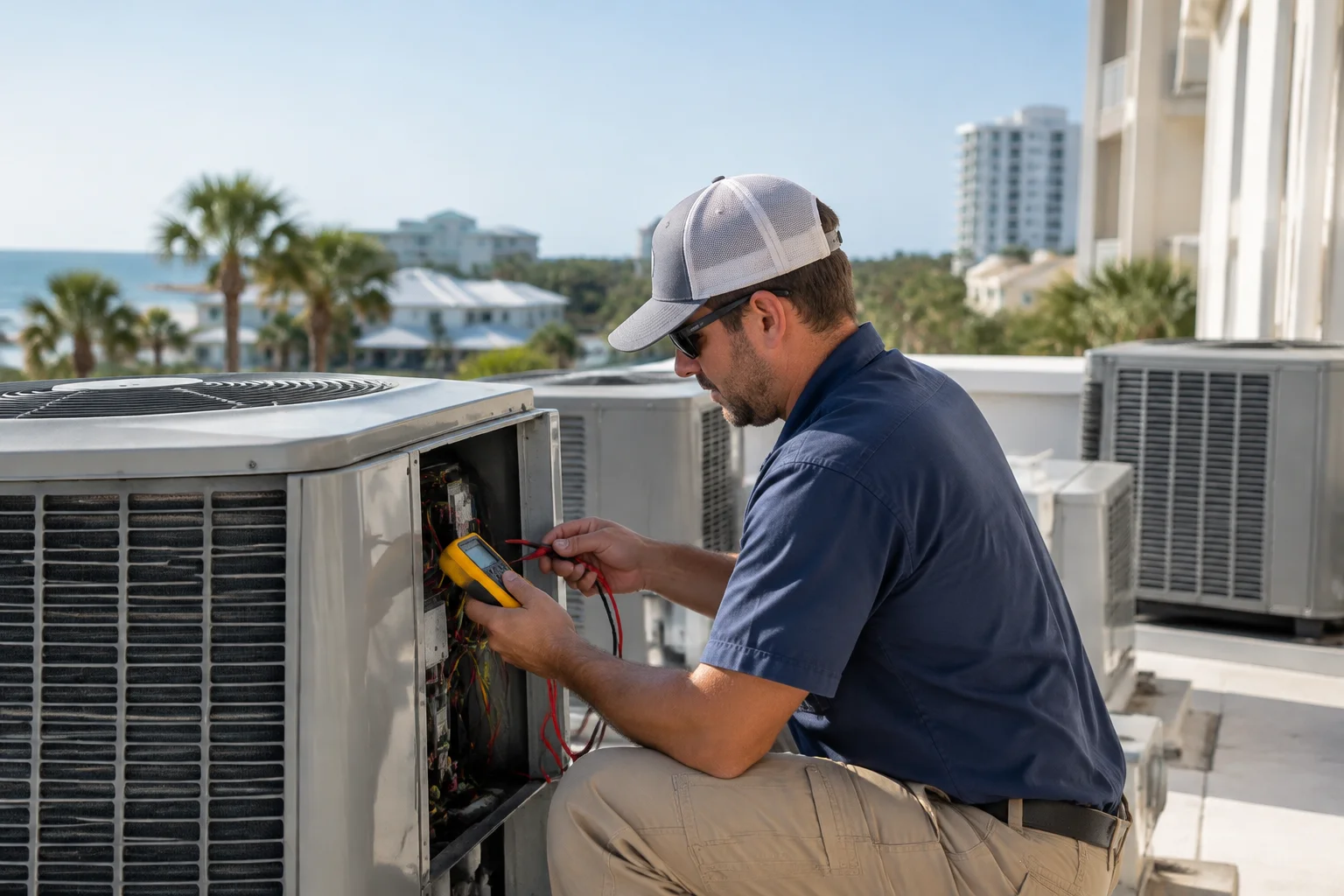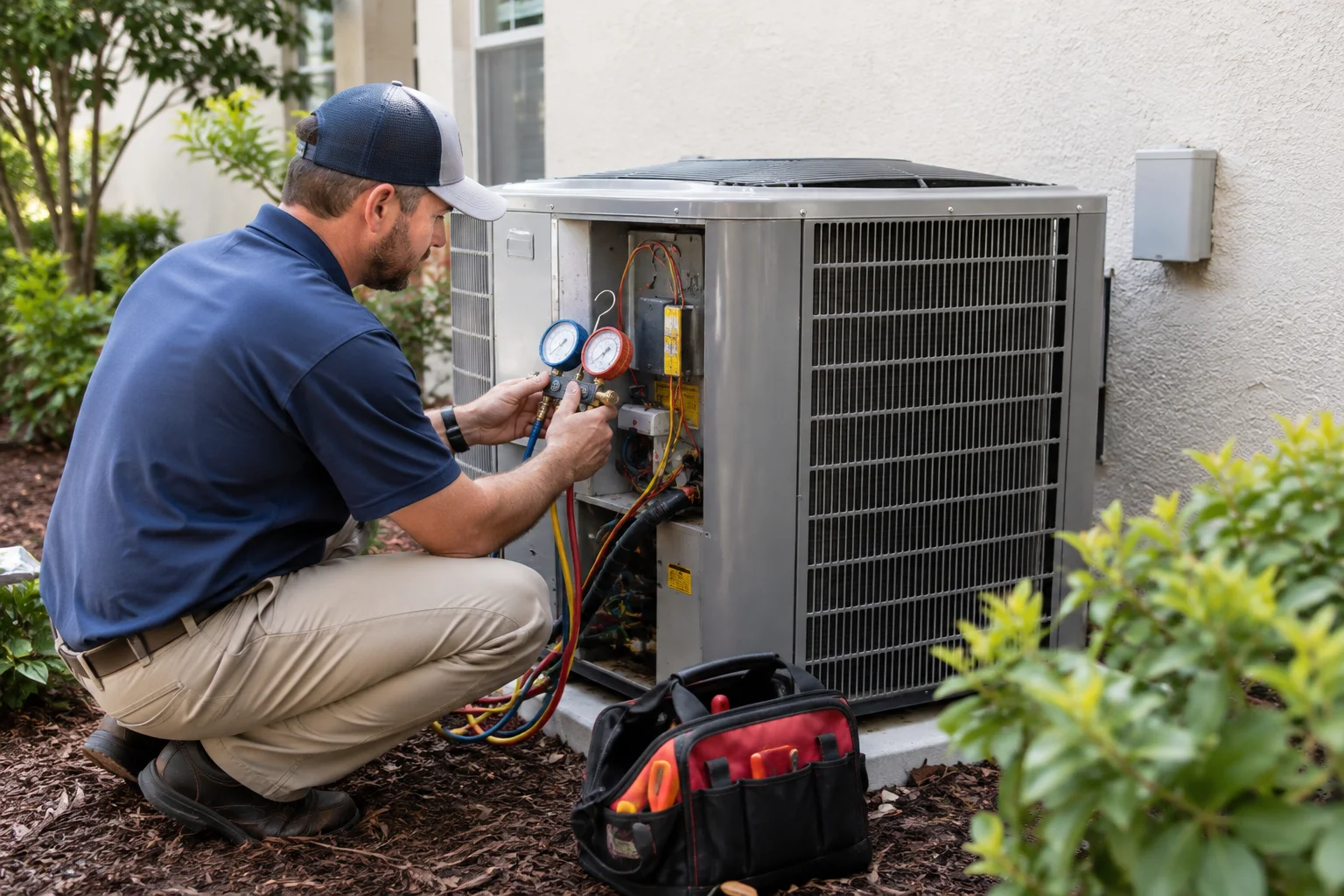
Rosemary Beach summer weather is beautiful, but it is also hard on air conditioning systems. High humidity, frequent coastal breezes, and salty air can turn a minor cooling or airflow complaint into an ongoing repair cycle. For homeowners, that means understanding what can cause problems with air conditioning repair, what symptoms to watch, and how prevention helps keep comfort steady through the heat.
If you are searching for air conditioning repair in Rosemary Beach, FL, you are likely dealing with issues such as weak cooling, rooms that feel muggy, or systems that run constantly. A Superior Mechanical can help diagnose what is actually happening to your refrigerant system, airflow, and humidity control, based on an in-person evaluation.
Why coastal Florida makes AC repair more complicated
In Rosemary Beach, the AC challenge is not just heat. It is heat paired with humidity, plus coastal conditions that can accelerate wear. Many homes rely on comfort systems that were designed for typical indoor conditions. When outdoor conditions push humidity levels up, or when salt air and moisture affect components, the system has to work harder to maintain temperature and indoor air quality.
That extra strain can show up during repair visits as:
- Short cycling or long run times
- Uneven comfort between rooms
- Higher energy use because the system is always “on”
- Moisture and condensation drainage concerns
- More frequent call backs if airflow and humidity control were not fully addressed
Understanding cooling, airflow, and humidity helps homeowners ask better questions and choose the right HVAC service for the job.
Cooling problems: when the thermostat is not the whole story
It is common for homeowners to start with the thermostat. If the home is not cooling, the first instinct is to assume the thermostat is wrong. Sometimes it is, but cooling performance usually involves the refrigerant system, condenser performance, and airflow matching.
1) Thermostat settings and sensor placement
In coastal homes, thermostat location can be affected by sun exposure, hallway airflow, or drafts from exterior doors. A thermostat that reads warmer than the actual living space can drive the system to run longer than necessary. Conversely, a thermostat that reads cooler can cause the system to cycle off too soon.
During an AC repair, a local HVAC technician will confirm thermostat operation and verify that the system is responding properly. If the thermostat is functioning but cooling is still weak, the issue is likely tied to airflow, humidity, or refrigerant system performance.
2) Refrigerant system strain from heavy humidity
Air conditioning is designed to cool and dehumidify. When humidity is high, the system needs stable airflow across the indoor coil and consistent heat removal outside. If airflow is restricted, the coil does not perform as intended, and the system may struggle to reach the set temperature.
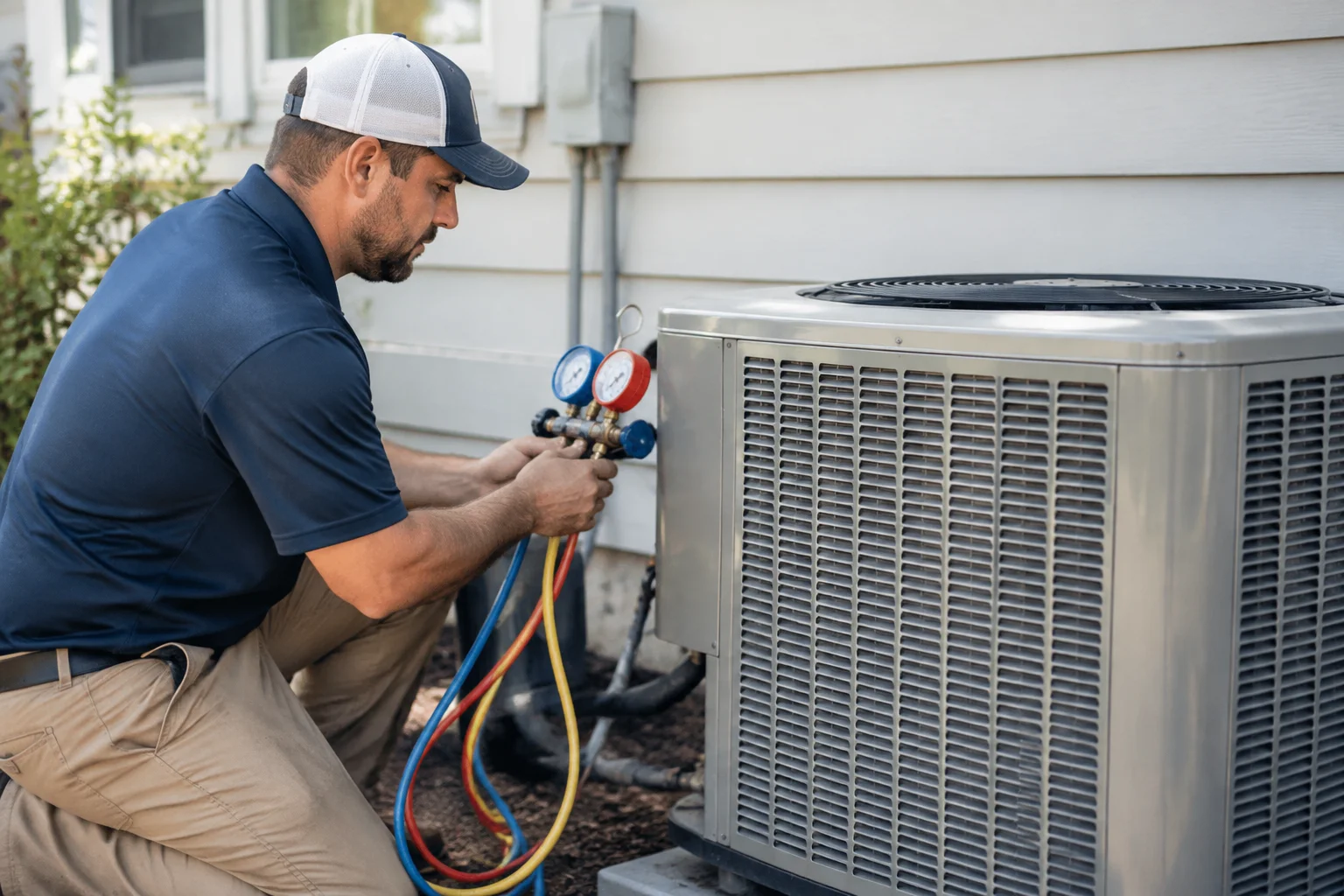
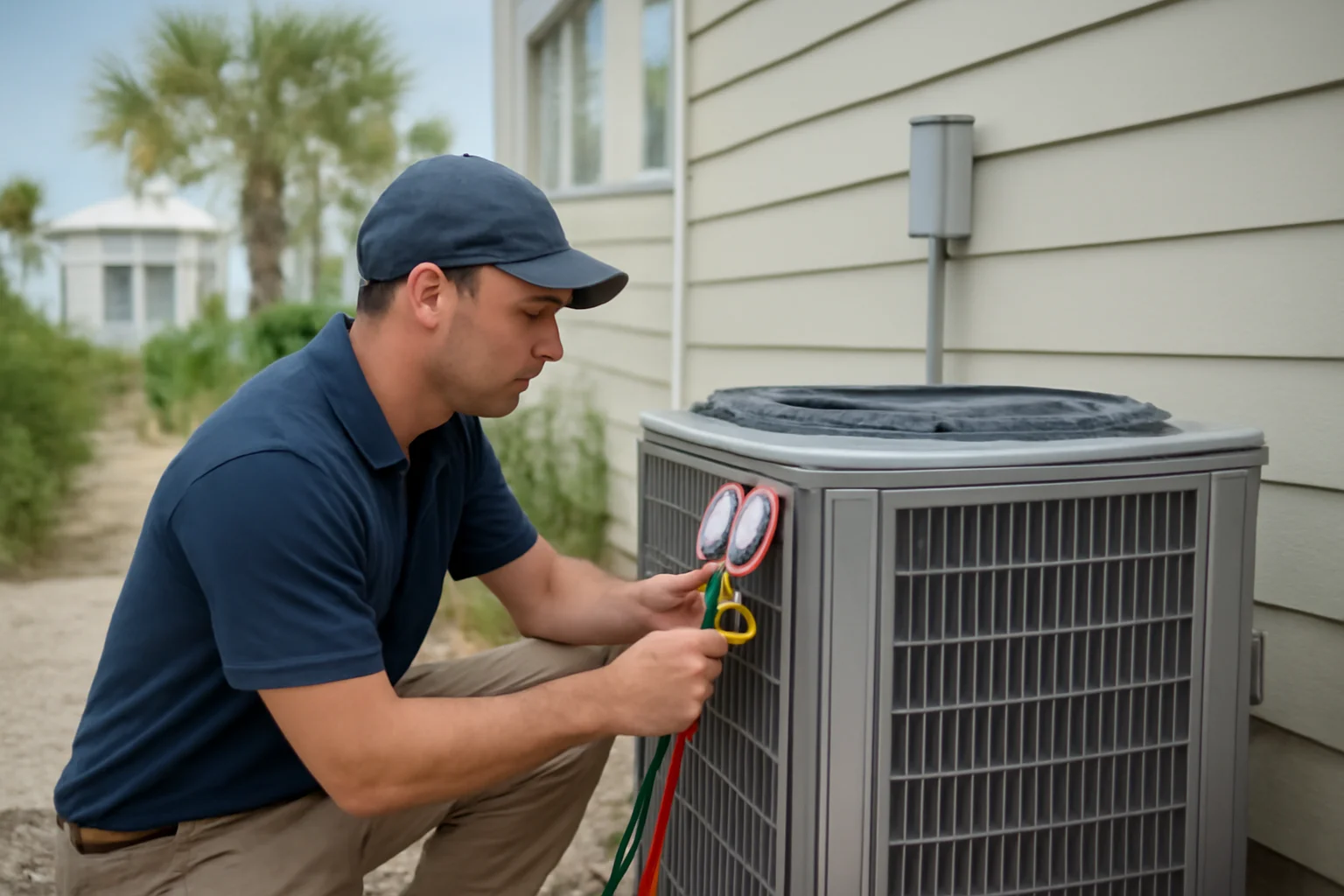
It is important for homeowners to know that refrigerant issues are not always obvious. A professional evaluation is needed before any conclusions are made. If you suspect a refrigerant problem, do not rely on online guesses. Your technician should inspect system performance and verify conditions onsite.
3) Heat load from Florida sun and coastal air
Rosemary Beach homes often deal with strong afternoon sun, large windows, and breezes that can still leave indoor air feeling heavy. When the heat load is high, the system has to remove more heat and manage moisture. If your system is already worn from seasons of use, it may not keep up, especially during hot spells.
This is one reason many homeowners schedule an AC tune up near me before peak humidity arrives. Preventive maintenance can help the system operate closer to its design conditions.
Airflow issues that create repeat AC repair calls
Airflow problems can make an AC system feel like it is underperforming even when the thermostat is set correctly. In coastal Florida, airflow restrictions can also worsen humidity control, leading to that “cool but sticky” feeling.
1) Dirty filters and restricted returns
Filters capture dust, pollen, and airborne debris. In coastal areas, outdoor particulate can be higher at times, and homes may also pull in more moisture-laden air through leaks in ductwork or gaps in building envelopes. When filters get clogged, airflow drops.
Low airflow can cause:
- Warm air in supply vents
- Ice formation on indoor coil surfaces in some situations
- Reduced dehumidification
- Longer run times and higher energy use
Replacing or upgrading the filter is often part of routine maintenance, but if airflow is consistently weak, the technician may need to inspect ductwork and system components.
2) Ductwork leaks and poor distribution
Ductwork is a major factor in how well an air conditioning system cools and dehumidifies. Leaks can pull in humid air, especially in attics and crawl spaces. Poorly designed or damaged ductwork can also create uneven pressure across the system, which affects coil performance.
Homeowners often notice:
- One room stays warmer than the rest
- Some vents feel weak while others blow strongly
- Humidity lingers even when temperatures look acceptable
If you are dealing with persistent uneven comfort, review ductwork condition and airflow balance. You can explore how ductwork affects humidity and comfort in Why Duct Replacement Matters for Rosemary Beach Homes Facing Humidity, Salt Air, and Uneven Comfort.
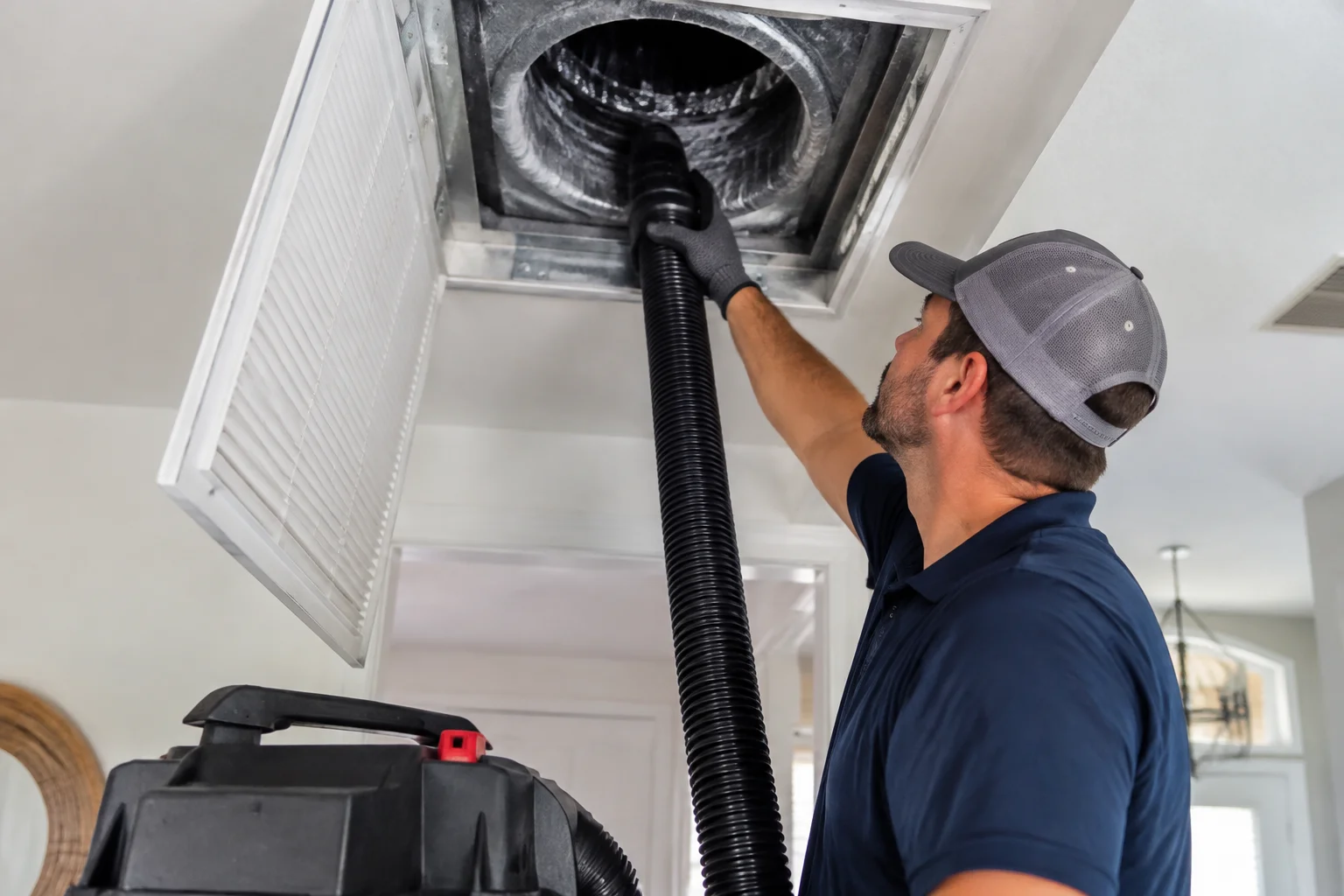
For homeowners who also want to improve airflow through cleaning, consider Duct Cleaning as part of a broader comfort strategy.
3) Supply and return blockages
Even when ductwork is intact, airflow can be restricted by furniture placement, closed dampers, blocked returns, or landscaping debris near outdoor units. In coastal communities, yard growth and seasonal storms can also affect how outdoor equipment sits and breathes.
During service, technicians will check for obvious obstructions and verify that the system’s airflow path is open and functioning.
Humidity and condensate drainage: where comfort and repairs intersect
Humidity is one of the biggest reasons homeowners call about air conditioning repair in Rosemary Beach. When a system cannot properly dehumidify, the home feels clammy, odors can linger, and indoor air quality can suffer.
1) Condensate drainage problems
When AC runs, it removes moisture from indoor air. That moisture drains through a condensate line and drain pan. If drainage is restricted or the pan is not draining properly, water can back up. This can lead to:
- Water-related safety concerns
- Musty odors
- Increased indoor humidity
- Operational issues that affect cooling performance
Condensate drainage issues can also contribute to corrosion over time. In coastal environments, moisture and salt air can accelerate deterioration, so drainage-related concerns should be handled promptly by a local HVAC professional.
2) “Cool but not dry” symptoms
A common complaint is that the system reaches the temperature but the home does not feel comfortable. That often points to airflow problems, coil performance issues, or humidity management challenges. If the indoor coil is not removing moisture effectively, the system may need attention to airflow and system operation.
Homeowners can help by noting when the issue occurs. Does it happen only on the hottest days? Does it worsen after the system runs for a long time? Does it show up in specific rooms? Those details help technicians narrow down what is likely happening during your evaluation.
3) Indoor air quality impact
Humidity and airflow work together to influence indoor air quality. When moisture levels stay elevated, dust and allergens can become more noticeable, and some homes may develop unpleasant odors. If you are looking for indoor air quality services near me, consider pairing AC repair with filtration and air cleaning strategies.
To support healthier air while your system is operating, homeowners may also explore Air Filtration & Purifiers.
Salt air and coastal wear: what can lead to repair failures
Rosemary Beach is close to the Gulf. Salt air can settle on outdoor equipment and contribute to corrosion over time. Even when systems are installed properly, coastal conditions can increase the rate of buildup on coils and other surfaces.
1) Corrosion and buildup on outdoor components
Outdoor units rely on airflow to remove heat. If salt deposits, dirt, or debris build up on condenser surfaces, performance can decline. A technician may need to clean and inspect outdoor coil areas and confirm that airflow is not blocked.
Coastal storms can also scatter sand and debris that may affect airflow around the unit. Keeping the area around the outdoor unit clear and scheduling maintenance before peak summer can reduce the likelihood of emergency cooling concerns.
2) Faster wear on parts that cycle frequently
In high humidity, systems tend to run more often. That increases wear on components involved in cooling and airflow. If your system is already older or has been under-maintained, the odds of needing repairs during the hottest weeks rise.
It can also be helpful to understand how wear changes indoor comfort. Read How HVAC Wear and Tear Changes the Air Inside Rosemary Beach Homes to connect system condition with what you feel at home.
Air conditioning repair symptoms to take seriously
Some problems are minor and seasonal. Others can affect safety and comfort. If you notice any of the following, it is smart to contact a local HVAC company rather than waiting for the next cool-down period.
Weak airflow or uneven cooling
If some rooms are significantly warmer, or if vents blow weak air, the issue may be ductwork, filter restriction, or system performance. Since airflow affects humidity control, addressing airflow early can prevent sticky indoor conditions.
High indoor humidity despite cooling
If you see condensation on windows, feel persistent clamminess, or notice musty smells, your system may not be dehumidifying correctly. Condensate drainage and coil performance are common areas to evaluate.
Short cycling and temperature swings
Short cycling can waste energy and increase wear. It can also interfere with humidity removal. A technician should inspect system operation, airflow, and thermostat behavior during an onsite visit.
Strange sounds or burning smells
Unusual noises or odors can indicate a problem that needs attention. Do not keep running the system if you suspect a serious issue. Emergency cooling concerns are real in coastal Florida, especially when humidity rises quickly.
How prevention reduces repair headaches during peak summer
Preventive HVAC maintenance helps your system handle Rosemary Beach conditions with fewer surprises. It also supports indoor air quality by improving airflow and temperature control.
1) Schedule maintenance before the hottest stretch
An HVAC maintenance near me visit ahead of peak humidity can help identify issues that are easier to address early. Technicians can check airflow paths, inspect system operation, and confirm that components are functioning as they should.
Homeowners with vacation rentals also benefit from preventive scheduling, because systems are often turned on and off frequently and may sit idle with stagnant indoor air.
2) Keep filters and airflow paths clean
Simple steps matter. Use a filter that matches your system’s requirements, and replace it on schedule. During high pollen or heavy humidity periods, you may need to check filters more often. If you feel airflow is declining, do not ignore it. Low airflow can create conditions that lead to additional repairs.
3) Protect ductwork and support distribution
If you suspect ductwork issues, consider inspection and targeted service. For some homes, cleaning can help, while others may need more extensive ductwork attention. If you are searching for duct cleaning near me, ask how cleaning fits into your overall humidity and airflow goals.
For homes facing persistent humidity and uneven comfort, the ductwork discussion can become more important. That is where duct replacement considerations can come into play, depending on what a technician finds.
4) Plan for comfort across the whole home
Many coastal homes have floor plans that create airflow challenges, such as open living areas with high ceilings or bedrooms that sit farther from returns. Smart planning helps your system distribute cooling and dehumidification more evenly.
Review Smart HVAC Planning for Rosemary Beach Homes: Comfort, Airflow, and Coastal Protection for ideas that connect layout, airflow, and coastal conditions.
When to call a professional AC repair technician in Rosemary Beach
Homeowners do not need to wait until the system stops completely. Calling early can help prevent the problem from expanding into a bigger repair or a longer period without comfortable cooling.
Reach out for HVAC repair in Rosemary Beach if you notice:
- The system runs constantly but still struggles to cool
- Humidity stays high even when temperatures drop
- Airflow is weak or uneven across rooms
- You see water pooling, notice musty odors, or suspect condensate drainage issues
- You hear unusual noises or smell burning odors
Also consider reaching out if you are a homeowner searching for a local HVAC technician near me and want an evaluation that considers coastal realities like salt air, humidity, and airflow balance. A Superior Mechanical serves Rosemary Beach and the surrounding Walton County area, including homes with different comfort needs and usage patterns.
For help beyond air conditioning repair, you can also explore the Rosemary Beach service area to see what options are available.
Repair versus replacement: how homeowners can think about next steps
Some repairs are straightforward. Others involve underlying issues such as airflow and humidity control that affect performance over time. Replacement may become a consideration if your system is struggling to maintain comfort, has frequent breakdowns, or cannot manage humidity reliably in Rosemary Beach conditions.
Still, choosing between repair and HVAC replacement near me should be based on an onsite assessment. A professional can evaluate system condition, comfort performance, and whether ductwork and indoor air quality factors are part of the problem.
If financing is part of your planning, you can review HVAC Financing.
How air conditioning repair connects to energy use and comfort
When airflow is restricted or humidity control is off, the system often uses more energy to chase the set temperature. That means higher utility bills and reduced comfort, especially during the most humid days.
Addressing the root cause matters. A repair that only treats symptoms, without improving airflow, humidity management, and system operation, can lead to a cycle of repeated callbacks. That is why homeowners in Rosemary Beach benefit from professional diagnostics that focus on cooling, airflow, and moisture control together.
Vacation rentals and commercial properties: additional repair pressures
Rosemary Beach has many vacation rentals and commercial spaces where HVAC schedules change frequently. Systems can sit unused and then run hard during peak check-in periods. That pattern can stress airflow, humidity control, and indoor air quality.
For commercial needs, consider Commercial HVAC Services to ensure cooling and humidity are managed consistently for occupants and guests.
Questions homeowners can ask during an AC repair visit
When you meet with a technician, you will get better results if you ask practical questions. Consider:
- What is the system doing right now in terms of airflow and cooling performance?
- Is humidity control being affected by airflow, coil performance, or condensate drainage?
- Are there ductwork factors that could explain uneven comfort?
- What preventive HVAC maintenance steps would reduce the chance of another breakdown during hot humidity?
- Should we also address indoor air quality with filtration or purifiers?
These questions focus on the real drivers of comfort in coastal Florida. They also help you understand whether the repair is addressing the cause, not just the symptom.
For reliable support, you can start with air conditioning repair in Rosemary Beach and learn how A Superior Mechanical approaches cooling, airflow, and humidity concerns for homes, vacation rentals, and commercial properties across Walton County.
If you are also exploring other comfort upgrades, some homeowners look at solutions like ductless mini split installation. If that is part of your plan, you can mention it to your technician so the evaluation considers how zoning and airflow can affect humidity control. A Superior Mechanical can help guide the conversation based on your property and comfort goals.
Find Air Conditioning Repair in Rosemary Beach, FL
If you need Air Conditioning Repair in Rosemary Beach, FL, visit our local service page or contact A Superior Mechanical today.
Map of Rosemary Beach, FL
Frequently Asked Questions
Why does my Rosemary Beach home feel cool but still humid after AC repair?
Cooling without enough dehumidification often points to airflow restrictions, ductwork issues, or condensate drainage performance. A technician should inspect how air moves across the indoor coil and whether moisture removal is working as intended. If you notice musty odors or persistent clamminess, schedule a follow-up evaluation rather than adjusting the thermostat alone.
Can salt air cause problems that show up during air conditioning repair?
Yes. Coastal salt air can accelerate corrosion and buildup on outdoor components, which can reduce heat removal and strain the system. That can lead to weak cooling, longer run times, and more frequent repairs. Professional inspection helps confirm what is happening on both the indoor and outdoor sides.
What airflow problems are most common in coastal Florida AC systems?
Common causes include clogged or mismatched filters, restricted returns, and ductwork leaks or poor distribution. When airflow drops, the system may struggle to cool and dehumidify properly, which can increase energy use and make indoor air feel sticky. Duct evaluation and cleaning may be part of the solution depending on what is found.
How do I know if condensate drainage is contributing to my AC issues?
Look for signs such as water pooling around the unit, unusual moisture odors, or humidity that stays high even when cooling runs. Condensate drainage concerns should be inspected onsite because the cause can vary, and the system needs to be operating correctly to remove moisture.
Should I try to diagnose refrigerant or other AC problems myself?
No. Refrigerant system performance requires proper tools and an in-person evaluation. Homeowners can note symptoms and changes in comfort, but refrigerant diagnosis should be handled by a qualified HVAC technician to avoid incorrect conclusions and ensure repairs are done safely.
Related Articles
- Smart HVAC Planning for Rosemary Beach Homes: Comfort, Airflow, and Coastal Protection
- How HVAC Wear and Tear Changes the Air Inside Rosemary Beach Homes
- Why Preventive HVAC Service Pays Off for Air Conditioning Repair in 30A, FL
- Why Duct Replacement Matters for Rosemary Beach Homes Facing Humidity, Salt Air, and Uneven Comfort
Photo Gallery