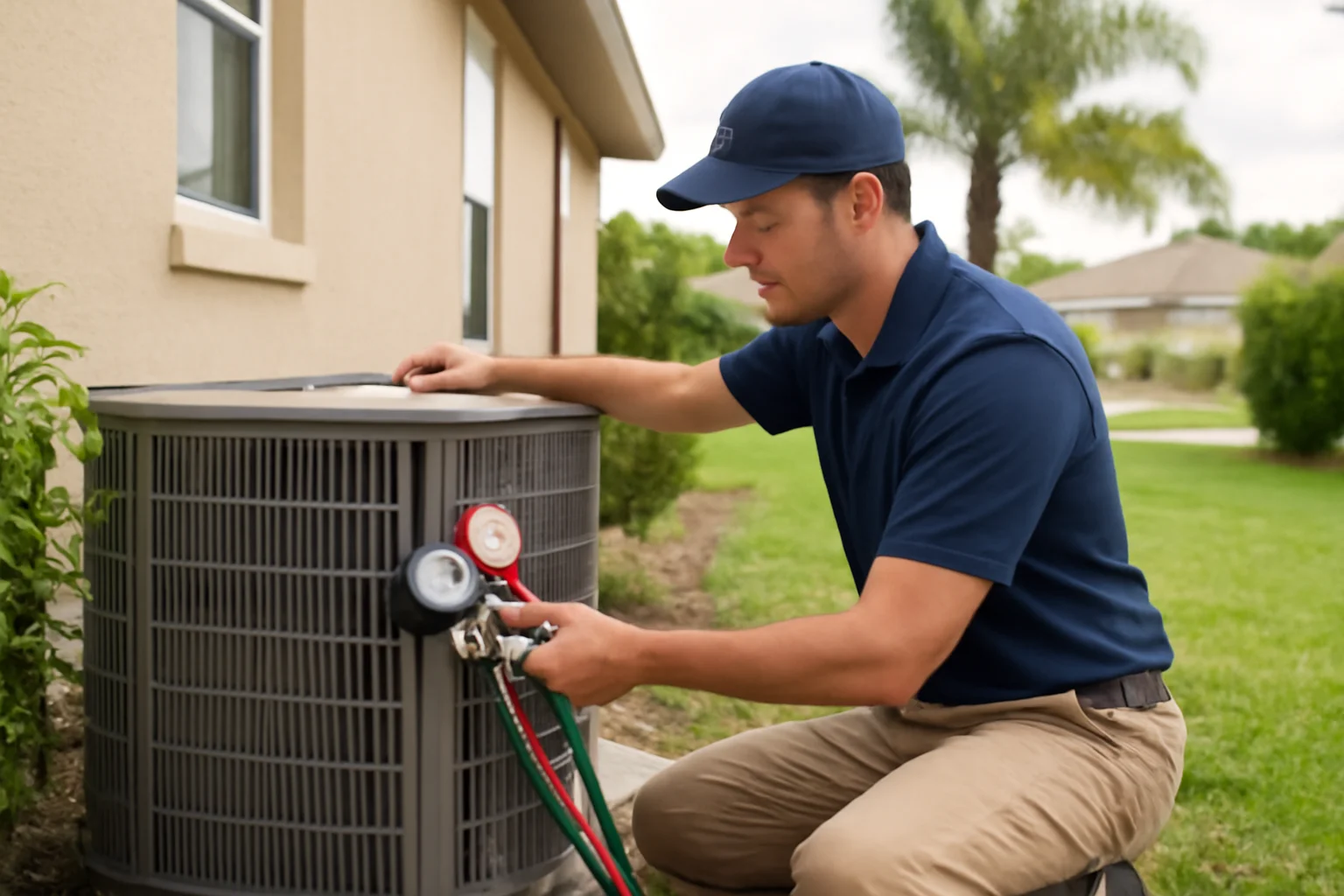
Callaway, FL homes feel the coast in more ways than one. The heat ramps up quickly, humidity lingers, and salt air can work its way into HVAC components. When your air conditioner starts struggling, it is not just uncomfortable. A slow or failing system can quickly turn into an emergency cooling problem, especially when indoor temperatures rise and airflow drops.
A Superior Mechanical offers 24/7 emergency HVAC services in Callaway, FL for cooling emergencies. This guide explains what local homeowners need to know about emergency AC repair, airflow, humidity control, condensate drainage, refrigerant systems, and prevention so you can make better decisions when time matters.
Why Callaway’s climate turns HVAC issues into emergencies
Coastal Florida weather is a unique stress test for cooling systems. In Callaway and nearby Bay County, you can see long stretches of warm temperatures and high humidity. That combination affects your air conditioner in several ways:
- Cooling demand stays high. Your system runs more often, which increases wear on motors, fans, and compressors.
- Humidity control depends on proper airflow. If air is not moving through the system correctly, the indoor coil may not remove moisture as intended.
- Salt air and coastal exposure can accelerate corrosion. Over time, corrosion can contribute to component failures and reduced performance.
- Condensate drainage matters more in humid seasons. When condensate lines or drain pans do not drain correctly, water can affect comfort and create secondary issues.
When these factors combine with a failing thermostat, clogged ductwork, or an air conditioner that is not cycling properly, homeowners can experience rapid comfort loss. That is why 24/7 emergency AC repair is so important during the hottest stretches of the year.
Emergency cooling problems often start with airflow, not just “no cold air”
Many homeowners associate an emergency with total system failure. But in coastal humidity, the first warning can look more like “something is off” than “the unit is dead.” Airflow problems can trigger overheating of components, weak dehumidification, and rising indoor temperatures.
Common airflow symptoms that can escalate quickly
- Weak airflow from vents even though the system sounds like it is running
- Uneven cooling with hot rooms and cooler rooms on the same floor
- Higher indoor humidity that feels sticky despite the thermostat setpoint
- Short cycling where the unit turns on and off more frequently than it used to
- Strange noises from the indoor blower or outdoor fan
If you are searching for air conditioner repair near me because the air feels weak, the issue may involve more than one part of the system. A local HVAC technician near me can check airflow paths, confirm that the indoor blower is operating correctly, and evaluate whether ductwork is limiting performance. Ductwork issues often show up as comfort complaints before the system fails completely.
If you want to understand how duct restrictions can lead to seasonal stress, read Why Duct Inspection Matters More in Callaway Homes Facing Seasonal HVAC Stress.
Humidity control: why emergency service is about comfort and moisture risk
In Callaway’s climate, humidity is not a secondary concern. Your air conditioner removes moisture as it cools. That process relies on correct airflow across the indoor coil and proper condensate drainage. When the system is struggling, indoor humidity can climb fast, which can lead to a musty feel, condensation on surfaces, and worse indoor air quality.
Signs humidity is out of control
- Air feels cool for a moment, then gets stuffy
- Windows, walls, or vents show condensation
- Rooms feel damp even when the thermostat reads “cool”
- Persistent odors that seem to appear when the AC runs
Emergency HVAC service often focuses on restoring proper moisture removal. That may include addressing airflow limitations, verifying that condensate drainage is operating correctly, and ensuring refrigerant system performance is within safe operating conditions. A professional evaluation matters because humidity complaints can be caused by multiple factors, and guessing can delay the fix.
Refrigerant systems and why homeowners should avoid DIY troubleshooting
Modern air conditioners use a refrigerant system designed to move heat from inside to outside. If something is wrong, the system may not cool properly, may run longer than normal, or may behave erratically.
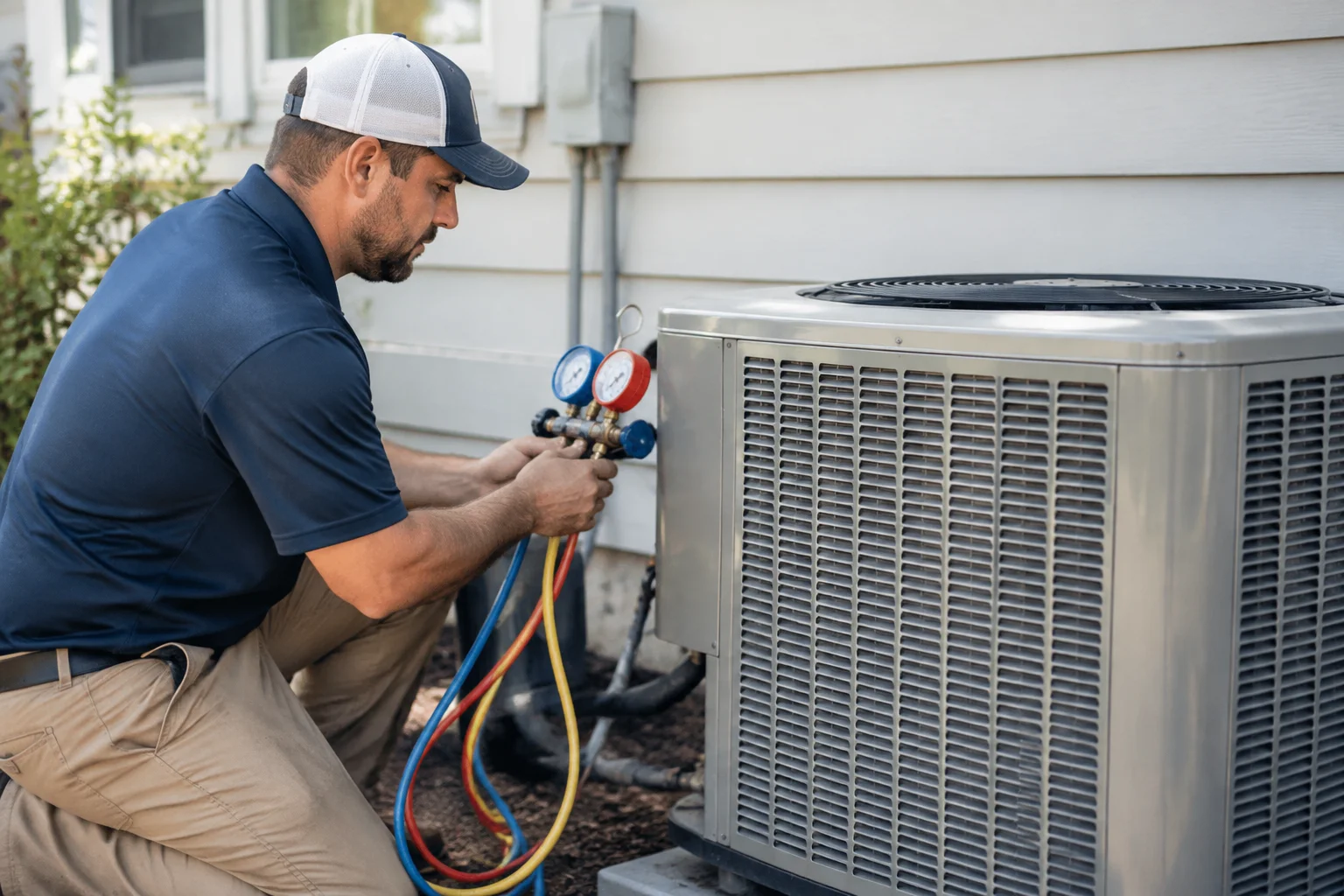
It can be tempting to try to “check refrigerant” or adjust things without a technician. That is risky and not appropriate. Refrigerant handling requires trained technicians and proper tools. A refrigerant diagnosis should be based on in-person assessment, not guesswork.
When homeowners call for emergency AC repair near me, the goal is to identify what is actually happening during operation, evaluate system pressures and temperatures safely, and determine whether the issue is related to airflow, condensate drainage, refrigerant system performance, or another component. This is also where professional safety practices protect your home and your family.
Condensate drainage: a hidden cause of “my AC is acting up”
During cooling, your system produces condensate. In humid coastal conditions, that moisture load can be significant. If the condensate drainage system cannot keep up, you may notice:
- Water around the indoor unit or near the air handler
- Gurgling sounds from the drain area
- Musty odors that show up when the system runs
- Noticeable drops in performance, especially during heavy humidity
Condensate drainage problems can contribute to comfort issues and indoor air quality concerns. If you see water where it should not be, treat it as urgent. Calling 24/7 emergency HVAC services in Callaway, FL helps prevent the situation from turning into a larger repair.
Thermostats and controls: the comfort “switch” that can trigger emergencies
Sometimes the air conditioner is not failing mechanically. The system may be responding to incorrect thermostat signals or control settings. In emergency situations, a thermostat that is misreading temperatures or a control issue can keep the system running when it should cycle properly, or it can fail to call for cooling when you need it most.
Common thermostat and control-related problems include inaccurate temperature readings, wiring issues, sensor problems, or settings that do not match your home’s actual cooling needs. A professional HVAC technician can confirm whether the thermostat and controls are behaving correctly as part of the overall system assessment.
If you are thinking about upgrading controls, explore Heating Control Systems for guidance on how reliable controls support comfort and efficiency.
Ductwork and indoor air quality: when emergency cooling affects health
When airflow drops or the system runs inefficiently, indoor air quality can suffer. In coastal Florida, humidity can also encourage microbial growth if moisture is not managed well. That is why emergency HVAC service is not only about temperature. It is also about keeping air moving and moisture under control.
How to recognize indoor air quality problems during cooling emergencies
- More dust settling around vents
- Musty or stale odors that worsen when the AC starts
- Allergy-like symptoms indoors that improve when you are away
- Noticeable humidity spikes or condensation
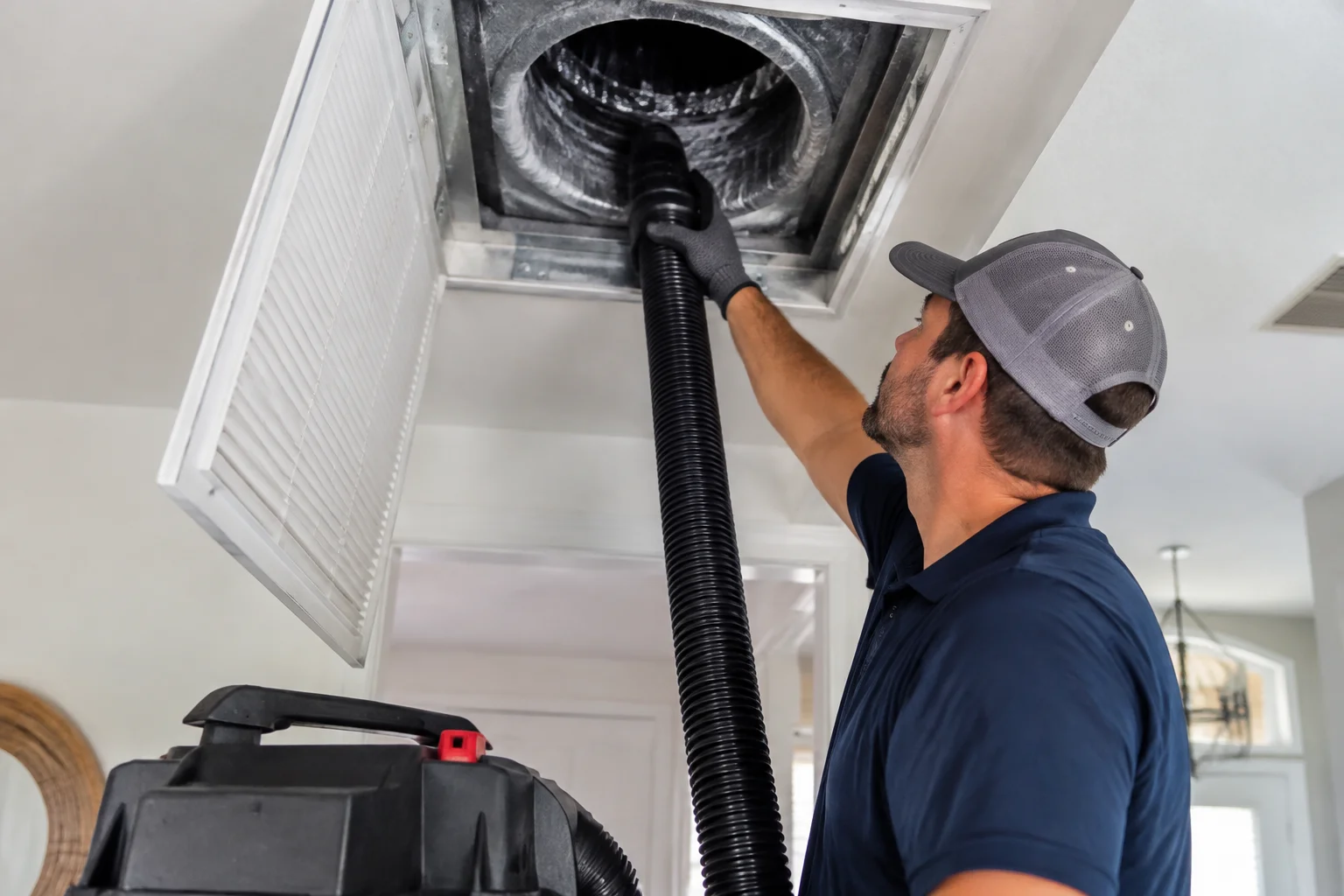
In many cases, ductwork condition plays a role. Duct repair and duct inspection can help restore consistent airflow and reduce the strain on the system. If you are dealing with airflow problems, it can be worth reading Why Duct Inspection Matters More in Callaway Homes Facing Seasonal HVAC Stress and considering Indoor Air Quality Testing when comfort issues overlap with health concerns.
Energy use and system stress: why “it will probably be fine” is risky
During an emergency cooling situation, your system may run longer, cycle more frequently, or struggle to reach the thermostat setpoint. That increases energy use and accelerates component wear. In coastal humidity, the system is already working hard to manage moisture, so small issues can become bigger ones quickly.
If you notice that your electric bill jumps along with comfort problems, treat it as a clue that the system may be operating inefficiently. A professional HVAC repair can address the root cause rather than chasing symptoms. Homeowners searching for HVAC repair near me often want both comfort and efficiency restored, especially during peak summer conditions.
What to do during an AC cooling emergency
If your AC is not cooling properly or airflow is weak, you can take a few steps while you arrange emergency service. These actions do not replace a professional diagnosis, but they can help you respond safely.
- Check the thermostat settings. Confirm you are in cooling mode and the fan setting is not stuck in an unusual position.
- Look for obvious airflow issues. Make sure vents are not blocked by furniture or curtains.
- Watch for water or unusual odors. If you see water near the indoor unit or notice a burning smell, stop running the system and call for help.
- Listen for abnormal sounds. Grinding, repeated clicking, or fan issues can indicate a problem that needs urgent attention.
- Write down what changed. Note when it started, any error lights, and whether cooling got weaker gradually or suddenly.
When you call for emergency AC repair near me, share those details. It helps the technician focus on the most likely causes during the on-site evaluation.
How prevention reduces the chances of a mid-summer emergency
Emergency service is there for the times you cannot wait. Prevention is how you reduce the odds of needing 24/7 help in the first place. In Callaway, prevention has to account for humidity, airflow, and coastal exposure.
Preventive maintenance steps homeowners can support
- Schedule HVAC maintenance before the hottest weeks. An HVAC company near me can inspect key components and airflow pathways.
- Replace or maintain air filters. Filters that are too dirty restrict airflow and can worsen humidity control.
- Keep outdoor units clear. Remove debris around the outdoor condenser to support airflow.
- Monitor condensate drainage. If you notice water where it should not be, address it quickly.
- Pay attention to airflow and comfort trends. If cooling weakens over days, that is a signal to book an AC tune up near me.
If you want to see how real Callaway homes put systems under pressure over time, read How Callaway Homes Put HVAC Systems to the Test Over Time.
Residential and commercial differences during emergencies
Callaway has both residential neighborhoods and commercial properties, including offices and retail spaces. While the core cooling principles are similar, the comfort stakes and usage schedules can differ. Commercial HVAC service near me may need to focus on maintaining steady cooling for occupants and equipment, especially during humid afternoons.
If you manage a business and want to understand how heat and humidity affect system stability, see Keeping Commercial HVAC Systems steady in Callaway’s heat and humidity. For commercial needs, you can also explore Commercial HVAC Services and Commercial HVAC Installation.
Choosing a local HVAC team for urgent cooling restoration
When your system fails during a humid coastal stretch, you want a team that understands local conditions and can respond with care. A Superior Mechanical serves Callaway and the surrounding Bay County area, which matters when homeowners are dealing with emergency cooling concerns.
Look for a company that can evaluate the full system, including airflow, condensate drainage, refrigerant system performance, thermostats and controls, and ductwork impacts. That broader approach helps avoid repeat failures and helps restore comfort more reliably.
You can also view service coverage across the area at Bay County HVAC service areas and the Callaway-specific page at Callaway HVAC service areas.
When system replacement becomes part of the conversation
Emergency repairs can be necessary to restore cooling quickly, but sometimes the longer-term path includes system replacement. Replacement decisions should be made after an in-person evaluation of your specific equipment, airflow performance, ductwork condition, and overall system health.
If a technician recommends replacement, ask how the recommendation connects to what is happening during operation and how it affects comfort, humidity control, and energy use. If you are concerned about budgeting, you can review Understanding HVAC Financing in Callaway: Homeowners Should Not Overlook These Costly Warning Signs to make informed choices.
Bottom line for coastal Callaway homeowners
In coastal Florida, emergency HVAC service is not only about getting the temperature down. It is about restoring airflow, managing humidity, supporting condensate drainage, and ensuring the refrigerant system operates safely and effectively. When cooling problems show up during Bay County heat and humidity, the smart move is to treat them as urgent and let a local professional assess what is actually happening.
If your home needs immediate cooling help, you can request 24/7 emergency HVAC services in Callaway, FL from A Superior Mechanical.
Find 24/7 Emergency HVAC Services in Callaway, FL
If you need 24/7 Emergency HVAC Services in Callaway, FL, visit our local service page or contact A Superior Mechanical today.
Map of Callaway, FL
Frequently Asked Questions
What are the most common emergency AC problems in Callaway, FL?
Homeowners in Callaway often face cooling emergencies caused by airflow restrictions, humidity control issues, condensate drainage problems, thermostat or control errors, and refrigerant system performance problems. Coastal heat and humidity can make these issues escalate faster.
If my AC runs but the house is still humid, is that an emergency?
It can be. Persistent high humidity means the system may not be removing moisture properly. In humid coastal conditions, that can affect comfort and indoor air quality. If humidity is rising quickly or you see condensation or water, seek 24/7 emergency HVAC services for a prompt evaluation.
Can I troubleshoot refrigerant issues myself?
No. Refrigerant system diagnosis and handling require trained professionals and proper tools. If you suspect a refrigerant-related problem, contact a local HVAC technician for an in-person assessment rather than attempting DIY checks.
How does ductwork affect emergency cooling and indoor air quality?
Restricted or poorly performing ductwork can reduce airflow, make some rooms stay warmer, and strain the system during humid weather. That can contribute to comfort problems and may worsen indoor air quality. Duct inspection and duct repair can be important when airflow is the issue.
What should I do while waiting for emergency AC repair?
Confirm thermostat settings, check for obvious blocked vents, and watch for water near the indoor unit or unusual odors. If you see water where it should not be or notice a burning smell, stop running the system and contact A Superior Mechanical for urgent help.
Related Articles
- Understanding HVAC Financing in Callaway: Homeowners Should Not Overlook These Costly Warning Signs
- Keeping Commercial HVAC Systems steady in Callaway’s heat and humidity
- How Callaway Homes Put HVAC Systems to the Test Over Time
- Why Duct Inspection Matters More in Callaway Homes Facing Seasonal HVAC Stress
Photo Gallery