Rosemary Beach summers can feel endless. Between the Florida heat, high humidity, and salty coastal air, your air conditioning system works harder than many homeowners expect. Over time, that extra strain shows up as reduced airflow, weaker cooling, strange odors, higher energy use, and indoor air quality problems. Understanding how HVAC wear and tear affects AC performance can help you decide what to fix now and what to prevent next.
If you’re looking for air conditioning systems in Rosemary Beach, FL, A Superior Mechanical helps homeowners and property managers keep cooling reliable. We also support diagnostics and repairs after wear and tear has already started to impact comfort. For more local context, see our Rosemary Beach service area page, and for broader Walton County coverage, visit Walton County.
Why Rosemary Beach AC systems wear out faster
Most HVAC components are designed for normal operating conditions. In Rosemary Beach, the conditions are anything but normal. Heat and humidity increase the workload on your air conditioner. Salt air can accelerate corrosion on outdoor equipment and metal ductwork. And many coastal homes are built with tight envelopes, which can change airflow patterns and concentrate indoor moisture.
Wear and tear is not just about age. It’s also about how your system is asked to perform month after month. When an AC system struggles, it may run longer, cycle more frequently, or operate with reduced efficiency. Each of those patterns increases stress on the refrigerant system, condensate drainage, blower components, and the parts that control temperature through your thermostat.
Common wear and tear effects homeowners notice
Homeowners typically don’t think about refrigerant systems or condensate drainage until something feels “off.” Here are the most common AC wear and tear symptoms seen in Rosemary Beach homes.
1) Airflow drops and rooms feel uneven
One of the earliest signs of HVAC wear and tear is reduced airflow. Dirty filters, blocked return air paths, aging blower components, and ductwork issues can all limit airflow. In coastal humidity, restricted airflow can also make the system work harder to dehumidify.
If some rooms stay warm while others cool quickly, it may be a ductwork problem, a thermostat location issue, or a system that cannot move enough conditioned air. Uneven comfort is a frequent complaint in vacation rentals and larger homes where airflow needs are not uniform.
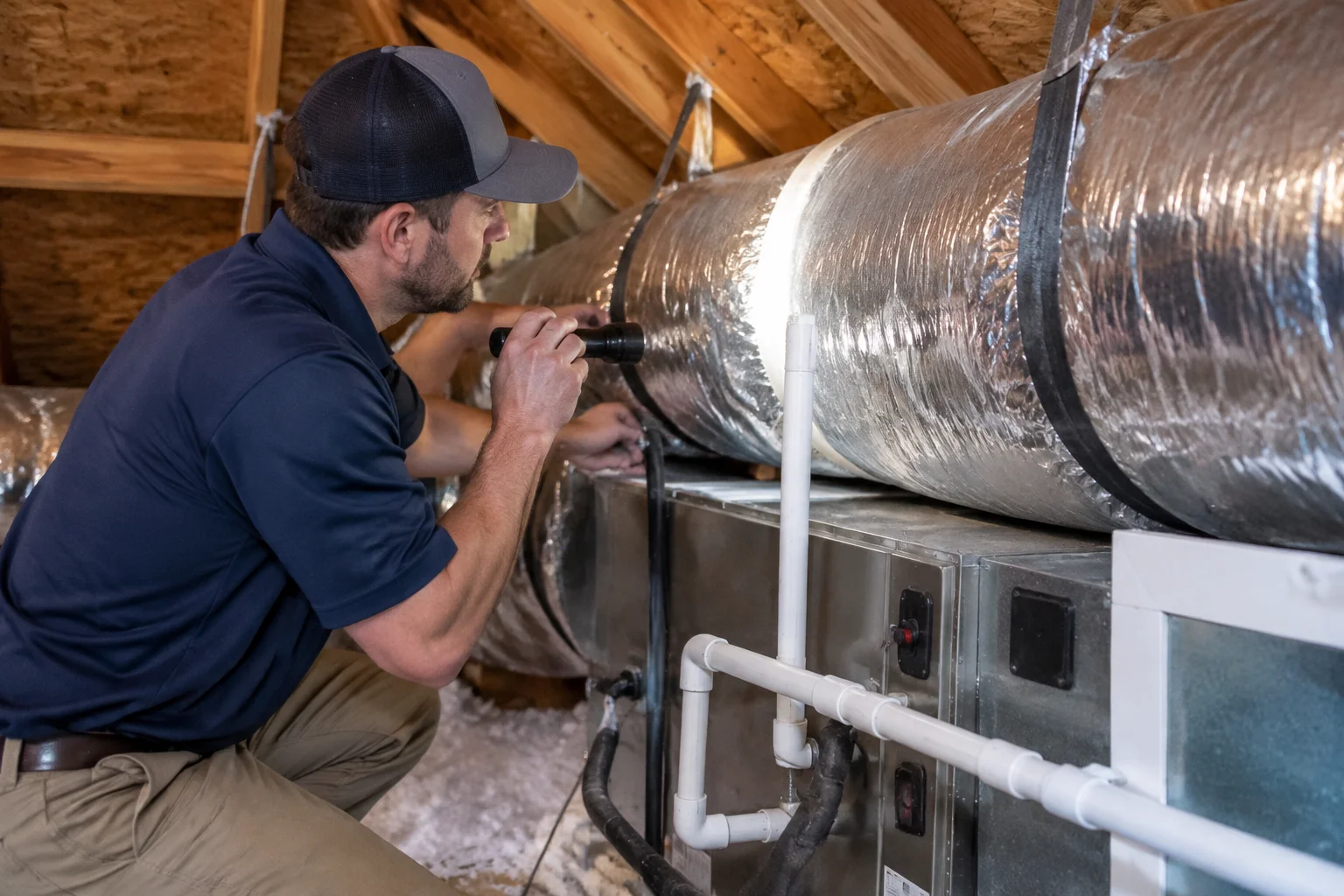
If you suspect ductwork is part of the issue, homeowners often benefit from duct cleaning and a duct inspection. Duct condition can also affect indoor air quality, especially when dust, pollen, and moisture accumulate over time.
2) Cooling takes longer and energy use climbs
When wear and tear reduces efficiency, the system may run longer to reach your thermostat setting. That can increase energy use, especially during peak summer stretches when outdoor temperatures and humidity stay high.
Energy use can also rise when the system cycles incorrectly due to sensor issues or thermostat settings that no longer match how the system is operating. A licensed HVAC contractor can evaluate whether the thermostat, airflow, and system performance are aligned.
3) Humidity control weakens
In Rosemary Beach, dehumidification is not optional. High humidity can make indoor spaces feel warmer even when the thermostat reads “cool.” Wear and tear can reduce the system’s ability to remove moisture, leading to dampness and a musty indoor environment.
Humidity control depends on airflow, refrigerant system performance, and condensate drainage. If any of these struggle, your AC may cool the air but fail to dehumidify it effectively.
4) Condensate drainage issues and water around the indoor unit
As your AC cools indoor air, it removes moisture. That moisture drains through the condensate drainage system. With wear and tear, condensate lines can clog, drain pans can collect debris, and drainage paths can become less reliable.
Clogs or slow drainage can cause overflow, water stains, and even indoor air quality concerns if moisture is trapped. If you notice water near the air handler, a dripping line, or repeated drain pan issues, it is important to have the system inspected promptly. Moisture problems can also damage nearby materials over time.
5) Strange noises or frequent cycling
Older blower motors, worn bearings, loose panels, and failing components can cause rattling, squealing, or banging. Frequent cycling can also happen when the system cannot maintain stable operation under heavy humidity loads.
Because these symptoms overlap across multiple parts of an air conditioning system, it is not a good idea to guess. Proper evaluation helps prevent unnecessary parts replacement and helps identify the true cause of the performance problem.
6) Odors, dust, and indoor air quality complaints
When AC systems age, indoor air quality can suffer. Dust buildup can collect on components, filters can become less effective, and moisture can increase the risk of microbial growth in damp areas. Poor airflow through the ductwork can stir up dust instead of removing it.
If you or your family notice more allergies, more dust, or persistent musty smells, consider how indoor air quality ties to HVAC wear and tear. A related read is How HVAC Wear and Tear Changes the Air Inside Rosemary Beach Homes.
How the refrigerant system and components are affected by coastal conditions
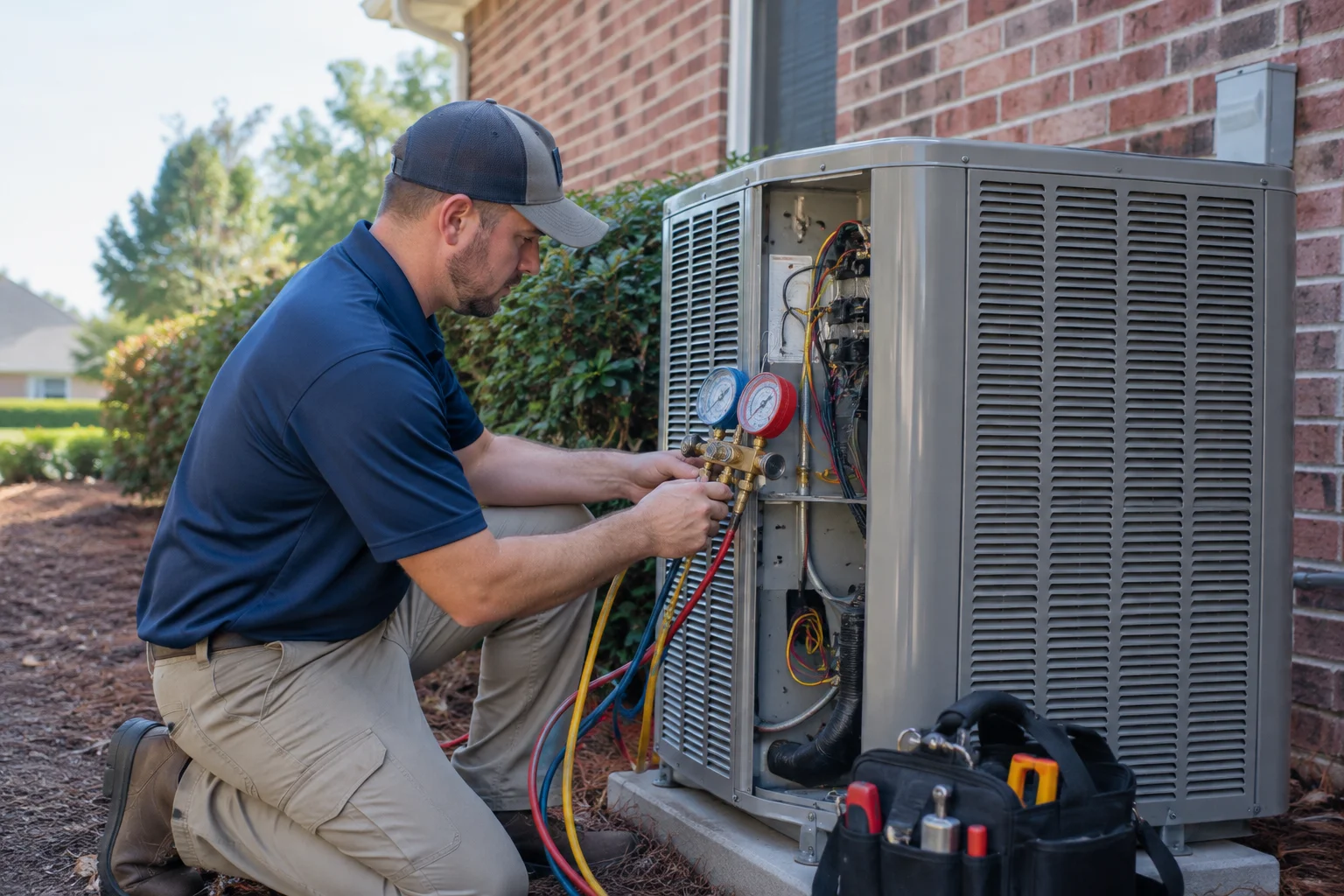
Your AC relies on a refrigerant system to move heat out of your home. Wear and tear can affect performance through normal aging, corrosion, and repeated heavy-duty operation. While homeowners can’t safely evaluate refrigerant system health on their own, they can recognize how refrigerant issues show up through comfort and airflow symptoms.
For example, if the system is not cooling consistently, running longer than usual, or struggling with humidity control, it may be a sign that the refrigerant cycle is not operating as it should. A professional should inspect the system in person before concluding that refrigerant is the issue. Refrigerant diagnosis requires proper tools and safe procedures.
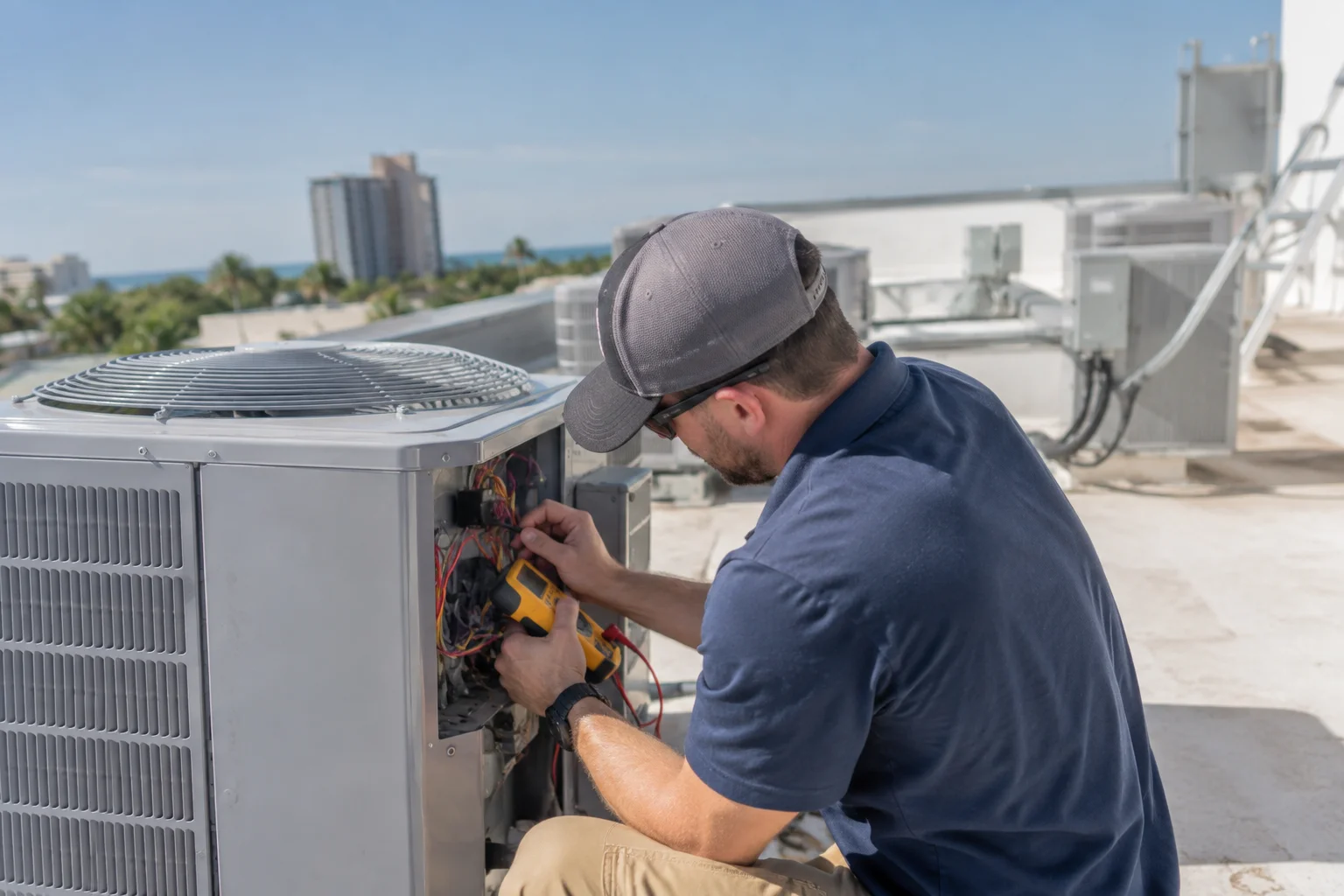
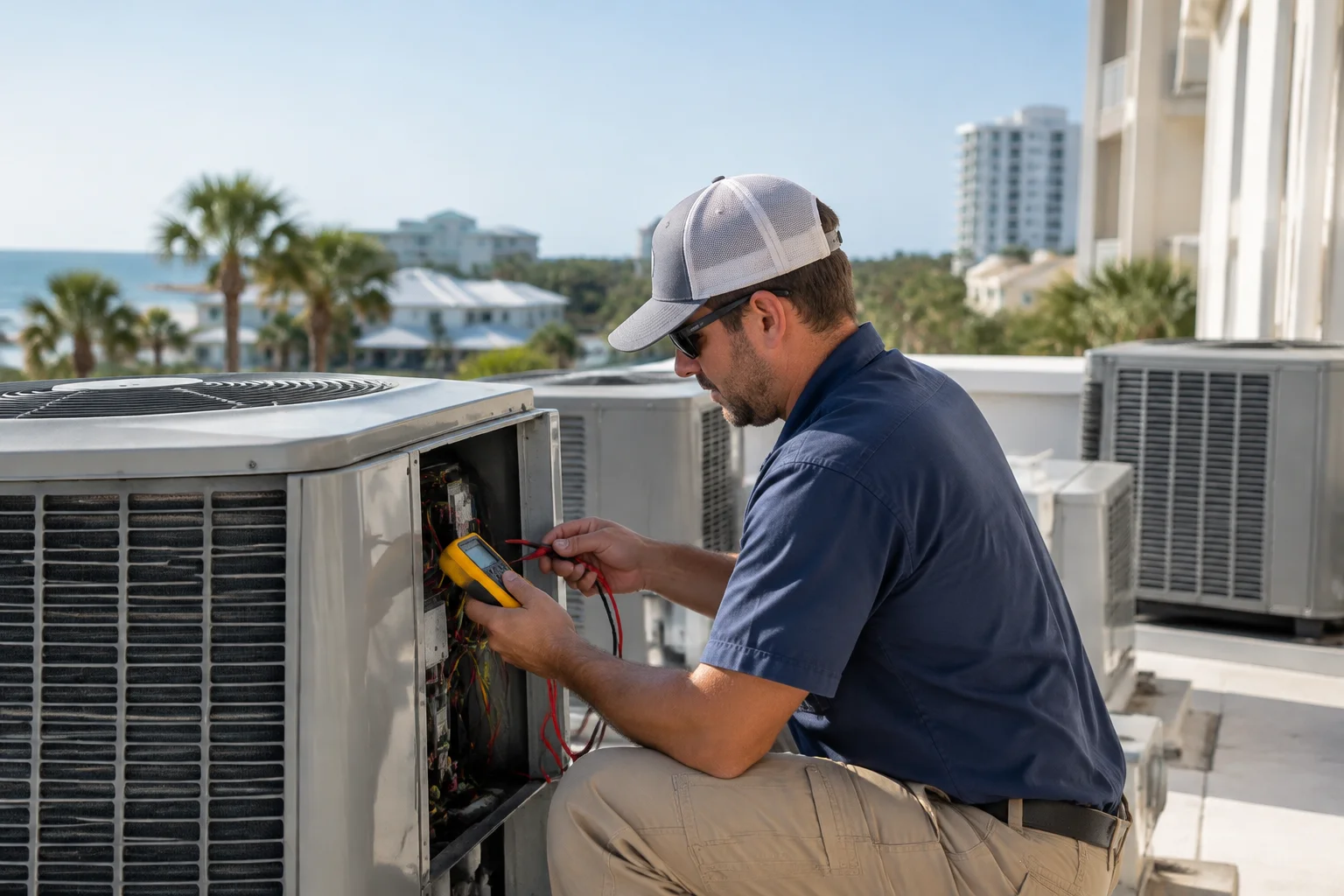
Salt air adds another layer of stress. Outdoor coils and metal surfaces can corrode over time, which can reduce heat transfer and contribute to reduced efficiency. Corrosion may also impact electrical connections and fan components. That is why coastal AC maintenance matters, even if the system seems to “work” during mild weather.
Thermostats, control boards, and the wear and tear that changes comfort
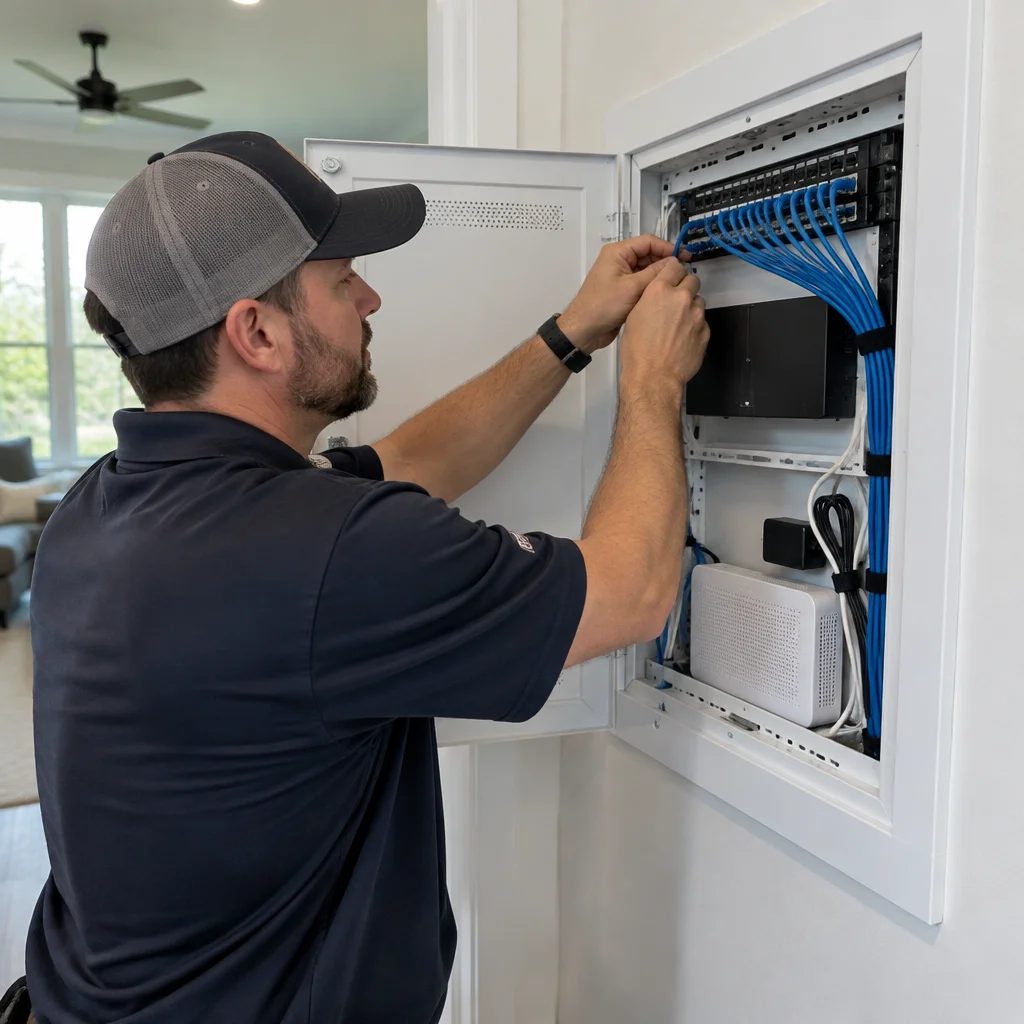
Many homeowners focus on the outdoor unit, but thermostats and control systems also influence how the AC performs. A thermostat that is slightly off, poorly placed, or aging can lead to inaccurate temperature readings and uncomfortable cycling patterns.
Wear and tear can also affect how the system responds to your commands. Control board components can degrade, sensors can drift, and wiring connections can weaken over time. If your system seems to run constantly or fails to meet setpoints, it may involve more than just airflow or refrigerant.
If you’re considering upgrades, it can help to explore heating control systems and thermostat options designed for consistent comfort. For homeowners with seasonal schedules or vacation rental needs, smart scheduling and proper control strategy can reduce wear by improving how and when the system runs.
Ductwork wear and coastal humidity: a frequent hidden factor
Ductwork is where airflow becomes comfort. In coastal areas, ductwork can be affected by humidity exposure, temperature swings, and air leaks. Over time, ducts can accumulate dust, develop leaks, or lose insulation effectiveness.
When ducts are not delivering air efficiently, the AC must compensate. That can increase run time, raise energy use, and make indoor air quality problems worse. If you are dealing with uneven rooms, persistent humidity, or rooms that feel stuffy even when the thermostat is set low, duct inspection is often part of the solution.
A useful resource is Why Duct Replacement Matters for Rosemary Beach Homes Facing Humidity, Salt Air, and Uneven Comfort.
Preventive HVAC maintenance that fights wear and tear
Preventive HVAC maintenance is one of the most practical ways to slow down wear and tear. It helps your system run closer to design conditions, which reduces stress on moving parts and improves humidity control during Florida summers.
What a good AC tune up typically includes
While exact service steps can vary by system, homeowners can generally expect a maintenance visit to include:
• Checking airflow across the indoor and outdoor system, including filter condition and blower performance
• Inspecting and cleaning accessible components where appropriate
• Reviewing condensate drainage and making sure drainage paths are clear
• Evaluating thermostat operation and control behavior
• Inspecting duct connections and visible ductwork issues that can affect airflow
• Identifying corrosion and wear patterns from coastal exposure
Because salt air and humidity can accelerate deterioration, maintenance is especially important in Rosemary Beach. Scheduling it before the hottest weeks arrive helps reduce the odds of an unexpected breakdown.
Filter and airflow habits homeowners can manage
Homeowners can also reduce wear by keeping airflow consistent:
• Replace filters on schedule and avoid running with clogged filters
• Make sure return vents are not blocked by furniture or beach house storage items
• Keep outdoor unit areas clear of debris and allow airflow around the cabinet
• Pay attention to changes in comfort, not just total cooling
Small airflow changes can have big effects when humidity is high.
Humidity awareness for better comfort
In Rosemary Beach, humidity management is part of AC performance. If you notice condensation on windows, damp smells, or lingering moisture, that can indicate wear and tear affecting dehumidification. Addressing it early can prevent indoor air quality issues and moisture related damage.
Signs it is time for AC repair or an HVAC service visit
Wear and tear becomes repair territory when symptoms persist or worsen. Homeowners often wonder if they should wait. If you’re seeing any of the following, it is a smart move to schedule AC repair or a full air conditioning service evaluation:
• Cooling drops off and the system struggles to reach thermostat setpoints
• Humidity feels higher than usual even with the thermostat set appropriately
• Water appears near the indoor unit or drainage lines
• New noises, loud rattling, or repeated short cycling
• Musty odors, dust buildup, or allergy like symptoms that seem to worsen during cooling season
• Energy bills climb with no clear reason
For homeowners searching for air conditioning repair near me or AC repair near me, choosing a licensed HVAC contractor matters because the root causes can involve multiple parts, including airflow, condensate drainage, control operation, and refrigerant system performance. An in person assessment is the only responsible way to narrow down what is happening.
Why professional service matters in Walton County’s coastal climate
Coastal homes in Walton County often have unique HVAC challenges. Systems may run longer due to humidity, ductwork may be exposed to moisture conditions, and outdoor equipment can experience corrosion from salt air. Add in vacation rental turnover and different occupancy schedules, and wear and tear can accelerate.
Professional local HVAC service is also important because it helps ensure the system is evaluated as a system, not as isolated parts. Airflow, humidity control, thermostat behavior, ductwork condition, and condensate drainage all interact. A technician can identify which issue is driving the others and recommend the right next step, whether that is AC repair, ductwork attention, indoor air quality improvements, or system replacement planning.
If your system is older and reliability has become a recurring concern, you may also want to discuss air conditioning replacement options. Replacement decisions should be based on an on site evaluation of system condition, performance, and comfort needs.
Emergency cooling concerns during extreme weather
Rosemary Beach weather can change quickly, and on the hottest days, a failing AC becomes more than an inconvenience. If your system stops cooling during a heat wave, you may need emergency cooling support. Homeowners searching for emergency AC repair near me should look for a contractor that can respond with appropriate troubleshooting and safety checks.
While you wait for service, focus on safe steps like verifying thermostat settings, checking for obvious airflow restrictions, and ensuring the indoor unit area is not blocked. Avoid attempting refrigerant related actions or other unsafe repairs. An HVAC professional can evaluate the situation in person and determine the safest path forward.
Commercial HVAC wear and tear for coastal businesses
Not every AC problem is in a single family home. Commercial properties in Rosemary Beach face similar coastal wear and tear, and the impact can be larger when comfort affects employees, customers, or operations. For businesses that need commercial HVAC service near me, professional maintenance helps protect consistent cooling and supports indoor air quality for occupied spaces.
Commercial systems often run for longer hours and may include different ducting layouts and control strategies. Wear and tear can show up as uneven comfort between zones, higher humidity, or more frequent service calls. A maintenance plan tailored to the building’s usage patterns can reduce the risk of disruptive failures.
When preventive maintenance is especially important for rental and property managed homes
Vacation rentals and managed properties can experience “high turnover” HVAC wear patterns. Systems may sit unused for stretches, then run hard during peak occupancy. That cycle can stress components, affect humidity control, and increase the chance of airflow issues when guests arrive.
If you manage property in Rosemary Beach, it can help to explore property management HVAC services. A structured maintenance schedule helps reduce emergency cooling concerns and supports consistent indoor air quality for guests.
Related reading that connects wear and tear to comfort
If you want a deeper look at how performance changes over time, these local posts can help:
• How HVAC Wear and Tear Changes the Air Inside Rosemary Beach Homes
• Smart HVAC Planning for Rosemary Beach Homes: Comfort, Airflow, and Coastal Protection
• Why Better HVAC Maintenance Pays Off for Valparaiso Air Conditioning Systems
Even though those areas are different, the underlying wear and tear drivers in coastal climates are similar: humidity load, airflow demands, and the impact of long cooling seasons.
Choosing the right next step for your AC system
Wear and tear is normal, but the timing of repairs and maintenance matters. If you’re noticing reduced airflow, humidity control issues, condensate drainage concerns, or rising energy use, a professional evaluation can help you address the problem early.
Homeowners often start with an HVAC service near me search. That’s a good first step, but the best results come from a technician who takes a full, in person look at your system, including airflow, ductwork condition, condensate drainage, thermostat operation, and signs of corrosion from salt air.
For reliable support in the Rosemary Beach area, consider booking service with A Superior Mechanical for air conditioning systems built for coastal performance.
Find Air Conditioning Systems in Rosemary Beach, FL
If you need Air Conditioning Systems in Rosemary Beach, FL, visit our local service page or contact A Superior Mechanical today.
Map of Rosemary Beach, FL
Frequently Asked Questions
How does Florida humidity wear out an air conditioner faster?
High humidity increases the cooling and dehumidification workload. The system runs longer, which adds stress to the blower, refrigerant system components, and condensate drainage. Over time, that extra runtime can contribute to reduced efficiency and more frequent repairs.
What does poor airflow from wear and tear look like in a Rosemary Beach home?
Homeowners often notice some rooms staying warmer, increased dust, and a system that seems to run constantly. Dirty filters, aging blower components, duct leaks, and blocked returns can all reduce airflow and make humidity control harder.
Can salt air affect my outdoor AC unit?
Yes. Salt air can accelerate corrosion on outdoor coils, fan components, and metal surfaces. That can reduce heat transfer and lead to performance problems that show up as weaker cooling or higher energy use.
Should I try to fix condensate drainage myself?
It depends on what you’re seeing, but if you notice water around the indoor unit, slow drainage, or repeated drain pan issues, it is best to have a professional inspect the condensate drainage system. Moisture problems can also impact indoor air quality.
How do I know whether I need AC repair or air conditioning replacement?
A reliable decision requires an in person evaluation of system condition and performance, including airflow, humidity control, condensate drainage, and how the refrigerant system is operating. If repairs are recurring or comfort cannot be restored, replacement may be discussed, but it should be based on your specific situation.
Related Articles
- Smart HVAC Planning for Rosemary Beach Homes: Comfort, Airflow, and Coastal Protection
- How HVAC Wear and Tear Changes the Air Inside Rosemary Beach Homes
- Why Better HVAC Maintenance Pays Off for Valparaiso Air Conditioning Systems
- Why Duct Replacement Matters for Rosemary Beach Homes Facing Humidity, Salt Air, and Uneven Comfort
Photo Gallery