Fort Walton Beach homeowners are adding EVs at the same time they are dealing with salt air, humidity, summer storms, and older electrical systems that may already be working hard. That combination matters when planning EV charger installation in Fort Walton Beach, FL, because a charger is not just another appliance. It is a dedicated electrical load that needs the right panel capacity, breaker size, grounding, wiring, and protection from the weather patterns common across the coast.
For many homes in Okaloosa County, the right installation starts with a close look at the condition of the electrical system. A charger may be mounted in a garage, carport, or exterior wall, but the real question is whether the panel, circuits, and connections can handle the demand safely. If you are comparing options from a local electrical service team in Fort Walton Beach, it helps to understand how wear and tear can affect the job before the first charger is ever installed.
Why coastal weather changes the electrical picture
Salt air and moisture can slowly corrode metal parts, loosen connections, and shorten the life of outdoor electrical equipment. In Fort Walton Beach, that can show up in breaker panels, receptacles, light fixtures, ceiling fan boxes, and exterior wiring. Even when everything looks fine from the outside, hidden wear can create heat buildup or unreliable performance once a new EV charger starts drawing power for hours at a time.
Storm season adds another layer of concern. Lightning strikes, brief outages, and voltage swings can stress sensitive electronics and weaken older wiring. That is one reason many homeowners consider whole home surge protection before or during EV charger installation. It helps protect not only the charger, but also appliances, lighting, smoke detectors, and smart devices that live on the same system.
For homes near the water, or even just a few miles inland, weather exposure can also affect outdoor outlets and switches. If you have ever searched for an electrical company near me because an outlet stopped working after a storm, that same kind of wear can influence whether a charger circuit is ready for daily use.
What an EV charger asks of your home
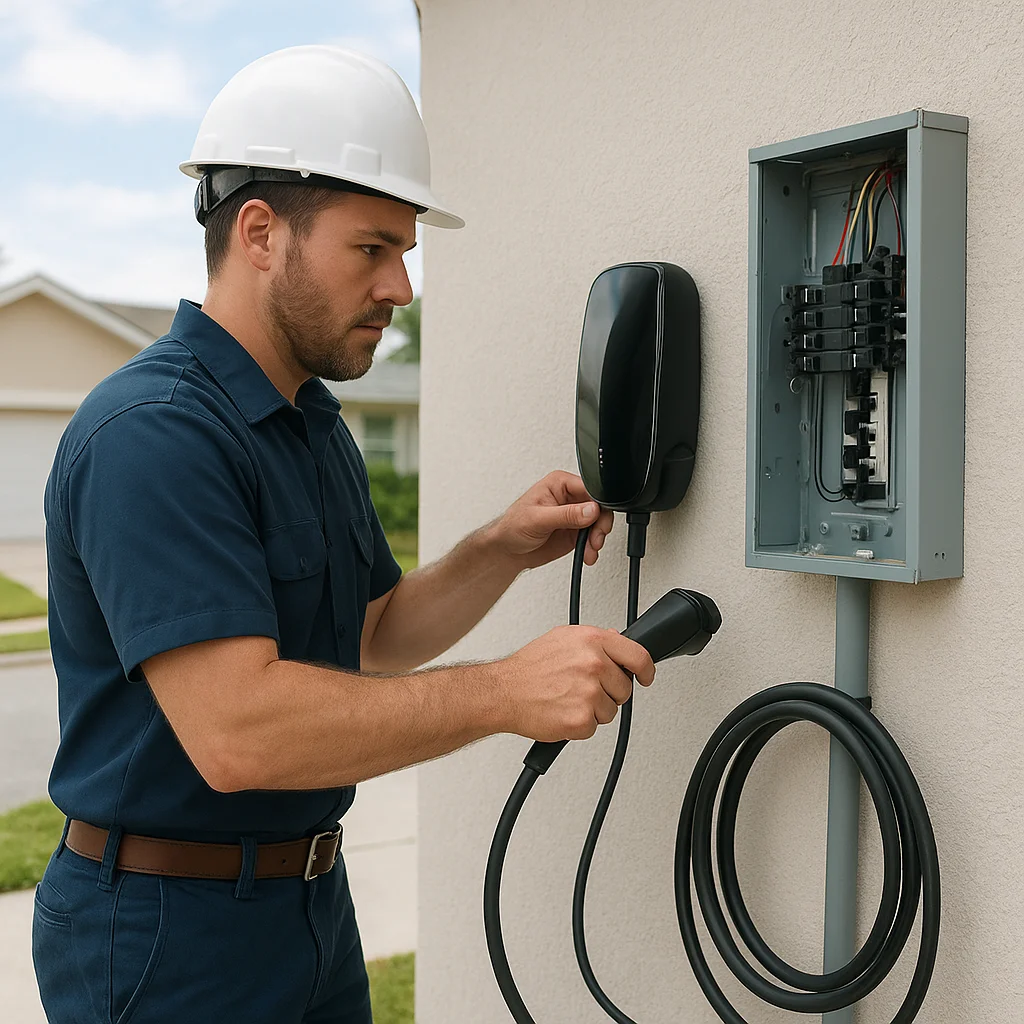
An EV charger places a steady load on the electrical system, often for several hours at a time. That is very different from a lamp, TV, or small kitchen appliance. A Level 2 charger usually needs a dedicated circuit, a properly sized breaker, and wiring that matches the load and installation location. In some homes, that also means a panel upgrade, breaker repair, or code corrections before the charger can be installed.
Older homes in Fort Walton Beach may still have panels that were sized for a much lower electrical demand. Add modern HVAC, kitchen appliances, laundry equipment, lighting installation, ceiling fans, and today’s electronics, and the available capacity can disappear quickly. Newer homes and remodels may have more room in the panel, but that does not automatically mean the system is ready for an EV charger. A licensed electrician should verify the actual load, grounding, and breaker space before work begins.
If you are already looking into EV charger installation in Fort Walton Beach, FL, the inspection stage is where a lot of hidden problems show up. Loose neutrals, aging breakers, undersized service equipment, and damaged conductors can all affect the final design.
Wear and tear that can interfere with charger installation
Panels that have aged out
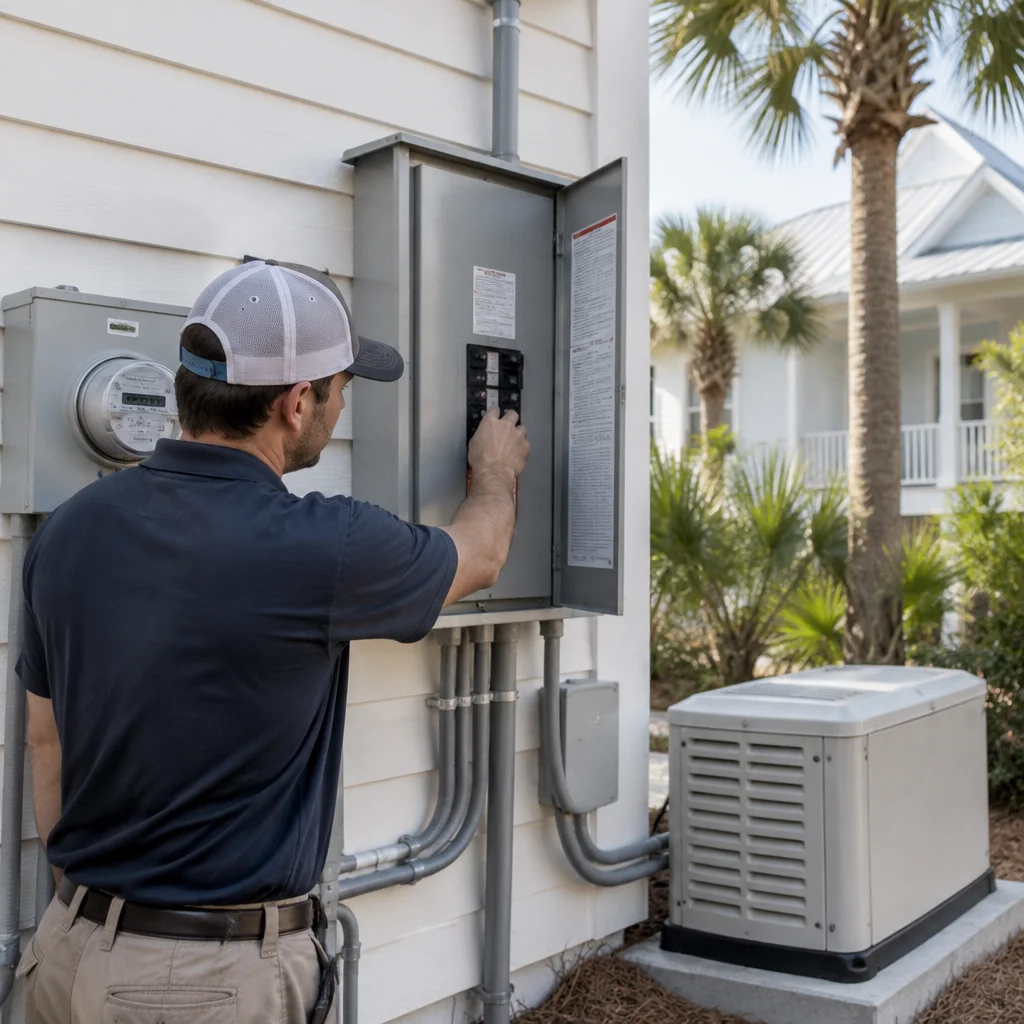
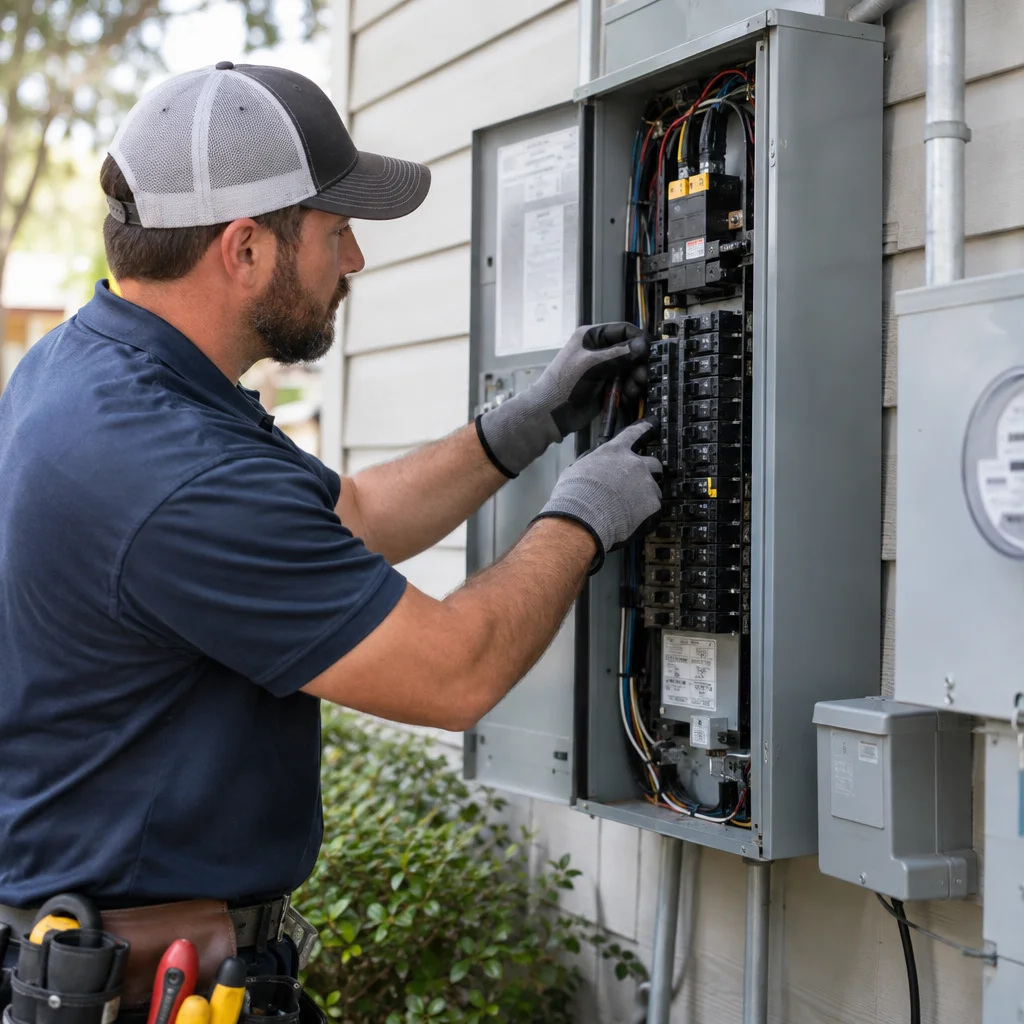
Breaker panels in coastal homes may show rust, discoloration, or moisture intrusion. Even if the panel still powers the house, corrosion can make it a poor candidate for a new high-demand circuit. In some cases, the answer is a panel upgrade. In others, the issue is a specific breaker that needs replacement or a feeder connection that no longer performs well.
Outlets and circuits that look fine but are not
Many homeowners first notice a problem when a receptacle feels warm, trips repeatedly, or stops holding a plug securely. That kind of issue can point to a larger wiring concern. A search for electrical safety starts with the details in Fort Walton Beach homes is a good reminder that small symptoms often reveal bigger system problems. For EV charger installation, any weakness in the existing circuit layout needs to be addressed before adding more load.
Older wiring and outdated materials
Some Fort Walton Beach homes have been remodeled several times, and not every update was done with today’s electrical standards in mind. Mixed wiring types, older junctions, and aging insulation can complicate charger installation. In older properties, issues may even resemble the kind of concerns people raise when searching for why professional electrical service makes repairs safer in Fort Walton Beach homes. If the system includes obsolete wiring or previous patchwork repairs, a charger should not be added until the underlying work is corrected.
Outdoor exposure around garages, carports, and exterior walls
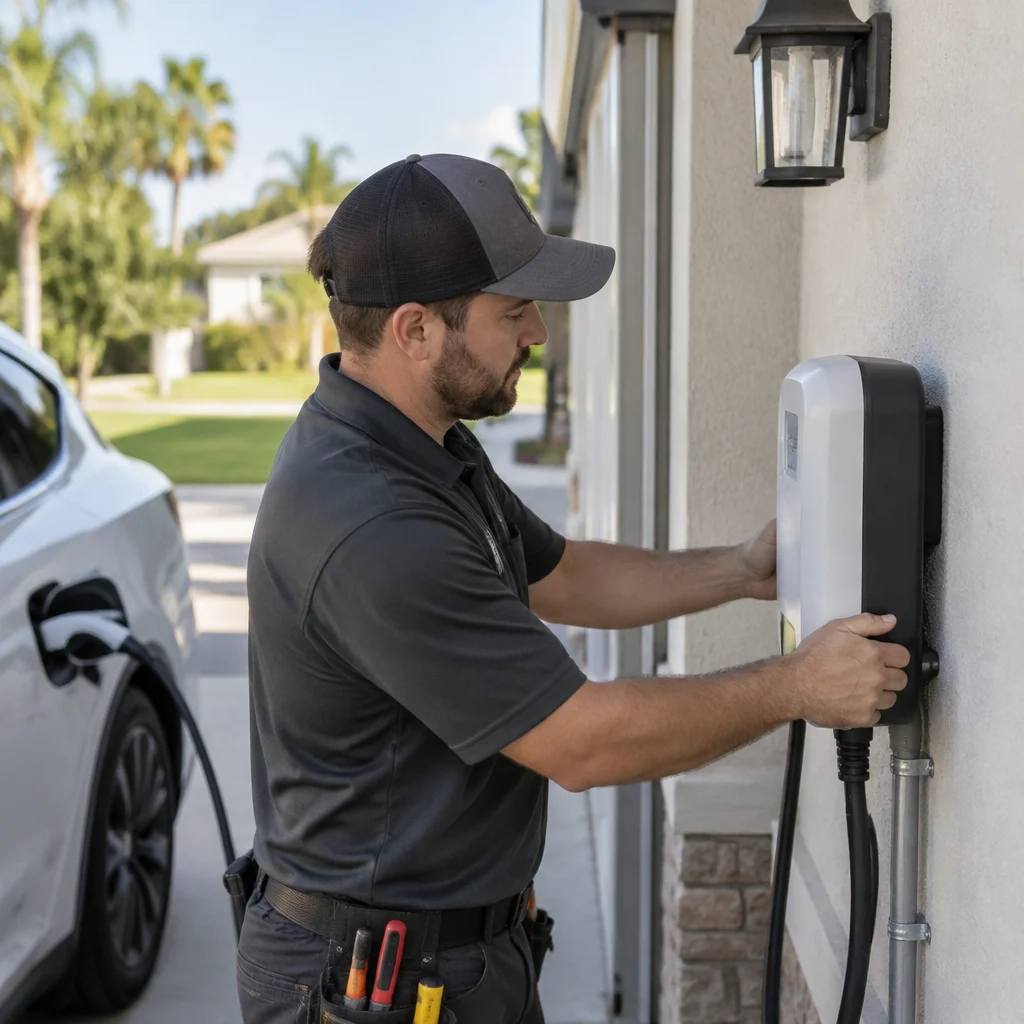
Many EV chargers in Fort Walton Beach are installed where they face wind-driven rain, salt air, and temperature swings. Outdoor-rated equipment, proper mounting, secure conduit, and correct GFCI protection all matter. If the charger is near a driveway, patio, or pool area, the electrical layout may also need special attention. In those cases, related services like pool, spa, and hot tub wiring can share the same conversation about safe outdoor power use.
Why dedicated circuits and grounding are not optional
An EV charger should not be treated like a spare outlet. It needs a dedicated circuit so the load is isolated and predictable. That circuit must be sized correctly for the charger and the home’s service capacity. Proper grounding is just as important, especially in a coastal environment where moisture and corrosion can affect metal components over time.
Grounding and bonding help keep fault current on a safe path and reduce the risk of shock or equipment damage. GFCI protection may also be required depending on the location and equipment involved. These safeguards are part of code compliance, not extras. If a charger is installed without them, the system may be unsafe and may not pass inspection.
Homeowners searching for a home safety inspection electrician near me are often surprised by how many issues show up before a project is approved. That same inspection mindset is useful for EV charging. It helps catch weak breakers, loose connections, and outdoor equipment that has been exposed to years of humidity and storms.
Storm readiness and backup planning for EV owners
EV ownership changes how some families think about outage planning. If storms knock out power, a charger is not useful without a functioning electrical system. That is why some homeowners pair charger installation with generator planning, panel improvements, or surge protection. A properly sized generator can keep critical circuits available during extended outages, while surge protection helps reduce damage from storm-related electrical events.
For households that rely on their vehicle for commuting, school runs, or work, storm readiness is not just about comfort. It is about keeping transportation available after severe weather. If your home already has frequent breaker trips, flickering lights, or outlets that stop working after storms, it may be time for broader electrical repair before the charger is installed. In some cases, a search for electrical services in Fort Walton Beach leads homeowners to a full system review rather than a single fix.
What a good EV charger installation visit should cover
A careful installation usually starts with a load calculation and a visual inspection of the panel, wiring, and available circuit space. The electrician should check breaker condition, grounding, panel labeling, and the route from the panel to the charger location. If the charger will be mounted outside, the weatherproofing details matter just as much as the amperage rating.
That visit may also uncover other issues worth addressing at the same time. For example, a home with weak lighting or aging switches might benefit from indoor lighting installation or updated LED fixtures while the electrical system is already being evaluated. Likewise, a homeowner who has been searching for electrical repair in Fort Walton Beach, FL may find that the charger project is the right time to correct several small issues at once.
In some homes, the inspection also reveals problems with exterior receptacles, garage outlets, or the wiring that serves a workshop or utility area. That is where terms like outlet repair near me or electrical wiring repair near me often point to a bigger system review, not just a quick part swap.
Homes, rentals, and remodels across Okaloosa County
Fort Walton Beach has a mix of older homes, updated rentals, newer construction, and properties that have been expanded over time. That variety makes local electrical knowledge especially important. A condo garage charger, a single-family home with a detached carport, and a rental property with limited panel space can all require different solutions. The same is true across the county, which is why homeowners often look for an electrician who understands Okaloosa County as a whole, not just one neighborhood.
For rental owners and property managers, charger installation also needs to account for tenant use, access control, and long-term durability. For newer homes, the issue may be making sure the service equipment was built with enough room for future EV demand. For older homes, the challenge may be replacing outdated parts before they become a safety issue. If the home still has very old materials or patchwork repairs, a licensed electrician may recommend more extensive work before moving ahead with the charger.
Local signs that the electrical system needs attention first
Before adding an EV charger, look for signs that the home may already be under strain. Frequent breaker trips, buzzing panels, warm outlets, flickering lights, or scorch marks around receptacles should not be ignored. So should GFCI outlets that fail to reset, loose switches, or a garage circuit that cannot hold up under normal use.
These are the kinds of issues that can also lead homeowners to search for surge protector installation near me, licensed electrician near me, or even emergency electrician near me after a storm. If your home has repeated electrical trouble, the charger should be part of a broader fix, not a standalone add-on.
Other projects may come up during the same visit, such as smoke detector installation, carbon monoxide detector installation, security lighting installation, or outdoor lighting installation around the driveway and entry points. Those upgrades can improve safety and visibility while the system is already being inspected.
Why local service matters for EV charging in Fort Walton Beach
Local service matters because coastal electrical work is not the same as inland work. A charger installed in Fort Walton Beach has to stand up to humidity, salt exposure, storms, and the realities of Florida construction. An experienced electrician understands how to evaluate panel age, breaker condition, grounding, and outdoor protection with those conditions in mind.
That local knowledge also helps when the project overlaps with other electrical needs. A homeowner may be planning recessed lighting installation near me, a ceiling fan replacement, or a generator installation at the same time as the charger. A coordinated approach can save time and reduce the chance of overloading the system later.
When a Fort Walton Beach home is ready for EV charging, the safest path is usually the one that starts with inspection, correct sizing, and code-compliant installation. That is true whether the project is for a primary residence, a rental, or a business property with more than one charging location. For homeowners searching for tesla charger installation near me or planning a broader electrical upgrade, the right setup should support daily charging without putting extra stress on the panel, wiring, or breakers.
A Superior Mechanical helps Fort Walton Beach property owners make those decisions with the full electrical system in mind, from the service panel to the charger itself. That means safer charging, better storm readiness, and fewer surprises once the car is plugged in every night.
Find EV Charger Installation in Fort Walton Beach, FL
If you need EV Charger Installation in Fort Walton Beach, FL, visit our local service page or contact A Superior Mechanical today.
Map of Fort Walton Beach, FL
Frequently Asked Questions
Does my Fort Walton Beach home need a panel upgrade for EV charger installation?
Not always, but many homes do need one if the panel is full, outdated, corroded, or already near capacity. A load calculation and panel inspection will show whether the existing service can handle a dedicated EV charging circuit safely.
Can salt air and storms affect an EV charger after installation?
Yes. Coastal moisture, salt exposure, lightning, and power surges can shorten equipment life and damage sensitive electronics. Proper outdoor-rated equipment, grounding, and whole home surge protection help reduce those risks.
Why does an EV charger need a dedicated circuit?
An EV charger draws power for long periods, so it should not share a circuit with other outlets or appliances. A dedicated circuit helps prevent overheating, nuisance trips, and unsafe overloads.
What electrical issues should be fixed before adding a charger?
Loose breakers, warm outlets, flickering lights, damaged wiring, poor grounding, and failed GFCI protection should all be addressed first. Those issues can point to bigger system problems that affect charger performance and safety.
Can A Superior Mechanical help with other electrical upgrades at the same time?
Yes. Many homeowners combine EV charger installation with panel upgrades, breaker repair, outlet repair, lighting installation, surge protection, generator installation, and electrical inspections so the whole system is ready for added demand.
Related Articles
Photo Gallery