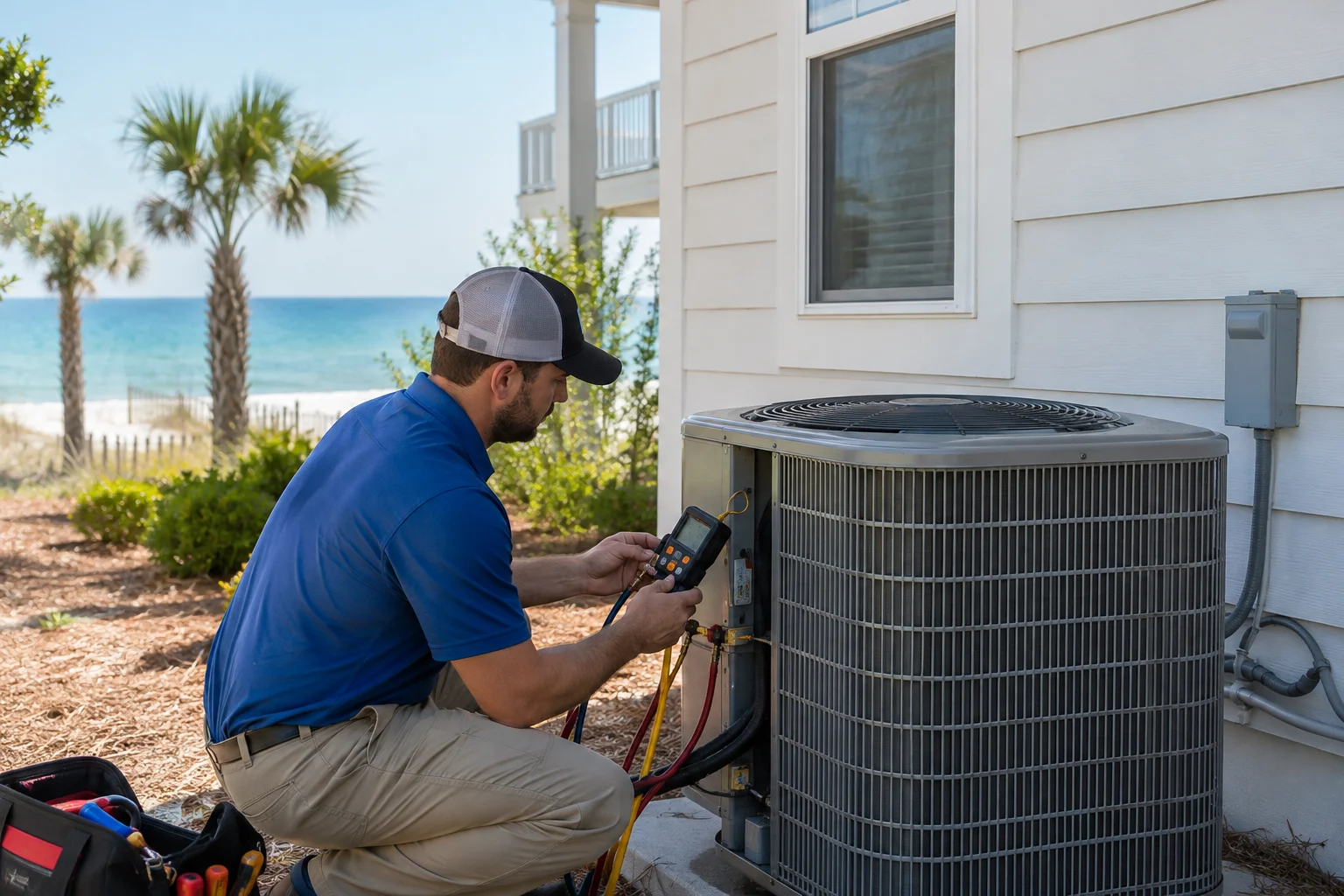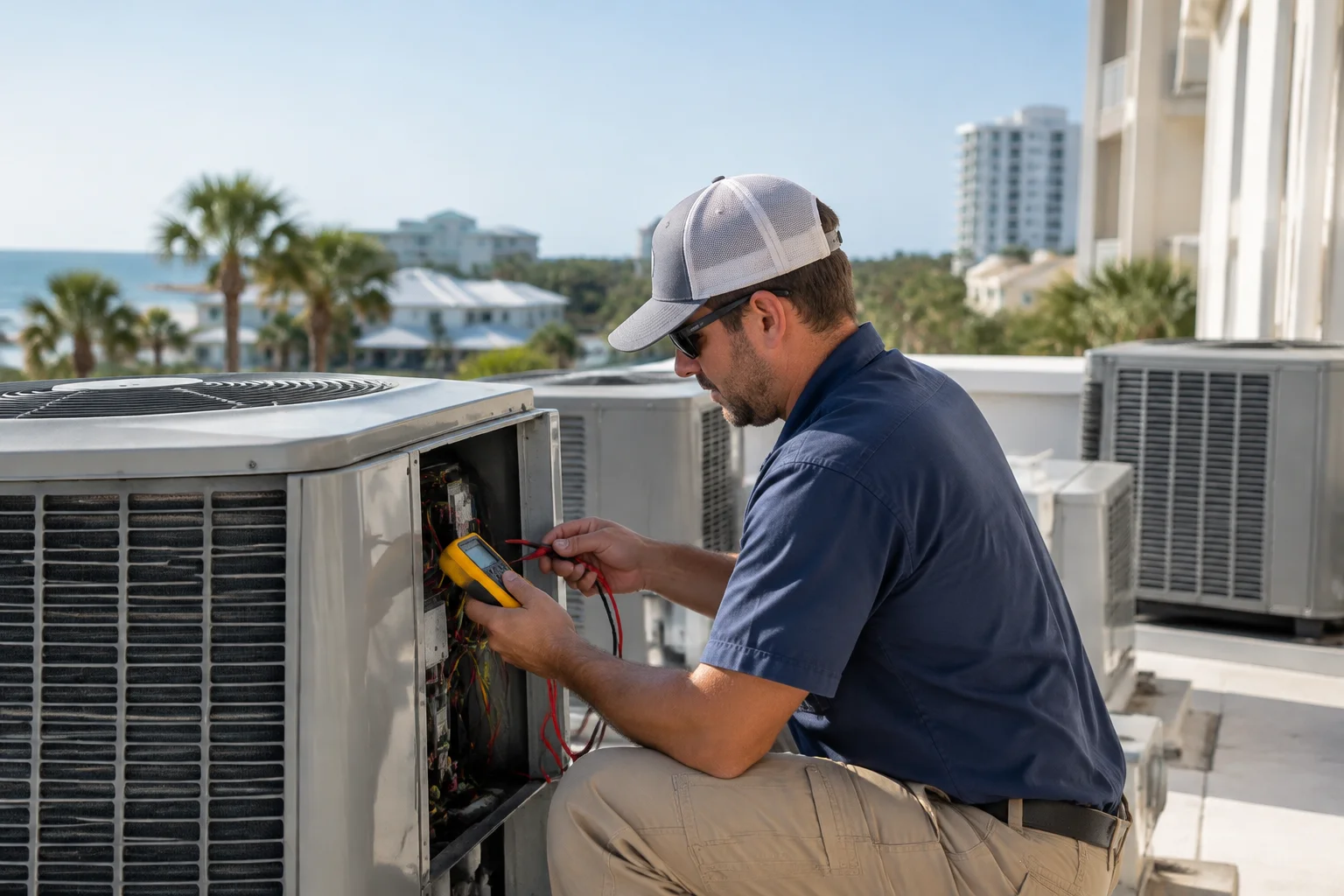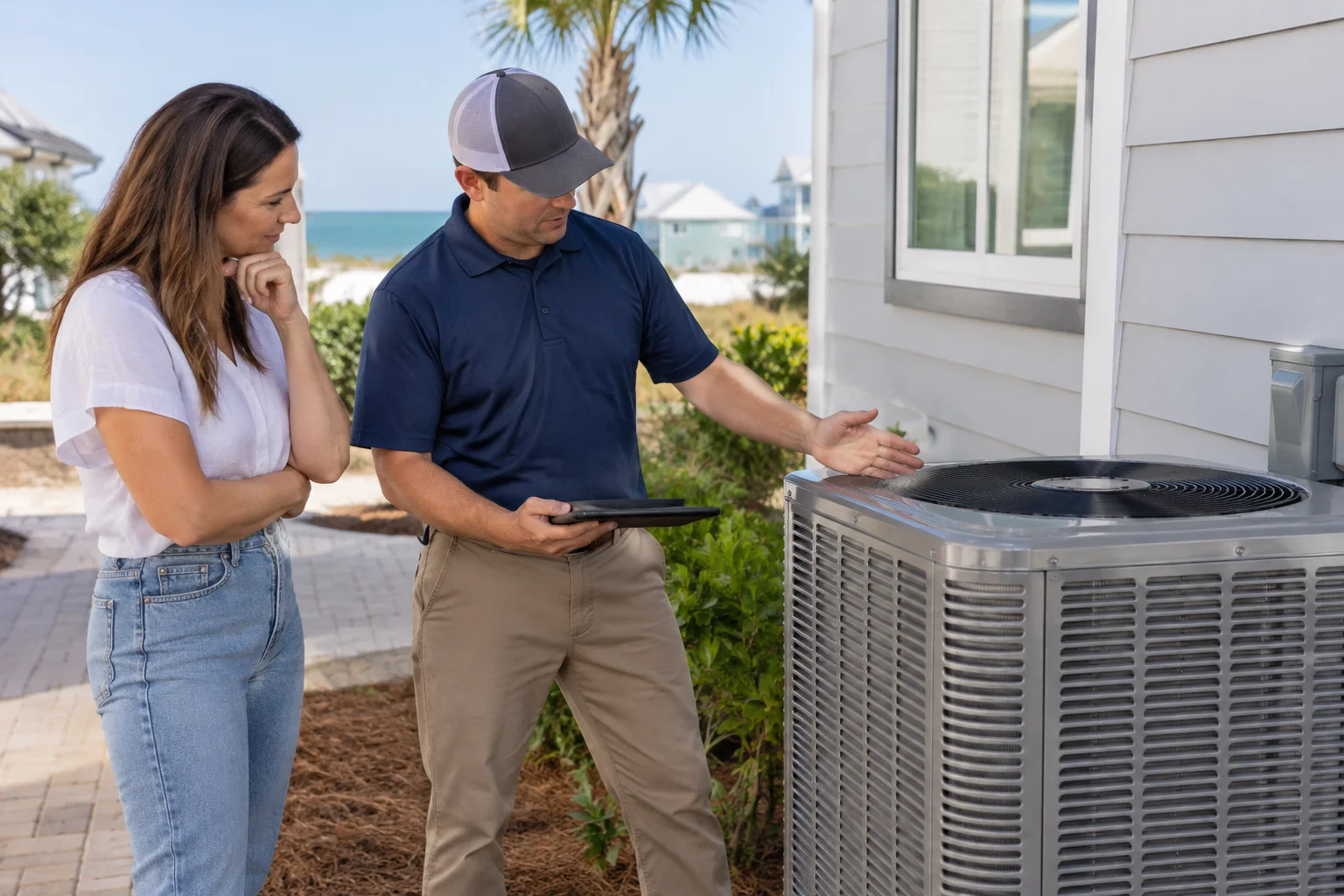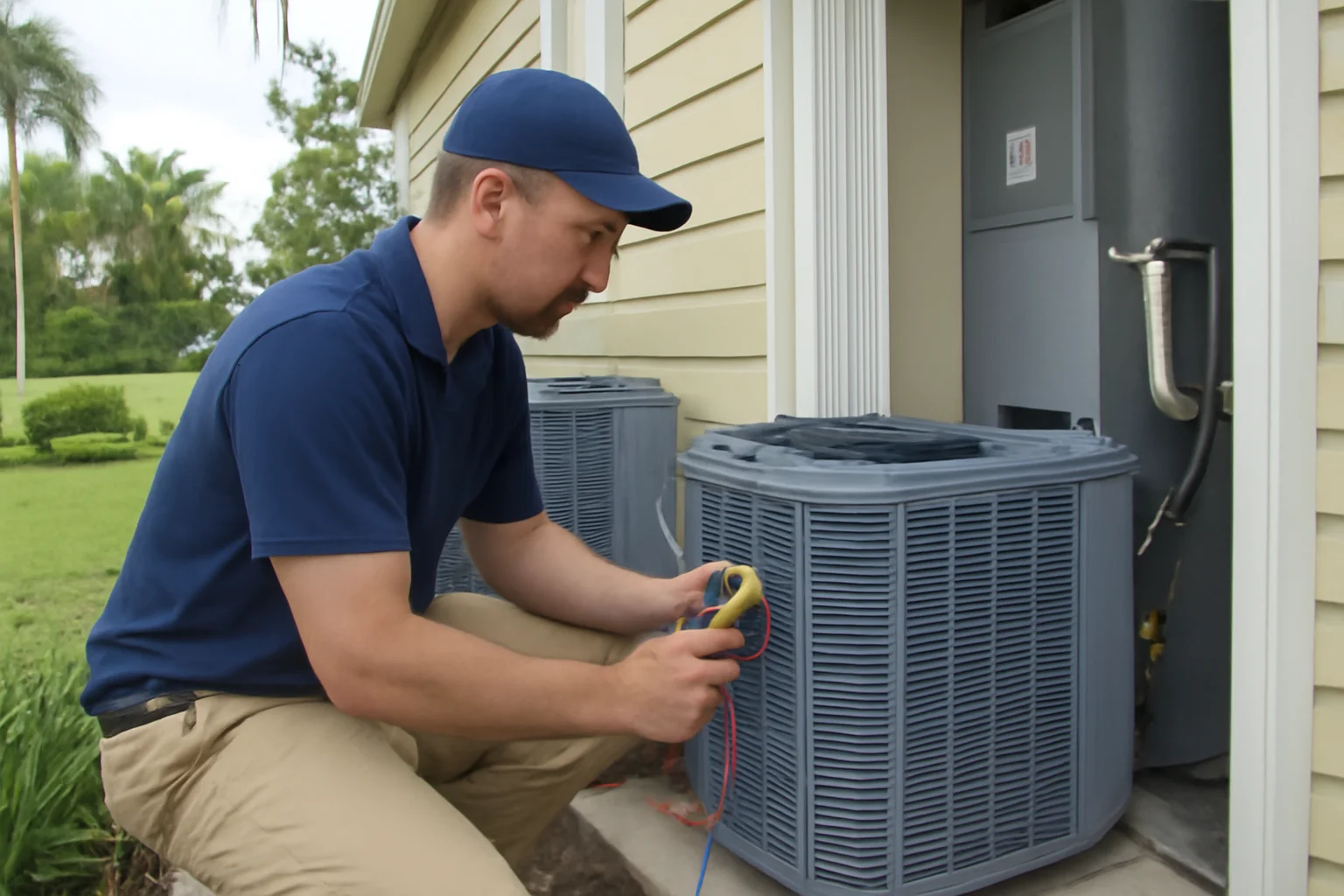
Freeport, FL is beautiful, but the weather is hard on HVAC systems. Coastal heat loads, high humidity, and salt air can wear out equipment faster than homeowners expect. If you manage a commercial property, or you are a homeowner overseeing a multi-unit building, your best cost control often starts before the first thermostat call. It starts with a correct commercial HVAC installation in Freeport, FL and continues with preventive maintenance that targets the issues coastal Florida creates.
Why Freeport’s coastal climate changes the HVAC rules
Commercial HVAC installation is not one-size-fits-all, and Freeport’s conditions make that especially true. Many buildings in Walton County see:
- High heat and humidity that push air conditioners and heat pumps to run longer to control indoor comfort.
- Moisture management needs related to condensate drainage, which can affect performance and create indoor air quality problems if neglected.
- Salt air exposure that can accelerate corrosion on certain components and contribute to premature system wear.
- Airflow challenges from ductwork that may not be properly sized, sealed, or balanced for today’s comfort expectations.
When the system is designed and installed for these realities, you typically get better humidity control, steadier airflow, and fewer “mystery” comfort complaints during peak summer. When it is not, problems tend to show up as uneven temperatures, higher energy use, or repeated calls for air conditioning repair.
Commercial HVAC installation should start with building-specific load planning
A proper installation begins with understanding the building, not just replacing equipment. In Freeport, load planning matters because coastal HVAC performance depends on how the building handles heat gain and moisture.
During design and pre-install planning, a professional commercial HVAC service team will typically consider:
- Outdoor conditions that affect cooling demand and equipment run time.
- Indoor comfort goals, including humidity targets for spaces like offices, restaurants, and hospitality properties.
- Occupancy patterns and how schedules change cooling needs throughout the day.
- Air distribution layout so supply and return air paths support stable airflow.
- Refrigerant system design that matches equipment configuration and the realities of the installation environment.
Homeowners often ask for an “AC replacement estimate near me” or “energy efficient AC system near me” before they understand the full picture. For commercial properties, that instinct can backfire if the system is sized incorrectly or the ductwork and controls are not aligned. A Superior Mechanical focuses on custom system design and efficient equipment selection for coastal conditions, which is exactly why it helps to choose a local team that understands Freeport’s climate and building needs.
Airflow and ductwork: the hidden drivers of comfort and energy use
Even the best air conditioner replacement near me search will not help if air cannot move where it needs to. In coastal Florida, airflow problems often show up as:
- Hot or cold spots in specific rooms
- Weak airflow at registers
- Repeated thermostat adjustments by staff or occupants
- Uneven humidity levels that can contribute to musty odors
That is why ductwork design, duct sealing, and balancing are essential parts of commercial HVAC installation. If ducts leak or are improperly sized, you may feel the effects quickly during the hottest hours.
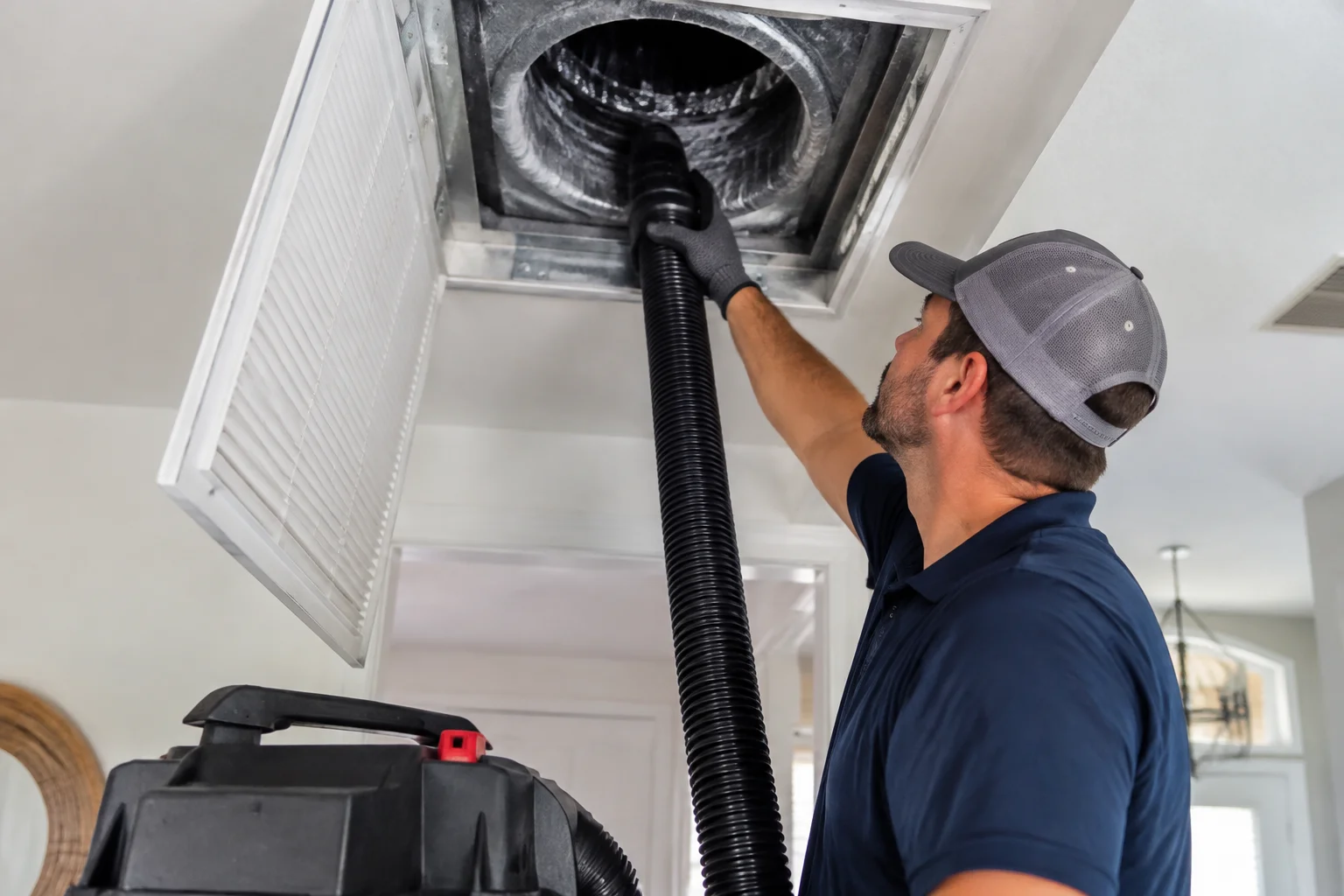
If your building has older ductwork or you suspect airflow loss, it can be worth discussing options such as duct sealing and Aeroseal services in Freeport, FL. Sealing can help the system deliver conditioned air more effectively, which can support better comfort and more predictable energy use. For some properties, ductwork planning also affects indoor air quality, since supply and return balance influences how much outdoor air and moisture get pulled into the system.
Some homeowners also search “duct cleaning near me” when they notice dust or odors. Duct cleaning can be appropriate in certain situations, but it should not be treated as a universal fix for comfort issues. A proper assessment of airflow, filtration, and duct condition is the better starting point.
Humidity control and condensate drainage need real attention
Humidity is not just uncomfortable. In commercial spaces, high humidity can contribute to:
- Condensation around vents or in duct runs
- Odors that affect customer experience
- Potential moisture-related damage in building materials
- Indoor air quality issues tied to damp conditions
During cooling operation, air conditioners and some heat pump systems remove moisture from indoor air. That moisture leaves the system through condensate drainage. If condensate drainage is poorly routed, partially blocked, or not maintained, it can lead to water problems and reduced system efficiency.
That is why preventive maintenance should include condensate drainage inspection and safe clearing of drainage pathways when needed. If you see signs like dripping near the indoor unit, wet ceilings, or recurring “water” alarms, you should arrange an inspection rather than trying to troubleshoot it yourself.
Because coastal salt air can also affect certain components, it is important that maintenance includes inspection for corrosion-related wear and cleaning where appropriate, based on the equipment manufacturer’s guidance.
Thermostats and controls: how zoning affects performance
Commercial comfort is rarely one steady temperature across the whole building. Thermostats and controls influence how the system cycles, how it maintains setpoints, and how it handles humidity.
In many Freeport commercial properties, zoning is used to separate areas with different schedules or occupancy. When thermostats, zone dampers, and equipment staging are not configured correctly, you can get:
- Short cycling that stresses refrigerant systems and reduces dehumidification time
- Inconsistent temperatures that drive complaints
- Higher energy use due to inefficient run patterns
Professional installation should include controls setup that matches the building’s airflow strategy. If you are dealing with persistent comfort issues, it is worth focusing on the system as a whole, not just “turning down the thermostat.”
Refrigerant systems: performance depends on correct installation and service practices
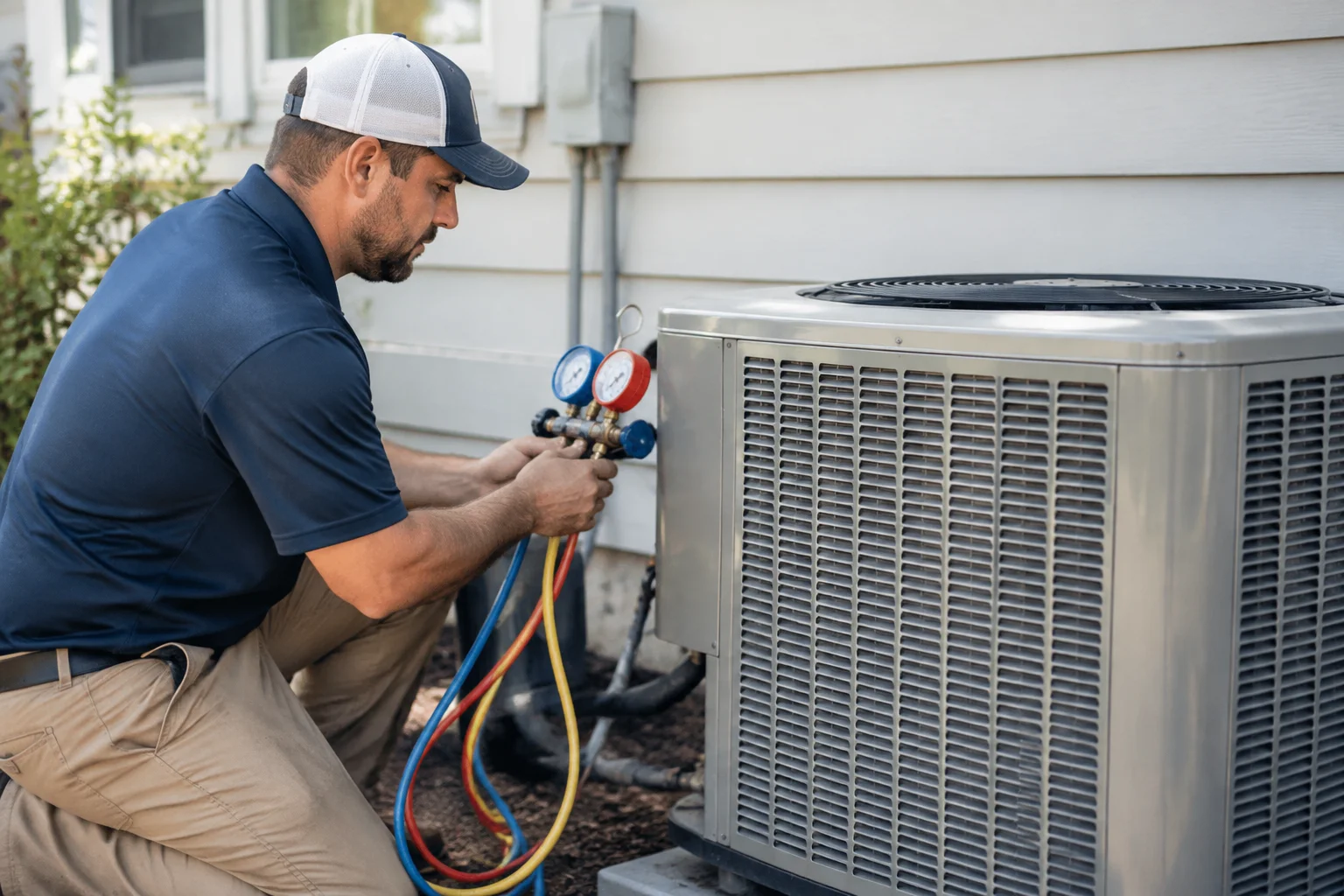
Refrigerant systems are central to cooling and heat pump performance, but they are also an area where homeowners should avoid guesswork. Refrigerant issues can be caused by multiple factors, and troubleshooting without proper tools and training can be unsafe and inaccurate.
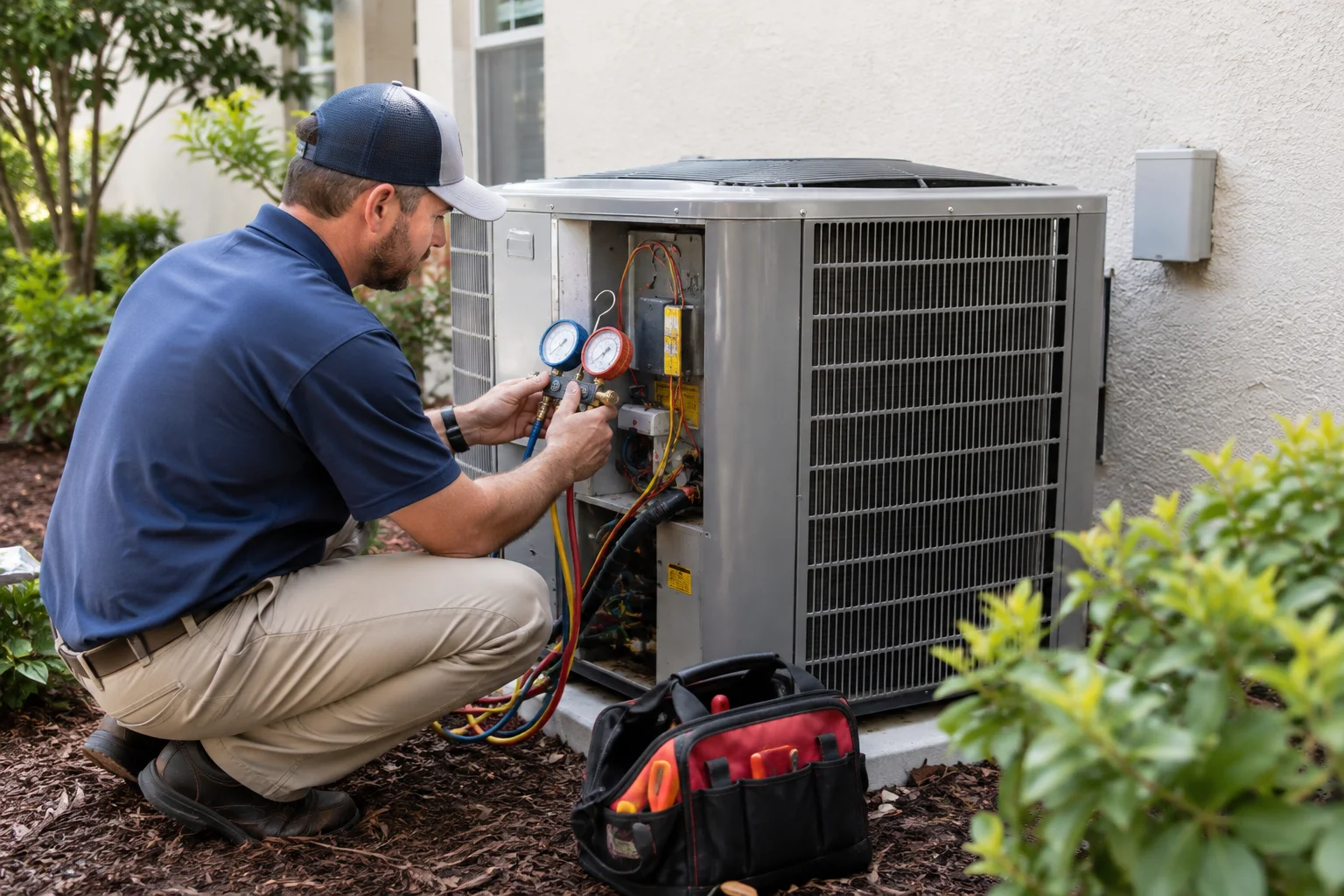
What you can do is make sure your commercial HVAC service provider installs and maintains the refrigerant system correctly according to the equipment design. During maintenance, technicians should verify that the system is operating as intended and that components are clean, connections are secure, and airflow is adequate. If there are symptoms like repeated loss of cooling capacity, unusual noises, or visible icing patterns, an in-person evaluation is necessary before any refrigerant-related action is considered.
A Superior Mechanical can help evaluate how the system is actually performing in your building, which is a more reliable path than trying to interpret online advice or partially testing components on your own.
Indoor air quality is part of commercial HVAC installation, not an afterthought
Freeport’s humidity can affect indoor air quality services needs, especially in buildings that see frequent customer traffic, cooking, or high occupancy. HVAC systems influence indoor air quality through filtration, ventilation, airflow balance, and moisture control.
When commercial HVAC installation is done well, it supports:
- Effective filtration that matches the space and maintenance schedule
- Balanced supply and return airflow that reduces pressure imbalances
- Moisture management that helps prevent damp conditions
- Ventilation coordination so the system does not bring in excess moisture
If you are searching for “indoor air quality services near me,” consider that the best results often come from pairing HVAC maintenance with the right filtration and airflow strategy, not just adding one air cleaning device. For properties with persistent odors or humidity complaints, it can help to review the full HVAC system approach during an inspection.
Common coastal HVAC problems in Freeport, and what preventive maintenance targets
Coastal Florida can create repeat patterns. Homeowners and property managers often report similar issues during summer.
1) Uneven cooling and hot spots
Often linked to ductwork airflow limits, poor balancing, or zoning issues. Preventive maintenance should include airflow verification and system performance checks, not just visual inspections.
2) Humidity that stays high even when temperatures feel “okay”
That points toward dehumidification performance, airflow patterns, and condensate drainage health. Preventive HVAC maintenance near me should include humidity-related checks and condensate drainage inspection as part of a seasonal plan.
3) Short cycling or frequent start-stop behavior
Possible causes include control settings, airflow problems, or equipment operation limits. Maintenance helps identify patterns early so the system is not pushed into inefficient run cycles.
4) Corrosion or deterioration in coastal exposure zones
Salt air can accelerate wear on outdoor components. A routine inspection can catch early corrosion-related concerns before they become performance failures.
5) Refrigerant system stress from airflow restrictions
When airflow is restricted, refrigerant systems can operate under strain. That is why filter and coil maintenance, along with duct and airflow checks, matters for both comfort and reliability.
Emergency cooling concerns: what to do before the system fails
During peak summer conditions, a commercial HVAC failure can become an emergency cooling concern quickly, especially for restaurants, hospitality properties, healthcare-adjacent spaces, and warehouses. The best time to plan is before the hottest days arrive.
Here are practical steps that can reduce downtime:
- Schedule seasonal HVAC maintenance before the busiest months.
- Keep access clear around indoor and outdoor units so technicians can inspect safely.
- Document recurring symptoms like uneven temperatures, humidity complaints, odd noises, or slow cooling.
- Use thermostats with appropriate scheduling so the system runs when it should, not constantly or inconsistently.
- Know who to call for urgent cooling problems. If you need Emergency HVAC Services in Freeport, FL, having the right contact ready helps avoid delays when comfort and business operations are on the line.
If your building loses cooling, do not assume the cause. An in-person evaluation is the safest way to determine what is happening and what corrective steps are appropriate.
How to choose a contractor for commercial HVAC installation in Freeport
When you compare options for commercial HVAC service near me, look for a team that emphasizes:
- Custom system design based on building needs and airflow strategy
- Proper ductwork planning and attention to sealing and balance
- Controls and thermostat configuration aligned with zoning and schedules
- Maintenance-minded installation so the system can be serviced efficiently over time
- Clear communication about indoor air quality considerations and humidity management
A Superior Mechanical installs commercial systems built for coastal heat, humidity, and long-term reliability across Walton County. If you are also considering larger facility planning, it can help to review installation details and ongoing service needs together, not as separate conversations.
Maintenance tips that help save money without cutting corners
Preventive maintenance is one of the most practical ways to protect budgets. It can reduce the chance of mid-summer breakdowns, improve comfort consistency, and support more predictable energy use. Here are maintenance-focused habits and priorities for Freeport properties:
Keep filtration and airflow steady
Filters and airflow directly affect system operation. Follow the service schedule recommended for your building. If filters are clogged or airflow is restricted, performance drops and energy use often rises.
Plan seasonal inspections for coils and condensate drainage
Cooling season in Freeport can be intense. Seasonal checks that include coils and condensate drainage can help prevent moisture-related comfort issues and equipment strain.
Watch indoor comfort trends, not just temperature
If occupants complain about sticky air or dampness, treat it as a system performance clue. Humidity control is tied to airflow, dehumidification time, and drainage health.
Address duct leaks and ventilation imbalances early
Leaky ducts can waste conditioned air and increase load. If you suspect duct leakage or pressure imbalance issues, consider a duct sealing approach like duct sealing and Aeroseal services after an assessment.
Use the right thermostat settings for schedules
Commercial schedules matter. Thermostat programming that matches occupancy can support steady comfort and reduce unnecessary cycling.
Budget for service as part of system replacement planning
When equipment ages out, replacement decisions should be based on performance and building needs, not only on the calendar. If you are weighing options, it can help to review financing and budgeting considerations. See A Homeowner’s Guide to HVAC Financing and Why It Matters in Freeport, FL for context on planning.
Related reading that supports better commercial HVAC decisions
Installation and maintenance details can be easy to miss, especially in coastal environments. If you want a deeper look at how commercial systems fail and how to prevent it, these resources may help:
- The Details That Get Missed in Commercial HVAC Installation in Freeport, FL
- Why Efficient Heating and Cooling Starts With Commercial HVAC Maintenance in Freeport, FL
- Staying Ahead of Commercial HVAC Problems in Freeport, FL: A Practical Guide for More Reliable Buildings
When a heat pump or AC system needs service, focus on symptoms and system performance
Freeport buildings may use air conditioners, heat pumps, or a mix depending on design and comfort goals. If you notice reduced cooling, weak heating, or humidity that does not match the thermostat settings, it is reasonable to request an air conditioning repair or HVAC service near me evaluation. If you are searching for “heat pump repair near me,” remember that heat pump performance is strongly tied to airflow, airflow balance, and moisture removal during cooling mode.
Do not attempt to diagnose refrigerant or electrical issues yourself. Instead, schedule an in-person inspection so a technician can verify airflow, control operation, condensate drainage, and overall system performance before recommending any corrective steps.
Dehumidification upgrades can be a smart fit for humid coastal buildings
Some commercial properties need extra help controlling humidity, particularly where spaces are occupied for long hours or where the building envelope allows moisture load. If you are seeing persistent humidity complaints even with normal cooling setpoints, ask about dehumidification options. Whole home dehumidifiers can be part of a broader indoor air quality strategy. Learn more about Whole Home Dehumidifiers in Freeport, FL to see whether an added approach makes sense for your building.
If you are planning a new commercial build, a major renovation, or an equipment upgrade, start by reviewing the full installation approach. A good design protects comfort during the hottest coastal weeks and supports long-term operating reliability across Freeport, FL and Walton County.
For a focused path that ties design, installation, and long-term maintenance together, contact A Superior Mechanical through the commercial HVAC installation service area page: /service-areas/walton-county/freeport/commercial-hvac-installation-fwcfl.
Find Commercial HVAC Installation in Freeport, FL
If you need Commercial HVAC Installation in Freeport, FL, visit our local service page or contact A Superior Mechanical today.
Map of Freeport, FL
Frequently Asked Questions
How is commercial HVAC installation different from residential AC installation in Freeport?
Commercial systems are designed for building-wide airflow, occupancy schedules, and humidity control across multiple spaces. The ductwork plan, thermostat and controls setup, and condensate drainage strategy often matter more for consistent comfort in commercial layouts.
What maintenance items matter most for coastal Florida humidity and salt air?
Seasonal inspections that include condensate drainage, airflow performance, filtration, coil cleanliness, and checks for corrosion related wear are key. These help the refrigerant system and airflow work together to control moisture and reduce comfort issues.
If my building has uneven temperatures, should I start with duct cleaning?
Not always. Uneven cooling is often tied to airflow balance, duct leakage, or zoning and controls. A professional air conditioning inspection near me can help identify whether duct sealing, balancing, or other HVAC service is the right first step.
Can I improve indoor air quality just by adding a new air purifier?
Air cleaning can help, but indoor air quality is also driven by HVAC filtration, ventilation balance, humidity control, and airflow. Indoor air quality services near me work best when they review the HVAC system performance, not only standalone devices.
When should I call for emergency cooling service in Freeport?
If cooling stops during hot, humid weather, or if you notice signs of water intrusion, strong burning odors, or equipment that will not respond to thermostat calls, call emergency HVAC services. An in-person evaluation is needed before any refrigerant or equipment decisions are made.
Related Articles
- The Details That Get Missed in Commercial HVAC Installation in Freeport, FL
- Why Efficient Heating and Cooling Starts With Commercial HVAC Maintenance in Freeport, FL
- A Homeowner’s Guide to HVAC Financing and Why It Matters in Freeport, FL
- Staying Ahead of Commercial HVAC Problems in Freeport, FL: A Practical Guide for More Reliable Buildings
Photo Gallery