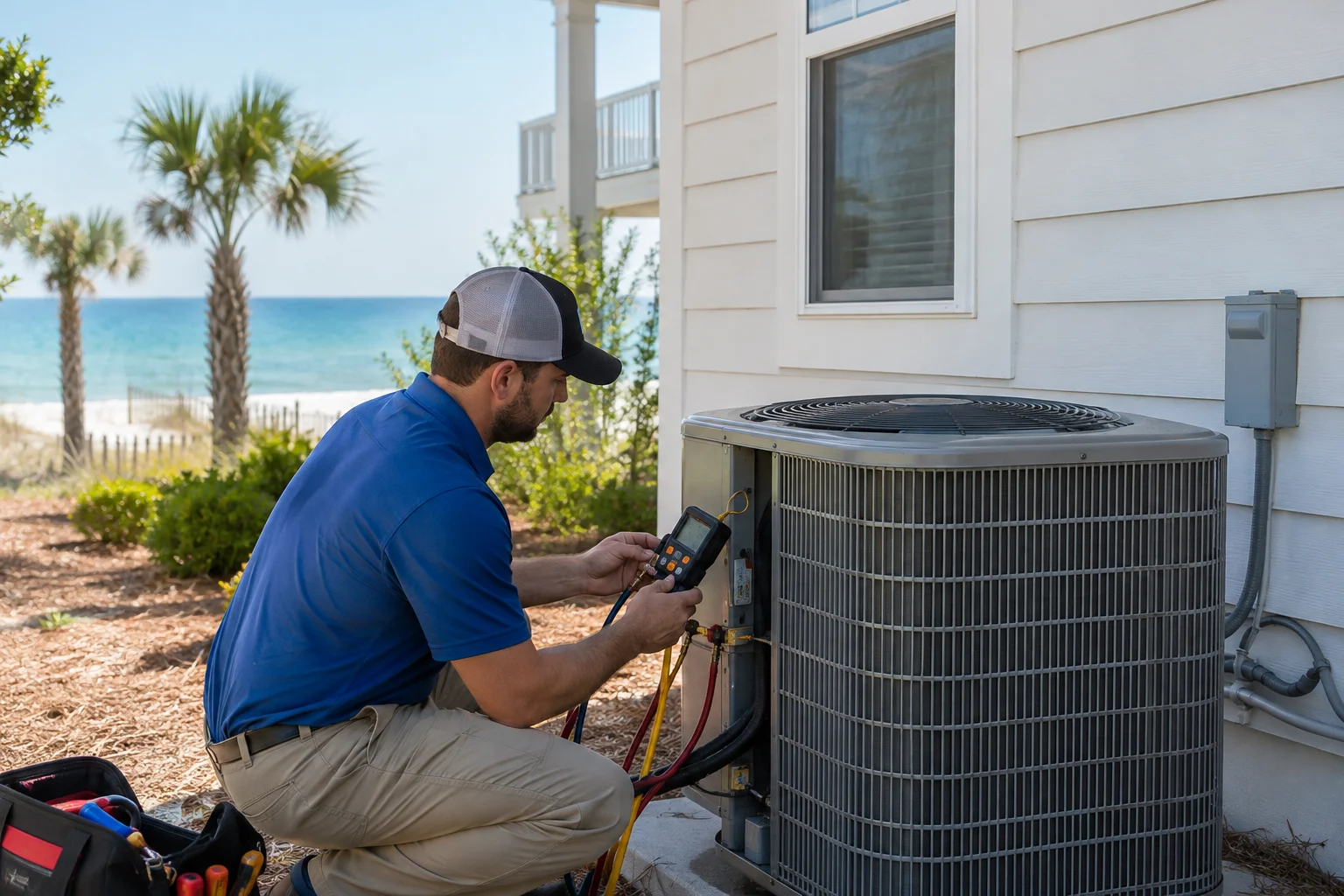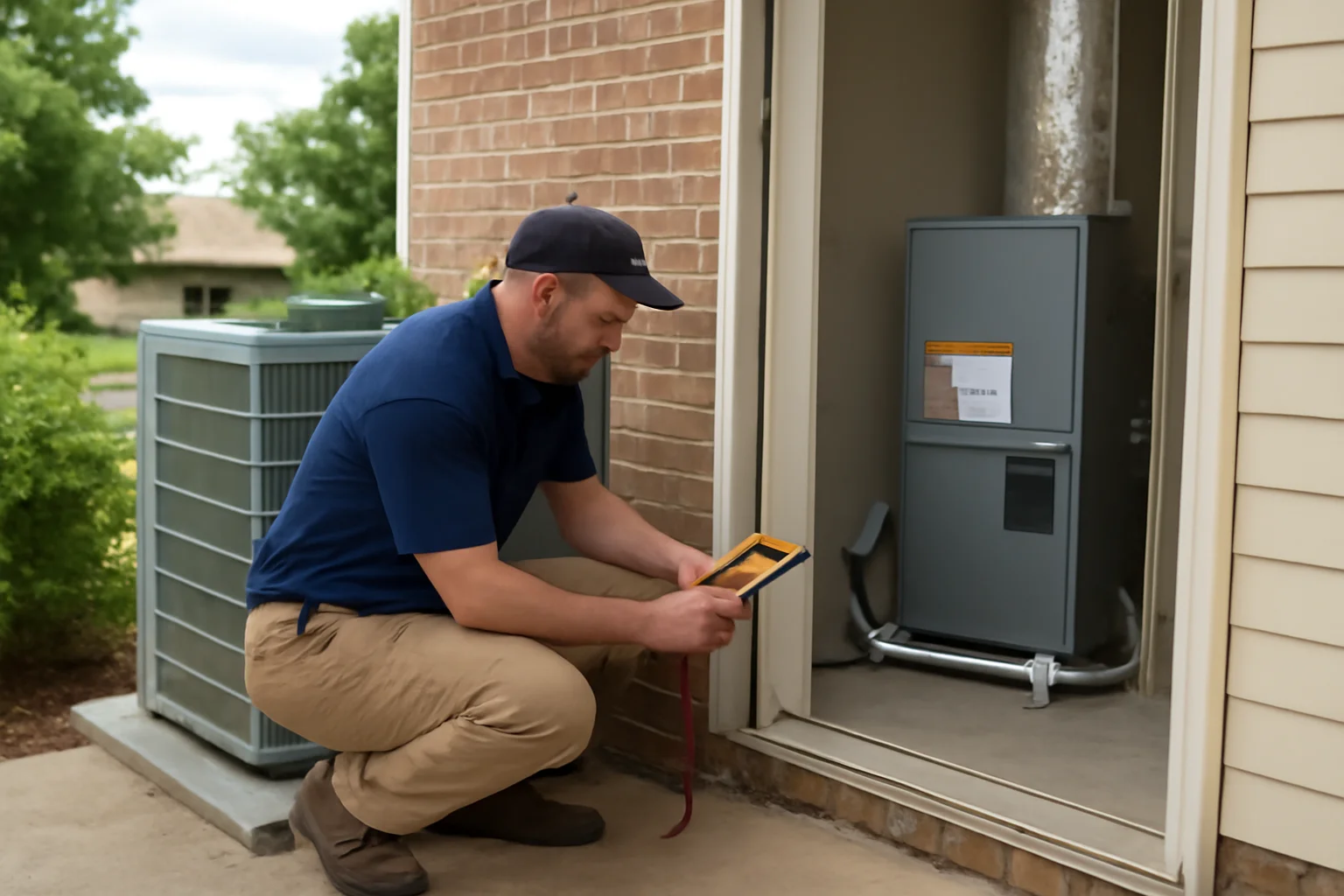
Parker, FL businesses live with real weather pressure. Hot, humid days are common, and salt air from the coast can be tough on metal components. When commercial HVAC installation is rushed or incomplete, the system may run, but it often cannot handle the load smoothly. That is when homeowners and property managers start seeing broken thermostats, uneven temperatures, clogged condensate drainage, and emergency cooling calls.
This guide focuses on the installation choices and site details that local homeowners and property owners frequently overlook. It is written for people who want fewer HVAC emergencies and more reliable comfort for offices, retail spaces, restaurants, and multi-unit properties across Bay County. If you are searching for commercial HVAC installation in Parker, FL, the points below can help you ask better questions before work begins.
Why Parker humidity and heat expose weak HVAC installation
In Parker, the air can feel heavy long before most people expect it to. That humidity matters because commercial comfort is not only about temperature. It is also about moisture removal, airflow balance, and how well the system manages refrigerant conditions under load.
When installation is done without a careful plan for airflow and humidity control, the system can end up cycling more than it should. Over time, that leads to more wear on components and more opportunities for failures that show up during the hottest stretches. Those are the same periods when emergency cooling concerns become urgent for tenants and customers.
The installation checklist that prevents “it runs, but it does not work”
A commercial HVAC system can look installed correctly while still being set up for trouble. Homeowners often focus on the big decision, like selecting equipment type, but installation quality comes down to dozens of smaller steps. Here are the ones that matter most in Parker.
1) Ductwork design and airflow balance
Even a high quality air conditioner or heat pump installation can struggle if ductwork is undersized, poorly routed, or missing the right balancing steps. In humid climates, weak airflow can also reduce the system’s ability to remove moisture effectively, leaving spaces feeling clammy.
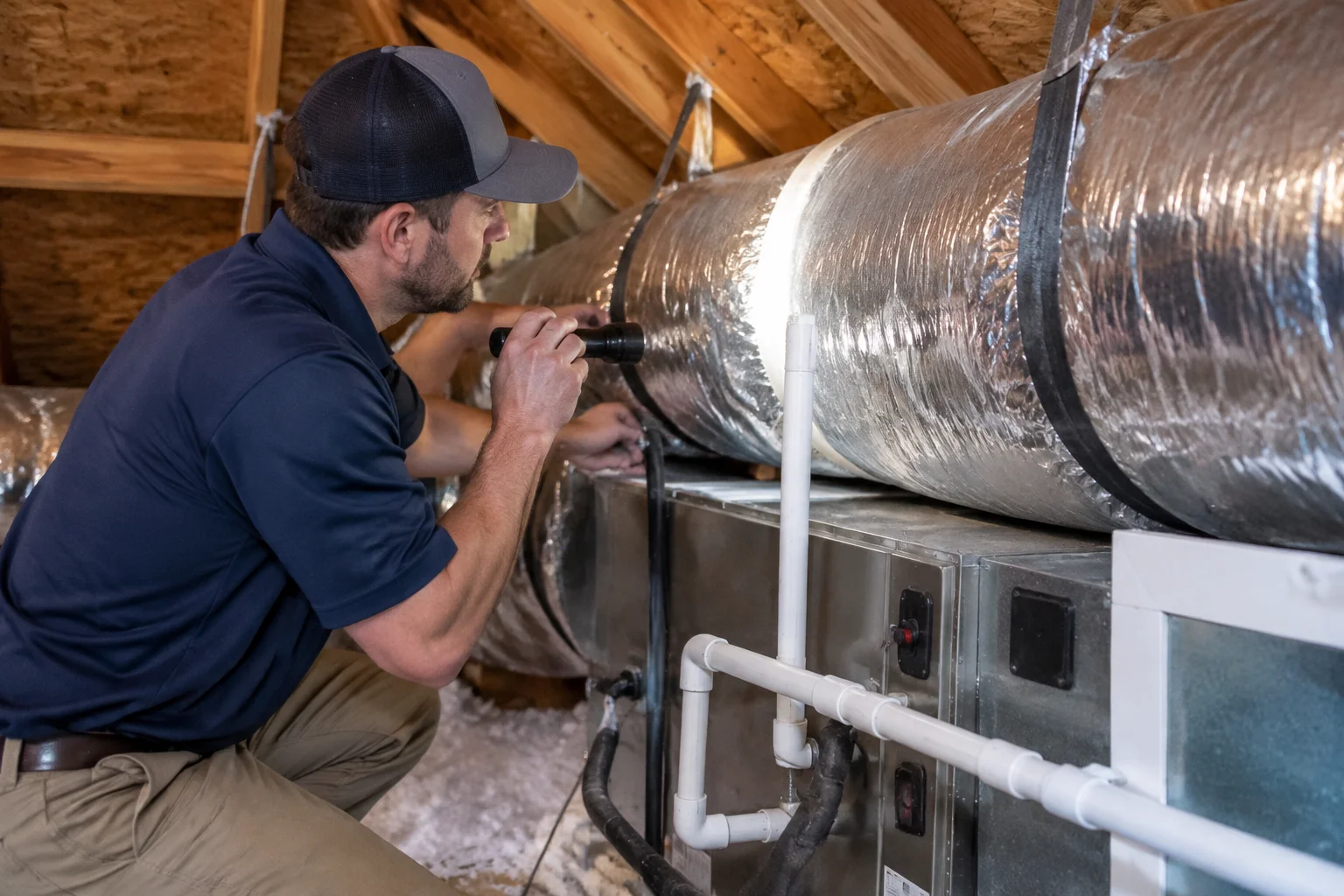
Ask whether the contractor is doing a duct inspection and verifying airflow paths, not just connecting supply and return. A practical starting point is a plan for duct sealing and airflow improvements before the peak season. Sealing alone is not a cure all, but it can reduce unwanted leakage that steals static pressure and makes comfort targets harder to reach.
If you are hearing complaints like “the front office is fine but the back room is hot,” that is often an airflow and distribution problem rather than a thermostat issue. In that situation, duct inspection near me searches usually lead to the right conversation, but it should begin with an installation quality review.
2) Proper condensate drainage and moisture management
Commercial air conditioning and heat pump systems remove humidity by condensing moisture on cooling coils. That condensate must drain correctly. If condensate drainage is improperly routed, pitched, or connected, you can see water problems, microbial growth risks, and intermittent system shutdowns.
Homeowners sometimes overlook condensate drainage because it is not visible once the job is finished. However, a correct drain line, correct trap or connection approach, and safe termination are central to long term reliability. Salt air and humidity can also accelerate corrosion and clogging in some environments, so drainage needs to be installed with durability in mind.
3) Refrigerant system setup and commissioning
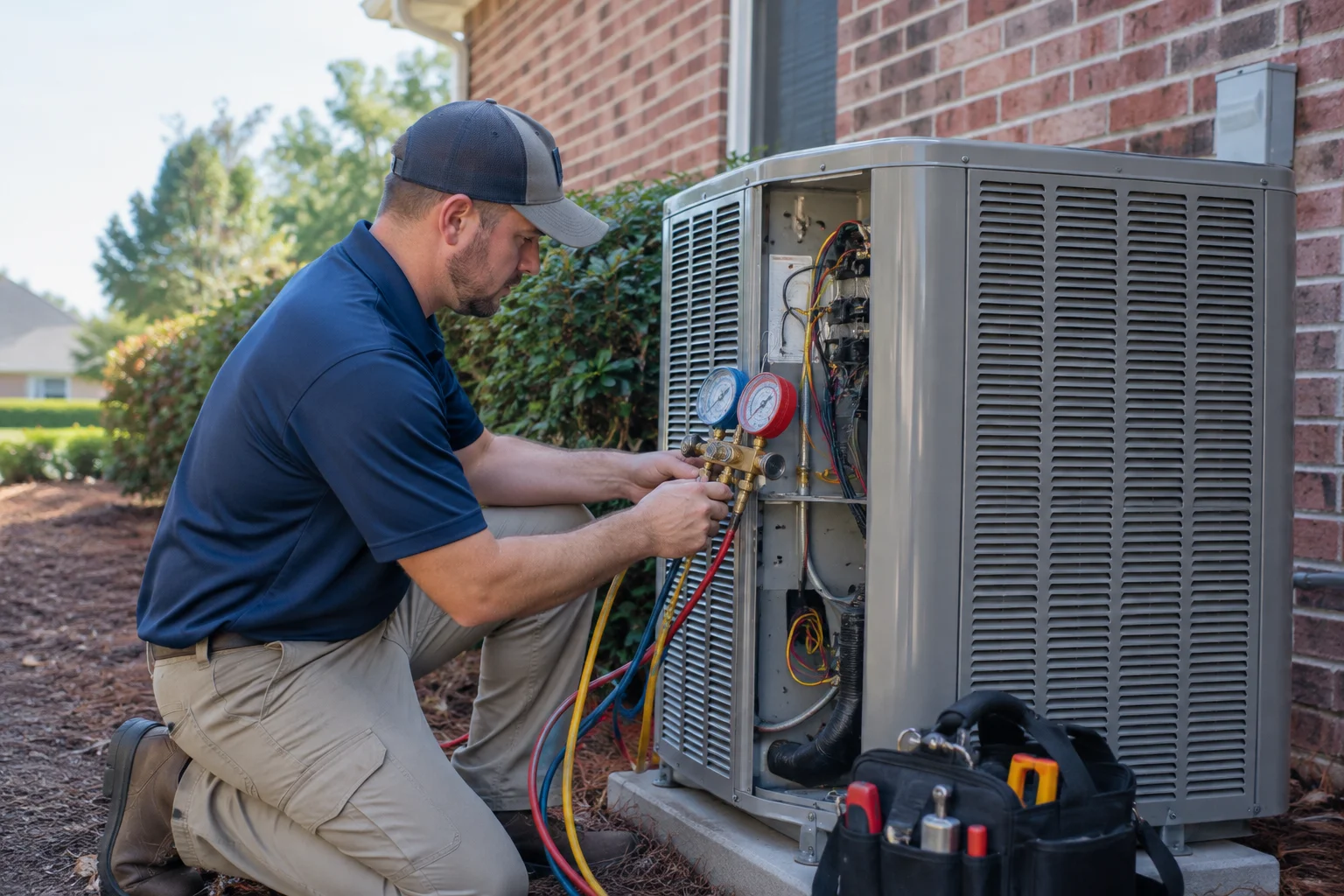
Refrigerant systems are designed to operate within specific conditions. If the refrigerant system is not properly set up during installation, the system may not perform as expected, and it may be more likely to experience abnormal cycling or pressure issues.
Homeowners should not attempt to self-diagnose refrigerant problems. A professional evaluation is needed on site. Still, you can ask whether the contractor will perform commissioning steps appropriate to the equipment and application. Commissioning is how you confirm the system is installed to operate as intended, including airflow, controls operation, and system behavior under load.
If you are comparing an AC replacement estimate near me or an HVAC installation near me quote, installation details should be part of the discussion, not just the equipment model. A licensed HVAC contractor near me should be able to explain commissioning in plain language.
4) Thermostat placement and smart control configuration
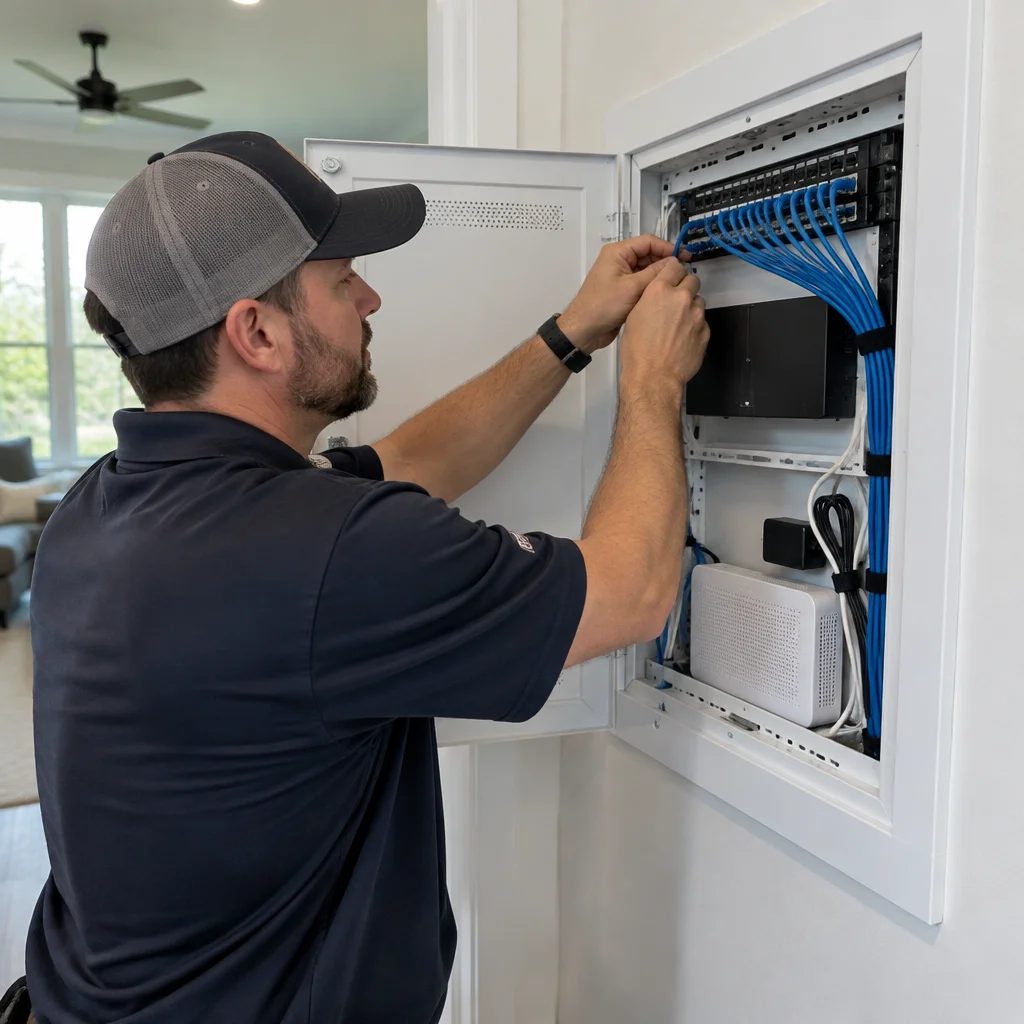
Thermostats are not just “set it and forget it” devices. In commercial spaces, thermostat placement can be affected by sun exposure, drafts from doors, airflow from supply vents, and occupancy patterns. If the thermostat is installed where it senses the wrong temperature or humidity conditions, the system may overrun or underperform.
In Parker, where humidity can drive comfort complaints, thermostat and control configuration should align with the building’s airflow realities. Smart controls can help, but only when they are correctly configured for the system type and the space. If tenants report frequent temperature swings, it may point to control strategy and airflow distribution, not just a thermostat replacement.
5) Equipment placement, rooftop units, and corrosion considerations
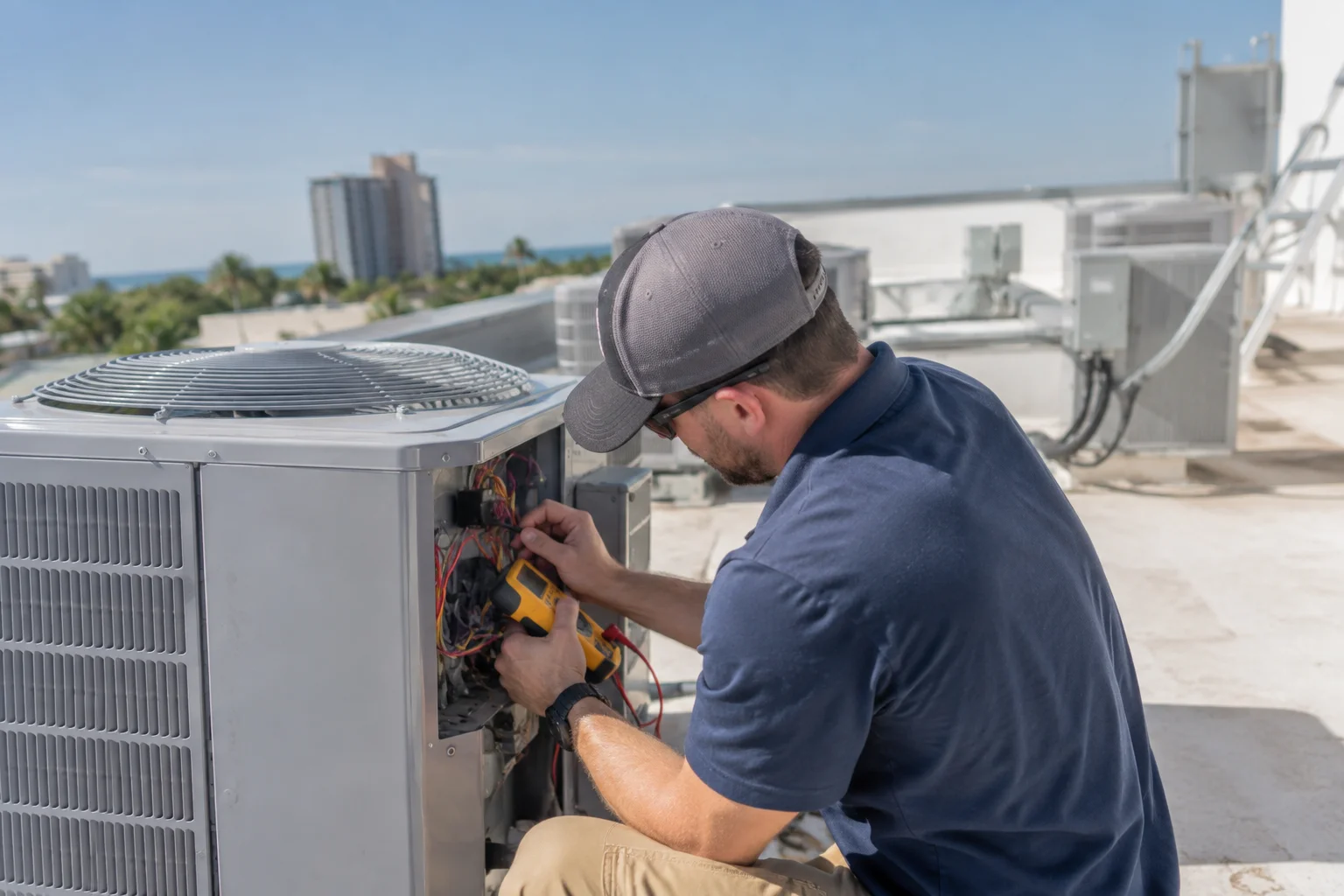
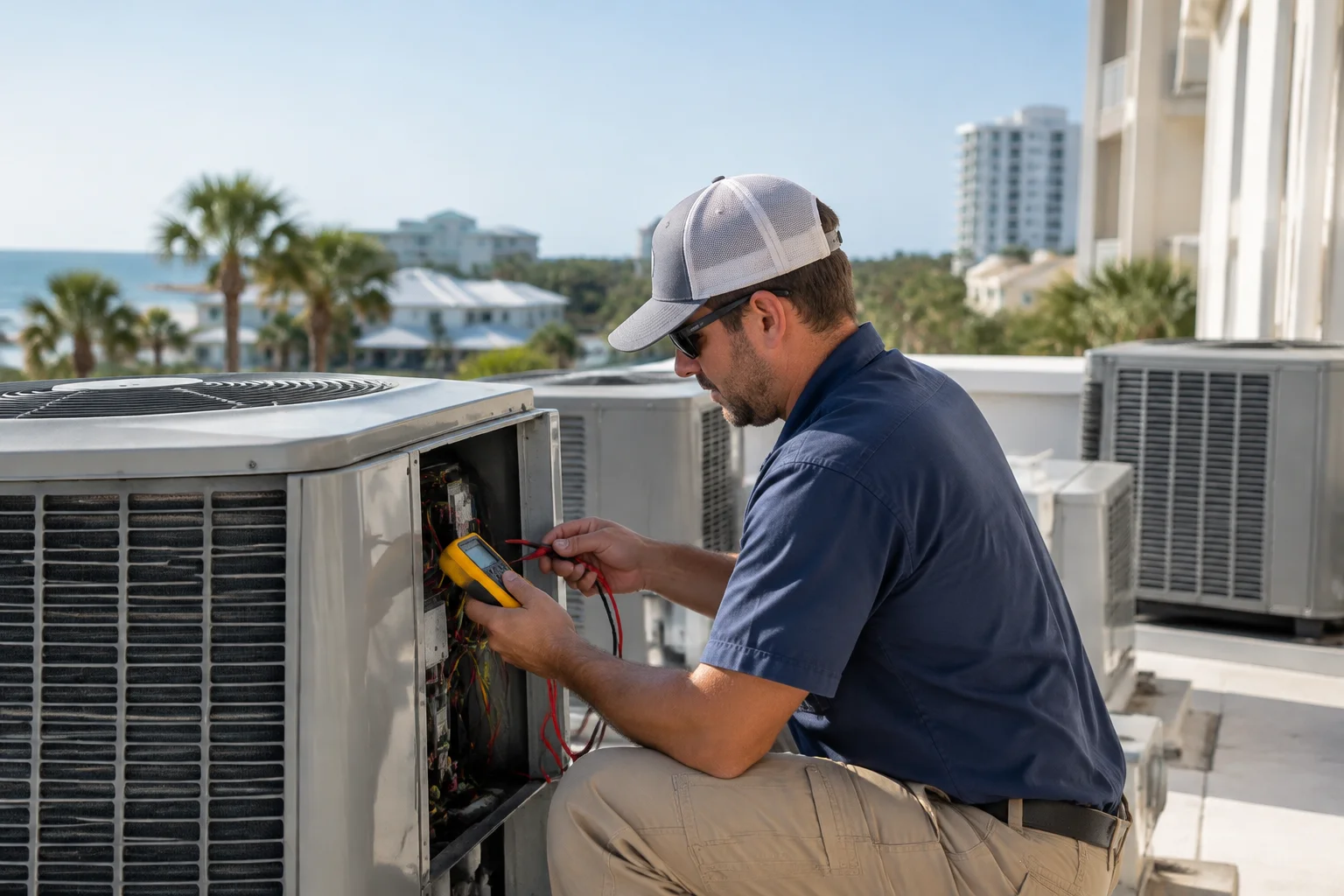
Many commercial properties use rooftop units, split systems, or other configurations depending on building layout. In Bay County, salt air can be a factor. That means equipment placement and protection matter.
Ask about how the contractor will handle clearances for airflow around the equipment, how they will protect exposed components, and how they will ensure condensate drainage and duct connections are sealed and routed correctly. Poor placement can restrict airflow to the outdoor section and increase strain on the system during hot weather.
Common homeowner oversights that trigger emergency cooling calls
These are the issues that repeatedly show up in real-world complaints after installation projects, especially in humid climates.
Overlooking duct inspection before system replacement
Some property owners plan an AC repair or air conditioning service response only after comfort complaints start. But when you are planning a system replacement or new installation, a duct inspection near me type of assessment can reveal leakage, blockages, or distribution problems that would otherwise force the new equipment to work harder.
If the duct system has gaps, loose connections, or sections that do not deliver air where it is needed, the result can be higher energy use and more frequent service calls. It can also create hot spots where occupants feel uncomfortable, which often leads to “emergency cooling” requests during peak heat.
Assuming more capacity equals better comfort
Oversizing can cause short cycling, reduced dehumidification, and uneven temperature control. Undersizing can lead to sustained high run times and strain on components. The goal is correct sizing and correct installation of distribution, not simply “bigger is better.”
Because Parker humidity affects comfort, humidity removal performance matters. The installation should be designed to manage both temperature and moisture, not just meet a thermostat setpoint.
Skipping preventive checks on condensate drainage after installation
Condensate drainage issues can develop or become obvious only after the system has run through humid conditions. If the installation includes a condensate line that is not verified and tested under realistic operating conditions, you may not see the problem until the first heavy humidity stretch.
That is a common path to sudden water-related complaints and emergency cooling concerns. A reliable installation includes verification that drainage is clear and operating as intended.
Not planning for indoor air quality during and after installation
Indoor air quality is often treated as an add-on, but the truth is that installation affects it. Airflow distribution, filtration approach, and the way air is exchanged all influence how comfortable spaces feel and how well they manage airborne particles and moisture.
If you are dealing with musty odors, allergy complaints, or persistent humidity, it may be tied to how the system is installed and how it handles moisture. A commercial HVAC service partner should consider indoor air quality as part of the installation plan, not just something you address later.
Energy use and comfort: how better installation reduces strain
Commercial HVAC energy use is shaped by how efficiently the system can move air, remove humidity, and operate at stable conditions. When installation details are handled well, the system typically runs more predictably and uses energy more efficiently for the comfort it delivers.
In Parker, where long cooling seasons are normal, even small installation errors can add up. Leaky ductwork can reduce airflow. Poor balancing can cause some zones to overwork. Incorrect control setup can lead to unnecessary cycling. These issues can increase wear and raise the odds of an unexpected breakdown during peak demand.
Heat pump service and AC service choices depend on installation quality
Some commercial properties use heat pumps, while others rely on air conditioning service with separate heating systems. Either way, installation quality affects performance.
If you are considering heat pump installation near me or planning a heat pump-related project, installation should account for airflow, condensate drainage, and control behavior in humid conditions. Heat pumps still need correct moisture management and proper distribution to maintain comfort.
When homeowners later search for heat pump repair near me or AC repair near me after installation problems, the root cause is sometimes installation related. That is why it is worth getting installation details right the first time.
How to work with a local commercial HVAC contractor in Parker
Homeowners searching for HVAC service near me often end up with a contractor who can respond quickly, but the best emergency prevention starts before the first hot day. Choose a team that treats installation as a designed system, not just equipment placement.
Use these questions when hiring a licensed HVAC contractor near me for commercial HVAC installation:
- Will you perform duct inspection and address airflow balance needs for this building?
- How will condensate drainage be installed, pitched, and verified after startup?
- What commissioning steps will be completed to confirm system performance?
- How will thermostat placement and control configuration be handled for commercial occupancy and sun exposure?
- How will the installation consider humidity management and indoor air quality?
- Will you coordinate rooftop unit or split system placement with airflow clearances and local conditions like salt air exposure?
If you want to keep commercial HVAC problems small in Parker, FL, installation quality and follow-up checks are closely tied to ongoing performance. That is why it helps to also review guidance like Keeping Commercial HVAC Problems Small in Parker, FL and Keeping Commercial HVAC Projects on Track in Parker, FL.
Preventive HVAC maintenance after installation is not optional
Even the best commercial HVAC installation needs preventive HVAC maintenance to stay reliable. Filters, airflow, condensate drainage, and system operation should be checked on a schedule that fits your usage patterns and the local climate.
For commercial properties, preventive maintenance can reduce the odds that a small issue becomes a mid-summer breakdown. When an HVAC maintenance near me search can prevent a mid-summer breakdown, it usually means technicians are catching airflow restrictions, moisture management issues, and control problems before they trigger emergency cooling concerns.
If you are planning your next service cycle, it can also help to review how to manage AC service demands during peak months, including tips from Keeping Parker Homes Cooler, Longer: Smart Ways to Manage Air Conditioning Service in Bay County.
Where to start if you are planning a commercial HVAC installation in Parker
If you are ready to move forward with a new system, a replacement, or a redesign for better comfort, start with the service area that matches your building type and needs. A Superior Mechanical provides custom commercial HVAC installation in Parker, FL for offices, retail spaces, restaurants, and multi-unit properties across Bay County.
Learn more about installation options, including ductwork and smart controls, at commercial HVAC installation in Parker, FL. For broader coverage across the area, visit Parker HVAC services and Bay County HVAC services.
Depending on your project, you may also want to compare related installation and service paths like Air Conditioning Installation, Air Conditioning Services, and Heating Services. If you manage tenants and want a plan for emergencies, review 24/7 Emergency HVAC Services so you are not scrambling during the hottest stretch.
Red flags that suggest installation or commissioning gaps
After installation or during early operation, watch for these patterns. They do not automatically mean a problem with every component, but they are signals to request a professional review rather than guessing.
- Repeated comfort complaints that seem tied to zones, not the thermostat.
- Humidity issues like persistent dampness, musty odors, or clammy spaces.
- Water around indoor units or evidence of condensate drainage problems.
- Frequent cycling or unstable temperature control during peak hours.
- Airflow feels weak in some areas even when the system is running.
- Higher than expected energy use compared to previous seasons.
If any of these show up, a homeowner should not attempt to adjust refrigerant systems or electrical controls. The right next step is an in-person evaluation by a qualified commercial HVAC technician who can verify airflow, drainage, controls operation, and system performance under real conditions.
Find Commercial HVAC Installation in Parker, FL
If you need Commercial HVAC Installation in Parker, FL, visit our local service page or contact A Superior Mechanical today.
Map of Parker, FL
Frequently Asked Questions
What parts of a commercial HVAC installation matter most for preventing emergencies in Parker, FL?
Ductwork airflow balance, condensate drainage, thermostat and control configuration, and commissioning checks are often the difference between steady comfort and emergency cooling calls. These details directly affect humidity control and how hard the system has to work during Florida heat.
How can ductwork installation affect indoor air quality and comfort?
When ductwork is leaking, poorly sized, or not balanced, some rooms can get too little airflow while others get too much. That can worsen humidity removal, increase temperature swings, and reduce overall indoor air quality performance. A duct inspection can help identify distribution problems early.
Why does condensate drainage come up after installation in humid climates?
Because air conditioning and heat pump systems remove moisture during cooling, condensate drainage has to be routed and verified correctly. If the drain line is not installed properly or not tested under realistic humidity conditions, you may see water issues or intermittent shutdowns later in the season.
Should I try to fix refrigerant or electrical issues myself if the system seems off?
No. Refrigerant systems and electrical components require safe, code-compliant handling and an in-person professional evaluation. If performance seems abnormal, call a licensed commercial HVAC contractor to inspect airflow, controls, and system operation.
What preventive HVAC maintenance helps most after a commercial installation?
Preventive maintenance focused on airflow, filtration, moisture management, condensate drainage, thermostat and control operation, and overall system performance helps catch small issues before they become mid-summer breakdowns. Scheduling visits before peak heat can reduce the chance of emergency cooling concerns.
Related Articles
Photo Gallery