Miramar Beach businesses run on comfort. When the air conditioner struggles or the humidity climbs, customers feel it and employees notice it fast. The good news is that commercial HVAC maintenance can prevent many of the most common problems we see in Walton County’s coastal climate. This guide walks through what to monitor for cooling performance, airflow, humidity, and condensate drainage, plus how professional service helps reduce emergency cooling concerns during Florida heat.
Why coastal weather makes commercial HVAC maintenance non optional in Miramar Beach
Commercial systems in Miramar Beach face a mix of challenges that are easy to underestimate. Warm temperatures are common for much of the year, and humidity is often high enough to affect comfort, indoor air quality, and equipment wear. Salt air from the Gulf can increase corrosion risk on outdoor components and metal ductwork. Add in sandy coastal conditions, and it is not unusual to see faster buildup on coils and in filters than you would in a drier region.
That combination can lead to reduced heat transfer, strain on refrigerant systems, and airflow problems that make cooling feel weak even when the thermostat is calling for more. Regular maintenance helps keep cooling steady, supports energy use targets, and helps your facility avoid the kind of mid week breakdown that disrupts operations.
If you manage a property or oversee facilities, it also helps to think of maintenance as risk management. For homeowners searching for HVAC service near me during peak season, the same logic applies to commercial buildings. A proactive plan is usually easier than reacting when the system cannot keep up.
Cooling performance: what to check in a commercial air conditioning system
Cooling is the headline for most Miramar Beach businesses, but the “cooling problem” can come from different places. Maintenance focuses on the basics that influence how well your system moves heat out of the building and into the outdoors.
1) Outdoor unit and coil condition
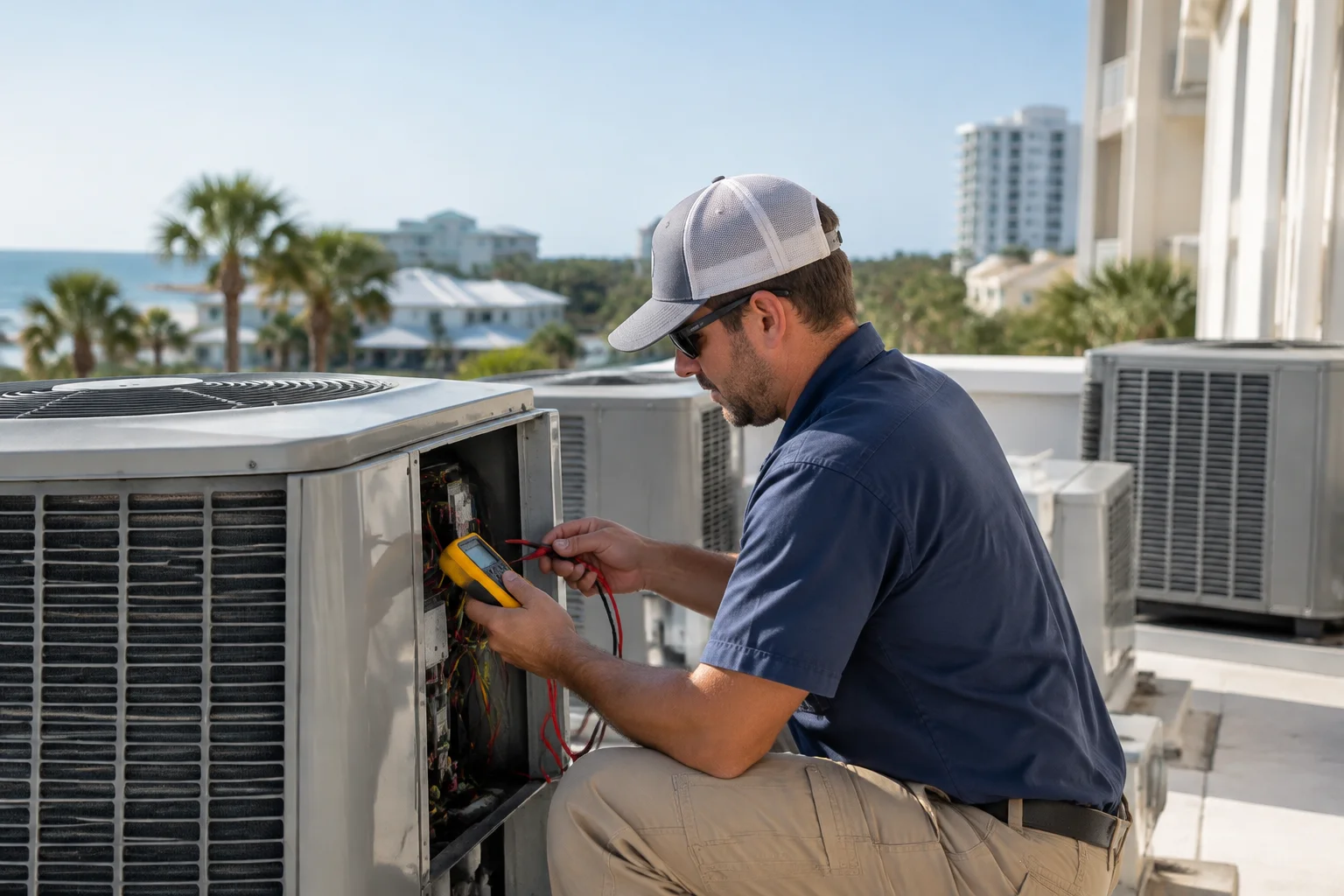
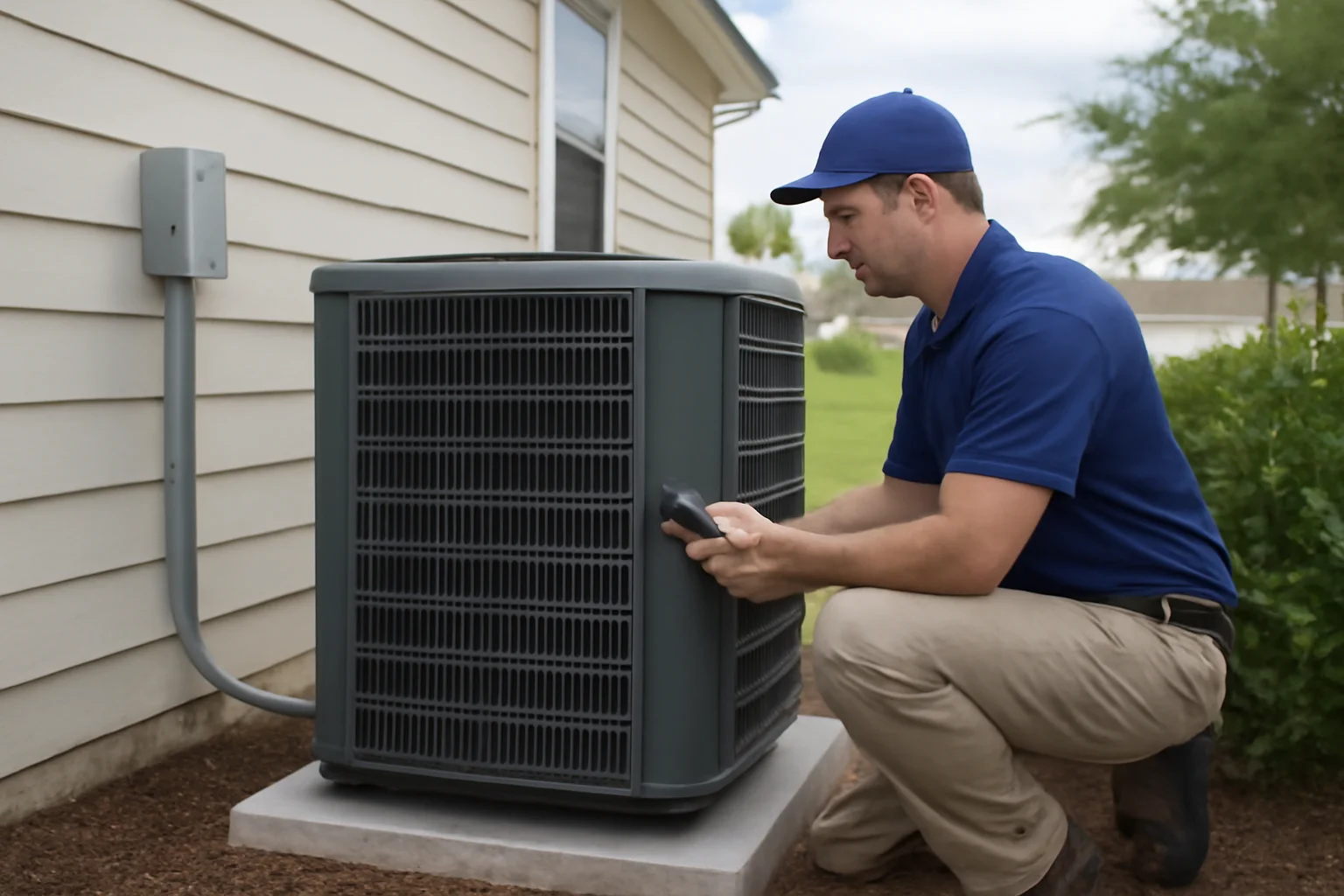
Salt air and humidity can accelerate corrosion and residue buildup. Technicians typically inspect the outdoor unit for debris, check coil cleanliness, and look for signs of airflow restriction. When coils are dirty, the system can struggle to reject heat, which can increase run time and raise energy use.
2) Refrigerant system health indicators
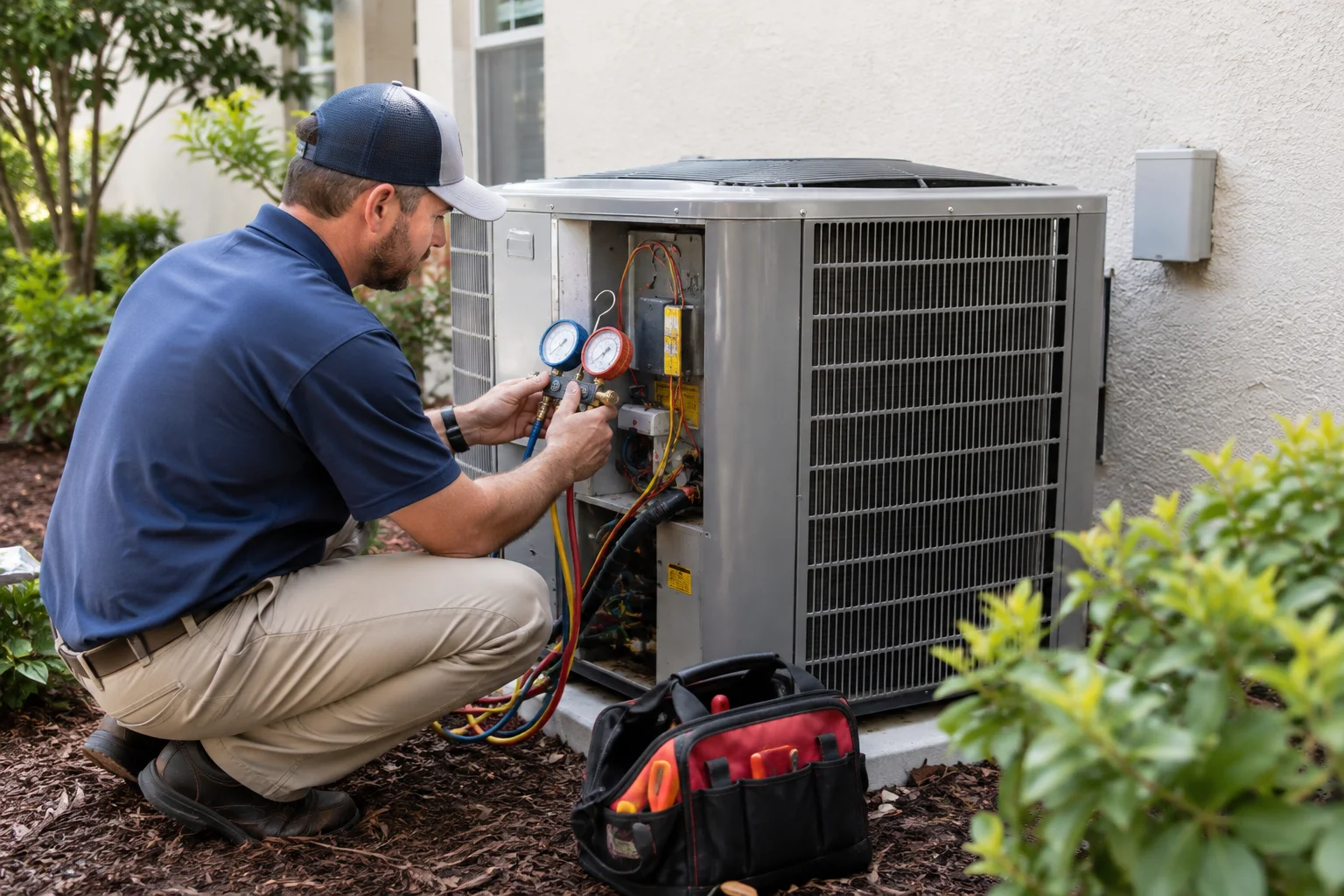
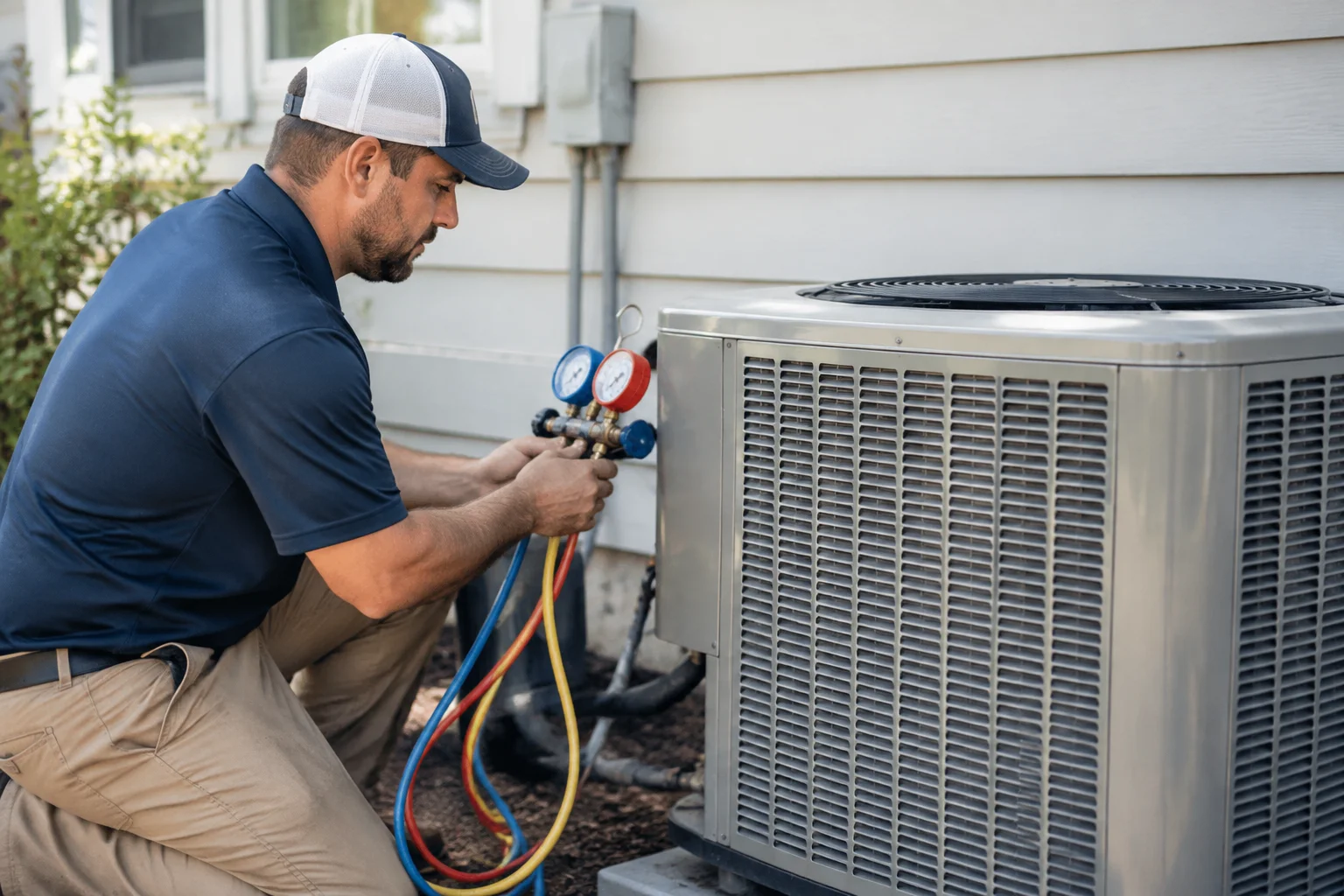
Commercial HVAC systems use refrigerant to move heat. Problems in this system can show up indirectly as poor cooling, unstable temperatures, or abnormal operation. A professional should evaluate refrigerant system performance using appropriate tools and procedures. Homeowners and facility managers should avoid trying to self diagnose refrigerant issues, because it involves safety and proper measurement.
If cooling performance is inconsistent, it is also important to consider how the thermostat and controls are configured. A thermostat that is inaccurate or a control sequence that is not aligned with occupancy schedules can make the system short cycle or run longer than necessary.
3) Condensate drainage and moisture removal
Humidity control depends on condensate drainage. If condensate drainage is restricted, water can back up and reduce cooling efficiency. It can also contribute to indoor air quality problems by increasing moisture in areas that should stay dry.
During maintenance, professionals inspect drainage lines, check for proper flow, and look for signs of microbial growth or standing water. This matters especially in Florida humidity, where systems often run in conditions that produce condensate continuously.
Airflow: the comfort lever most businesses can feel immediately
Even when cooling equipment is working, poor airflow can make a building feel uneven. One side may be cold while another stays warm. Maintenance targets airflow so the system can deliver the comfort you expect.
1) Supply and return air balance
Technicians evaluate whether air is moving where it should. A blocked return path or an obstructed supply can reduce airflow and cause pressure imbalances. In commercial spaces like retail stores and restaurants, airflow can be affected by layout changes, new shelving, or temporary construction.
2) Filters, fan performance, and system strain
Filters are a simple part of the system, but they affect airflow and energy use. If filters are too restrictive or not changed on schedule, the fan works harder and the coils can foul faster. That can lead to higher operating costs and more wear on components.
Maintenance also typically includes checking fan operation and verifying that dampers and actuators are functioning as intended. When airflow is weak, cooling can feel “underpowered” even though the issue is actually distribution.
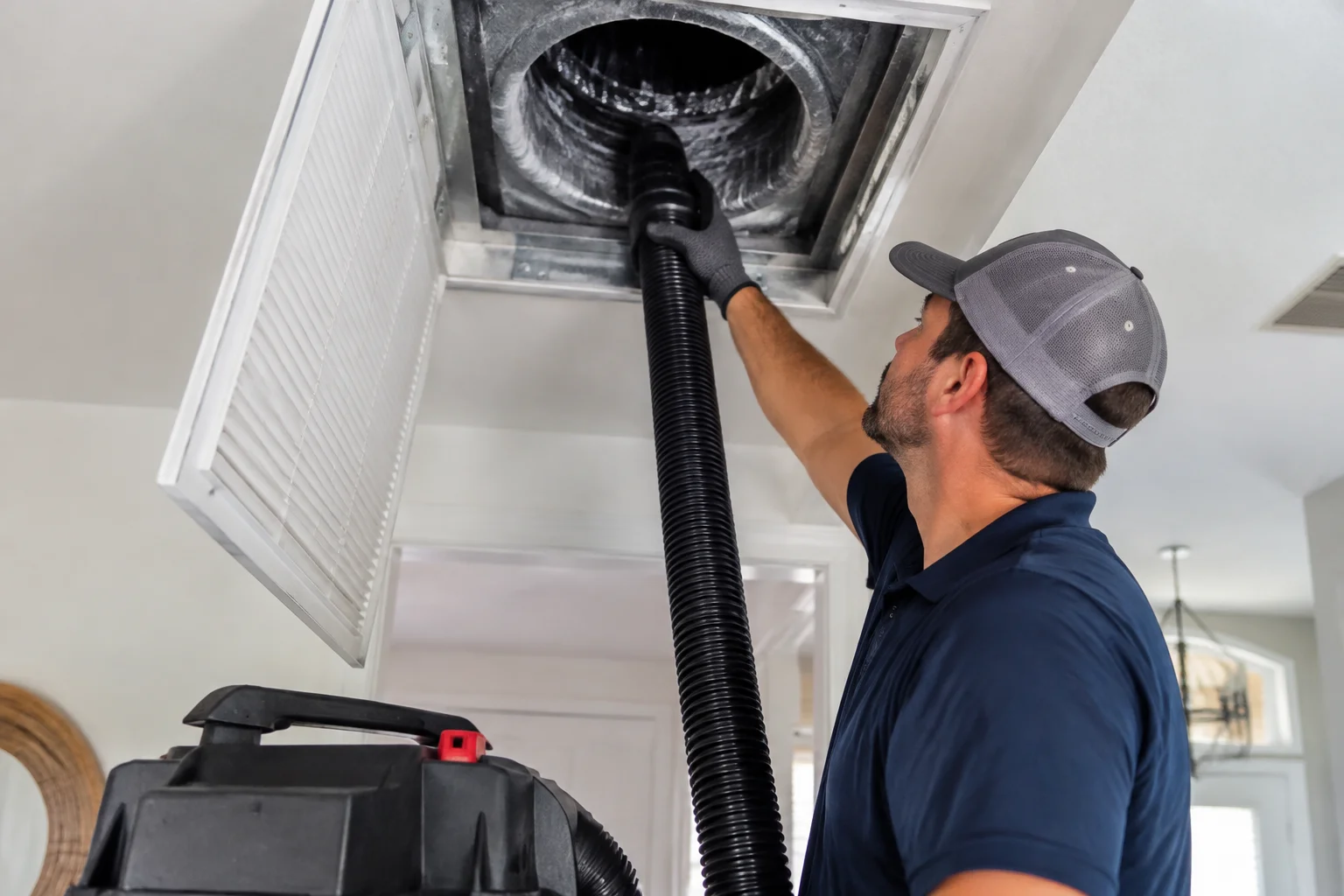
3) Ductwork condition and duct repair needs
Commercial ductwork can develop leaks, loose connections, or insulation damage over time. In coastal environments, duct insulation can take on moisture if the system runs with drainage issues or if outdoor air infiltration is higher than expected. Maintenance should include duct inspection for condition and airflow efficiency.
If you suspect ductwork issues, it is worth reading Why Preventive HVAC Service Matters for Duct Inspection in Miramar Beach Homes to understand how small duct problems can snowball into comfort complaints.
For facility managers searching for duct repair near me, choosing a contractor that understands commercial airflow patterns and ductwork pressure relationships is key. Duct repair is not only about sealing leaks. It is also about restoring the system’s intended airflow and temperature distribution.
Humidity control: comfort and indoor air quality in Walton County
In Miramar Beach, humidity is not just uncomfortable. It can influence indoor air quality, occupant comfort, and even how your HVAC system behaves. When humidity is high, cooling can feel ineffective because the air feels sticky and temperatures do not feel as low as the thermostat setting.
1) Coil temperature and condensate management
Humidity removal depends on cooling coil performance and how condensate drains. If coils are dirty or airflow is off, the system may not dehumidify well. That is why maintenance that targets coil cleanliness, airflow, and drainage is so important.
2) Indoor air quality services that support comfort
Humidity control and indoor air quality are connected. Moisture can encourage microbial growth if systems or drain pans are not maintained. Air filtration and ventilation strategies also affect how clean the indoor air feels.
If your building has higher humidity complaints, odors, or recurring “stuffy air” reports, ask about indoor air quality services. For homeowners searching for indoor air quality services near me, the same idea applies to commercial spaces: the goal is to reduce contaminants while keeping humidity within a comfortable range.
3) Occupant schedules and thermostat settings
Commercial thermostats and building controls should match occupancy. If schedules are too aggressive or settings are not aligned with how the building is used, systems can run longer than needed or fail to maintain stable humidity. A professional can review how thermostats and control sequences are programmed to support comfort and reduce excess energy use.
If you want to modernize controls, consider reviewing Smart Thermostats for guidance on how better control can support consistent comfort.
Preventive maintenance tasks that protect commercial equipment
A well designed maintenance plan typically includes recurring inspections and service steps that reduce the chance of an unexpected shutdown. The exact scope can vary by system type and building needs, but the priorities below are common for Miramar Beach facilities.
Seasonal inspections for cooling season readiness
Before the hottest weeks, maintenance should focus on:
- Inspecting outdoor units for debris, corrosion risk, and airflow restrictions
- Checking indoor air handling components for cleanliness and safe operation
- Reviewing thermostat operation and control sequences
- Confirming condensate drainage is clear and draining properly
- Verifying airflow paths through ducts and registers are unobstructed
Airflow and filtration checks throughout the season
Many comfort complaints come from airflow changes over time. Filters may load with dust, and commercial spaces may experience higher particulate loads due to foot traffic, events, or cooking operations. A maintenance schedule that includes filter and airflow review helps prevent cooling decline.
Refrigerant system evaluation by a qualified professional
Refrigerant systems are designed to operate within specific conditions. When cooling performance drops, it is tempting to assume the refrigerant level is the cause. A professional evaluation is required to determine what is actually happening and to avoid unsafe or incorrect actions.
For facility managers, the best approach is to treat refrigerant concerns as a professional assessment topic, not a do it yourself project. Proper diagnosis helps avoid wasted time and repeated breakdowns.
Common commercial HVAC issues in Miramar Beach (and why they happen)
Here are a few issues that show up frequently for commercial customers around Miramar Beach and Walton County, along with the maintenance logic behind prevention.
1) Weak cooling and hot spots
Causes often include restricted airflow, dirty coils, duct leaks, or control issues. Maintenance addresses coil cleanliness and airflow first because they directly affect how efficiently the system can cool the space.
2) High indoor humidity and sticky air
When humidity is not controlled, check condensate drainage, coil condition, and airflow distribution. If drainage is blocked, moisture can build up where it should not.
3) Short cycling and temperature swings
Short cycling can happen when systems do not have the airflow, load calculation, or control stability needed to run through a normal cycle. Maintenance can reveal blocked filters, sensor issues, or airflow restrictions.
4) Musty odors or recurring moisture concerns
Odors often relate to moisture, drain pan condition, or airflow patterns that keep damp areas active. Maintenance that includes condensate drainage and coil inspection supports indoor air quality.
Why professional commercial HVAC maintenance matters more than a checklist
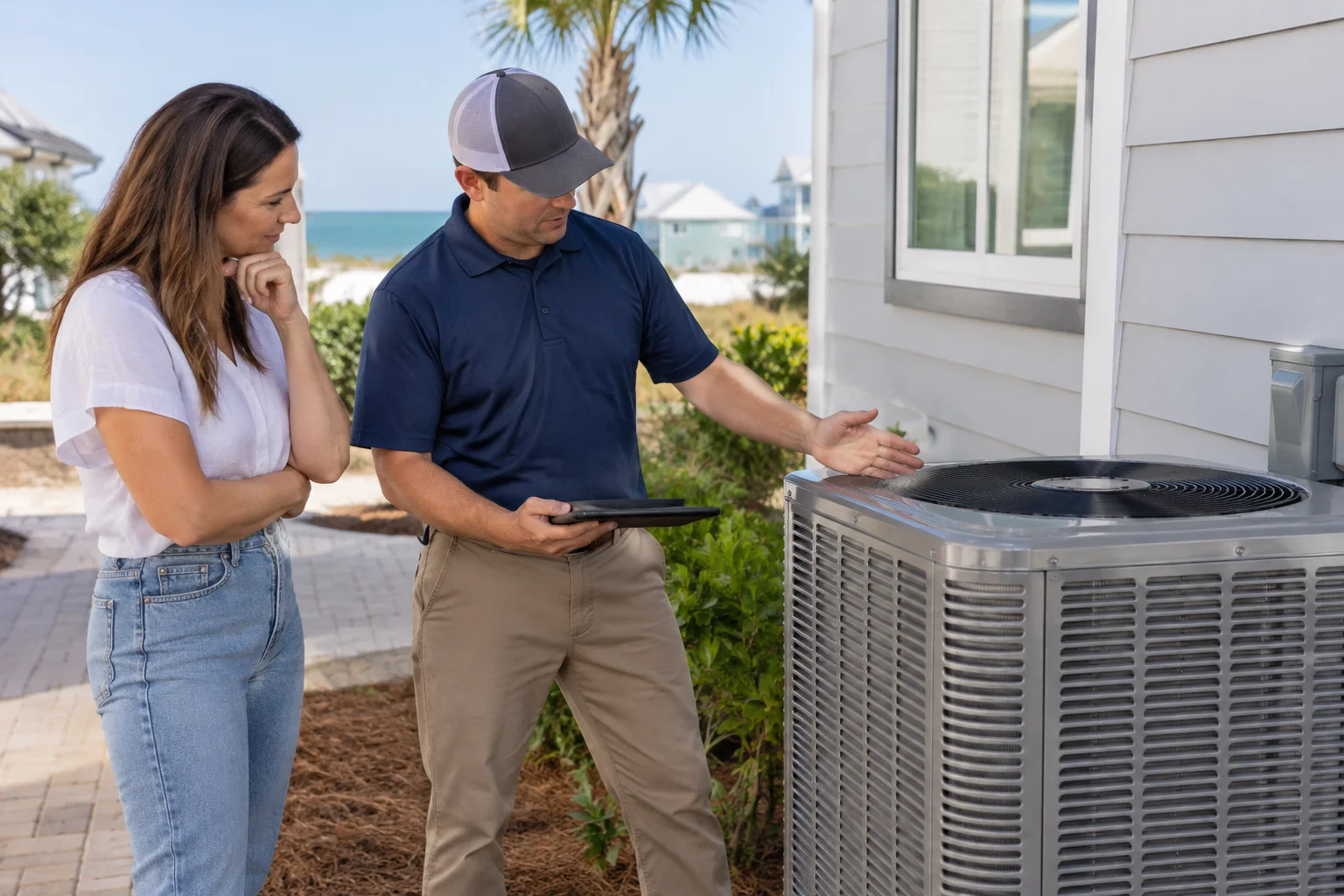
Commercial buildings are not just bigger homes. They have different airflow demands, multiple zones, business schedules, and comfort requirements that can change by day. A licensed HVAC contractor near you should be able to evaluate how the whole system is performing, not just whether the equipment powers on.
Professional service also matters because coastal conditions can hide problems. Corrosion may be visible on one part of the unit while another component is quietly degrading. Airflow problems may be subtle until a heat wave hits. A qualified technician can identify patterns during maintenance visits and help you plan repairs before they become emergency AC repair concerns.
If your team is searching for an HVAC contractor near me for commercial work, look for contractors that understand preventive HVAC maintenance and can explain what they found and why it matters to comfort, airflow, and indoor air quality.
Emergency cooling concerns: what to do when the system fails during Florida heat
Even with strong preventive HVAC maintenance, emergencies can happen. Florida heat can turn a minor issue into a major problem quickly, especially for businesses that cannot close or that have temperature sensitive operations.
If cooling stops or the system is not keeping up, treat it as an emergency cooling concern. For many homeowners searching for emergency AC repair near me, the key is to contact a professional promptly and avoid repeated resets that can delay diagnosis. A technician can evaluate airflow, controls, and system operation safely.
For businesses, it also helps to have a simple internal plan: who calls the HVAC contractor, where building access keys are stored, and how occupants will respond if certain areas become uncomfortable while repairs are underway.
Managed properties and multi tenant buildings: maintenance that stays consistent
Some commercial operations in Miramar Beach involve property management, multiple units, or frequent guest turnover. Comfort complaints can spike when systems are not maintained consistently. If you manage properties, it is helpful to align maintenance with occupancy patterns and seasonal weather swings.
For facilities that need ongoing coordination, review Property Management HVAC Services. It can help you structure maintenance so comfort stays steady across properties.
For year round comfort planning, see Keeping Miramar Beach Properties Comfortable Year Round: HVAC Practices That Pay Off for Managed Homes for practical ideas that translate well to commercial management.
How to plan for HVAC replacement and upgrades without losing control of comfort
Maintenance reduces breakdown risk, but equipment eventually reaches the end of its service life. When you start thinking about HVAC replacement near me or system upgrades, the best step is to base decisions on an in person assessment of the current equipment, ductwork condition, airflow performance, and control strategy.
Do not rely on online estimates or assumptions about refrigerant issues. A local HVAC contractor should evaluate the building’s cooling load, ductwork distribution, and system condition. If you are considering upgrades like heat pump systems, ask about how humidity control and coastal conditions will affect performance.
Some facilities also explore alternatives based on building goals. If your site is considering different technology, you can learn more through Geothermal Energy HVAC Systems. For multi zone comfort, Ductless Mini-Splits may be relevant depending on the building layout.
Start with the right maintenance plan for your Miramar Beach commercial HVAC
If you want a practical, preventive approach tailored to commercial systems in Miramar Beach, start by reviewing A Superior Mechanical’s commercial HVAC maintenance service for the area. You can find details here: /service-areas/walton-county/miramar-beach/commercial-hvac-maintenance-mbwcfl. You can also explore the broader service area coverage on /service-areas/walton-county/miramar-beach and /service-areas/walton-county.
For homeowners and property managers comparing notes, it is also useful to understand why repairs and maintenance go together. If you are weighing repair options or trying to reduce repeat failures, read Why Commercial HVAC Repair Matters to Home Comfort in Miramar Beach.
When you treat cooling, airflow, and humidity as connected parts of one system, preventive HVAC maintenance becomes more than upkeep. It becomes a way to protect comfort, reduce energy use, and keep your facility ready for Miramar Beach’s hottest stretches.
Find Commercial HVAC Maintenance in Miramar Beach, FL
If you need Commercial HVAC Maintenance in Miramar Beach, FL, visit our local service page or contact A Superior Mechanical today.
Map of Miramar Beach, FL
Frequently Asked Questions
How often should a Miramar Beach business schedule commercial HVAC maintenance?
Most commercial facilities benefit from seasonal maintenance before peak cooling demand, plus periodic checks during the cooling season. The right schedule depends on system type, occupancy patterns, filtration needs, and how often the building experiences high humidity. A Superior Mechanical can help you set a plan that fits your operation.
Can high humidity in a commercial building be caused by airflow problems?
Yes. Humidity control relies on proper coil performance, airflow, and condensate drainage. If airflow is restricted or ductwork is leaking, the system may not remove moisture effectively, even if the thermostat is calling for cooling.
What are common causes of weak cooling in commercial AC systems on the Gulf Coast?
Weak cooling can come from dirty coils, restricted airflow, ductwork issues, control or thermostat problems, or refrigerant system performance concerns. Because refrigerant and system diagnostics require in person evaluation, it is best to have a licensed HVAC contractor assess the equipment and airflow first.
Should facility managers try to handle refrigerant issues themselves?
No. Refrigerant systems require safe handling and correct measurement. If cooling performance suggests a refrigerant concern, a professional should evaluate the system on site to determine the actual cause before any corrective action is taken.
What should we do if the AC fails during a hot day?
Contact a qualified HVAC contractor right away and avoid repeated resets. Ask the technician to focus on airflow, controls, and overall system operation. For urgent situations, having a maintenance history can also help the contractor troubleshoot faster.
Related Articles
- Why Commercial HVAC Repair Matters to Home Comfort in Miramar Beach
- Why Preventive HVAC Service Matters for Duct Inspection in Miramar Beach Homes
- Keeping Cool Fast in Miramar Beach: A Homeowner's Guide to Emergency HVAC Care
- Keeping Miramar Beach Properties Comfortable Year Round: HVAC Practices That Pay Off for Managed Homes
Photo Gallery