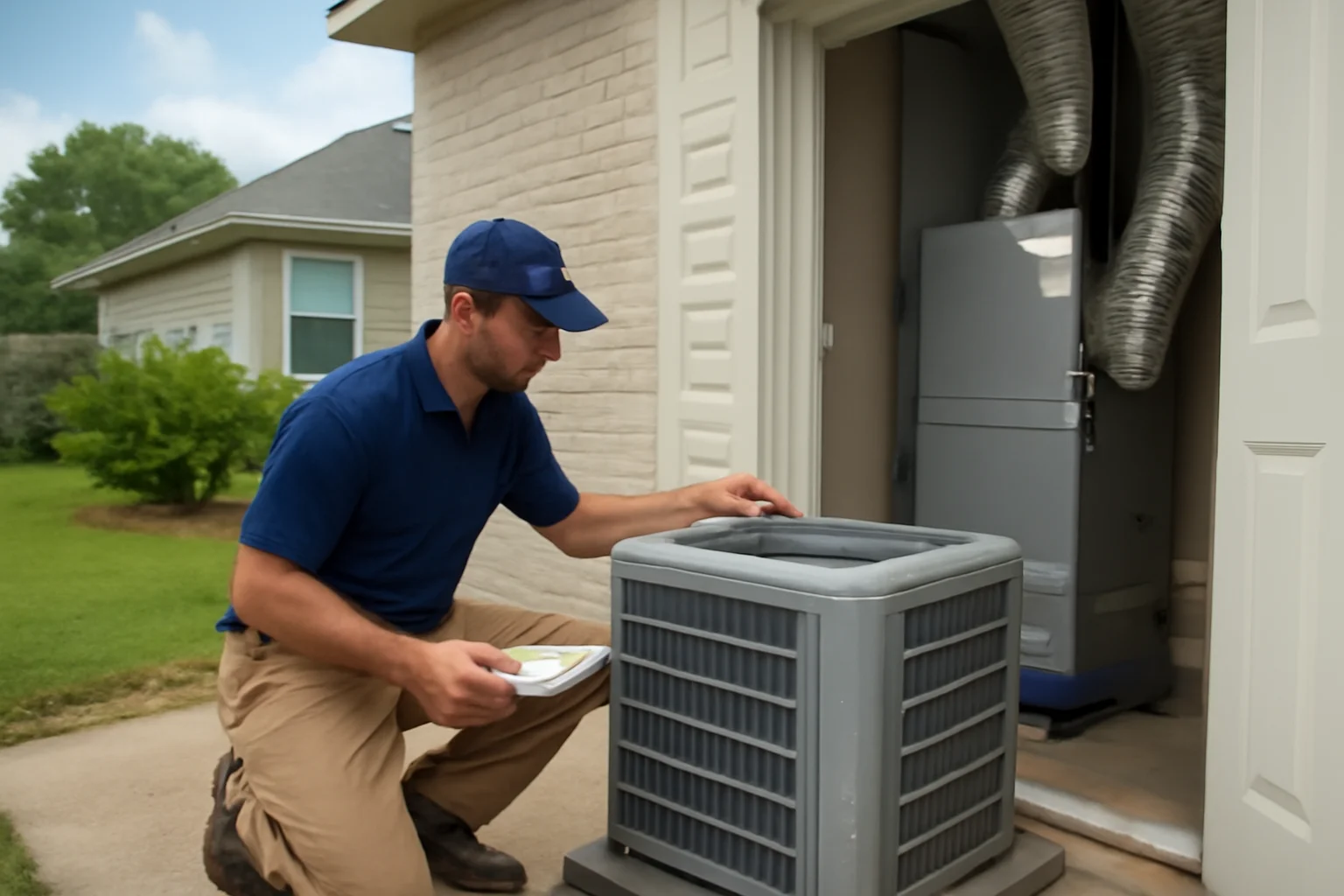
Grayton Beach feels like a postcard for most of the year, but the climate is demanding on commercial HVAC systems. Warm Gulf air, frequent humidity, and salt-laden coastal conditions can stress refrigerant systems, ductwork, and condensate drainage. When a new commercial HVAC installation is done with the right design and careful commissioning, the system holds steady. When key details are missed, warning signs often show up quickly, then worsen during peak cooling months.
This guide connects common “HVAC warning signs” to likely installation-related causes, with a focus on year-round protection for Walton County properties. If you are a homeowner managing a commercial space, a condo with shared equipment, or a mixed-use property, you will find practical checks and clear reasons to involve a local, licensed HVAC contractor.
Why commercial HVAC installation quality shows up as cooling and airflow problems
In Grayton Beach, comfort depends on more than “cold air.” The system must deliver the right airflow to the right places, manage indoor humidity, and keep the refrigerant system operating within its intended conditions. Many installation issues do not cause an immediate failure. Instead, they create symptoms that look like normal wear until the system struggles to keep up.
Commercial HVAC installation is also tied to building-specific factors like duct layout, supply and return placement, insulation levels, thermostat control strategy, and condensate drainage routing. If those pieces are not matched to the building, you can see recurring complaints that sound unrelated at first, such as:
- Rooms that are always too warm or too cold
- Strong temperature swings throughout the day
- Air that feels weak or uneven, even when the system runs
- Moisture issues, musty odors, or condensation on surfaces
- Higher energy use that increases with each cooling season
Cooling warning signs that often trace back to installation details
1) The system runs constantly but indoor temperatures never stabilize
Continuous run time is a major clue. In a properly installed commercial system, the thermostat should cycle based on load, not because the building is stuck in a constant “catch up” mode. If the system runs without reaching setpoint, common installation-connected causes include:
- Airflow restriction from ductwork that is undersized, poorly connected, or not properly sealed.
- Incorrect duct design that does not match the building’s pressure needs.
- Refrigerant system conditions that are not properly verified during commissioning. This needs in-person evaluation, not guesswork.
- Thermostat control setup that does not reflect actual operating conditions (for example, control settings that do not coordinate with zoning or staging).
For homeowners searching for air conditioning repair near me or HVAC service near me, this symptom often leads to repeated “it’s working” calls. A better approach is to ask the contractor to review the installation and airflow balance as part of the troubleshooting plan.
2) Cooling is strong in one area and weak in another
Uneven cooling can be linked to ductwork issues like poor duct sealing, missing dampers or balancing, or supply air that is not distributed as designed. Coastal humidity also makes comfort complaints more noticeable because occupants feel sticky when air movement is weak.
If you are dealing with uneven temperatures, consider whether duct sealing or duct repair is part of the solution. You can explore options through duct sealing and duct replacement when ductwork problems are severe.
3) Short cycling or the system starts and stops too frequently
Short cycling can happen when the system is not getting the correct airflow or when controls are not set up to match the equipment and building. In commercial installations, short cycling can be especially disruptive because it can increase wear and lead to inconsistent humidity control. While a homeowner can observe the pattern, diagnosing the root cause should be handled by a licensed HVAC contractor.
Airflow warning signs tied to ductwork, returns, and system setup
In Grayton Beach, airflow is comfort. Even when the temperature is close to target, weak airflow can make the space feel warmer because the body relies on air movement to feel cooler. It also impacts how effectively the system removes moisture.
4) Weak airflow from vents, especially after the system was “new” or recently serviced
Weak airflow can be caused by:
- Supply ducts that do not deliver air where it is needed
- Return pathways that are blocked, undersized, or not connected as planned
- Improper duct connections that leak air and reduce performance
- Filters that are not the right type or not maintained
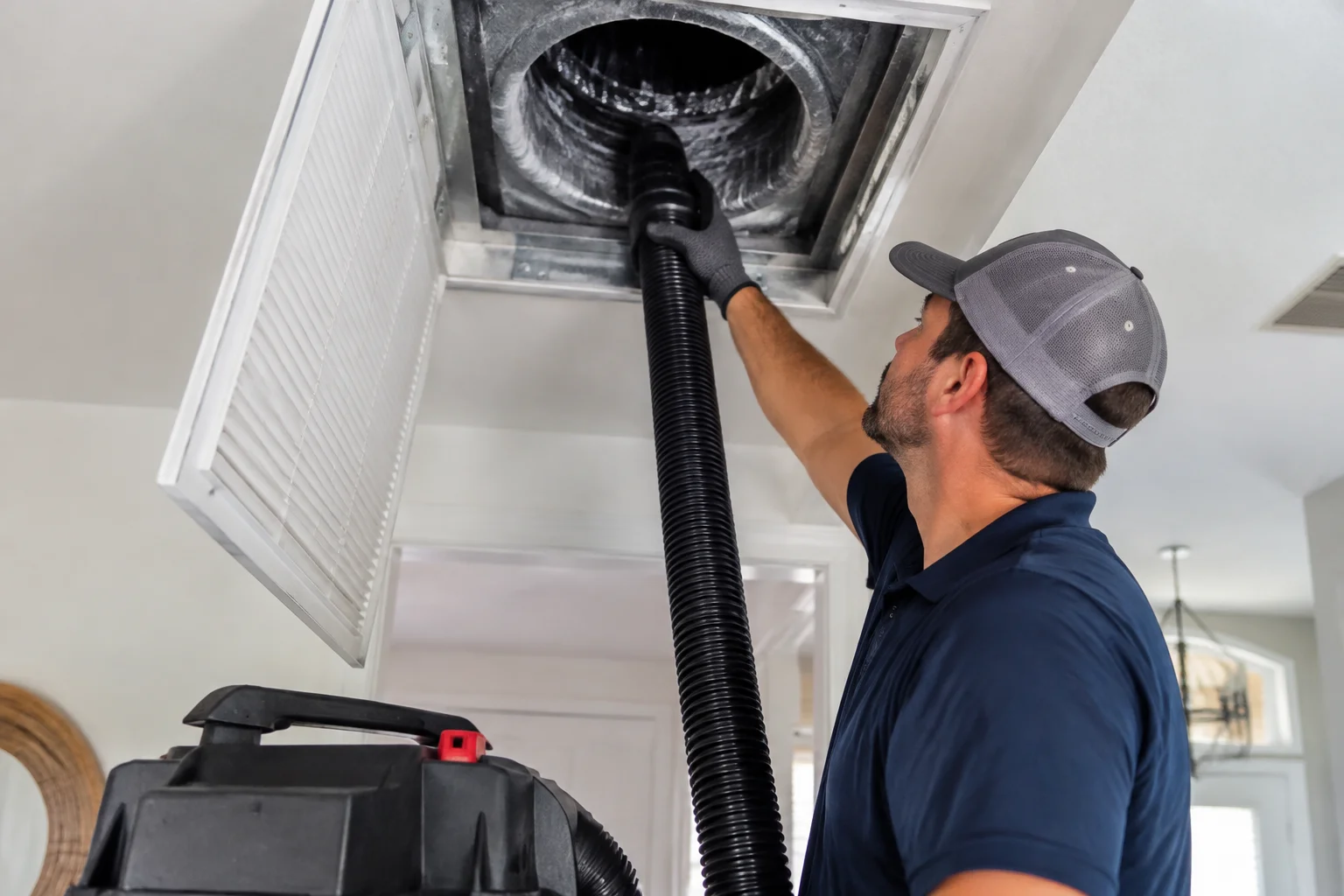
If you are looking for duct cleaning near me, remember that cleaning alone does not fix commissioning problems. It can help when dust buildup is significant, but poor airflow distribution usually requires balancing, ductwork repair, or duct sealing.
5) Airflow changes season to season, with complaints increasing during peak heat
A system that performs acceptably early in the year but struggles during Florida heat often indicates that the installation is not robust under peak load. In coastal climates, the load can rise quickly due to humidity, solar gain, and building envelope changes. When airflow cannot keep up, the system may still “run,” but indoor comfort will not match expectations.
This is also where an HVAC service near me professional can help confirm that the system and ductwork are operating as designed, rather than treating symptoms with repeated resets.
Humidity warning signs connected to installation and condensate drainage
Florida humidity is not a minor inconvenience. It is a core load factor. A commercial HVAC system needs to cool and dehumidify at the same time. If installation details interfere with moisture removal, you can see problems even when the temperature feels “okay.”
6) Condensation, damp drywall, or water around the indoor unit
Excess condensation can point to condensate drainage problems. During commercial HVAC installation, condensate lines must be routed correctly, sloped properly, and connected securely. If drainage is restricted or improperly installed, water can overflow, back up, or evaporate into the space.
Because this involves moisture and drainage, it can also affect indoor air quality. Standing moisture can support microbial growth and worsen musty odors.
7) Musty odors or persistent “wet air” feeling even when temperatures are set correctly
Musty odors often correlate with humidity control issues. When airflow is off, the coil may not operate as intended. When condensate drainage is not managed correctly, moisture can remain where it should not. Salt air and coastal conditions can also increase corrosion risk on components, which can create additional maintenance needs over time.
For homeowners thinking about indoor air quality, the key is to address the source of moisture and airflow imbalance. A contractor can review the system’s ability to remove humidity and verify that the installation supports proper condensate drainage and airflow.
8) Indoor humidity stays high, and occupants complain of sticky air
High humidity can come from:
- Airflow problems that reduce dehumidification performance
- Control settings that do not allow adequate run time for moisture removal
- Refrigerant system issues that require professional checks
It is tempting to adjust thermostat settings and hope for the best. In many cases, humidity complaints persist because the underlying installation and commissioning details are not aligned with the building’s load.
Refrigerant system warning signs and why homeowners should avoid DIY conclusions
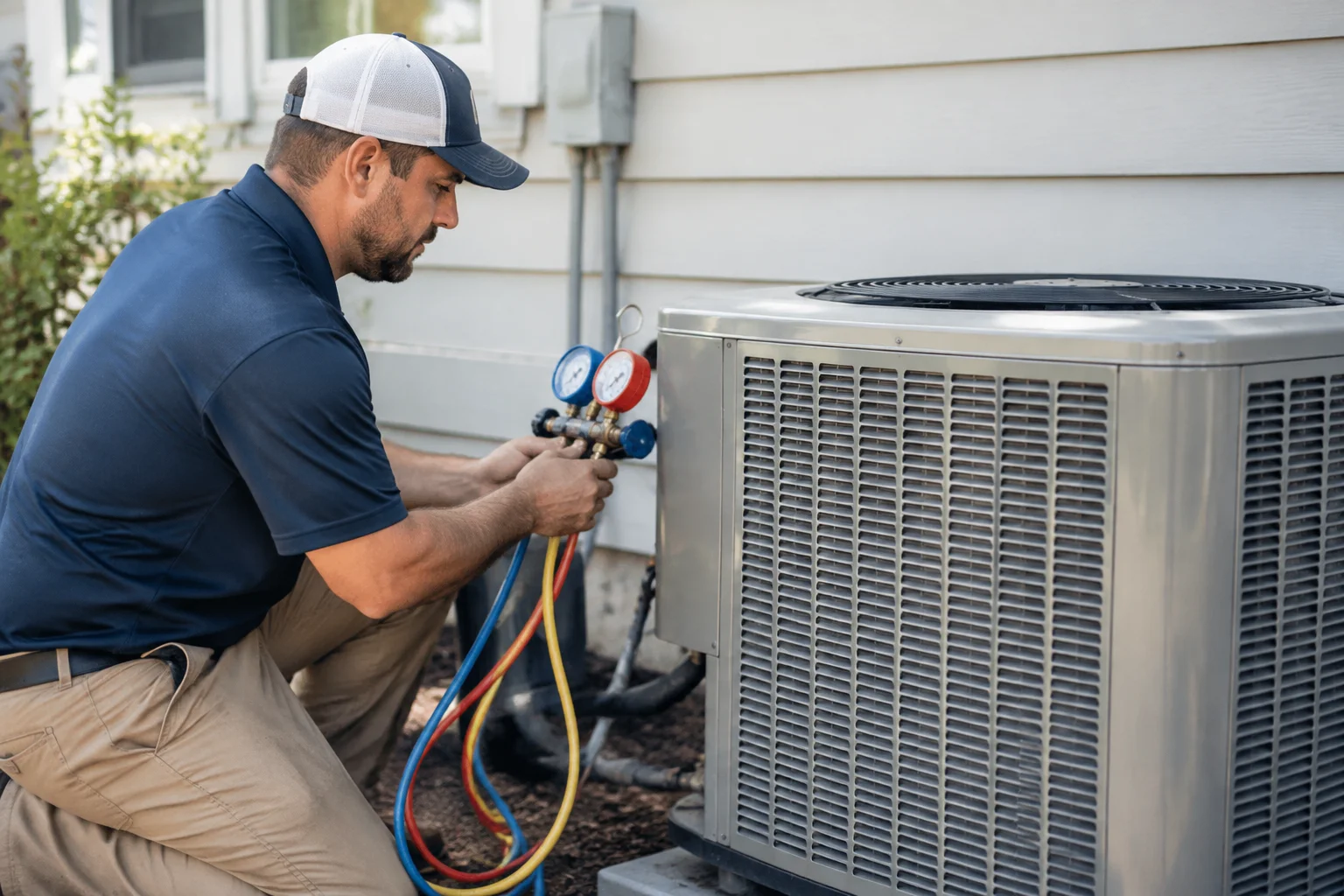
Refrigerant systems are designed and installed as a matched system. In real-world conditions, refrigerant charge and performance must be verified with appropriate tools and procedures. Coastal environments can add stress, and installation details like line routing, connections, and commissioning steps influence performance.
If you notice symptoms like repeated cooling failures, unusual sound patterns, or performance that never stabilizes, it may involve the refrigerant system. However, homeowners should not attempt refrigerant diagnosis or charge adjustments themselves. That is an in-person job for a qualified professional.
When you schedule HVAC service, ask the contractor to explain what they will verify on-site, including airflow, temperature and humidity behavior, and how the system is operating across real loads in Florida heat.
Thermostat and controls warning signs that point to installation gaps
Commercial comfort is often controlled through multiple stages, schedules, or zoning. A thermostat that is incorrectly configured can cause comfort failures that look like equipment problems.
9) The schedule runs, but comfort complaints rise at predictable times
For example, if the building becomes humid or warm shortly after morning start time, the control strategy may not be coordinating properly with the building load. Installation issues can include:
- Thermostat placement that does not reflect representative conditions
- Sensor or control settings that do not match the ductwork and airflow design
- Staging or sequencing that is not commissioned for the actual system
10) Frequent calls for “thermostat problems” that never fully solve comfort
If comfort issues keep returning, the thermostat may be reacting to a system that cannot deliver the expected airflow and humidity control. In that situation, the fix is not always a thermostat replacement. It is usually closer to airflow balancing, ductwork sealing, condensate drainage verification, or full commissioning review.
Energy use warning signs that often come from missed installation basics
When a commercial HVAC system is not installed correctly, energy use often climbs. This can be subtle at first and then becomes obvious during peak summer months when Grayton Beach heat and humidity are at their worst.
Watch for:
- Energy bills that rise faster than expected compared with prior seasons
- Higher run time without improved comfort
- Repeated “cooling calls” that do not prevent the next failure
These are common homeowner observations when airflow, duct sealing, or humidity control is not performing as designed. If you are exploring energy efficient AC system near me options, it is also worth asking how the installation and commissioning will be handled, not just what equipment is selected.
Coastal factors in Grayton Beach that can amplify installation issues
Grayton Beach is shaped by salt air and coastal weather patterns. Even when installation is “good enough,” coastal conditions can expose weaknesses faster. Salt air can increase corrosion risk on certain components and can impact how systems age in the field.
Humidity also accelerates indoor comfort failures. If ductwork leaks or condensate drainage is not correct, moisture can spread where it should not. That affects both comfort and indoor air quality.
That is why homeowners often get better results when they choose a local HVAC contractor familiar with Walton County buildings, typical commercial layouts, and the realities of coastal climates.
Prevention: maintenance and commissioning steps that protect year-round performance
Warning signs are valuable, but prevention is where commercial systems win. Preventive HVAC maintenance helps catch problems that installation quality alone cannot fully prevent, especially in humid Florida weather.
What to prioritize after a commercial HVAC installation
- Airflow verification and balancing so supply and return paths match the design.
- Condensate drainage inspection to confirm proper slope, clear routing, and secure connections.
- Thermostat control check including placement, scheduling, and staging logic.
- Indoor air quality review when moisture or odors appear, including how air is distributed and how the system dehumidifies.
If you are planning HVAC replacement near me or new AC installation near me, ask how commissioning and follow-up checks are handled for the specific building. The goal is dependable performance across the full cooling season, not just initial startup.
Seasonal maintenance habits homeowners can support
- Keep thermostat settings reasonable and consistent with occupancy.
- Replace filters on schedule and use the correct filter type for the system.
- Watch for early symptoms such as rising humidity, musty smells, or weak airflow.
- Report recurring comfort complaints promptly so the contractor can troubleshoot the system under real conditions.
Emergency cooling concerns: when comfort becomes urgent
In Florida, an “it is not cooling well” situation can become urgent quickly, especially for spaces with sensitive equipment, vulnerable occupants, or strict humidity needs. If the system stops cooling entirely during a hot stretch, or if you see active water overflow from condensate drainage, treat it as an emergency cooling concern.
Even if the system is new, emergency symptoms still require professional evaluation. Homeowners should avoid DIY refrigerant handling or electrical interventions. Instead, contact a licensed HVAC contractor and be ready to share what you have observed, such as when the problem started, which zones are affected, and whether humidity or drainage issues are present.
Related reading for Grayton Beach and Walton County property owners
If you are comparing installation approaches or troubleshooting recurring comfort issues, these articles may help you spot details that often get missed:
- The Details That Get Missed in Commercial HVAC Installation in Freeport, FL
- Commercial HVAC Installation in Laguna Beach, FL: The Issues Local Property Owners Should Not Overlook
- Keeping Sandestin Buildings Comfortable Starts With Smarter Commercial HVAC Installation
- What Panama City Beach Property Owners Should Know Before a Commercial HVAC Installation
Choose the right commercial HVAC installation support for your property
If your building is showing cooling, airflow, or humidity warning signs that seem tied to the installation quality, it is worth reviewing the system with a contractor who works on commercial properties in Grayton Beach and Walton County. You can start by exploring commercial HVAC installation in Grayton Beach, FL, or browse services for Grayton Beach and Walton County HVAC services. For ongoing comfort issues, many homeowners also pair installation work with targeted repairs like air conditioning repair and duct-focused service.
When you are searching for a licensed HVAC contractor near me, prioritize communication and on-site evaluation. The right professional will connect symptoms to system behavior, verify airflow and humidity control, and recommend next steps based on what they find in person.
Heat pump and ductwork considerations for Grayton Beach comfort
Some commercial properties use heat pumps for efficient heating and cooling. In humid coastal conditions, heat pump comfort still depends on correct airflow, humidity management, and ductwork performance. If airflow is weak or duct sealing is poor, heat pumps can struggle to maintain comfort and remove moisture effectively.
Ductwork is also a frequent weak point in commercial installations. If you are dealing with recurring problems, duct sealing, duct repair, and duct replacement may be part of a long-term fix, especially when leaks or poor connections are suspected. Homeowners who want to address duct-related comfort failures can explore duct options through duct sealing and duct replacement.
How to talk to a contractor about installation-linked warning signs
When you call for HVAC service near me, bring details that help the technician assess whether the issue is tied to installation and commissioning. Helpful information includes:
- Which zones or areas are affected and when the problem shows up
- Whether the system runs continuously or cycles frequently
- Any humidity symptoms such as condensation or musty odors
- Any visible drainage concerns near the indoor unit
- What the thermostat is set to and how schedules are programmed
That conversation helps the contractor decide the correct next step, whether it is preventive HVAC maintenance, ductwork repair, air conditioning service, or a deeper commissioning review. It also helps avoid unnecessary parts swapping when the real fix is airflow, humidity control, or condensate drainage performance.
For homeowners focused on year-round protection in Grayton Beach, the most dependable strategy is simple: treat warning signs as data. Cooling, airflow, and humidity problems often point back to installation details, and addressing those details early can prevent bigger comfort failures later in the season.
Find Commercial HVAC Installation in Grayton Beach, FL
If you need Commercial HVAC Installation in Grayton Beach, FL, visit our local service page or contact A Superior Mechanical today.
Map of Grayton Beach, FL
Frequently Asked Questions
Can uneven cooling be caused by commercial HVAC installation, not just the equipment?
Yes. Uneven temperatures often connect to ductwork design, airflow balance, duct sealing, and return air pathways. A professional HVAC contractor should verify airflow and distribution as part of troubleshooting.
What humidity problems should I watch for after a new commercial HVAC installation in Grayton Beach?
Watch for sticky air, musty odors, condensation on nearby surfaces, and any moisture near the indoor unit. These can indicate airflow or condensate drainage issues that should be inspected on-site.
Is it safe for a homeowner to check refrigerant levels if the system seems to cool poorly?
No. Refrigerant diagnosis and adjustments require proper tools and training. Cooling performance problems should be evaluated in person by a licensed HVAC contractor who can verify system operation safely.
When should I treat HVAC issues as an emergency cooling concern?
If the system stops cooling during hot weather, if you see active condensate overflow, or if humidity problems escalate quickly, contact a professional right away. Florida heat can make comfort and indoor conditions urgent.
How does preventive HVAC maintenance help with year-round protection in Walton County?
Preventive maintenance supports consistent airflow, proper condensate drainage, and reliable thermostat control behavior. It also helps catch early signs of ductwork or moisture-related issues before they lead to larger repairs.
Related Articles
- The Details That Get Missed in Commercial HVAC Installation in Freeport, FL
- Commercial HVAC Installation in Laguna Beach, FL: The Issues Local Property Owners Should Not Overlook
- Keeping Sandestin Buildings Comfortable Starts With Smarter Commercial HVAC Installation
- What Panama City Beach Property Owners Should Know Before a Commercial HVAC Installation
Photo Gallery