Living on 30A means your HVAC system works hard. Summer heat is relentless, humidity is often high, and salt air can add extra stress to indoor comfort and equipment performance. When cooling feels uneven or the house seems to stay damp, ductwork is frequently part of the story.
This guide walks local property owners through what a duct inspection actually looks for and how it connects to cooling performance, airflow, humidity control, energy use, and indoor air quality. It is written for homeowners who are comparing options like duct repair near me, duct sealing near me, air duct service near me, and HVAC service near me, and want to understand the process before any technician arrives.
Why duct inspection matters on 30A, FL
In Walton County, your air conditioner or heat pump is not just cooling air. It is also managing moisture. The duct system has to deliver properly conditioned air to each room and bring return air back to the system so refrigerant systems can operate as intended.
When ductwork underperforms, you can see symptoms that look like an AC repair problem even when the root cause is airflow or duct leakage. Common examples in 30A homes include:
- Some rooms feel warmer or colder than others
- Registers blow weaker air or air feels “stale”
- Indoor humidity stays elevated after the AC runs
- Higher energy use because the system runs longer to reach comfort
- Musty odors that point toward moisture issues and dust buildup
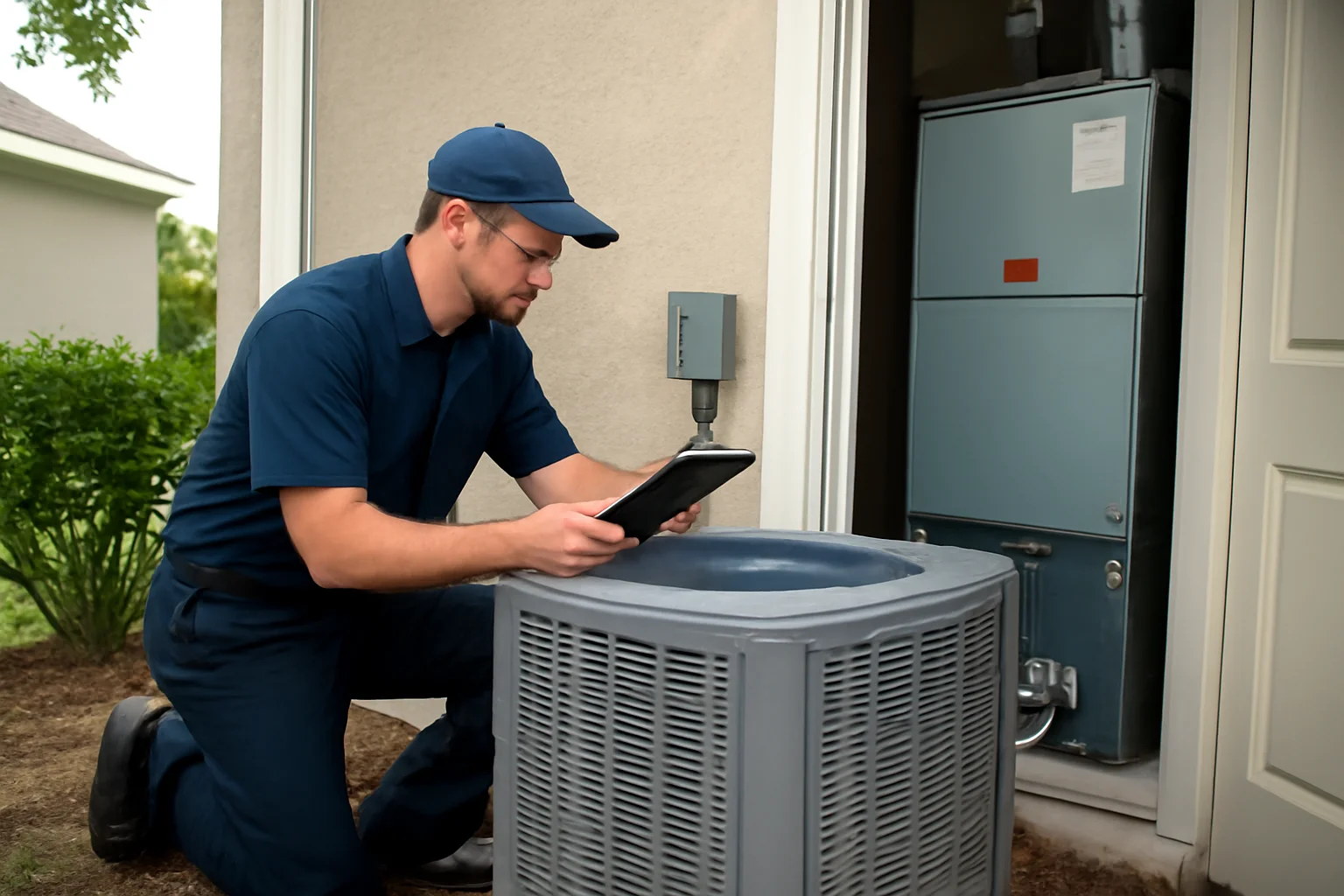
A thorough duct inspection helps confirm whether the HVAC system is being fed the right airflow, whether duct connections are tight, and whether moisture and airflow pathways are behaving correctly in a Florida climate.
Cooling performance starts with airflow, not just the thermostat
Many homeowners start by checking the thermostat settings. That is a smart first step. But duct inspection digs deeper because airflow problems often show up as thermostat complaints.
Here is the connection:
- Your thermostat calls for cooling.
- The air handler or furnace blower moves air through the ductwork.
- Conditioned air must reach rooms at the right volume and temperature.
- Return air must return to the system so the refrigerant cycle can maintain stable operation.
If duct leakage, poor duct sizing, collapsed sections, or blocked pathways limit airflow, the system can struggle to cool consistently. You may still get cold air at some registers, but the overall system balance is off.
That is why duct inspection is not only about “cleaning.” It is about confirming how air actually moves through your home.
What a duct inspection looks for in 30A homes
Every home is different, but professional duct inspection typically focuses on several areas. A Superior Mechanical’s approach is geared toward uncovering the reasons your cooling and indoor air quality may be suffering.
1) Duct leakage and loose connections
Leaks can occur at joints, seams, flanges, and transitions between the main trunk and branch ducts. In Florida, small leaks can matter because they can pull in unconditioned air and add moisture to the system pathways.
Leaks also reduce effective airflow. The system may run longer to compensate, which increases energy use and can contribute to wear on components.
2) Airflow restriction and blocked sections
Ducts can be restricted by collapsed flex duct, crushed sections, construction debris, or poorly designed routing. Even partial restrictions can create symptoms that resemble HVAC repair needs.
During an inspection, technicians look for signs that airflow is not traveling evenly, including weak supply at certain registers and inconsistent pressure across the system.
3) Return air problems
Return pathways are just as important as supply. If return ducts are undersized, blocked, or disconnected, the system can pull more air from places it should not, such as gaps in the building envelope or crawl spaces.
This can lead to comfort issues, uneven cooling, and sometimes higher humidity indoors.
4) Condensate drainage and moisture movement
On cooling days, the air conditioner removes moisture. Many homeowners think about condensate drainage only when there is a visible leak. But moisture can also be present where it should not be, especially when airflow and duct performance are off.
Inspection may include checking how condensate drainage is functioning, how drain lines are routed, and whether moisture appears in ductwork areas that should remain dry. In humid 30A conditions, small moisture concerns can grow into larger indoor air quality problems.
5) Humidity control and indoor air quality signals
Florida humidity is a constant. If ducts are leaking or airflow is restricted, the system may not remove moisture effectively. That can show up as dampness, lingering odors, or condensation on nearby surfaces.
Because ductwork is part of the indoor air pathway, duct inspection can also help identify conditions that contribute to dust movement and comfort issues that HVAC filters alone cannot solve.
Common duct-related symptoms that often get misdiagnosed as “AC repair”
When homeowners search for air conditioning repair near me or emergency AC repair near me, it is often because the home is not cooling the way it should. Sometimes the issue is ductwork, and a duct inspection clarifies whether the cooling problem is truly at the system level or in the distribution.
Look for patterns like these:
- Short cycling: The system starts and stops quickly, yet rooms still feel uncomfortable.
- Hot rooms: The same rooms are always warm, even after the system runs.
- Weak airflow: Some vents blow harder than others, or airflow seems to fade over time.
- High humidity: The AC runs but the home still feels sticky or damp.
- Musty smells: Odors can indicate moisture buildup or dust accumulation in duct pathways.
- Noise near registers: Whistling or unusual sound can point to air leaks or pressure imbalance.
These symptoms do not automatically mean you need duct replacement near me or HVAC replacement near me. But they do justify a duct inspection to determine what is actually happening.
How duct inspection supports refrigerant system performance
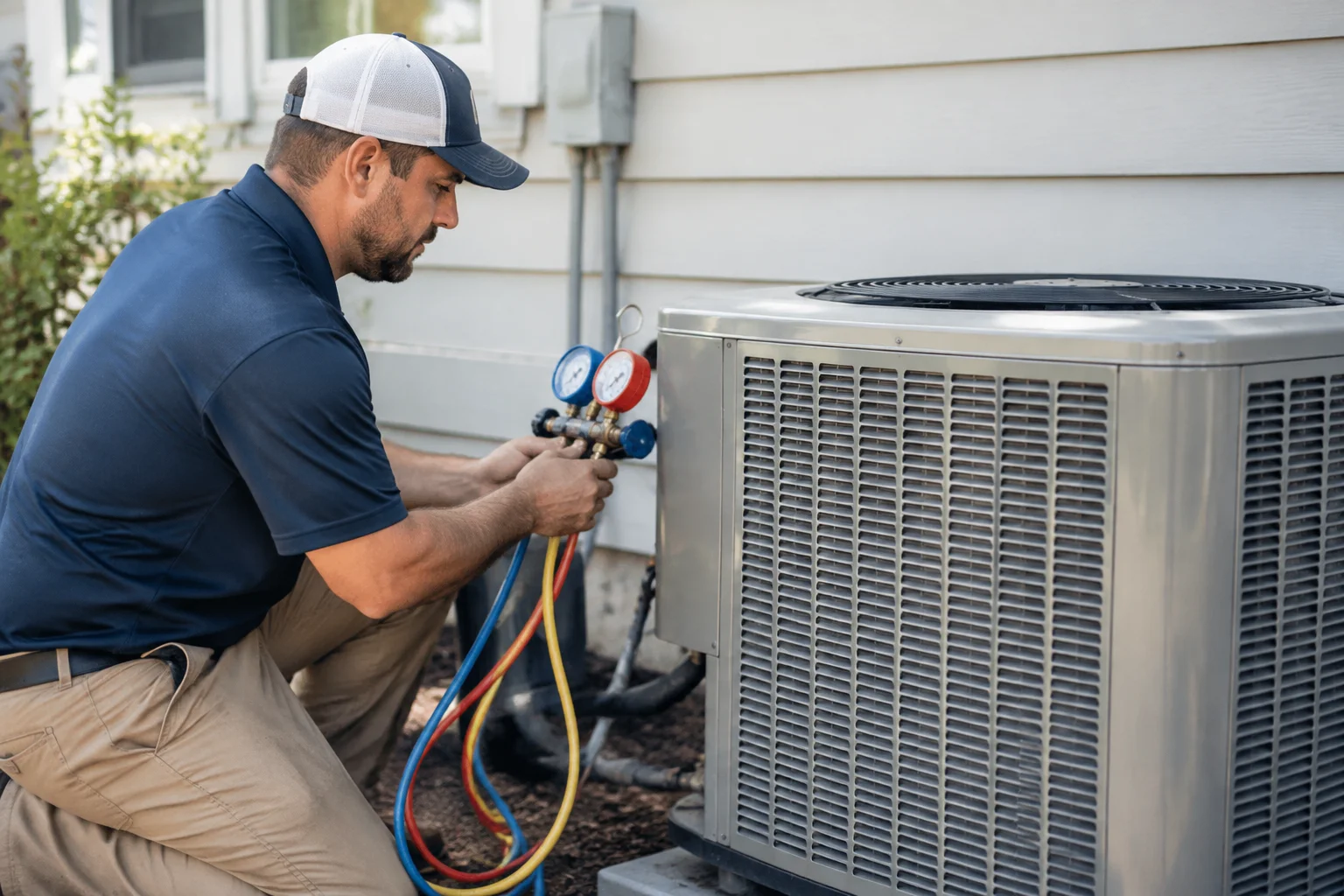
Your AC or heat pump uses refrigerant systems to move heat, but refrigerant performance depends on airflow. If airflow is too low or uneven, heat transfer can be less efficient. That can affect how the system behaves under load and how consistently it maintains cooling.
It is important to note: a duct inspection is not a refrigerant diagnosis. A technician can evaluate airflow and duct conditions without making assumptions about refrigerant charge. If refrigerant-related concerns are suspected, the proper next steps require an in-person professional evaluation based on the system’s operation and measurements.
Still, duct inspection is often the missing piece when a home seems to “almost cool” but never feels right, especially during peak Florida heat when the system is under maximum demand.
Florida-specific factors that make duct issues more likely
30A homes are exposed to a unique mix of heat, humidity, and salt air. Those conditions can amplify ductwork problems and indoor air quality issues.
Heat and humidity strain the system
When outdoor humidity is high, your HVAC has to work harder to manage indoor moisture. If ductwork leaks or airflow is restricted, the home can remain humid even when cooling is running.
Salt air can add corrosion risk
Coastal air can increase corrosion exposure for metal components. While ductwork is not the only area affected, corrosion and deterioration can contribute to connection issues, degradation over time, and performance changes that show up as airflow loss.
Vacation rentals and seasonal occupancy
On 30A, many properties sit vacant between peak seasons. When systems restart after downtime, dust can be disturbed, and airflow pathways can behave differently due to changes in air distribution. Duct inspection can help confirm that the HVAC system is delivering the right airflow and that moisture pathways are not creating comfort or air quality concerns.
Prevention: what homeowners can do between inspections
Duct inspection is the proactive step, but maintenance still matters. Preventive HVAC maintenance helps protect comfort and reduce the chance that a small duct issue becomes a bigger one.
Here are practical steps that support duct performance and indoor air quality:
- Use the correct filter: Follow manufacturer guidance for your system. A filter that is too restrictive can affect airflow.
- Keep supply and return vents unobstructed: Furniture, rugs, and curtains can reduce airflow.
- Watch for moisture signs: Damp drywall, condensation near registers, or musty odors deserve attention.
- Check thermostat behavior: If the thermostat reads correctly but comfort does not match, ductwork and airflow may be involved.
- Schedule seasonal tune-ups: Preventive service helps keep cooling steady through Florida’s summer stress.
If you are comparing preventive options, you may find helpful context in Why Preventive HVAC Service Pays Off for Air Conditioning Repair in 30A, FL.
When duct sealing or duct repair makes sense
Some duct issues are best handled with duct sealing near me or duct repair near me services. Other problems may require more extensive attention depending on where the damage is and how air pathways are affected.
Professional duct inspection helps determine the right direction by identifying the source of airflow loss or moisture movement. A technician should be able to explain what they found, where it impacts cooling or humidity control, and what options are appropriate for your home.
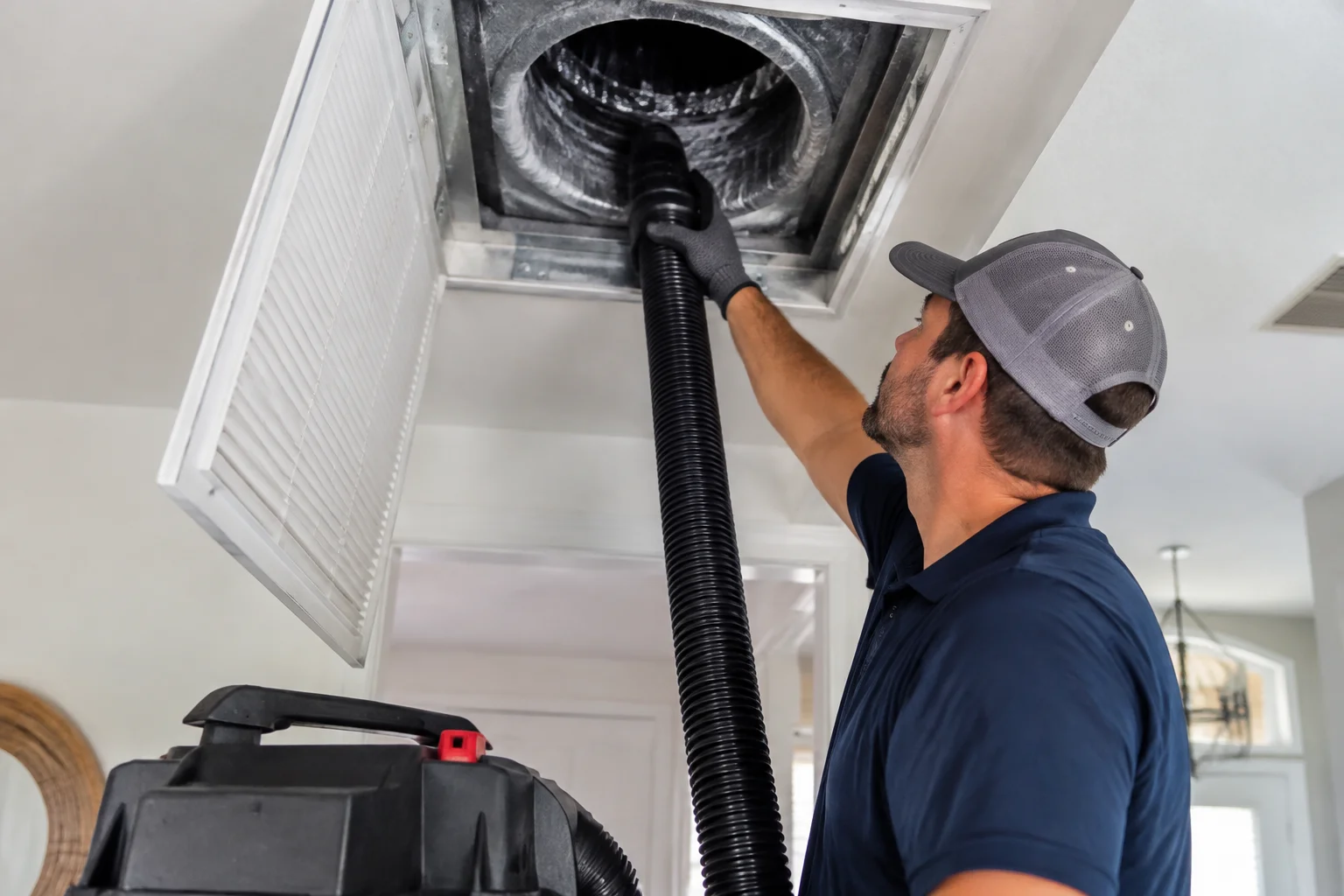
Avoid assuming that “duct cleaning near me” alone will solve airflow or humidity problems. Cleaning can remove dust, but it does not automatically fix leaks, restrictions, or connection failures.
Indoor air quality: duct inspection is part of the bigger picture
Many homeowners connect ductwork to indoor air quality because dust and odors can travel through the air distribution system. But indoor air quality is multi-factor, involving filtration, humidity control, and airflow balance.
After inspection, you might also consider air filtration improvements. If you are exploring options, review Air Filtration and Purifiers for guidance on how filtration strategies can support cleaner air.
For homeowners with allergies or asthma concerns, duct inspection can help ensure that conditioned air is delivered consistently and that moisture issues are not contributing to discomfort.
System replacement decisions should be tied to inspection findings
It is tempting to jump straight to HVAC replacement near me when cooling feels weak. Yet replacement decisions should be based on the condition of the system and distribution, not comfort alone.
Duct inspection can clarify whether your existing cooling equipment is being limited by ductwork. If the distribution system is leaking or restricting airflow, fixing ductwork may restore comfort without immediately replacing the entire system.
That said, sometimes system replacement is the right long-term path. An in-person evaluation is required to determine whether the equipment, refrigerant system performance, and airflow conditions justify replacement or repair. A technician should not recommend replacement without a careful look at both the HVAC system and the ductwork.
Emergency cooling concerns: what to do while you wait for service
During peak summer, a duct issue can become a comfort emergency if the system cannot keep up. If you are dealing with emergency cooling concerns, focus on safety and practical triage while you arrange HVAC repair.
Consider these steps:
- Verify basic thermostat operation: Ensure the system is set to cool and the fan setting is appropriate.
- Check for obvious airflow problems: If most vents are barely blowing, it may be a distribution or blower issue.
- Look for moisture overflow: If you see water where it should not be, stop and seek professional help.
- Keep the home ventilated safely: Avoid overexposure to heat; use fans only if they support safe circulation.
For additional seasonal planning, you can reference How 30A Homes Can Stay Ahead of HVAC Emergencies During Seasonal Stress to reduce the risk of a mid-summer breakdown.
Duct inspection for different 30A property types
30A properties include primary homes, vacation rentals, and commercial spaces. Each has different airflow challenges.
Vacation rentals
Frequent turnovers and variable occupancy can reveal ductwork problems quickly. Guests notice uneven cooling and humidity. A duct inspection can help maintain consistent comfort and reduce maintenance surprises.
Commercial properties
Air distribution matters for ongoing operations. If you manage a commercial property, see Keeping 30A Commercial Spaces Comfortable Before HVAC Trouble Spreads for broader comfort strategies.
Property management teams
If you oversee multiple units, consistent inspection routines can help standardize comfort. Learn more about Property Management HVAC Services.
Where to start: schedule duct inspection in 30A
If you are noticing uneven cooling, sticky indoor humidity, airflow that does not match the thermostat call, or recurring comfort complaints, start with duct inspection. It is a practical way to identify airflow loss, duct leaks, moisture concerns, and efficiency problems that can affect indoor air quality.
You can explore duct inspection service details here: duct inspection for 30A homes and properties. For broader service options across the area, visit our 30A service area or Walton County HVAC service.
Questions to ask during a duct inspection appointment
To get the most out of your duct inspection, ask questions that connect findings to comfort. Good questions include:
- Which rooms show the biggest airflow imbalance, and where does it appear in the duct layout?
- Are there signs of duct leaks at connections or transitions?
- Is the return air pathway balanced with the supply side?
- Are there any moisture indicators in or near ductwork areas?
- Do the findings suggest duct sealing, duct repair, or a different HVAC service approach?
- How does this affect cooling and humidity control during Florida’s hottest, most humid weeks?
When the inspection is thorough, homeowners often walk away with clearer next steps, whether that is duct repair, duct sealing, improved filtration, or broader preventive HVAC maintenance.
How duct inspection fits with heat pump service and other HVAC systems
30A homes may use central air conditioning, heat pumps, or other setups. Duct performance affects all of them because airflow is part of how conditioned air is distributed and how moisture is managed during cooling.
If you have a heat pump, consistent airflow matters for stable comfort and efficient operation. If you are also evaluating upgrades, you may want to explore how multi-zone or advanced systems integrate with ductwork. For some properties, VRF Multi-Zone Systems can be part of a broader comfort plan, but distribution and airflow still need to be evaluated carefully.
Duct inspection is the step that helps connect the dots between what you feel in your rooms and what your HVAC system is actually delivering. In a climate like 30A, where heat and humidity are constant, that clarity is often what keeps cooling reliable through the season.
Find Duct Inspection in 30A, FL
If you need Duct Inspection in 30A, FL, visit our local service page or contact A Superior Mechanical today.
Map of 30A, FL
Frequently Asked Questions
What does a duct inspection check for in a 30A, FL home?
A duct inspection looks at how air moves through your ductwork, including airflow imbalance, duct leaks at connections, restrictions or damaged sections, return air issues, and moisture indicators that can affect indoor air quality and humidity control.
Can duct problems cause high indoor humidity even when the AC runs?
Yes. If ductwork leaks, has restrictions, or return airflow is unbalanced, the system may not remove moisture as effectively. Humidity symptoms should be evaluated with an in-person duct inspection along with HVAC performance checks.
Is duct cleaning the same thing as duct inspection?
No. Duct inspection focuses on performance and airflow pathways, such as leaks and restrictions. Duct cleaning may remove dust, but it does not automatically fix airflow loss or moisture concerns.
How do I know whether I need duct repair, duct sealing, or a larger HVAC service?
The right recommendation depends on what the inspection finds. A professional evaluation can identify whether the main issue is distribution, return air balance, moisture movement, or HVAC system performance, and then suggest appropriate next steps.
Related Articles
Photo Gallery