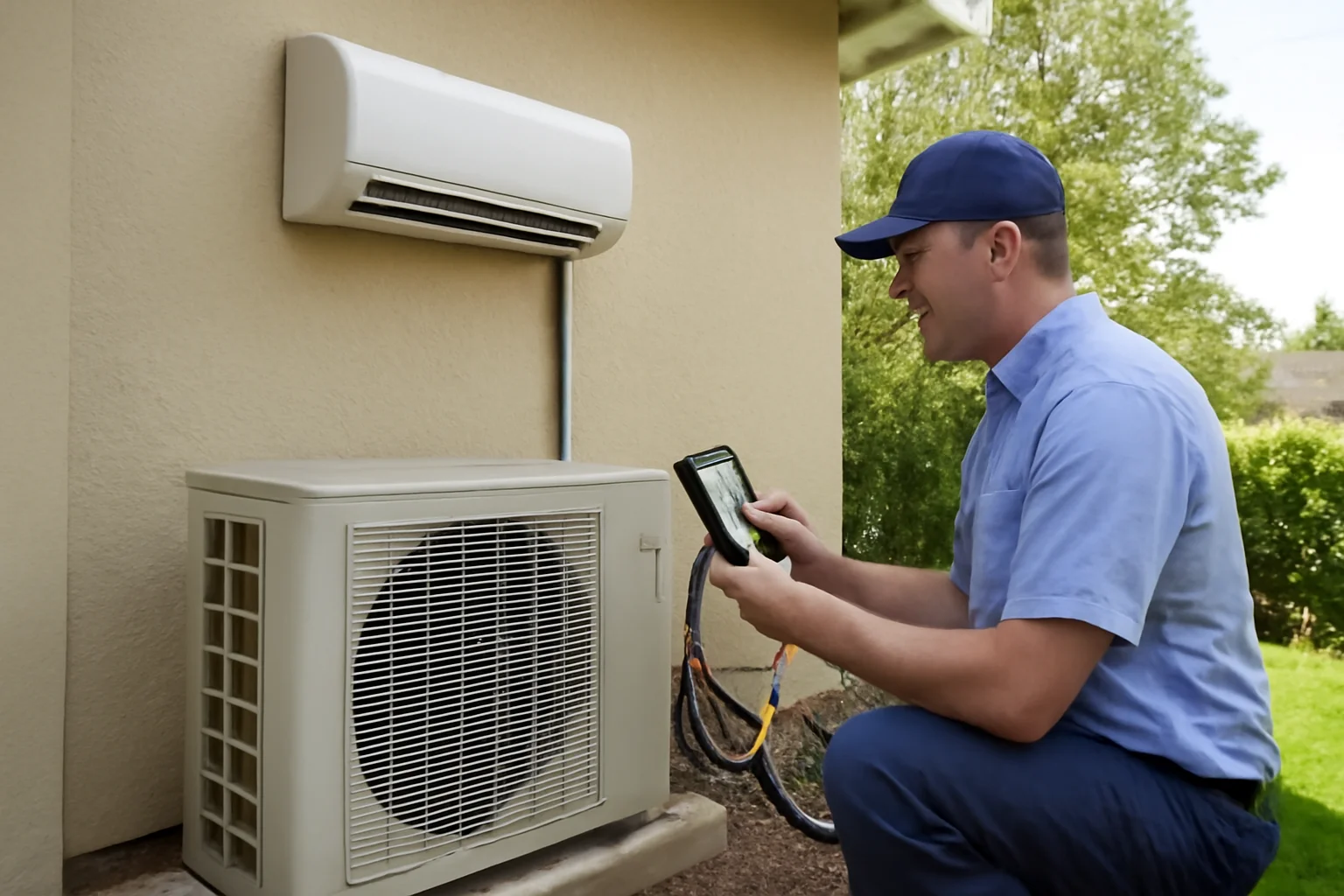
30A homes are built for coastal living, but the climate can be hard on HVAC systems. Salt air, high humidity, and long stretches of summer heat put extra strain on comfort equipment. If you rely on ductless mini-splits, you have a great setup for flexible heating and cooling. The tradeoff is that each indoor unit and its refrigerant system need attention, because small problems can grow into bigger ones.
This guide walks you through how to catch ductless mini-split HVAC problems early, what to watch for in real life, and how preventive HVAC maintenance helps protect energy use, indoor air quality, and emergency cooling concerns during peak Florida conditions. If you are searching for ductless mini-split service in 30A, you will find a practical checklist below.
Why ductless mini-splits need extra vigilance in 30A humidity and salt air
Ductless mini-splits move heat using refrigerant systems and deliver conditioned air through indoor wall mounted or ceiling mounted units. That design avoids the ductwork losses many homeowners worry about, but it does not eliminate environmental effects. In Walton County, the air can stay humid for much of the year. Coastal salt air can also find its way into outdoor components over time.
When humidity is high, airflow and condensate drainage become critical. If condensate drainage is restricted or the unit is not running properly, moisture can build up around the indoor unit. That can affect comfort and contribute to indoor air quality issues. Meanwhile, outdoor units have to handle heat load and airflow through coil surfaces. When airflow is reduced by debris, blocked fins, or failing components, the system works harder, which can increase energy use and shorten equipment life.
That is why homeowners benefit from a routine plan for preventive HVAC service. Preventive maintenance is also one of the best ways to avoid the stressful moment when the thermostat calls for cooling and the system cannot keep up.
Early warning signs your ductless mini-split is drifting off track
You do not need advanced HVAC knowledge to spot trouble. Ductless mini-splits often provide clues through comfort, sound, airflow, and how the system behaves at the thermostat.
1) Comfort changes that do not match the thermostat setting
If the room never reaches the set temperature, or it overshoots and then struggles to recover, that can point to airflow problems, sensor issues, refrigerant system performance issues, or a thermostat programming mismatch. In Florida heat, small performance gaps feel bigger because the system is running longer.
2) Weak airflow or uneven cooling across zones
Ductless systems are zoned, so one area can fail while another still feels fine. Weak airflow from one indoor unit can be caused by clogged filters, restricted blower performance, or coil contamination. Uneven cooling is also a clue that airflow balance is off between indoor units serving different rooms.
3) Strange noises during startup or steady operation
Some sounds are normal, but new rattling, grinding, squealing, or repeated cycling can indicate a developing problem. Outdoor units can be affected by coastal corrosion and debris buildup, and indoor blowers can wear over time. If noises increase over days instead of fading, schedule service.
4) Water where it should not be, or a musty indoor smell
Condensate drainage matters. A properly functioning mini-split should drain condensate away from the indoor unit area. If you notice dripping, pooling, or a musty smell near the unit, it may be related to drainage, clogged components, or moisture retention. Addressing this early helps protect indoor air quality.
5) Frosting or ice on the indoor or outdoor unit
Frost can happen when conditions are not ideal for the system’s current mode, but persistent icing is a warning. It can also be a sign that the unit is not moving heat properly across the refrigerant system. Homeowners should not attempt refrigerant troubleshooting on their own. A licensed HVAC contractor can evaluate the situation safely.
6) Short cycling or frequent on off behavior
If the mini-split turns on and off rapidly, it may be struggling to maintain stable temperatures. Short cycling can be harder on components and can increase energy use. It can also be linked to airflow restrictions or operational control issues that require professional inspection.
7) Higher energy use without a clear reason
Florida summer energy bills can rise for many reasons, but if the trend is sudden after filters were neglected or after seasonal changes, the HVAC system may be working harder than it should. Coil buildup and airflow restrictions are common culprits that preventive HVAC service can catch.
Common causes of ductless mini-split problems in Walton County
Knowing what typically goes wrong helps you prioritize checks and maintenance. Here are issues that show up often in 30A homes.
Dirty filters and restricted airflow
Indoor filters trap dust, pollen, and coastal particulates. When filters are clogged, airflow drops. Reduced airflow can lead to poor cooling, coil icing, and increased humidity problems. For homeowners, this is one of the easiest areas to manage between professional visits.
Coil contamination on indoor and outdoor units
Salt air, pollen, and airborne debris can coat coils. When coils are dirty, the system cannot transfer heat efficiently. That can raise energy use and contribute to comfort complaints. Coil cleaning is typically part of professional tune ups, especially when seasonal stress builds.
Condensate drainage issues
High humidity increases condensate production. If condensate drainage lines or drain pans get clogged, the system may not remove water properly. That can lead to leaks and indoor air quality concerns. Even if you cannot see the problem, a slow drainage issue may show up as recurring odor or humidity symptoms.
Thermostat settings and mode confusion
Mini-splits are sensitive to the mode you select. If you switch between cooling and heating modes too early in the season, or if thermostat schedules are not aligned with your daily routine, the system can cycle more than expected. This is not a reason to avoid service, but it is a quick check homeowners can do before calling.
Airflow blockages around vents and outdoor units
Outdoor units need airflow clearance for the fan and coil surfaces. Landscaping growth, seasonal debris, and even temporary coverings can reduce airflow. Indoor units also need space around them for proper circulation.
Age, wear, and refrigerant system performance problems
Over time, components in refrigerant systems can degrade. When performance is inconsistent, the cause may be related to refrigerant system performance, control behavior, or a component that needs inspection. Homeowners should avoid attempting refrigerant diagnosis. An in-person evaluation is the right path.
How to build a simple early-detection routine at home
You can reduce the odds of a mid-season breakdown by watching a few key areas consistently. Think of this as a homeowner dashboard for ductless comfort.
Check filters and airflow paths regularly
Look at indoor filters and replace or clean them as recommended by the manufacturer and your service history. If you do not know your unit’s schedule, ask your local HVAC contractor to include filter and maintenance guidance during your next visit.
Also check that nothing blocks airflow from the indoor unit. Curtains, furniture, and even thick rugs placed too close can interfere with circulation.
Listen for changes in sound and cycling
During normal operation, note whether the system sounds the way it always has. If you hear new vibration, rattling, or the unit starts and stops more frequently, that is a good reason to schedule an inspection.
Watch for moisture and odors
After a humid stretch, check around the indoor unit area. Look for water spots, dampness, and any musty odor. Moisture concerns are not something to ignore, because they can affect indoor air quality and comfort.
Verify thermostat behavior and schedules
Confirm that your thermostat is set to the correct mode and temperature range. If you use smart scheduling, review whether the system is being asked to cool or heat at times you do not expect. Misconfigured schedules can mimic equipment problems.
Track what happens during peak heat
30A days can be intense. When the system is under load, record what you notice: how quickly the room cools, whether airflow feels steady, and whether one zone struggles more than others. Those details help an HVAC technician focus the inspection.
Preventive maintenance that protects comfort, airflow, and indoor air quality
Preventive HVAC maintenance is where early detection becomes proactive. A thorough tune up typically focuses on airflow, coil condition, condensate drainage, and overall system performance.
Airflow and ductwork considerations, even with ductless
Ductless systems do not rely on traditional ductwork, but airflow still matters throughout the home. Rooms can have different pressure levels, and doors and open layouts can affect how air moves. If you have problems with comfort in one room, the solution is sometimes not just the mini-split unit, but also how air circulates across the space.
If you also have ducts in other parts of your home, consider pairing your mini-split care with an air conditioning inspection that includes relevant ductwork checks. Homeowners searching for HVAC help for airflow issues often find that the system as a whole contributes to comfort problems.
Indoor air quality upgrades that work alongside mini-splits
Because mini-splits deliver air directly into the room, filtration and humidity control can have a strong impact on indoor air quality. If you are dealing with allergies, dust, or persistent musty smells, ask about air filtration and purifiers that complement your ductless setup.
Coil care and moisture management
In a humid coastal climate, coil cleanliness and moisture handling are key. Preventive service can address buildup on coils and check condensate drainage performance so the system does not trap moisture during long cooling runs.
Refrigerant system checks without DIY guessing
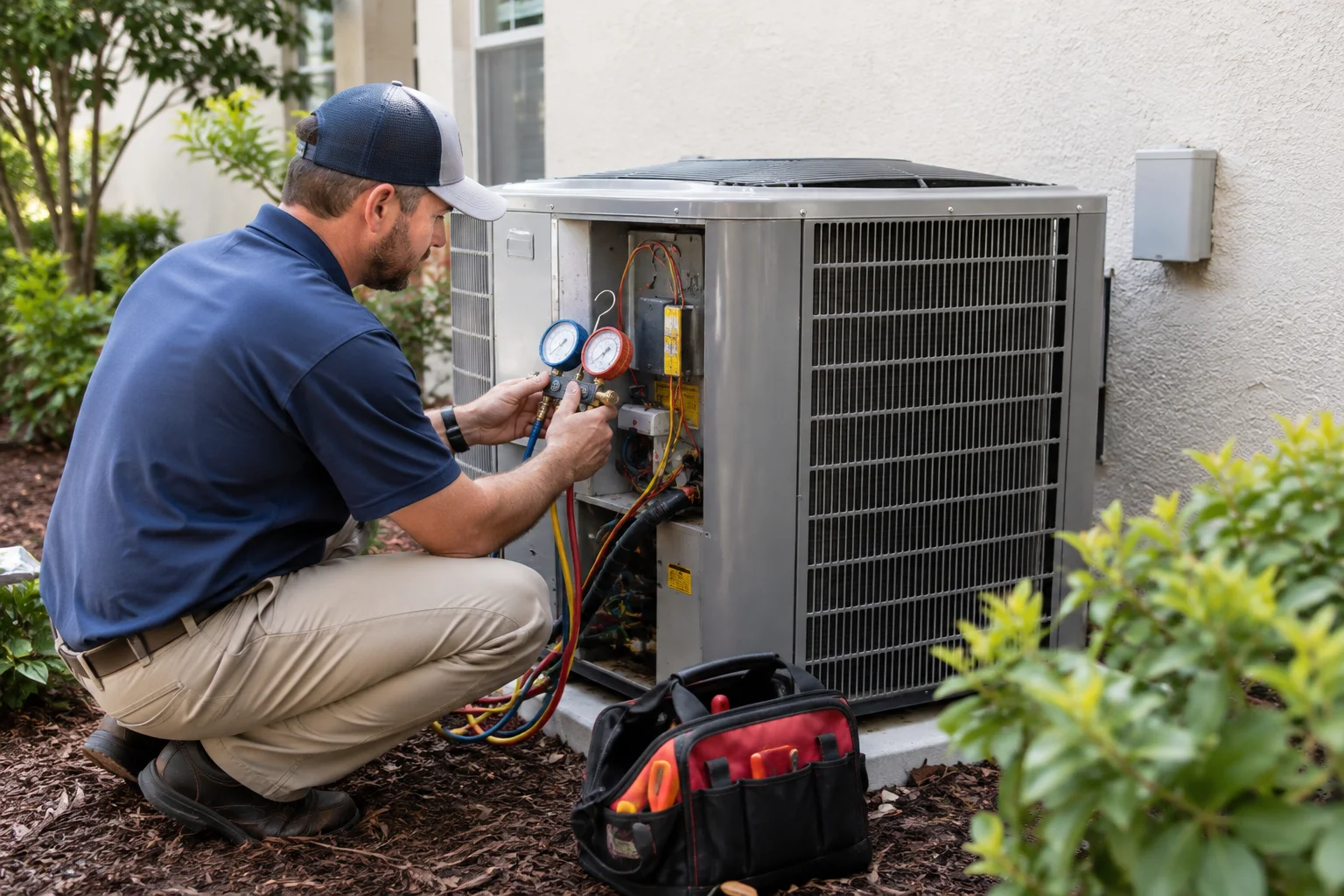
Some symptoms can point toward refrigerant system performance issues, but homeowners should not attempt refrigerant diagnosis or repairs. A licensed HVAC contractor can evaluate what is happening based on operating conditions, system readings, and inspection results.
When ductless mini-splits need repair versus replacement
Most homeowners want to know whether they should repair or plan for system replacement. The right answer depends on the specific issue, the condition of the equipment, and how your home is using the system.
Repair may be the right move when problems are isolated
If one indoor unit is underperforming, if you have a condensate drainage concern, or if airflow is restricted due to a fixable component or maintenance need, repair is often the practical path. A professional can confirm the cause in person.
Replacement planning becomes more important when multiple issues stack up
When performance problems repeat, comfort remains inconsistent across seasons, or recurring failures affect energy use and reliability, it may make sense to discuss replacement. Homeowners searching for ways to avoid HVAC emergencies during seasonal stress often benefit from having a clear plan before peak demand arrives.
Heat pump service and mode changes matter
Many ductless mini-splits can provide heating and cooling. If you notice heating performance problems or comfort swings during shoulder seasons, consider heat pump services. The same attention to airflow, condensate drainage, and operational control applies to year round performance.
Seasonal checklist for 30A homeowners
Instead of waiting for the system to fail, use a seasonal approach that matches how 30A homes actually experience weather.
Before peak summer cooling
Start with basic checks: indoor filters, airflow paths, and thermostat schedules. Then schedule an inspection so coils and condensate drainage can be evaluated before long cooling cycles begin.
During humid stretches
Pay attention to moisture signals. If you notice smells, dampness, or dripping, address it early. Humidity can highlight drainage problems that might be less noticeable when the air is drier.
When the weather shifts toward cooler months
Review heating performance. If rooms do not warm as expected, do not keep increasing the thermostat without checking the system. Heating issues can involve airflow, control behavior, or other components that need professional evaluation.
Why a local licensed HVAC contractor matters on 30A
Searching for a HVAC company near me is common, but ductless mini-splits in a coastal climate benefit from contractors who understand the environment and the types of comfort complaints that come with it.
A local licensed HVAC contractor can inspect each indoor unit and the outdoor component, check airflow and condensate drainage, and evaluate system operation under the conditions your home actually experiences. That in-person approach is especially important when symptoms could relate to refrigerant systems or other components that should not be diagnosed as a DIY project.
If you are dealing with persistent comfort issues, airflow concerns, or indoor air quality symptoms, scheduling an assessment for ductless mini-splits in Walton County is a practical next step. It also helps you plan ahead for new AC installation near me situations if replacement becomes the better option.
Emergency cooling concerns: what to do before the worst day hits
30A summers can turn intense quickly. If your system stops cooling when you need it most, treat it as an emergency cooling concern, especially in homes with elderly residents, young children, or anyone sensitive to heat.
While you wait for service, focus on safe steps: confirm thermostat settings, ensure the indoor unit is not blocked, and check whether the outdoor unit has obvious obstructions. Avoid opening panels or attempting refrigerant or electrical work. A licensed HVAC contractor can handle the in-person evaluation and repair safely.
To reduce the odds of emergency breakdowns, consider aligning your maintenance schedule with seasonal stress. Homeowners looking for AC tune up near me during the right window often avoid the scramble that happens when temperatures spike.
Keep your ductless mini-split system working like it should
Ductless mini-splits are a strong choice for 30A homes because they support zoned comfort and can improve how efficiently you heat and cool. The coastal climate adds pressure through humidity, salt air, and long cooling seasons. When you watch the early warning signs, manage airflow and filters, and schedule preventive HVAC maintenance, you give your system the best chance to deliver reliable comfort year round.
If you want help identifying what is happening in your specific home, A Superior Mechanical provides ductless mini-split installation, replacement, maintenance, and repair across 30A in Walton County and throughout Walton County. You can also explore related comfort improvements like indoor air quality services near me and coordinated inspections for other HVAC components.
For homeowners who want a clear plan instead of guesswork, start with an inspection at the first sign of reduced airflow, moisture concerns, or comfort drift. That is how you catch HVAC problems early and protect your home during the hottest weeks of the year.
Find Ductless Mini-Splits in 30A, FL
If you need Ductless Mini-Splits in 30A, FL, visit our local service page or contact A Superior Mechanical today.
Map of 30A, FL
Frequently Asked Questions
How can I tell if my ductless mini-split is having an airflow problem?
If one zone cools slower than the others, airflow feels weak from the indoor unit, or the system runs longer than usual to reach the thermostat setting, it can be an airflow restriction issue. Start by checking filters and making sure nothing blocks the unit. If it continues, schedule an inspection for coil and airflow evaluation.
What should I look for with condensate drainage in 30A humidity?
Watch for dripping near the indoor unit, damp spots, or musty odors after humid weather. Condensate drainage problems can affect comfort and indoor air quality. If you notice any moisture signs, have a technician inspect the drainage path and indoor unit operation.
Is it safe for me to check refrigerant or try to diagnose refrigerant issues?
No. Refrigerant system performance issues require professional, in-person evaluation. DIY refrigerant diagnosis or repairs can be unsafe and can delay the correct fix. A licensed HVAC contractor can assess the system and determine the cause.
How often should I schedule preventive HVAC maintenance for a ductless mini-split?
Many homeowners schedule tune ups before peak cooling season and again as seasons shift. If you live in a humid, coastal area like 30A, staying consistent helps reduce coil buildup and moisture related issues. Ask A Superior Mechanical for a maintenance plan based on how your home uses the system.
When is ductless mini-split repair better than replacement?
Repair is often appropriate when the problem is isolated, such as clogged filters, airflow restrictions, drainage concerns, or a fixable component. Replacement planning becomes more likely when issues repeat, performance remains inconsistent across seasons, or multiple parts show signs of failing. A technician can help you decide after an on-site inspection.
Related Articles
Photo Gallery