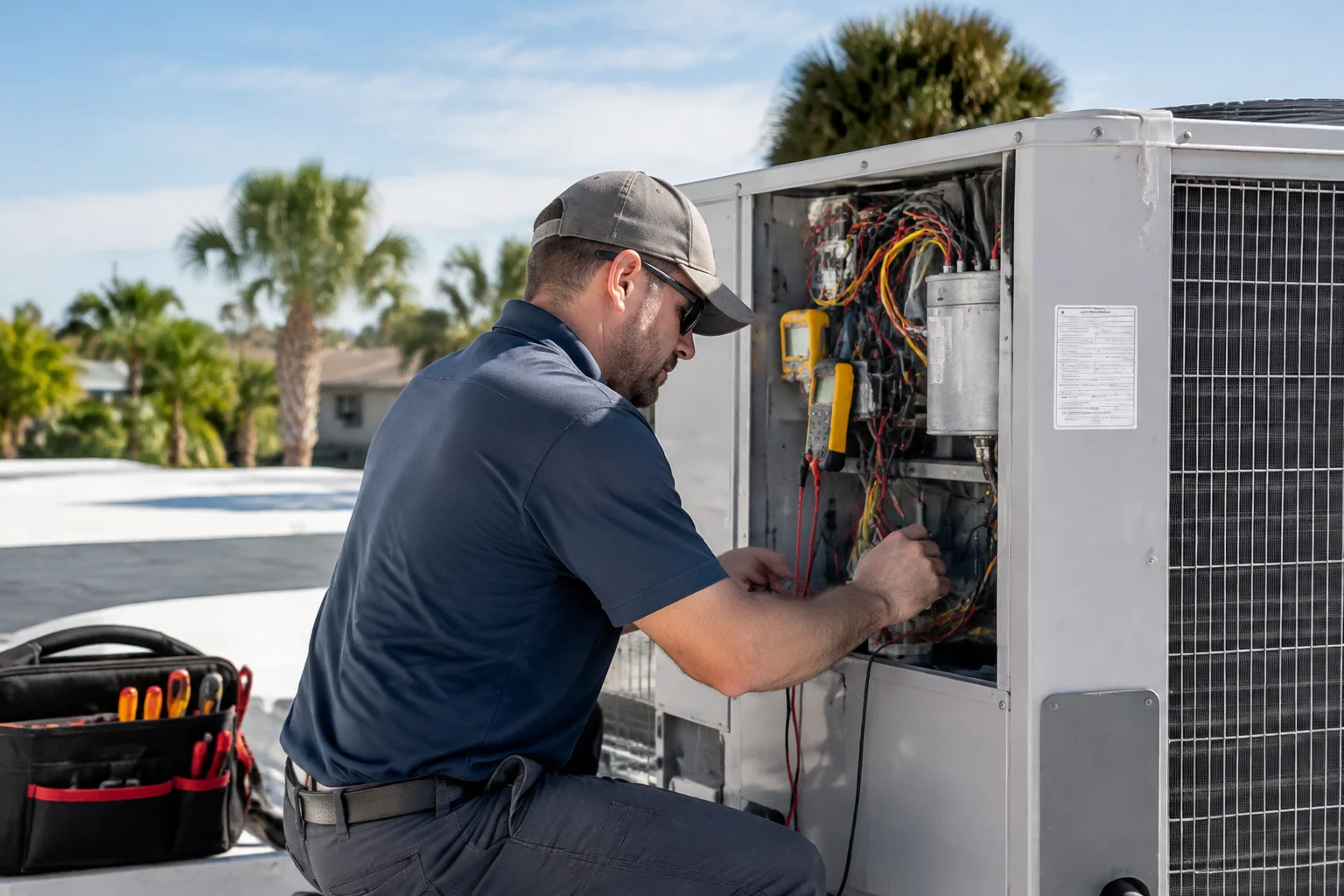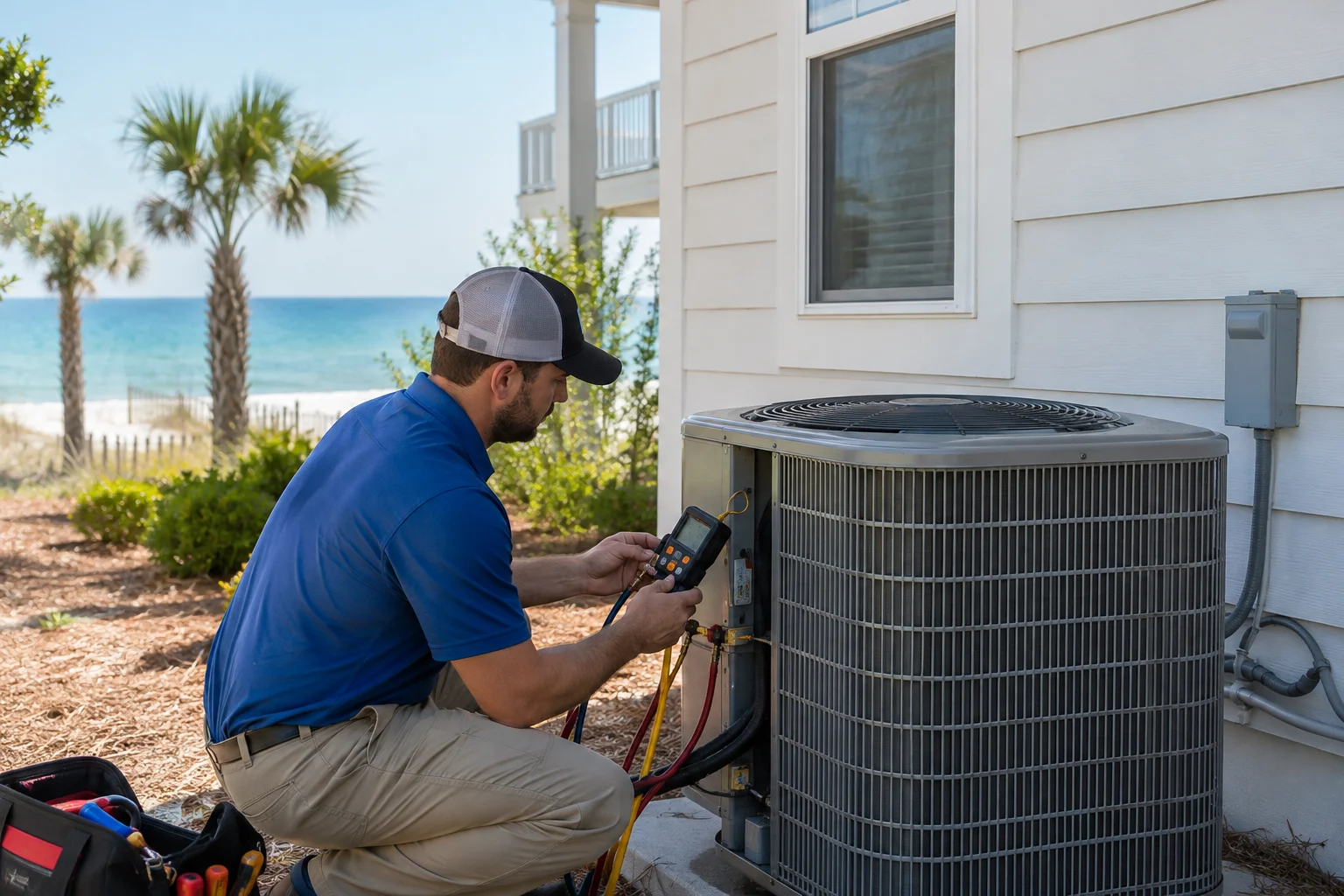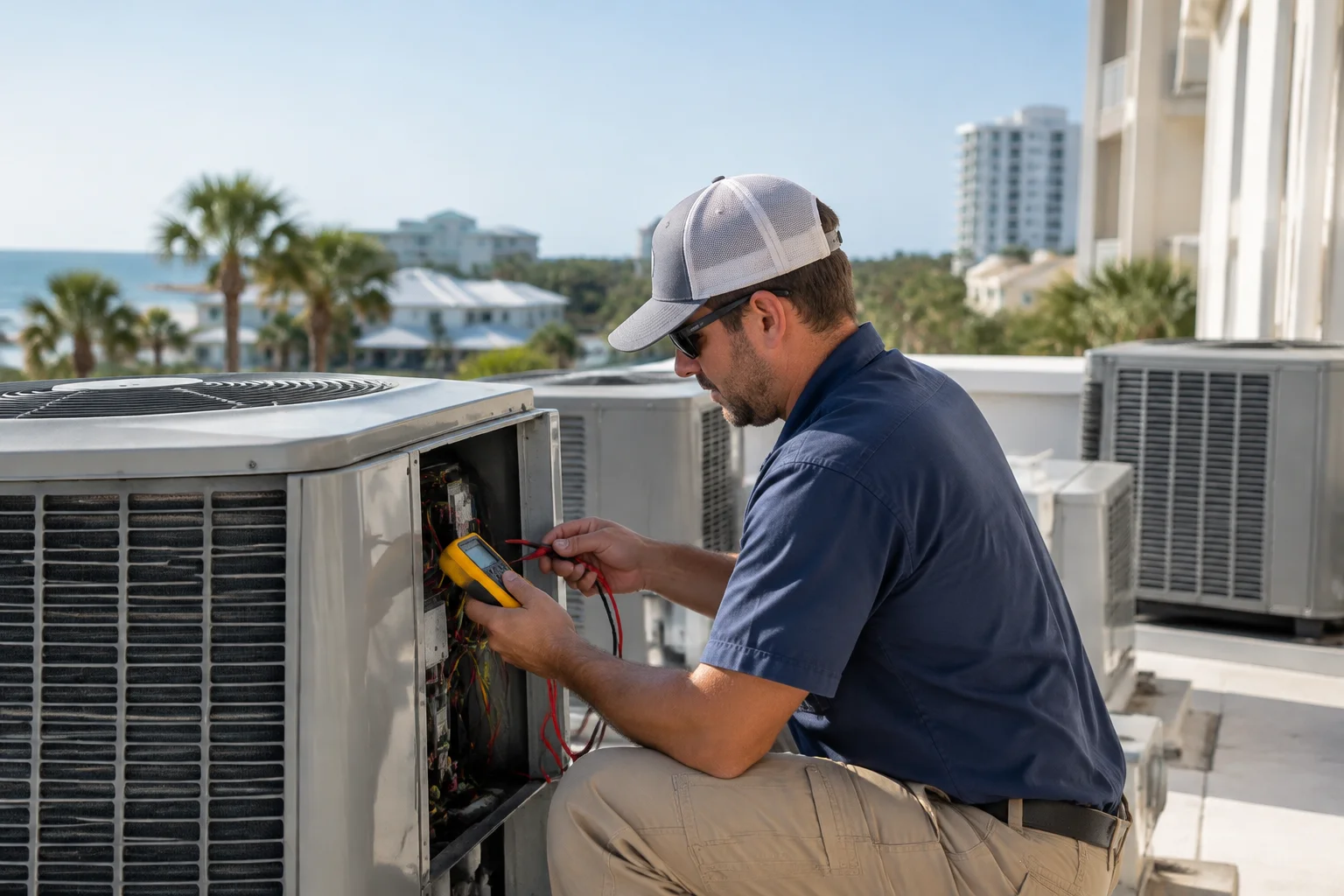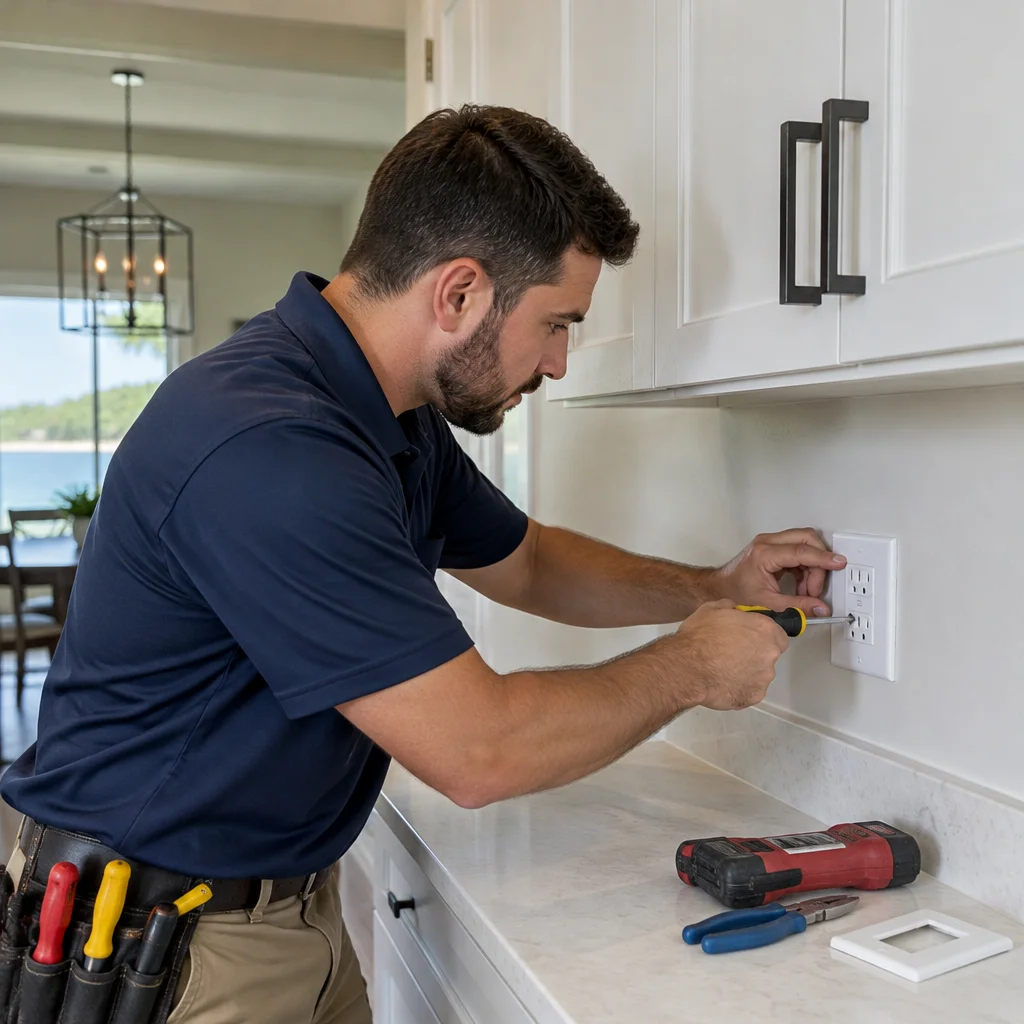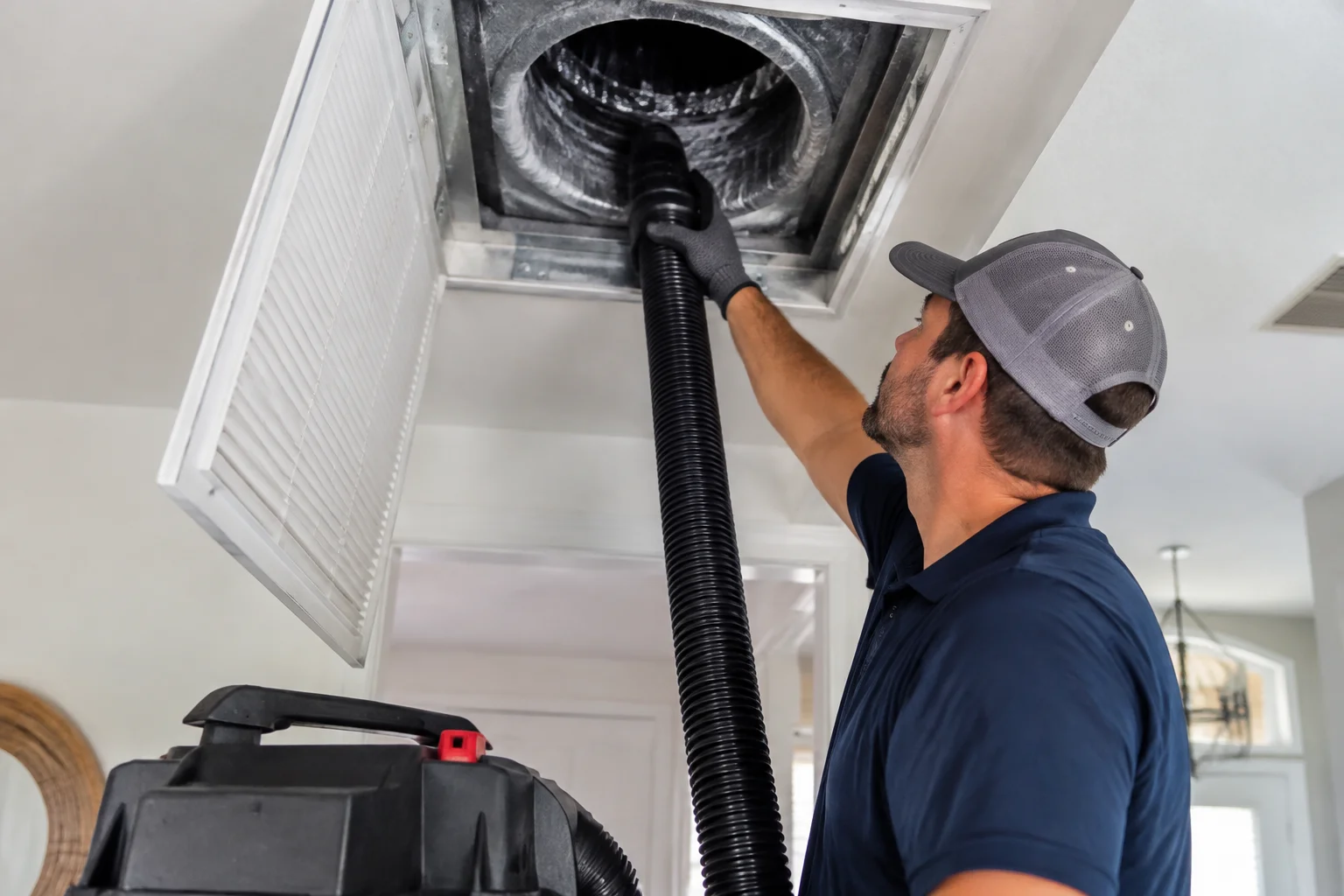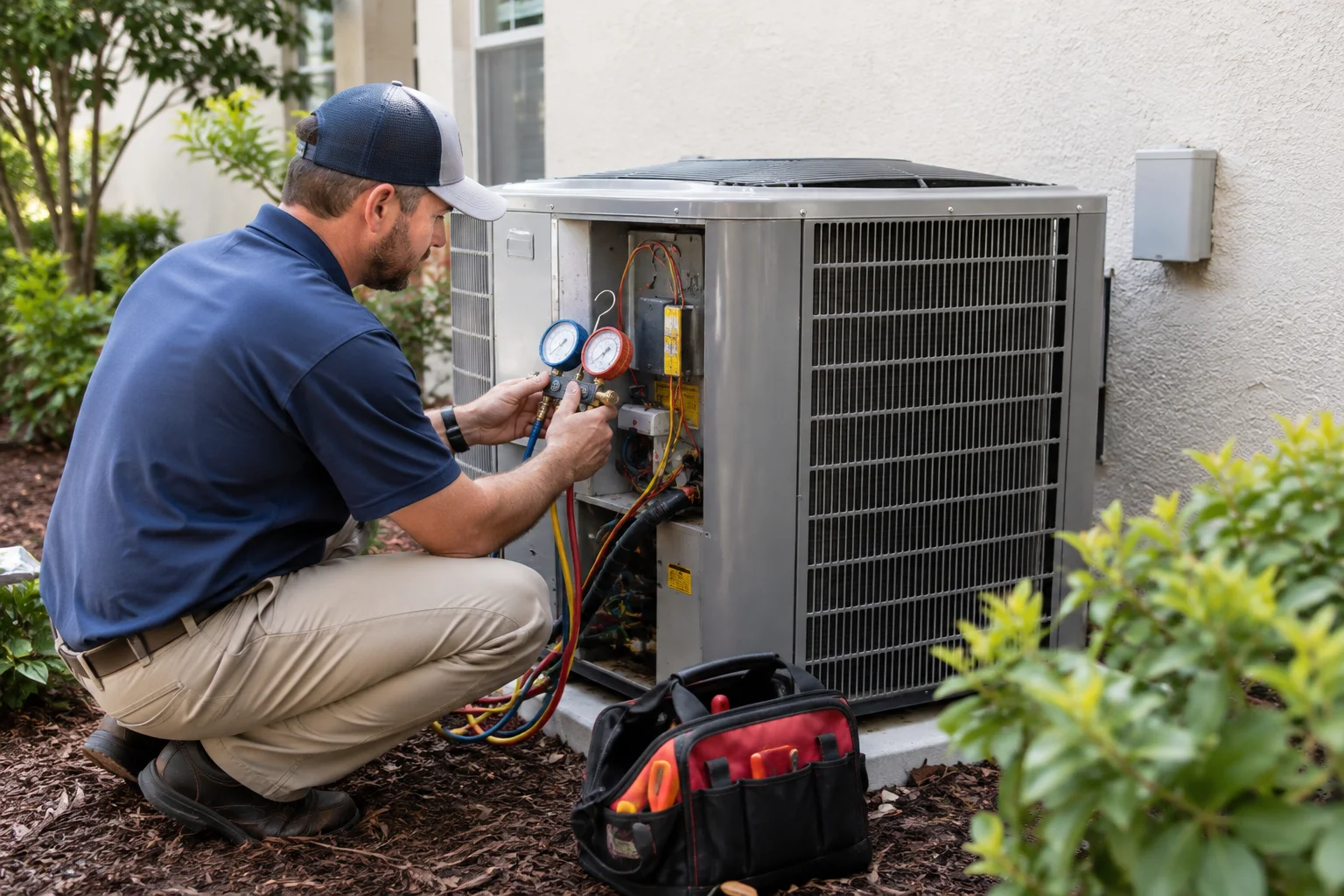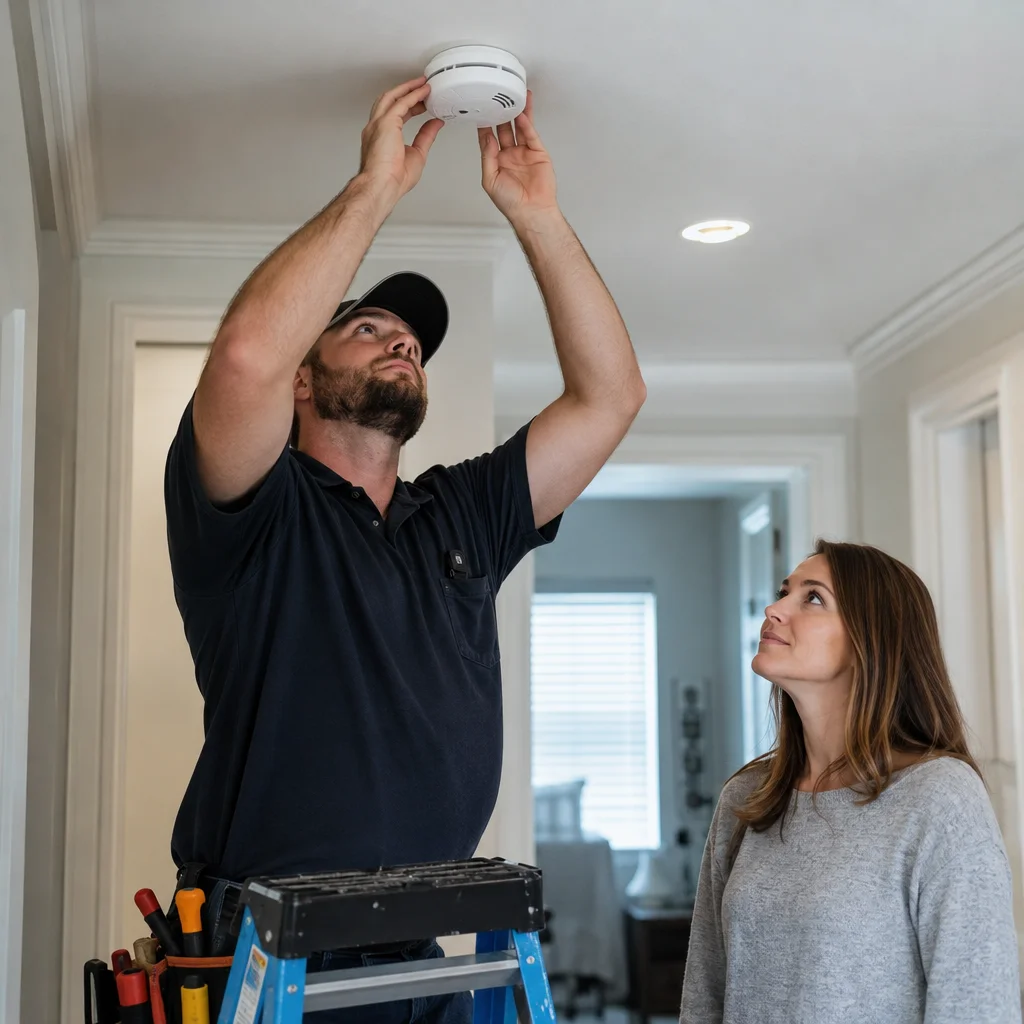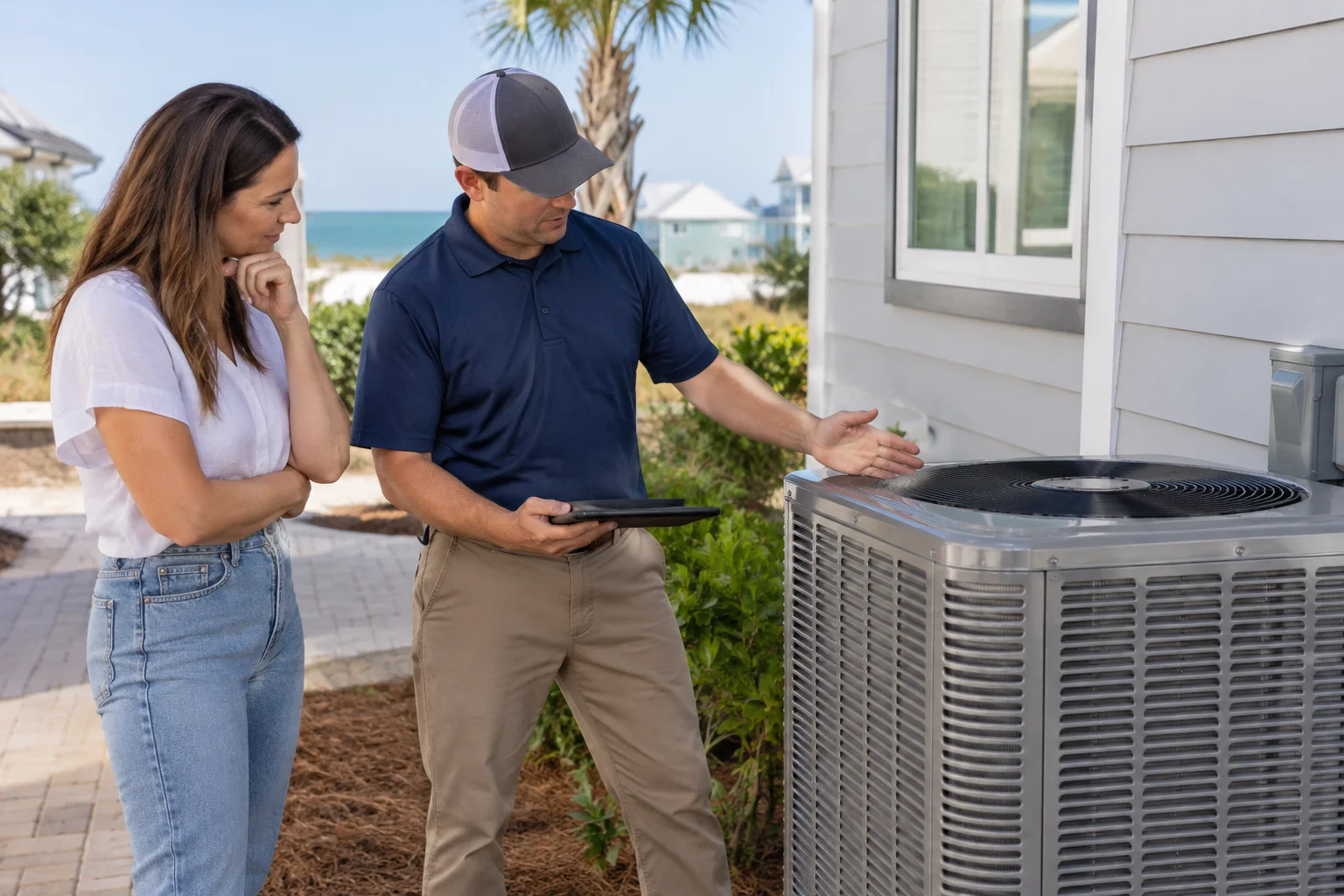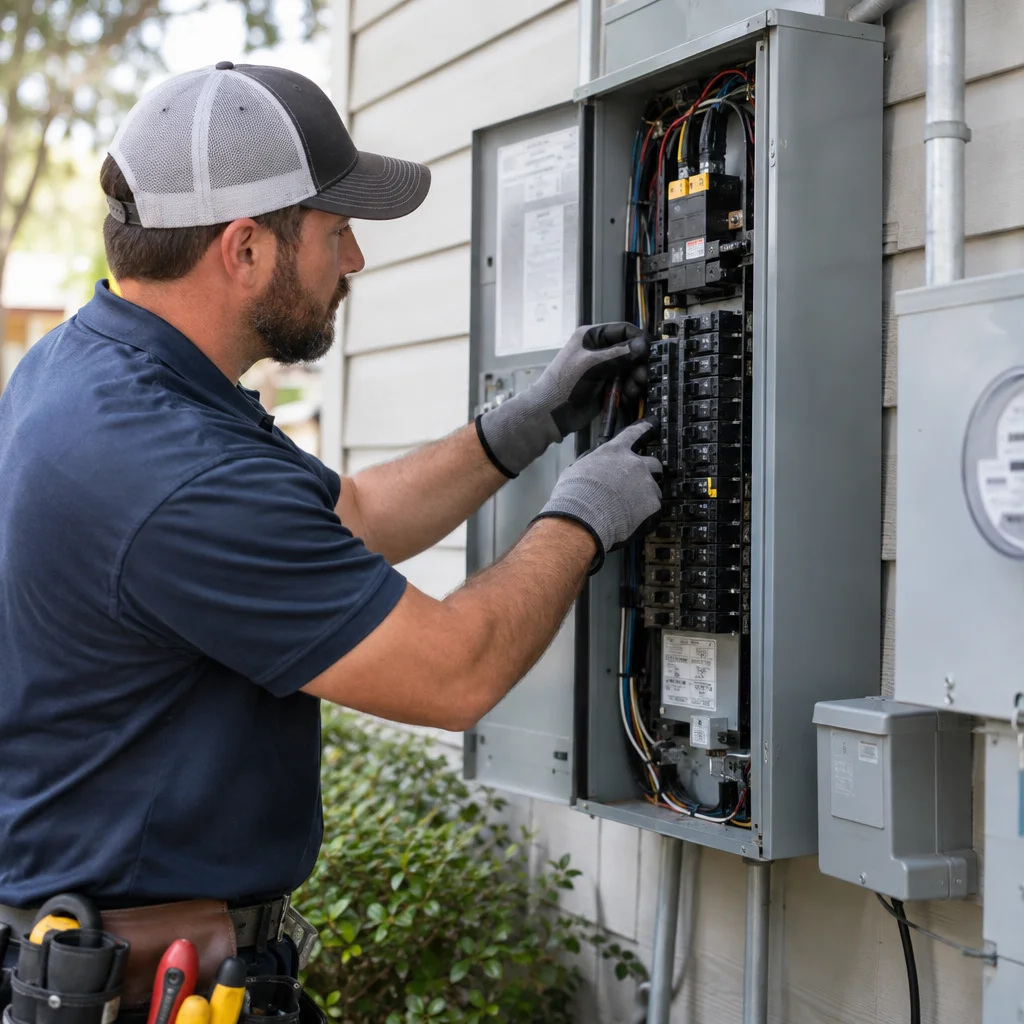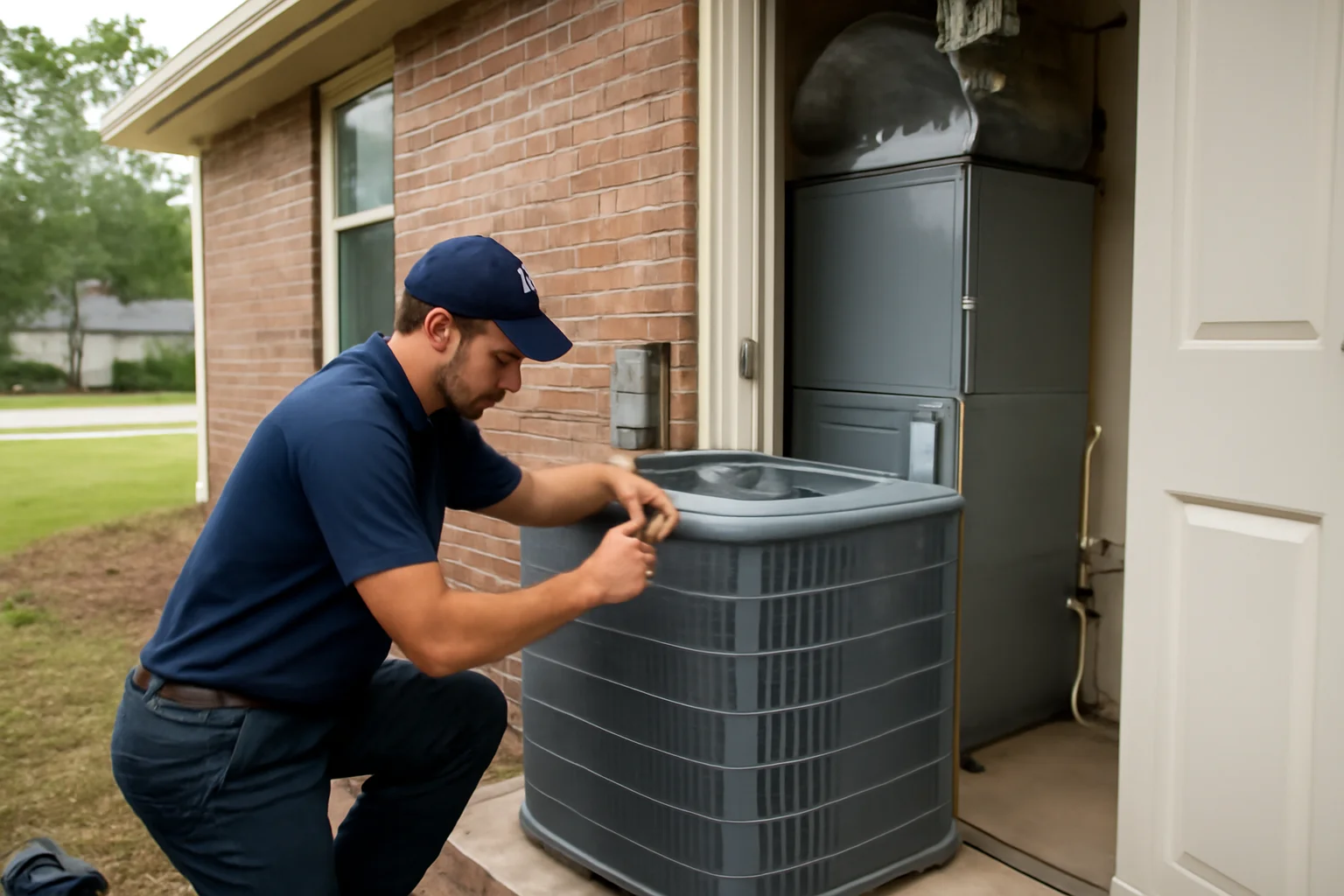
Bluewater Bay feels like it was built for coastal living, but the climate can be tough on commercial heating and cooling systems. Florida heat, high humidity, and salt air can stress refrigerant systems, condensate drainage, ductwork, and controls. When something starts to go wrong, the building usually tells you first. Homeowners and property managers who watch for early warning signs can often prevent a small comfort issue from becoming an emergency cooling problem.
A Superior Mechanical provides commercial HVAC repair in Bluewater Bay, FL for offices, restaurants, retail spaces, vacation rentals, and other properties across Okaloosa County. If you are searching for reliable HVAC service in Bluewater Bay, this guide can help you recognize what to look for and what to ask about before the system falls behind.
Why commercial HVAC problems show up differently in coastal Florida
Most homeowners are used to thinking about comfort comfort first, equipment second. Commercial systems work differently. A rooftop unit, air handler, or heat pump serving multiple rooms has to maintain consistent airflow and temperature while handling frequent occupancy changes, door openings, and varying internal loads.
In Bluewater Bay, the environment adds pressure:
- Heat and humidity: Moist air increases dehumidification demands and can overwhelm condensate drainage if parts are dirty or failing.
- Salt air: Coastal exposure can contribute to corrosion on metal components, especially around outdoor sections.
- Airflow changes: Dirty filters, duct leaks, and blocked returns can reduce airflow and make the refrigerant system work harder.
- Energy use: When airflow is restricted or controls are off, systems often consume more energy while delivering less comfort.
That combination is why early warning signs matter. Catching issues early also supports preventive HVAC maintenance decisions later, including whether ductwork, indoor air quality components, or system controls need attention.
Warning sign #1: Airflow feels weak, uneven, or “stuffy”
Weak airflow is one of the most common precursors to commercial HVAC repair. It can show up as rooms that never cool properly, supply vents that barely move air, or a noticeable mismatch between thermostat settings and actual comfort.
Common causes tied to commercial systems
- Dirty filters: Restricted airflow increases strain on blowers and can lead to longer run times.
- Ductwork problems: Leaks, poor duct sealing, or blockage can reduce distribution efficiency. If you suspect duct issues, consider duct sealing or duct inspection.
- Blocked returns or supply obstructions: Furniture placement, storage, or construction dust can limit airflow without anyone realizing it.
- Coil buildup: Dirty indoor or outdoor coils can reduce heat transfer and worsen airflow performance.
If you are searching for air conditioning repair near me or HVAC repair near me because vents feel weak, ask the technician to evaluate airflow pathways, ductwork condition, and whether the system is maintaining proper performance under local humidity loads.
Warning sign #2: Indoor humidity climbs even when the thermostat says “cool”
In Bluewater Bay, humidity is not a minor comfort issue. When indoor humidity rises, occupants feel warmer than the thermostat suggests, and it can affect indoor air quality. High humidity also impacts condensate drainage and can contribute to microbial growth if moisture is allowed to linger.
What to watch for
- Windows fogging or persistent condensation on surfaces
- Musty odors that seem to increase during cooling seasons
- Wet spots near air handlers or evidence of condensate drainage issues
- Rooms that feel clammy compared to others
How this connects to repair needs
Humidity control depends on proper coil performance, airflow, and refrigerant system operation. If the system is short cycling, struggling with coil cleanliness, or experiencing drainage problems, moisture removal can fall behind. Condensate drainage issues can also lead to shutdowns or water management concerns inside the space.
A Superior Mechanical can evaluate the system as part of commercial HVAC maintenance and repair. If you want to reduce the chance of humidity-related breakdowns, look for commercial HVAC maintenance near me that includes moisture control checks and airflow verification.
Warning sign #3: The system runs longer but does not reach the set temperature
When a commercial unit keeps running without delivering consistent cooling, it often signals a performance imbalance. The thermostat may be calling for cooling, but the system may not be transferring heat effectively due to airflow restrictions, refrigerant system issues, or coil contamination.
Potential triggers
- Refrigerant system strain: If refrigerant levels or system performance are off, the unit may not absorb and release heat correctly. A professional evaluation is required before any refrigerant work is considered.
- Dirty coils or clogged components: Reduced heat transfer increases run time.
- Thermostat settings or control behavior: Incorrect schedules, calibration drift, or control sequence problems can make the system behave inefficiently.
- Airflow mismatch: If supply and return airflow are not balanced, the system may not operate as intended.
This is also where energy use often rises. Extra runtime plus reduced comfort is a strong indicator that the system needs service. If you suspect heat pump repair near me or air conditioning repair, keep in mind that heat pumps and AC systems both rely on airflow and refrigerant system performance. The correct next step is a site-based assessment, not guesswork.
Warning sign #4: Strange sounds, cycling, or frequent starts
Commercial HVAC systems are built for steady operation, so unusual behavior deserves attention. You might notice loud startup noises, rattling from rooftop units, or a pattern of short cycling where the system turns on and off rapidly.
What short cycling can indicate
- Airflow restriction: Reduced airflow can cause temperature and pressure to change quickly, triggering protective controls.
- Condensate drainage concerns: Drainage problems can lead to safety interruptions.
- Control or thermostat issues: Inaccurate sensing can cause the system to stop before it should.
- Coil performance issues: Dirty coils can affect how the system responds under load.
If you hear banging, grinding, or repeated high-frequency clicking, treat it as a repair priority. For families relying on a commercial space for daily activities, frequent cycling can also mean inconsistent comfort and higher indoor humidity swings.
Warning sign #5: Refrigerant-related symptoms you can notice without “diagnosing” refrigerant
Homeowners often ask about refrigerant because it is mentioned in many HVAC conversations. While you should not attempt a refrigerant diagnosis on your own, there are observations that can point to problems worth investigating by a licensed HVAC professional.
Look for these clues
- Cooling performance that is weak or inconsistent across the building
- Coil icing or frost patterns on parts of the system (especially when conditions are not typical)
- Unusual odors from the unit area, especially if airflow is compromised and components are dirty
- Frequent shutdowns or safety behavior
Refrigerant systems are designed to operate within specific conditions. If something is off, the system may not cool properly, and the fix may involve airflow, control changes, or component service. Only an in-person evaluation can determine what is happening and what work is appropriate.
Warning sign #6: Condensate drainage problems, water alarms, or damp areas
Condensate drainage is often overlooked until there is visible water. In a humid climate, drainage issues can become urgent. If water builds up, it can damage equipment, create indoor moisture concerns, and trigger safety controls.
What to watch for
- Water pooling near an indoor air handler or drain pan
- Overflow alarms or wetness around the unit
- Slow draining or repeated clogs
- Musty odors that correlate with cooling cycles
Condensate drainage problems can be caused by clogged lines, poor slope, dirty drain pans, or restrictions that affect how moisture is removed. This is a repair area where professional service matters, because the solution depends on what is actually clogged or failing.
Warning sign #7: Thermostat behavior that does not match reality
In many commercial buildings, a thermostat is the “control center.” When it behaves oddly, comfort problems often follow. Homeowners and property managers might notice the thermostat reads one thing but the building feels another.
Common thermostat and control issues
- Schedules that do not align with occupancy patterns
- Sudden temperature swings or “hunting” between heating and cooling
- Calibration drift that makes readings unreliable
- Fan settings that do not support proper airflow and humidity control
Before replacing controls, a licensed HVAC contractor should verify sensor performance and system operation. If you are considering thermostat upgrades as part of energy and comfort planning, connect the decision to system performance and preventive HVAC maintenance, not just the device itself.
How ductwork and indoor air quality warning signs show up during busy seasons
Ductwork is the pathway for airflow and comfort. In humid coastal climates, duct conditions also affect indoor air quality. Even when the system cools, poor duct sealing or duct contamination can keep air from circulating correctly and can contribute to stale or uneven comfort.
Air quality indicators
- More dust on surfaces than usual
- Odors that linger or return quickly
- Rooms that feel noticeably different in freshness
- Allergy flare-ups that seem tied to HVAC runtime
If duct inspection suggests leakage or airflow restrictions, duct sealing can help improve distribution. If you are also dealing with humidity and dampness, indoor air quality needs may overlap with condensate drainage and coil cleaning. For homeowners focusing on HVAC service for a home office, guest suite, or vacation rental, addressing ductwork early can reduce the chance of repeat comfort calls.
If you have been searching for duct inspection near me or duct repair near me, look for service that includes airflow assessment and careful evaluation of how air moves through the building.
Preventive maintenance that helps catch problems early
Preventive HVAC maintenance is not just a “checkup.” It is a way to spot wear, cleaning needs, airflow problems, and control issues before they turn into a breakdown during peak heat. In Bluewater Bay, the timeline matters because the hottest stretches can arrive quickly and stay demanding.
Maintenance items that often prevent repeat repairs
- Air filter checks and airflow verification: Helps maintain proper distribution and reduces strain on the system.
- Coil cleaning and inspection: Supports refrigerant system performance and helps with humidity control.
- Condensate drainage inspection: Helps prevent moisture buildup and safety interruptions.
- Thermostat and control review: Confirms schedules and operation match the building’s needs.
- Ductwork evaluation: Identifies leaks or restrictions that can undermine comfort.
If you manage a commercial property, pairing repair service with ongoing commercial HVAC maintenance is often the most practical way to reduce emergency cooling concerns.
When families should treat HVAC issues as urgent
Even when the problem seems small at first, Florida heat can escalate comfort and safety concerns. For families living in or frequently using commercial spaces such as vacation rentals, community areas, or mixed-use buildings, certain signs deserve immediate attention.
Consider urgent service if you notice:
- The system stops cooling and indoor temperatures rise quickly
- Water overflow concerns or repeated condensate drainage failures
- Frequent safety shutdowns that prevent stable operation
- Visible icing on equipment paired with weak cooling performance
- Any situation where occupants are uncomfortable and the system cannot recover
For additional context on emergency readiness, read Why Bluewater Bay Homes Rely on Fast Emergency HVAC Service. While that article focuses on homes, the same weather realities apply to commercial comfort planning.
Why professional local HVAC service matters for Bluewater Bay properties
Commercial HVAC repair is not just about making the unit run again. It is about restoring correct airflow, stable humidity control, and reliable performance under real local conditions. A licensed HVAC contractor can evaluate how the building is operating today and what is driving the warning signs you see.
What to look for in a commercial HVAC partner
- Experience with commercial systems: Rooftop units, air handlers, and heat pump setups require different troubleshooting than typical small residential installs.
- Airflow and duct awareness: Many comfort issues are distribution problems, not just equipment problems.
- Moisture and drainage focus: Humidity management and condensate drainage checks are essential in coastal Florida.
- Clear communication: You should understand what was found, what it means for comfort and energy use, and what the next steps are.
If you want to understand how local weather affects repair decisions, explore How Local Weather Affects Commercial HVAC Repair in Destin, FL. For additional commercial repair context closer to the broader area, see Commercial HVAC Repair in Fort Walton Beach: What Property Owners Should Pay Attention To Before Small Problems Grow.
How to prepare before your commercial HVAC repair visit
When you call for HVAC repair, a little preparation can help the technician focus on the right areas. For families and property managers, quick notes can make troubleshooting smoother.
- Write down when the problem started and whether it happens at certain times of day.
- Note thermostat settings and whether the system is short cycling or running continuously.
- Record airflow observations such as weak vents, uneven rooms, or changes after filter replacement.
- Check for moisture signs like dampness near indoor units or condensate drainage concerns.
- List any recent changes such as renovations, new occupancy schedules, or duct modifications.
These details do not replace an in-person evaluation, but they help a licensed HVAC contractor connect the dots between symptoms and likely causes. If you are searching for a licensed HVAC contractor near me, this preparation can help you get clearer answers faster.
Need ductwork help, maintenance support, or a longer-term plan?
Commercial HVAC warning signs often overlap. If airflow is weak, ductwork might need attention. If humidity is high, condensate drainage and coil performance may be involved. If energy use is rising, control behavior and airflow balance could be part of the story.
Depending on what your building needs, you may also want to explore:
- Duct Sealing for distribution and leakage concerns
- Air Conditioning Maintenance for seasonal readiness
- HVAC Financing if your repair plan requires staged work
- Commercial HVAC Maintenance to reduce mid-summer breakdown risk
When system performance continues to decline or comfort cannot be restored, homeowners often wonder about system replacement. A professional evaluation is the only way to determine whether repair is appropriate or whether replacement should be considered based on the condition of components, airflow, refrigerant system performance, and overall building needs.
If you manage commercial property and you are looking for dependable service across Okaloosa County, start with commercial HVAC repair in Bluewater Bay, FL from A Superior Mechanical. You can also browse service options across Okaloosa County and the Bluewater Bay area to match the right comfort and maintenance plan to your property.
For homeowners trying to avoid repeat calls, the best strategy is simple: treat early warning signs as information, not irritation. When airflow, humidity, condensate drainage, and control behavior are monitored, commercial comfort stays steadier through Florida heat and humidity.
Find Commercial HVAC Repair in Bluewater Bay, FL
If you need Commercial HVAC Repair in Bluewater Bay, FL, visit our local service page or contact A Superior Mechanical today.
Map of Bluewater Bay, FL
Frequently Asked Questions
What are the earliest HVAC warning signs homeowners should notice in a commercial building?
Weak or uneven airflow, indoor humidity that rises even when cooling is running, and thermostat readings that do not match how the building feels are common early signs. Condensate drainage issues, unusual sounds, and frequent short cycling can also show up before a bigger breakdown.
Can Florida humidity cause commercial AC problems even if the system seems to run?
Yes. High humidity increases moisture removal demands and can stress condensate drainage and coil performance. A system may run but still fail to dehumidify properly, leading to clammy comfort and indoor air quality concerns.
Should I try to troubleshoot refrigerant issues myself?
No. Refrigerant system problems require an in-person professional evaluation. You can observe symptoms like weak cooling performance or icing, but a technician should determine the cause and whether any refrigerant service is appropriate.
How does ductwork affect commercial HVAC repair needs?
Ductwork affects airflow distribution and system efficiency. Leaks, poor sealing, or blocked sections can reduce airflow, worsen humidity control, and increase energy use. Duct inspection and duct sealing can be part of fixing comfort problems.
What maintenance helps prevent mid-summer emergency cooling issues?
Preventive commercial HVAC maintenance that includes airflow checks, coil inspection and cleaning, condensate drainage inspection, and thermostat/control review helps catch problems early. This supports stable comfort during peak heat and humidity in Bluewater Bay.
Related Articles
- Why Bluewater Bay Homes Rely on Fast Emergency HVAC Service
- Why Commercial HVAC Repair Matters to Home Comfort in Miramar Beach
- Commercial HVAC Repair in Fort Walton Beach: What Property Owners Should Pay Attention To Before Small Problems Grow
- How Local Weather Affects Commercial HVAC Repair in Destin, FL
Photo Gallery