More homeowners in DeFuniak Springs are planning for electric vehicles, and that means thinking about how a home actually handles new power demands. A charger is not just another appliance. It can place a steady load on your panel, wiring, breakers, and grounding system, especially in older homes or properties that have been remodeled over the years.
For families comparing options or searching for electrical services near me, the right installation starts with a close look at the home itself. In Walton County, homes face a mix of older electrical systems, newer additions, coastal humidity, storm season, and frequent use of outdoor equipment. Those conditions matter when you are adding EV charging, because the charger has to fit the electrical system safely and remain dependable over time.
If you are exploring EV Charger Installation in DeFuniak Springs, FL, the biggest question is usually not where the charger goes. It is whether the home is ready for it. That answer depends on the panel, available circuit capacity, grounding, and whether the wiring can support a dedicated circuit without creating nuisance trips or overheating.
Why EV charging puts real demands on a home electrical system
Level 1 charging uses a standard outlet, but it is slow and not always practical for daily driving. Level 2 charging is the more common home solution, and it requires a dedicated 240 volt circuit. That means the charger draws a consistent amount of power for hours at a time, often while the home is already running lights, ceiling fans, appliances, and other equipment.
In a newer home, the panel may have enough space and capacity for a dedicated EV circuit. In an older DeFuniak Springs home, especially one with a smaller panel, outdated breakers, or mixed wiring from past remodels, the electrical system may need upgrades before the charger can be installed safely. Sometimes homeowners searching for electrical services are really dealing with a bigger issue than the charger itself, such as a panel that is near its limit or circuits that were never designed for modern power use.
What an electrician checks before installation
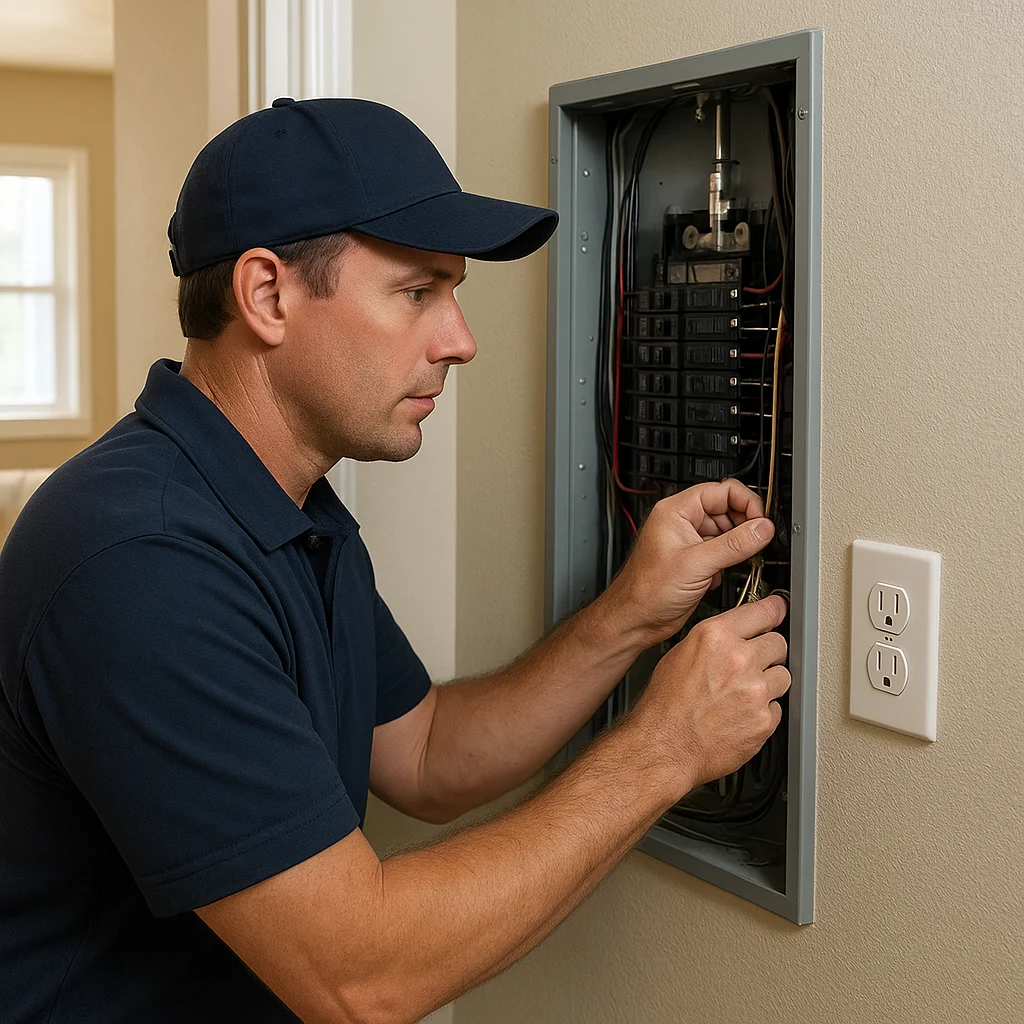
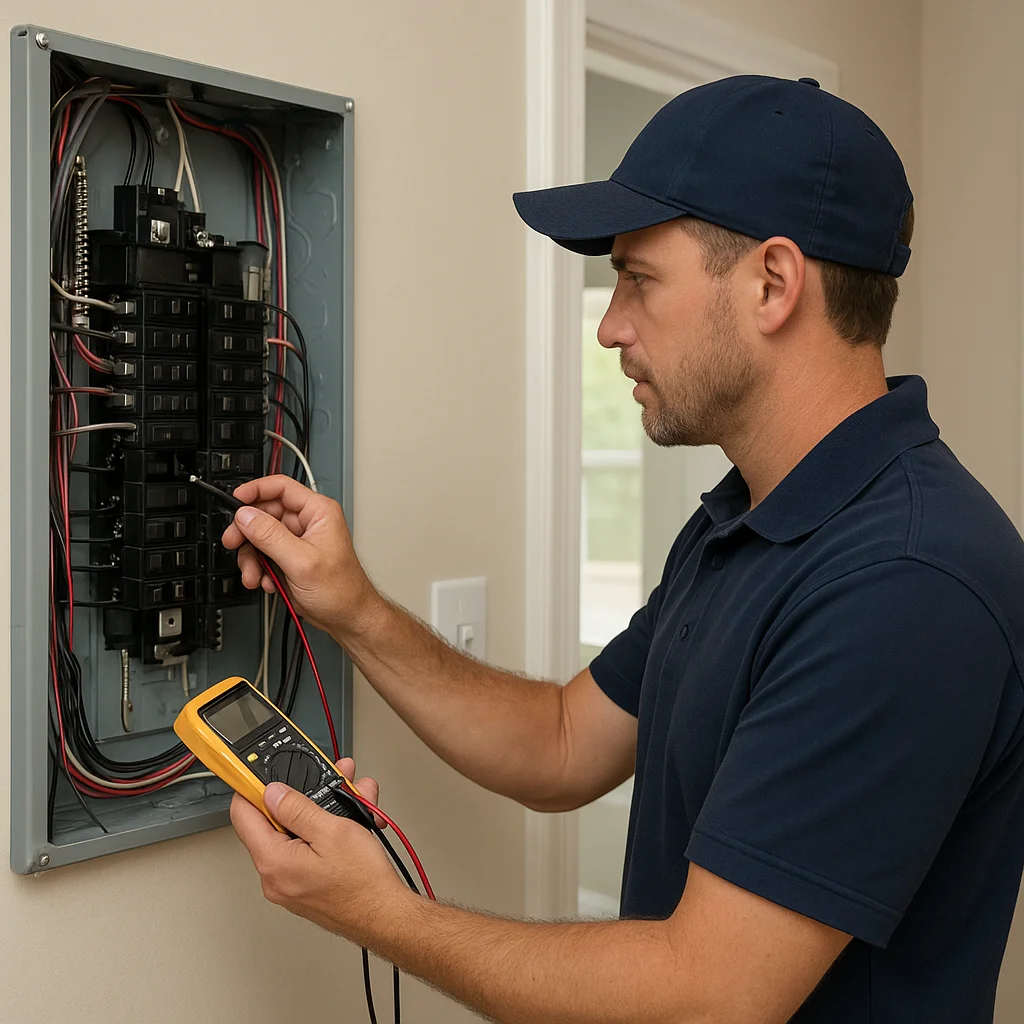
A proper installation usually starts with a load calculation. This helps determine whether the existing service can handle the charger along with the rest of the home’s electrical use. From there, the electrician looks at the panel, breaker capacity, grounding, conductor size, and the route for the new wiring. In some homes, the answer is a simple dedicated circuit. In others, it may require a sub panel installation near me search to become a real conversation about how the whole system is organized.
That review also helps identify issues that could affect safety or performance later, such as loose connections, worn breakers, outdated devices, or signs of heat damage. A charger should not be installed on top of a problem panel or ignored wiring concern. If the home has recurring breaker trips, dimming lights, or outlets that feel warm, those are clues that the electrical system needs attention first.
Panels, breakers, and circuit capacity matter more than most people expect
Many EV charger projects lead to a panel conversation. A 200 amp panel upgrade near me search is common because homeowners quickly learn that charging an EV can push an older service past its comfort zone. That is especially true in homes that already run electric dryers, hot tubs, or other high demand equipment.
Breaker sizing has to match the charger and the wiring. If the breaker is too small, it may trip constantly. If it is oversized or matched incorrectly to the wire, it can create a safety hazard. That is why circuit breaker repair near me searches often connect to more than just a bad breaker. Sometimes the issue is the load on the circuit, not the breaker alone.
In some cases, a homeowner may need a panel upgrade, a sub panel, or targeted code corrections before charging equipment can be added. In others, the existing service is fine, but the installation still needs careful planning so the charger does not compete with kitchen circuits, laundry loads, or outdoor equipment. When that kind of work is handled correctly, the charger becomes part of the home’s electrical system instead of a strain on it.
Local weather and coastal conditions affect electrical equipment
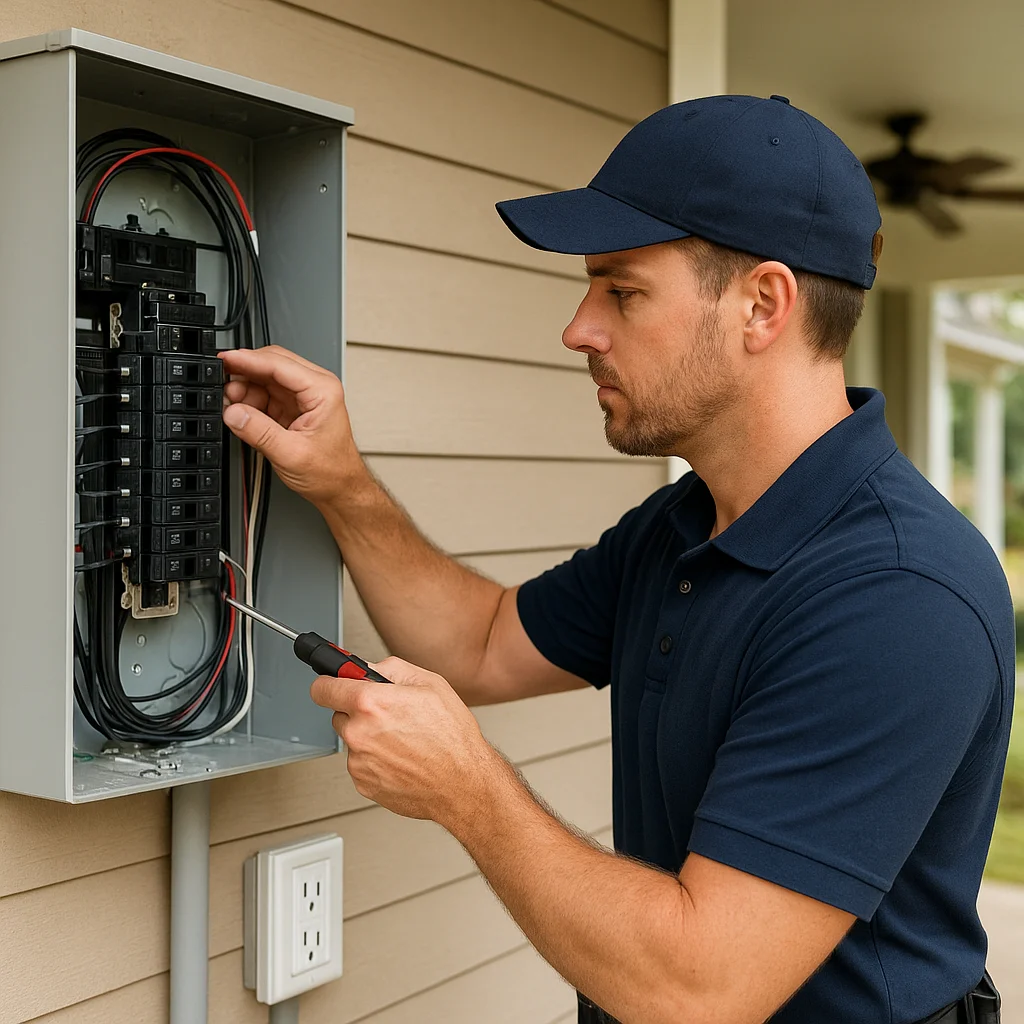
DeFuniak Springs may not sit right on the coast, but Walton County still deals with heat, humidity, storms, and power interruptions that can affect electrical systems. Outdoor service equipment, garage outlets, and wall mounted chargers all need protection from moisture and corrosion. That is one reason code compliant installation matters so much in this area.
Homes that have experienced storm damage, roof leaks, or past electrical repairs may need extra inspection before a charger is installed. Grounding and surge protection are especially important in Florida, where lightning and utility surges can damage electronics, breakers, and charging equipment. A whole-home surge protector can help protect the charger, the panel, and the rest of the home’s sensitive devices.
For homes with detached garages, carports, or longer wire runs, the installation plan also has to account for voltage drop, weather exposure, and the best path for new wiring. That is where local knowledge helps. An electrician familiar with DeFuniak Springs homes understands how older construction, additions, and outdoor conditions can change the job.
Where EV charging fits with other home electrical upgrades
EV charger installation is often part of a broader electrical improvement plan. If a home needs outlet repair, switch replacement, lighting installation, or wiring repair, it is smart to address those issues before adding a new high demand circuit. A charger will not fix an older system, and it can expose weak points that were already there.
Homeowners sometimes pair charger work with other projects like device upgrades, recessed lighting installation near me searches, led lighting installation near me requests, or security lighting installation near me improvements around the driveway and garage. Others use the opportunity to add GFCI protection where required, update exterior outlets, or correct outdated wiring in a workshop or utility area.
If the home includes a generator setup, the electrician should also look at how the EV charger interacts with backup power. A charger usually draws more than a portable generator hookup near me can support, so backup planning has to be realistic. For homes considering generator installation or whole home generator installation near me searches, load management becomes part of the conversation.
Other electrical work that often comes up during charger planning
It is common for a charger project to uncover unrelated but important issues. A homeowner may need smoke detector installation, code correction electrician near me help, outlet repair near me service, or even house rewiring near me if the wiring is old enough to limit safe upgrades. Some properties also need dryer outlet installation near me work, usb outlet installation near me upgrades, or fuse box replacement near me service before modern loads can be added responsibly.
That is also why electrical inspections and code updates are so useful in older homes and remodels. A charger installation is a practical time to verify that the panel labeling is accurate, the grounding is correct, the breaker spaces are organized, and the home is not relying on outdated shortcuts from earlier work. If a homeowner is already planning a remodel or addition, it may be worth looking at Electrical Inspections and Code Updates before the charger goes in.
What a safe installation looks like in a DeFuniak Springs home
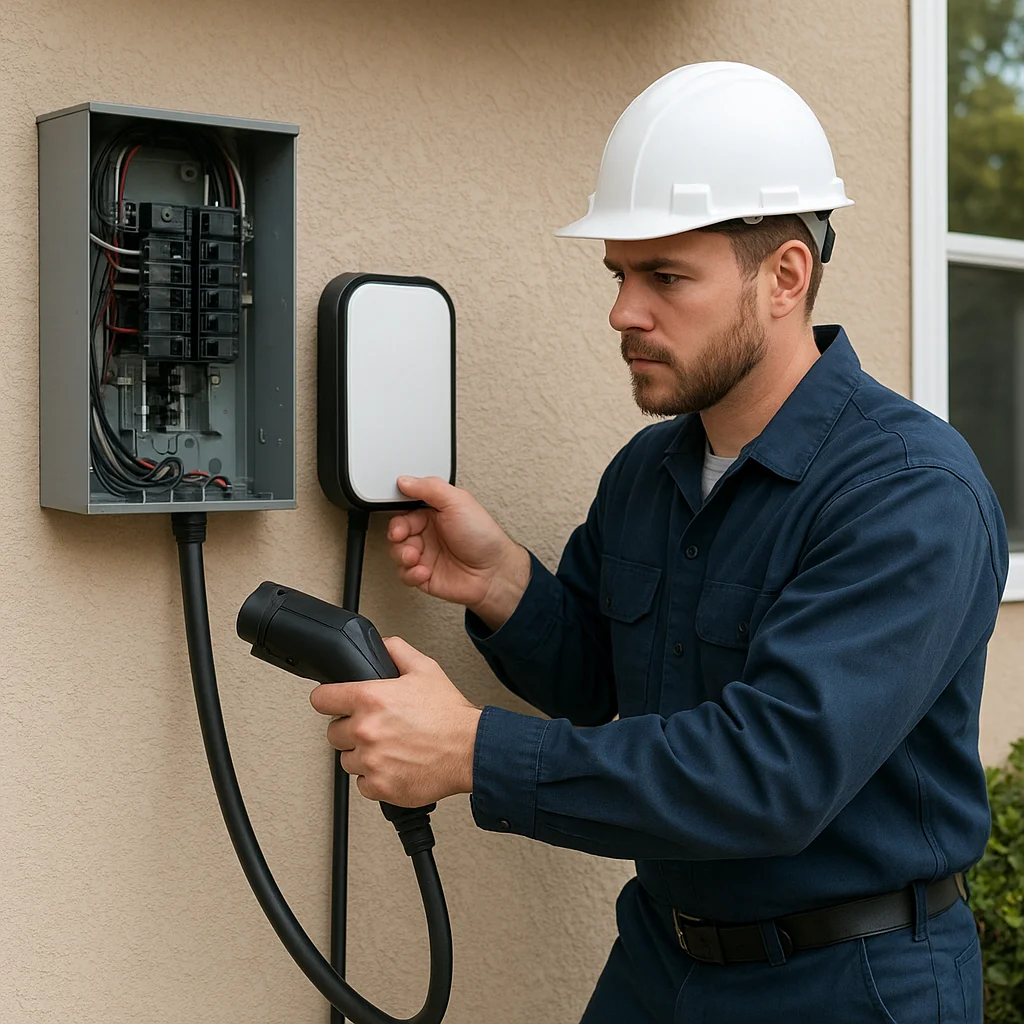
A clean installation should begin with a plan, not a guess. The electrician should verify charger specifications, confirm the right breaker and wire size, and identify whether the charger will be mounted in a garage, carport, or exterior wall. The circuit should be dedicated, properly labeled, and protected as needed by code. If the charger is installed outdoors, weather resistant equipment and proper sealing matter.
In many homes, the installation also includes checking the panel for space, confirming the grounding path, and making sure the circuit does not overload the service. If the system is already under strain, the electrician may recommend a panel upgrade or a new sub panel. That is not overkill. It is a practical way to keep the charger from causing problems with lights, outlets, or other appliances later.
Homeowners who search for electrician near me or 24 hour electrician near me after a breaker trip often discover that a charger was the last thing pushing an old system over the edge. A well planned installation reduces those surprises and helps the home stay reliable during summer heat, storm season, and daily charging cycles.
When to slow down and have the electrical system checked first
If the panel is crowded, the breakers are already warm, or the home has repeated electrical issues, it is better to pause before installing a charger. The same is true if lights flicker when large appliances run, outlets are loose or discolored, or the home has older wiring that has not been inspected in years. Those are not just convenience issues. They can point to a system that needs repair before it can support additional load.
For some homeowners, the right next step is a home safety inspection electrician near me search followed by targeted repairs. For others, the project may involve breaker repair, panel replacement, or a larger electrical service plan. If the home has storm related damage or sudden power loss, emergency electrical concerns should be addressed quickly before any new equipment is added.
Local electrical service matters because every home in DeFuniak Springs has its own history. Some have original systems that need careful updates. Others have additions, detached structures, or past DIY work that complicates new installations. A charger installed by a local electrician who understands Walton County homes is more likely to be safe, code compliant, and ready for long term use.
Planning ahead keeps charging simple later
EV ownership is easier when the home is ready for it. That means more than choosing a charger model. It means making sure the panel, circuits, outlets, grounding, and protection devices are all working together. It also means thinking about future needs, such as another vehicle, a workshop, outdoor lighting, or a generator connection.
If you are comparing options for DeFuniak Springs electrical service, a charger project is a good time to review the whole system instead of only the wall unit. That approach can help prevent nuisance trips, reduce wear on the panel, and make the home better prepared for modern power use.
For homeowners who want dependable charging without guesswork, A Superior Mechanical can help evaluate the electrical system, recommend the right setup, and install a charger that fits the home’s actual capacity. That kind of planning is especially valuable in Walton County, where older homes, storm exposure, and changing electrical needs all come into play.
If you are also weighing panel repairs, surge protection, outdoor lighting, or other electrical upgrades, it can help to read more about Safer Power in DeFuniak Springs Starts With the Right Electrical Repairs and Better Electrical Maintenance Makes Electrical Replacement Easier for DeFuniak Springs Homes. For homeowners thinking about how to budget for larger electrical work, How Electrical Financing Helps DeFuniak Springs Homeowners Protect Panels, Wiring, and Outlets can also be useful.
Find EV Charger Installation in DeFuniak Springs, FL
If you need EV Charger Installation in DeFuniak Springs, FL, visit our local service page or contact A Superior Mechanical today.
Map of DeFuniak Springs, FL
Frequently Asked Questions
Do I need a panel upgrade for EV charger installation in DeFuniak Springs?
Not always. Some homes have enough panel capacity for a dedicated EV charger circuit, but older homes or homes with many high demand appliances may need a panel upgrade, sub panel, or load management plan first.
Can an EV charger be installed outside in Walton County weather?
Yes, but it should be installed with outdoor rated equipment, proper sealing, and code compliant protection against moisture and weather exposure. Local humidity and storms make correct installation especially important.
Why does my electrician check grounding and surge protection before installing a charger?
Grounding helps the electrical system operate safely, and surge protection helps guard the charger and home electronics from lightning or utility surges. Both are important in Florida homes.
How long does a home EV charger installation usually take?
Simple installations may be completed in a single visit if the panel and wiring are ready. If the job requires a panel upgrade, wiring changes, or code corrections, it can take longer.
Related Articles
- How Electrical Financing Helps DeFuniak Springs Homeowners Protect Panels, Wiring, and Outlets
- Safer Power in DeFuniak Springs Starts With the Right Electrical Repairs
- Better Electrical Maintenance Makes Electrical Replacement Easier for DeFuniak Springs Homes
- Staying Ahead of Plumbing Problems in DeFuniak Springs Homes
Photo Gallery