A glass of water, a pot of coffee, and a tray of ice are small parts of a normal day. When the water tastes metallic, smells unpleasant, or leaves cloudy ice cubes, those routines become less enjoyable. Homeowners may also notice hard water spots on glass, scale around fixtures, or soap that never seems to rinse clean.
Reverse osmosis systems in 30A, FL can provide cleaner drinking and cooking water at the kitchen sink. Because no single treatment method corrects every water problem, it helps to understand where reverse osmosis, water softening, and whole home water filtration each fit.
The Water Clues Hiding in Everyday Routines
Water quality concerns often appear gradually. A family might first notice spots on drinking glasses after unloading the dishwasher. White or crusty scale buildup on faucets and showerheads may become harder to remove. Coffee may taste flat even when the same beans and brewing method are used. Ice cubes might appear cloudy or add an unwanted flavor to drinks.
Other clues show up beyond the kitchen. Hard water minerals can make soap difficult to lather and rinse well. Towels and laundry may feel stiff, while dry skin or dull hair can become more noticeable after bathing. Mineral scale can collect in water heaters, dishwashers, washing machines, and other appliances that regularly heat or move water. Over time, that buildup may contribute to reduced efficiency, clogged components, and appliances wearing out faster.
Taste, odor, and appearance deserve attention as well. Metallic tasting water, a chlorine taste in water, visible particles, discoloration, or an unusual odor may have different causes. Sediment in household water can come from plumbing disturbances, aging components, water main work, a private well, or material entering through the supply. A qualified water treatment professional should evaluate persistent or sudden changes rather than selecting equipment based only on appearance.
What Reverse Osmosis Does for a 30A Kitchen
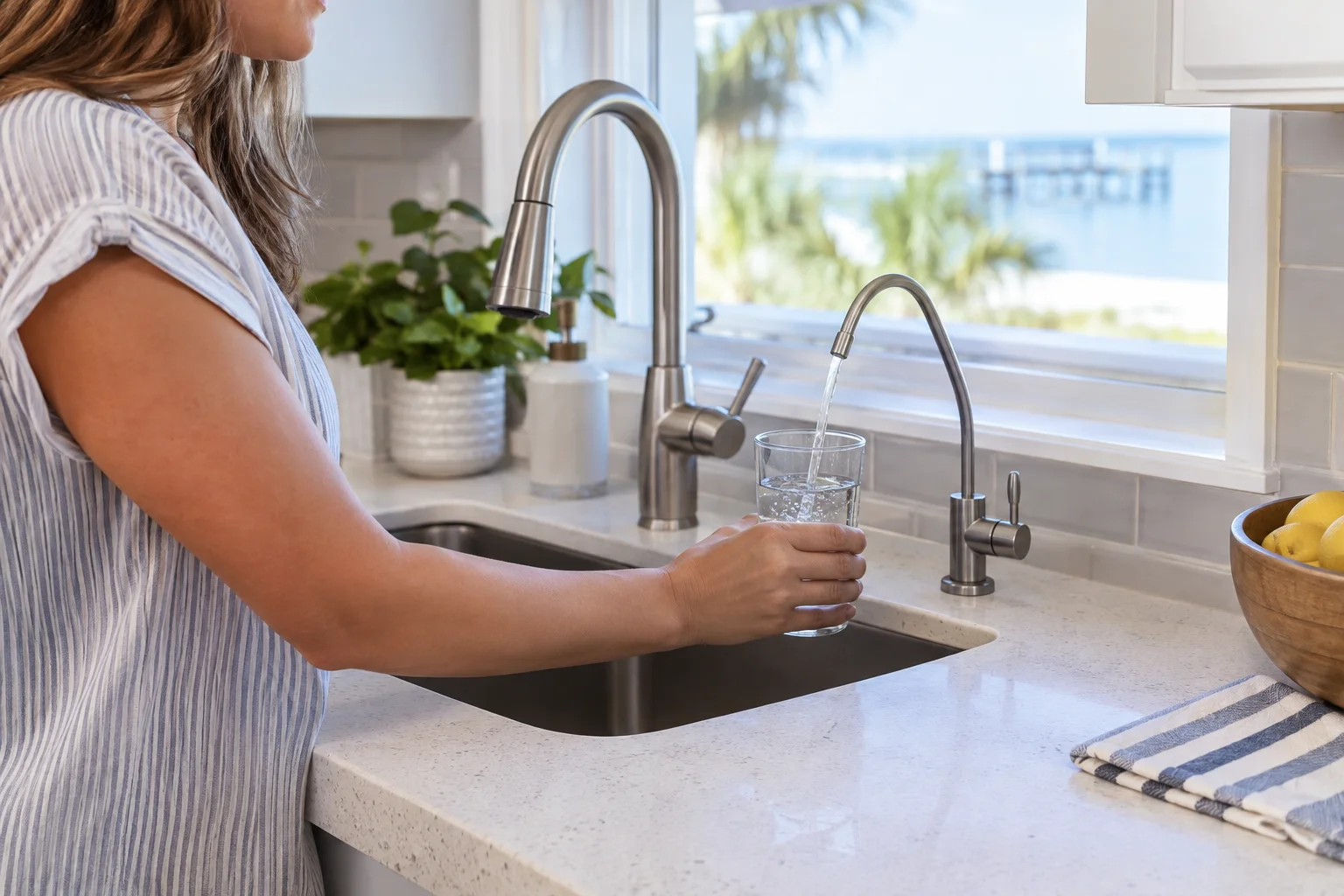
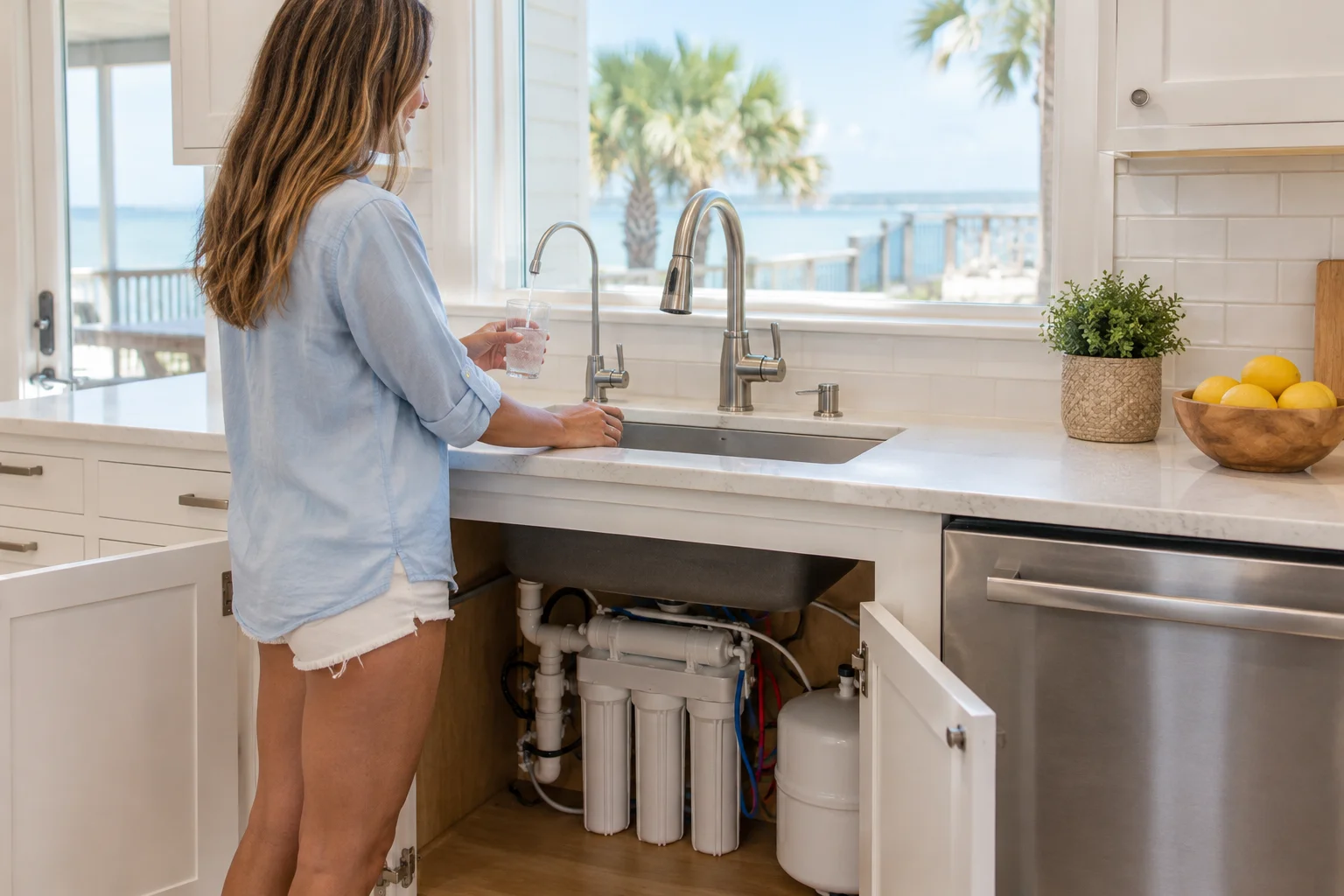
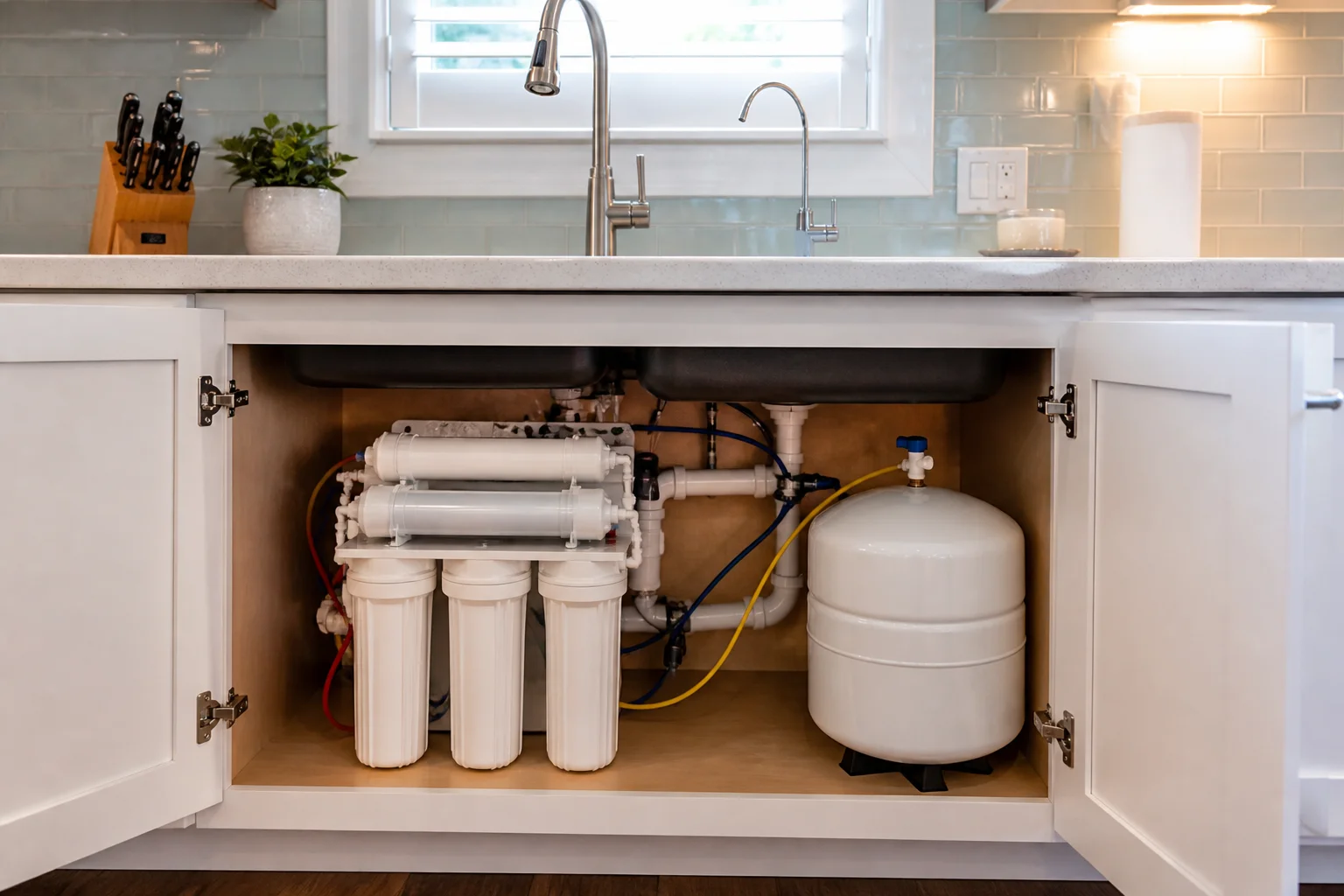
Reverse osmosis, often called RO, is a point of use purification process. Water moves through prefilters and a specialized membrane before reaching a dedicated storage tank and drinking water faucet. Depending on the system and filter configuration, this process can reduce many dissolved substances, unwanted tastes, odors, and other impurities.
For many households, the immediate benefit is better tasting drinking water. RO water can also improve the water used for coffee, tea, soups, pasta, sauces, baby formula prepared according to product directions, and pet bowls. Clearer ice and more neutral tasting cooking water can make a noticeable difference at family meals and when guests gather in the kitchen.
A reverse osmosis system is not usually intended to treat every faucet, shower, washing machine, and appliance. It serves a focused purpose at selected taps, most often the kitchen sink and sometimes a refrigerator. Homeowners searching for a reverse osmosis system near me should be cautious of claims that one small under sink unit will correct scale throughout an entire house. Hard water minerals require a different treatment strategy.
Hard Water Spots and Scale Require the Right Solution
Reverse osmosis water at the kitchen sink may reduce spotting on items washed or rinsed with that purified water, but it will not stop mineral deposits throughout the home. Hard water spots on glass doors, dishes, and fixtures are generally associated with dissolved calcium and magnesium left behind as water evaporates. These minerals also form scale buildup on faucets, showerheads, plumbing components, and heating elements.
A water softener addresses hardness through an ion exchange process. When correctly sized and maintained, it can reduce scale, help soap lather more effectively, improve rinsing, and protect plumbing fixtures and water using appliances. A family dealing with dry skin, dull hair, stiff laundry, spotted glassware, and repeated scale removal may benefit from professional water testing and water softener service.
Before replacing faucets or showerheads that have become coated with mineral deposits, homeowners can review what 30A homeowners should know before replacing plumbing fixtures. New fixtures may look better temporarily, but unresolved hardness can leave the same deposits on the replacements.
Why 30A Water Treatment Should Reflect Local Conditions
Homes along the 30A service area include full time residences, second homes, vacation rentals, condominiums, and properties that experience changing occupancy throughout the year. The warm, humid coastal climate also shapes household maintenance. Kitchens may serve a quiet couple one week and a full group of vacationing relatives the next. A drinking water system needs enough capacity for those real patterns of use.
Water conditions can differ by supply source, neighborhood, building age, and the plumbing inside an individual property. Municipal disinfection can contribute a noticeable chlorine taste or odor. Private wells require their own testing and treatment considerations. Sediment, corrosion, or stagnant water in a seasonally occupied home can also influence what comes from the tap.
That is why local service matters. A professional familiar with properties across Walton County can account for coastal home layouts, limited cabinet space, seasonal occupancy, rental turnover, and local water characteristics. For someone searching online for water treatment near me, the most useful next step is an evaluation based on the actual home rather than a generic filter recommendation.
Building a Clean Water System in Practical Layers
A complete home water treatment plan may use more than one type of equipment. Each component should have a clear job based on testing and household priorities.
Whole Home Water Filtration
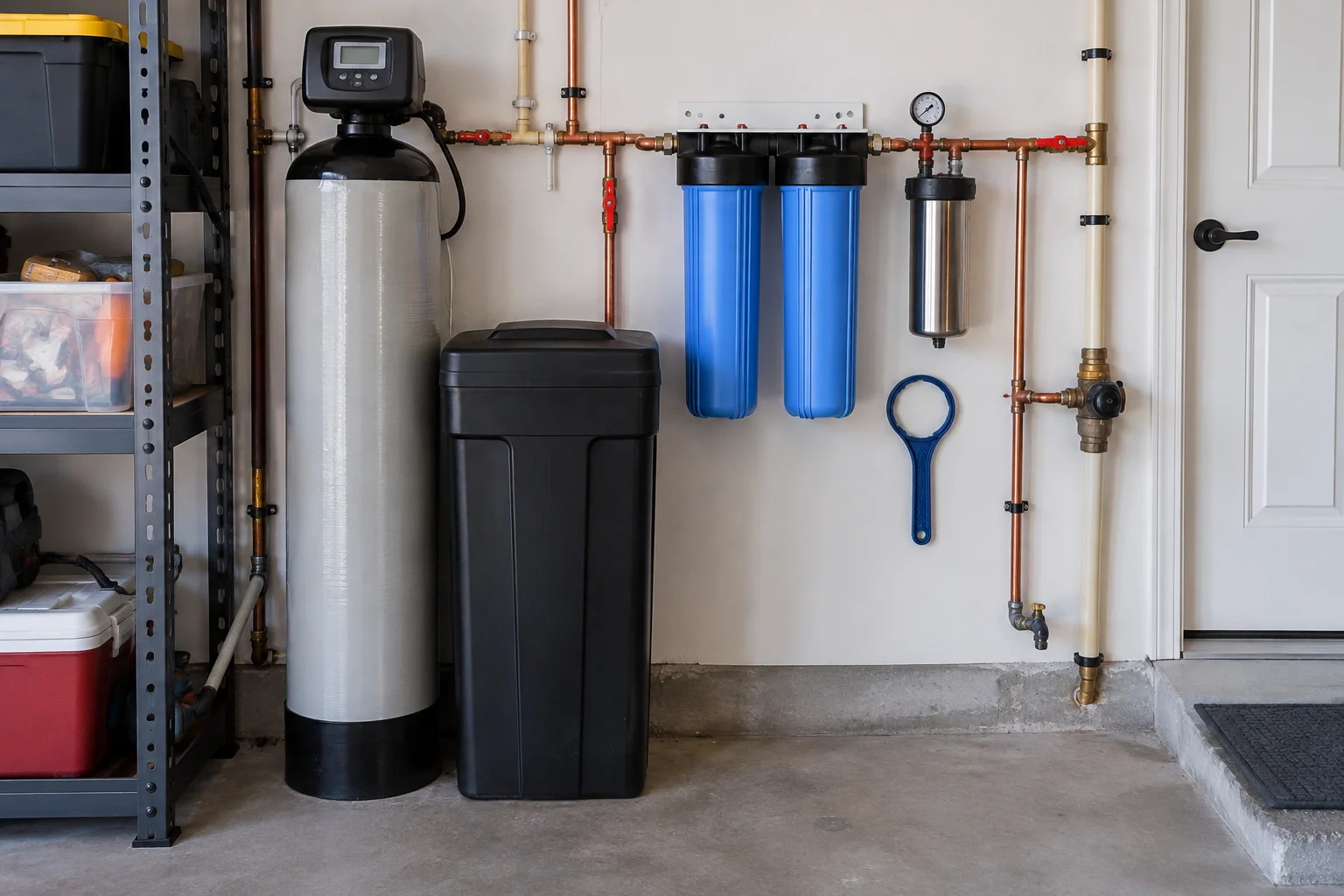
A whole home water filtration system treats water as it enters the property. The filter media selected may help reduce sediment, chlorine, certain odors, or other identified concerns before water reaches showers, laundry equipment, fixtures, and appliances. This can make bathing and household cleaning more pleasant while protecting downstream equipment from particles.
Whole home filtration does not automatically soften hard water. It also does not provide the same level of dissolved contaminant reduction as a properly maintained RO membrane. Homeowners comparing options for water filtration near me should ask exactly which substances a proposed system is designed and certified to reduce.
Water Softening
A softener targets hardness minerals. It can reduce mineral scale in plumbing and help detergents work more effectively in the shower, dishwasher, and washing machine. Correct sizing depends on measured hardness, water use, flow rate, and regeneration settings. Oversized or poorly programmed equipment can waste salt and water, while an undersized unit may not keep up with household demand.
Reverse Osmosis Purification
An RO system adds a final treatment layer for drinking, ice, and cooking water. Prefiltration protects the membrane, while post filtration can polish taste before water reaches the faucet. Some installations can supply a compatible refrigerator ice maker, although line length, pressure, and refrigerator requirements must be checked.
Brands and configurations vary. AO Smith water filtration products may be appropriate for certain homes, while another tested system may better match a specific water analysis, cabinet layout, or daily demand. Product certification, replacement filter availability, system capacity, recovery rate, and service access matter more than choosing equipment by brand name alone. A Superior Mechanical can help homeowners compare water filtration, RO, and water softener solutions as parts of one coordinated plan.
How Better Water Changes a Normal Day
In the kitchen, filtered water can make it easier for children to fill reusable bottles before school and for adults to pour a glass without reaching for bottled water. Coffee and tea can taste more like the beans and leaves rather than chlorine or metal. Cooking water no longer introduces an unwanted flavor into rice, broth, vegetables, or pasta. A refrigerator supplied by the RO system may produce ice that looks clearer and tastes cleaner, depending on the minerals and gases present.
Whole home treatment extends those improvements into other rooms. Reduced sediment and chlorine can improve water used for bathing and laundry. Softened water can help shampoo, soap, and detergent lather and rinse more readily. Fixtures may require less scrubbing, and scale sensitive appliances may have fewer mineral deposits to manage.
These benefits are especially useful in a 30A vacation rental. Guests quickly notice unpleasant drinking water, stained fixtures, odors, or a refrigerator dispensing poor tasting water. Treatment equipment still needs regular care, but a well designed system can support a more consistent experience even as occupancy changes.
Choosing an RO System That Fits the Property
Reverse osmosis installation begins with water testing and a discussion of how the household uses water. The installer should inspect available cabinet space, drain access, incoming pressure, shutoff valves, the sink or countertop, and any planned connection to a refrigerator. Homes with a private well may need additional treatment before RO water reaches the membrane.
Capacity is also important. A small system that works well for two full time residents may struggle during holiday gatherings or peak rental weeks. Tank size, production rate, pressure, and the number of connected fixtures all affect performance. Tankless designs can save space in some kitchens, while traditional tank systems remain practical for many homes.
Look for clear information about contaminant reduction claims and independent certifications relevant to the product. Ask how often filters should be changed, what replacement cartridges cost, and whether the system includes a leak shutoff or monitoring feature. Homeowners researching home water purification near me should also confirm who will service the unit after installation.
Good installation protects more than water quality. Tubing should be routed securely, fittings should remain accessible, and the drain connection must be completed correctly. The guidance in plumbing installation that helps 30A homes stay ahead of water damage explains why careful workmanship is especially important around cabinets, flooring, and finished living spaces.
Maintenance Keeps Purified Water Flowing
An RO system is not a set it and forget it appliance. Prefilters protect the membrane from sediment and disinfectants, and exhausted filters can affect water quality or production. The membrane lasts longer than typical prefilters, but its service life depends on source water, usage, pressure, and maintenance. Post filters also need replacement on the manufacturer’s schedule.
Maintenance may include replacing cartridges, sanitizing the storage tank and lines, checking pressure, inspecting tubing and fittings, testing membrane performance, and confirming that the drain is working properly. Rental property owners should document service dates so maintenance does not get missed between guests or management changes.
Changes in taste, odor, flow, or ice quality can indicate that service is due. A tank that fills slowly, a faucet that produces only a brief stream, continuous drain flow, or water around the cabinet should be evaluated. Shut off the water supply if a leak is present and arrange professional service promptly. More routine guidance is available in smart plumbing habits for reverse osmosis systems in 30A homes.
Whole home filters and softeners have their own schedules. Sediment filters need replacement before they become restrictive. Carbon media has a finite capacity. Softener salt levels, brine components, and settings should be checked periodically. Coordinating these tasks helps prevent one neglected component from reducing the performance of the complete system.
Situations That Call for Professional Water Treatment Service
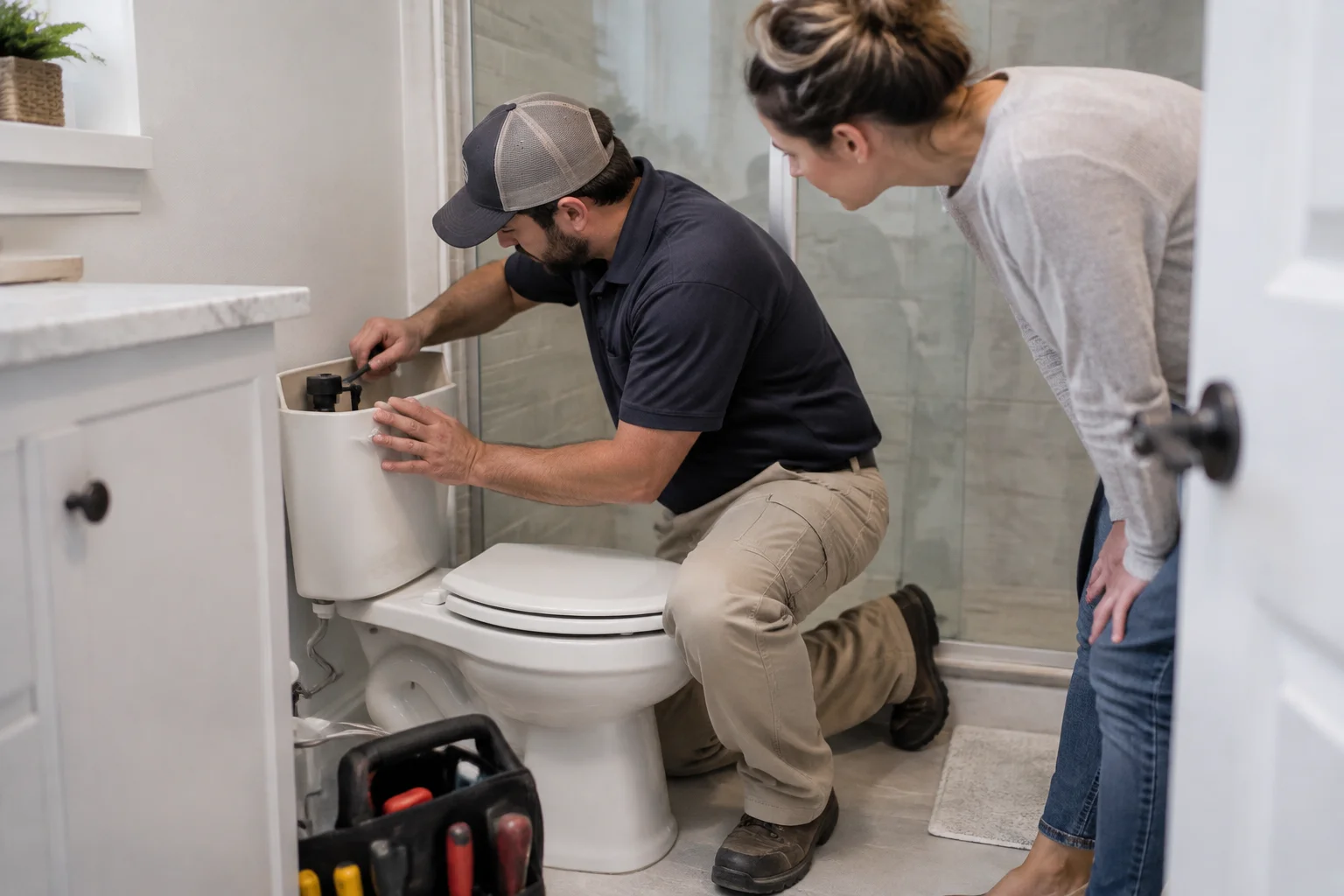
Professional testing and inspection are appropriate when water develops a sudden odor or discoloration, visible sediment keeps returning, scale accumulates quickly, or taste changes without explanation. Service is also wise when an RO faucet loses pressure, filters clog unusually fast, a softener uses excessive salt, or water appears around treatment equipment.
Persistent health or safety concerns should not be judged by taste or appearance alone. Clear water is not necessarily free of contaminants, and cloudy or odorous water is not always unsafe. A certified laboratory can identify specific substances when needed, while a water treatment professional can use those results to design appropriate equipment.
A Superior Mechanical provides reverse osmosis installation, replacement, and maintenance for homes, vacation rentals, and commercial properties along 30A. The goal is not to sell every household the same device. It is to match the source water, plumbing, space, occupancy, and desired results with a serviceable solution. Homeowners looking for a drinking water filter near me can also learn how RO supports a broader treatment plan by reading about cleaner water and reverse osmosis systems for Seaside homes.
With the right combination of reverse osmosis, water softening, and whole home water filtration, the water used for morning coffee, family dinners, showers, laundry, and household cleaning can better suit the way a 30A home is actually lived in.
Find Reverse Osmosis Systems in 30A, FL
If you need Reverse Osmosis Systems in 30A, FL, visit our local service page or contact A Superior Mechanical today.
For a broader look at whole-home water filtration, reverse osmosis, and water softener options, visit our water filtration, RO, and water softener page.
Map of 30A, FL
Frequently Asked Questions
Will a reverse osmosis system remove hard water spots throughout my 30A home?
No. A kitchen RO system treats water at a selected faucet, so it does not stop hard water spots or scale throughout the house. A properly sized water softener is generally used to reduce hardness minerals affecting showers, fixtures, plumbing, laundry, and appliances.
Can reverse osmosis improve chlorine, metallic, or unpleasant tasting water?
A properly selected and maintained RO system can reduce many substances that contribute to unwanted taste and odor. Its prefilters, membrane, and post filter each have a role. Water testing can help determine the likely cause and the most suitable filter configuration.
How often should reverse osmosis filters be replaced?
Replacement intervals depend on the manufacturer, source water, household use, and system design. Prefilters and post filters commonly require more frequent replacement than the RO membrane. Changes in flow, taste, odor, or ice quality are reasons to schedule an inspection rather than waiting for a fixed date.
Related Articles
Photo Gallery