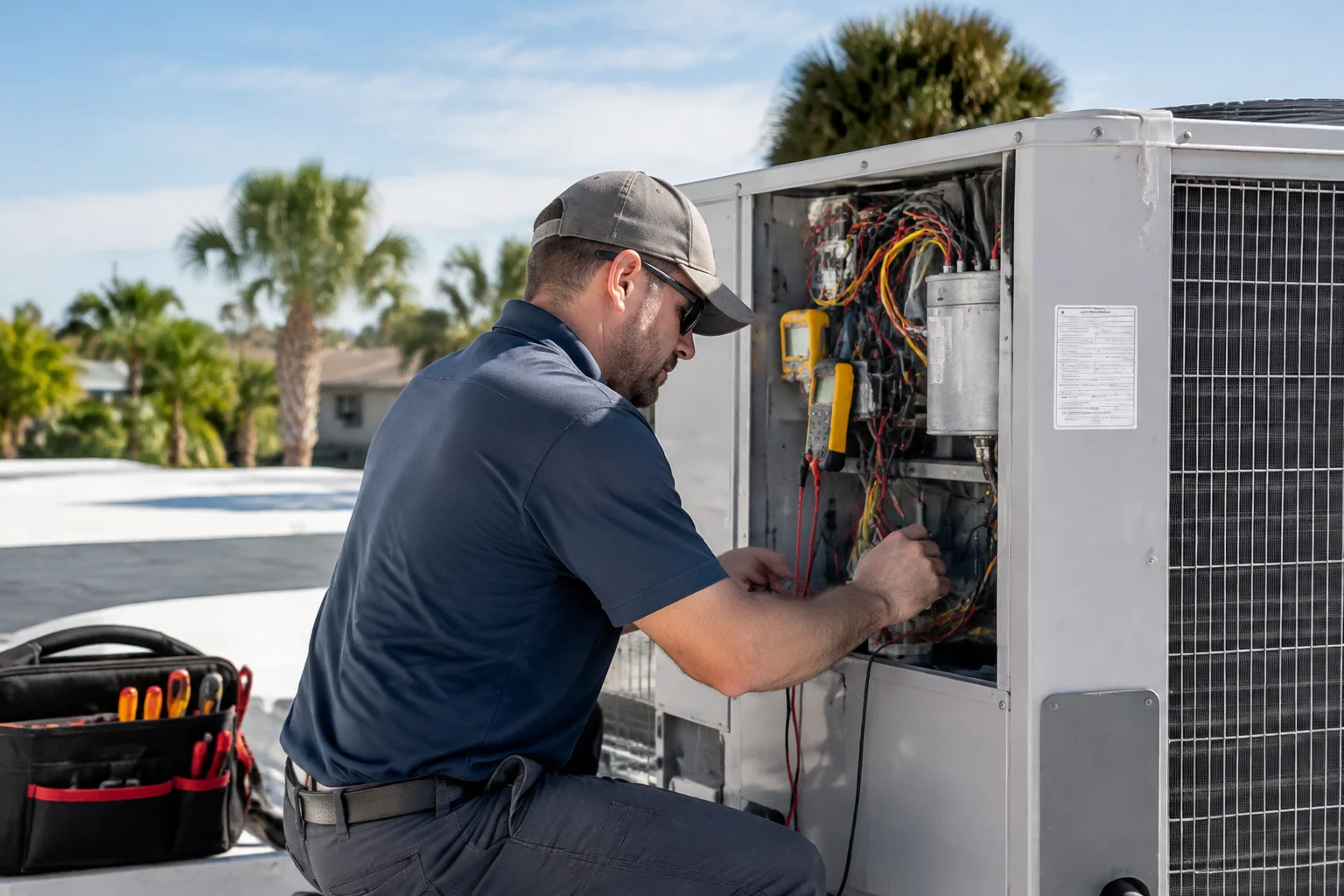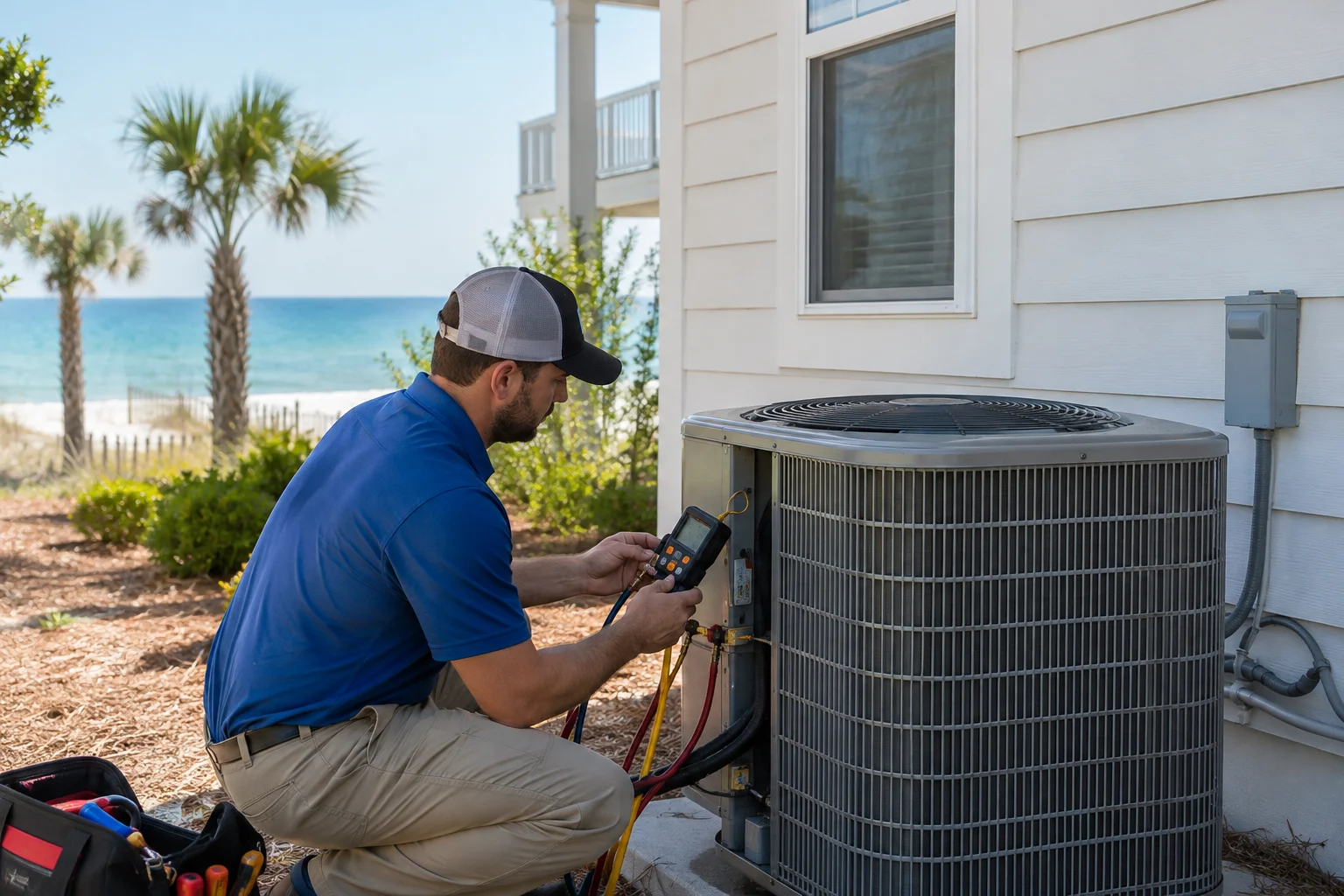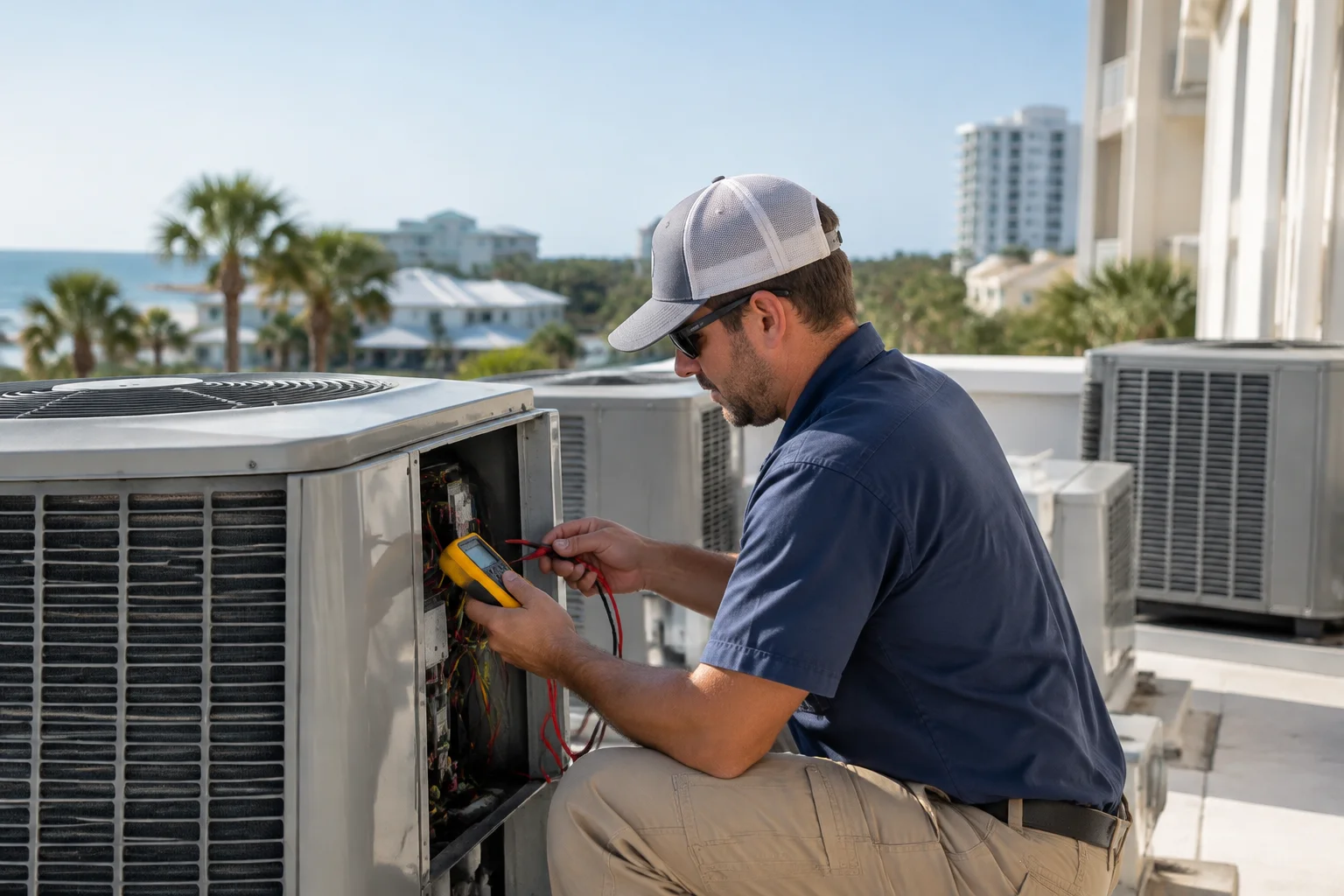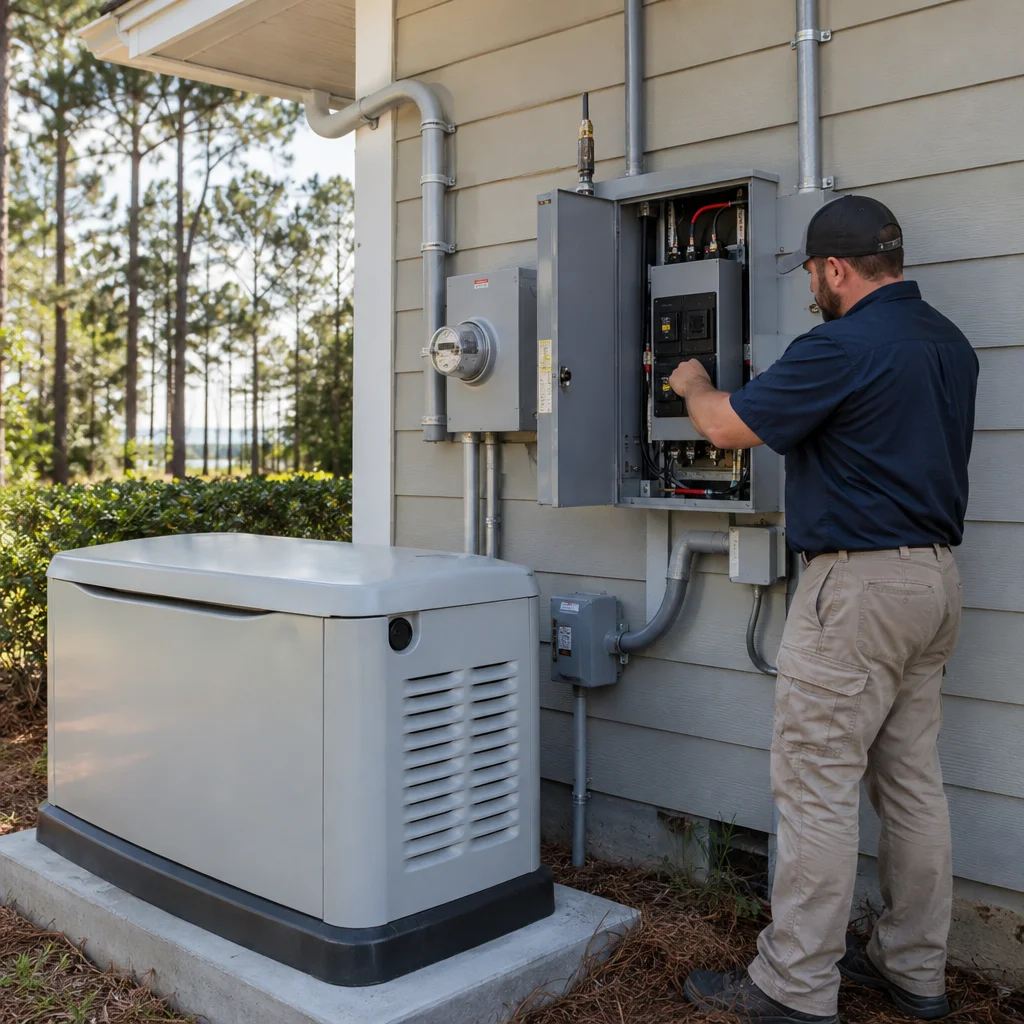
Florida homeowners in DeFuniak Springs, FL often plan their comfort around the weather. That means preparing for muggy summers, occasional storms, and long stretches of high humidity. Geothermal energy systems can be a great fit for older and newer homes because they rely on stable ground temperatures. Still, geothermal HVAC is not “set it and forget it.” Small issues with airflow, condensate drainage, refrigerant systems, or thermostat settings can turn into uncomfortable rooms and higher energy use.
This guide focuses on how to protect your home from HVAC problems with geothermal energy systems, especially by catching trouble early. If you are searching for HVAC service near me or planning AC tune up near me before the worst of the season, the steps below can help you know what to watch and what to ask an experienced local team like A Superior Mechanical to check.
Why geothermal systems still need preventive HVAC maintenance in DeFuniak Springs
Geothermal heating and cooling systems use heat exchange with the ground loop to move comfort into your home. The indoor portion still depends on familiar HVAC components: air handlers or fan coils, blower motors, filters, thermostats, ductwork, and refrigerant systems. Even if the outdoor “air source” is different from a traditional AC, your comfort still depends on consistent airflow and correct system operation.
In DeFuniak Springs, the challenge is that summer humidity can be relentless. When moisture control slips, you may notice musty odors, sticky indoor air, or condensation where it should not collect. Those symptoms are often connected to airflow problems, improper humidity control, or drainage issues. Older homes may also have ductwork that is leaky or undersized, which can strain the system and make it work harder to reach the thermostat setting.
Newer homes can still face issues after construction dust, filter neglect, or duct sealing problems. And if salt air from the Gulf is influencing the area’s environment, corrosion and component wear can accelerate over time. Geothermal systems can handle the region’s climate well, but they need routine attention to avoid breakdowns when you need emergency cooling the most.
The early warning signs that your geothermal HVAC is starting to struggle
Homeowners often wait until the system stops. With geothermal, that delay can be costly because airflow and moisture problems can develop gradually. Look for these signs that may point to an HVAC repair need before the system fails.
1) Rooms feel uneven, especially during peak Florida heat
Hot spots, cold pockets, or rooms that never reach the set temperature can indicate ductwork restrictions, blower problems, or airflow imbalance. In homes with older ductwork, a small blockage or damaged duct section can reduce supply air and cause the system to run longer than it should.
If you notice uneven temperatures along with humidity discomfort, it may also signal that the system is not dehumidifying properly. That can be linked to airflow and thermostat control, not just the cooling cycle.
2) Humidity feels higher than usual, even when the thermostat says cooling
During summer in Walton County, “cool” does not always mean “comfortable.” If the air feels damp, you may see condensation on windows, sticky indoor surfaces, or lingering odors. These are common indoor air quality concerns because excess moisture can contribute to mold growth and irritants.
Humidity problems can come from several areas, including airflow restrictions, condensate drainage issues, thermostat settings, or improper control of the cooling cycle. A professional assessment is important because the correct fix depends on what is actually happening in your system.
3) Condensate drainage looks off or you notice water where it should not be
Geothermal systems still manage condensate during cooling. If the condensate drain line is partially blocked, misrouted, or not draining correctly, water can collect and create moisture problems. Homeowners may notice a wet area near the equipment, a gurgling sound, or musty smells.
Because drainage issues can affect indoor air quality and comfort, addressing them early helps prevent bigger problems that can lead to emergency AC repair needs.
4) Airflow changes: weaker supply air, louder blower sounds, or inconsistent fan cycling
A sudden drop in airflow can be caused by clogged filters, dirty coils, blower motor issues, or ductwork problems. You might also hear unusual sounds coming from the air handler or fan coil.
When airflow drops, the system has to work harder and may struggle to maintain temperature and humidity targets. That can raise energy use and increase wear on components tied to the refrigerant systems.
5) Thermostat behavior seems “wrong” for the season
If your thermostat display looks normal but the system does not respond as expected, the issue may be settings, sensor placement, or control logic. For example, an incorrectly configured thermostat schedule can cause the system to short-cycle or run longer than needed.
In some homes, thermostat placement near a draft, in direct sunlight, or behind furniture can lead to inaccurate readings. Since geothermal comfort depends on stable control, thermostat issues can be one of the first “quiet” problems homeowners notice.
6) Higher energy use without a clear reason
When geothermal HVAC starts to lose efficiency, it can show up as higher monthly energy bills. That does not always mean your system is failing, but it can indicate airflow restrictions, filter neglect, duct leakage, coil fouling, or other maintenance gaps.
Tracking energy use alongside comfort changes can help you explain the problem to your technician and speed up diagnosis.
Common causes behind geothermal HVAC problems in older and newer DeFuniak Springs homes
Understanding what tends to go wrong can help you catch problems early. Here are several areas A Superior Mechanical typically evaluates when homeowners call about geothermal cooling discomfort, airflow concerns, or indoor air quality issues in the DeFuniak Springs area and across Walton County.
Airflow restrictions from filters, ductwork, and seasonal buildup
Filters that are too restrictive or not replaced can reduce airflow and increase strain on the system. Ductwork can also contribute, especially in older homes where duct runs may have leaks, loose connections, or poor insulation. Even in newer builds, construction dust and duct sealing issues can reduce performance.
If you are dealing with duct cleaning concerns, it helps to separate cleaning from airflow restoration. Some homeowners search for duct cleaning near me when the real issue is airflow imbalance, duct leakage, or a maintenance gap. A technician can help determine whether cleaning is appropriate or whether ductwork sealing and HVAC maintenance will address comfort.
Condensate drainage blockages and moisture-related component stress
Condensate drainage problems can be subtle until they affect comfort. A clogged drain line, improper slope, or a blocked condensate pan can lead to water damage risks and humidity control issues. In Florida’s humid climate, that risk is higher.
Refrigerant system issues and the limits of troubleshooting from home
Geothermal systems rely on refrigerant systems to move heat. If refrigerant levels are out of range or if there is a system leak, performance and comfort can suffer. However, refrigerant is not something homeowners should attempt to diagnose on their own.
Any suspected refrigerant problem requires an in-person evaluation by a licensed HVAC professional. Attempting DIY checks can delay proper repair and can create safety concerns.
Thermostat settings, sensor placement, and humidity control modes
Thermostats influence how the system cycles and how it responds to indoor humidity. A schedule that is too aggressive, a sensor that is reading the wrong location, or a humidity control setting that does not match your home’s needs can create comfort complaints that look like “system failure.”
Salt air and corrosion impacts on components
DeFuniak Springs is not directly on the coast, but the broader Walton County area can be affected by salt air carried inland. Over time, corrosion can affect metal components, fasteners, and certain HVAC parts. Preventive maintenance helps technicians identify early wear before it becomes a failure point.
A practical geothermal HVAC checklist to catch problems early
You do not need special tools to monitor your system. Focus on consistent observations and simple maintenance habits that support the work a licensed technician performs.
Weekly during peak summer: watch comfort, sounds, and airflow
During the hottest stretches, spend a minute noting what changed. Ask yourself:
- Is airflow from vents weaker than it used to be?
- Do any rooms feel persistently uncomfortable?
- Does the air feel more humid than normal?
- Do you hear new sounds when the system runs?
- Do you smell mustiness near the equipment area?
If you can, take dates and short notes. That information helps an HVAC technician narrow down what to check first.
Before summer: schedule an AC tune up for geothermal systems
Even if your system ran fine last year, plan preventive HVAC maintenance before the season peaks. A seasonal inspection typically includes verifying airflow, checking controls, inspecting condensate drainage, and reviewing system performance. For homeowners searching for HVAC maintenance near me, this timing can reduce the odds of a mid-summer breakdown.
Some homeowners also ask about heat pump services when they are comparing geothermal comfort and efficiency. A technician can explain differences and help you choose the right maintenance approach for your system type.
Replace filters on schedule and verify airflow
Geothermal systems depend on steady airflow. Use the filter size and type recommended for your specific equipment, and replace it as scheduled. If you are unsure how often to change filters in your home, ask your HVAC contractor to recommend a plan based on household needs like pets, allergies, and indoor dust.
When filters are changed correctly, it supports indoor air quality and helps the system maintain comfort without unnecessary strain.
Check thermostat settings and humidity comfort targets
Make sure the thermostat schedule matches your real life. If you have a humidity control mode, confirm it is set appropriately for the season and your comfort preferences. Avoid using schedules that cause frequent short cycling.
If you are considering thermostat upgrades, it is wise to have a professional confirm compatibility with your geothermal setup and duct layout.
How geothermal HVAC maintenance connects to indoor air quality in Florida humidity
For many DeFuniak Springs homeowners, indoor air quality is not an abstract concern. It shows up as allergies acting up, stale air, or a musty smell when the system turns on. With geothermal systems, moisture control depends on proper cooling performance, condensate drainage, and airflow.
When airflow is restricted, the system may not remove moisture effectively. When condensate drainage is blocked, excess moisture can linger. Either scenario can worsen indoor air quality. That is why HVAC service should address both comfort and air handling.
If you are researching air quality improvements, consider pairing geothermal maintenance with testing and targeted upgrades. You can explore indoor air quality testing to understand what is affecting your home’s air.
Ductwork matters just as much as the geothermal loop
Homeowners sometimes assume the geothermal loop handles everything. In reality, your ductwork controls how air reaches each room. If ducts are leaky, poorly balanced, or restricted, the system can produce the wrong air volumes and humidity results.
DeFuniak Springs homes vary widely, from older builds with aging ductwork to newer construction with different airflow design. If you have persistent comfort complaints, ask your technician about ductwork evaluation as part of HVAC repair near you. That may include checking supply and return airflow, verifying dampers and registers, and identifying duct leakage.
If you are thinking about duct cleaning, it helps to understand how cleaning fits into the bigger picture. This guide can help: How DeFuniak Springs Homeowners Can Reduce Duct Cleaning Problems and Keep HVAC Systems Running Better.
What to do when you suspect a geothermal HVAC problem
When comfort starts slipping, the best move is to respond early. Here is how to handle it without guessing.
Document symptoms and system behavior
Write down when the problem started, which rooms are affected, and whether humidity changes too. Note whether the system runs continuously or cycles more often than usual. If you see water near the equipment, take a photo for your technician.
Avoid DIY refrigerant or electrical troubleshooting
Refrigerant and electrical components require trained evaluation. Homeowners should not attempt refrigerant diagnosis, electrical diagnosis, or system modifications. A Superior Mechanical can evaluate your geothermal HVAC components in person and determine what is actually causing the performance issue.
Request a geothermal-focused HVAC inspection
When you call for AC repair near me or air conditioning repair near me, explain that you have a geothermal system and describe how the comfort changed. A professional inspection should address airflow, condensate drainage, thermostat operation, and refrigerant system performance where applicable.
If your home is at risk of losing cooling during a heat wave, ask about emergency cooling concerns. You can also review this helpful read for ways to reduce escalation: Keeping Small HVAC Problems from Turning into Big Business Disruptions in DeFuniak Springs.
System replacement and major upgrades: what homeowners should consider
Most geothermal HVAC issues are resolved through repair and maintenance, but some situations may require system replacement. If your system is frequently underperforming, struggling with airflow and humidity control, or requiring repeated repairs, it may be time to discuss long-term options.
For homeowners searching for HVAC replacement near me, it helps to ask how a new system would be matched to your home’s ductwork, comfort needs, and indoor air quality goals. Even the best geothermal equipment depends on proper installation and correct airflow design.
If you are building or upgrading a home in the area, you may also want to compare comfort solutions. For new builds, see New Construction Air Conditioning. And if your geothermal system includes components that interact with broader air handling, it is worth aligning your approach with a licensed HVAC contractor.
Why working with a local licensed HVAC contractor matters in Walton County
Geothermal comfort depends on details that are easier to evaluate locally: ductwork realities, humidity patterns, equipment age, and the way older homes in DeFuniak Springs were built. A Superior Mechanical serves the area and can help homeowners and businesses protect geothermal energy systems over time.
If you want to focus specifically on geothermal support, you can review our service page here: geothermal-energy-systems-dswcfl. For broader service coverage in the area, visit /service-areas/walton-county and /service-areas/walton-county/defuniak-springs.
When you choose a licensed HVAC contractor who understands geothermal HVAC maintenance, you are more likely to address problems early. That can help reduce energy use, improve humidity control, and lower the risk of emergency cooling issues when Florida weather turns intense.
Frequently needed geothermal HVAC services for DeFuniak Springs homeowners
Homeowners in the DeFuniak Springs area often need a mix of services to keep geothermal systems performing well:
- AC tune ups and seasonal inspections to verify airflow, controls, and drainage.
- Air conditioning service and AC repair when comfort issues appear, including uneven cooling and humidity discomfort.
- Heat pump service support for homes that use related heat pump systems or have hybrid comfort setups.
- Ductwork evaluation when airflow problems impact temperature and indoor air quality.
- Indoor air quality testing when moisture and air quality symptoms persist.
If you are dealing with a comfort issue right now, you can explore Air Conditioning Repair to understand how geothermal comfort problems are handled alongside other cooling repairs across Walton County.
For older and newer homes alike, the goal is the same: catch the early signs, protect airflow and moisture control, and keep your geothermal system ready for the next hot stretch.
Find Geothermal Energy Systems in DeFuniak Springs, FL
If you need Geothermal Energy Systems in DeFuniak Springs, FL, visit our local service page or contact A Superior Mechanical today.
Map of DeFuniak Springs, FL
Frequently Asked Questions
What are the first signs geothermal cooling problems show up in DeFuniak Springs?
Common early signs include uneven room temperatures, air that feels more humid than usual, weaker airflow from vents, unusual blower sounds, and condensation or musty odors near the equipment. If you notice these trends, schedule an inspection rather than waiting for a complete shutdown.
Why would my geothermal system increase energy use even if it is still cooling?
Higher energy use can happen when airflow is restricted (dirty filters, duct leaks, or blocked airflow paths), condensate drainage or humidity control is not operating as it should, or the system is compensating for performance losses. A professional service visit can identify which factor is driving the change.
Can I troubleshoot refrigerant or electrical issues on my geothermal system myself?
No. Refrigerant systems and electrical components require trained evaluation and safe testing. Homeowners should avoid DIY refrigerant diagnosis or electrical troubleshooting and instead request an in-person HVAC inspection from a licensed contractor.
How does ductwork affect geothermal comfort and indoor air quality?
Ductwork controls how air and humidity are distributed through your home. Leaks, poor sealing, or restricted ducts can cause uneven cooling and reduce moisture removal, which can worsen indoor air quality. If comfort complaints persist, ask your technician to evaluate airflow and duct performance.
How often should I schedule preventive geothermal HVAC maintenance in Walton County?
Most homeowners benefit from seasonal inspections before peak cooling demand and periodic filter changes throughout the year. The right schedule depends on system age, household needs, and how often you run the system. A Superior Mechanical can recommend a maintenance plan based on your home and equipment.
Related Articles
- A Homeowner’s Guide to HVAC Financing for Smarter Maintenance in DeFuniak Springs, FL
- Why Commercial HVAC Maintenance Matters More in DeFuniak Springs Than Most Businesses Realize
- How DeFuniak Springs Homeowners Can Reduce Duct Cleaning Problems and Keep HVAC Systems Running Better
- Keeping Small HVAC Problems from Turning into Big Business Disruptions in DeFuniak Springs
Photo Gallery