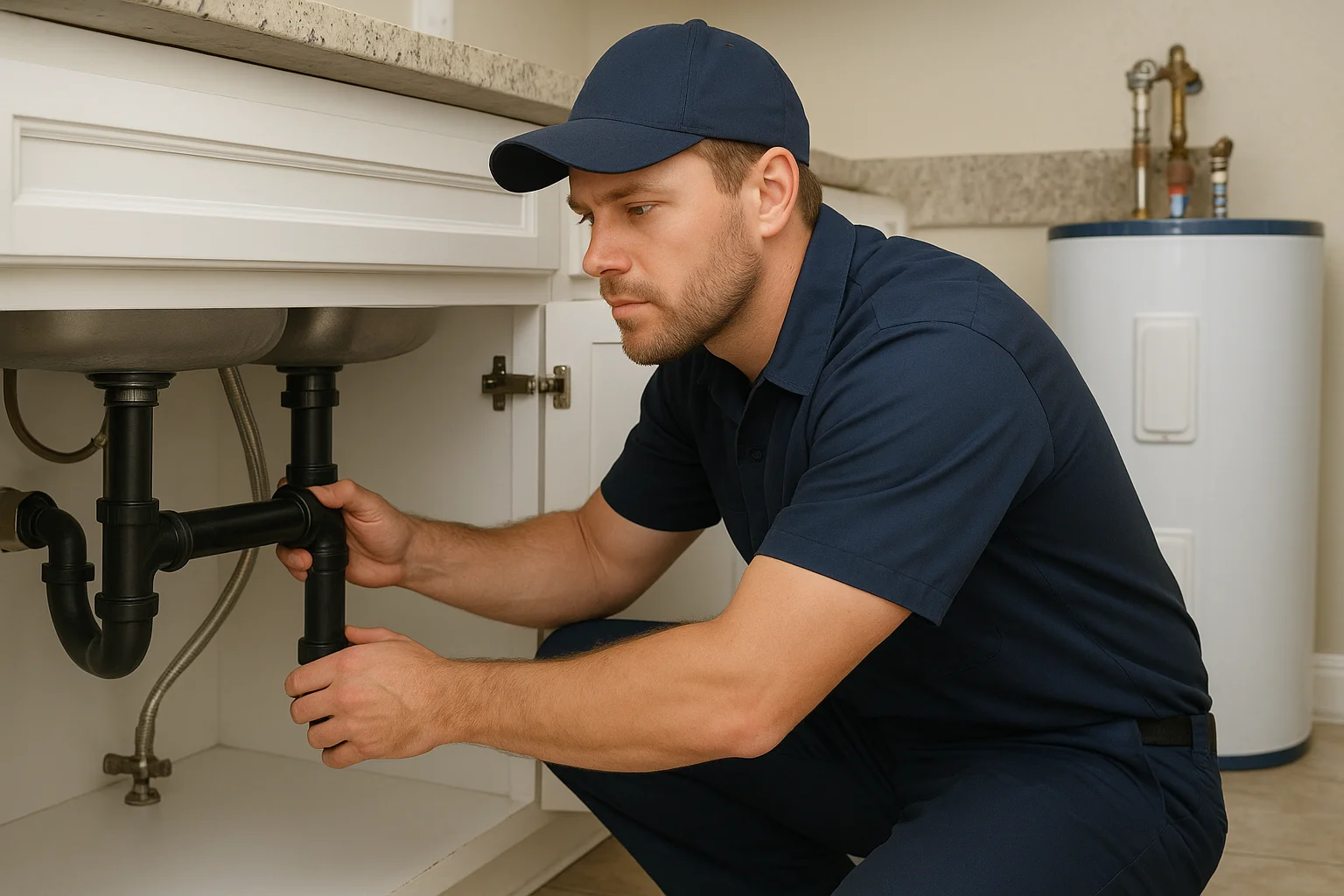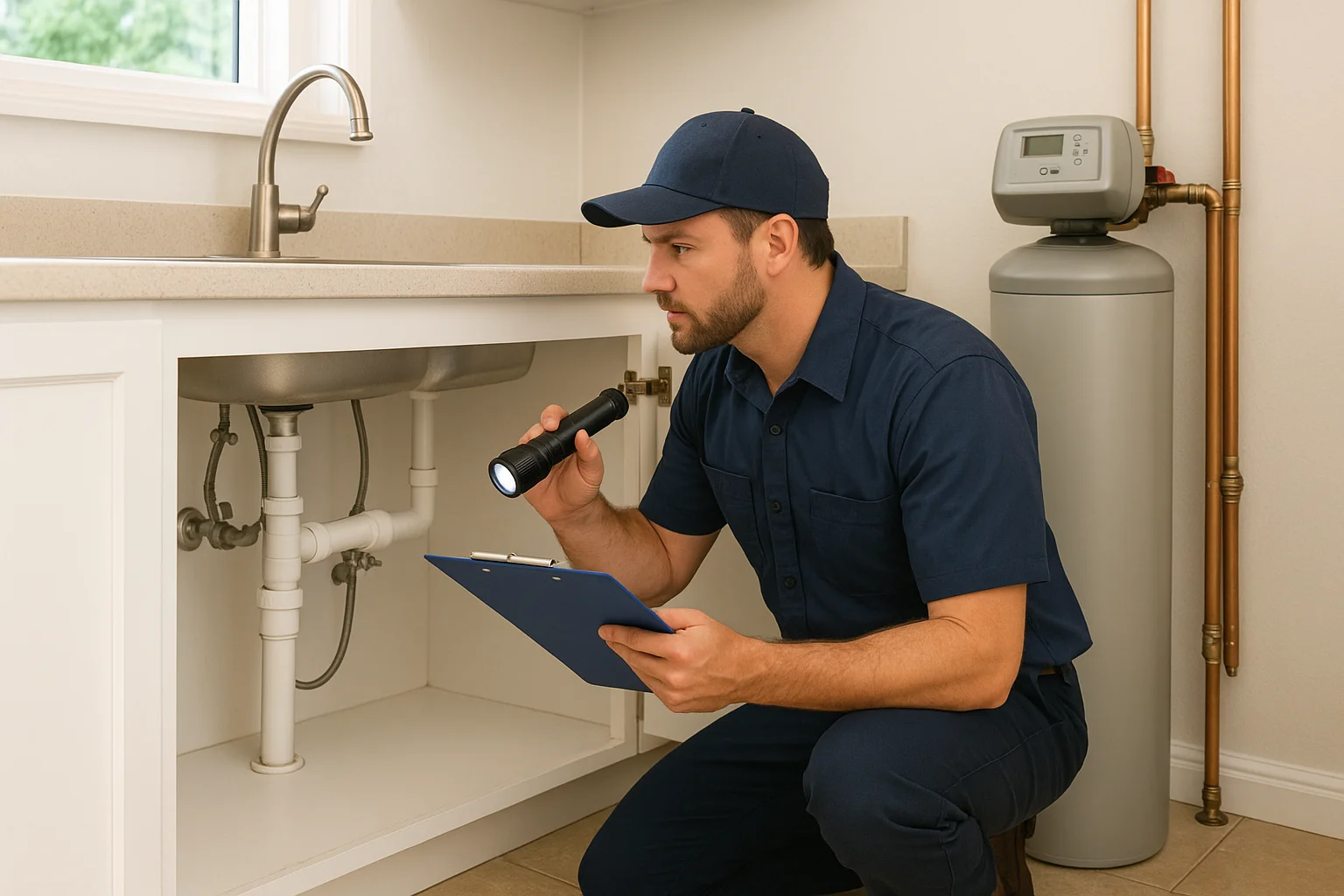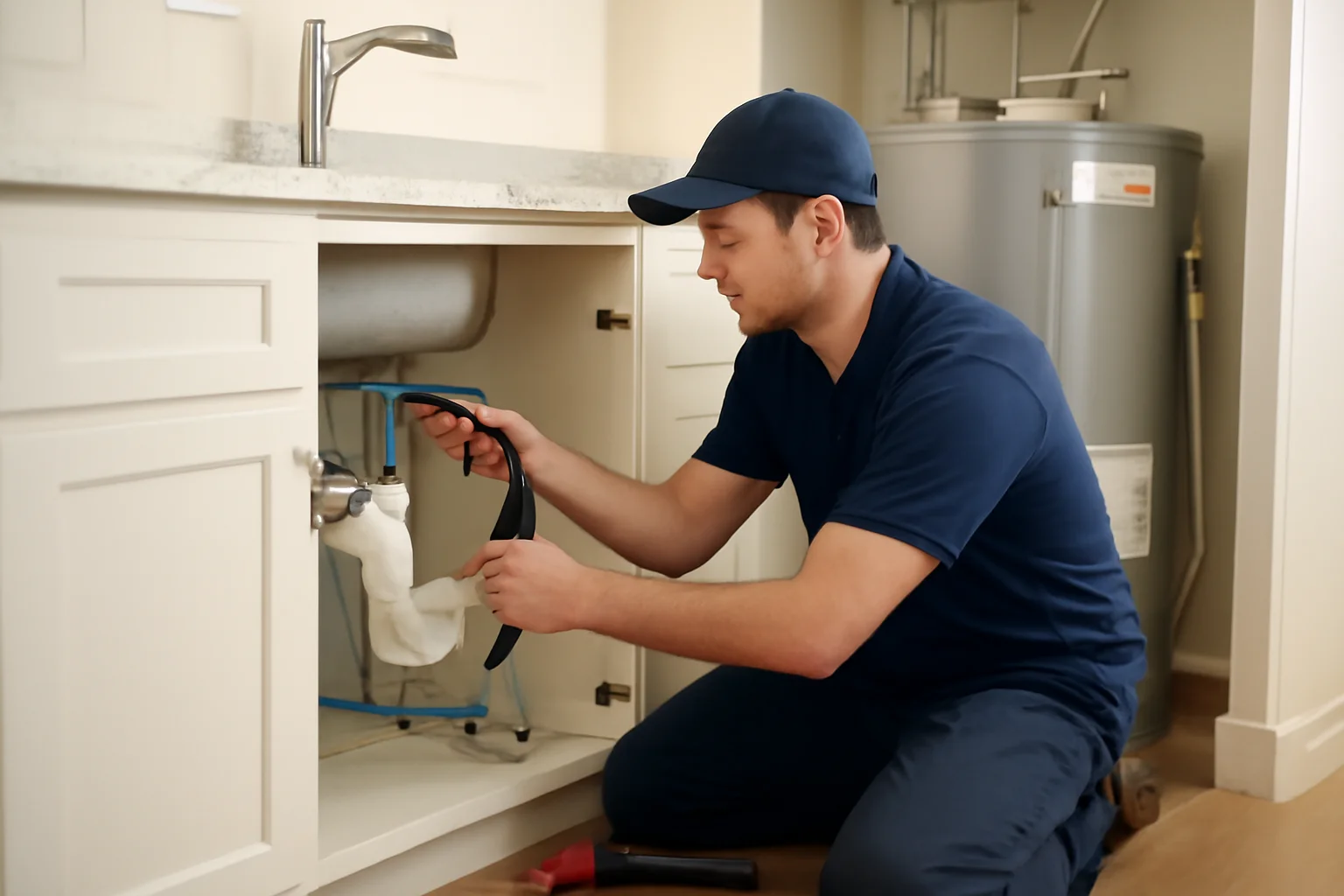
DeFuniak Springs homeowners often notice the same pattern over time: the water heater works fine for a while, then performance slips, water quality changes, or a leak shows up around the tank, fittings, or nearby drains. When hard water is involved, those problems can start sooner and cost more than expected, especially after a replacement.
This guide breaks down what can cause issues with water heater replacement in local homes, why hard water makes it harder, and what you can do to prevent premature failures. If you are searching for water heater replacement in DeFuniak Springs, FL, the best plan is not just choosing the right unit. It is also protecting the installation, the plumbing connections, and the water system that feeds it.
Why hard water can turn a “new” water heater into an early problem
Hard water contains dissolved minerals, most commonly calcium and magnesium. When hot water runs through a tank, those minerals can deposit on the inside surfaces and heating components. Over time, scale buildup acts like insulation, reducing heat transfer and making the unit work harder to deliver the same amount of hot water.
In DeFuniak Springs, many homes rely on well water or local municipal supply that can vary by season and source. That variability is one reason hard water issues can feel unpredictable. One year the water may seem fine, and the next you may notice:
- Less hot water than before
- Longer recovery times after showers or laundry
- Mineral taste or cloudy water
- Rumbling sounds from sediment and scale
Even the best replacement can get pushed ahead in the failure timeline if the underlying water chemistry and maintenance routine are not addressed.
Common causes of problems after replacement in local DeFuniak Springs homes
1) Scale buildup that reduces efficiency and stresses components
Scale does not only affect heating. It can contribute to overheating and premature wear of internal parts. In tank-type water heaters, sediment can settle at the bottom, combining with minerals to form a layer that traps heat and makes the burner or heating element work overtime.
For homeowners, the practical signs are usually performance-related first, before leaks appear. If your hot water output drops or your utility bills creep up, scale could be part of the story.
2) Corrosion at fittings, valves, and connections
Hard water can be tough on metal parts. Even when a new heater is installed with quality materials, corrosion can develop at the connections, shutoff valves, nipples, and temperature and pressure (T&P) valve discharge line. Corrosion can lead to drips, seepage, and eventually a larger leak.
Corrosion is also more likely when water pressure is high, or when water is allowed to sit in sections of piping without proper flow. That brings us to the next issue.
3) Water pressure that is too high or fluctuates
Water pressure problems can cause stress on the water heater and plumbing system. If pressure is excessive, it can increase wear on the tank, strain supply lines, and cause valve leaks. If pressure fluctuates, it can contribute to hammering noises and repeated stress cycles.
Homeowners sometimes notice pressure changes after a storm, when local demand shifts, or when irrigation systems run. If you are seeing pressure swings, a residential plumber near me evaluation that includes pressure checks can prevent a replacement from becoming a short-term fix.
4) Sediment and clogged drain lines affecting venting and relief discharge
Water heater relief valves are designed to discharge safely if pressure or temperature exceeds limits. If the discharge piping is blocked, improperly routed, or connected to a drain that cannot handle the flow, it can create a messy situation and increase the risk of water damage.
Clogged drains in the surrounding area can also affect how water moves during maintenance. That is why drain cleaning and leak repair are not separate worlds. A clean, functional drainage path supports safe operation and reduces emergency plumbing concerns.
If you are dealing with a slow drain, a gurgling sink, or repeated backups, it may be worth addressing nearby drains too. For example, when a clogged toilet repair near me search turns into an urgent problem, it often reveals larger drainage issues in the same plumbing network.
5) Leaks that start small and travel through the home
After a replacement, leaks can show up around:
- Top and side fittings
- Drain valve connections
- Supply line joints
- Relief valve discharge piping
- Temperature probe connections
Small leaks can become expensive because water can travel along pipe runs, soak into insulation, or contribute to corrosion elsewhere. In some homes, especially older ones, leaks can even contribute to slab leak concerns. If you suspect a slab leak, do not wait for it to get worse. Slab leak repair near me is often needed when you notice damp floors, unexplained water bills, or recurring moisture.
6) Incorrect sizing or installation details that affect performance
Water heaters are not one-size-fits-all. If the unit is undersized, it will run more often and feel like it is failing early. If venting or piping layout is off, it can impact efficiency and safety.
In DeFuniak Springs, where homes may include vacation rentals, multi-bedroom houses, and larger families with heavy hot water use, correct sizing matters. A tank that cannot keep up with local demand will cycle more, which accelerates wear.
7) Hard water combined with high usage patterns
Hard water problems get worse when hot water usage is frequent. Common local patterns include:
- Back-to-back showers
- Laundry loads spread across the week and weekends
- Dishwashing habits that run longer cycles
- Vacation rental turnovers with multiple guests
When hot water demand stays high, the heater spends more time at higher temperatures. That increases scale formation and can shorten the lifespan of the unit.
Maintenance tips that help prevent premature failures and save money
The goal is simple: reduce scale, manage sediment, protect connections from corrosion, and keep drainage paths clear. The tips below are practical for local homeowners and work for many common water heater setups.
Flush the tank on a schedule matched to your water
If you have a tank-style water heater, ask your plumber about a flush interval based on your water hardness and usage. A flush removes sediment that can settle at the bottom. For hard water areas, flushing is often more important than homeowners expect.
If you are not sure how to do it safely, schedule water heater service. A technician can also check for scale buildup and confirm the tank is draining properly.
Consider water treatment options for hard water
Many DeFuniak Springs homes benefit from water purification or whole-home water treatment. These options can reduce mineral buildup before it coats heating surfaces.
Explore water purification if you notice scale on fixtures, mineral deposits in tubs, or “spotty” buildup at showerheads. If you already have a filter or softener, make sure it is actually working and not bypassed.
Check temperature settings and use hot water efficiently
Higher temperatures can increase scale formation and energy costs. Many manufacturers recommend around 120 degrees Fahrenheit for safety and efficiency, but your household needs may vary.
Lowering the temperature slightly and using efficient fixtures can reduce stress on the system without sacrificing comfort. It is also a good time to review plumbing habits that affect hot water demand.
Inspect for leaks during routine plumbing checks
Leaks are easier to fix early. During seasonal maintenance, look near the heater for:
- Water on the floor, especially around the base
- Rust-colored drips at fittings
- Moisture at the T&P discharge line
- Corrosion around supply connections
If you suspect a water leak repair issue, do not just tighten something and hope. A professional inspection can confirm the source, check nearby pipes, and verify that the installation is still safe.
Keep an eye on drains and nearby plumbing that shares the same system
Water heaters connect to plumbing networks that include drains, vents, and sometimes sewer lines. If you have slow drains or recurring backups, it can create pressure changes and cleanup problems that complicate water heater maintenance.
If you are searching for “drain cleaning near me” and the issue keeps returning, ask about main drain cleaning too. A blockage that affects drainage can also cause water to back up into fixtures and increase the chance of leaks elsewhere.
For homeowners dealing with recurring clogs, you may find helpful strategies in A Smarter Way to Handle Plumbing Maintenance in DeFuniak Springs.
Don’t ignore water pressure and water hammer
If you hear banging when a faucet turns off, or if pressure seems to spike and drop, address it. Pressure regulators, expansion tanks, and proper plumbing design can reduce stress on the heater and supply lines.
Home plumbing inspection near me is a smart approach when you want the whole picture, including pressure, shutoff valves, and pipe condition.
How DeFuniak Springs climate and home styles affect water heater performance
Walton County homes experience humid weather and seasonal changes that can affect plumbing. Humidity can contribute to corrosion around exposed pipes and fittings, and it can make small leaks easier to miss until they cause noticeable damage.
Some local homes have crawl spaces or slab foundations. If your water heater is installed near other plumbing lines, a hidden leak can show up as dampness, musty smells, or unexpected moisture patterns. In those cases, a plumber may need to evaluate pipe repair and potential slab leak repair rather than focusing only on the heater.
Also, many DeFuniak Springs properties include outdoor plumbing for irrigation or seasonal use. Those water demand swings can influence pressure and flow to the heater.
When replacement problems look like water heater issues but start elsewhere
Homeowners sometimes assume the new unit is defective. Often, the problem is upstream or adjacent. Here are a few scenarios that can mimic “bad heater” symptoms:
- Hot water recovery is slow because supply piping is restricted, the heater is undersized, or the pressure regulator is failing.
- Water smells or looks off because of water treatment problems, scale movement, or sediment stirred up in the lines.
- Leaks appear after replacement because old valves or fittings were compromised, or because nearby drains and discharge lines are not clear.
- Frequent drain valve leaks because the valve seat or connection was not compatible with the existing plumbing materials.
If you want to understand how water quality and fixtures affect results, see Cleaner Water Starts With Better Plumbing Care in DeFuniak Springs.
Emergency plumbing concerns: what to do right away
Some situations should not wait for a scheduled appointment, especially if you are dealing with a water heater that is actively leaking or creating safety concerns.
Call for emergency pipe repair or emergency plumbing help if you notice:
- Water pooling quickly near the heater
- Water running from the T&P discharge line
- Burning smell, unusual noises, or signs of overheating
- Backed-up drains that affect multiple fixtures
- Moisture that suggests a slab leak or hidden pipe leak
If a sewer backup repair situation is developing, do not keep using drains. Shut off water where possible and contact a local plumber. For homeowners searching “emergency plumber near me,” getting the right diagnosis early can prevent secondary damage like warped flooring, mold, and corrosion in connected pipes.
Choosing the right maintenance plan after water heater replacement
After installation, a smart maintenance plan protects your investment. Ask your installer about:
- Recommended flush and inspection intervals for your water conditions
- Whether a water treatment approach makes sense for your household
- How to verify water pressure and check for stress points
- How to keep discharge lines clear and properly routed
- What to watch for in the first months after replacement
It can also help to review your fixture choices. Upgrading older fixtures can reduce hot water demand and help you get more consistent performance from the heater. If you are planning changes, read Making Smarter Choices About Plumbing Fixture Replacement in DeFuniak Springs, FL.
Tank vs. tankless in hard water households
Many DeFuniak Springs homeowners consider tankless water heater services to save space and improve hot water consistency. Hard water still matters, but it may affect the system differently. Scale can build up on heat exchanger surfaces, which is why descaling schedules and water treatment become even more important.
If you are weighing options, consider pairing your replacement decision with a maintenance approach. Learn more about tankless water heater services and how maintenance plans reduce the risk of efficiency loss over time.
Why local plumbing service matters in Walton County
Water heater replacements are plumbing projects, not just equipment swaps. Local plumbers understand common plumbing layouts in the area, the types of water issues that show up in local homes, and the drainage and pipe conditions that can cause recurring problems.
For homeowners looking for a residential plumber near me or water heater replacement help across Walton County, local service also means faster response times for leak repair, drain cleaning, and emergency pipe repair when something goes wrong after installation.
If you want to compare options for your home, start with the service page for water heater replacement in DeFuniak Springs, FL, and explore the broader coverage on the DeFuniak Springs service area page.
Quick checklist: what to do after your water heater replacement
- Confirm the unit size matches your household hot water use.
- Ask about water hardness and whether scaling is likely in your home.
- Verify water pressure is in a safe range.
- Inspect for leaks around fittings, valves, and discharge lines.
- Keep drains and nearby plumbing clear so maintenance stays safe and effective.
- Schedule water heater maintenance to reduce scale and sediment buildup.
These steps help prevent the most common “replacement problems” that are actually maintenance gaps, water pressure issues, or drainage complications. For homeowners focused on keeping costs down, staying ahead of the plumbing system around the water heater is often the difference between a long service life and another expensive call.
If you are noticing performance changes, leaks, or recurring drain issues, consider a home plumbing inspection near me approach so the root cause is found, not just the symptom.
Find Water Heater Replacement in DeFuniak Springs, FL
If you need Water Heater Replacement in DeFuniak Springs, FL, visit our local service page or contact A Superior Mechanical today.
Map of DeFuniak Springs, FL
Frequently Asked Questions
Can hard water really shorten the life of a brand-new water heater?
Yes. Hard water minerals can build up as scale and sediment inside the tank or heat exchanger. That reduces efficiency, increases stress on components, and can lead to earlier performance problems or leaks.
What signs suggest my water heater replacement is having a plumbing-related problem?
Look for leaks around fittings or the base, moisture around the T&P discharge line, rumbling noises, sudden drops in hot water, or recurring discharge issues. Those can point to connection problems, sediment, or pressure issues.
How often should I flush my tank water heater in DeFuniak Springs with hard water?
There is no one universal schedule, but hard water homes often need more frequent flushing than average. A plumber can recommend a interval based on your water conditions and usage. If you want a safe plan, schedule water heater maintenance.
Could a drain or sewer issue affect my water heater?
It can. If nearby drains are clogged or if discharge piping cannot drain properly, you can get messy water flow during relief events and maintenance. Sewer backup repair or drain cleaning may be needed if backups are happening across multiple fixtures.
When should I treat a water heater leak as an emergency?
If water is pooling quickly, the T&P discharge line is running, you notice strong overheating odors, or you suspect a hidden leak such as a slab leak, contact an emergency plumber. Early action helps limit water damage and corrosion in connected pipes.
Related Articles
Photo Gallery