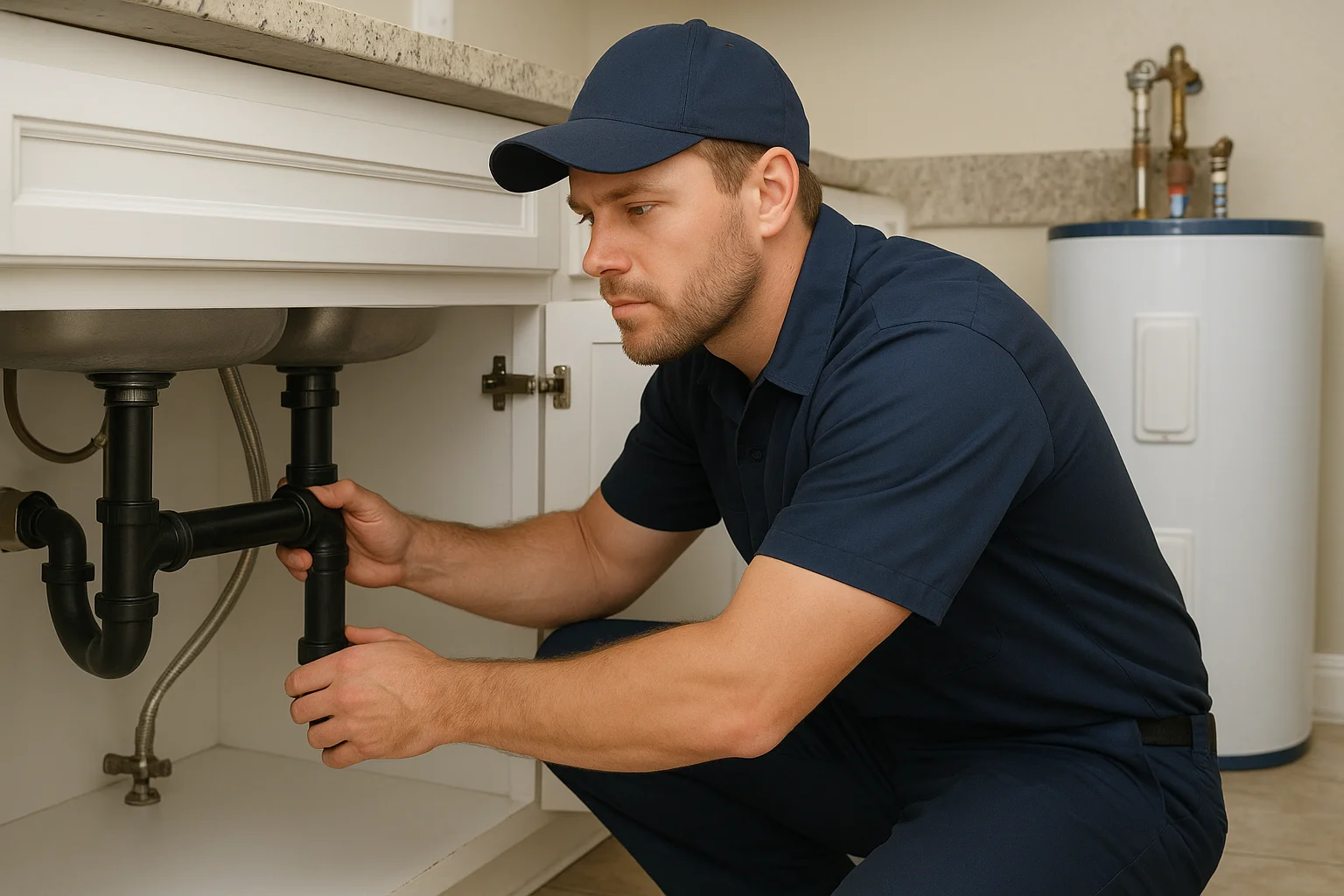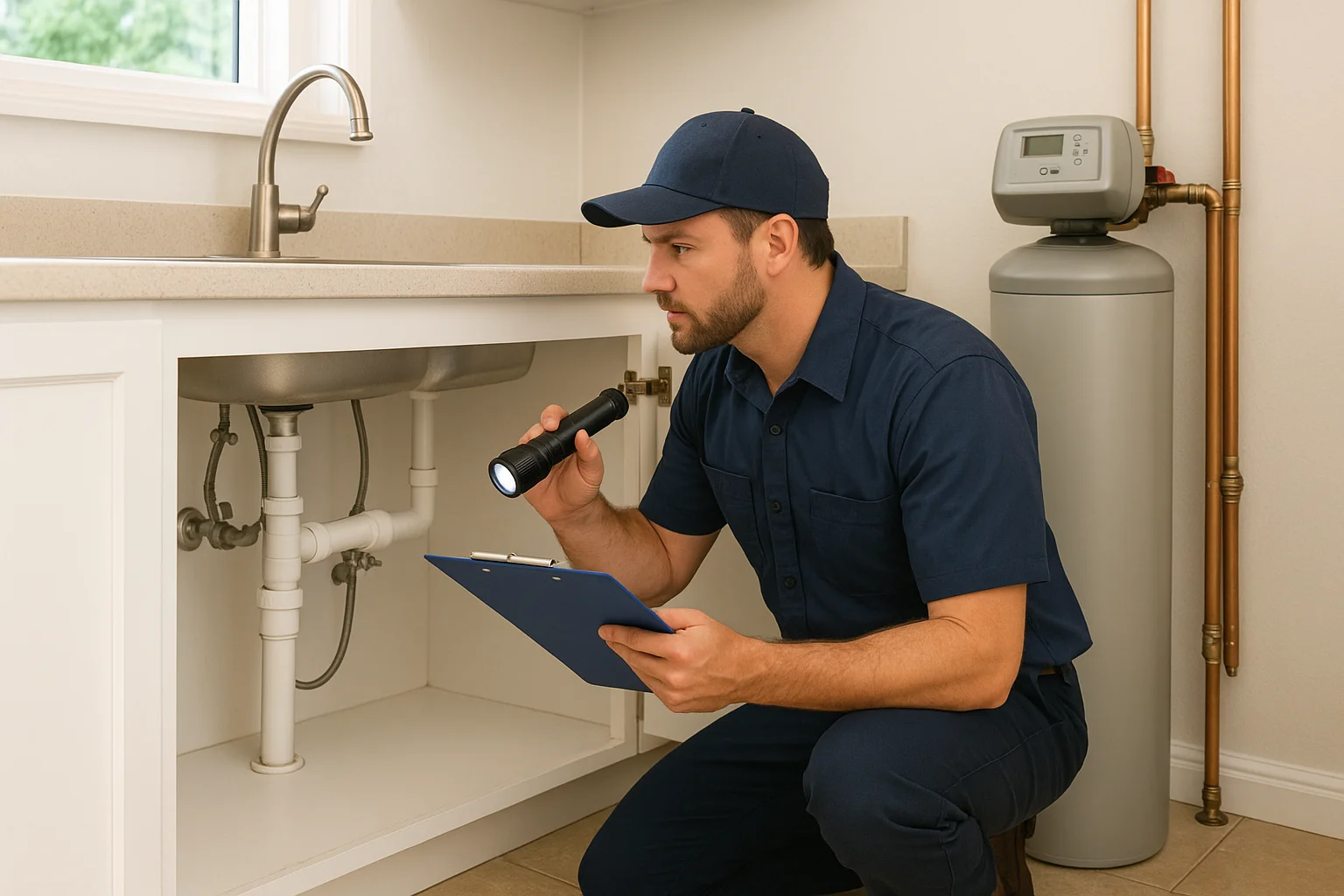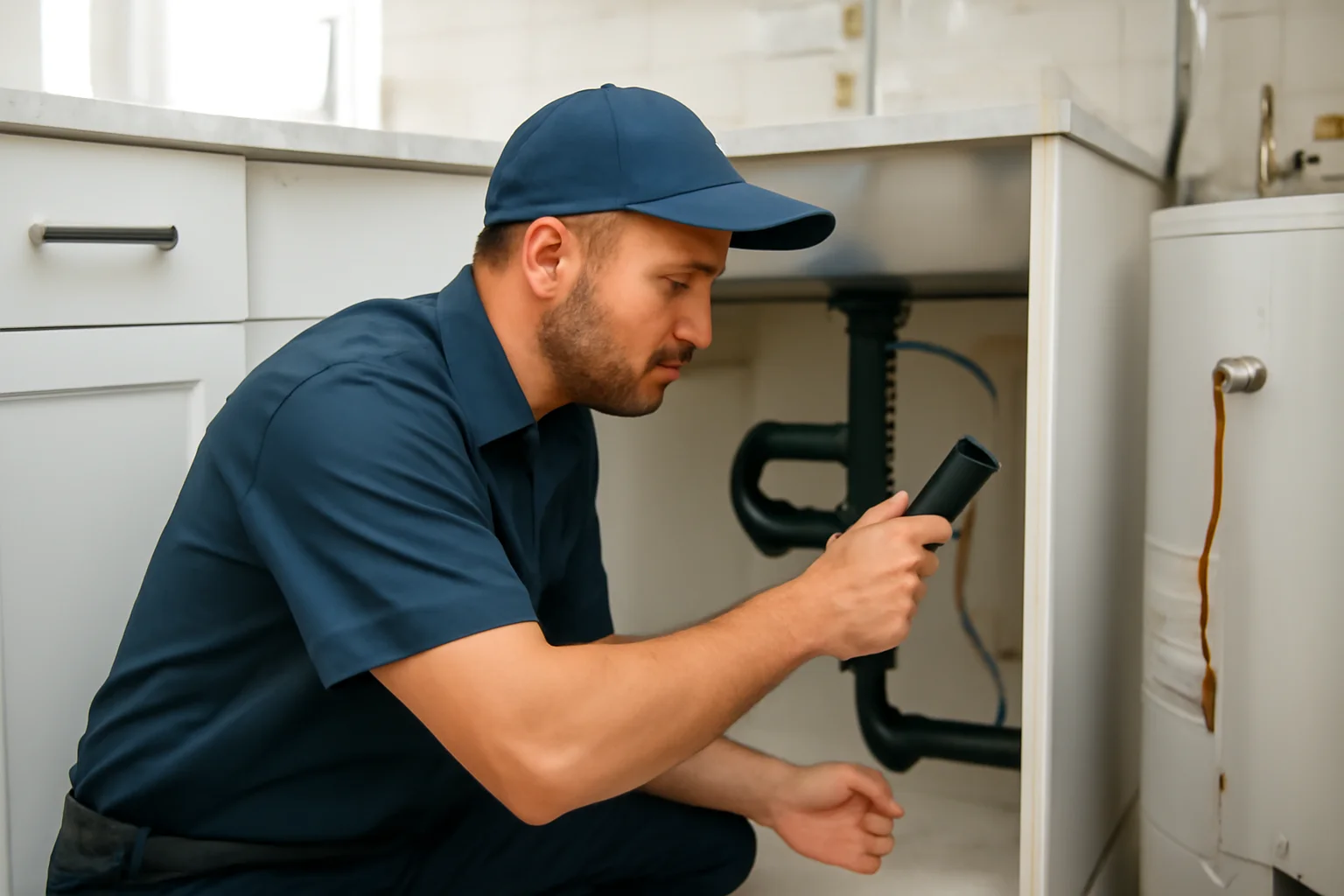
Valparaiso homes are built for Florida life: steady humidity, summer downpours, and long stretches of warm weather. That climate can also work against plumbing. When water escapes from a pipe in or under a concrete slab, it may take weeks or months before you see obvious damage. By then, floors can buckle, drywall can stain, and your water bill can climb.
This guide walks you through practical leak detection and slab leak basics for homeowners in Valparaiso, FL, with clear steps you can take now and the right questions to ask a local plumber near me before the problem spreads.
What counts as a slab leak in a Valparaiso home?
A slab leak happens when plumbing lines that run under a concrete foundation develop a leak. Water can move along the path of least resistance through soil and around the slab, and it may not show up immediately as a wet spot. Over time, the leak can undermine the foundation, saturate the ground, and damage nearby components like flooring, insulation, and sometimes electrical outlets.
In many Valparaiso neighborhoods, homes rely on water lines and waste lines routed under slabs. That means a leak can affect both water supply and drainage systems, leading to symptoms that look like “mystery” water use, slow drains, or recurring moisture issues.
Early warning signs homeowners can catch before damage grows
Leak detection starts with noticing patterns. Many slab leak symptoms are subtle at first, and they often show up as changes you can measure.
1) Your water bill rises with no obvious reason
One of the most common leak detection near me calls begins with a simple comparison. If your household water use stays about the same but your bill jumps, a hidden leak could be the culprit. Hard water can also mask issues because mineral buildup can make fixtures appear “normal” even when flow is wrong.
2) Water pressure feels inconsistent
Some homeowners report pressure drops, air in the lines, or pressure that fluctuates after showers or toilet use. A leak can change how water moves through pipes, and damaged lines can trigger pressure variations throughout the home.
3) Damp flooring, musty smells, or recurring stains
Look for dampness near bathroom fixtures, kitchen lines, and areas where pipes likely run. A slab leak may not create a puddle right away. Instead, you might notice persistent moisture, bubbling paint, or dark staining that returns after cleaning.
4) Toilets or fixtures that keep “ghosting” water
Sometimes the leak is not a slab leak, but a toilet or supply line issue that behaves similarly. If you hear a faint running, see water moving in the bowl without a flush, or notice water around the base, your running toilet repair near me search may be the right first step.
If toilets, faucets, and showers all seem normal but the problem persists, a leak under the slab becomes more likely.
5) Drains that behave oddly
Not every slab leak is a clean water leak. If a waste line under the slab leaks or partially blocks, you may notice:
- Slow bathroom drain cleaning near me symptoms like gurgling or delayed draining
- Recurring clogs that return quickly after plunging
- Unpleasant odors that seem to come and go
These issues can also point to sewer line help or a failing sewer line section. If you suspect a sewer drain cleaning near me situation is not fixing the root cause, professional inspection is the safer path.
6) Cracks, sticking doors, or uneven floors
Foundation movement can be a late sign. A slab leak can soften soil beneath the foundation and contribute to settling. If you notice new cracks, a door that suddenly sticks, or tile that looks misaligned, treat it as an emergency plumbing concern and get help promptly.
Common causes of slab leaks in Okaloosa County homes
Slab leaks rarely happen “out of nowhere.” They usually result from wear, installation factors, or environmental stress.
Age and pipe material
Older plumbing systems can include pipe materials that are more vulnerable to corrosion or joint failure over time. Even with good maintenance, seals and fittings can degrade.
Soil movement and Florida weather patterns
Valparaiso experiences humidity and seasonal storms that can shift soil moisture levels. Soil expansion and contraction can stress pipes under the slab, especially where the ground settles unevenly.
High water pressure or pressure spikes
Over time, water pressure that runs high can increase stress on pipes and fittings. Water pressure problems can also appear after sprinkler cycles or changes in the home’s plumbing demand. If you suspect pressure issues, ask your plumber about checking pressure and reviewing your pressure regulator.
Tree roots and nearby landscaping
Roots can invade plumbing lines running near the foundation. While roots are more commonly associated with sewer line issues, they can also contribute to damage around water lines.
Construction and repair history
Homes that have had past plumbing work may have joints or connections that were not designed for long-term movement. If you have a known history of repairs, mention it during leak detection.
How professionals perform leak detection (and why DIY can miss the real issue)
Homeowners often try the right things first, like checking visible pipes or listening for drips. Those steps help, but slab leaks can be hidden inside concrete and under flooring, which is why a professional approach matters.
Step 1: Verify the leak using water meter testing
A common first move is to confirm whether water is moving when the home is not using it. A technician can guide a meter test that helps determine if you have a leak, and whether it seems to be on the supply side.
If you are searching for a plumber near me for leak detection, ask whether they use this method and how they interpret the results.
Step 2: Isolate the area by checking fixtures and pressure
Professionals compare how the system behaves when different fixtures run. This helps narrow down whether the issue points to a specific bathroom, kitchen line, or a broader supply problem.
Step 3: Use specialized tools to locate the hidden point
Leak detection may involve acoustic listening, pressure testing, thermal imaging, or other location methods depending on the home and the suspected pipe path. The goal is to identify where the leak is, not just confirm that water is escaping.
That matters because slab leak repair often requires careful planning. Locating the leak precisely can reduce unnecessary demolition and limit disruption.
Step 4: Confirm the repair strategy
Once the leak location is identified, the plumber can discuss repair options. Some repairs involve accessing the affected section, while others may involve rerouting depending on pipe condition and layout.
If you want to connect slab leak concerns to other plumbing reliability topics, it can help to review how your home’s systems work together. For example, a water heater service issue can sometimes be mistaken for a leak if hot water use seems abnormal. Homeowners searching for water heater installation near me or hot water heater replacement near me benefits from knowing that a failing water heater can change water use patterns, but it does not usually explain foundation moisture or persistent wet spots.
DIY checks that are safe and useful before a professional arrives
These steps are practical and low-risk. They can help you describe the problem clearly to a residential plumber near me and may prevent delays.
Do a “no-use” test
Pick a time when no one will use water for a couple of hours. Check the water meter. If the meter continues to move, you likely have an active leak.
Inspect visible supply lines and toilet behavior
Look under sinks for dampness. Check around toilet bases for moisture. If you suspect running toilet repair near me issues, confirm whether the toilet runs intermittently or continuously. If the toilet is the problem, address that first, since slab leak symptoms and toilet leaks can overlap.
For deeper guidance, see Keeping Valparaiso Toilets Reliable With Smarter Repair and Replacement Care.
Watch drain and vent clues
When a drain is slow, note whether multiple drains are affected or if it’s only one fixture. Gurgling can suggest venting issues. If you are dealing with bathroom drain cleaning near me concerns, avoid harsh chemical drain cleaners that can damage plumbing and complicate later repairs.
Check for pressure issues
If you have a pressure gauge or can borrow one, measure water pressure at a hose bib. If pressure is consistently high, ask your plumber to evaluate a pressure regulator. High pressure can contribute to leaks and accelerate wear.
When to treat it as an emergency plumbing concern
Some leak detection and slab leak situations should not wait for “sometime next week.” Call an emergency plumber when you notice:
- Rapidly growing water pooling near the foundation
- Active moisture inside walls with electrical outlets nearby
- Major drop in water pressure plus signs of flooding
- Visible cracking or movement in floors or walls
- Sudden sewer line symptoms like strong odors, backups, or sewage in fixtures
In Valparaiso, fast action helps limit damage from moisture and reduces the chance of foundation-related complications.
Slab leak repair options and what homeowners should ask
Repair methods vary based on the pipe type, exact location, and how much access is needed. A good leak repair conversation includes practical details, not just a rough estimate.
Ask how they locate the leak and confirm it
Before any cutting or demolition, ask what method is used to locate the leak and how the plumber confirms the source after repair.
Ask what access is required
If access to the slab is needed, ask how they plan to minimize disruption, protect surrounding areas, and manage cleanup.
Ask whether other lines may be at risk
Because plumbing systems age together, a slab leak can reveal broader system issues. Ask if they recommend a broader home plumbing inspection near me so you can catch related problems early.
Preventing slab leaks: maintenance steps that actually help
You cannot stop every leak, but you can reduce risk and catch problems earlier.
Keep an eye on water pressure
If your home experiences pressure spikes, address them. A pressure regulator and proper settings can reduce stress on pipes. This is especially important in Florida homes where irrigation and seasonal changes can affect demand.
Use fixtures and toilets consistently
Small leaks around fixtures can compound into larger problems. Fix running toilets quickly and keep supply lines in good condition. For toilet-focused reliability, review Keeping Valparaiso Toilets Reliable With Smarter Repair and Replacement Care.
Schedule routine plumbing maintenance
Local plumbing service matters because Valparaiso homes can share similar foundation layouts and plumbing routing patterns. A maintenance visit can include checks of visible lines, drain performance, and basic system health.
Stay alert to hard water effects
Hard water can contribute to scale buildup in fixtures and water heaters. While it does not directly “cause” every slab leak, mineral buildup can stress components, reduce efficiency, and make pressure behavior harder to diagnose. If you are planning water heater service, ask how hard water may be affecting your system.
Know when to consider pipe replacement
If you have repeated leaks, deteriorating pipes, or recurring issues in the same area, replacement may be more cost-effective than repeated patching. A plumber can advise based on pipe condition. If supply lines are involved, you may want to explore Waterline Replacement.
If you have a new build or a re-pipe project, Plumbing Installation can help ensure the system is installed for long-term performance.
How slab leak concerns connect to other plumbing problems
Homeowners sometimes treat each issue separately, but plumbing systems influence each other. Here are a few common overlaps in Valparaiso homes.
Water heater issues that look like leaks
A failing water heater can leak from the tank or connections. That can look like a plumbing leak, especially near utility areas. If you notice water around the heater, a technician should inspect for tank leaks and connection failures. If replacement is needed, homeowners searching for hot water heater replacement near me or tankless water heater replacement near me can also ask about proper installation practices that help prevent future leaks.
For related water heating reliability tips, read Keeping Hot Water Reliable in Valparaiso Starts with a Smarter Installation.
Drain and sewer line symptoms
Slow drains, gurgling, and repeated clogs can be caused by blockages, venting issues, or sewer line damage. If the problem seems tied to the foundation area, slab leak or line damage may be involved. In that case, a focused approach to sewer drain cleaning near me or sewer line help becomes part of leak detection.
Property rentals and property management plumbing needs
For landlords and property managers, water leaks can become expensive quickly due to tenant turnover and delayed reporting. If you manage rentals across Valparaiso and Okaloosa County, consider Property Management Plumbing Services to support faster detection and repair cycles.
Choosing the right plumber for leak detection and slab leak repair in Valparaiso
If you are searching for leak detection near me or plumbing repair near me, prioritize experience with slab leak work. The best local technicians can explain their process clearly, provide realistic timelines, and coordinate repair steps without guesswork.
You can also review the service page here: Leak Detection and Slab Leak. For broader coverage across the area, visit Valparaiso plumbing services and Okaloosa County plumbing services.
When you call, be ready to share when you first noticed higher usage, where moisture or odors appear, whether pressure changed, and which drains or fixtures show the most symptoms. That information helps a residential plumber near me move from “possible leak” to “located and repaired” faster.
Quick checklist you can use today
- Compare recent water bills to typical usage
- Run a no-use meter test for 1 to 2 hours
- Check toilet bases for moisture and confirm whether water runs
- Note any damp smells or recurring stains near bathrooms and kitchens
- Watch drain behavior for gurgling, slow draining, and repeated clogs
- Inspect water pressure changes at showers and faucets
- If you see foundation movement, flooding, or sewage backups, treat it as emergency plumbing
These steps support better decisions and help protect your Valparaiso home, your floors, and the plumbing system underneath the slab.
Find Leak Detection and Slab Leak in Valparaiso, FL
If you need Leak Detection and Slab Leak in Valparaiso, FL, visit our local service page or contact A Superior Mechanical today.
Map of Valparaiso, FL
Frequently Asked Questions
Can a slab leak be silent for weeks or months?
Yes. Many slab leaks do not create visible puddles right away. You may only notice higher water use, subtle moisture, musty odors, or small pressure changes before damage becomes obvious.
How do plumbers confirm a slab leak instead of guessing?
Professionals typically start with water meter testing and system isolation, then use specialized methods to locate the leak path. After repair, they confirm the leak is stopped through additional testing.
What is the difference between a plumbing leak and a sewer line problem under a slab?
Water supply leaks usually show up as rising water bills and damp areas. Sewer line issues more often involve slow drains, gurgling, odors, or backups. Some homes can have both, so proper diagnosis matters.
Should I try to fix a suspected slab leak myself?
Minor visible leaks can sometimes be handled safely, but slab leaks are hidden and can worsen quickly. DIY patching can delay proper location, increase damage, and raise repair costs.
Can water pressure cause slab leaks?
High water pressure and pressure spikes can stress pipes and fittings over time. If you notice pressure problems, ask a plumber to check the pressure regulator and evaluate whether the plumbing system needs attention.
Related Articles
- Keeping Hot Water Reliable in Valparaiso Starts with a Smarter Installation
- Keeping Valparaiso Toilets Reliable With Smarter Repair and Replacement Care
- Comfort Clues Hidden in the Ductwork: Why Valparaiso Homes Benefit from Cleaner Air Paths
- Why Battery Backup Systems Falter in Valparaiso Homes and How to Keep Them Ready
Photo Gallery