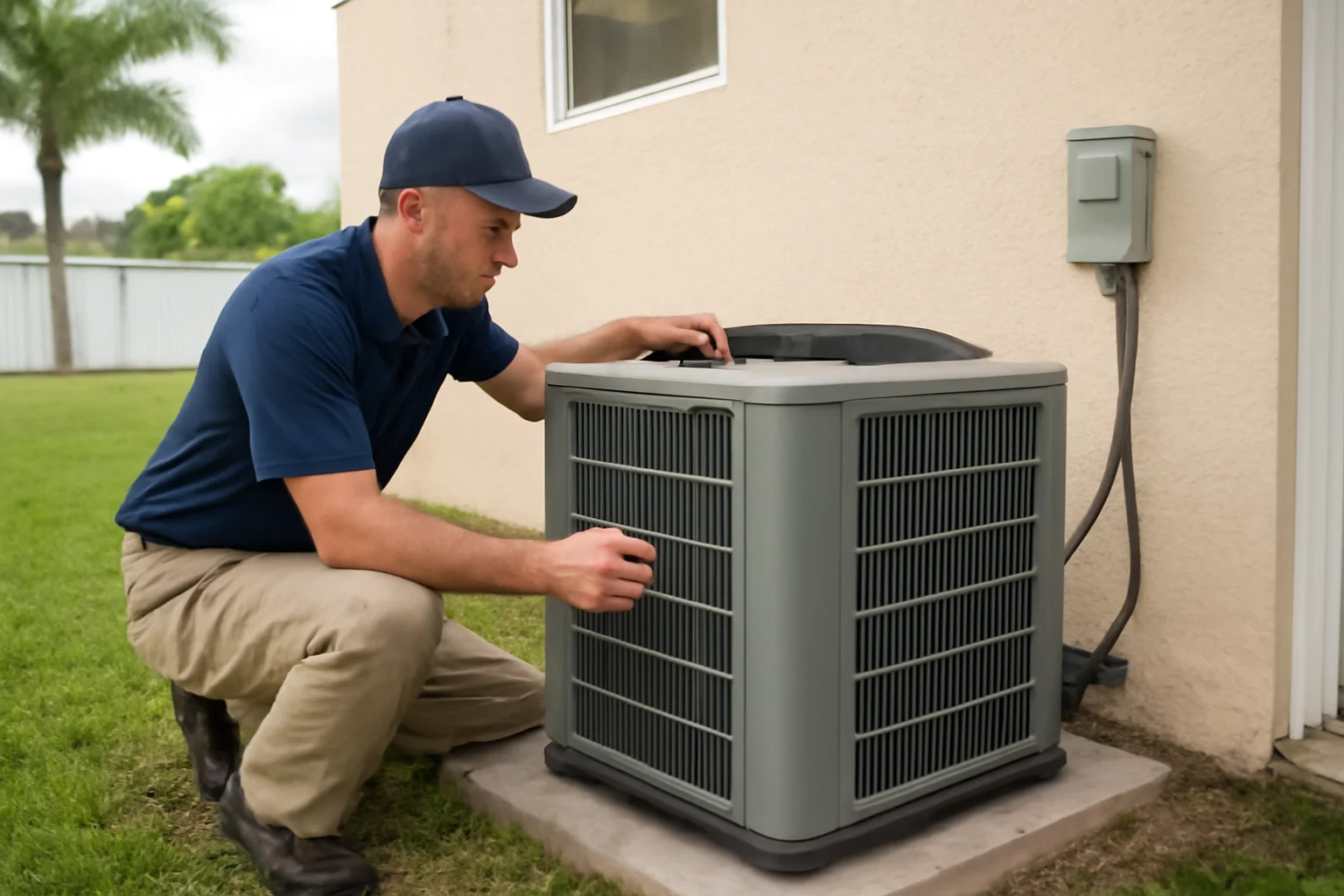
When you manage a vacation rental, condo, or multi-unit home along 30A in Walton County, HVAC problems do not stay small for long. Florida heat ramps up quickly, humidity can overload airflow, and salt air adds extra stress on components. The good news is that many cooling issues show up early through patterns you can catch before a full breakdown interrupts guest stays.
This guide walks through practical, homeowner-friendly steps for identifying HVAC trouble early and coordinating property management HVAC services in 30A, FL. It focuses on the systems that keep families comfortable: air conditioning, heat pumps, ductwork, thermostats, refrigerant systems, condensate drainage, and indoor air quality.
Why 30A HVAC systems fail faster than you might expect
Most HVAC wear comes from time and use, but the 30A environment adds extra load. Summers are hot, humidity is persistent, and coastal salt air can accelerate corrosion on outdoor units and exposed metal components. Even in well-maintained homes, these conditions can lead to reduced airflow, clogged filters, and strain on refrigerant systems.
Property managers also face a unique challenge: the system may run hard at different temperatures throughout the day, then sit idle between stays. That cycle can expose issues like inconsistent thermostat control, duct leakage, or slow condensate drainage. When an air conditioning service call hits during peak demand, the goal is not just repair, it is reliable cooling and airflow for the next schedule window.
If you are searching for property management HVAC services in 30A, FL, you are already thinking about the right problem: keeping systems stable before small problems turn into emergency cooling concerns.
The early warning signals families and guests notice first
Homeowners and property teams usually detect HVAC problems through comfort complaints. The trick is to treat those complaints as data, not just “comfort feedback.” Here are common signs that often point to real HVAC system issues.
1) Uneven temperatures across rooms
If one bedroom stays noticeably warmer than the living area, the cause is often airflow related. That can include ductwork restrictions, duct leakage, blocked return paths, or a failing blower motor. It can also happen when supply air does not reach the right areas due to poor duct distribution.
For families, this shows up as hot spots and restless sleep. For property managers, it can lead to repeat service calls. Addressing ductwork and airflow early helps prevent a system from working harder to compensate.
2) Weak airflow or rising “fan only” noise
Reduced airflow is a frequent precursor to bigger failures. When a filter is overdue, coils collect dirt, or the blower system struggles, the unit may still run, but comfort drops. Over time, the strain can increase energy use and stress components tied to airflow and refrigerant management.
If you are trying to compare units in a portfolio, pay attention to how quickly the home cools after the thermostat turns on. Slow pull-down times can indicate airflow problems that an air conditioning inspection should evaluate.
3) Humidity that “does not go away”
In Florida’s humidity, air conditioning must remove moisture to keep indoor air comfortable. If humidity remains high, families may feel clammy even when the temperature setting looks correct. This can be linked to condensate drainage issues, coil performance, refrigerant system problems, or airflow imbalance.
Humidity problems also affect indoor air quality. When moisture is not controlled, you can see musty odors and increased dust or allergen exposure. Indoor air quality services may be part of the solution, but it should start with making sure the cooling system can properly manage moisture.
4) Strange smells, especially musty or chemical odors
Musty odors often point to moisture on coils or in ductwork, which can happen when condensate drainage is slow or when humidity runs high. Chemical smells can be more concerning and should be evaluated promptly. Either way, do not wait for “the next guest” to report it. Early evaluation reduces the chance of a bigger issue.
5) Short cycling or frequent on-off behavior
Short cycling can occur when airflow is restricted, a thermostat is misreading conditions, or the system is struggling to maintain stable cooling. Over time, rapid cycling increases wear and can lead to more frequent repairs. A professional HVAC maintenance visit can help confirm the root cause after an in-person inspection.
Common causes behind those warning signs
Some causes are simple and predictable. Others require a technician to inspect the system under real operating conditions. Here are the most common HVAC problem drivers in 30A homes.
Dirty filters and restricted airflow
Filters that are clogged reduce airflow and can affect both comfort and system efficiency. In humid climates, filters also trap more airborne particles, and the system has to work harder to move air. This is one reason homeowners often search for AC tune up near me after noticing weak airflow.
For property managers, filter schedules and consistent replacements matter. If filters are changed late or inconsistently across units, the performance gap becomes obvious in summer.
Coil buildup on evaporator and condenser surfaces
Outdoor coils can collect pollen, debris, and salt residue. Indoor coils can collect dirt and reduce heat transfer. When heat transfer drops, the system may run longer to reach temperature targets, which increases energy use and can worsen humidity control.
Condensate drainage problems
During cooling, indoor coils produce condensate that must drain properly. If the condensate drainage line is partially blocked or the drain pan has issues, water can back up. That can contribute to moisture in the air path, musty smells, and potential damage to nearby surfaces.
Condensate drainage problems are especially important in Florida humidity. They can also lead to system shutdowns when safety controls detect abnormal conditions.
Thermostat settings and control issues
Thermostats can be a major factor in comfort complaints. Wrong settings, incorrect programming, or inconsistent sensor performance can lead to temperature swings and unnecessary cycling. In property management situations, guests may use the thermostat differently than expected, and the system must still maintain stable control.
Heating control systems can also matter for homes with heat pumps or dual-fuel setups. If you see frequent complaints tied to thermostat behavior, a professional assessment can help determine whether control settings or system operation is the real issue.
Ductwork leaks and distribution problems
Leaky ductwork or poorly balanced airflow can cause uneven cooling and increased run time. Salt air and humidity can also contribute to deterioration of components over time. If you notice hot spots, dustier rooms, or air that does not feel strong, ductwork should be inspected as part of the HVAC troubleshooting process.
Some properties benefit from duct sealing and targeted airflow improvements. If you are considering that path, explore Duct Sealing & Aeroseal Services for 30A properties.
Refrigerant system concerns
The refrigerant system is designed to move heat in a controlled way. When refrigerant-related issues occur, cooling performance can drop, humidity removal can suffer, and the system can strain. However, refrigerant diagnosis must be handled by a licensed professional after an in-person evaluation. Homeowners should not attempt to assess refrigerant levels themselves.
If cooling is weak and humidity control is poor, it is a strong signal that an air conditioning repair near me visit should include a full inspection, not just a quick reset.
Build a preventive maintenance plan that fits property management
Preventive HVAC maintenance is not just about avoiding breakdowns. It is about reducing repeat calls, improving comfort consistency, and supporting better energy use. For families and guests, that translates to fewer disruptions and more reliable cooling during Florida’s peak stretches.
For property managers, an effective plan includes inspections, documentation, and consistent filters and airflow checks. It also includes scheduling around seasonal stress so maintenance happens before the hottest weeks.
Start with a seasonal inspection checklist
During inspections, technicians typically evaluate system operation, airflow performance, condensate drainage, thermostat control, and the condition of indoor and outdoor components. The goal is to spot issues that can worsen under high humidity and heavy run times.
To support your planning, you can also read Why Preventive HVAC Service Pays Off for Air Conditioning Repair in 30A, FL.
Track performance trends across units
If you manage multiple properties, you have an advantage: you can compare symptom patterns across similar systems. For example, if several units show weak airflow at the same time of year, the cause may be shared maintenance timing, filter compliance, or duct distribution issues.
Keep notes on:
- How quickly each unit reaches set temperature
- Whether humidity complaints appear before or after hot spells
- Any recurring odors or drainage-related signs
- How often the system cycles on and off
Plan for ductwork and indoor air quality, not just temperature
Families care about comfort, but they also notice air quality. In coastal Florida, dust, humidity, and airborne particles can combine to affect how air feels. Addressing ductwork and indoor air quality together supports healthier living conditions.
If you are looking for indoor air quality services near me or duct inspection near me, tie those requests to what residents report. For example, if multiple complaints mention stuffiness, musty smells, or lingering humidity, it can point to airflow and moisture management issues.
How to respond when symptoms show up during peak season
Even with great maintenance, emergencies can happen. Florida heat can make indoor temperatures rise quickly, and families need cooling stability. The key is to respond with a structured approach so you can protect guests and reduce the chance of repeated service calls.
Document what residents notice
Ask for specifics when a cooling issue begins:
- Temperature at the thermostat and actual room temperatures
- Any musty smells or unusual noises
- Whether the system runs continuously or cycles frequently
- Whether condensate drainage seems abnormal, like water near vents or wet spots
Check easy, non-invasive items first
Homeowners can safely verify basic items like thermostat settings and whether the filter is missing or severely clogged. If the system is off due to a filter issue, returning airflow may help stabilize performance. But if airflow is weak, humidity remains high, or cooling is not improving, a technician should evaluate the system in person.
Use emergency HVAC services when comfort is at risk
During severe heat waves, emergency cooling concerns can become urgent for families and for property operations. If the system is not cooling or has a safety-related shutdown, use Emergency HVAC Services so the right troubleshooting and repairs can happen quickly.
For additional seasonal planning, review How 30A Homes Can Stay Ahead of HVAC Emergencies During Seasonal Stress.
AC repair, heat pump service, and ductwork: what should be evaluated
Not all “HVAC problems” are the same, and different systems require different attention. In 30A homes, many properties use central air conditioning, some use heat pumps, and some use ductless mini-splits for supplemental comfort. Regardless of the system type, the inspection should connect symptoms to the parts responsible for airflow, moisture removal, and temperature control.
For air conditioning service
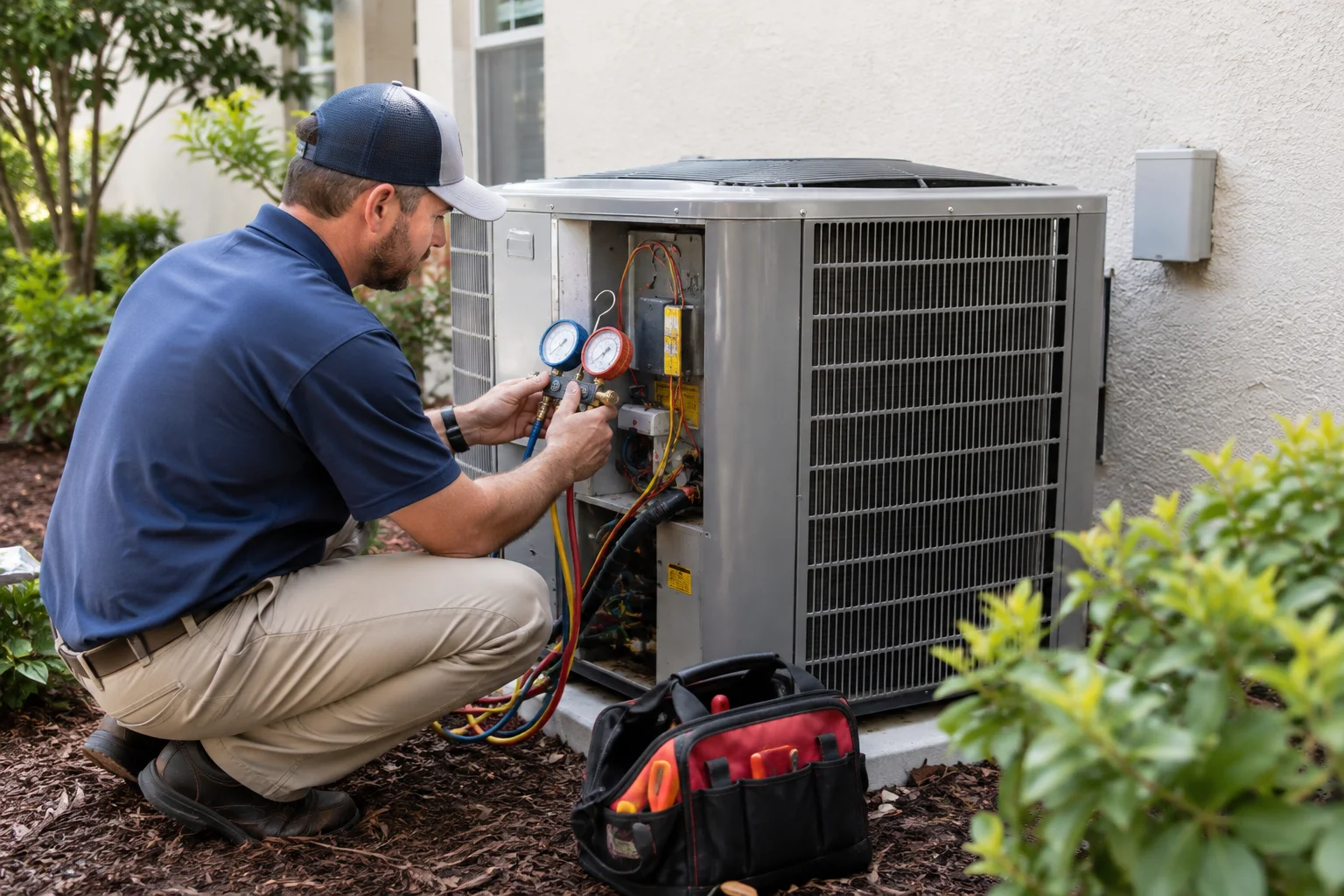
An air conditioning inspection should focus on refrigerant system operation, airflow, coil condition, and condensate drainage. If you are searching for AC repair near me, look for a service approach that starts with observation and measurement, not guesswork.
For heat pump service
Heat pumps can be efficient, but they still need proper airflow and correct operation to manage humidity and temperature. If you are seeing poor cooling or inconsistent heating control, a heat pump repair near me request should include a full system evaluation and checks tied to refrigerant systems, airflow, and control settings.
If your property uses heat pumps more than other units, consider aligning maintenance schedules so similar systems receive consistent inspections.
For ductwork and airflow problems
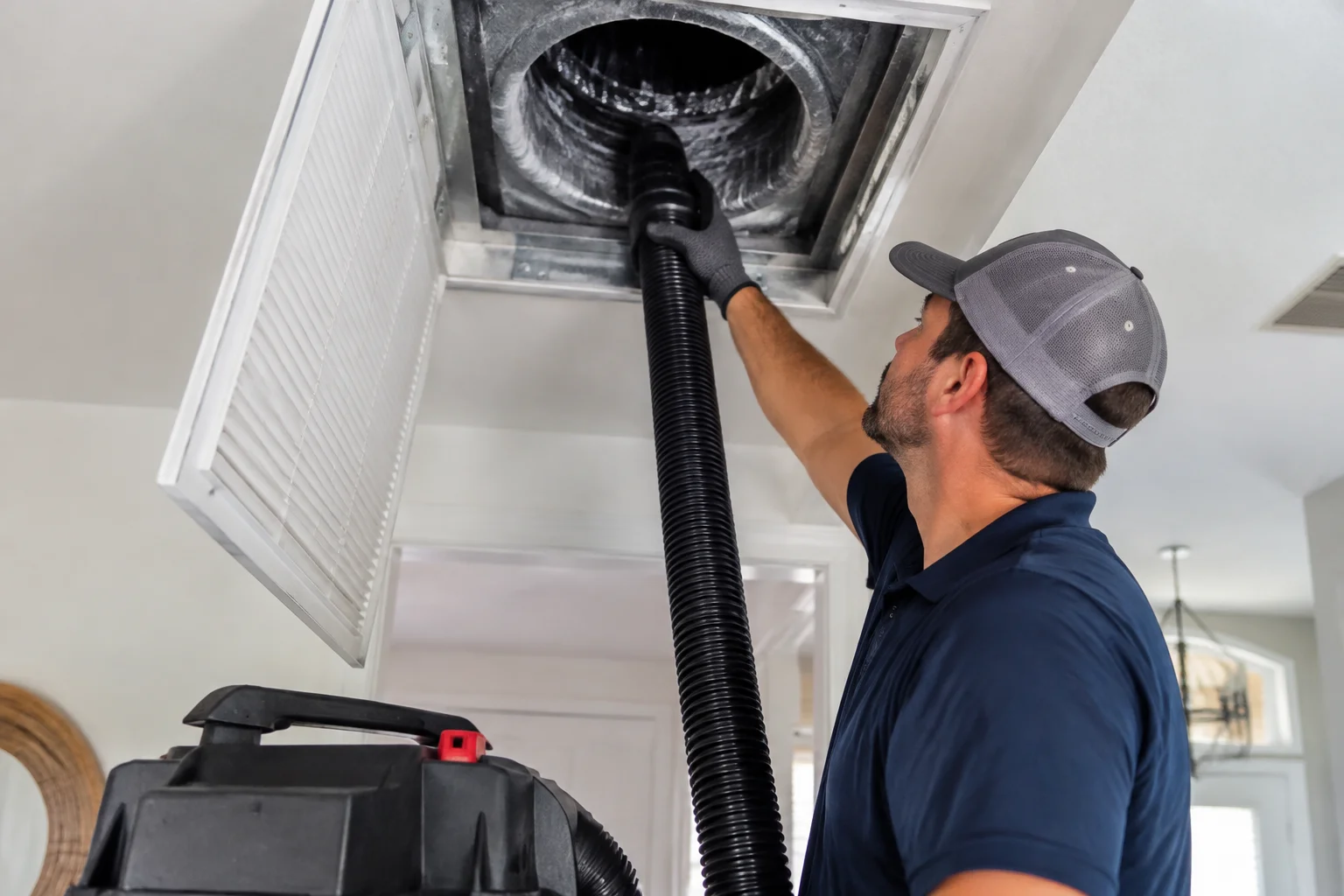
Duct problems can mimic equipment problems. If cooling is uneven or airflow feels weak, duct inspection and duct repair may be part of the solution. If you notice air quality complaints along with comfort issues, duct sealing or targeted airflow improvements can support better performance.
To explore options, consider reading about duct sealing and aeroseal services and also whether ductless mini-splits could help with difficult rooms or additions.
System replacement is a decision, not a guess
Sometimes repairs are not enough, especially when a system has struggled for multiple seasons. But replacing an HVAC system should be based on an in-person professional evaluation that considers system condition, performance history, ductwork, airflow needs, and how the property is used.
Homeowners should avoid making replacement decisions based on one complaint or a single visit. Instead, request an honest assessment that explains what is contributing to comfort problems and what a repair plan could address. If replacement is recommended, ask how the technician arrived at that conclusion based on measurable factors.
Energy use, comfort consistency, and the value of documentation
In 30A homes, HVAC performance affects both comfort and energy use. When airflow is restricted or humidity removal is impaired, the system may run longer than it should, increasing electricity consumption and wear. Preventive HVAC maintenance helps keep systems operating closer to their intended performance.
For property management, documentation is also important. If a guest reports an issue, your team can reference prior inspections and repairs. That context helps technicians focus the troubleshooting and can reduce repeat visits.
If you are working through long-term property upgrades, it can also help to plan around financing needs. You may find support in Keeping HVAC Financing on Track in 30A, FL Homes.
Where to start if you want a professional HVAC maintenance schedule
If you are trying to coordinate HVAC maintenance near me for a portfolio, start by matching the service to the property type. Vacation rentals, HOAs, condos, and investment properties often need consistent documentation, predictable scheduling, and clear communication when residents report comfort issues.
A Superior Mechanical provides property management HVAC services in 30A, FL for rental portfolios, HOAs, condos, and multi-unit properties. You can explore the service area details here: Property Management HVAC Services for 30A, FL. For broader coverage details, visit the 30A page and the Walton County page.
Quick homeowner checklist to catch problems early
Use this simple routine to catch HVAC problems before they become emergency cooling concerns:
- Verify thermostat settings and confirm the system is set to cool when needed.
- Check that return vents are clear and filters are not severely clogged.
- Notice hot spots and document which rooms run warm.
- Track humidity complaints, musty odors, and any signs of condensate drainage issues.
- Schedule an air conditioning inspection or heat pump service before peak summer stress.
- Pair comfort complaints with airflow and ductwork questions, especially if the problem is room-specific.
Find Property Management HVAC Services in 30A, FL
If you need Property Management HVAC Services in 30A, FL, visit our local service page or contact A Superior Mechanical today.
Map of 30A, FL
Frequently Asked Questions
What should property managers do first when a guest reports the AC is not cooling?
Start by confirming the thermostat settings and checking for obvious airflow restrictions like a severely clogged filter or blocked vents. If the system still will not cool, or if humidity remains high, contact a local HVAC contractor for an in-person air conditioning inspection. Document room temperatures, when the issue started, and any odors or unusual noises.
How does Florida humidity affect HVAC performance in 30A homes?
Humidity increases the load on air conditioning because the system must cool and dehumidify at the same time. When airflow is restricted, coils are dirty, or condensate drainage is not working properly, indoor humidity can stay high even if the thermostat is set to cool. That can also affect indoor air quality.
Can ductwork problems look like AC or heat pump problems?
Yes. Leaky or poorly distributed ductwork can cause hot spots, weak airflow, and longer run times. Residents may blame the AC, but the technician may find that duct inspection and duct repair or duct sealing is needed to restore proper airflow.
Is it safe for homeowners to check refrigerant levels themselves?
No. Refrigerant diagnosis requires trained inspection and proper equipment. If cooling is weak or humidity control is poor, schedule an in-person evaluation so a technician can assess the refrigerant system safely and accurately.
How often should preventive HVAC maintenance happen for rental properties on 30A?
Maintenance frequency depends on system type, usage patterns, and how the property is managed. A consistent seasonal plan is especially helpful in 30A’s heat and humidity. Many property teams schedule inspections before peak summer stress so airflow, coils, condensate drainage, and thermostat control can be checked when conditions are easiest to manage.
Related Articles
Photo Gallery