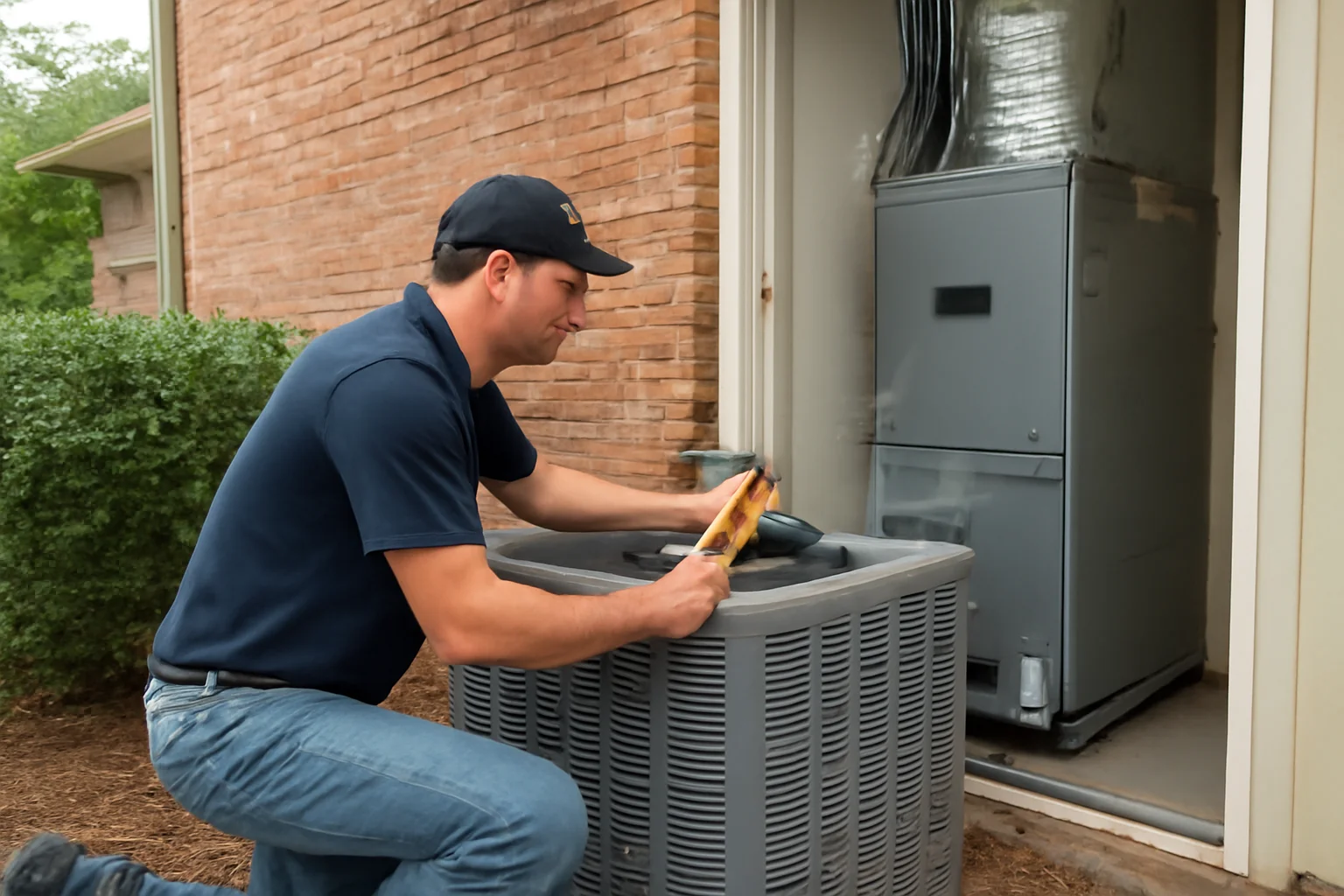
Niceville businesses operate in a climate that is hard on HVAC systems. Warm Gulf humidity, frequent summer heat, and salt air can push commercial cooling systems to work harder than owners expect. When an HVAC system starts showing warning signs, the issue is often connected to the same root problems your maintenance plan should address: airflow, heat removal, humidity control, refrigerant system performance, and condensate drainage.
This guide explains common commercial HVAC warning signs and how they relate to heat and humidity management in Niceville, FL. It also highlights the preventive steps that support better indoor air quality, steadier temperatures, and fewer emergency cooling concerns when the heat is at its worst.
If you are searching for commercial HVAC service near me or HVAC maintenance near me for a business, the best time to get help is when the system is still behaving “almost right.” A Superior Mechanical provides commercial HVAC maintenance in Niceville, FL and helps businesses across Okaloosa County protect comfort and reliability.
Why Niceville humidity makes HVAC warning signs more noticeable
In Niceville, the air can feel heavy and damp for long stretches. For commercial buildings, that means the HVAC system has to remove moisture while it cools. If the system cannot manage both temperature and humidity, occupants feel it quickly: air feels sticky, surfaces stay damp, and indoor air quality can worsen.
Salt air from the coast can also contribute to corrosion and buildup on outdoor components, while coastal storms and high winds can impact airflow paths and filter loading. When maintenance is delayed, these factors often show up as cooling problems, airflow issues, or condensate drainage concerns.
Warning sign 1: Cooling runs longer but rooms still feel humid
One of the clearest HVAC warning signs for humidity control is when the system seems to run constantly yet the space still feels sticky. That can happen when the air conditioner is not removing moisture effectively, even if the thermostat shows the temperature is “close.”
Possible maintenance-related causes include:
- Airflow restrictions from dirty filters, clogged ductwork, or blocked return paths. When airflow is weak, the coil may not operate as intended for heat and moisture removal.
- Inconsistent airflow across zones due to damper issues or imbalanced ductwork, especially in larger commercial spaces.
- Thermostat settings or control behavior that do not match the building’s real humidity needs, particularly if schedules and setpoints have drifted over time.
- Refrigerant system performance concerns that require an in-person evaluation. A refrigerant issue can affect cooling capacity and coil conditions, but it should not be diagnosed remotely.
For homeowners searching for air conditioning inspection near me, the same principle applies to commercial systems: if humidity is not dropping with cooling, the system needs a professional maintenance review. Humidity that stays high can contribute to musty odors, discomfort, and long-term indoor air quality challenges.
Warning sign 2: Condensate drainage problems or water near HVAC equipment
When cooling removes humidity, it produces condensate. In a properly maintained system, condensate drainage carries that moisture away safely. In Niceville, where humidity is often high, drainage issues can become more frequent if maintenance is not kept up.
Watch for:
- Water pooling around indoor units
- Condensate line clogs
- Overflow alarms or recurring shutdown events
- Damp drywall or stains near air handlers
Condensate drainage concerns can also worsen indoor air quality. Standing moisture can encourage microbial growth, and it can add to corrosion risks. A professional commercial HVAC service will inspect drainage pathways, verify proper condensate removal, and address contributing airflow and coil conditions.
If you are dealing with leaks or overflow events, treat it as an operational priority. Water issues can escalate quickly, especially during peak summer cooling.
Warning sign 3: Uneven temperatures and hot spots across the building
In many commercial buildings, occupants notice comfort problems as hot spots, cold pockets, or areas that never feel right. Uneven temperature is often a sign that airflow is not being delivered where it should be.
Common maintenance-linked causes include:
- Dirty or restrictive ductwork that reduces airflow to certain zones
- Blocked returns from furniture placement, stored items, or poor airflow habits
- Damper or control issues in multi-zone systems
- Improper filter size or filter condition, which can create pressure problems and reduce airflow
Uneven comfort can also increase energy use because the system may cycle or run longer to chase conditions it cannot stabilize. Businesses may notice “endless cooling” complaints even when the thermostat seems to be calling for normal operation.
If you are searching for duct repair near me or air conditioning maintenance near me, ask the contractor how they evaluate airflow balance across zones. Maintenance should include airflow checks, filter and duct condition review, and verification of how the system distributes air.
Warning sign 4: Weak airflow from vents or unusual air noise
Airflow is the bridge between the HVAC system and indoor comfort. When airflow drops, the system often struggles to remove heat from the air, manage humidity, and maintain stable temperatures.
Pay attention to:
- Vents that blow less air than they used to
- Air handlers that sound louder or different during operation
- Frequent cycling that suggests the system is not achieving conditions
Airflow problems can come from clogged filters, obstructed grilles, failed or struggling blower components, or ductwork restrictions. In commercial systems, airflow issues can also be tied to rooftop unit performance and air handler maintenance.
Because airflow affects both cooling capacity and moisture removal, this warning sign should be addressed during seasonal AC service near me or as part of a planned tune up. Regular AC tune up near me visits can help catch airflow issues early, before they become a comfort complaint or emergency cooling concern.
Warning sign 5: Frost, ice, or coil icing during cooling
Coil icing is a serious warning sign. It can occur when the coil temperature drops too low, often due to restricted airflow or other system conditions that require professional evaluation.
In humid Florida conditions, icing can also be a sign that the system is not managing moisture removal correctly. If you see ice on an indoor coil or other cooling surfaces, do not keep running the system without inspection.
A licensed HVAC contractor should evaluate airflow, coil conditions, and system performance. While it can be tempting to assume a simple fix, coil icing can involve multiple factors, including airflow restrictions and refrigerant system performance. Only an in-person assessment should determine the appropriate next step.
Warning sign 6: Thermostat behavior that does not match comfort needs
Thermostats control more than temperature. In many commercial setups, thermostat programming, sensor placement, and control logic can influence humidity outcomes and system runtime.
Clues include:
- The system runs when it should be off or stays off when it should run
- Frequent temperature swings
- Setpoints changed often because occupants do not feel comfortable
- Humidity complaints even when temperature is “on target”
Maintenance should include verifying thermostat operation and how it coordinates with the HVAC system. If you are considering Heating Control Systems, it is especially relevant for commercial buildings that need better control over runtime, humidity, and comfort during peak Florida heat.
Warning sign 7: Musty odors, increased dust, or worsening indoor air quality
Humidity affects more than comfort. When moisture is not managed properly, indoor air quality can decline. Occupants may report:
- Musty or stale odors
- More visible dust on surfaces
- Allergy-like symptoms that flare during cooling season
- Condensation on windows or near vents
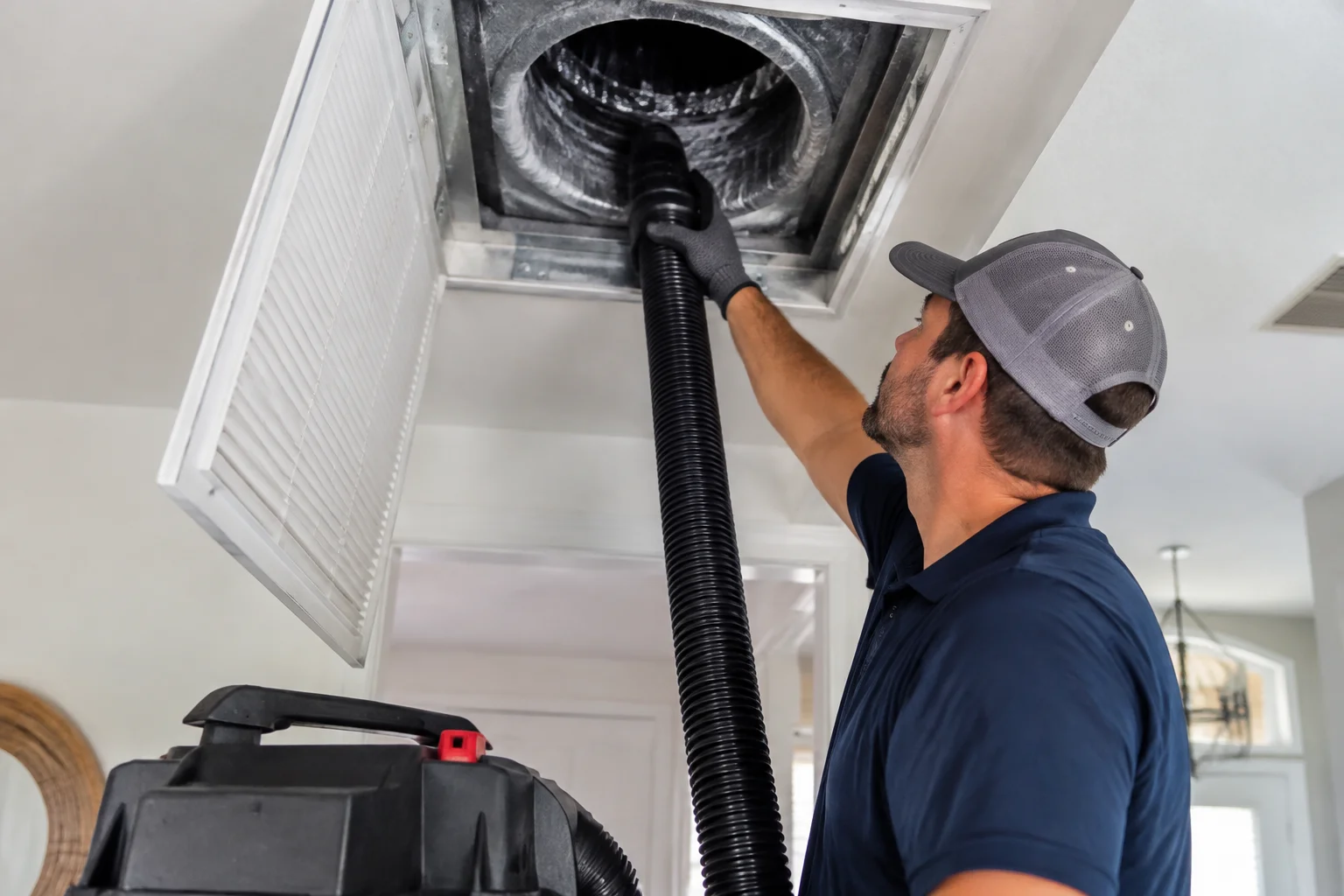
Indoor air quality services often start with the basics: filter condition, coil cleanliness, airflow performance, and ventilation settings. In commercial environments, ductwork cleanliness and proper system operation also matter.
When homeowners search for indoor air quality services near me, they are often responding to symptoms. For businesses in Niceville, those same symptoms can be tied to HVAC maintenance gaps. A Superior Mechanical can help evaluate how the HVAC system supports better humidity control and cleaner airflow.
Warning sign 8: Rising energy use or “high bill” complaints
Energy use can climb when HVAC systems are not operating efficiently. In humid climates, inefficiency may show up as:
- Long runtimes to reach temperature setpoints
- Short cycling caused by airflow or control issues
- Increased strain on outdoor units due to salt air corrosion or debris buildup
Energy use complaints are not just about cost. They can also signal that the system is struggling to manage heat and humidity. Maintenance that includes cleaning, airflow verification, and performance checks can help commercial systems run closer to their intended operation.
Keep in mind that energy use varies by building occupancy, schedules, insulation performance, and duct design. A professional HVAC inspection helps separate HVAC performance issues from building-side factors.
Refrigerant systems and airflow: why both must be evaluated together
Commercial HVAC maintenance is not only about filters and cleaning. Refrigerant systems and airflow are connected. If airflow is restricted, the coil conditions can change, which affects how the refrigerant system transfers heat.
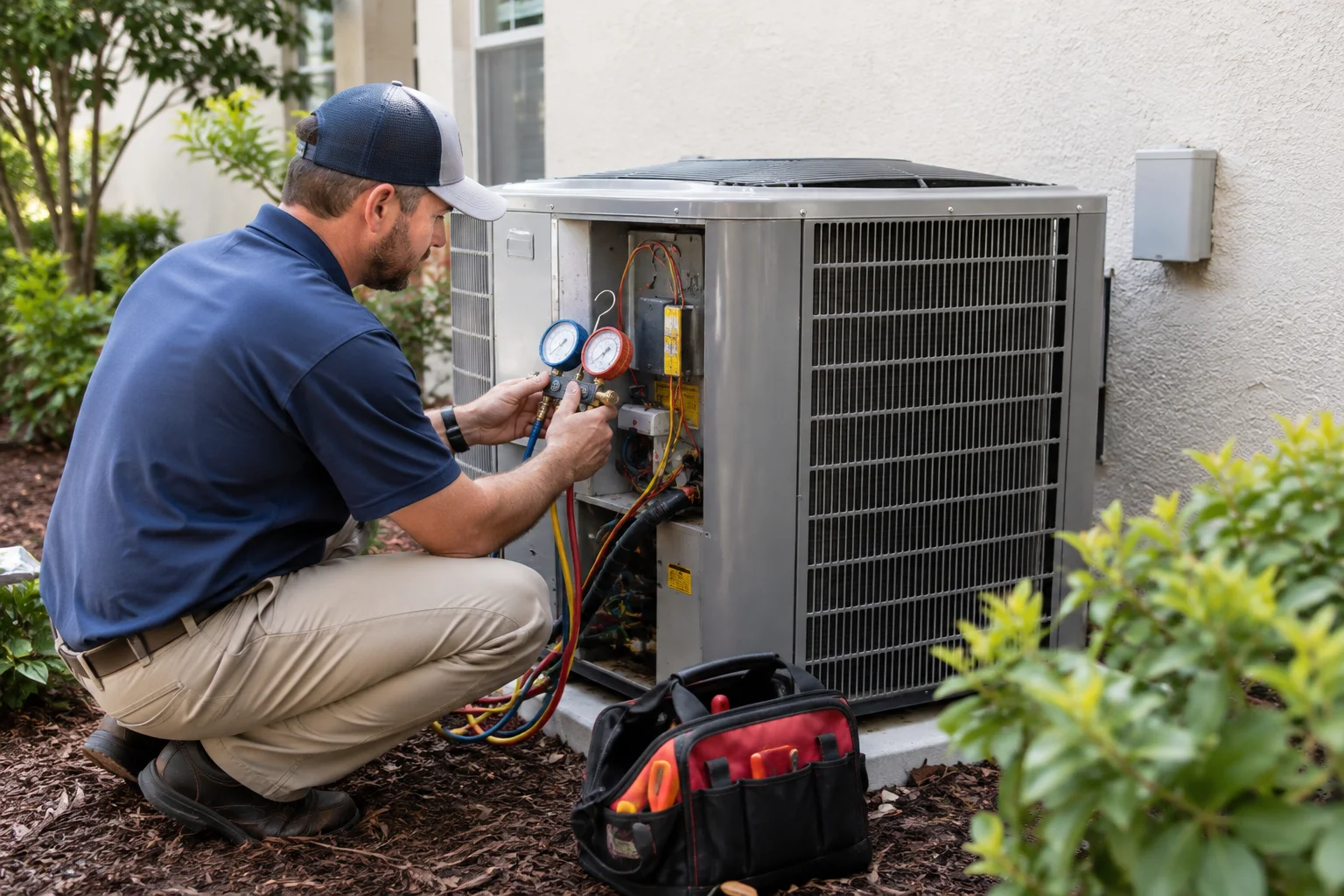
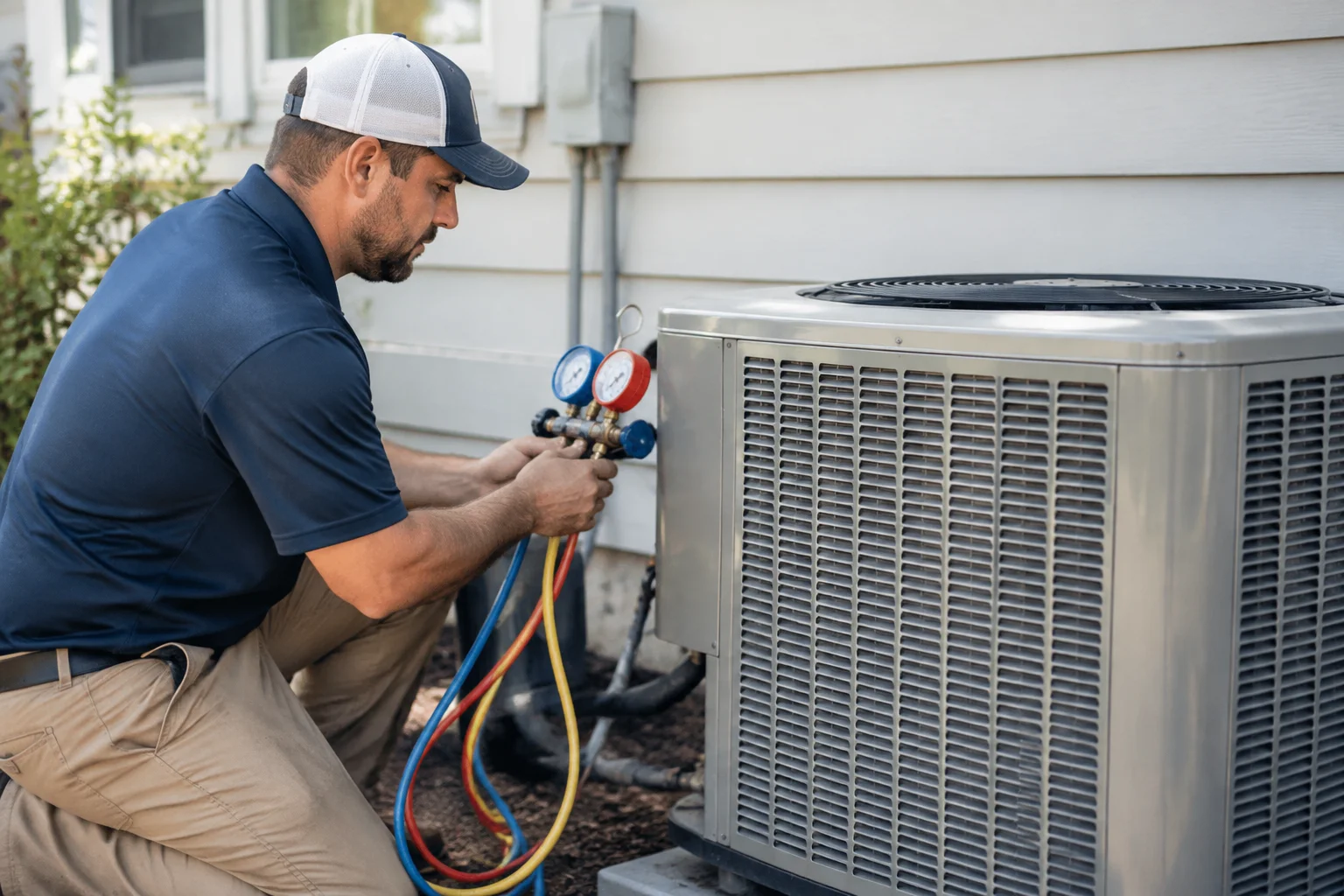
That is why it is important to avoid assumptions. A technician should evaluate system performance through appropriate checks during an in-person service visit. If refrigerant is suspected as a contributing factor, the correct next steps require professional assessment. Homeowners and business owners should not attempt refrigerant diagnosis or repairs themselves.
If you suspect a refrigerant-related performance issue, prioritize a professional HVAC service visit rather than waiting for the system to fail. That approach helps reduce the chance of emergency cooling concerns during the hottest weeks.
Prevention that works for Niceville businesses
Preventive maintenance is how you manage heat and humidity control before comfort problems show up. For commercial properties in Niceville and across Okaloosa County, effective maintenance commonly includes:
- Air conditioning inspection and seasonal tune ups focused on cooling performance, airflow, and humidity control
- Filter and air handler checks, including verifying correct filter setup and condition
- Coil cleaning and inspection to support proper heat transfer and moisture removal
- Condensate drainage inspection to help prevent clogs and overflow events
- Thermostat and control verification to ensure schedules and sensor behavior support comfort
- Refrigerant system performance review when indicated, based on in-person evaluation
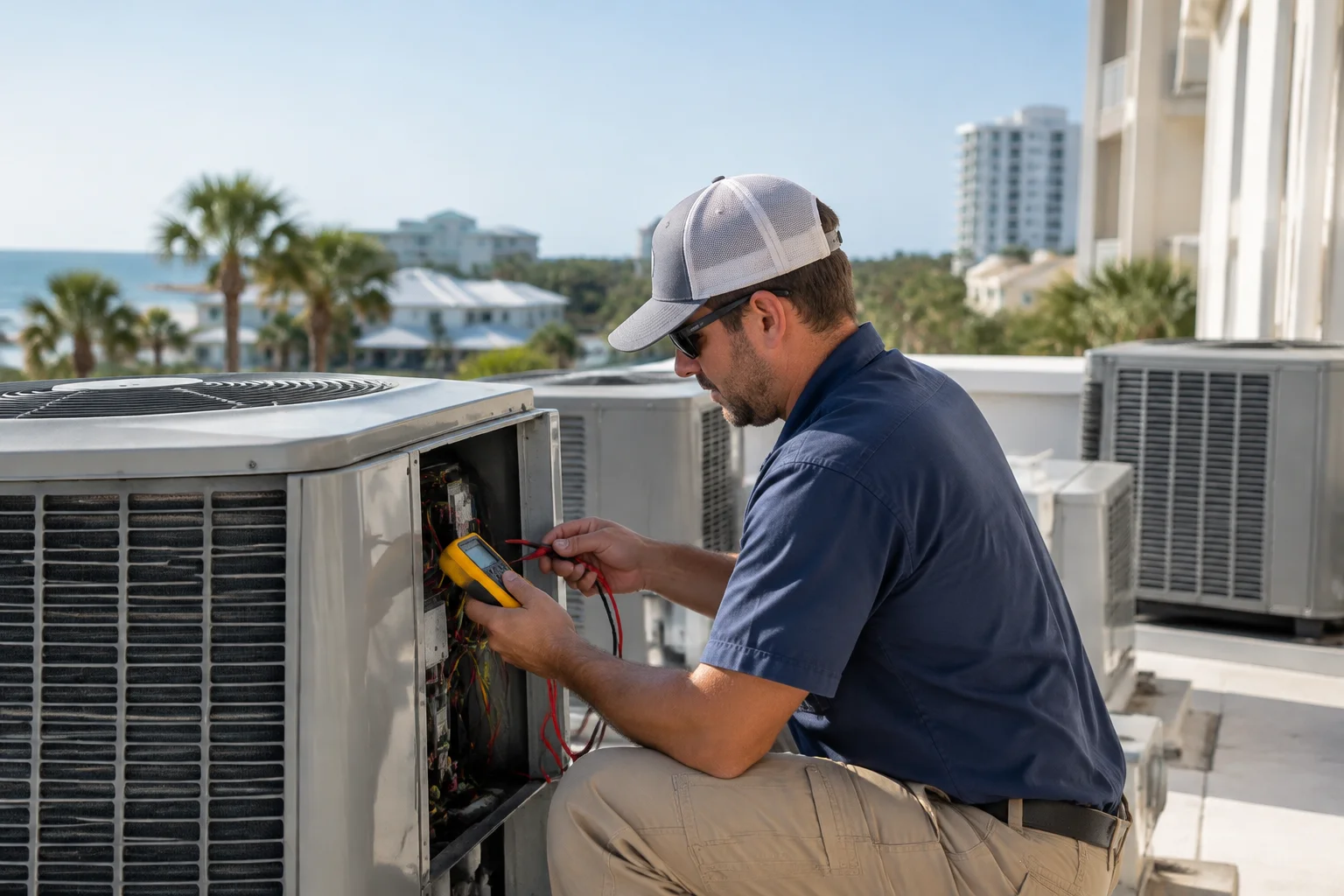
- Outdoor unit care to address debris, airflow restrictions, and salt air exposure
Commercial buildings also benefit from consistent documentation. When maintenance findings are recorded, it is easier to spot patterns like recurring airflow restrictions or repeated condensate drainage issues.
How to reduce emergency cooling concerns during Florida heat
When cooling fails in the middle of a humid Niceville summer, the impact is immediate. Operations slow down, comfort drops, and indoor air quality can suffer. Maintenance reduces the likelihood of sudden failures by identifying problems early.
Practical steps that complement professional commercial HVAC maintenance include:
- Keep return air paths clear and avoid blocking vents
- Replace filters on schedule and do not stretch filter life beyond the recommended plan
- Train staff to report comfort changes, odors, standing water, and unusual sounds right away
- Review thermostat schedules so occupied and unoccupied times match reality
- Document recurring issues, including which areas are affected and when
These habits help your HVAC contractor troubleshoot accurately and prevent small issues from turning into system downtime.
Local context: why professional maintenance matters in Niceville and Okaloosa County
Niceville is part of Okaloosa County, where coastal weather, humidity, and seasonal heat cycles can stress commercial equipment. Buildings near the water or with heavy exposure to salty air often see faster corrosion and buildup on outdoor components. Seasonal storms can also introduce debris and airflow obstructions.
That is why businesses benefit from working with a team that understands local conditions and can provide consistent care. If you also serve other nearby communities, it helps when your HVAC partner has experience with the same climate patterns across the region.
For more local guidance, you can explore HVAC coverage across Okaloosa County and the city-focused page for Niceville.
Related topics that connect to maintenance outcomes
Commercial HVAC maintenance often overlaps with building comfort control and long-term planning. If you want to strengthen your system strategy beyond seasonal tune ups, these resources may help:
- Keeping Valparaiso Comfortable Starts With Smarter Commercial HVAC Maintenance
- What Fort Walton Beach Homes Can Learn From Commercial HVAC Maintenance
- Why Efficient Heating and Cooling Starts With Commercial HVAC Maintenance in Freeport, FL
- Why Commercial HVAC Maintenance Matters More in DeFuniak Springs Than Most Businesses Realize
Depending on your building, you may also want to plan for upgrades. If you are evaluating new systems or construction timelines, the comfort performance goals often start with proper design and installation. For projects tied to new builds, consider New Construction Air Conditioning. If you are exploring alternative energy and long-term efficiency strategies, Geothermal Energy is another option to discuss with your HVAC team.
And if your building needs heating support during shoulder seasons, browse Heating Services to keep overall comfort consistent year-round.
When to call a professional HVAC team in Niceville
Some HVAC issues can wait until the next scheduled service visit. Others should be handled right away to prevent escalating problems during peak cooling demand. Contact a licensed HVAC contractor near me when you notice:
- Persistent humidity complaints that do not improve after normal cooling cycles
- Standing water, overflow alarms, or repeated condensate drainage issues
- Severe uneven temperatures or hot spots that affect operations
- Coil icing or unusual cooling behavior
- New musty odors or rapid changes in indoor air quality
- Repeated system cycling or frequent comfort complaints from multiple areas
If you are looking for HVAC repair near me or want to get ahead of problems with air conditioning maintenance near me, the right approach is usually an inspection paired with preventive recommendations. A Superior Mechanical can help you connect the warning signs you see to the underlying causes and build a maintenance plan that fits your building’s needs.
To schedule commercial HVAC maintenance, start with commercial HVAC maintenance in Niceville, FL. For broader regional context, review Okaloosa County HVAC services and the Niceville service area.
Find Commercial HVAC Maintenance in Niceville, FL
If you need Commercial HVAC Maintenance in Niceville, FL, visit our local service page or contact A Superior Mechanical today.
Map of Niceville, FL
Frequently Asked Questions
Why does my commercial AC run a long time but the building still feels humid?
Long runtimes with high humidity usually point to an airflow or coil performance issue, not just a temperature problem. Dirty filters, ductwork restrictions, or control settings can prevent the system from removing moisture effectively. An in-person commercial HVAC inspection can identify the cause.
What condensate drainage issues are most common in humid Niceville summers?
In high humidity, condensate lines can clog faster due to algae, debris, or restricted airflow. You may also see overflow alarms, water near indoor units, or damp areas around air handlers. Checking drainage pathways as part of HVAC maintenance helps prevent these failures.
Can uneven temperatures be fixed with a thermostat change alone?
Sometimes thermostat settings contribute, especially with schedules or sensor placement. But uneven temperatures in commercial buildings often involve airflow balance, ductwork, dampers, or equipment performance. A technician should evaluate the system and distribution before making control changes.
Is coil icing always a sign of a refrigerant problem?
No. Coil icing can be caused by airflow restriction, improper operation, or other system conditions. Because refrigerant diagnosis requires careful, in-person evaluation, the safest approach is to have a licensed technician inspect the unit and determine the real cause.
How often should a business schedule commercial HVAC maintenance in Niceville?
Most commercial systems benefit from planned seasonal maintenance focused on cooling and humidity control, plus follow-up checks when warning signs appear. The right schedule depends on equipment type, runtime, and building use patterns, so a technician can recommend a maintenance plan for your specific setup.
Related Articles
- Keeping Valparaiso Comfortable Starts With Smarter Commercial HVAC Maintenance
- What Fort Walton Beach Homes Can Learn From Commercial HVAC Maintenance
- Why Efficient Heating and Cooling Starts With Commercial HVAC Maintenance in Freeport, FL
- Why Commercial HVAC Maintenance Matters More in DeFuniak Springs Than Most Businesses Realize
Photo Gallery