Bid-A-Wee feels like paradise, until Florida heat and humidity start working against your HVAC system. When air ducts develop small leaks, conditioned air can escape before it reaches the rooms you actually use. At the same time, outside air and moisture can find their way into the duct system, which can make your air conditioner run harder, struggle to keep humidity under control, and increase energy use.
This guide explains what duct sealing is, why it matters in Bid-A-Wee’s coastal, salt air environment, and how to spot ductwork issues before they become expensive. If you are searching for duct sealing in Bid-A-Wee, FL, you will find practical homeowner-focused details here, plus links to related HVAC help.
Why duct sealing matters more in Bid-A-Wee than in many other places
Florida homes deal with a unique mix of high temperatures, frequent humidity, and coastal conditions. In Bid-A-Wee and nearby Bay County, air conditioning systems must cool the home and manage moisture. That moisture control depends on airflow balance, proper duct performance, and the ability of your system to deliver the right amount of air to each space.
Leaky ductwork can disrupt that balance in two ways:
- Airflow loss: Supply air escapes through cracks, loose connections, or poorly sealed transitions. Rooms end up getting less conditioned air than the system is designed to deliver.
- Moisture intrusion: When the pressure conditions in the ducts fluctuate, outside air can be pulled into the duct system. In humid Florida weather, that incoming air can raise indoor humidity and reduce comfort.
Salt air can also contribute to corrosion and wear over time, especially around duct joints, in crawl spaces, and near exterior penetrations. Over the years, materials expand and contract with temperature swings, and duct seams can loosen.
What duct sealing actually does for your HVAC system
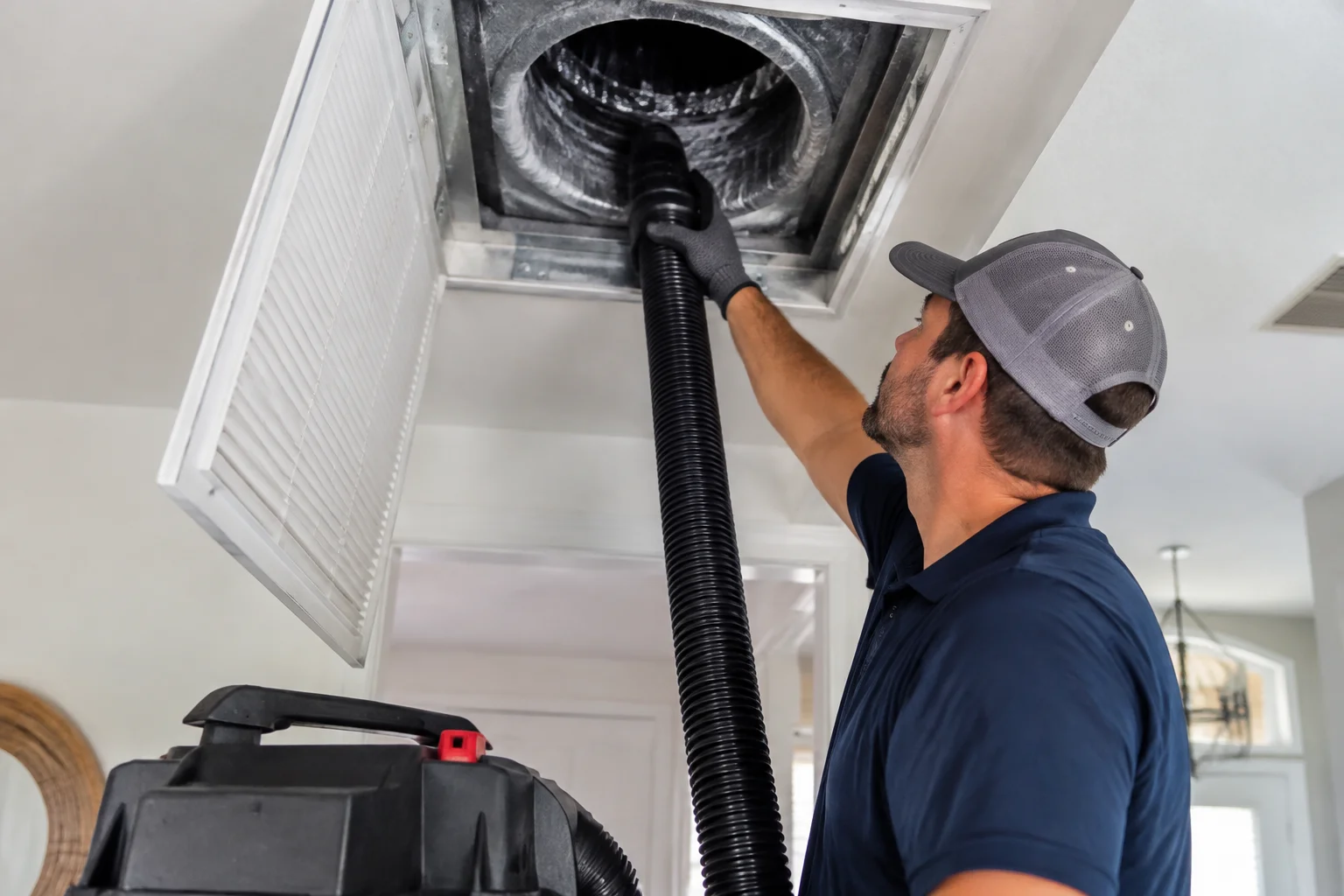
Duct sealing is the process of closing leaks in the supply and return ductwork so the HVAC system can move air where it is needed. Sealing can help your air conditioning service perform closer to its design intent by improving:
- Conditioned air delivery: More of the cooled air reaches registers instead of leaking into attics, wall cavities, and crawl spaces.
- Return air pathways: Better return airflow supports stable operation of the refrigerant systems by helping the system draw the expected amount of air back for cooling.
- Humidity control: When airflow is more accurate, your system has a better chance to remove moisture effectively. That matters in Bid-A-Wee where humidity can rise fast during summer storms and calm, muggy stretches.
- Energy use: A system that has to compensate for lost airflow often runs longer. Duct sealing can reduce that strain by improving distribution.
Depending on the home, duct sealing may be performed with targeted sealing at joints and connections or with whole-system sealing methods that focus on internal duct leakage. A professional HVAC contractor will evaluate your duct layout, access points, and existing condition before recommending the right approach.
If you are comparing duct repair options, it helps to remember that duct sealing is different from duct replacement near me. Sealing can address leakage in many cases, while replacement may be needed when ductwork is damaged beyond repair or has severe deterioration.
Common signs leaky ductwork is costing you comfort and money
You may not see duct leaks, but your home often shows the symptoms. Here are signs homeowners in Bid-A-Wee commonly notice when ductwork is not sealing well:
1) Hot rooms and stubborn humidity in certain areas
If bedrooms, hallways, or rooms above garages stay warmer and feel clammy even when the air conditioner is running, the system may be losing airflow through leaks. Humidity can linger because the home is not receiving the conditioned air distribution needed for consistent moisture removal.
2) Registers that never seem to balance
Some rooms feel like they get too much air while others get too little. Airflow imbalance can be made worse by duct leakage, especially when supply ducts are pulling conditioned air out of the system before it reaches the register.
3) Your thermostat seems “right,” but comfort is not
Modern thermostats can display stable temperatures, but comfort depends on more than temperature. If your thermostat is calling for cooling and the system runs longer than it should, duct leakage may be part of the reason.
Thermostat settings and sensor location can also affect readings. A licensed HVAC contractor can help you evaluate whether the issue is ductwork performance or a thermostat installation and control problem.
4) Higher energy use during peak summer weeks
When cooled air leaks, the system often cycles more frequently or runs longer to maintain indoor conditions. That can increase energy use, especially when heat and humidity are at their highest.
5) Musty odors or dust patterns that appear after AC runs
Leaky ductwork can draw in air from attics or crawl spaces. In Florida, those spaces can be humid and dusty. That can show up as odors, increased dust circulation, or changes in indoor air quality.
How duct leakage can interact with AC repair and refrigerant systems
Duct problems can mimic other HVAC issues. Homeowners sometimes assume the air conditioner needs refrigerant work, a major repair, or even system replacement, when the real driver is airflow and distribution.
When ducts leak, your air conditioner may not deliver the airflow needed for normal evaporator operation. That can contribute to:
- Longer run times: The system attempts to reach thermostat targets.
- Reduced dehumidification performance: If airflow is off, moisture removal can suffer.
- More frequent cycling: The system may start and stop more often as indoor conditions fluctuate.
Refrigerant systems rely on proper airflow across the cooling coil. A professional HVAC technician should always evaluate the whole system before concluding that refrigerant levels or refrigerant-related components are the issue. Duct sealing can improve comfort and reduce strain, but it should be recommended based on an in-person assessment of duct leakage and system performance.
Humidity control, condensate drainage, and why airflow is part of the moisture story
Many people think humidity control is only about the air conditioner’s cooling coil and condensate drainage. Those components matter, but the duct system influences how well the cooled air and returning air circulate through the home.
When duct leakage pulls in humid air, the system may struggle to keep indoor humidity at comfortable levels. That can increase the “felt humidity” even if temperature is close to target. In addition, airflow changes can affect how evenly the coil operates and how the system handles condensation.
Condensate drainage problems can also occur in Florida homes, but duct leakage is a different category of issue. If your AC service calls reveal condensate concerns, a technician should still consider airflow and duct performance as part of the overall comfort and moisture picture.
What duct sealing looks like in a real Bid-A-Wee home
Every home layout is different. In Bid-A-Wee, ductwork may run through attics, crawl spaces, closets, and wall cavities. Salt air and humidity can affect material condition in those areas.
A reputable HVAC contractor typically follows a process that might include:
- Inspecting duct routes and access points: Looking for visible gaps, loose joints, and areas where ducts may have shifted.
- Checking airflow pathways: Confirming how supply and return air move through the home.
- Evaluating system behavior: Reviewing how the air conditioner performs with your current thermostat settings and indoor conditions.
- Sealing targeted leaks: Closing gaps at joints and connections and addressing internal leakage where appropriate.
If you are planning duct sealing alongside other upgrades, it is especially important to schedule work when you can test comfort changes. Florida summers do not pause, so preventive planning helps you avoid emergency cooling concerns.
Why duct sealing is often cheaper than “chasing symptoms” during summer
When duct leakage is causing poor comfort, homeowners can end up paying for repeated HVAC repair visits. That may include troubleshooting that focuses on the air conditioner itself while the real performance limiter remains airflow and distribution.
Sealing ductwork can reduce the chance that your AC has to work overtime to overcome distribution losses. It can also improve indoor air quality by reducing the amount of attic or crawl space air that mixes into the living space.
That does not mean duct sealing is a universal fix for every HVAC issue. Sometimes the ductwork is too deteriorated, the system is undersized, or there are multiple problems working together. An experienced local HVAC contractor can separate ductwork issues from refrigerant systems performance, condensate drainage, and thermostat control.
Preventive HVAC maintenance that supports better duct performance
Duct sealing helps, but it works best when the rest of the system is maintained. Preventive HVAC maintenance in Bid-A-Wee should include items that support airflow and consistent operation:
- Filter care and correct airflow: A clogged filter can worsen distribution issues.
- Coil and drain inspection: Keeping the system clean supports moisture control.
- Thermostat performance checks: Making sure the thermostat is reading accurately and controlling the system correctly.
- Air handler and blower inspection: Ensuring the blower is moving air as intended.
- Indoor air quality considerations: If you have allergies or notice stale air, duct leakage and system maintenance both matter.
If you want to connect preventive maintenance to duct performance and indoor air quality, read How Preventive HVAC Service Supports Cleaner Indoor Air in Bid-A-Wee.
Planning duct sealing before peak heat hits
Florida summers can arrive quickly. Even if your air conditioner is cooling “okay” today, duct leakage can become more noticeable during the hottest weeks when indoor humidity climbs and outdoor air infiltration increases.
Planning duct sealing earlier can help your system handle the season without pushing into emergency cooling concerns. It is also a good time to coordinate duct sealing with other comfort projects, such as airflow balancing or air conditioning service scheduling.
For homeowners thinking about sealing plans in the middle of the season, this related article can help: Planning Duct Sealing and Aeroseal Work Before Parker Heat and Humidity Push Your HVAC Harder.
How to choose a duct sealing contractor in Bid-A-Wee
When searching for an HVAC contractor near me for duct sealing, look for a team that takes a whole-home approach instead of offering a one-size-fits-all solution. A good contractor should:
- Explain what they will inspect: Duct routes, joint condition, and how air moves through your home.
- Discuss indoor comfort and humidity goals: Not just temperature.
- Coordinate with your existing HVAC system: How the air handler and refrigerant systems operate, and how airflow affects performance.
- Answer questions about ductwork services: When sealing is appropriate and when duct repair or duct replacement may be needed.
It can also help to review local service coverage and learn about the company’s HVAC focus. You can explore more about HVAC services in Bid-A-Wee and see how duct sealing fits into broader comfort solutions. If you are also dealing with heating season concerns, consider Heating Services and Heating Control Systems.
Related comfort issues homeowners often connect to duct sealing
Some duct-related problems show up alongside other HVAC concerns. You might notice them during AC repair, annual tune-ups, or after a home improvement project.
Uneven cooling and air balancing complaints
Uneven airflow can be caused by duct leakage, improper register sizing, or airflow restrictions. A professional evaluation can help determine whether duct sealing, duct repair, or other airflow adjustments are the better path.
Indoor air quality complaints
When duct leaks pull in humid attic or crawl space air, indoor air quality can suffer. Sealing can reduce that mixing. Pair duct sealing with preventive HVAC maintenance for a stronger indoor air quality outcome. See How Preventive HVAC Service Supports Cleaner Indoor Air in Bid-A-Wee.
System strain that feels like “AC repair near me” repeatedly
If you keep calling for air conditioning repair because the system seems to struggle during the hottest days, duct performance is worth evaluating. Comfort that depends on hidden duct leaks can lead to repeat service calls.
If you are looking for a deeper look at comfort and reliability, this article is relevant: Comfort That Holds Up in Bid-A-Wee Starts With Timely AC Repair.
When duct sealing may not be the whole answer
Duct sealing can be a powerful step, but it is not always the only fix. A professional assessment may find other issues that also need attention, such as:
- Severely damaged ductwork: If ducts are crushed, disconnected, or too deteriorated, sealing alone may not restore airflow.
- System sizing or performance limits: If the air conditioner or heat pump service system is not matched to the home, sealing may improve comfort but not fully solve underperformance.
- Control problems: If thermostat installation, wiring, or sensor placement is causing incorrect calls for cooling, comfort can remain inconsistent.
Also, if you suspect refrigerant system problems, condensate drainage issues, or any safety-related concerns, do not assume duct sealing is the fix. Those topics need an in-person professional evaluation before any conclusions are made.
Duct sealing and energy use: what homeowners usually notice
Energy use is a major concern in Bid-A-Wee when summer humidity drives longer cooling cycles. Leaky ducts can cause your system to run longer to reach thermostat set points. When ducts are sealed, you may notice:
- More consistent room temperatures: Better distribution can reduce hot and cold spots.
- More stable humidity: When conditioned air reaches the right places, moisture control can improve.
- Less “chasing” comfort: Fewer times adjusting the thermostat because rooms feel different than the display suggests.
Exact results vary by home. An HVAC contractor can help you understand what to expect for your duct layout and system condition.
Where duct sealing fits with other HVAC upgrades
Some homeowners in Bid-A-Wee also explore ductless mini split installation near me options when ductwork is difficult to access or when adding conditioned space. Duct sealing can still be valuable if you have existing ducted air conditioning and want to improve airflow and indoor air quality before changing system types.
If you manage a larger property or commercial space in the area, you may also need Commercial HVAC Services. For residential focus, duct sealing and ductwork services often go together. You can also browse Ductwork Services for broader guidance.
Homes with specific architectural layouts can benefit from careful duct sealing planning, including communities like WaterColor. If that sounds familiar, read Why WaterColor Homes Benefit from Better Duct Sealing and Aeroseal Care.
Ready to stop hidden duct leaks from driving humidity and costs?
If your home in Bid-A-Wee feels harder to cool than it should, duct sealing is one of the most practical places to start. It addresses airflow, humidity comfort, and indoor air quality by improving how conditioned air moves through your ductwork. For many homeowners, it is a preventive step that helps reduce the likelihood of repeat HVAC repair issues during peak Florida heat.
To get a duct sealing evaluation, you can explore duct sealing in Bid-A-Wee, FL from A Superior Mechanical. For broader local context, visit our Bid-A-Wee service area and Bay County HVAC services.
Find Duct Sealing in Bid-A-Wee, FL
If you need Duct Sealing in Bid-A-Wee, FL, visit our local service page or contact A Superior Mechanical today.
Map of Bid-A-Wee, FL
Frequently Asked Questions
How do I know if my air conditioner problem is really ductwork and not the AC itself?
Common clues include uneven cooling, rooms that stay humid, and comfort that does not match thermostat readings. Leaky ductwork can cause longer run times and weaker dehumidification. A local HVAC contractor can inspect ductwork and evaluate system performance in person before concluding what is actually causing the issue.
Will duct sealing help with humidity in Bid-A-Wee?
It can. When ducts leak, humid outside air may enter the duct system and conditioned air may not reach the right rooms. Sealing duct leaks helps improve airflow delivery, which supports better moisture control during Florida summer conditions.
Can duct sealing reduce energy use?
Often, yes, because the system does not have to compensate as much for lost airflow. Actual results vary by home, duct condition, and HVAC setup, so it is best to have a professional assess your ductwork and comfort goals.
Is duct sealing the same thing as duct replacement?
No. Duct sealing focuses on closing leaks in existing ductwork. Duct replacement may be recommended if ducts are too damaged, disconnected, or deteriorated for sealing alone to restore safe and effective airflow.
What should I ask an HVAC contractor about duct sealing before work starts?
Ask how they will inspect your duct routes and joints, how they plan to address supply and return airflow, and how they will consider indoor air quality and humidity control. A reputable company should explain what they can and cannot fix without guessing.
Related Articles
Photo Gallery