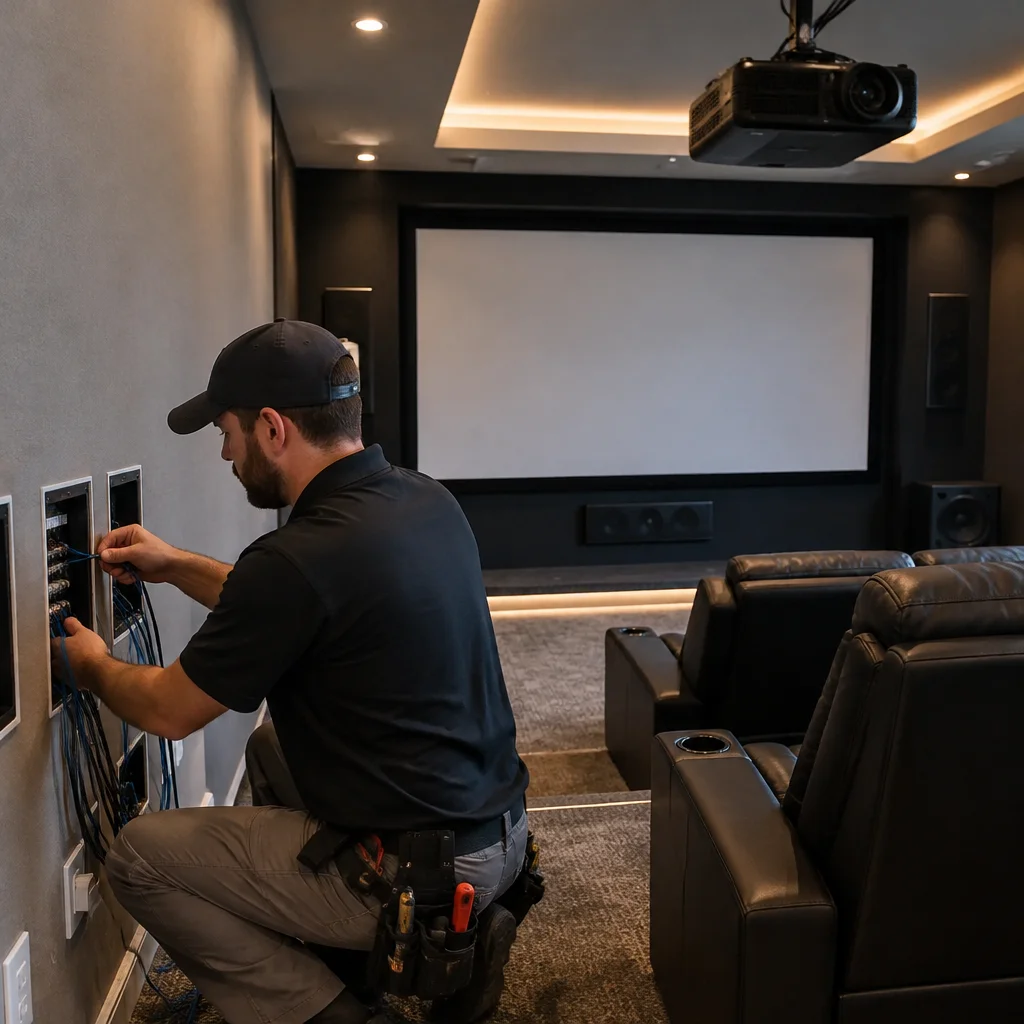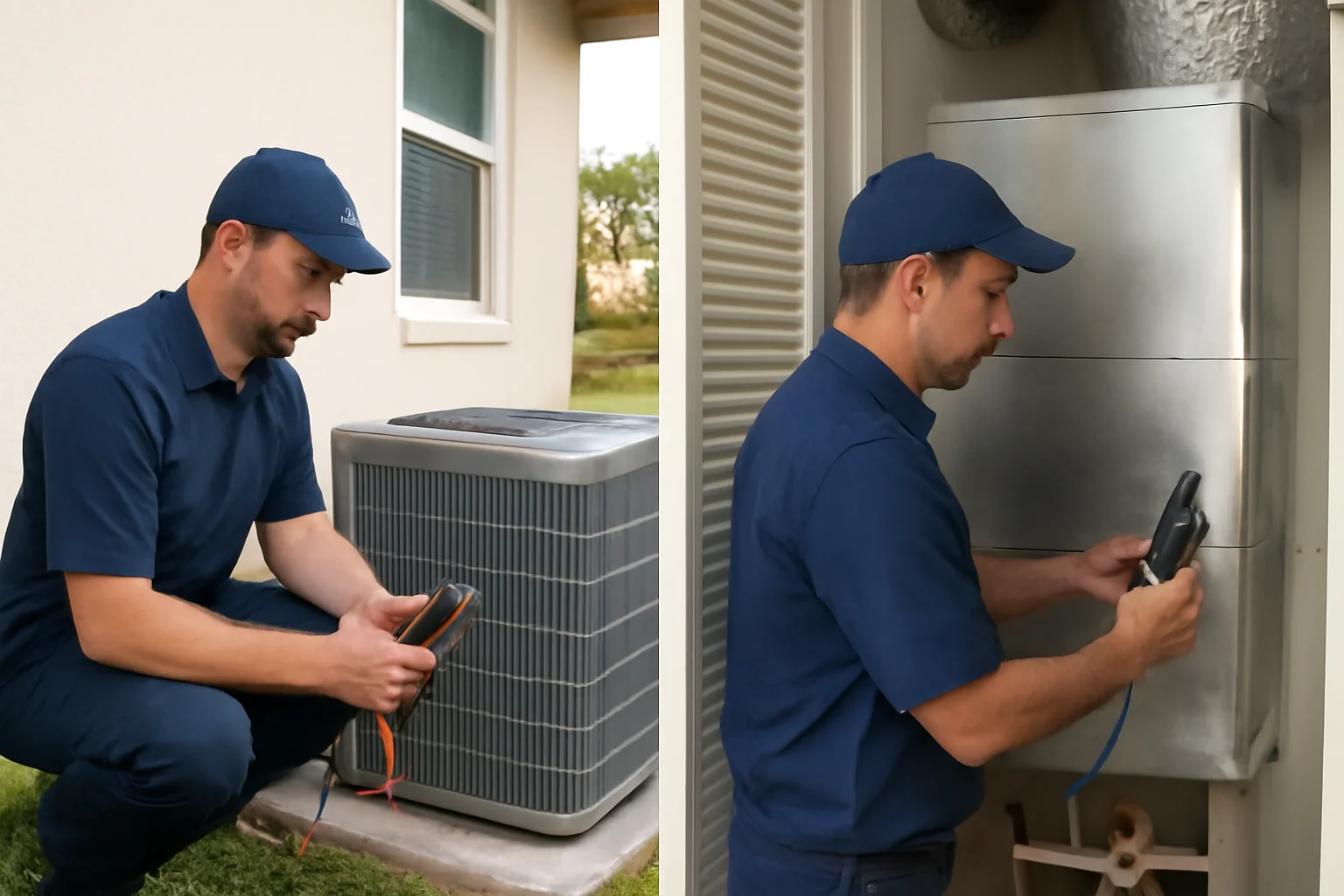
Heating control systems make everyday HVAC reliability possible. They decide when your heat pump runs, how long it cycles, and whether comfort stays steady room to room. In Fort Walton Beach, FL, that control layer works hard in real conditions: heat, humidity, coastal salt air, and long stretches of heavy use. When homeowners notice comfort problems, the cause is often not the heating equipment itself, but the control system details that get overlooked.
If you are searching for heating control systems in Fort Walton Beach, FL, the good news is that many control failures can be prevented or corrected with the right inspection and setup by a local HVAC team like A Superior Mechanical. For broader service options across the area, see our Fort Walton Beach HVAC service area and Okaloosa County HVAC coverage.
Why control systems matter more than many homeowners realize
Most people think of HVAC reliability as a matter of the furnace, heat pump, or air handler. Those components are important, but heating control systems are what coordinate the whole system. Thermostats, zoning controls, control boards, and sensors determine:
- Whether heating runs at the right times and with the right staging
- How quickly the system responds to temperature changes
- Whether indoor airflow is matched to heating demand
- How the system handles humidity and comfort settings
- Whether safety limits shut the system down when conditions are off
In Fort Walton Beach, where summers can be intense and indoor humidity can stay high, the control system must continuously balance comfort and equipment protection. Small control issues can lead to big comfort complaints and higher energy use, even when the heating equipment is still capable of performing.
Local climate stress: humidity, salt air, and coastal wear
Fort Walton Beach is a coastal community. Salt air does not just affect outdoor fixtures. Over time, it can contribute to corrosion and oxidation on connections, control components, and sensor contacts. Humidity adds another layer of stress, especially in attics, utility closets, and crawl spaces where controls and wiring may run.
Homeowners often overlook that heating control problems can start as:
- Loose or corroded thermostat wiring connections
- Sensor drift due to moisture exposure
- Intermittent communication between thermostat and air handler or heat pump controls
- Control board issues that show up as “random” cycling or inconsistent heating
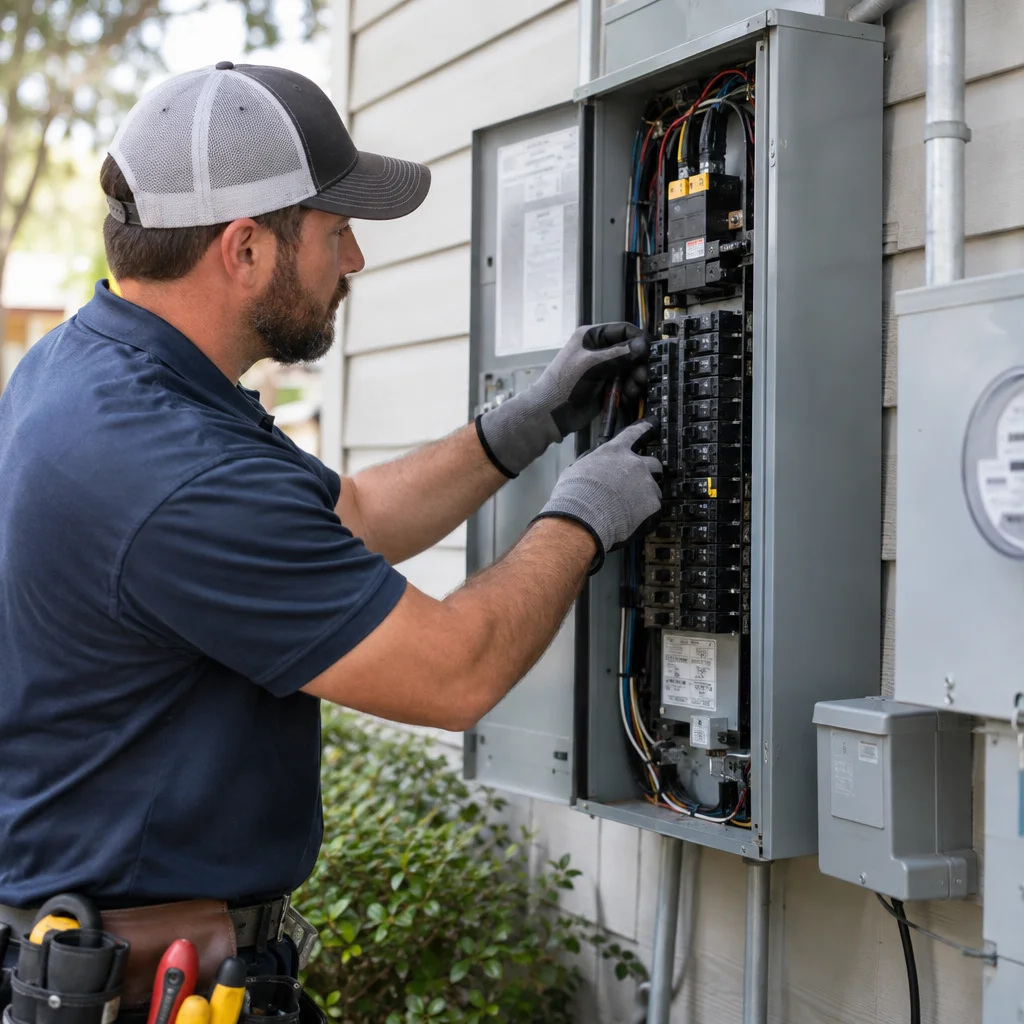
These are not always visible to the naked eye. A professional inspection looks for signs of corrosion, checks signal integrity, and verifies that the control system is configured for the actual equipment and airflow setup.
Airflow problems that the thermostat cannot fix
Heating control systems rely on airflow. If airflow is restricted, the temperature readings and control logic can become misleading. In the Fort Walton Beach area, homeowners may run into airflow limitations from:
- Dirty air filters that reduce circulation
- Dust buildup on blower components
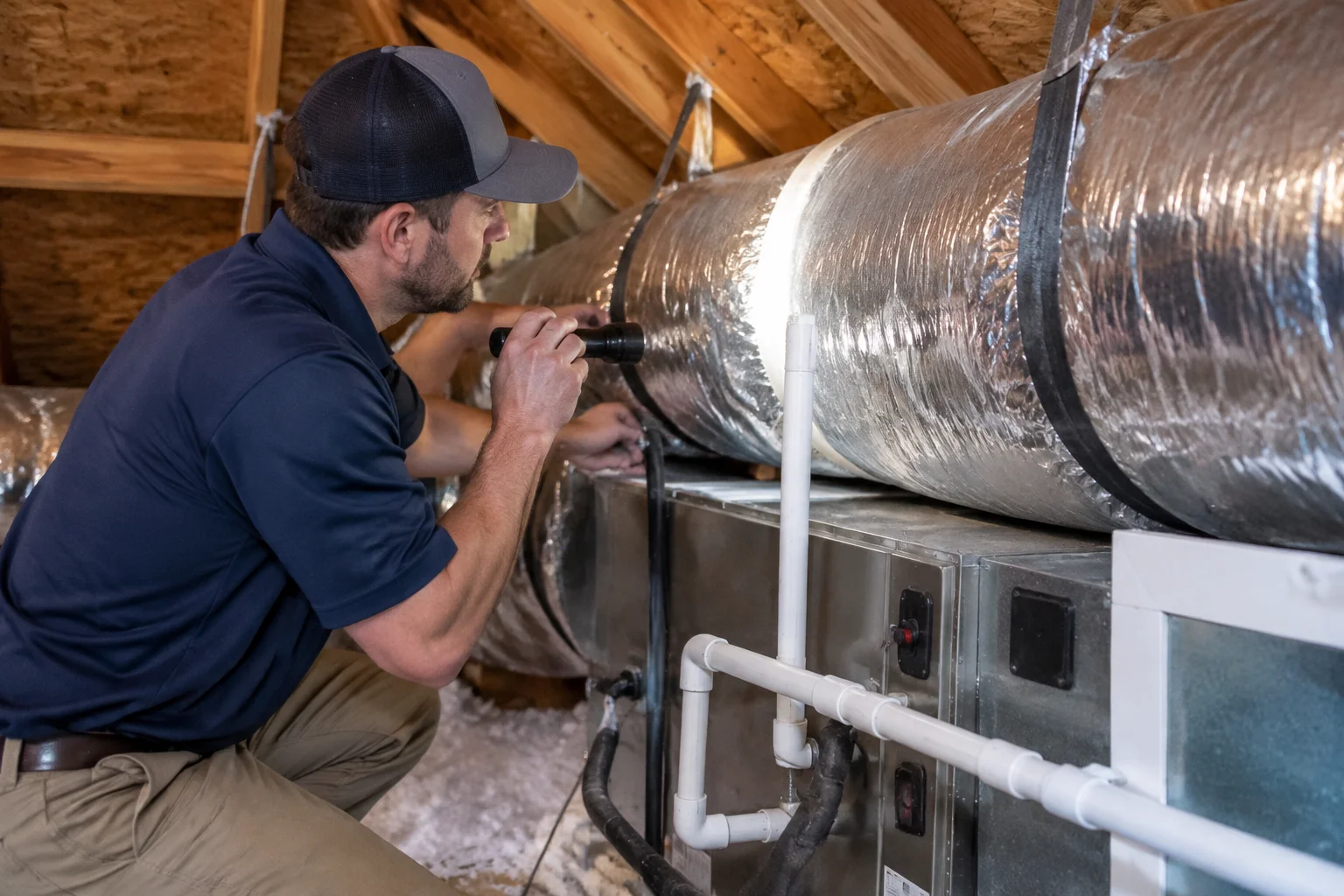
- Blocked or poorly designed ductwork
- Leaky ductwork that changes where heated air actually goes
- Supply and return imbalances between rooms
When airflow is weak, the system may short cycle, run longer than expected, or struggle to maintain set temperatures. Zoning systems can make this more noticeable because one zone may starve the system while another zone calls for heat. If you have ductwork concerns, consider ductwork services in Fort Walton Beach so comfort issues are not treated as thermostat problems when the real limiter is airflow.
For homeowners searching for “duct cleaning near me” or “duct inspection near me,” it helps to know that cleaning alone does not solve every airflow issue. A proper duct inspection can identify leaks, restrictions, and design problems that affect heating control performance.
Condensate drainage and humidity control side effects
Even when you are focused on heating, humidity management is part of the same system. Many HVAC setups combine heating and cooling functions and share components, including airflow pathways and drain systems. If condensate drainage is slow or partially blocked, moisture can accumulate around equipment areas.
That moisture can create control-related symptoms such as:
- Thermostat or sensor errors after the system has been running for a while
- Intermittent operation that improves after the system dries out
- Corrosion at drain pan float switches or nearby control connections
- Higher indoor humidity that makes heating feel inconsistent
In coastal Florida humidity, condensate drainage problems can escalate quietly. A professional can check condensate drainage and confirm that the heating and cooling control sequences are operating correctly with your specific setup.
Thermostat settings and configuration that do not match the system
Modern thermostats can do more than turn heating on and off. They can manage schedules, staging, fan behavior, and sometimes humidity or smart energy features. Homeowners may change settings during seasonal transitions and forget to restore the proper configuration for heating performance.
Common “overlooked” thermostat causes include:
- Wrong system type selected (for example, heat pump vs. conventional heating)
- Incorrect heat pump lockout or auxiliary heat settings
- Fan settings that keep airflow from matching the heating cycle
- Schedule programming that conflicts with how the system actually cycles
- Humidity settings that lead to comfort tradeoffs
Some homeowners also use smart thermostat apps with multiple devices or shared accounts. Changes made on a phone can override local settings. If the system seems to behave differently at different times of day, it is worth checking whether the thermostat configuration matches the installed equipment and whether the app settings align with your comfort goals.
A Superior Mechanical can help verify configuration and operation during an heating control systems inspection and service so the thermostat’s logic supports reliable HVAC performance.
Zoning systems: comfort gains that can become control headaches
Zoning can improve comfort in Fort Walton Beach homes, especially where bedrooms run warmer, sun-exposed rooms swing in temperature, or open floor plans create uneven heating. But zoning adds complexity. It introduces additional dampers, zone sensors, and control logic that must coordinate correctly with airflow and heating demand.
When zoning is not dialed in, homeowners often experience:
- One zone getting too hot while another stays cool
- Short cycling due to rapid zone calls
- Delayed heating response in rooms that call later
- Inconsistent airflow when dampers do not fully open or close
- Temperature sensor placement that does not represent the room
Sometimes the issue is not the zoning hardware itself, but the control strategy and airflow balance. That is why zoning adjustments should be handled by a technician who understands how dampers affect system operation and how to verify airflow pathways.
If you are considering zoning updates or need help with existing zones, you can also explore how comfort and airflow intersect through indoor air quality services in Fort Walton Beach. Better filtration and airflow balance often support more stable control performance.
Refrigerant system issues that show up as control behavior
It is easy to assume that a thermostat, zoning controller, or wiring issue is always the culprit. In reality, heating control systems respond to what the HVAC system is doing. If refrigerant system conditions are off, the system can behave in ways that look like control problems, such as:
- Frequent cycling or unexpected stage changes
- Slow temperature recovery after a call for heat
- Comfort that feels uneven or delayed
- Safety-related shutdowns that interrupt operation
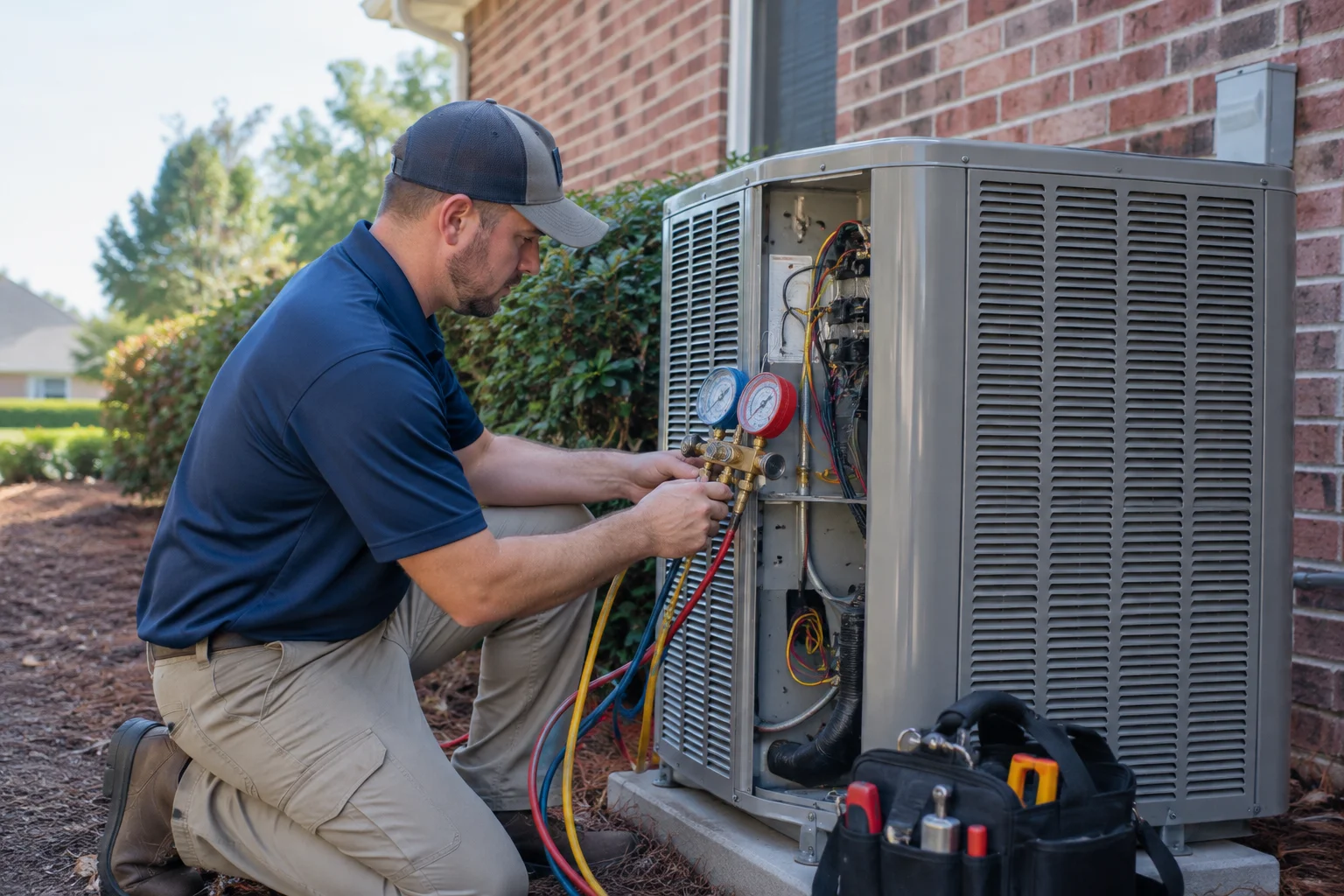
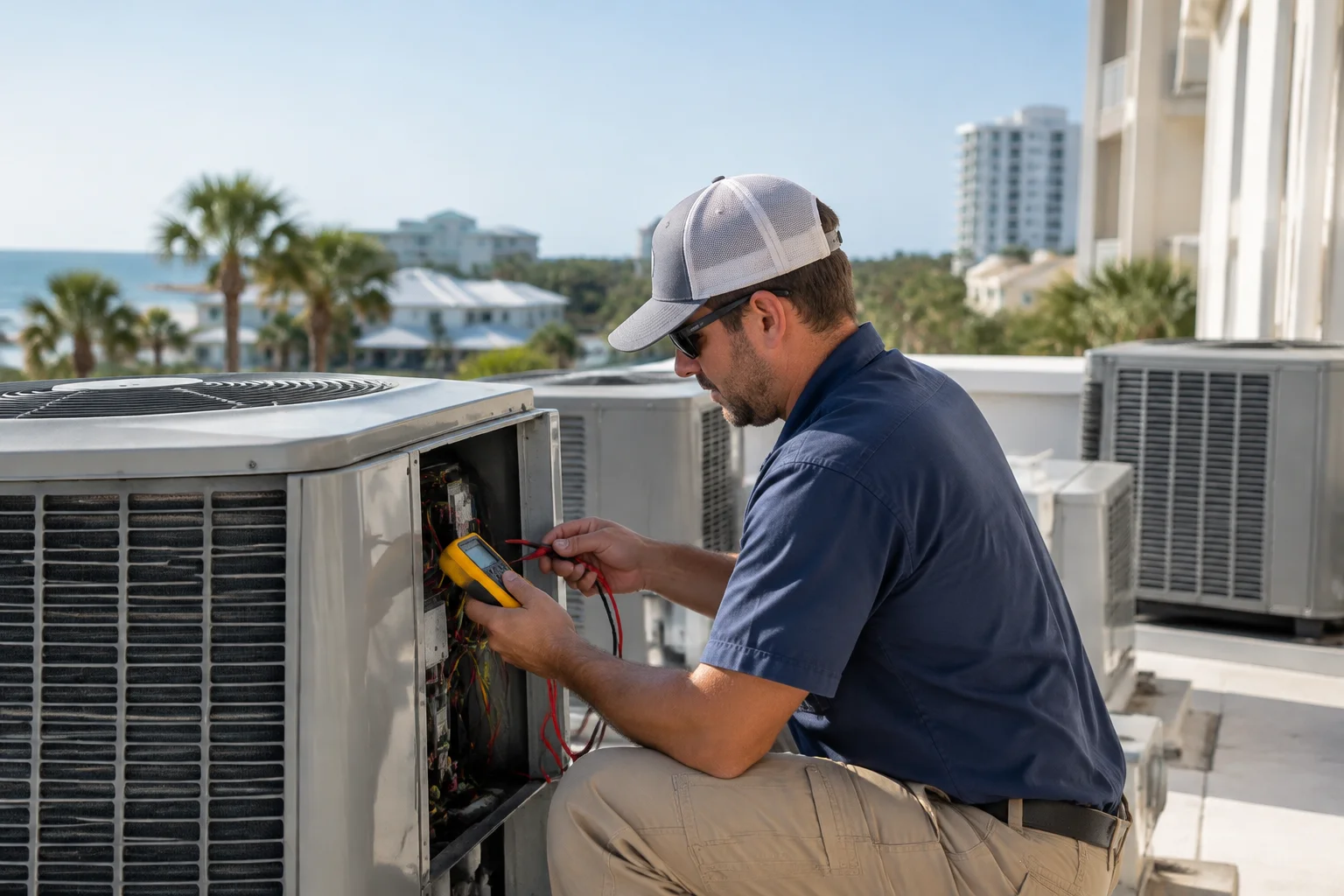
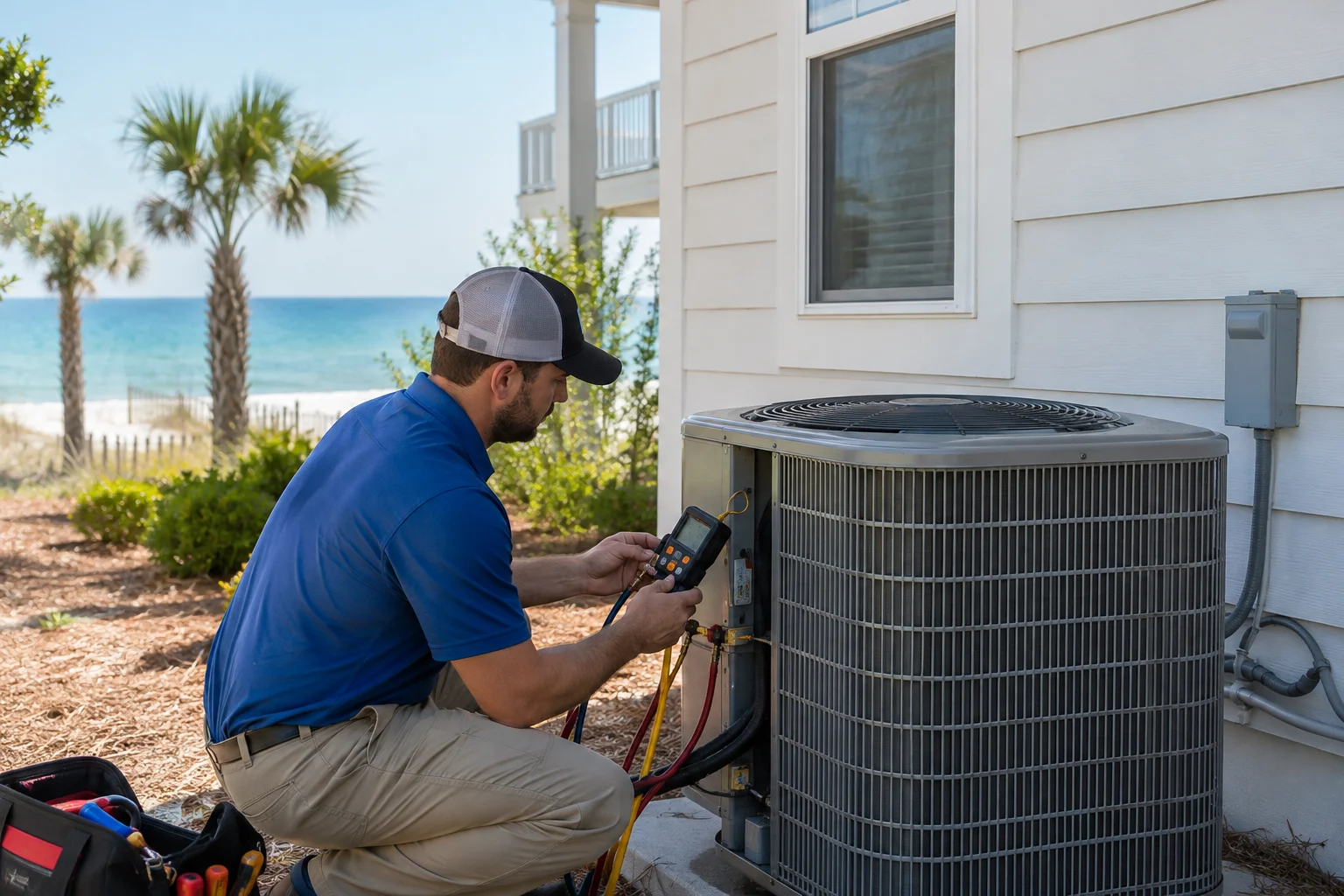
Important note for homeowners: diagnosing refrigerant conditions requires in-person evaluation and proper testing. It is not appropriate to guess from thermostat symptoms alone. If your system is acting erratically, a professional can assess the entire heating system, verify control operation, and determine whether the refrigerant system is contributing to the behavior.
Electrical and signal issues that present as “heating control” failures
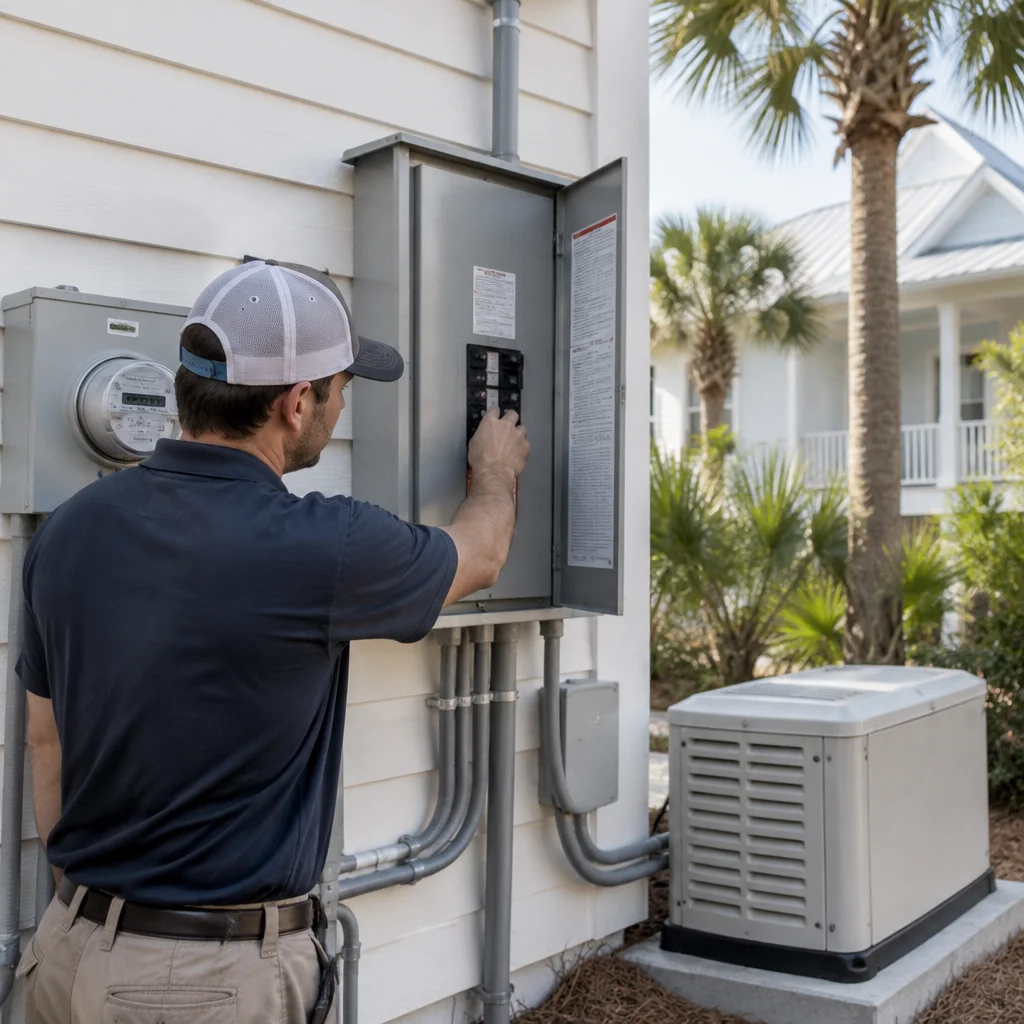
Heating control systems use low-voltage wiring and control signals between components. In Fort Walton Beach, where storms and humidity are part of life, homeowners can see intermittent control behavior after:
- Power surges or brownouts
- Loose connections at the thermostat or control board
- Worn wiring routing that becomes more problematic as humidity rises
- Corrosion on terminals
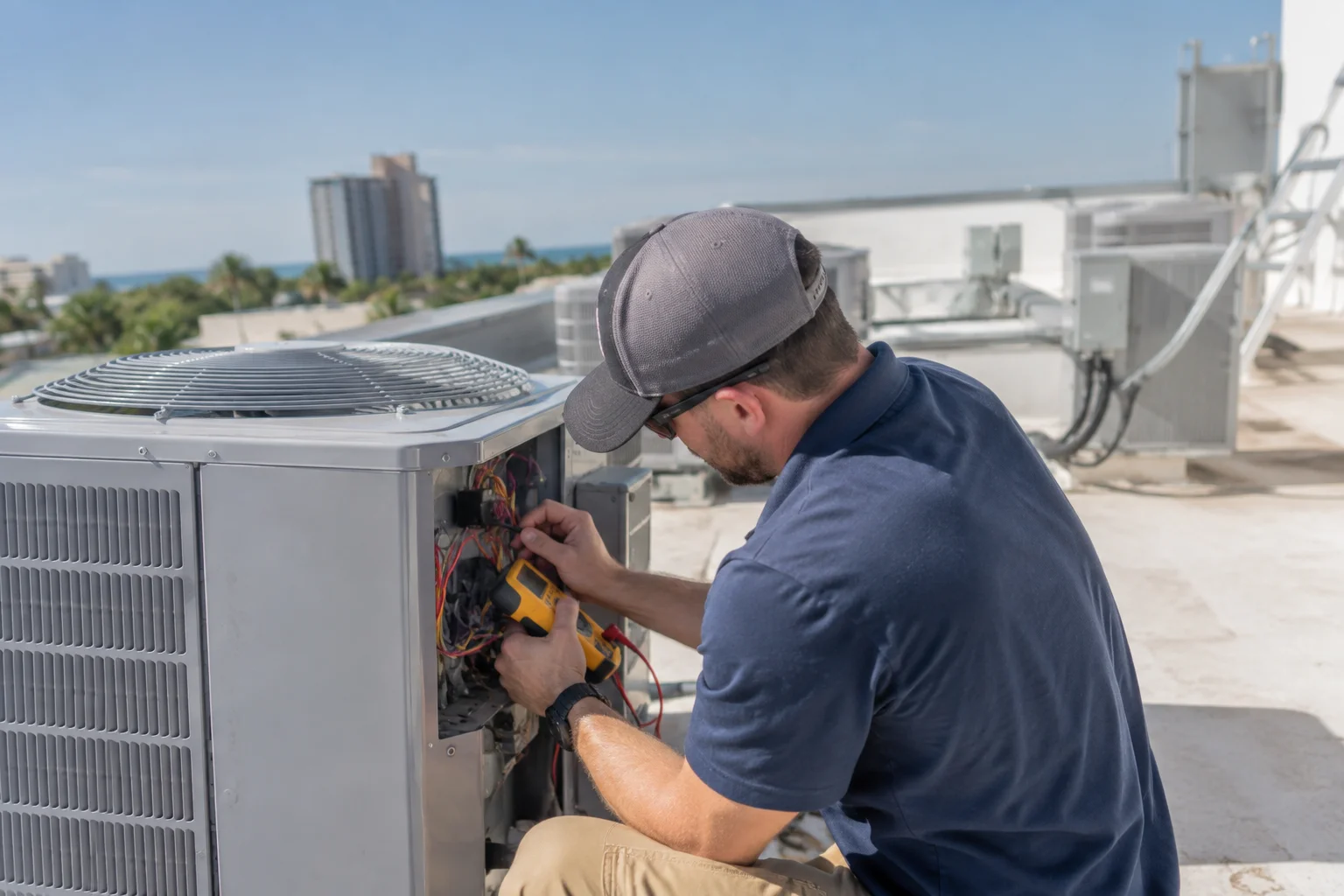
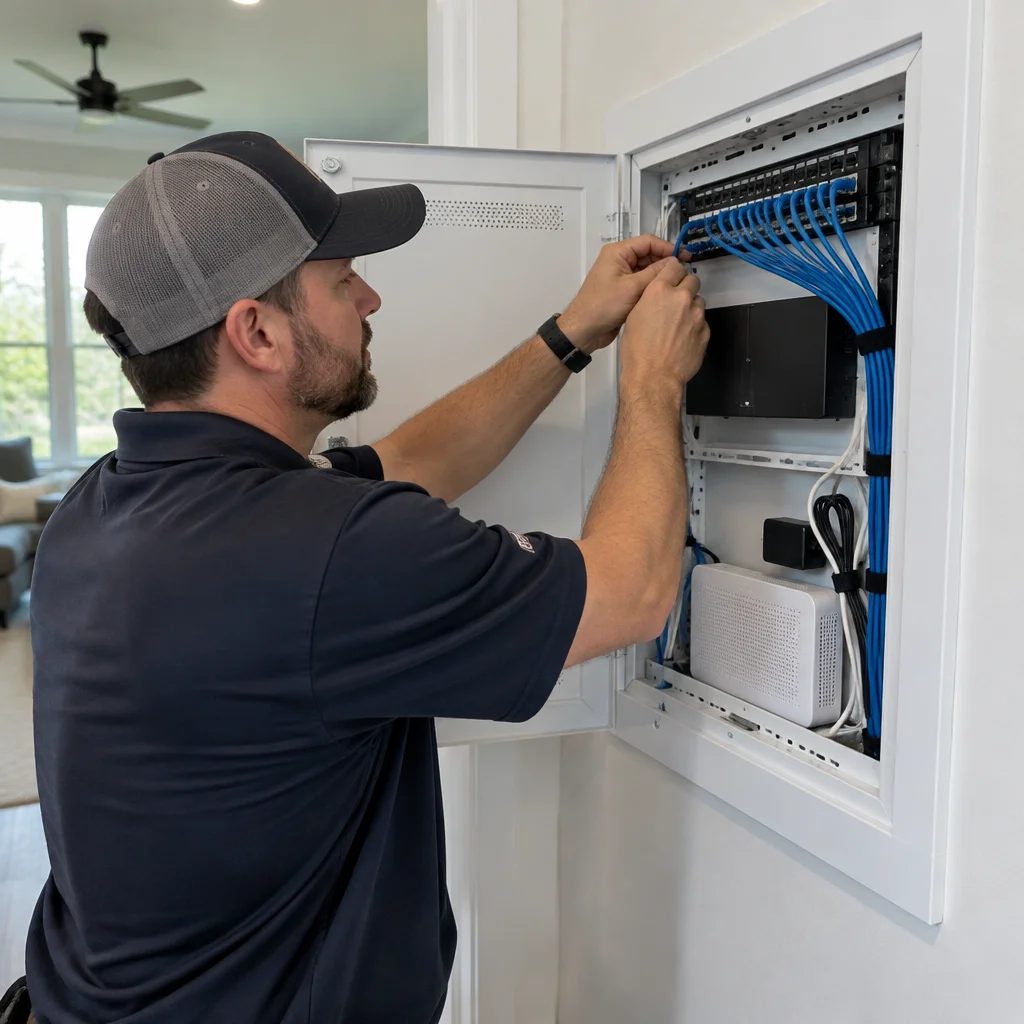
Even though the symptoms appear in the thermostat, the root cause can be connection quality and signal stability. A technician can safely inspect wiring and control components and confirm that the system is receiving and acting on correct signals.
How you can tell something is wrong: practical symptoms
Not every control issue looks dramatic. Some are subtle and repeat season after season. Look for patterns that suggest heating control system problems:
- Inconsistent heating where some rooms feel fine and others lag behind
- Thermostat display changes such as error messages, flashing icons, or unexpected mode switching
- Short cycling where the system starts and stops quickly during heating calls
- Long run times with little temperature change
- Unresponsive zones where a zone calls but airflow does not respond consistently
- Frequent fan behavior changes that do not match your comfort settings
If you also notice higher energy use along with comfort swings, that can be a clue that the control sequence is not coordinating properly with airflow and equipment operation.
Prevention that homeowners can actually do between service visits
You do not need to be an HVAC expert to reduce the chances of heating control failures. These steps support stable operation:
Keep filters clean and airflow consistent
Replace air filters on schedule and avoid letting them get overly clogged. Reduced airflow can make thermostats and zoning logic behave unpredictably.
Verify thermostat placement and drafts
Place thermostats away from direct sunlight, supply vents, and exterior doors. Coastal homes can have drafts, and heat buildup near the thermostat can confuse temperature readings.
Review seasonal settings
Before the cooler months arrive, confirm the thermostat settings match your system type and your comfort goals. If you use a smart app, check for any schedule changes.
Watch condensate drainage areas
If you have access to the drain pan area or condensate line, look for signs of moisture where you would not expect it. A small drainage problem can become a control issue later.
Use indoor air quality upgrades that support airflow stability
Better filtration and improved air distribution can help the system maintain more consistent control conditions. Explore air filtration and purifiers if indoor air quality is a priority.
Why professional HVAC service matters for control system reliability
Heating control systems are a coordination job. A technician needs to confirm thermostat operation, verify control wiring and sensor performance, evaluate airflow and ductwork impacts, and check whether heating behavior aligns with the installed refrigerant system and safety controls. That is especially important in Fort Walton Beach, where humidity, salt air, and long cooling seasons influence how equipment and controls age.
Homeowners searching for “HVAC maintenance near me” often want to prevent breakdowns during high-demand weeks. Preventive HVAC maintenance that includes control system checks can help avoid mid-season surprises, reduce comfort swings, and support more efficient energy use.
If you want to extend the life of your system, read Getting More Life Out of Heating Control Systems in Fort Walton Beach Homes. For additional context on how maintenance affects performance, see What Fort Walton Beach Homes Can Learn From Commercial HVAC Maintenance.
When comfort issues could become emergency cooling concerns
Fort Walton Beach residents know that weather can change quickly. Even if the symptom starts as a heating control problem, a related control failure can disrupt cooling later. That is why it is worth addressing irregular thermostat behavior and control-related cycling promptly.
Consider urgent attention if you notice:
- The system will not respond to heating or cooling calls reliably
- Error codes appear repeatedly
- The system shuts down unexpectedly during normal operation
- Airflow is absent or severely reduced
For homeowners needing same-day help, emergency service options like HVAC service near me can be important when comfort and health are at risk. If you are dealing with a bigger pattern of HVAC unreliability, review Fort Walton Beach Homeowners and the HVAC Problems That Can’t Wait to gauge urgency.
Additional considerations for Fort Walton Beach homes and property types
Control systems do not live in a vacuum. The way a home is built, maintained, and managed affects reliability.
Older housing and retrofit challenges
Some Fort Walton Beach homes have older ductwork, older thermostat wiring, or prior upgrades that were not fully integrated. That can lead to mismatched control behavior when homeowners install new thermostats or add zoning later.
Property management and multi-unit comfort
For landlords and property managers, heating control reliability is tied to tenant comfort and reduced service calls. If you manage multiple units, consider Property Management HVAC Services so control settings, maintenance schedules, and system checks stay consistent.
Choosing the right next step for heating control system issues
If your heating control system seems inconsistent, the best next step is a professional evaluation that checks the whole system relationship: thermostat and controls, airflow and ductwork, condensate drainage effects, and how the HVAC equipment responds under real load.
A Superior Mechanical provides heating control system installation, repair, and upgrades in Fort Walton Beach, FL. If you are comparing options or troubleshooting recurring issues, start with heating control systems in Fort Walton Beach and we can help you map the most likely causes based on what is happening in your home. For homeowners also thinking about system performance and comfort upgrades, pairing control work with an indoor air quality service or ductwork services can reduce the chance that control settings are trying to compensate for airflow limitations.
To keep your HVAC system running smoothly in Florida humidity and coastal conditions, preventive maintenance and accurate control setup are often the difference between steady comfort and repeat problems.
Related reading for homeowners in the area
If you suspect the problem is bigger than a thermostat screen, it can help to review Commercial HVAC Repair in Fort Walton Beach: What Property Owners Should Pay Attention To Before Small Problems Grow. Even though the context is commercial, the control and airflow lessons apply to any home with zoning, smart thermostats, or inconsistent heating performance.
Find Heating Control Systems in Fort Walton Beach, FL
If you need Heating Control Systems in Fort Walton Beach, FL, visit our local service page or contact A Superior Mechanical today.
Map of Fort Walton Beach, FL
Frequently Asked Questions
Can humidity and salt air in Fort Walton Beach really affect heating control systems?
Yes. Humidity can contribute to corrosion and moisture exposure on thermostat wiring, sensor connections, and control components. Salt air can accelerate oxidation on terminals over time, which may cause intermittent heating behavior that looks like a thermostat problem.
Why does my thermostat show normal settings but the home still does not heat evenly?
Uneven heating is often related to airflow and ductwork balance, zoning damper operation, or sensor placement. If airflow is restricted or zones are not coordinating properly, the thermostat may be “calling” correctly while the system cannot deliver heat to the rooms that need it.
What are the most common heating control symptoms homeowners notice first?
Common signs include short cycling, long run times with little temperature change, inconsistent comfort between rooms, unexpected mode changes, repeated error codes, and zoning that seems to respond late or not at all.
Is it safe for me to adjust refrigerant settings or diagnose refrigerant issues myself?
No. Refrigerant system diagnosis requires in-person evaluation and proper testing. If heating control behavior seems tied to equipment performance, a professional should inspect controls and the system together rather than guessing.
How can preventive HVAC maintenance help with heating control reliability?
Preventive maintenance helps confirm control operation, verify airflow and filter condition, check condensate drainage effects, and ensure the thermostat and zoning settings match the equipment. This reduces the odds of mid-season breakdowns and comfort swings.
Related Articles
- Getting More Life Out of Heating Control Systems in Fort Walton Beach Homes
- What Fort Walton Beach Homes Can Learn From Commercial HVAC Maintenance
- Commercial HVAC Repair in Fort Walton Beach: What Property Owners Should Pay Attention To Before Small Problems Grow
- Fort Walton Beach Homeowners and the HVAC Problems That Can’t Wait
Photo Gallery