Heating control systems do a lot of quiet work in Fort Walton Beach homes. They manage when your heat runs, how evenly rooms stay warm, and how much energy your system uses when the weather turns cooler. Because the Gulf Coast climate is mild compared with many parts of the country, homeowners sometimes overlook these controls until comfort starts slipping or utility bills creep up.
That is a mistake that can cost money over time. Small issues like poor thermostat placement, weak batteries, dirty sensors, or outdated settings can make a heating system cycle more often than it should. In a place like Fort Walton Beach, where homes deal with humidity, salt air, and long stretches of cooling season, heating controls need the same attention as the furnace or heat pump itself. A little maintenance goes a long way toward better performance and fewer surprises.
If you are looking for local help with heating control systems in Fort Walton Beach, FL, A Superior Mechanical provides installation, repair, and upgrades for homeowners and businesses across the area. Their team also serves the broader Okaloosa County area and the Fort Walton Beach service area, which matters because local homes have different needs than homes farther inland.
Why heating controls matter even in a warm coastal climate
Many Fort Walton Beach homeowners assume heating controls are only important during a few chilly weeks each year. In reality, the controls affect system efficiency every time the heat comes on, even if that is only occasionally. A thermostat that reads temperatures incorrectly can cause short cycling. A zoning system that is not balanced can leave one part of the house stuffy and another part cold. A heat pump control that is not calibrated properly can make the system switch modes at the wrong time.
That matters in coastal Florida homes because energy waste adds up quickly. Homes here often face humidity swings, sun exposure, and mixed construction styles. Some are older properties with less insulation than modern builds. Others are newer homes with open floor plans and multiple zones. In each case, the control system needs to match the home, not just the equipment.
Simple maintenance habits that improve long term results
Check thermostat placement and settings
One of the easiest ways to improve performance is to make sure the thermostat is in the right spot. If it sits near a sunny window, kitchen, supply vent, or exterior door, it can read the wrong temperature and tell the system to run at the wrong time. That can create uneven comfort and higher energy use.
Homeowners should also review settings at the start of cooler weather. If the thermostat has a schedule, make sure it still fits your routine. If your family leaves home at the same times each day, a properly programmed thermostat can reduce unnecessary runtime. Smart thermostats can help, but only if they are set up correctly and connected to the right equipment.
Replace batteries and clean the unit
If your thermostat uses batteries, replace them before they fail. Weak batteries can cause blank screens, lost settings, or inaccurate readings. Even hardwired thermostats may have backup batteries that need attention.
Dust and dirt can also affect sensors and buttons. A gentle wipe with a dry cloth is usually enough. Avoid spraying cleaners directly on the device. If the display is unresponsive or the thermostat keeps resetting, that is a sign the control may need professional service.
Keep vents and registers open and balanced
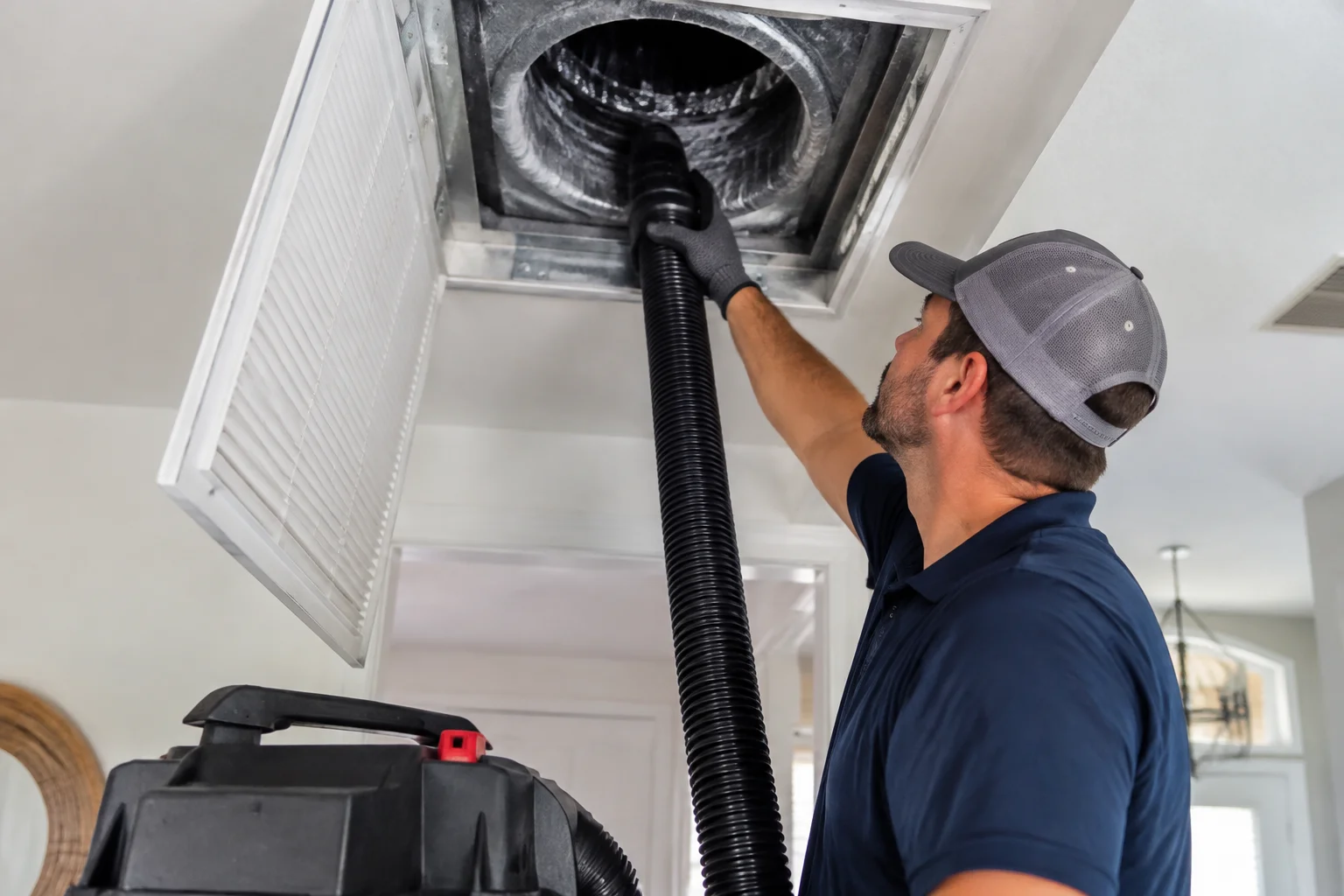
Heating control systems work best when air can move freely through the home. Closed or blocked vents can create pressure imbalances that make the system work harder. In homes with zoning, one closed register can affect how the entire system responds.
Walk through the house and make sure furniture, rugs, and curtains are not blocking supply registers or return vents. If certain rooms always feel too warm or too cool, the issue may be with zone dampers, airflow, or thermostat location rather than the heater itself.
Schedule regular HVAC inspections
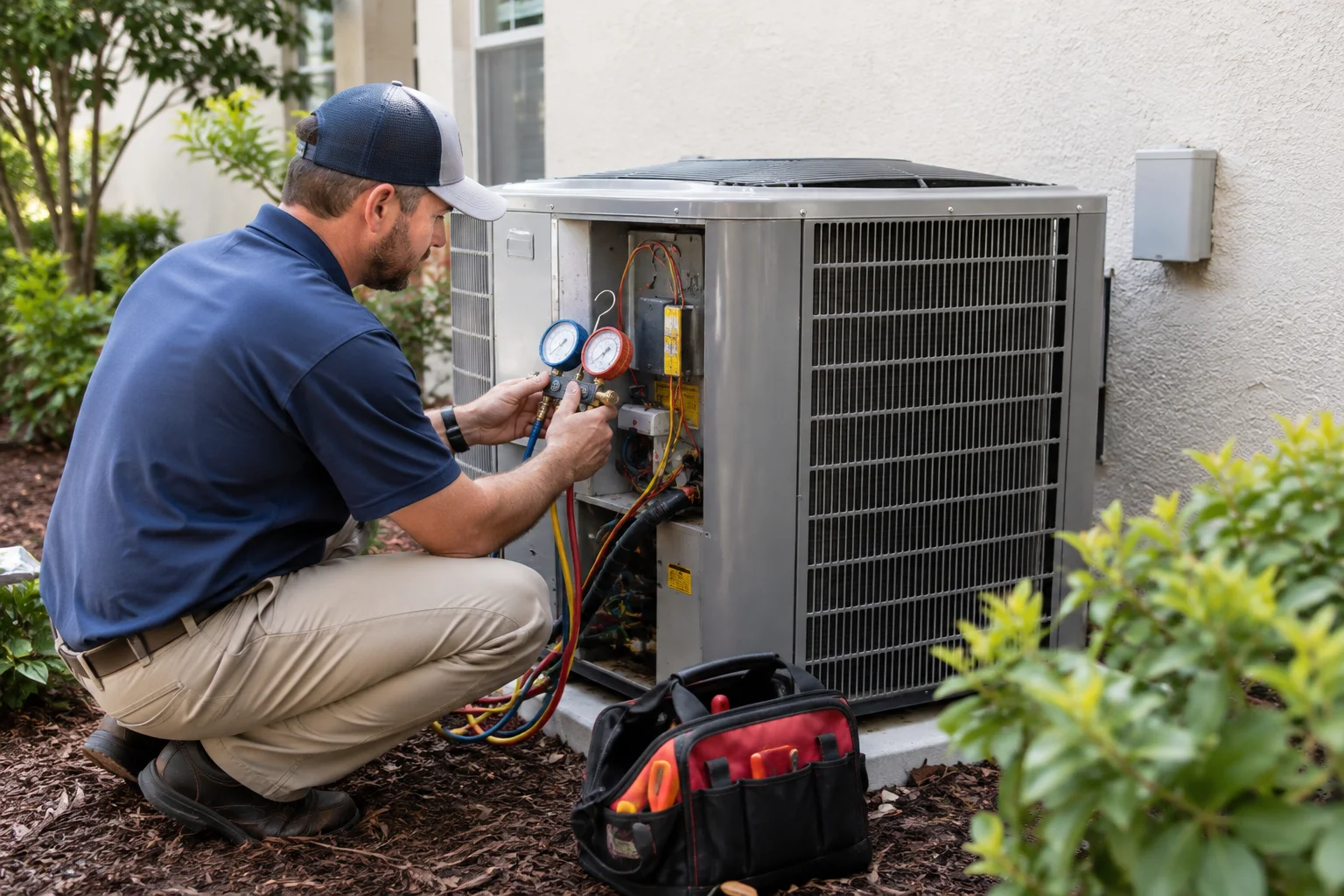
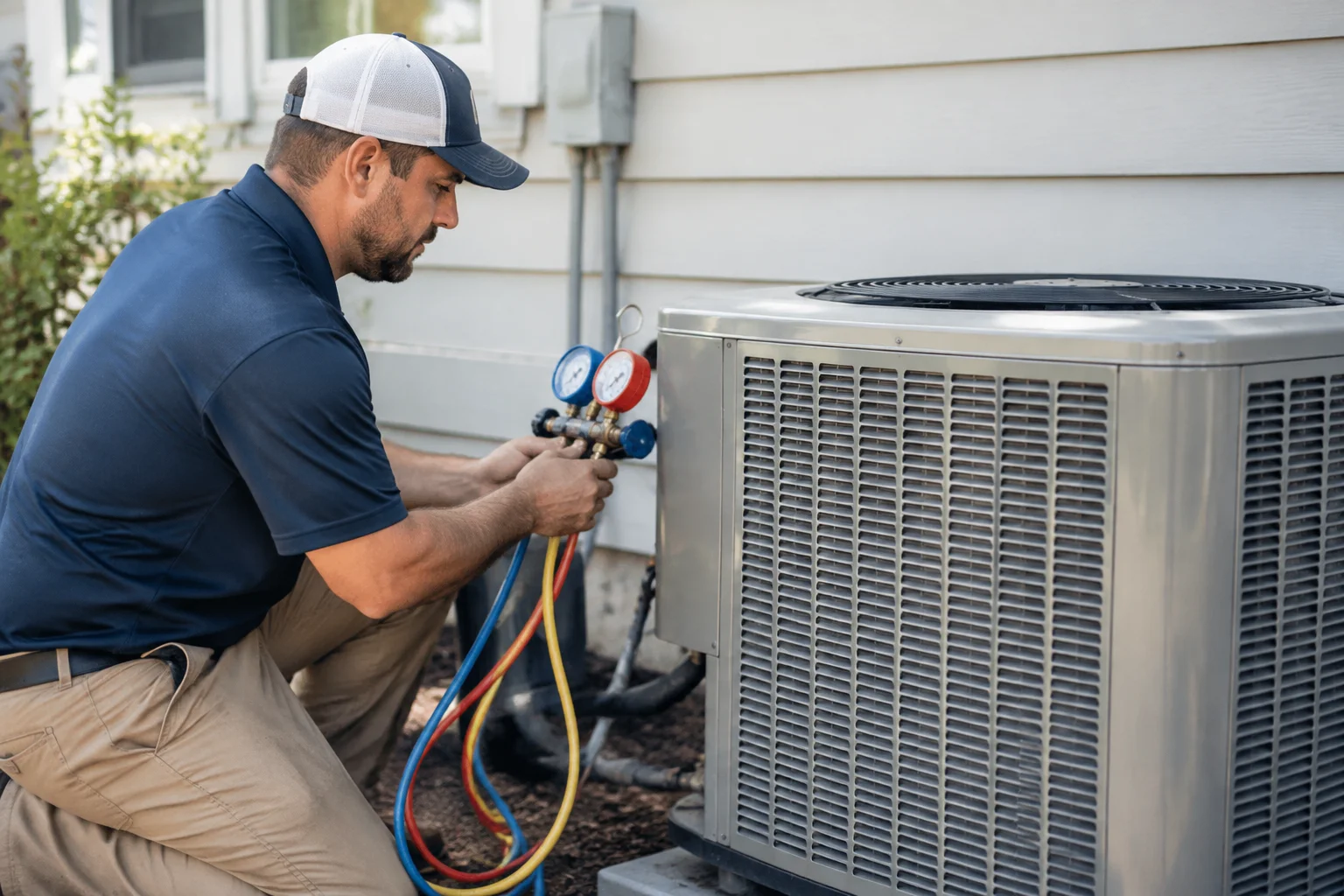
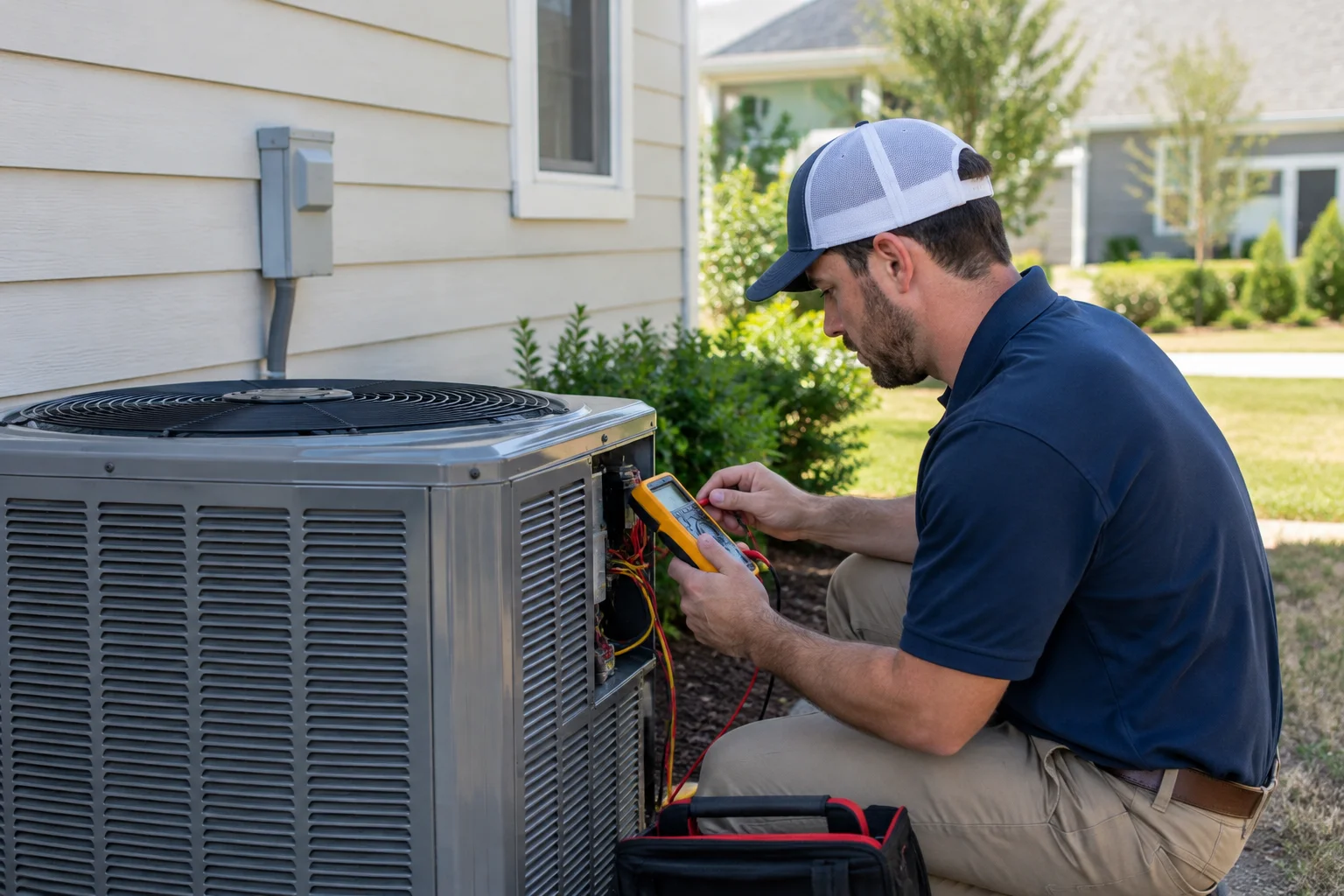
Controls should be checked during routine HVAC service, not just when something goes wrong. A technician can verify calibration, test sensors, inspect wiring, confirm communication between the thermostat and equipment, and make sure zoning components are responding correctly. That is especially important for heat pumps and modern systems with more advanced controls.
Routine service can also uncover problems that are easy to miss. A loose connection, failing relay, or incorrect control sequence may not stop the system right away, but it can shorten equipment life and increase operating costs over time.
Local conditions in Fort Walton Beach that affect control performance
Coastal homes in Fort Walton Beach face a few conditions that can shorten the life of heating controls if they are ignored. Humidity can affect electronics. Salt air can corrode connections over time. Power interruptions and storms can knock settings out of sync. Even when the heating season is short, controls still need to handle the transition between cooling and heating without confusion.
Some homes in the area also have additions, converted spaces, or mixed HVAC setups. For example, an older home may have a newer heat pump system tied to a thermostat that was not designed for it. A newer home may use zoning to manage upstairs and downstairs temperatures. These details matter because a control system should be matched to the equipment, not guessed into place.
If you are planning upgrades or building a home, it helps to think ahead. Planning New Construction HVAC in Fort Walton Beach for Comfort That Lasts covers why system design and control placement should be part of the conversation before walls are closed up. That same planning mindset applies to retrofits, especially when you are replacing equipment in a home that has never had modern controls.
Signs the controls are not doing their job
Homeowners usually notice comfort problems before they notice the actual cause. If the heat turns on and off too often, the thermostat may be misreading the room. If one area of the home feels comfortable while another stays chilly, zoning controls may need adjustment. If the system runs but does not seem to change the temperature much, the controls may not be communicating properly with the equipment.
Other warning signs include:
Frequent temperature swings from one room to another
Thermostat displays that go blank, freeze, or reset
Heat pump behavior that seems inconsistent
Higher energy bills without a clear reason
Unusual clicking, delayed startup, or short cycling
These problems can look like equipment failure, but the control system is often part of the issue. That is why a professional diagnosis is usually more effective than replacing parts one by one.
Why zoning and smart controls can save money
Many Fort Walton Beach homeowners can improve comfort and reduce waste by upgrading to zoning or smart controls. Zoning lets different parts of the home receive different levels of heating based on use and exposure. That can be especially helpful in two story homes, homes with bonus rooms, or properties with rooms that face direct afternoon sun.
Smart thermostats add another layer of efficiency by learning schedules, tracking usage, and allowing remote adjustments. If you travel often or keep a second home, remote access can prevent unnecessary heating when no one is there. Used correctly, these systems can reduce runtime and make the whole HVAC setup feel more responsive.
For some homes, a full upgrade is the best option. A Superior Mechanical also helps homeowners who are considering related improvements such as New Construction HVAC Services or equipment changes tied to larger home projects. In some cases, control upgrades are part of a broader comfort plan, similar to the issues discussed in Commercial HVAC Installation in Fort Walton Beach Homes: Problems Local Property Owners Should Not Overlook, where mismatched systems can create avoidable performance problems.
How water, plumbing, and air quality issues can affect heating controls
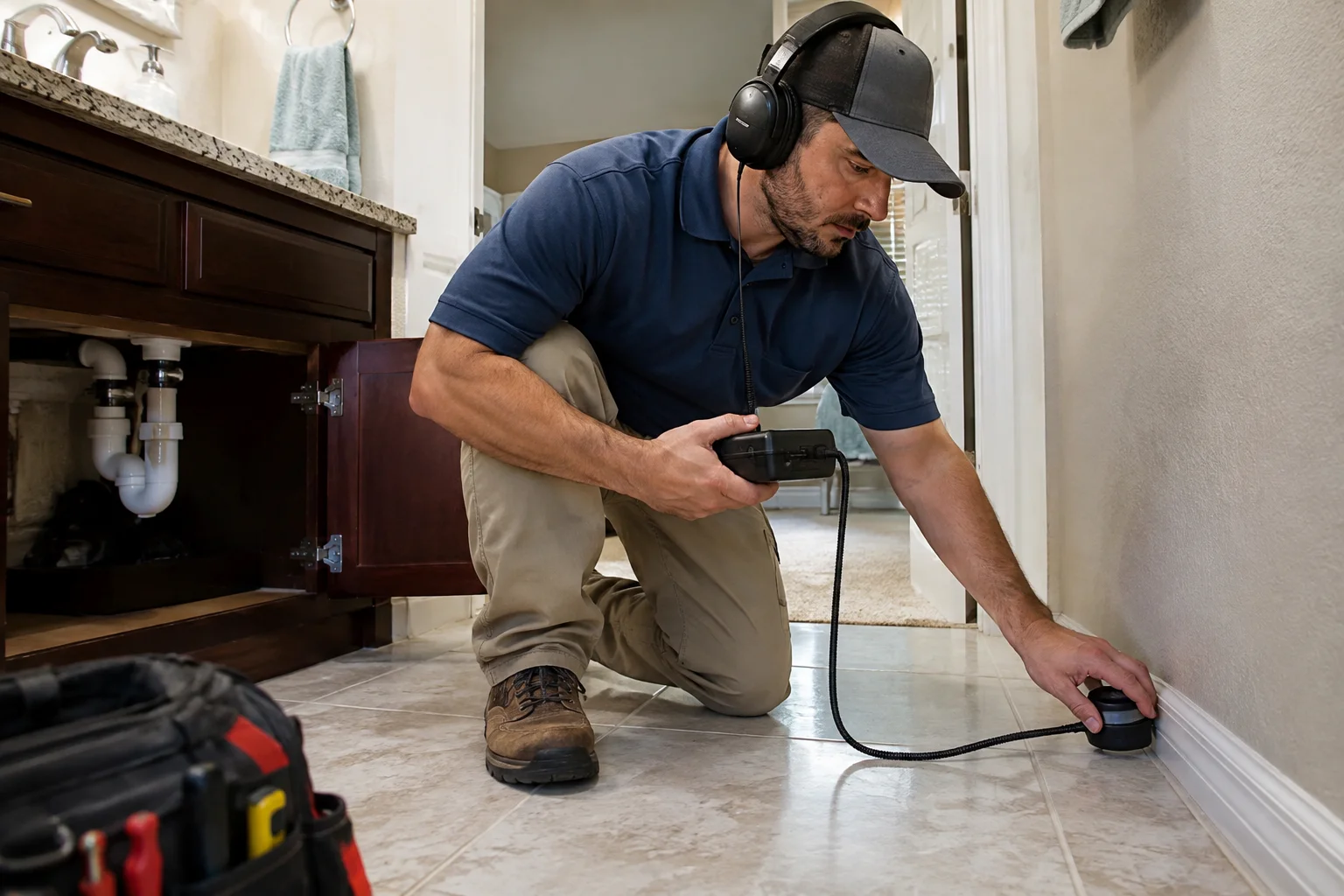
Heating controls do not operate in a vacuum. Moisture problems, plumbing leaks, and water quality issues can all affect HVAC equipment and the spaces where controls are installed. A leak near a wall cavity, utility closet, or attic access can damage wiring and sensors. In humid homes, condensation can also create corrosion or unreliable readings over time.
If your home has recurring moisture issues, it may be worth addressing them before they start affecting HVAC performance. Local homeowners can learn more from Why Homeowners Need Water Leak Repairs in Fort Walton Beach, FL. If a leak has already damaged nearby piping or walls, services like Water Line Repair and Pipe Replacement can help protect both the home and the HVAC system.
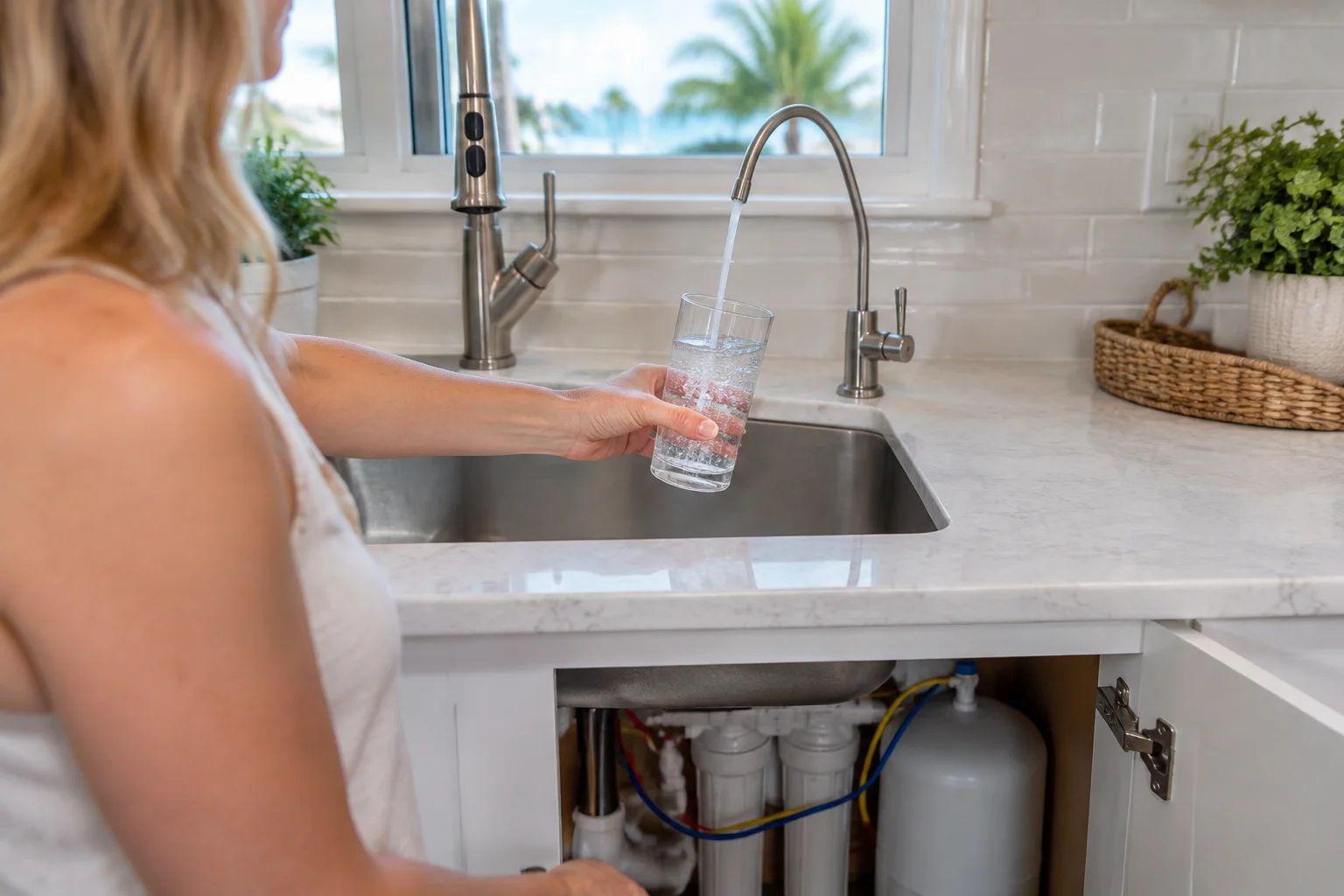
Water quality can matter too. Hard water and mineral buildup do not usually damage a thermostat directly, but they can affect connected systems in homes with hydronic components or equipment located near plumbing. In some households, Water Softening Systems help reduce scale and protect fixtures and appliances, which supports better long term home performance overall.
When a professional should take a look
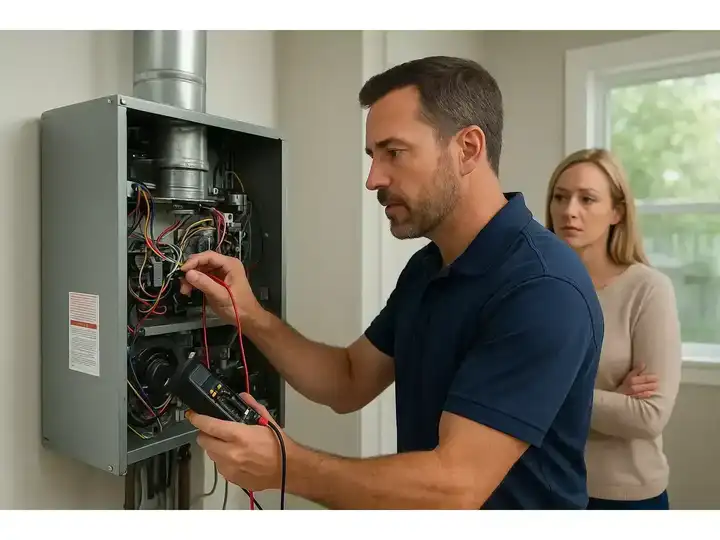
Some heating control tasks are simple enough for homeowners, like changing batteries or checking schedules. But if the thermostat keeps losing settings, if zoning dampers are not responding, or if the system is short cycling, it is time to bring in a professional. Electrical issues, control board failures, and communication problems between the thermostat and HVAC equipment should not be guessed at.
Local service matters because technicians who work in Fort Walton Beach understand the climate, the housing stock, and the kinds of equipment that are common in Okaloosa County. They know how salt air, humidity, and seasonal use can affect controls over time. That local experience can shorten diagnosis time and help prevent repeat problems.
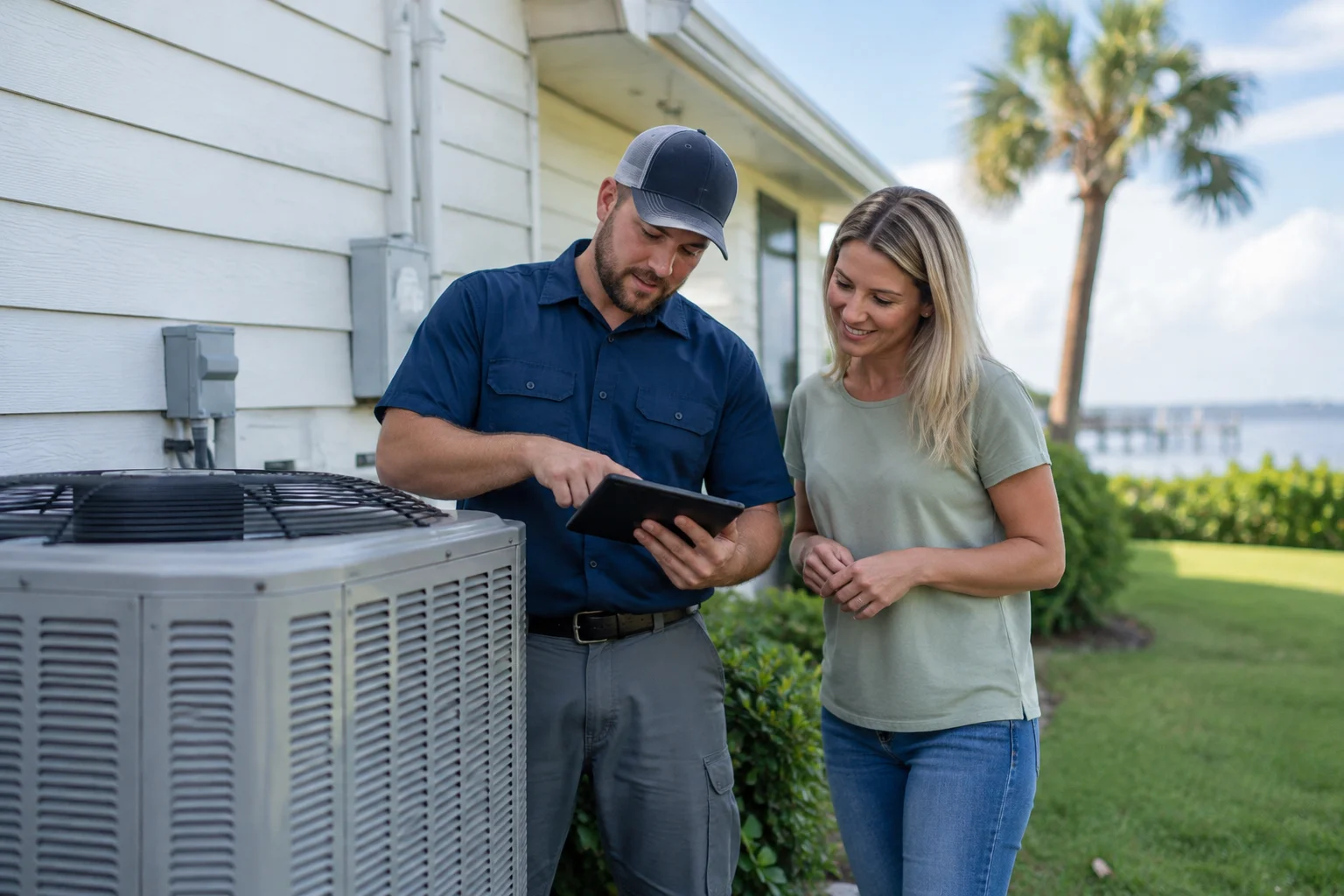
A Superior Mechanical offers heating control system installation, repair, and upgrades tailored to Fort Walton Beach homes and businesses. Whether the issue is a smart thermostat that is not syncing correctly, a zoning system that needs balancing, or a control setup that never really fit the home, professional service can restore comfort and help lower wasted energy.
Practical habits that protect your investment year after year
Good results from heating control systems usually come from a mix of small habits and timely service. Keep the thermostat clean and powered. Review seasonal settings before the first cold snap. Make sure vents and returns stay open. Pay attention to uneven temperatures, especially after storms or power outages. And do not ignore changes in how often the system runs.
For homeowners in Fort Walton Beach, that kind of attention is especially worthwhile. The region does not have a long heating season, which makes it easy to put controls out of mind. But the same mild climate that reduces heating demand can also hide small inefficiencies for months. By the time the system is needed again, those issues may have grown into higher bills or comfort complaints.
When heating controls are maintained properly, the payoff is steady comfort, fewer breakdowns, and better use of the equipment you already own. That is especially true in coastal homes where every part of the HVAC system has to work a little harder to handle humidity, salt air, and changing weather patterns.
If you are ready to improve performance or solve a stubborn comfort issue, local help is available through heating control systems in Fort Walton Beach, FL. For homeowners who want a broader look at comfort, efficiency, and system design across the area, A Superior Mechanical serves the full Fort Walton Beach community and nearby Okaloosa County neighborhoods with solutions built for local conditions.
Find Heating Control Systems in Fort Walton Beach, FL
If you need Heating Control Systems in Fort Walton Beach, FL, visit our local service page or contact A Superior Mechanical today.
Map of Fort Walton Beach, FL
Frequently Asked Questions
How often should heating control systems be checked in Fort Walton Beach homes?
Most homeowners should have heating controls checked during annual HVAC maintenance, ideally before cooler weather arrives. In Fort Walton Beach, that is also a good time to verify thermostat settings after a long cooling season.
Can a bad thermostat really raise energy bills?
Yes. If a thermostat reads the room incorrectly, loses settings, or is placed in the wrong location, it can cause the system to run too often or not enough. That wastes energy and can make the home less comfortable.
Are smart thermostats worth it for coastal Florida homes?
They often are, especially for homes with irregular schedules, multiple zones, or frequent travel. Smart thermostats can improve control and reduce waste, but they need proper setup and compatibility with the HVAC system.
What should I do if one room is always hotter or colder than the rest of the house?
That can point to zoning issues, airflow problems, thermostat placement, or duct concerns. A technician can inspect the control system and determine whether balancing, repair, or an upgrade is needed.
Can moisture damage heating control systems?
Yes. Humidity, leaks, and condensation can affect wiring, sensors, and control boards over time. If you notice corrosion, water staining, or repeated control failures, it is a good idea to have the system inspected.
Related Articles
- Planning New Construction HVAC in Fort Walton Beach for Comfort That Lasts
- Commercial HVAC Installation in Fort Walton Beach Homes: Problems Local Property Owners Should Not Overlook
- Why Homeowners Need Water Leak Repairs in Fort Walton Beach, FL
- Plumbing Financing in Fort Walton Beach, FL: Answers to Common Questions
Photo Gallery