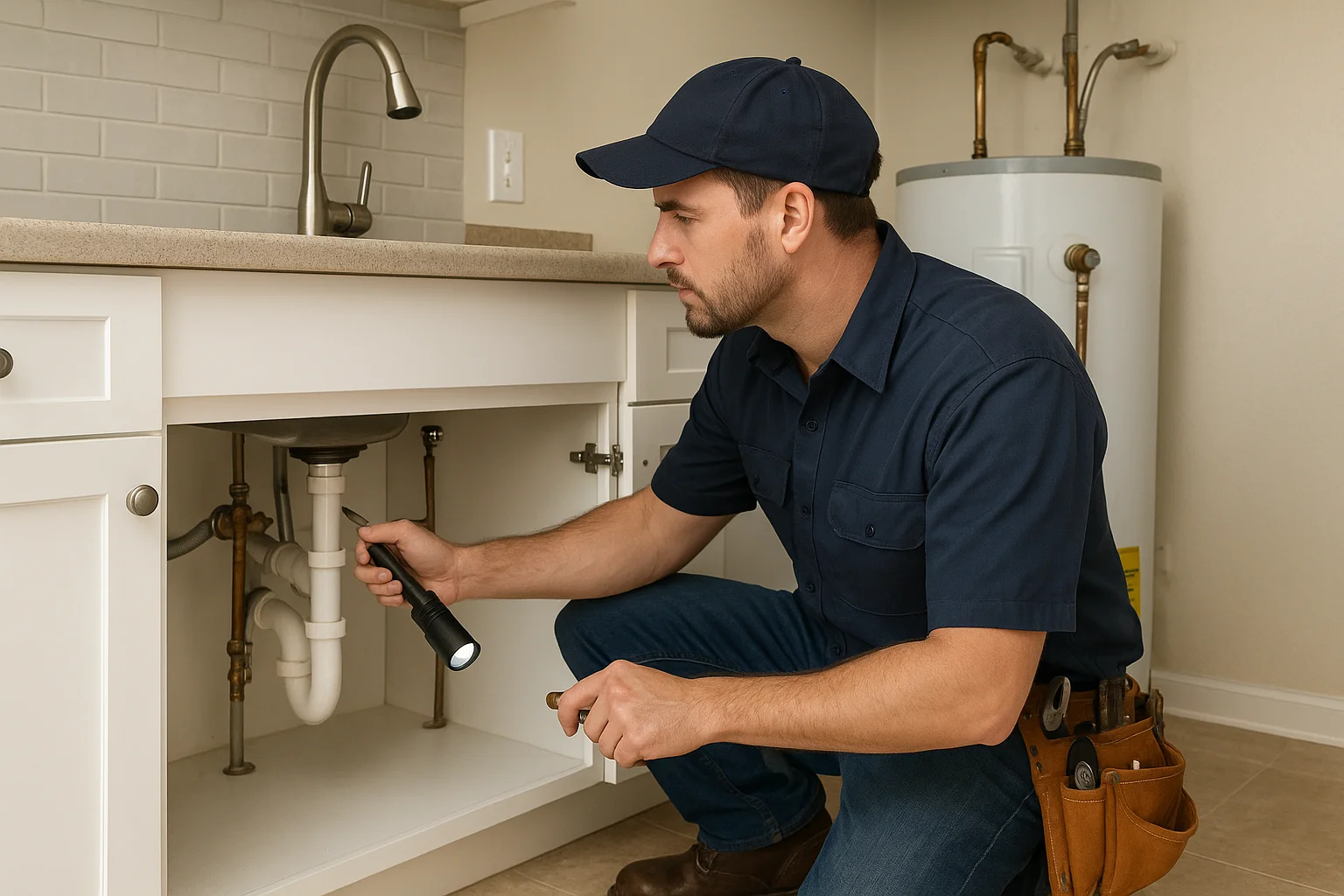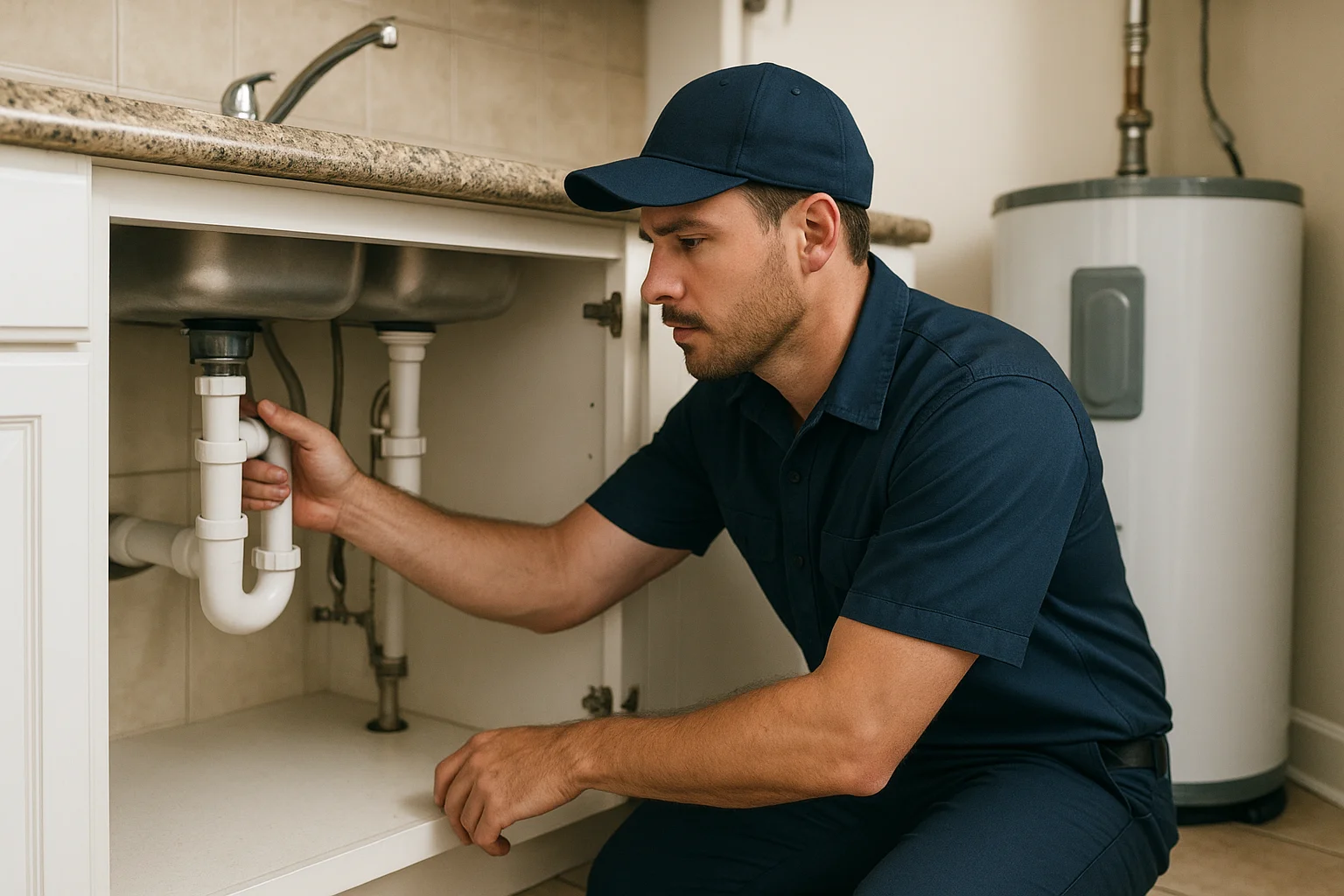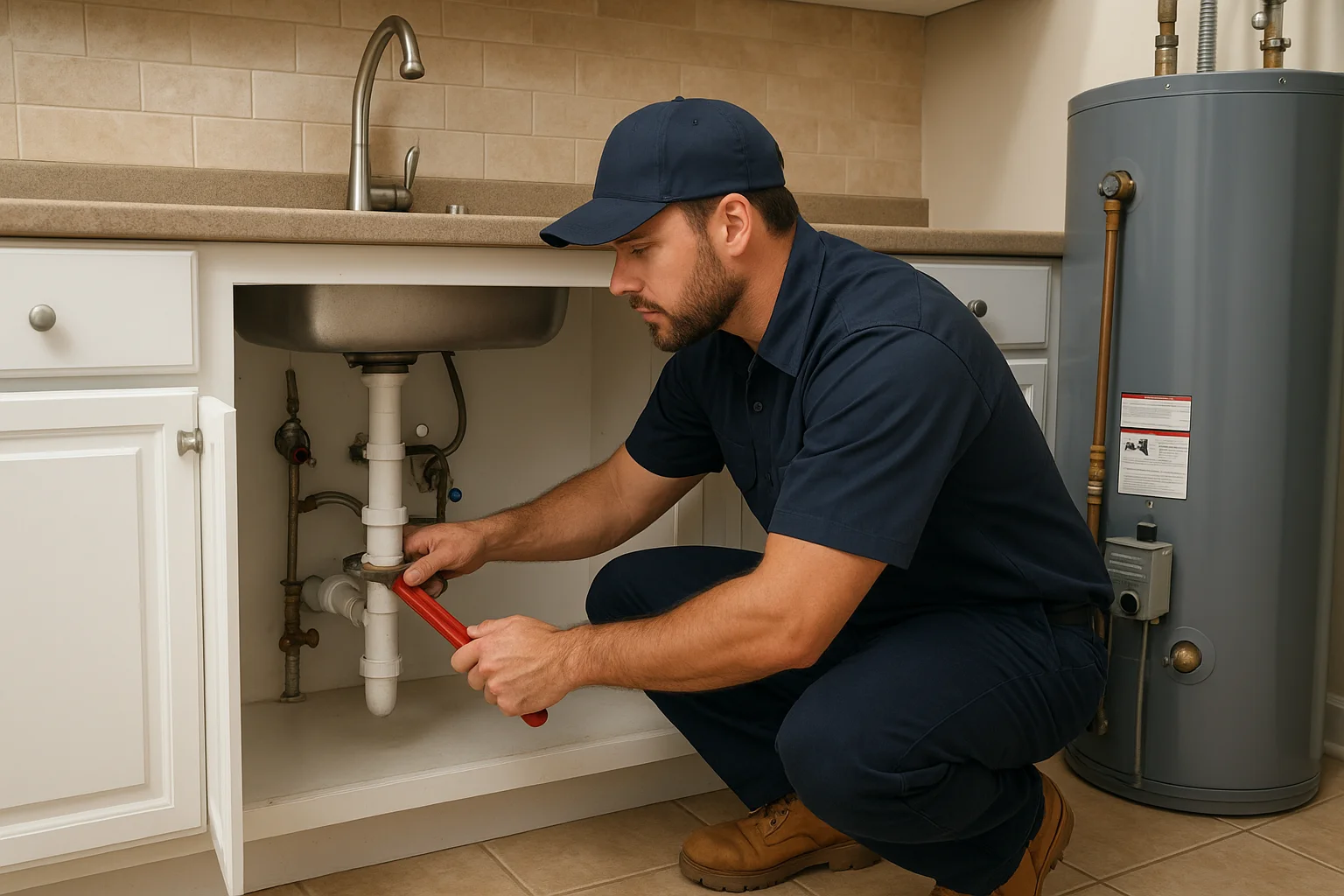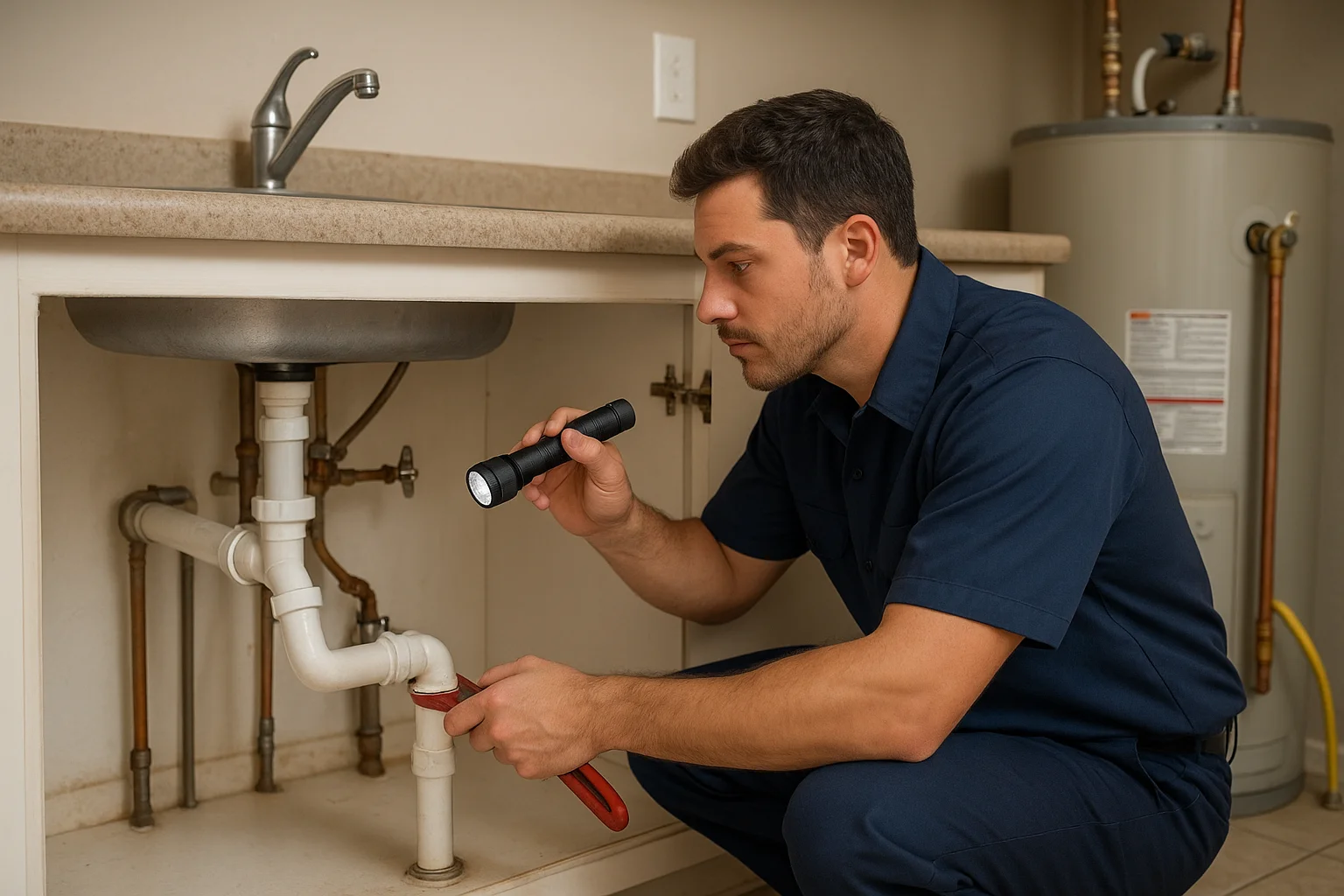
Rosemary Beach is beautiful, but the combination of older plumbing systems, coastal moisture, and heavy vacation water use can turn small plumbing problems into expensive water damage. When homeowners notice damp floors, unexplained utility spikes, or musty odors, the real challenge is often finding the source. Leak detection and slab leak repair are the tools that protect your home before water has time to soak into concrete, weaken flooring, and undermine foundation materials.
This guide covers what can cause problems with leak detection, what leads to slab leaks, and the maintenance habits that help you catch trouble earlier. If you are searching for a plumber near me for leak repair, water leak repair near me, or hidden water leak detection near me, the information below will help you know what to look for and what questions to ask.
Why leak detection gets harder in Rosemary Beach homes
Leak detection is not just about finding water. It is about finding the right pathway for water to travel through pipes, joints, and the slab itself. In coastal Walton County neighborhoods, a few local factors can make leak detection more complicated.
1) Water use patterns that mask the leak
Many Rosemary Beach homes are used seasonally. During peak weeks, irrigation, showers, laundry, and dishwashing all increase water flow. That makes it harder to notice a leak by watching your daily water use. After guests leave, the mismatch becomes more obvious, but by then the leak may have already caused damage under tile or concrete.
Another common issue is inconsistent occupancy. A home that sits for days or weeks may not show obvious symptoms until plumbing runs again. That is why unexplained water pressure changes and mysterious utility increases should never be brushed off.
2) Hard water, mineral buildup, and aging pipes
Hard water is common in many parts of Florida, and mineral deposits can build up inside plumbing lines. Over time, that buildup can contribute to corrosion at fittings and joints, and it can accelerate wear. When pipes are older, the leak may develop in a weak spot that only opens fully under pressure.
Homeowners often call for plumbing repair after a fixture problem appears, such as a faucet that drips or a toilet that keeps running. But the leak might be elsewhere in the system, especially if multiple fixtures share a common line.
3) Water pressure swings that create intermittent leaks
In some neighborhoods, changes in water pressure can stress plumbing components. A joint that holds steady at one pressure may seep at another. That is one reason homeowners sometimes report that the leak only seems to show up at certain times of day. If your home has noticeable pressure drops or surges, it is worth discussing with a licensed plumber rather than waiting for a bigger failure.
4) Hidden leak paths under slabs and behind walls
Slab leaks often originate in supply lines running under concrete. Once water escapes, it can spread in the surrounding soil or travel through micro-cracks. The visible symptom might appear far from the actual leak. That is where leak detection and slab leak repair becomes important, because surface clues alone do not tell the full story.
What causes slab leaks in the first place
Slab leaks can come from multiple sources. Some are mechanical failures, and others are the result of how a home settles and how pipes age over time.
1) Pipe corrosion and joint failure
Over years, corrosion can weaken pipes and fittings. Even if the pipe body looks intact, a failing joint can allow water to seep under pressure. This is especially true in older homes where plumbing materials may not handle modern water chemistry and temperature changes as well.
2) Shifting soil and foundation movement
Coastal Florida soil conditions can change with moisture levels, storms, and seasonal patterns. When the foundation shifts slightly, it can stress pipes that run through or near the slab. Hairline cracks can form in concrete, and a stressed line can eventually leak.
3) Temperature changes and water hammer
Rapid changes in water flow, known as water hammer, can occur when valves close quickly or when a pump cycles on and off. Over time, that shock can loosen fittings or damage pipe joints. Temperature swings can also contribute to expansion and contraction that stresses the system.
4) Poor installation or repairs from earlier years
Sometimes the cause is not new. Prior plumbing work may have left fittings that were not properly sealed, or a repair may have been done without addressing the underlying line issue. If you have ever had patchwork around a floor, you may want a professional assessment if you notice recurring moisture.
5) Drain and supply line confusion
Homeowners sometimes assume a wet spot is a sewer or drain problem because it appears near a bathroom or kitchen. But slab leaks are typically related to water supply lines, not drains. A leak can also be misdiagnosed as a slow drain repair near me issue when the actual water pathway is different. That is why accurate leak detection matters.
Common signs of hidden water leaks and slab leaks
You do not have to wait for a major emergency plumbing concern. The earlier you notice patterns, the better your chances of avoiding extensive repairs.
Moisture and surface clues
- Damp carpet, warped baseboards, or bubbling paint near bathrooms or kitchens
- Tiles that feel cooler than surrounding areas, especially after water has been running
- Persistent musty odors that come and go with water use
- Cracks in drywall or grout lines that appear without an obvious cause
Water use and pressure clues
- Higher water bills without a matching change in household activity
- Water pressure that fluctuates, especially when multiple fixtures run
- Sounds of water running when nothing is on, which can be a running toilet repair near me situation or a hidden supply leak
Fixture and drain-related clues
- Toilets that keep refilling or do not fully stop after flushing
- Faucets that drip even after replacing parts
- Frequent clogs that seem to return quickly, which can point to sewer line stress or other plumbing system problems
If you are also dealing with drainage issues, it is helpful to know the difference between a leak and a clog. A clogged drain can cause backups, while a supply leak can cause moisture underneath. If you suspect both, ask your plumber about coordinated troubleshooting, including main drain cleaning near me or emergency drain cleaning near me if water is backing up.
Maintenance tips that help prevent water damage
Preventing slab leaks is not only about repairs. It is about reducing stress on your plumbing system and catching early indicators before water has time to spread under flooring. These habits are especially useful for Rosemary Beach homes that may be vacant between beach seasons.
1) Use a simple monthly water use check
Once a month, compare your current water usage to your typical baseline. If your home is occupied seasonally, track usage during similar weeks. A steady increase can signal hidden leakage even when you do not see puddles.
Also pay attention to your water pressure. If pressure drops or surges, it can be a clue that something is failing in the supply line network. A licensed plumber can help determine whether the issue is a pressure regulator problem, a fixture issue, or a leak.
2) Inspect common moisture areas after guests leave
After a busy week, take a quick walk-through. Look under sinks, around toilets, and along exterior-facing bathroom walls. If you find dampness or recurring odors, schedule leak detection before the next rental cycle. Water damage often worsens when it is repeatedly wetted and dried.
3) Treat small fixture leaks as system clues
A dripping faucet may seem minor, but it can indicate a broader issue with water pressure, valve wear, or shared supply lines. If you are searching for faucet repair near me, address that drip quickly and ask whether the leak could be connected to hidden plumbing lines.
Similarly, a toilet that runs can waste a surprising amount of water. While a flapper replacement can solve many cases, persistent running can also be linked to supply pressure changes or a leak at the shutoff. If you are dealing with a running toilet repair near me problem, it is worth having a plumber confirm the cause.
4) Keep drains flowing to reduce stress on nearby plumbing
Clogs do not usually cause slab leaks directly, but they can create pressure changes and backups that stress plumbing components. Regular maintenance helps you avoid emergency situations where a plumber is called under time pressure.
Use drain strainers in showers and sinks, and avoid flushing items that do not belong in the sewer line. If you have repeated backups, consider professional cleaning rather than repeated chemical treatments. For homeowners searching for shower drain clog repair near me or slow drain repair near me, prompt service can prevent damage to pipes and fittings.
5) Watch for sewer line trouble signs
Sewer line issues are different from slab leaks, but they can overlap with other plumbing symptoms. Look for recurring slow drains, gurgling sounds, or waste odors. If you suspect sewer line trouble, ask about sewer line help and whether hydro-jetting or camera inspection is appropriate.
6) Be careful with DIY patchwork around floors
It is tempting to cover moisture with new caulk, grout, or flooring repairs. If the underlying water leak is not fixed, the moisture will return and may spread. That can turn a manageable repair into a much larger job.
When you suspect a hidden leak, seek professional diagnosis first. This is especially important for homes with slab foundations where water can travel under tile and concrete.
How to recognize a leak detection problem before it becomes an emergency
Sometimes the issue is not that leak detection failed, but that the leak was misidentified or diagnosed too late. These are common scenarios that lead to emergency plumbing concerns in Rosemary Beach.
Misreading symptoms as a clog or fixture issue
If a sink drains slowly and you also notice moisture nearby, it can be confusing. A drain clog can cause water to back up, while a slab leak can create dampness regardless of drainage performance. A professional approach checks both pathways so you do not waste time on the wrong repair.
Waiting for the leak to “get worse”
Many homeowners delay repairs because the leak seems intermittent. Intermittent leaks still cause damage, especially in humid coastal weather. Moisture under flooring can lead to mold conditions, wood rot, and compromised subfloor materials.
Ignoring pressure changes
Water pressure that suddenly changes can signal a leak, a failing regulator, or a developing obstruction. If you notice pressure drops along with other clues, treat it as a plumbing repair priority.
If you need urgent help, use Emergency Plumbing Services for situations involving active leaks, significant water intrusion, or backed-up drains.
What professional slab leak repair typically involves
Rosemary Beach homes vary in age, slab thickness, and plumbing layout. A good repair plan begins with accurate identification of the leak location and the line involved.
1) Locating the leak with non-invasive technology
Modern leak detection often uses methods that help pinpoint where water is escaping without unnecessary demolition. That can reduce the time and disruption compared to guessing based on surface clues.
2) Determining the best repair approach
Depending on the pipe material and the leak location, repair might involve rerouting lines, accessing the affected area, or using methods designed to minimize disruption. Your plumber can explain options based on the condition of nearby pipes and fixtures.
3) Addressing the cause, not only the symptom
A slab leak repair should include a plan to prevent recurrence. That may involve evaluating pipe condition, checking for related weak joints, and confirming that water pressure and flow conditions are stable after the repair.
Money-saving steps that reduce repeat calls
Water damage is expensive, but so are repeat plumbing problems. These steps help reduce both.
Schedule routine plumbing maintenance
For homeowners who want fewer surprises, routine checks can catch small issues before they turn into leak repair emergencies. If you are managing a rental property, maintenance also protects your investment and reduces guest disruption.
Coordinate water heater service with leak prevention
Water heaters connect to the home’s plumbing network, and a failing unit can contribute to leaks or pressure issues. If you are searching for water heater service in the area, it is smart to include it in your broader plumbing maintenance plan. Learn more in Why Water Heater Repair Matters for Rosemary Beach Homes and Everyday Plumbing Care.
Consider water quality improvements for long-term pipe health
If you deal with hard water and mineral buildup, filtration or purification can reduce scaling in plumbing components. That can help your water heater and fixtures run more efficiently over time. For homeowners interested in cleaner water and better plumbing, see Cleaner Water, Better Plumbing: Why Rosemary Beach Homes Benefit From Purification and related Water Filtration Services.
Plan for repairs with financing if needed
Major plumbing work can be unexpected. If you are trying to manage repair costs, ask about Plumbing Financing so you can address slab leaks and water damage prevention promptly.
Why local plumbing service matters in Rosemary Beach and Walton County
Local plumbing teams understand the patterns of wear and failure in coastal Florida homes. They also know that Rosemary Beach properties often have unique occupancy schedules, tile finishes, and slab layouts that affect how leaks show up.
When you search for plumbing services near me or residential plumber near me, you want a licensed approach that respects how your home is built. It is not only about getting water off your floor. It is about preventing recurrence, protecting your foundation, and keeping your plumbing system reliable for daily life and vacation rentals.
If you want more maintenance ideas tailored to local conditions, read Protecting Rosemary Beach Homes from Waterline Trouble: Practical Plumbing Maintenance That Saves Money.
For homeowners who want to be ready for urgent situations, review Why emergency plumbing in Rosemary Beach deserves attention before a small problem becomes a big one. It helps explain why early action often costs less than emergency water damage cleanup.
If you are looking for a plumber who can handle hidden water leak detection and slab repair with care, start with the service page: Leak Detection and Slab Leak Repair. You can also explore more options on the Rosemary Beach service area page or browse Walton County plumbing services for related help.
Find Leak Detection & Slab Leak Repair in Rosemary Beach, FL
If you need Leak Detection & Slab Leak Repair in Rosemary Beach, FL, visit our local service page or contact A Superior Mechanical today.
Map of Rosemary Beach, FL
Frequently Asked Questions
What can cause water leak detection to miss a slab leak?
Intermittent leaks, seasonal water use, and pressure changes can make symptoms seem inconsistent. Another common issue is misidentifying moisture as a fixture leak or a drain clog. Accurate testing that considers both supply lines and nearby plumbing pathways helps avoid guesswork.
Are slab leaks always visible as puddles or wet floors?
No. Many slab leaks spread under tile and concrete before you notice anything. Homeowners may only see dampness later, notice higher water bills, or smell musty odors. That is why hidden leak detection matters.
What is the fastest way to reduce water damage if I suspect a slab leak?
Shut off the water supply if you can do so safely, then schedule professional leak detection. The sooner the leak location is found, the less time water has to travel under the slab and affect subfloor materials.
Can a slab leak be mistaken for a clogged drain or sewer line problem?
Yes. Moisture near bathrooms and kitchens can be confusing. A clogged drain typically causes slow drainage or backups, while a slab leak is usually related to water supply lines. A licensed plumber can separate these issues with proper diagnosis.
Does hard water make slab leaks more likely?
Hard water can contribute to mineral buildup and wear inside plumbing components. While it may not directly “cause” a slab leak, it can accelerate deterioration of pipes and fittings over time, increasing the risk of joint failure.
Related Articles
- Why emergency plumbing in Rosemary Beach deserves attention before a small problem becomes a big one
- Protecting Rosemary Beach Homes from Waterline Trouble: Practical Plumbing Maintenance That Saves Money
- Why Water Heater Repair Matters for Rosemary Beach Homes and Everyday Plumbing Care
- Cleaner Water, Better Plumbing: Why Rosemary Beach Homes Benefit From Purification
Photo Gallery