Seaside, FL is the kind of place where your HVAC system works hard year-round. Florida heat, coastal salt air, and frequent humidity can push your equipment beyond what you notice day to day. That is why homeowners often overlook the connection between HVAC warning signs and indoor air quality. When air quality starts to slip, it is not only about comfort. It can affect allergies, sleep, and even how efficiently your air conditioner or heat pump runs.
At A Superior Mechanical, we use indoor air quality testing to connect the dots between what you feel indoors and what the HVAC system is actually doing. If you are looking for HVAC service near me, air conditioning repair near me, or HVAC air filtration near me, this guide will help you recognize the overlooked warning signs and understand how testing can point toward the real cause.
Why Seaside HVAC warning signs often show up as air quality problems
Most people notice indoor air quality issues through symptoms: stuffy rooms, lingering odors, increased allergy flare-ups, or condensation on windows. But the HVAC system is the main pathway that moves and conditions indoor air. When airflow, filtration, humidity control, or condensate drainage are off, indoor air quality can deteriorate even if the system seems to run.
In coastal Walton County, humidity control is especially important. High moisture levels can encourage microbial growth, worsen musty smells, and make it harder for your AC to remove moisture from the air. Salt air can also contribute to corrosion risk over time, which is why consistent preventive HVAC maintenance matters.
Indoor air quality testing helps explain why the air feels “off” and whether the issue is related to:
- Airflow problems from ductwork or blocked returns
- Filtration gaps or bypassing around filters
- Humidity control failures, often tied to system performance
- Condensate drainage issues that can lead to moisture buildup
- Thermostat behavior that causes short cycling or poor runtime
- Refrigerant system problems that can change temperature and humidity removal
Five HVAC warning signs that commonly connect to indoor air quality testing results
1) Persistent musty odor, especially after the AC runs
A musty smell is often a moisture story. When the HVAC system does not remove humidity properly or when condensate drainage is restricted, moisture can linger in areas you cannot easily see. Over time, that can contribute to microbial growth that affects indoor air quality.
Indoor air quality services near me can help you confirm the likely source. Testing does not replace a full HVAC inspection, but it can support the idea that the system is allowing moisture to accumulate rather than being effectively exhausted or drained away.
2) Rooms feel “stuffy” even when the thermostat says you should be comfortable
If your thermostat reads a temperature that should feel fine, yet some rooms feel stagnant, that often points to airflow issues. Poor airflow can also reduce how well filtration captures airborne particles, because air has to move through the filter media and ductwork correctly.
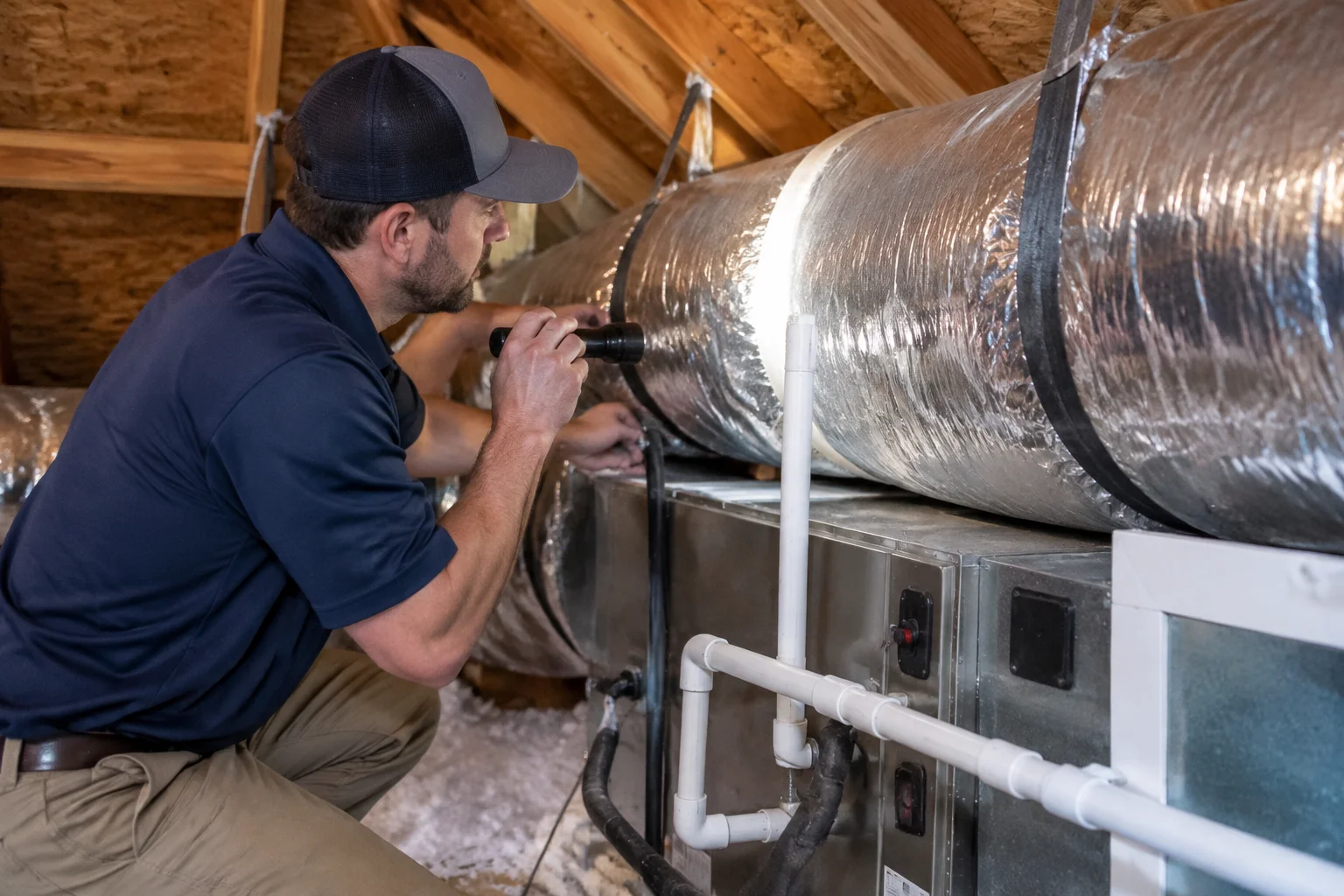
In Seaside homes, ductwork can be affected by age, installation differences, or hidden damage. A duct inspection can help determine whether air is reaching supply registers as intended. If you are noticing uneven comfort, consider pairing indoor air quality testing with a look at ductwork performance, especially if you are searching for air conditioning inspection near me.
Related service: Duct Inspection.
3) Condensation on windows or dampness around vents
Condensation is a common humidity control warning sign. When the AC or heat pump does not remove moisture effectively, indoor humidity can rise. That can show up as condensation on cooler surfaces like windows, or dampness near supply vents.
In Florida heat, humidity control near me is a frequent request because the goal is not just cooling. It is cooling plus dehumidification. Indoor air quality testing can help you understand whether moisture levels are consistent with your comfort complaints and how the HVAC system is contributing.
4) Allergy flare-ups that seem tied to HVAC operation
It is easy to assume allergies are only seasonal, but HVAC-driven changes can make symptoms worse. If the system is pulling in more outdoor air due to leaks, or if filtration is not capturing particles efficiently, indoor air quality can shift quickly after the system runs.
HVAC air filtration near me is a popular search, but the best approach is not only upgrading filters. It is also making sure the airflow path matches the filtration design, and that ductwork and returns are not letting untreated air bypass the filter.
5) Short cycling or “runs but does not seem to finish the job”
Short cycling can reduce humidity removal and can also prevent the system from maintaining stable indoor conditions. Sometimes the thermostat settings or behavior can contribute. Other times, the refrigerant system performance or airflow restrictions can be involved.
Testing can help you connect the timeline of symptoms with HVAC operation, but it should be paired with professional evaluation. Homeowners should avoid assuming a refrigerant diagnosis based on air quality alone. Refrigerant and other system issues require an in-person assessment to confirm what is really happening.
What indoor air quality testing looks for in Seaside homes
Indoor air quality testing is broader than checking one single issue. Seaside homes can have multiple factors happening at once: humidity, airflow, filtration performance, and sometimes the presence of airborne contaminants from daily life. A professional testing approach typically focuses on humidity and measurable air quality conditions, then connects findings back to HVAC operation.
Homeowners often ask what testing “means” for HVAC reliability. The key is that indoor air quality is tightly linked to how the HVAC system:
- Moves air through the home and across the filter
- Controls indoor humidity during cooling
- Manages condensate drainage during dehumidification
- Maintains consistent airflow and temperature
- Communicates through the thermostat and HVAC controls
When the system is not operating as intended, indoor air quality testing can help identify the mismatch between comfort expectations and actual indoor conditions, which may point to the need for AC tune up near me, ductwork attention, or deeper troubleshooting.
Florida humidity, salt air, and why the HVAC system can struggle quietly
Seaside’s coastal environment adds pressure to HVAC systems. Humidity is not only uncomfortable. It can increase the chances of moisture accumulation and can stress components involved in cooling and dehumidifying.
Salt air can also contribute to corrosion risks over time, especially for outdoor units and metal components exposed to the elements. Even if your air conditioner or heat pump cools, the system may not remove moisture effectively if airflow is restricted, condensate drainage is compromised, or components are wearing down.
That is why everyday HVAC reliability is not just about whether the unit turns on. It is about whether it can control humidity and maintain clean, well-filtered airflow across the home.
How ductwork and airflow relate to indoor air quality
Ductwork is the distribution system for conditioned air. If air distribution is uneven, indoor air quality can vary room to room. One bedroom may feel fine while another feels stale, and that can be more than comfort. Poor airflow can also reduce filter effectiveness because the system may not be pulling air through the filter as designed.
In homes with older ductwork, bends, compression, or hidden leaks, air can escape before it reaches the intended spaces. That can increase the amount of unconditioned air mixing indoors, which can raise humidity and change particle levels.
If you are considering duct replacement, start with diagnosis. A professional approach can determine whether ductwork issues are a primary driver of your air quality concerns or whether other factors, like humidity control or filtration, are more influential. Related service: Duct Replacement.
Condensate drainage issues: the moisture problem homeowners can miss
During cooling, your system dehumidifies. That means condensate forms and needs to drain properly. If drainage is restricted or the condensate line is not clearing as expected, moisture can build up around parts of the system and in nearby areas.
Moisture buildup can lead to musty odors and can contribute to indoor air quality concerns. It can also create conditions that stress components and affect performance. Because condensate drainage is tied to system operation, indoor air quality testing can help confirm whether humidity patterns and air quality results align with a moisture management problem.
However, a professional HVAC technician should evaluate condensate drainage, airflow, and system performance together. Do not assume the cause is only a clogged line without an in-person inspection.
Thermostats and control behavior can worsen indoor air quality
Thermostats influence runtime, temperature control, and how long the system runs during cooling and heat pump operation. If the system short cycles or runs longer than necessary without effectively dehumidifying, indoor air quality can suffer.
Some homeowners notice that the thermostat “hits the set temperature” quickly, but the home does not feel drier or fresher. That can be a sign of control mismatch, airflow restrictions, or other system performance issues. Indoor air quality testing can help connect control behavior with measurable indoor conditions, but it should be followed by a professional HVAC inspection to verify what is causing the control problem.
Refrigerant systems and airflow: why testing does not replace HVAC diagnostics
In an air conditioning or heat pump system, refrigerant and airflow work together to cool and dehumidify. When refrigerant performance is off, the system may not remove moisture as effectively. That can show up as higher indoor humidity, condensation, and air quality complaints.
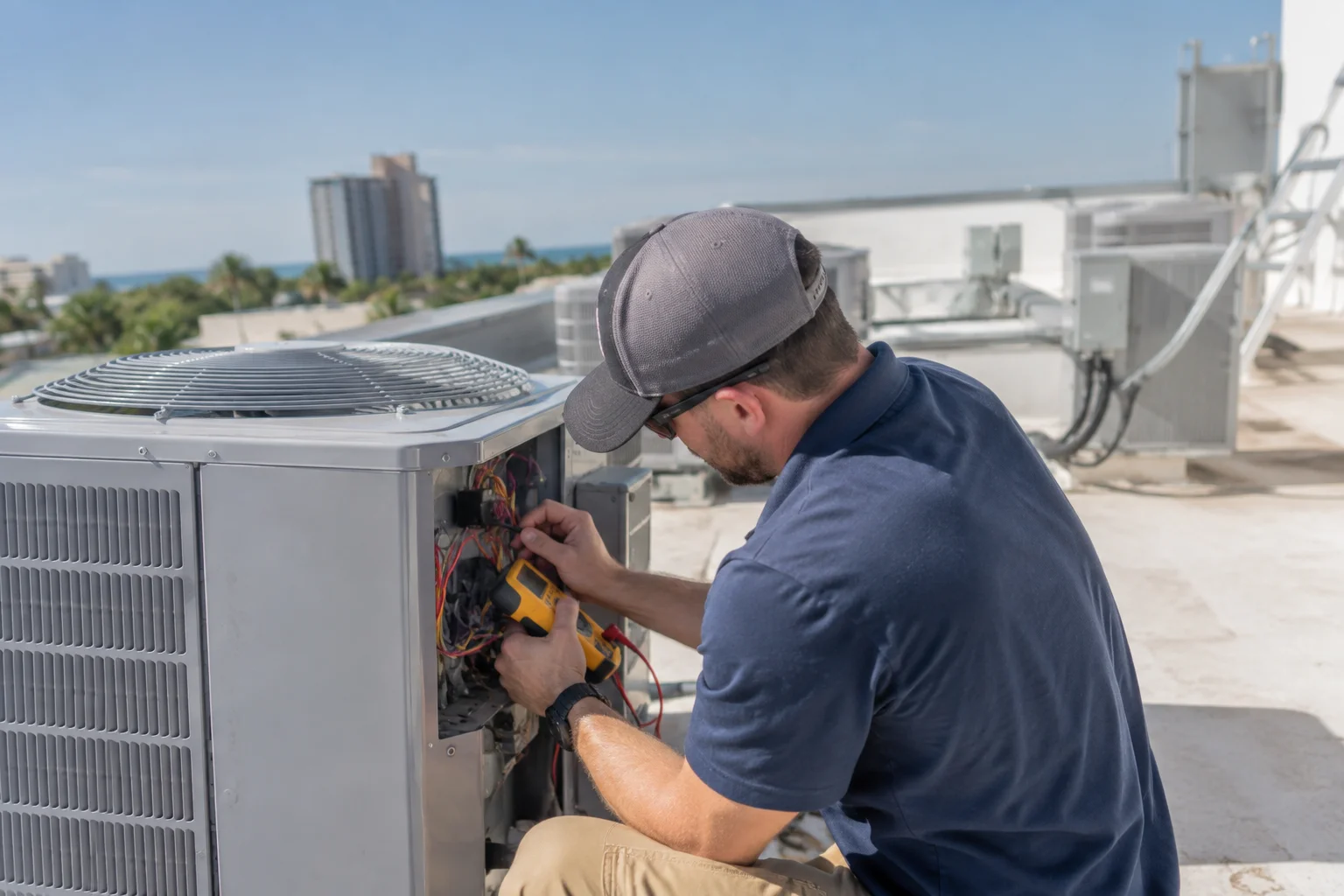
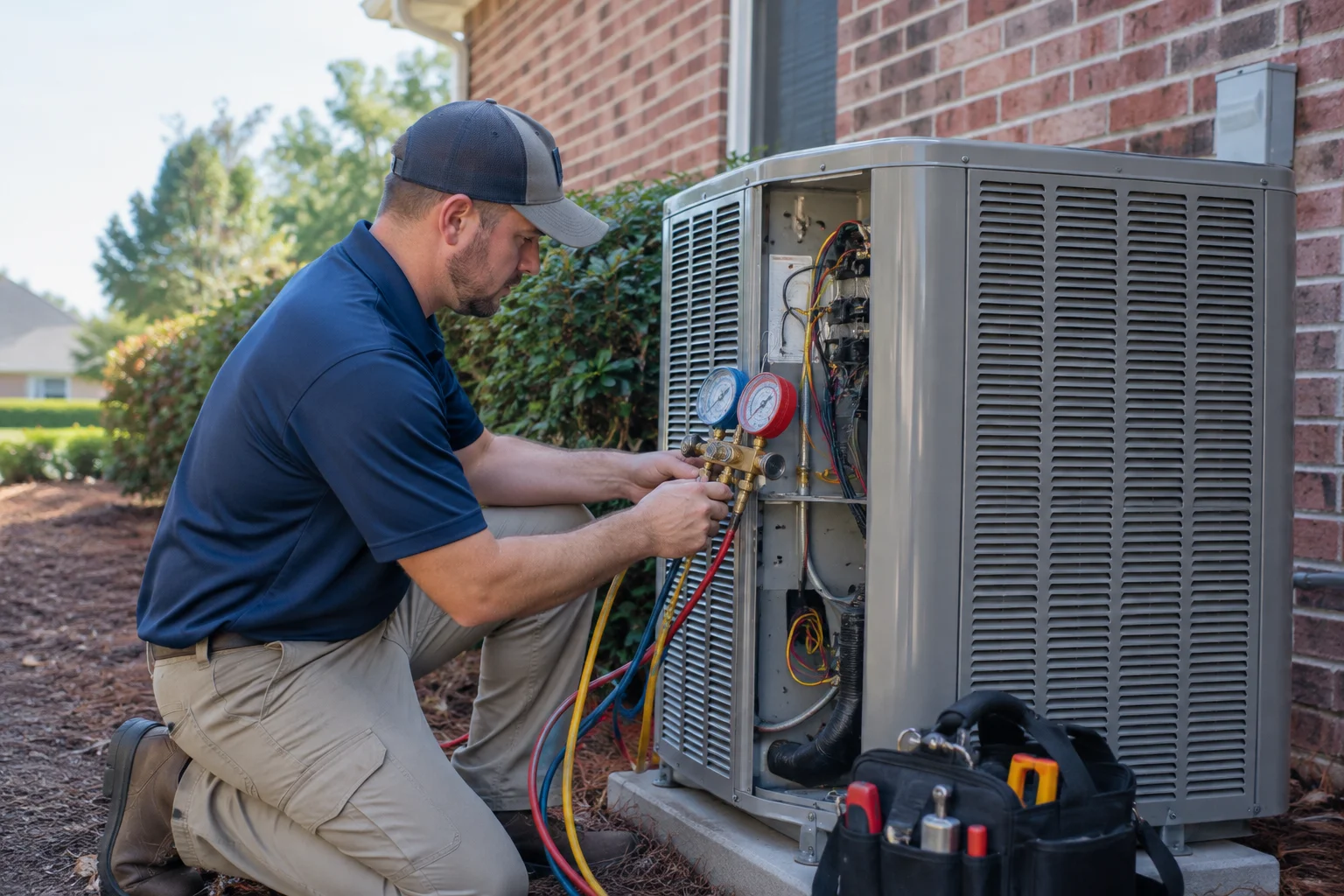
Still, indoor air quality testing is not a refrigerant diagnosis. It is a tool to understand indoor conditions and whether the HVAC system is matching the needs of your home. Refrigerant and other system troubleshooting require professional evaluation with the right HVAC instruments and procedures.
If you think your system is struggling, searching for HVAC service near me or air conditioning repair near me can help you find local expertise that understands Seaside’s humidity and coastal conditions.
Energy use and reliability: better indoor air quality can align with better performance
When airflow is restricted, humidity control is weak, or filtration is not working as intended, your system may run longer to reach comfort targets. That can increase energy use and can also accelerate wear. The result is a reliability problem that shows up as more frequent repairs or a system that seems to struggle during Florida’s hottest stretches.
Indoor air quality testing can help homeowners make smarter decisions. Instead of guessing whether the issue is “just allergies” or “just the AC,” testing helps identify whether the HVAC system is effectively managing humidity, airflow, and filtration. That can support preventive HVAC maintenance planning and reduce the chance of a mid-summer breakdown.
Preventive maintenance steps that support indoor air quality
Indoor air quality and HVAC reliability improve when maintenance is consistent, not reactive. For Seaside homeowners, these are practical steps that often make a noticeable difference:
- Schedule regular AC tune ups near me so cooling and dehumidification performance is checked before peak heat.
- Keep up with filter replacement and make sure the filter fits properly without gaps that allow bypass.
- Watch condensate drainage during humid periods and address slow drainage quickly.
- Maintain clear airflow paths around returns and supply vents so the system can move air effectively.
- Consider duct inspection if comfort is uneven or if certain rooms always feel stale.
- Confirm thermostat settings and heating and cooling behavior, especially if short cycling is happening.
If your home includes areas that are difficult to cool or dehumidify, indoor air quality testing can help you prioritize what to address first, whether it is airflow, ductwork, filtration, or broader system performance.
When to call a professional for indoor air quality and HVAC reliability
Homeowners should not wait if the symptoms are persistent or worsening. Call a professional indoor air quality testing and HVAC service provider when you notice:
- Musty odors that return after the system runs
- Visible condensation on windows or damp areas around vents
- Allergy or asthma symptoms that spike during cooling seasons
- Rooms that stay stuffy despite the thermostat being set correctly
- Frequent cycling, uneven temperatures, or noticeable comfort swings
Also consider HVAC emergencies in Seaside. Florida heat can escalate quickly, and a system that is struggling with airflow or humidity control can become a bigger problem during peak demand. If you are worried about emergency cooling concerns, review resources like Keeping Seaside Homes Ready for HVAC Emergencies. When you are searching for emergency AC repair near me, having a maintenance history and a documented understanding of your system’s indoor air quality profile can make troubleshooting smoother.
Pairing indoor air quality testing with the right HVAC service
Indoor air quality testing works best when it leads to practical next steps. Depending on the findings, your professional HVAC team may recommend:
- Airflow and ductwork evaluation if distribution problems are contributing to uneven comfort and air quality
- Filtration and HVAC air filtration adjustments if airborne particles are not being captured effectively
- Humidity control focus if moisture levels are higher than expected during cooling
- Condensate drainage inspection if moisture management appears inconsistent
- System performance service if cooling and dehumidification do not align with measured indoor conditions
For homeowners who are evaluating whether system replacement is part of the future, testing can clarify the comfort and air quality gap you are trying to solve. It also helps you avoid making replacement decisions based on symptoms alone. A professional evaluation should determine whether repair, service, or replacement is appropriate for your specific system and home.
Related reading for Seaside homeowners
If you want to understand how indoor air quality testing fits into everyday reliability, these local resources can help:
- Why Seaside Homes Benefit From Indoor Air Quality Testing Before Comfort Issues Spread
- Indoor Air Quality Testing That Helps Inlet Beach Homes Stay Comfortable Longer
- Why Better Indoor Air Quality Testing Matters for Upper Grand Lagoon Homes
If you are also planning broader HVAC upgrades, it helps to align indoor air quality goals with installation choices. For example, if you are considering Air Conditioning Installation or Commercial HVAC Installation for a rental or business, indoor air quality testing can provide a baseline for what you want the system to achieve.
For homeowners searching for residential HVAC service near me, a combined approach is often the difference between “the AC works” and “the air feels right.” That is the real value of connecting HVAC warning signs to indoor air quality testing in Seaside, FL.
Learn more about local indoor air quality testing with A Superior Mechanical and browse service options across Walton County at our service area pages.
Find Indoor Air Quality Testing in Seaside, FL
If you need Indoor Air Quality Testing in Seaside, FL, visit our local service page or contact A Superior Mechanical today.
Map of Seaside, FL
Frequently Asked Questions
What indoor air quality problems are most common in Seaside homes?
In Seaside, humidity-related issues often top the list. Homeowners commonly notice stuffiness, condensation, and musty odors, especially during hot, humid stretches. Indoor air quality testing can also help identify whether airflow and filtration are supporting cleaner indoor air.
Can indoor air quality testing tell me what is wrong with my AC or heat pump?
Testing can connect indoor conditions to HVAC performance, but it does not replace an in-person HVAC diagnosis. A technician should evaluate airflow, humidity control, condensate drainage, thermostat behavior, and refrigerant system performance when appropriate.
If my AC cools, why would air quality still be poor?
Cooling alone does not guarantee effective dehumidification or clean filtration. If airflow is restricted, filtration is bypassing, or condensate drainage is not working correctly, indoor humidity and airborne particles can remain high even when temperatures feel acceptable.
How does ductwork affect indoor air quality?
Ductwork influences how air is distributed and whether conditioned air reaches each room as intended. Leaks, poor airflow, or damaged ductwork can lead to uneven comfort and can change indoor humidity and particle levels, which testing may reflect.
Do I need indoor air quality testing every year?
Many homeowners schedule testing when symptoms start, after major HVAC changes, or as part of a preventive maintenance plan. A local HVAC professional can recommend a schedule based on your home’s humidity patterns, system age, and comfort concerns.
Related Articles
Photo Gallery