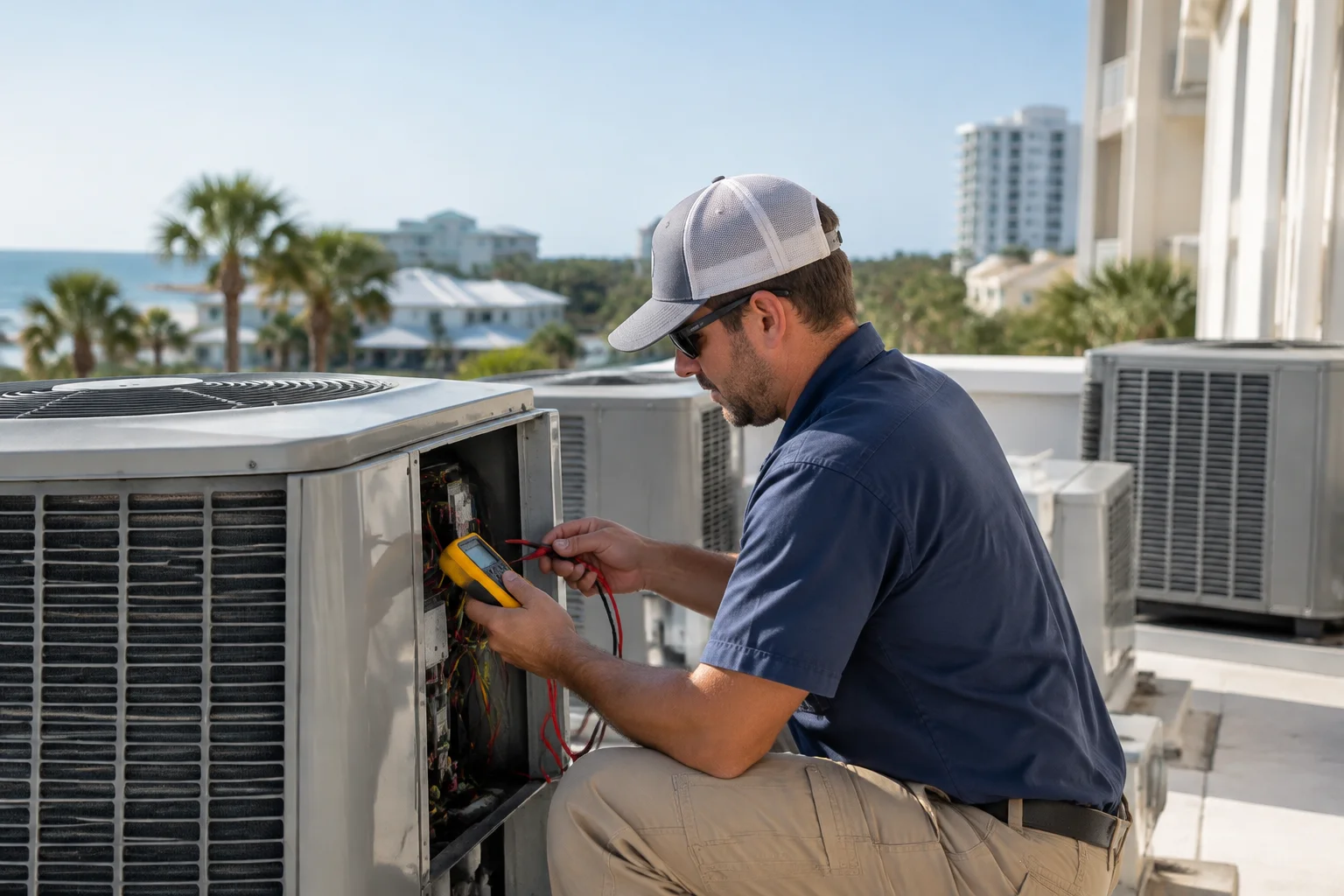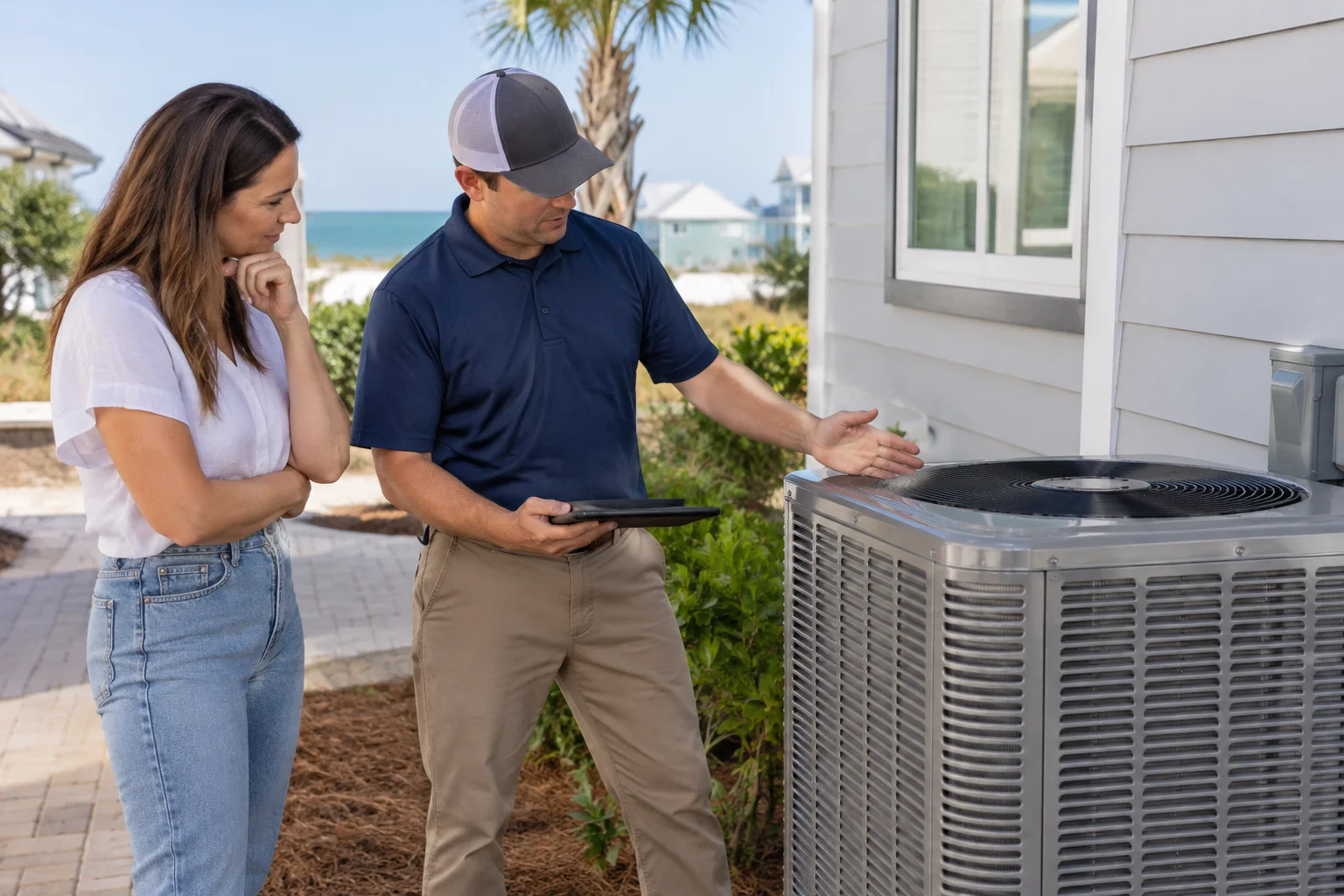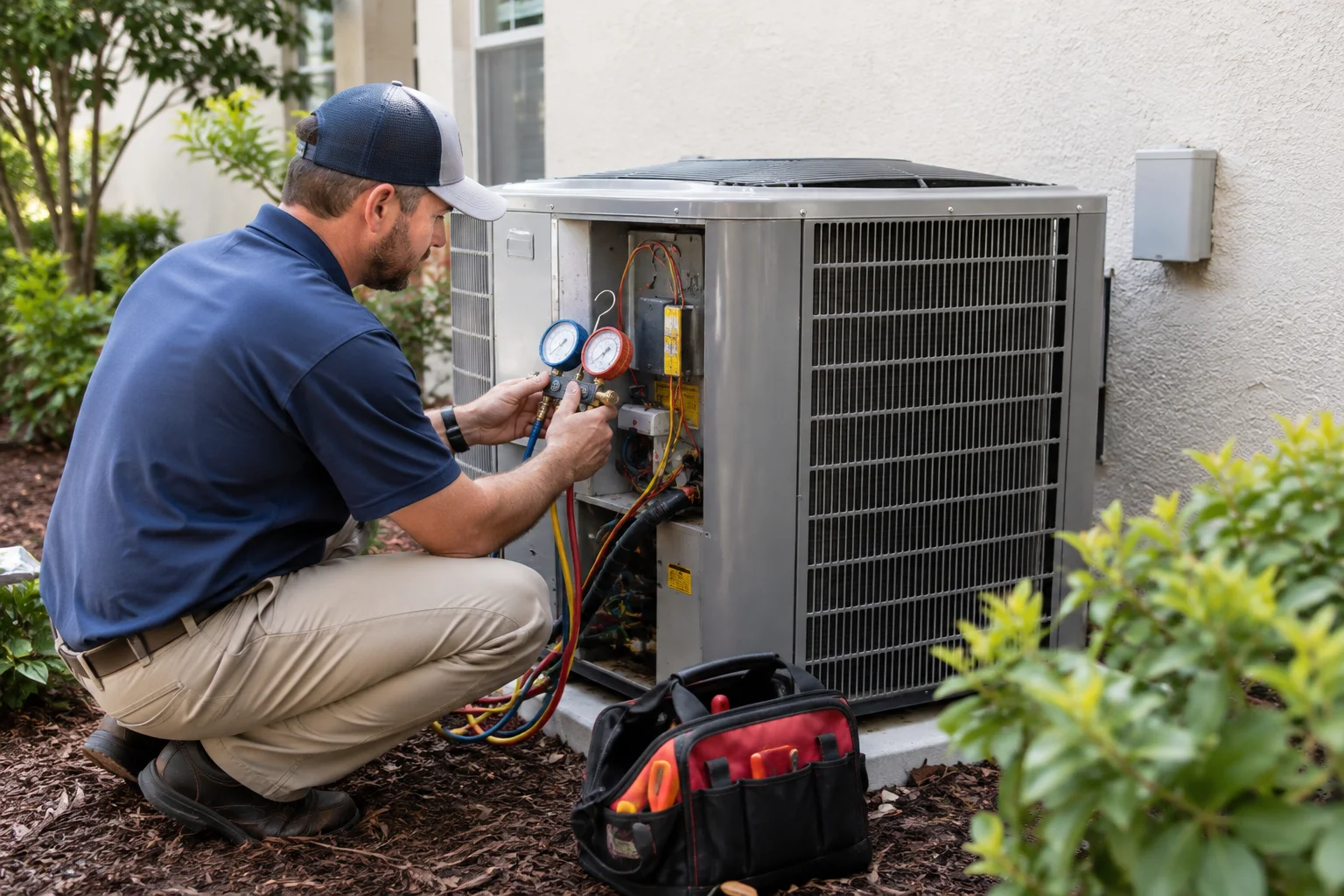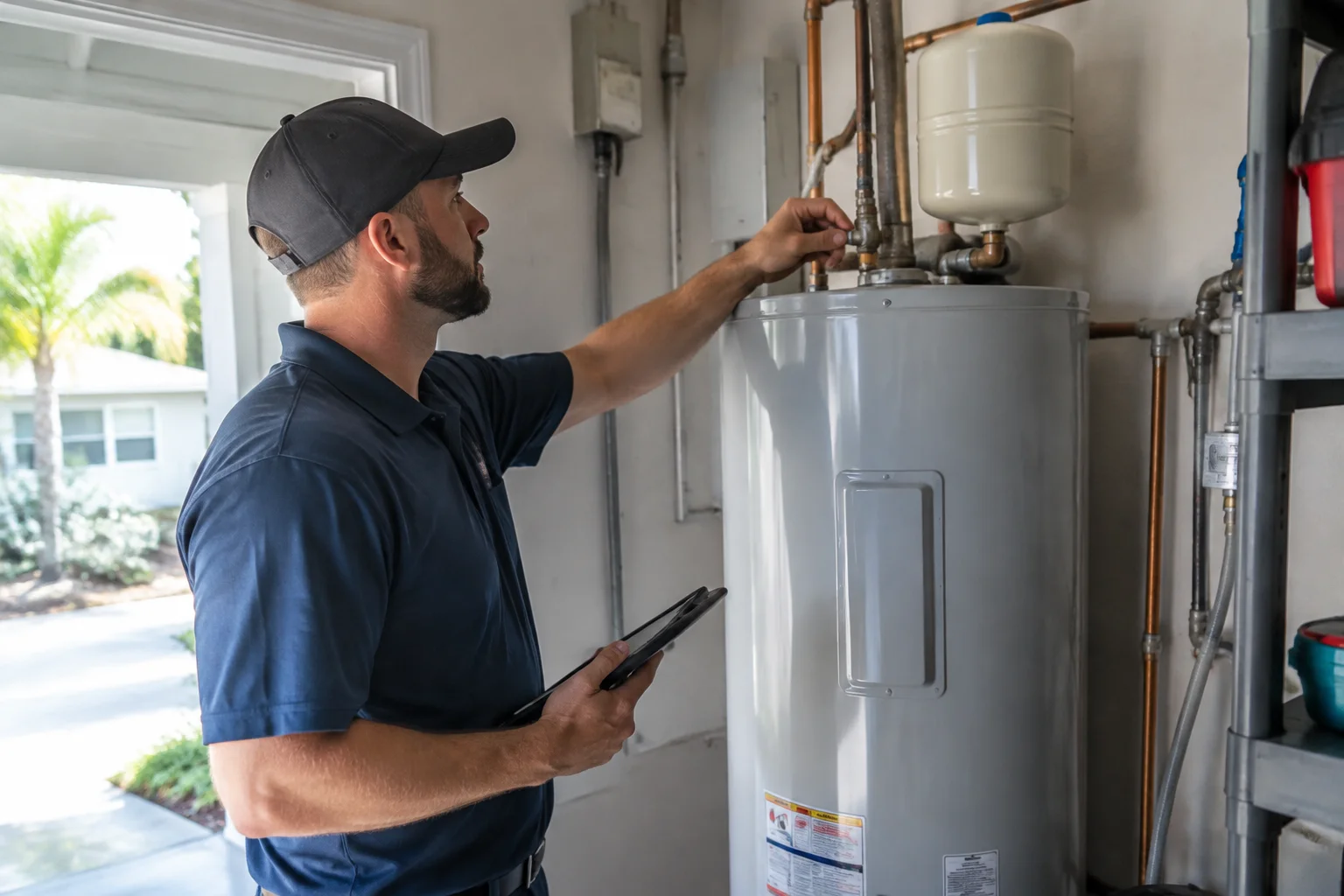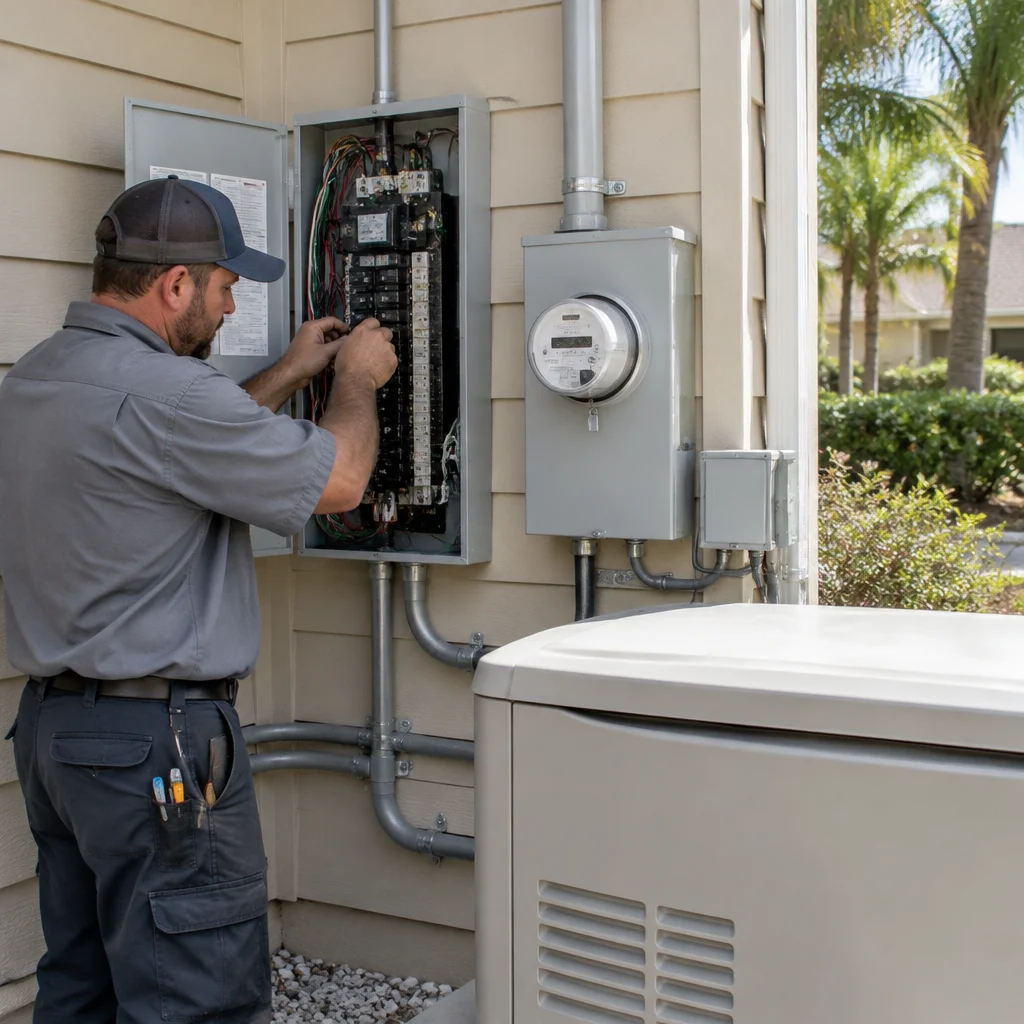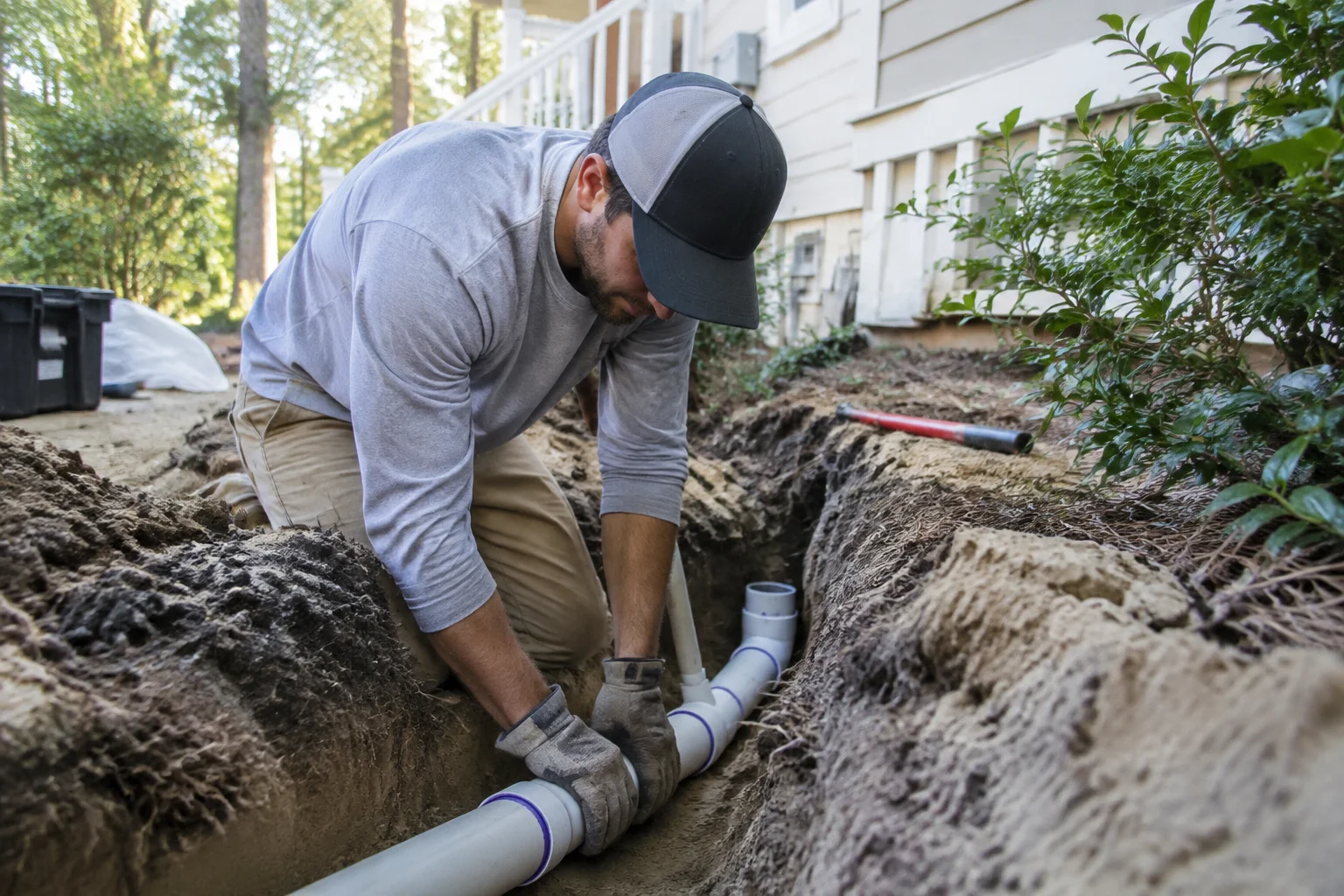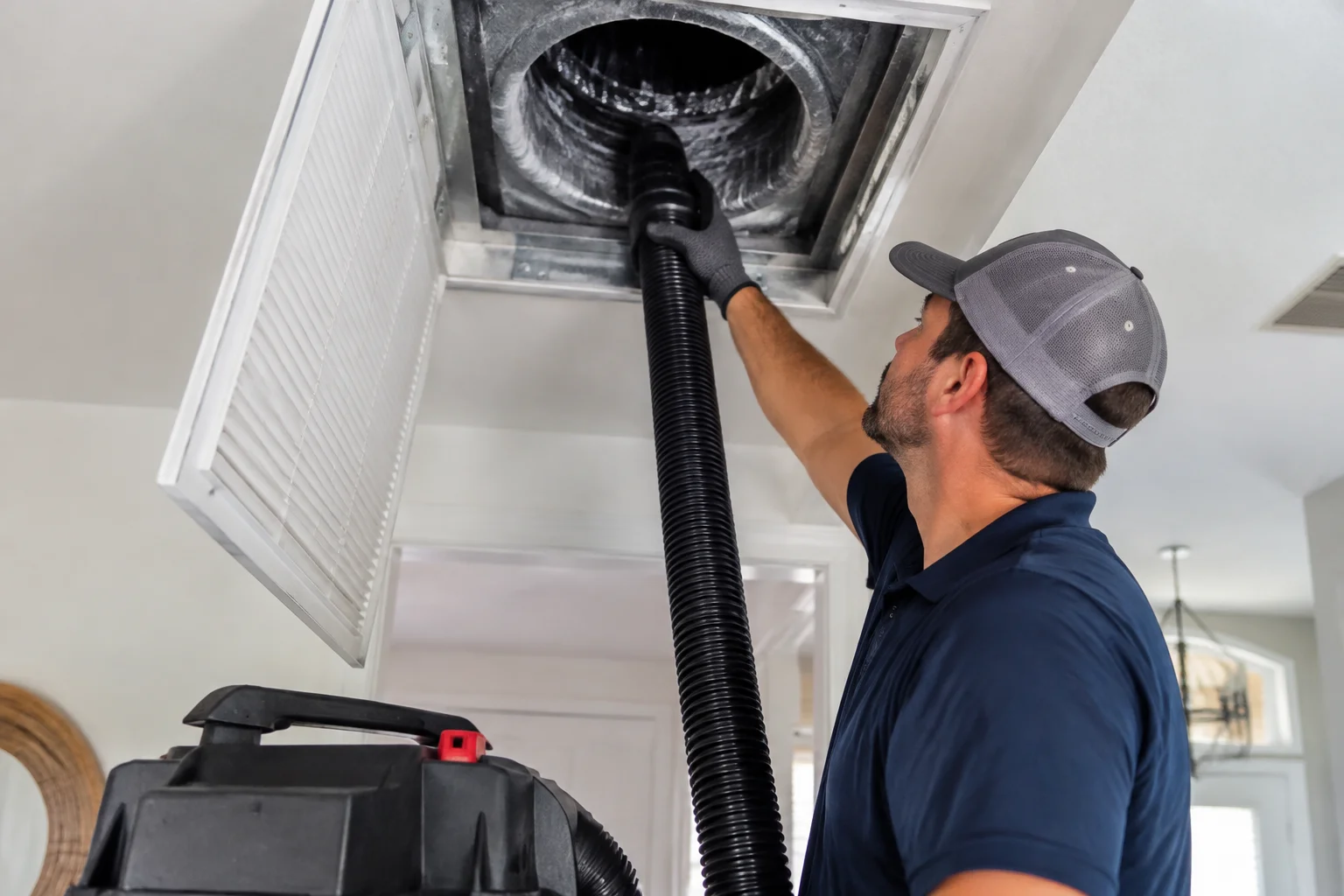
Blue Mountain Beach businesses rely on steady cooling and comfortable indoor air, especially during Florida’s long, humid summers. When an HVAC system starts acting up, it can be tempting to treat each symptom like a standalone problem. Often, though, the warning signs connect back to how the system was installed, matched to the space, and commissioned the first time.
This matters for both older properties and newer buildings. Older homes and commercial spaces may have aging ductwork, uneven airflow, or condensate drainage that cannot keep up. Newer construction can still run into issues if equipment sizing, duct design, airflow balancing, or thermostat setup did not fully account for Blue Mountain Beach’s heat, humidity, and salt air.
If you are seeing cooling failures, airflow problems, or indoor humidity swings, the best next step is usually a professional evaluation focused on the installation details. For local support, you can review commercial HVAC installation in Blue Mountain Beach, FL and the broader Blue Mountain Beach HVAC services available from A Superior Mechanical.
Why Blue Mountain Beach HVAC systems are so sensitive to installation quality
Blue Mountain Beach sits along the 30A corridor where summer heat and humidity are intense. Coastal salt air can also accelerate corrosion on outdoor components and affect how long certain components stay in good condition. For commercial HVAC installation, the goal is not just to “get it running.” The goal is to deliver correct airflow, reliable condensate drainage, stable refrigerant system performance, and indoor air quality that supports comfort and health.
Installation details influence how the system handles sensible cooling (temperature) and latent cooling (humidity removal). If those installation elements are off, warning signs show up quickly, especially in older buildings where ductwork and airflow paths have changed over time.
Cooling warning signs that often point to airflow and ductwork problems
When homeowners or property managers describe the same comfort complaints, the pattern usually falls into a few categories: airflow, humidity control, and system balance. Here are common HVAC warning signs tied to commercial HVAC installation quality.
Warm zones that do not match the thermostat setting
If the thermostat reads “cool,” but some rooms stay noticeably warmer, airflow distribution is likely the culprit. Poor duct design, undersized duct runs, leaky supply ducts, or dampers that are not set correctly can prevent enough air from reaching certain areas. In commercial spaces with offices, retail areas, or restaurants, this can show up as hot aisles, uneven temperatures behind partitions, or comfort complaints near exterior walls.
Warm zones can also occur when the system was installed without proper airflow measurement and balancing. Even if the equipment is sized correctly, the building needs the right airflow path to perform as intended.
For businesses searching for commercial HVAC repair, a technician should evaluate supply and return air pathways, duct condition, and airflow performance before assuming the problem is “the unit.”
Strong airflow in some areas and weak airflow in others
Uneven airflow is a classic warning sign connected to ductwork. Damaged ducts, poor duct insulation, disconnected sections, or ductwork that was not sealed during installation can cause air to leak before it reaches the intended rooms. In humid Florida weather, leaky ducts can also pull in moisture, which can worsen indoor air quality and increase the load on the cooling system.
If you are considering the details that get missed in commercial HVAC installation, this is one of the areas worth paying attention to. Ductwork performance is often where “it runs” becomes “it works.”
Short cycling or the system running longer than expected
Short cycling can be caused by several factors, but installation-related issues are common. If airflow is restricted, the coil can freeze or the system can reach temperature targets too quickly in some areas while other zones lag behind. Conversely, if airflow is too low, the system may run longer to achieve comfort, increasing energy use and stressing components.
From a homeowner or property manager perspective, the warning sign is the same: comfort does not improve, and electrical and mechanical wear can increase. A professional HVAC contractor should verify airflow, filter conditions, and system operation during evaluation.
Humidity warning signs that often trace back to condensate drainage and coil performance
Florida humidity is not subtle. A properly installed air conditioning system should remove moisture as it cools. When installation or commissioning issues prevent effective moisture removal, indoor humidity rises, comfort drops, and indoor air quality can suffer.
Clammy indoor air even when temperatures feel “okay”
Some buildings feel cool but still feel damp. That combination can indicate the system is not removing enough moisture. Potential installation-related causes include improper airflow across the evaporator coil, condensate drainage problems, or refrigerant system performance that is not operating as designed. Because refrigerant and coil performance are interrelated, a careful in-person assessment is required before drawing conclusions.
In commercial spaces like restaurants or multi-unit properties, high humidity can also increase the risk of mold growth in hidden areas and contribute to musty odors.
Water on ceilings, near vents, or around condensate lines
Condensate drainage is one of the most important parts of a cooling installation. If condensate lines are improperly routed, pitched, or connected, water can back up. In older buildings, condensate drainage systems can also degrade over time, but the installation approach still affects how resilient the system is.
Water intrusion is an emergency cooling concern in practice because it can cause rapid comfort failures and indoor air quality problems. If you see active leaks, do not wait for symptoms to “settle.” Contact an air conditioning services professional for inspection.
Persistent musty odors during or after cooling cycles
Musty odors often show up when moisture is being held where it should not be. That can be tied to condensate drainage, wet insulation, or areas where airflow and moisture management did not work as intended. In coastal climates with high humidity, even small installation mistakes can compound over time.
If you are searching for smarter commercial HVAC installation practices, moisture control and condensate handling are recurring themes. A technician should evaluate moisture pathways and air distribution, not just the thermostat.
Thermostat and control warning signs that can point to commissioning gaps
Thermostats and building controls are often treated like “low priority,” but control setup affects comfort and humidity management. In commercial environments, improper settings can cause the system to short cycle, run in the wrong mode, or fail to maintain stable conditions.
Temperature swings that seem larger than they used to be
If a commercial space swings between too cold and too warm, it can be more than a “bad thermostat.” Control strategies depend on how the system was installed and commissioned. For example, supply airflow, duct leakage, return air placement, and sensor location all impact how the system responds. Inaccurate sensor placement can cause the thermostat to “think” the space is meeting setpoints while other areas are not.
For many homeowners searching for HVAC maintenance near me, this kind of problem can be resolved by rechecking settings and verifying system operation, but it requires a technician who can interpret what the building is doing.
Airflow running when it should not, or the system not responding to schedules
Commercial systems often run on schedules or occupancy controls. If the system does not follow those schedules correctly, comfort and humidity control can suffer. That can be caused by thermostat wiring, control programming, or mismatched equipment and controls installed during the project.
Because these issues involve controls and system operation, a licensed HVAC contractor should review the setup on site. Avoid guessing, especially if the building has multiple zones or multiple indoor units.
Refrigerant system warning signs and why “self-diagnosis” is risky
Refrigerant systems are designed to operate within a specific performance range. When installation or commissioning is off, refrigerant system behavior can change, impacting cooling capacity and humidity removal.
However, refrigerant diagnosis is not something homeowners should attempt to troubleshoot on their own. Rechecking refrigerant levels or “charging by feel” can lead to unsafe conditions and additional equipment damage.
Cooling performance drops while airflow seems normal
If supply air is moving but the system cannot maintain cooling, the cause could include issues related to refrigerant system performance, coil cleanliness, airflow restrictions that are not obvious, or other installation-related factors. A technician can evaluate the system using proper tools and measurements. This is also where an air conditioner service near me call should include a full system assessment rather than only a quick check.
Visible ice on coils or abnormal frost patterns
Ice on coils often indicates airflow problems or other issues that prevent the coil from operating correctly. In humid Florida conditions, a coil that is not receiving proper airflow can freeze, then thaw, then freeze again. That cycle can damage components and lead to comfort failures.
If you see persistent ice formation, treat it as an urgent comfort and equipment protection issue. Shut down and contact a professional for evaluation. Do not keep running the system in hopes it “catches up.”
How older and newer homes in Blue Mountain Beach can show different warning patterns
Blue Mountain Beach includes older structures, modern renovations, and newer commercial builds along the 30A corridor. The warning signs can look similar, but the root causes often differ.
Older properties: ductwork, return paths, and moisture history
Older buildings may have ductwork that has been modified over time. Returns may be in less efficient locations, ducts may be disconnected or poorly sealed, and insulation may have degraded. Condensate drainage may also have aged, leading to recurring moisture problems.
When an older commercial HVAC system starts showing humidity issues, it is often tied to airflow and moisture management rather than only the outdoor unit.
Newer properties: sizing, airflow design, and commissioning details
Newer commercial installations can still underperform if equipment sizing does not match actual load conditions, if ductwork was not properly designed for airflow and pressure, or if the system was not commissioned with airflow and control verification. In Florida’s heat and humidity, small installation gaps can show up as comfort complaints during peak summer.
If you are planning new construction air conditioning, ask contractors how they handle airflow verification, duct sealing practices, condensate drainage planning, and indoor air quality considerations during installation.
Indoor air quality warning signs that connect to installation and airflow
Indoor air quality is more than filters. In a humid coastal climate, the HVAC system must manage moisture, distribute air properly, and avoid pulling in excess contaminants from duct leaks or poorly sealed returns.
Dust buildup near vents or recurring odors
Dust near vents can point to duct leakage, inadequate filtration, or airflow imbalances that stir settled particles. Odors can indicate moisture issues, dirty coil conditions, or air pathways that bring in unwanted contaminants.
Homeowners searching for indoor air quality services near me should look for an HVAC company that evaluates the whole system. Duct inspection near me and ductwork assessment are often part of a responsible indoor air quality plan.
Residents or staff report more allergies or discomfort
When humidity rises or airflow distribution is uneven, some areas can become more uncomfortable and can affect how occupants perceive air quality. While HVAC is not the only factor, installation issues that allow moisture to linger or airflow to bypass key areas can worsen comfort and symptoms.
A professional HVAC company can help you identify whether the HVAC system is contributing and what maintenance steps are appropriate.
Energy use warning signs tied to improper installation
Even if comfort seems “mostly okay,” installation problems can increase energy use. When airflow is restricted, when the system is not balanced, or when condensate drainage and coil performance are not operating as intended, the HVAC system often runs longer or works harder.
In commercial settings, this can translate to higher operating costs and faster wear. If you are comparing performance from season to season, pay attention to run times, comfort stability, and humidity trends. Those clues can guide the evaluation.
Prevention: maintenance and commissioning habits that reduce warning signs
Good commercial HVAC installation should be followed by ongoing preventive maintenance. For older and newer buildings in Blue Mountain Beach, prevention often makes the difference between a manageable issue and a mid-summer breakdown.
Schedule HVAC maintenance before the hottest weeks
Many homeowners searching for HVAC maintenance near me wait until comfort complaints happen. In Florida, that timing can be risky. Preventive maintenance helps identify airflow restrictions, condensate drainage concerns, filter issues, and control problems before they become emergency cooling concerns.
Prioritize duct inspection and duct repair when airflow is inconsistent
If you suspect ductwork issues, ask about duct inspection and ductwork evaluation. Leaks, damaged sections, and poor sealing can reduce efficiency and worsen humidity control. Duct cleaning near me is sometimes requested, but it should be based on a real need and a professional assessment.
Keep indoor humidity under control with correct airflow and system operation
Humidity control is a system performance goal. Preventive maintenance should include checking conditions that affect moisture removal, including coil cleanliness and condensate drainage. If you use a heat pump or another cooling system type, the same airflow and moisture management priorities apply.
Verify thermostat settings and zoning performance
Commercial buildings often have multiple zones. If comfort complaints show up in only certain zones, the issue might be zoning performance, sensor placement, or control strategy. A professional can verify thermostat operation and how it matches the building’s airflow design.
Emergency cooling concerns: when to treat symptoms as urgent
In a coastal commercial environment, cooling failures can quickly become more than uncomfortable. Heat stress, food safety concerns in restaurants, and equipment protection needs in some businesses are real factors.
Call for urgent evaluation if you notice water leaks from the system, repeated coil icing, sudden loss of cooling, or signs of persistent abnormal operation. Do not keep cycling the system repeatedly in hopes it will recover.
How A Superior Mechanical approaches commercial HVAC installation warning signs
A Superior Mechanical supports commercial property owners across Walton County and the 30A corridor with installation-focused HVAC service. When warning signs appear, the goal is to connect the symptoms to the system and building details that influence cooling capacity, airflow, humidity removal, condensate drainage, and indoor air quality.
If you are deciding between repair and a new installation, an in-person evaluation is essential. It is not appropriate to recommend refrigerant diagnosis or equipment replacement based on symptoms alone. A licensed HVAC contractor should assess the system, the ductwork, and the controls before recommending next steps.
You can also explore related reads for additional context, such as commercial HVAC installation issues in Laguna Beach and what Panama City Beach property owners should know. Coastal humidity and salt air create similar installation challenges, even when building layouts differ.
Questions homeowners and managers can ask during an HVAC evaluation
If you want a clear path forward, bring these questions to your conversation with a licensed HVAC contractor:
- How is airflow measured and balanced across zones and rooms?
- Does the ductwork show signs of leaks, damage, or poor sealing?
- Is condensate drainage routed and draining correctly for this building?
- Are thermostat sensors located and configured to match the actual comfort zones?
- What indoor air quality concerns could be related to humidity or airflow?
- What preventive maintenance steps will reduce the chance of a mid-summer breakdown?
For local service planning, you can also compare general Walton County HVAC services and the Blue Mountain Beach-specific coverage on the city page.
Related service options that may fit your situation
Depending on what the evaluation finds, you may need targeted repair, maintenance, or a more comprehensive installation review. If cooling symptoms are tied to system performance, consider commercial HVAC repair. If you are planning upgrades for a new facility, review new construction air conditioning. If comfort issues involve seasonal temperature control beyond cooling, explore heating services and ask how a heat pump system should be maintained for both heating and cooling performance.
Find Commercial HVAC Installation in Blue Mountain Beach, FL
If you need Commercial HVAC Installation in Blue Mountain Beach, FL, visit our local service page or contact A Superior Mechanical today.
Map of Blue Mountain Beach, FL
Frequently Asked Questions
Why does my commercial space feel humid even when the AC runs?
Humidity that stays high often means the system is not removing moisture effectively. Common installation-related causes include airflow imbalance across the coil, condensate drainage issues, or controls that do not manage humidity properly. A local HVAC contractor should inspect ductwork, condensate drainage, and overall system operation in person.
What HVAC warning signs in Blue Mountain Beach suggest a ductwork or airflow problem?
Look for warm or cold zones that do not match the thermostat, weak airflow in specific areas, or airflow that seems uneven across rooms. These patterns frequently connect to duct leakage, damaged duct sections, poor sealing, or lack of airflow balancing during commercial HVAC installation.
Is it safe to keep running the AC if the evaporator coil ices up?
No. Coil icing can indicate restricted airflow or other operating issues. Continuing to run the system can worsen damage. It is best to stop using the system and contact a licensed HVAC contractor to evaluate airflow, coil conditions, and system performance.
How can I tell if the problem is installation quality versus normal wear?
Normal wear can cause gradual performance changes, but installation quality issues often show up as consistent comfort patterns, uneven airflow, recurring humidity complaints, or condensate drainage problems that do not improve with basic maintenance. A professional evaluation can compare current system behavior with how the building should be operating.
What preventive maintenance helps reduce emergency cooling concerns in coastal Florida?
Preventive maintenance typically includes checking airflow and filtration, inspecting ductwork condition, verifying condensate drainage, cleaning coil components as needed, and confirming thermostat and control settings. Scheduling this work before peak summer helps reduce the chance of sudden cooling failures.
Related Articles
- The Details That Get Missed in Commercial HVAC Installation in Freeport, FL
- Commercial HVAC Installation in Laguna Beach, FL: The Issues Local Property Owners Should Not Overlook
- Keeping Sandestin Buildings Comfortable Starts With Smarter Commercial HVAC Installation
- What Panama City Beach Property Owners Should Know Before a Commercial HVAC Installation
Photo Gallery