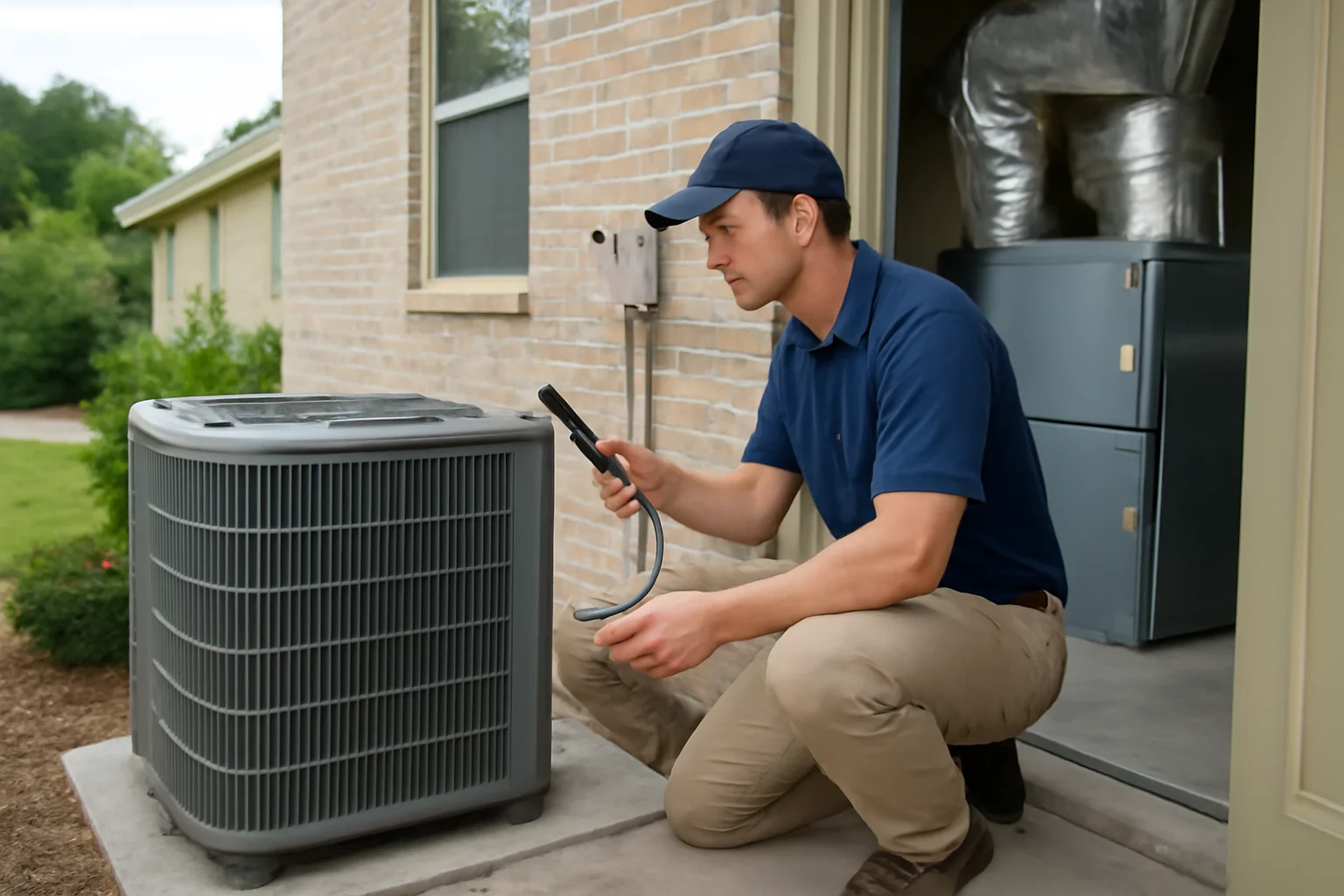
When your home feels “off,” it is easy to blame the weather. In Crestview, Florida, that instinct makes sense. Summer heat, high humidity, and salt air from the region can all stress HVAC systems and indoor comfort. But many comfort problems are not just temperature. They can be warning signs tied to indoor air quality, airflow, ductwork performance, and how well your refrigerant system and condensate drainage are working together.
A Superior Mechanical focuses on indoor air quality testing in Crestview, FL so families can connect those warning signs to real causes. The goal is practical repair planning, not guessing. If you have been searching for indoor air quality testing or an HVAC company near me to address comfort issues, this guide explains how testing fits into a smart HVAC service plan.
Why HVAC warning signs often show up as indoor air quality problems
HVAC systems control comfort and air movement through multiple connected pathways. Your thermostat calls for cooling or heating. The system moves air through ducts and returns it through filters. Coil temperatures influence humidity removal. Condensate drainage helps keep moisture from collecting. If any part of that chain struggles, indoor air quality can suffer even when the system “seems to run.”
In Crestview homes, common warning signs often cluster around humidity, airflow, and contaminants. When those signs appear together, indoor air quality testing can help you understand what is happening inside the home and how it relates to HVAC performance.
Comfort symptoms that may point to airflow or humidity issues
Homeowners often describe problems like these:
- Rooms feel muggy even with the AC on, especially during Florida afternoons
- Inconsistent temperatures from room to room, suggesting ductwork or airflow limitations
- Musty odors that may increase when the system cycles
- Dry, irritated air in winter or when the system is running but not filtering well
- More allergy symptoms indoors, such as sneezing or throat irritation
- Visible dust buildup around vents or on surfaces
These symptoms can be caused by several HVAC factors. Testing helps sort out what is most likely, so you can plan the right next step with a licensed HVAC contractor.
Florida conditions in Crestview that stress HVAC performance
Crestview sits in a region where humidity is not occasional. It is persistent. That matters because cooling comfort depends on moisture removal. When humidity levels stay high, indoor air quality can worsen and comfort can feel unstable, even if the thermostat is set correctly.
Salt air exposure in the broader area can also contribute to corrosion risks over time. Meanwhile, older ductwork in some homes can leak air or lose conditioning, especially when attics, crawl spaces, or duct runs are exposed to heat. All of these factors can influence both comfort and the quality of air your family breathes.
Heat and humidity can overload the cooling process
During hot, humid stretches, the AC must remove moisture while maintaining airflow. If the system cannot properly handle the load, you may notice:
- Lower moisture removal, leading to higher indoor humidity
- Short cycling that prevents full dehumidification
- Condensate drainage concerns that allow moisture to linger
- Filters and coils accumulating dirt faster due to airflow strain
Indoor air quality testing can help confirm whether humidity and contaminant levels match the comfort complaints. It can also guide whether the next step is an AC tune up, duct inspection, air filtration upgrades, or other repair planning.
How indoor air quality testing connects HVAC warning signs to likely causes
Indoor air quality testing is not just about “air smells.” It is about measuring conditions that relate to comfort and HVAC function. A professional approach typically evaluates indoor conditions and how the HVAC system is performing as part of the home’s overall airflow and ventilation setup.
Testing can support a more targeted plan for:
- Humidity control for better comfort and fewer moisture-related issues
- Air filtration performance to reduce particulates that affect allergies
- Ventilation balance so the home does not trap stale air
- Airflow and ductwork effectiveness that impacts where contaminants collect
- Moisture management connected to condensate drainage and coil performance
Important note: testing does not replace an in-person HVAC inspection. It helps connect symptoms to the right diagnostic direction. A licensed HVAC contractor should evaluate the refrigerant system, condensate drainage, thermostat operation, and ductwork conditions during service.
Humidity readings can explain “muggy” comfort complaints
When your home stays humid, it can feel warmer than the thermostat setting. High humidity can also worsen indoor air quality by allowing irritants and microbes to thrive in damp environments. In Crestview, humidity problems often align with cooling performance and airflow limitations.
Testing can help confirm whether humidity levels are consistent with:
- Reduced moisture removal during cooling
- Airflow restrictions that prevent coils from performing as intended
- Condensate drainage concerns that allow moisture to remain in the system or around indoor equipment
- Ductwork issues that change how air moves through the home
Once the pattern is clear, an HVAC technician can discuss repair planning, including whether an AC repair near me visit should prioritize airflow, drainage, filtration, or another component after an on-site check.
Airborne particle concerns often relate to filtration and airflow
Families searching for HVAC air filtration near me are usually responding to symptoms like dust, allergy flares, and visible debris near vents. Particles can come from outdoor air infiltration, indoor activities, and how effectively your system filters air while circulating it.
Indoor air quality testing can help you understand whether filtration and airflow are likely contributing to comfort and allergy complaints. That can inform whether you may benefit from improved filtration, better filter fit, or an air scrubber installation near me discussion, depending on your home’s specific needs.
If you are considering upgrades, it is still crucial to have your system evaluated for airflow capacity and ductwork condition. A filtration improvement that does not match the HVAC airflow can underperform or create new comfort issues.
Stale air and ventilation imbalances can show up as “odor” complaints
Musty odors, lingering smells, or a “stale” feeling can be linked to moisture, airflow shortfalls, or ventilation imbalance. In many homes, the HVAC system helps distribute air, but it does not always solve ventilation needs by itself.
Testing can help determine whether your indoor conditions suggest:
- Moisture accumulation in areas connected to condensate drainage or airflow paths
- Airflow that is not reaching certain rooms or returning properly
- Insufficient fresh air exchange for the home’s size and occupancy
Those findings can shape repair planning, including duct inspection and adjustments, thermostat programming review, and filtration or ventilation strategy.
HVAC warning signs that pair especially well with indoor air quality testing
Some HVAC issues create comfort problems that directly overlap with indoor air quality. If you are seeing these patterns, testing can be a strong part of your plan.
AC runs but humidity stays high
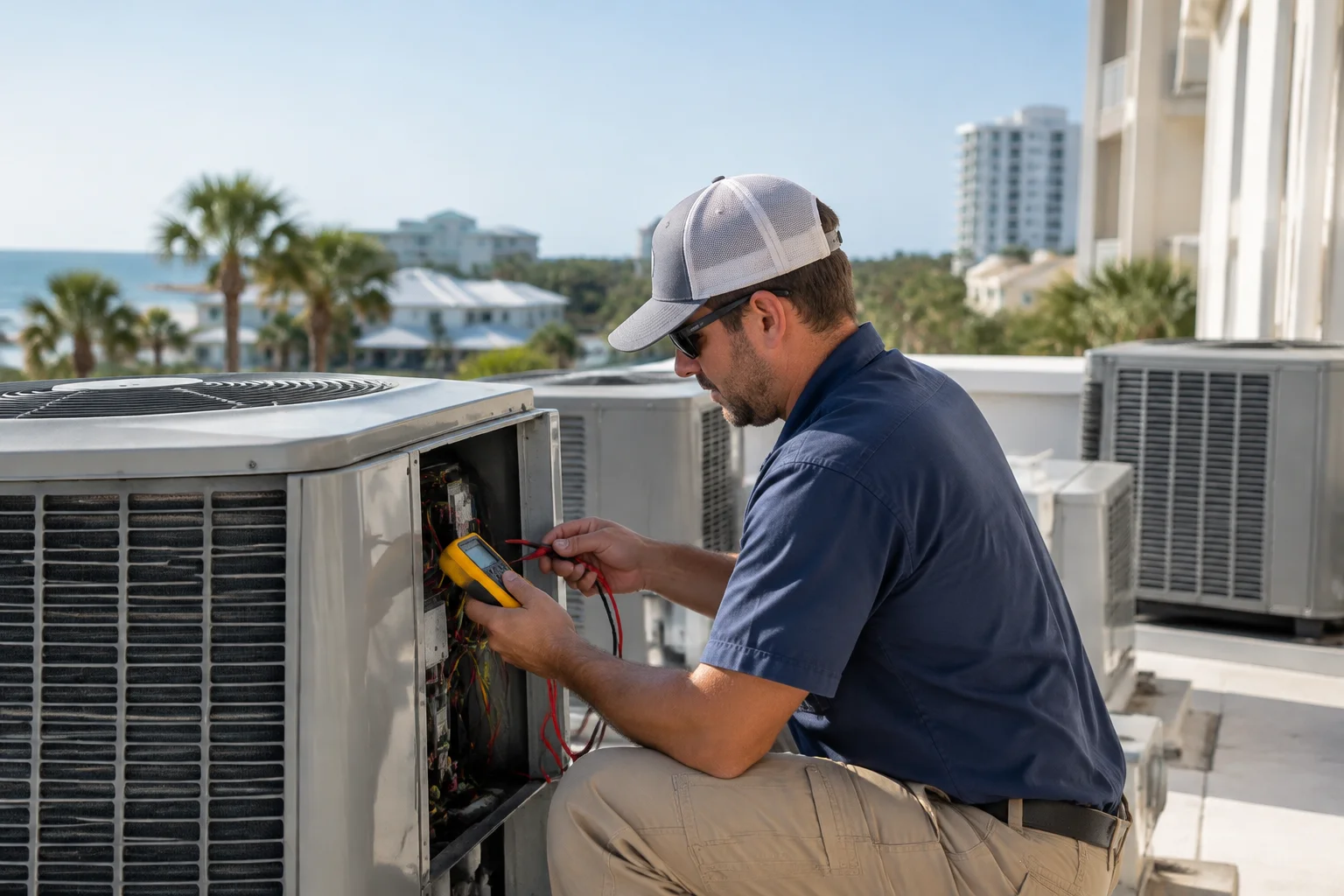
This is one of the clearest “comfort plus air quality” overlaps. When the system seems to cool but the home stays muggy, moisture removal may be limited. A professional evaluation should include checking airflow, condensate drainage performance, and overall system operation. Testing can help confirm whether humidity levels are truly elevated and consistent with the symptoms.
Uneven temperatures and dusty vents
Uneven comfort often points to ductwork and airflow limitations. When air distribution is uneven, some rooms may receive less conditioned air, while others can accumulate more dust and particulates. Dust buildup can also indicate filtration or airflow mismatch.
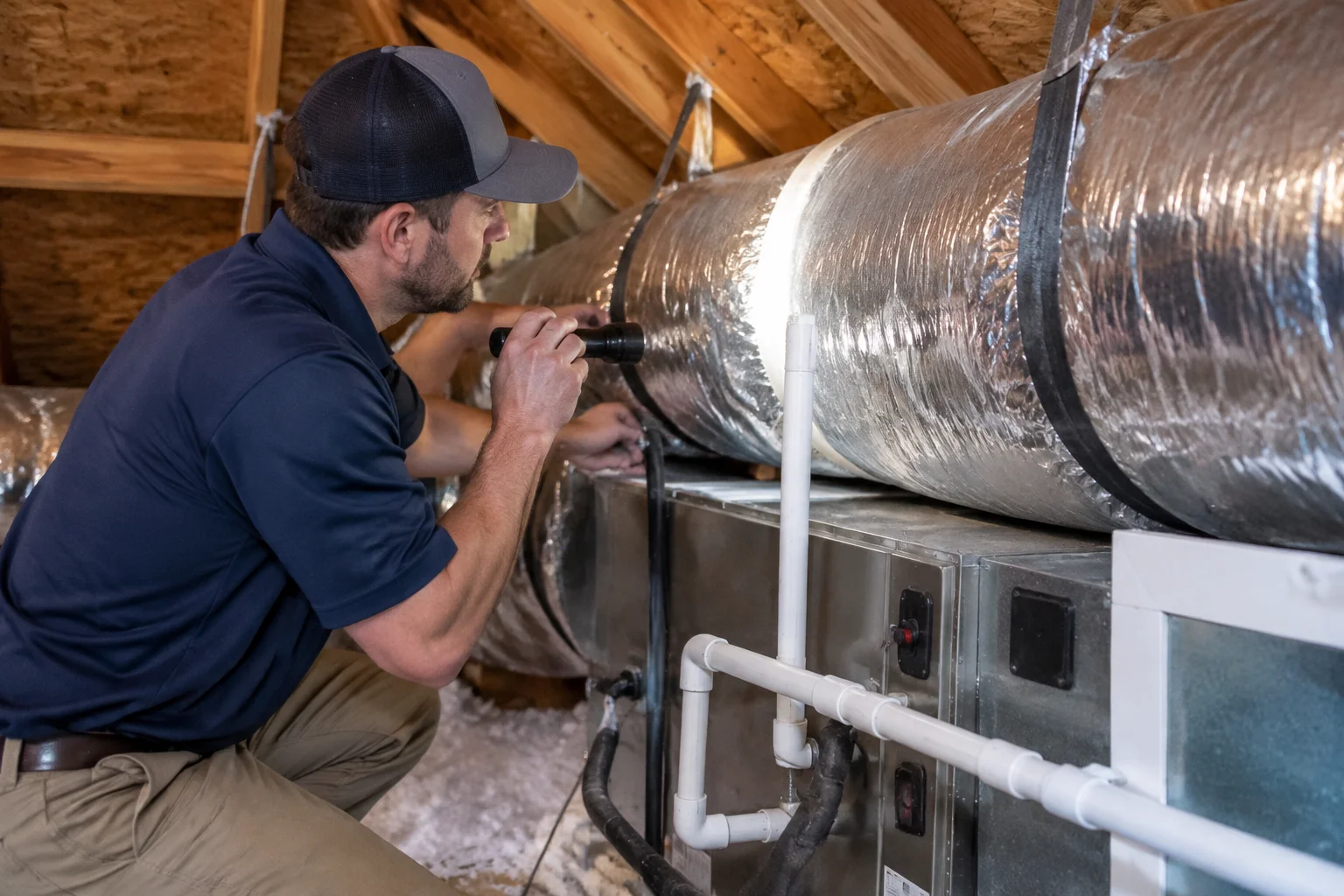
If you are trying to understand duct performance, pair indoor air quality testing with a duct inspection. You can also read Why Duct Inspections Get Complicated in Crestview Homes to learn how hidden duct issues can affect both comfort and air quality.
Musty odors that show up after cooling cycles
Odors that correlate with AC operation can be a sign of moisture management problems, contaminated components, or airflow patterns that keep dampness lingering. Condensate drainage concerns are especially relevant in humid climates because moisture that does not drain properly can lead to indoor air quality problems.
A Superior Mechanical can evaluate the HVAC system on-site and support the repair planning process using test results as part of the bigger picture.
Airflow feels weak even when the system runs
Weak airflow can increase humidity, reduce filtration effectiveness, and leave some areas under-conditioned. It can also cause the system to work harder, raising energy use. In Florida heat, that can turn a comfort issue into a performance issue quickly.
Homeowners who are searching for air conditioning repair near me for airflow problems typically need more than a quick reset. Testing and inspection together help identify whether airflow limitations come from ductwork, filters, blower performance, or other causes.
Where the thermostat, refrigerant system, and condensate drainage fit in
Indoor air quality testing connects the dots, but it does not replace inspection. The HVAC system has multiple subsystems that affect comfort and air quality.
Thermostat behavior can affect humidity and comfort
Thermostats influence run time and temperature targets. If settings or thermostat functions do not match the home’s needs, the system may cycle in a way that reduces dehumidification. That can lead to muggy comfort and poorer indoor conditions.
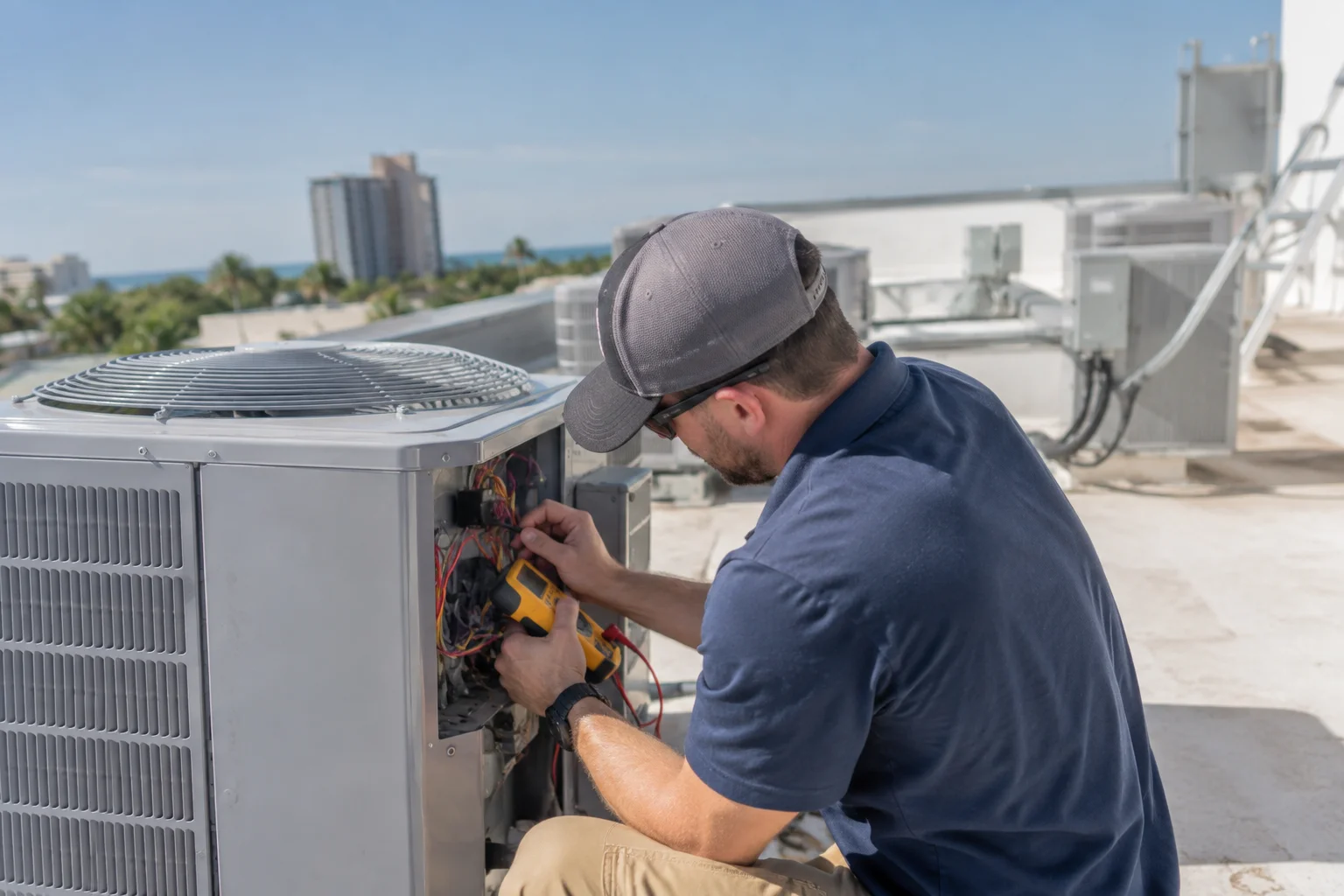
During evaluation, a technician may review thermostat operation and how it interacts with cooling demand. This is part of smart preventive HVAC maintenance because small control issues can compound over time.
Refrigerant systems and airflow are linked to moisture removal
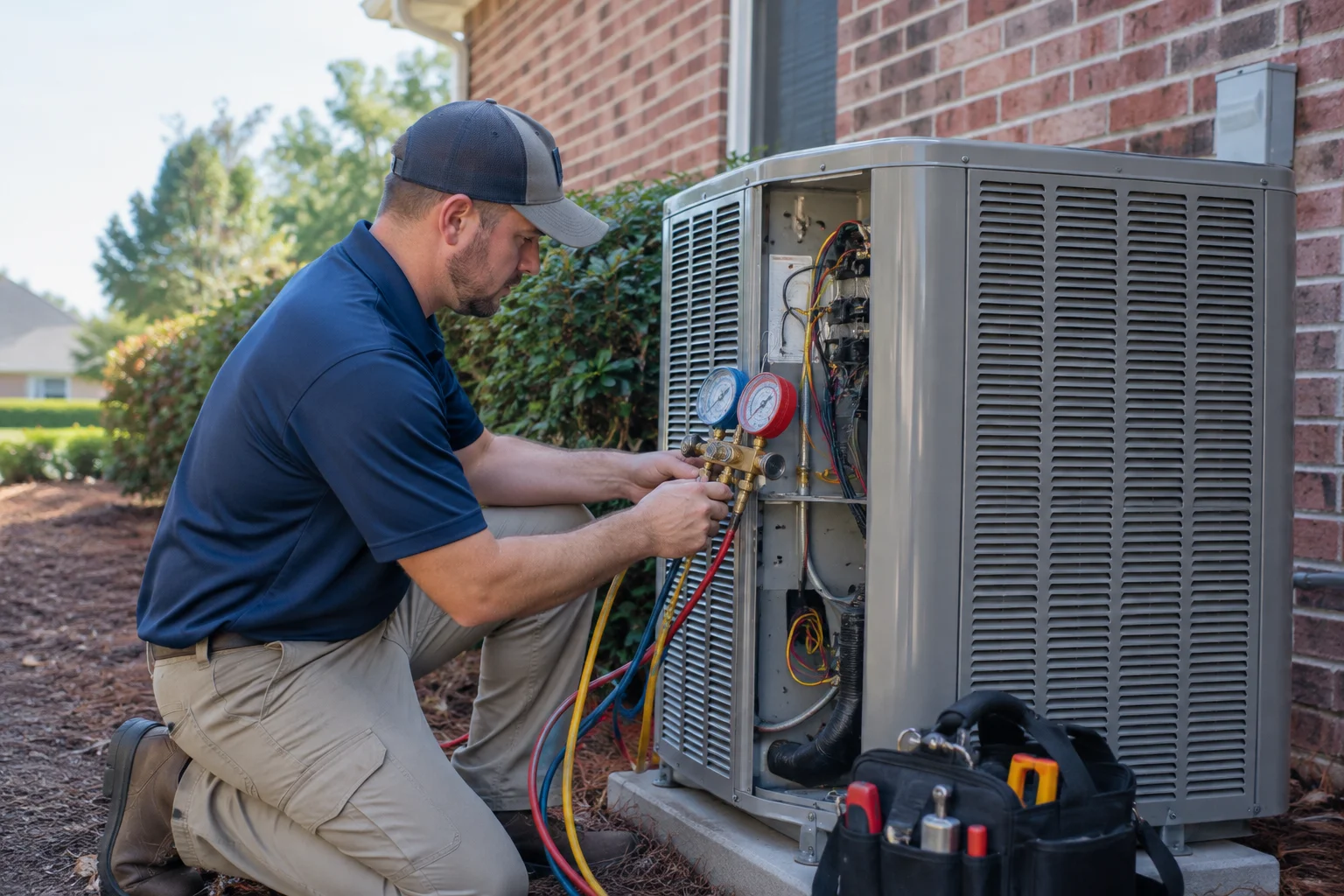
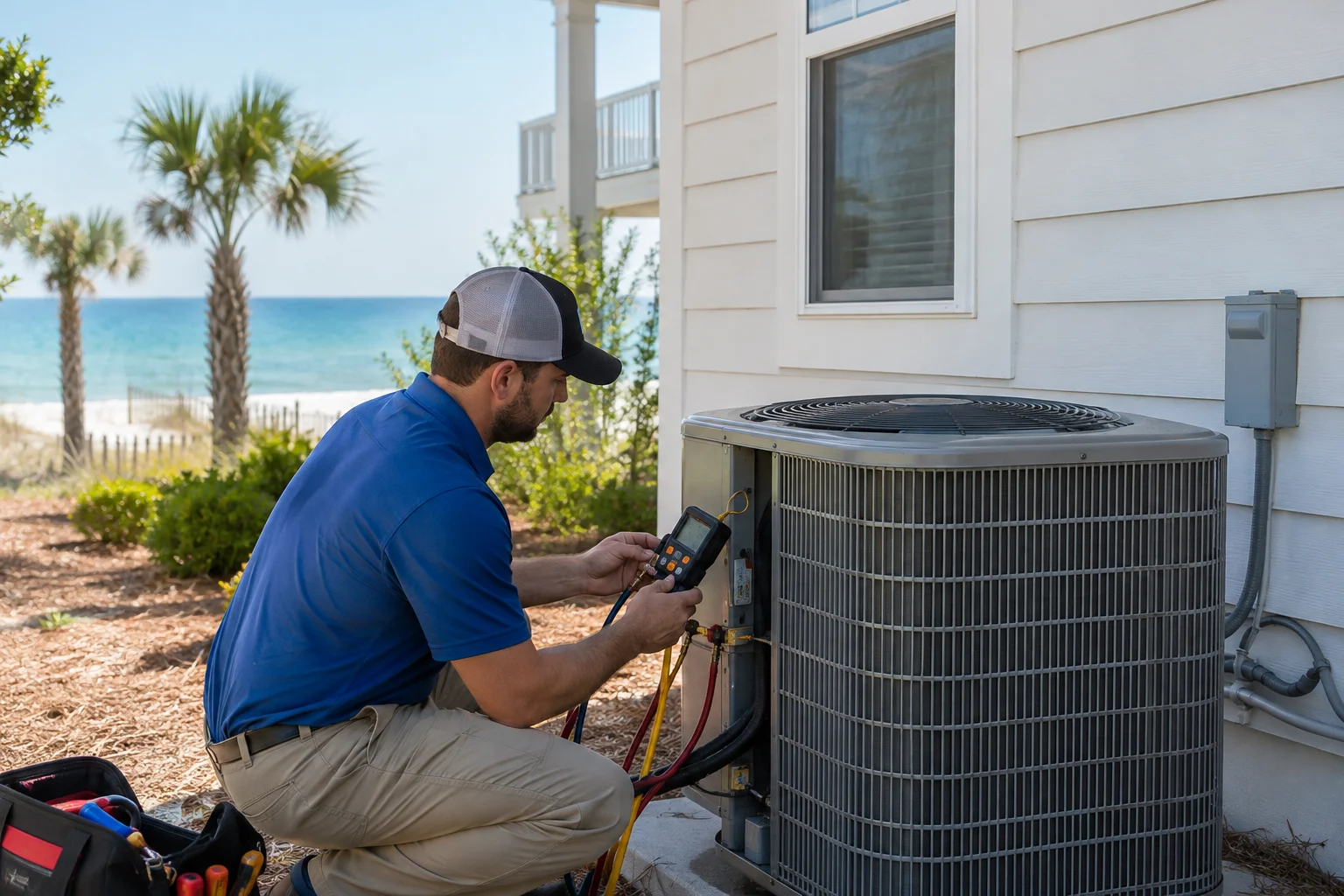
Cooling performance depends on how the refrigerant system manages heat and how air moves across coils. If airflow is restricted, coil performance changes. That can affect humidity removal and indoor comfort. If the refrigerant system is not operating as it should, moisture control and cooling efficiency can suffer.
Testing can help point to whether comfort and air quality symptoms align with cooling performance. But a refrigerant diagnosis must be based on in-person evaluation, proper measurements, and the technician’s professional assessment.
Condensate drainage matters more in Crestview humidity
Condensate drainage helps remove moisture collected during cooling. If drainage is restricted or not flowing as intended, moisture can build up where it should not. That can contribute to odors and indoor air quality concerns.
During service, technicians should inspect drainage pathways and confirm the system is managing moisture correctly. If you are planning for emergency cooling concerns, moisture-related issues are worth addressing promptly because high humidity can worsen comfort quickly.
Repair planning: what homeowners can do with testing results
When you have indoor air quality testing results, the next step should be an HVAC plan that addresses both comfort and system performance. That might include maintenance, repairs, ductwork improvements, or air filtration strategy.
Start with prevention and maintenance that protects air quality
Preventive HVAC maintenance is not just about avoiding breakdowns. It also supports stable humidity control and consistent airflow, which are key to indoor air quality. For Crestview homes, that often means:
- Replacing or maintaining filters that match the system’s needs
- Checking airflow paths and ensuring return air is unobstructed
- Inspecting coils and drainage components as part of seasonal service
- Reviewing thermostat operation and comfort settings
If you want a seasonal checklist approach, see Keeping Crestview Cool Starts With Better AC Maintenance Habits.
Use duct inspection to address uneven comfort and contaminant hotspots
Ductwork can influence where air travels, where moisture may collect, and how effectively filtration works throughout the home. If testing suggests room-to-room differences, duct inspection can help confirm whether the duct system is distributing conditioned air as it should.
For more context on what makes duct inspection tricky in local housing, read Why Duct Inspections Get Complicated in Crestview Homes.
Consider filtration and air cleaning based on measured conditions
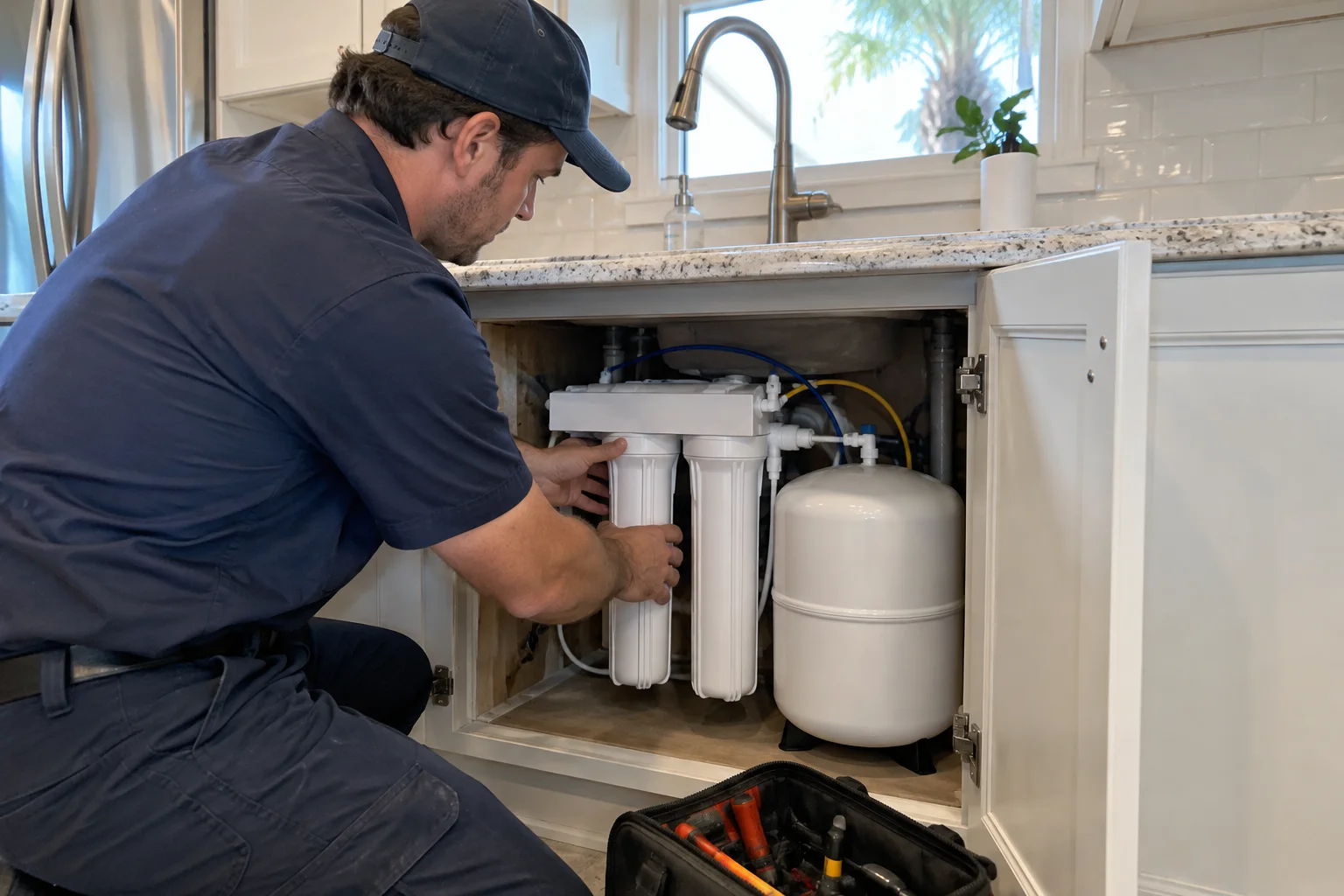
Many families ask about air scrubber installation or HVAC air filtration upgrades. Testing can help determine whether the measured indoor conditions align with a filtration or air cleaning strategy. It is also important to match any air cleaning approach to your system’s airflow and ductwork condition so you do not accidentally create restrictions.
For families in nearby coastal-style homes, these links may be helpful: Indoor Air Quality Testing That Helps Inlet Beach Homes Stay Comfortable Longer and Why Seaside Homes Benefit From Indoor Air Quality Testing Before Comfort Issues Spread. The climates differ, but the comfort principles overlap.
Energy use, system strain, and why air quality problems can raise costs
Indoor air quality issues are not only about comfort. When airflow is restricted or humidity control is inconsistent, your system often works longer or cycles more frequently. That can increase energy use and wear on components.
In Florida heat, a system that is struggling to manage moisture and distribute air may:
- Run longer to reach temperature targets
- Use more energy due to inefficient operation
- Accumulate dirt faster on filters and coils
- Strain condensate drainage and create moisture management challenges
Testing helps you avoid guesswork. Instead of treating symptoms alone, you can connect indoor air quality concerns to the HVAC performance factors that drive energy use and system strain.
Emergency cooling concerns: when to treat indoor air quality as urgent
Most homeowners do not think about indoor air quality as an emergency. But in Crestview’s summer heat and humidity, certain warning signs should be treated as urgent, especially if your family includes children, older adults, or anyone sensitive to allergens.
Call for emergency AC repair near me if you notice:
- The AC stops cooling during extreme heat and humidity
- Strong musty odors that intensify quickly
- Signs of moisture problems such as water where it should not be
- Airflow that is severely reduced along with worsening comfort
Even when the immediate priority is restoring cooling, indoor air quality concerns can guide what gets checked next. A professional evaluation should include airflow, condensate drainage, and ductwork performance as part of the repair plan.
Choosing local HVAC service in Crestview, Okaloosa County matters
HVAC problems behave differently in different climates. In Crestview, humidity, airflow, and moisture management are central to both comfort and indoor air quality. Working with a local licensed HVAC contractor near me helps because technicians understand how regional conditions affect systems, ductwork, and seasonal demand.
If you are building or upgrading your system, it also helps to think ahead. New air distribution, new ductwork, and new filtration strategy can be planned from the start. If that is your situation, you may want to explore New Construction Air Conditioning or, for business needs, Commercial HVAC Installation. For homeowners who want to understand how airflow and ductwork choices impact comfort, the Duct Inspection service page is a good next step.
If you are exploring long-term energy planning, you can also review Geothermal Energy as part of a broader conversation about comfort and system performance. (Indoor air quality testing is still relevant because comfort and air quality depend on how air is distributed and how moisture is managed.)
When homeowners search for HVAC service, what they should ask about indoor air quality testing
If you are comparing options for HVAC repair near me or air conditioning service near me, you can ask questions that connect air quality to HVAC performance. Consider asking:
- How will you connect my comfort symptoms to indoor air quality measurements?
- Will you evaluate airflow, ductwork, and condensate drainage as part of the inspection?
- How will you use test results to guide repair planning and preventive HVAC maintenance?
- If I am considering HVAC air filtration or an air scrubber, how will you ensure it matches my system’s airflow?
These questions help ensure the testing process supports real decisions, not vague recommendations.
A practical next step for Crestview families
If you are dealing with HVAC warning signs that feel connected to indoor air quality, indoor air quality testing can be the bridge between symptom and solution. It helps you plan repairs around moisture control, airflow effectiveness, filtration needs, and ventilation balance, all of which matter in Crestview’s heat and humidity.
Start by reviewing indoor air quality testing from A Superior Mechanical. You can also browse the broader service area overview on the Crestview page or explore more options across Okaloosa County.
Find Indoor Air Quality Testing in Crestview, FL
If you need Indoor Air Quality Testing in Crestview, FL, visit our local service page or contact A Superior Mechanical today.
Map of Crestview, FL
Frequently Asked Questions
Can indoor air quality testing help if my AC cools but my home still feels humid?
Yes. Humid comfort can come from limited moisture removal, airflow restrictions, or condensate drainage issues. Testing helps confirm whether indoor humidity and conditions match the symptoms, then supports repair planning after an on-site HVAC inspection.
Does indoor air quality testing replace an HVAC diagnosis for refrigerant or airflow problems?
No. Testing helps connect comfort and air quality symptoms to likely causes, but refrigerant and airflow issues still require in-person evaluation. A licensed HVAC contractor should verify system operation, condensate drainage, thermostat behavior, and ductwork performance.
How do ductwork and indoor air quality connect in Crestview homes?
Ductwork affects how air moves through the home. Leaks, poor distribution, or airflow limits can create room-to-room temperature differences and influence where dust and contaminants accumulate. Pairing testing with a duct inspection can clarify the connection.
Is an air scrubber or HVAC air filtration upgrade worth it if I have allergy symptoms?
It can be, but the best choice depends on your measured indoor conditions and your system’s airflow and ductwork setup. Testing helps guide whether filtration or air cleaning is likely to address your specific comfort and air quality concerns.
When should I treat HVAC comfort and air quality issues as urgent during Florida summers?
If your AC stops cooling during extreme heat and humidity, or if you notice rapidly worsening musty odors, signs of moisture where it should not be, or severely reduced airflow, treat it as urgent. You may need emergency AC repair and an inspection that includes moisture management and airflow checks.
Related Articles
Photo Gallery