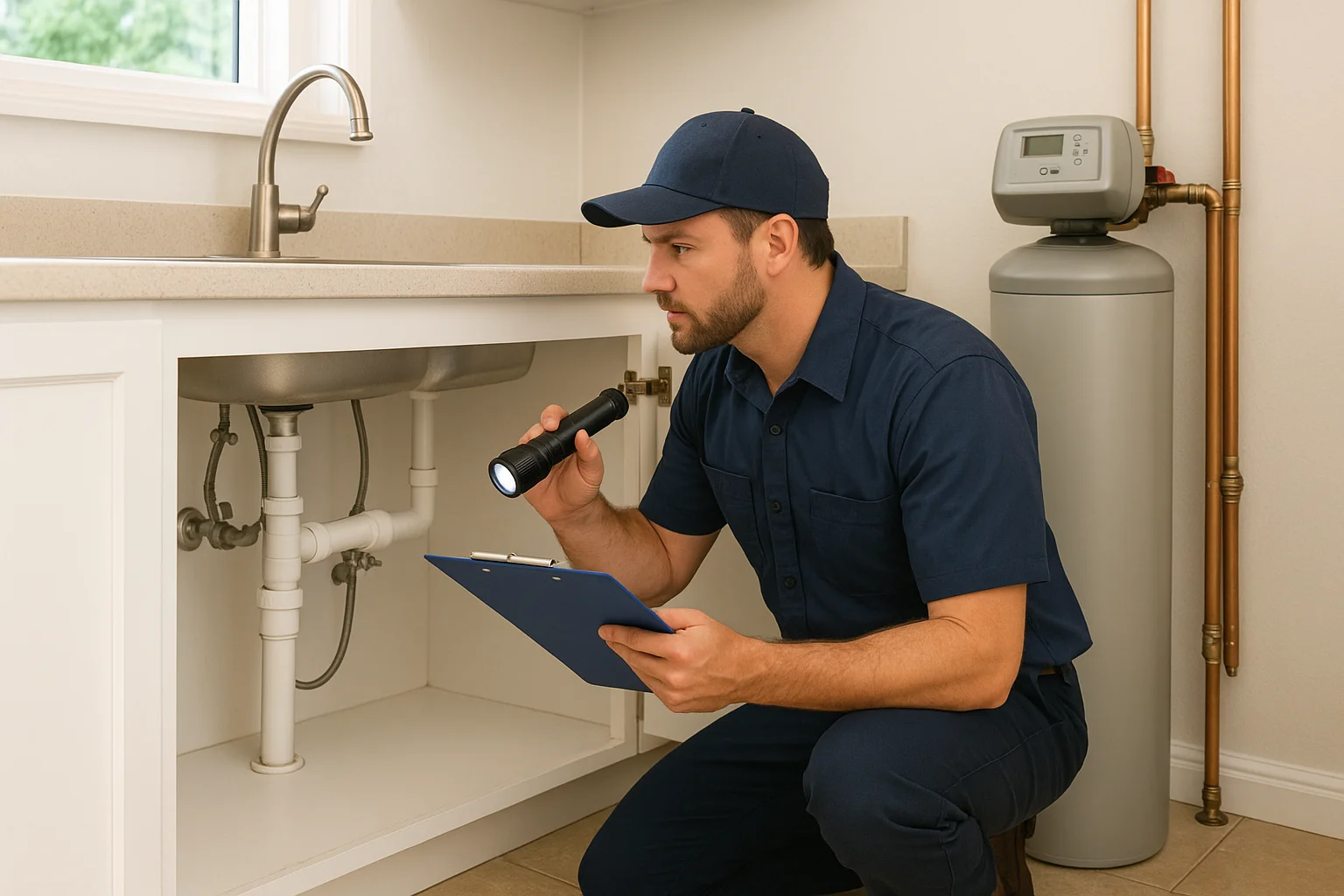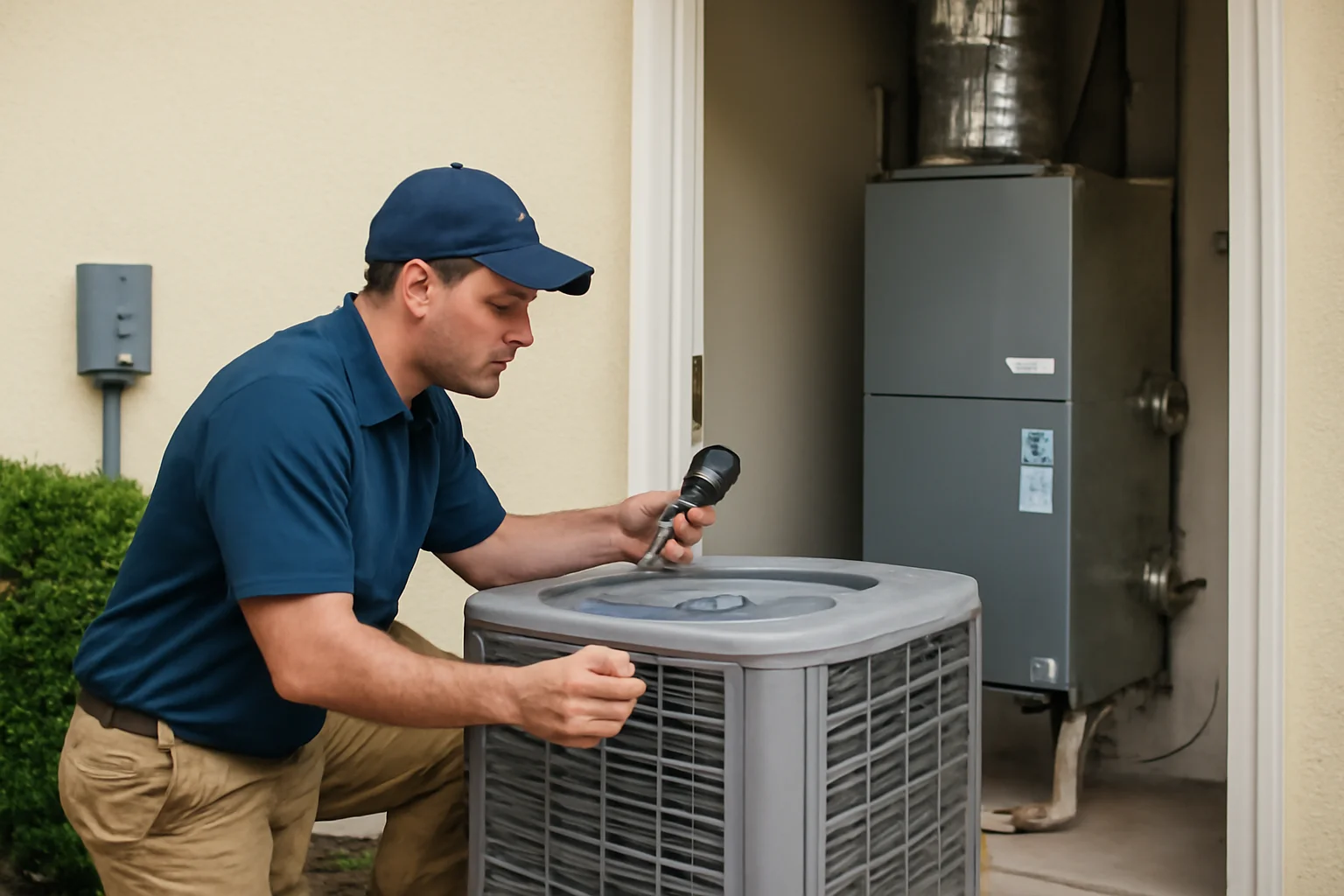
30A homes are built for coastal living, but the same conditions that make the area beautiful can stress indoor comfort and the HVAC system that keeps your house breathable. Florida heat, high humidity, and salt air can drive moisture into ductwork and living spaces. When indoor air quality is off, your comfort suffers and your HVAC system often works harder to compensate.
Indoor air quality testing is a practical way to understand what is happening inside your home, rather than guessing. For homeowners searching for indoor air quality testing in 30A, FL, the goal is simple: identify the factors that affect comfort and everyday HVAC reliability, so you can prevent the issues that commonly shorten system life.
Why indoor air quality affects HVAC reliability in 30A homes
Your air conditioner, heat pump, and ventilation system do more than cool or heat. They also control humidity, move air through ductwork, and help manage airborne contaminants. When indoor air quality problems build up, the HVAC system has to work longer and harder to maintain temperature. Over time, extra runtime, restricted airflow, and moisture exposure can contribute to premature wear.
In coastal Walton County, humidity is not a minor inconvenience. It changes how the HVAC system behaves. When moisture levels run high, indoor surfaces can become more vulnerable to mold growth, and air feels warmer than the thermostat setting. Even if the temperature looks correct, poor moisture control and ventilation can make the home feel stuffy or “stale.”
That is why indoor air quality testing is not just about comfort. It is about conditions that influence airflow, condensate drainage, refrigerant system performance, and the overall stability of everyday cooling.
What indoor air quality testing can reveal in Florida humidity and salt air
Indoor air quality testing evaluates the indoor environment as a system. A professional assessment typically focuses on several categories that connect directly to HVAC performance and comfort.
Humidity and moisture patterns
On 30A, indoor humidity can rise quickly when outdoor air is heavy and the home is closed up. If the HVAC system is not removing moisture effectively, you may notice foggy windows, damp smells, or lingering condensation in places you do not expect. High humidity can also increase the likelihood of mold and mildew, especially around return air paths, crawl spaces, and ductwork.
Testing helps confirm whether humidity control is working as intended, and it can point toward airflow or drainage issues that prevent proper moisture removal.
Airborne contaminants and allergens
Dust, pollen, pet dander, and other airborne particles can accumulate in ductwork and on filters. When filtration and airflow do not match the home’s needs, these contaminants can circulate longer than they should. Homeowners often notice this as sneezing, irritation, or symptoms that flare during seasonal changes.
Air filtration and filtration strategy are closely tied to HVAC reliability. If airflow becomes restricted, the system can work harder to move the same amount of air.
VOCs and indoor odors
Volatile organic compounds, or VOCs, can come from cleaning products, paints, building materials, and even everyday household activities. On the coast, open windows and ventilation habits may vary, and that can change how VOCs accumulate. Poor ventilation can leave the home feeling odorous or “stale,” even when the temperature is comfortable.
Testing helps you understand whether the issue is ventilation related, filtration related, or tied to other indoor sources.
Ventilation and airflow balance
Airflow problems are one of the most direct pathways to HVAC strain. Even if the thermostat is calling for cooling, airflow through the home must be consistent. Ductwork restrictions, imbalanced registers, or duct leakage can cause uneven cooling, hot spots, and longer run times.
Testing can support a more targeted approach to duct inspection and airflow corrections. If you are searching for ductwork services in 30A, it often starts with understanding whether the home’s airflow is behaving as expected.
How poor indoor air quality can shorten HVAC system life
There are a few common mechanisms that connect indoor air quality issues to wear and breakdown risk. Not every home has every factor, but the patterns are familiar to HVAC professionals.
Restricted airflow leads to added stress
When airflow is restricted, the system may not move heat out of the home efficiently. That can increase runtime and raise stress on components. Filters that are too restrictive for the system, clogged duct sections, or ductwork that is not performing can all contribute.
Homeowners often begin with a comfort complaint, then the HVAC system ends up showing symptoms later. If you are dealing with persistent airflow issues, it is worth considering duct cleaning or duct repair after an inspection confirms what is happening. Searching for “duct cleaning near me” or “duct repair near me” is common, but the best next step is usually an assessment tied to air quality and airflow, not a one-size-fits-all cleaning.
Moisture and condensate drainage problems
Air conditioners and cooling systems rely on condensate drainage to remove moisture. If condensate drainage is slow, blocked, or poorly managed, moisture can accumulate. That can contribute to musty odors, damp areas, and increased indoor humidity.
Moisture problems can also affect areas connected to the system, including parts of ductwork and the surrounding environment. In Florida, where humidity is relentless, small drainage problems can become bigger comfort problems quickly.
Dirty or mismatched filtration increases buildup
Filtration is not only about capturing particles. It also affects airflow and the stability of the system’s operation. If the filtration approach does not align with the home’s needs, particles can circulate while airflow becomes inconsistent.
Some homeowners explore HVAC air filtration near me because they want cleaner air, but the right solution depends on what the testing shows. In some cases, a whole home air purifier or an air scrubber installation may be appropriate, especially when you are trying to reduce airborne contaminants. The key is matching the strategy to the home’s airflow and indoor conditions, not guessing.
Ventilation shortfalls keep indoor air “stuck” indoors
When ventilation is inadequate, VOCs and stale air linger. That can worsen comfort and can also contribute to the perception that your HVAC system is not “working” even when temperature control is adequate. Over time, homeowners may increase thermostat demands to feel better, which can increase energy use and add wear.
Where indoor air quality testing fits into everyday preventive HVAC maintenance
Preventive HVAC maintenance is more than changing filters and checking basic performance. In 30A homes, it is also about verifying that the system is controlling humidity, supporting healthy airflow, and handling condensate drainage properly.
Indoor air quality testing can complement preventive maintenance by adding a deeper look at what is actually happening in your living spaces. That information can guide decisions such as improving ductwork airflow, updating filtration strategy, and addressing ventilation issues.
If you want a maintenance-focused approach, these resources connect the dots between comfort and reliability:
- Why Preventive HVAC Service Pays Off for Air Conditioning Repair in 30A, FL
- How 30A Homes Can Stay Ahead of HVAC Emergencies During Seasonal Stress
Common comfort symptoms that point to indoor air quality issues
Homeowners often describe these problems as “HVAC not keeping up,” but the root cause can be indoor air quality related. If several of the items below are happening, testing can help you move from guesswork to clarity.
Air feels cool but still uncomfortable
You may have cold air blowing, yet the home feels clammy or stuffy. That often indicates humidity control or ventilation issues, not just temperature.
Musty odors or dampness that returns
Smells that fade after a while and then come back can be linked to moisture patterns, condensate drainage, or microbial growth in areas where you cannot easily see.
Allergy-like symptoms that flare indoors
If symptoms worsen at home, especially in bedrooms or areas near returns, indoor air quality may be contributing. Testing can help identify whether airborne contaminants are present at elevated levels and whether filtration and airflow are adequate.
Uneven cooling and hot spots
Hot spots can be airflow-related. If some rooms feel warmer or more humid than others, ductwork performance and air distribution may be off. That is where ductwork services and duct inspection can matter.
Frequent cycling or longer run times
If your system is running more than it used to, indoor conditions may be forcing it to work longer. High humidity, restricted airflow, and ventilation shortfalls can all be contributors.
Why coastal climate makes testing even more valuable
30A is shaped by the Gulf and the pace of coastal weather. Salt air, beach humidity, and seasonal storms can influence how homes breathe. Even well-maintained systems can struggle when indoor conditions are not aligned with how the HVAC system is designed to operate.
Salt air can also contribute to corrosion and wear over time, especially when outdoor units are exposed without proper maintenance. While indoor air quality testing does not replace outdoor unit care, it can help you understand indoor conditions that affect comfort and system runtime.
Florida heat also changes behavior. When outdoor temperatures spike, the system relies heavily on its refrigerant system and airflow to remove heat. If airflow is limited or moisture control is inconsistent, the system may face higher demand for longer periods. That is a common path to breakdown risk and costly emergency cooling concerns.
How an HVAC professional uses test results to guide next steps
Testing results should lead to actions that match your home. The purpose is not to “guess” at fixes. It is to connect measured indoor conditions to practical HVAC improvements.
A qualified technician can use test findings to recommend targeted options such as:
- Adjusting filtration strategy to support cleaner air without harming airflow
- Improving ventilation and air distribution so the home does not feel stale
- Inspecting ductwork for restrictions or problems that reduce airflow
- Reviewing condensate drainage and moisture control performance
- Discussing whether a whole home air purifier or air scrubber installation aligns with the home’s indoor air quality needs
It is important to note that no test result should be treated as an automatic diagnosis for refrigerant systems, electrical components, or equipment replacement. Any refrigerant diagnosis or repair decision needs an in-person evaluation by a licensed HVAC professional who can verify system operation safely.
Energy use, comfort, and the hidden cost of “working harder”
When indoor air quality is off, your HVAC system can become less efficient in everyday operation. Poor humidity control can lead to higher thermostat settings. Restricted airflow can increase runtime. Ventilation issues can make the home feel uncomfortable even when the thermostat says you should be fine.
Over time, those patterns can add up to more energy use and more wear on the system. For homeowners trying to manage budgets during peak summer, preventive HVAC maintenance paired with indoor air quality testing can reduce the odds of repeated strain.
If you are planning HVAC upgrades or repairs and want to keep decisions organized, these posts can help you think through the process:
When to call for indoor air quality testing in 30A, FL
Consider indoor air quality testing if you are dealing with ongoing comfort problems, repeated allergen or odor complaints, or humidity that does not seem to improve during cooling season. It is also a smart step if you are noticing signs that airflow is inconsistent across rooms.
Testing is especially helpful when you are:
- Preparing a home or rental for peak guest seasons
- Planning ductwork work and want to understand airflow and indoor conditions first
- Trying to improve HVAC performance without guessing at causes
- Seeing symptoms that make you worry about emergency AC repair near me scenarios during hot stretches
If you are also considering new AC installation near me or HVAC service near me, indoor air quality testing can help confirm whether the comfort problem is truly equipment-related or if airflow, ventilation, or humidity control is the more direct driver.
How to keep comfort steady between service visits
Indoor air quality testing is a reset point, but daily habits still matter. These steps support healthy indoor conditions and help your HVAC system maintain reliability:
- Replace filters on schedule and use the correct filter type for your system
- Keep supply and return registers unobstructed
- Watch for standing water near condensate drainage points and address moisture concerns promptly
- Use your thermostat settings thoughtfully, especially during extreme heat and humidity days
- Pay attention to odors and persistent dampness, particularly after storms
For duct-related concerns, homeowners often start with “duct cleaning near me.” A better approach is to pair inspection and indoor air quality insights, so ductwork decisions are based on what your home actually needs. If you suspect duct problems, ask about ductwork services and duct inspection during your HVAC service visit.
Testing is also a comfort strategy for rentals and coastal properties
On 30A, many homes are used as vacation rentals. Comfort has to be consistent for guests, not just for a few days at a time. Indoor air quality issues can create recurring complaints that look like “the AC is struggling,” even when the system is operating.
For property owners, indoor air quality testing supports better maintenance planning. It can also help you document conditions across seasons, which can be useful when coordinating HVAC air filtration, duct inspection, or duct repair decisions.
If you manage commercial spaces or mixed-use properties, comfort can be even more sensitive to airflow and ventilation. You may find this helpful: Keeping 30A Commercial Spaces Comfortable Before HVAC Trouble Spreads.
What to ask your HVAC team during an indoor air quality testing appointment
When you schedule indoor air quality testing in 30A, FL, ask questions that connect the results to HVAC performance. Useful topics include:
- How humidity levels compare to what the home should be experiencing during cooling
- Whether airflow appears balanced across rooms and whether duct inspection is needed
- How filtration and ventilation should be handled for your specific indoor conditions
- Whether condensate drainage and moisture control need extra attention
- What practical next steps should happen after testing, including whether duct repair near me searches are relevant to your situation
Professional HVAC service matters because coastal homes have unique stressors. A local team can consider how 30A climate, housing design, and seasonal demand affect comfort and system reliability in a way that generic guidance cannot.
If you want a clearer picture of indoor air quality and everyday HVAC reliability, schedule an appointment with A Superior Mechanical for indoor air quality testing in 30A, FL. You can also explore service options across the area at /service-areas/walton-county/30a and /service-areas/walton-county.
Find Indoor Air Quality Testing in 30A, FL
If you need Indoor Air Quality Testing in 30A, FL, visit our local service page or contact A Superior Mechanical today.
Map of 30A, FL
Frequently Asked Questions
How does indoor air quality testing help with HVAC reliability, not just comfort?
Indoor air quality testing looks at humidity, airborne contaminants, VOCs, ventilation, and airflow conditions. When these are off, your HVAC system often runs longer, faces airflow restrictions, or struggles with moisture control. Testing helps identify the underlying conditions that can increase wear and breakdown risk.
Can high humidity on 30A make my air conditioner work harder?
Yes. Florida heat and coastal humidity can make the home feel uncomfortable even when temperature is near the thermostat setting. If the system is not removing moisture effectively, it can increase runtime and strain components. Testing can confirm whether humidity control and drainage performance are aligned with your indoor conditions.
Should I try duct cleaning or duct repair before indoor air quality testing?
It is usually smarter to connect ductwork decisions to what the testing and inspection show. Indoor air quality testing can help determine whether airflow imbalance, ventilation shortfalls, or moisture patterns are contributing to the problem, which can guide whether duct inspection, duct cleaning, or duct repair is the most appropriate next step.
Does indoor air quality testing tell me if I have a refrigerant problem?
No. Testing focuses on indoor conditions like humidity, contaminants, and ventilation. Refrigerant issues require an in-person HVAC evaluation. If your system is underperforming, ask your technician to review system operation safely and determine whether any refrigerant system work is actually needed.
What are good reasons to schedule testing for a rental home or vacation property on 30A?
Rentals need consistent comfort for guests. Testing can help identify humidity control issues, stale air or odor problems, and filtration or ventilation gaps that can show up during peak seasonal demand. It can also support maintenance planning for ductwork and air filtration updates.
Related Articles
Photo Gallery