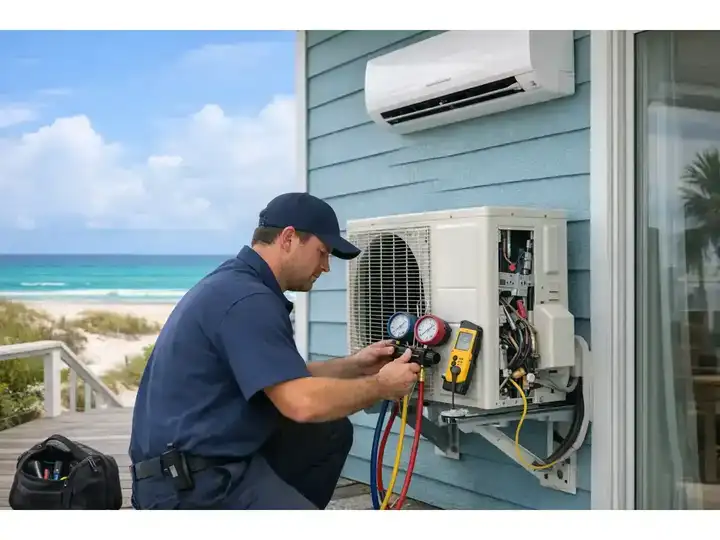
Ductless mini-splits are a smart fit for many homes in Seagrove Beach. They work well in beach cottages, condos, additions, renovated older homes, and vacation rentals where adding ductwork may not make sense. They are also popular for bonus rooms, garages, and spaces that never seem to stay comfortable with a traditional system.
But while ductless systems are efficient and flexible, coastal weather in Seagrove Beach, FL can put them under real stress. Long cooling seasons, heavy humidity, salty air, wind-driven rain, and storm threats all affect how a mini-split performs over time. If you live in this part of Walton County, understanding those local conditions can help you protect your system, lower repair risk, and keep your home more comfortable year-round.
For homeowners looking for ductless mini-split service in Seagrove Beach, local experience matters. A system near the Gulf does not face the same conditions as one farther inland, and service decisions should reflect that.
Why ductless mini-splits are common in Seagrove Beach homes
Seagrove Beach has a mix of full-time residences, second homes, rental properties, and smaller coastal buildings. Many of these homes were designed with space limitations, unique floor plans, or room-by-room comfort needs. Ductless mini-splits solve several common local problems.
They can cool and dehumidify individual rooms without requiring major remodeling. That is a big advantage in older homes, carriage houses, guest suites, enclosed porches, and additions. In vacation properties, they also allow owners to condition only occupied areas instead of cooling the entire building all the time.
Mini-splits are also a good option when parts of a home stay warmer than others because of sun exposure, large windows, or upper-floor heat buildup. Many beach homes have design features that make zoned comfort especially useful.
For some properties, a mini-split works alongside central air conditioning services to handle problem rooms or detached spaces. In others, the mini-split is the primary comfort system.
How Seagrove Beach climate affects mini-split performance
High heat increases system workload
Summers in Seagrove Beach are long, hot, and demanding on HVAC equipment. When outdoor temperatures stay elevated for extended periods, your mini-split runs longer cycles to maintain indoor comfort. That can be normal, but it also means more wear on components such as the compressor, fan motors, and capacitors.
If the system is undersized, dirty, low on refrigerant, or blocked by outdoor debris, hot weather exposes those weaknesses fast. Homeowners may notice the unit never quite reaches the set temperature, or that it runs almost constantly in the afternoon.
In rental homes with frequent guest turnover, this can become more noticeable because doors open often, thermostats get adjusted repeatedly, and the system has to recover quickly after the home heats up.
Humidity creates comfort and moisture issues
Humidity is one of the biggest comfort challenges in coastal Florida. Even when the air temperature is not extreme, indoor spaces can feel sticky if moisture is not being removed properly. Ductless mini-splits are designed to help with dehumidification, but high humidity means the system has to remove a lot of moisture from the air for much of the year.
That extra moisture creates several possible issues. Condensate drains can clog more easily. Indoor air handlers can develop buildup on coils and blower components. If maintenance is neglected, mold or mildew odors may start coming from the unit. Homeowners may also notice water dripping where it should not, especially if the drain line is blocked or the unit is not pitched correctly.
If your home still feels damp even though the mini-split is running, the problem may be airflow restriction, dirty coils, drainage issues, or a system that is not properly matched to the space.
Salt air can speed up corrosion
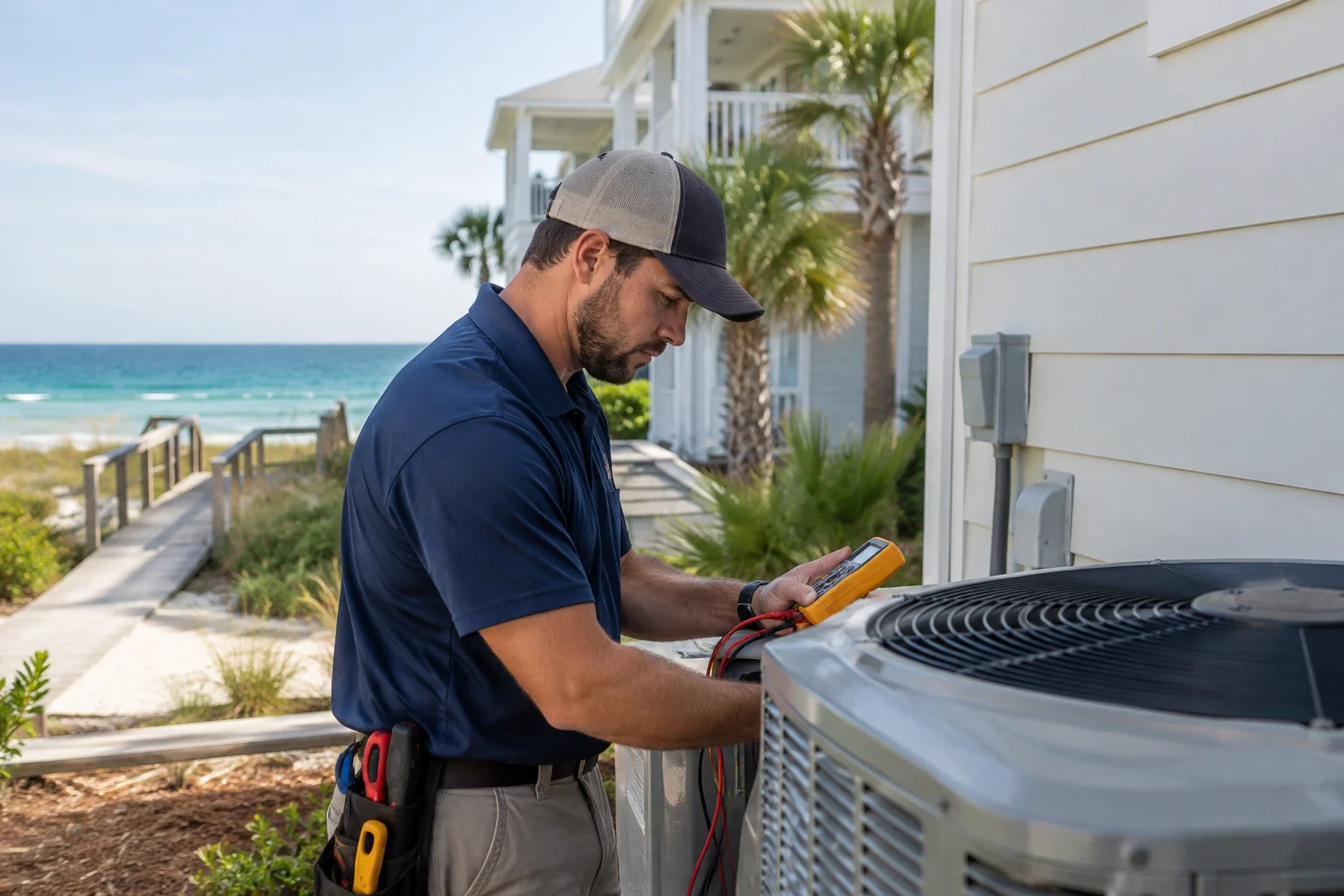
One of the most important local factors in Seagrove Beach is salt exposure. Salt carried in coastal air settles on outdoor equipment and can accelerate corrosion on coils, electrical connections, cabinet surfaces, and fasteners. Over time, this can reduce efficiency, damage components, and shorten equipment life.
Mini-split outdoor units are compact and efficient, but they are still vulnerable to coastal conditions. A system installed near the beach without regular cleaning and inspection may develop coil damage faster than expected. Corrosion can also affect wiring connections and lead to intermittent performance problems that are difficult to diagnose without a close inspection.
This is one reason local maintenance is so important in Seagrove Beach and nearby communities. Coastal HVAC care is not exactly the same as inland service.
Storms and power fluctuations can cause sudden problems
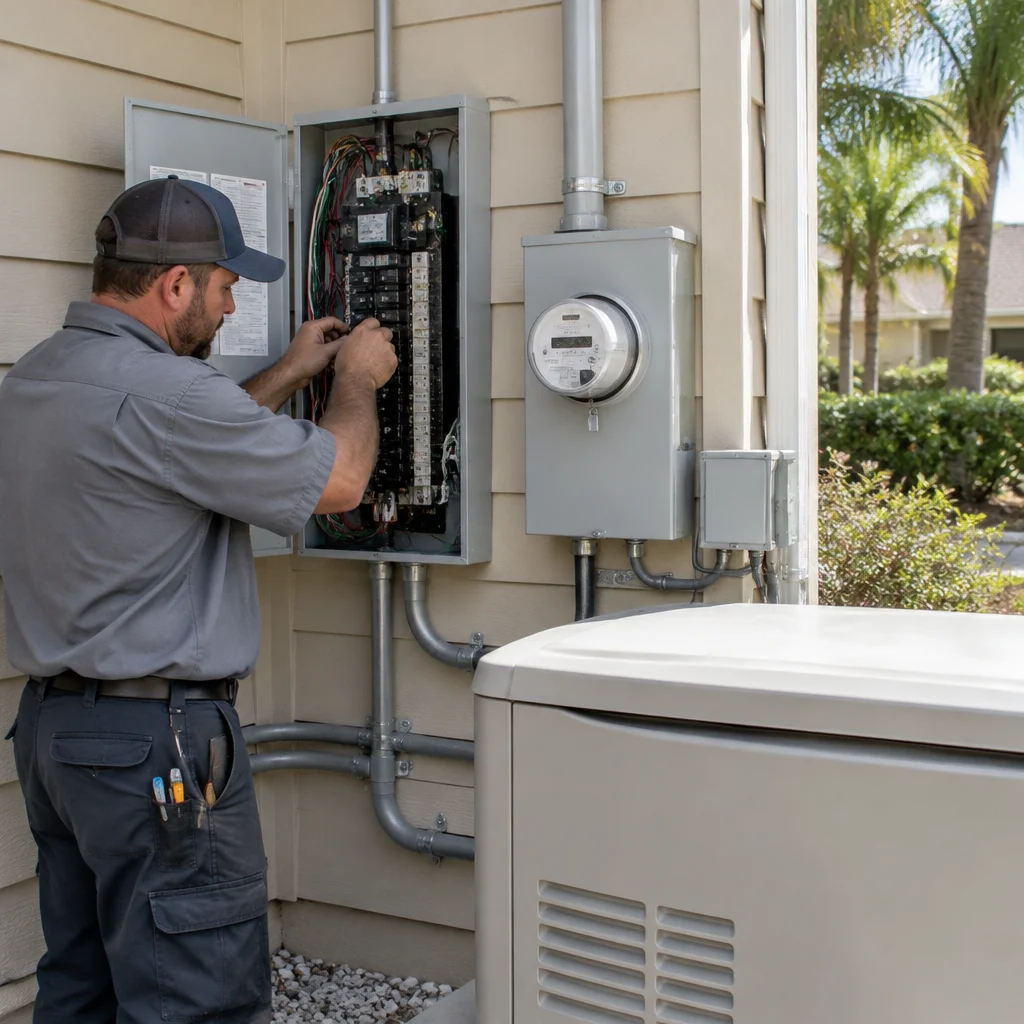
Summer storms are part of life in Walton County. Heavy rain, lightning, and power interruptions can all affect mini-split systems. A sudden outage or surge may trip breakers, damage controls, or create communication faults between the indoor and outdoor units.
Wind-driven rain and airborne debris can also affect the outdoor condenser. If vegetation, sand, or yard debris collects around the unit, airflow drops and the system has to work harder. After major weather events, it is a good idea to inspect the area around the condenser and make sure the equipment is still level, clear, and undamaged.
When a unit stops working after a storm, do not assume it is a simple thermostat issue. Ductless systems rely on boards, sensors, and communication wiring, so electrical events can have a bigger impact than many homeowners expect. If the system will not restart, local 24/7 emergency HVAC services may be the safest next step.
Common signs local weather is affecting your mini-split
Some mini-split issues build slowly, while others appear right after a stretch of extreme weather. Watch for these signs:
Weak cooling or uneven room temperatures
If one room never seems comfortable, the unit may be struggling with heat load, dirty filters, blocked coils, low refrigerant, or a sizing problem. In beach homes with lots of sun exposure, upper rooms and west-facing spaces often reveal system weaknesses first.
Musty odors from the indoor unit
Coastal humidity can lead to biological growth inside the air handler if filters, blower wheels, or evaporator coils are dirty. A musty smell is often one of the first clues that cleaning and maintenance are overdue.
Water leaks or drain issues
A clogged condensate line is common in humid climates. If you see water near the indoor unit or staining on the wall below it, the drain system should be checked quickly before moisture damage spreads.
Higher electric bills
When salt buildup, dirty coils, restricted airflow, or worn components reduce efficiency, your mini-split may run longer and use more energy. If your usage jumps without a clear reason, the system may be losing performance.
Corrosion or visible outdoor damage
Rust, coil deterioration, faded insulation, or damaged electrical covers around the outdoor unit are signs that coastal exposure is taking a toll. Catching these conditions early can sometimes prevent more expensive repairs.
Frequent error codes or shutdowns
Ductless systems often display fault codes when sensors, boards, communication wiring, or drainage problems occur. If the unit resets and fails again, there is usually an underlying issue that needs professional diagnosis.
What homeowners can do to reduce weather-related problems
Keep filters clean
Dirty filters reduce airflow and make it harder for the system to cool and dehumidify. In Seagrove Beach, where systems often run for long stretches, filter cleaning matters more than many homeowners realize. Vacation rentals may need this checked more often because occupancy patterns vary.
Keep the outdoor unit clear
Trim vegetation back and remove leaves, sand, and debris around the condenser. The unit needs open airflow to reject heat properly. Do not stack items against it or let landscaping crowd the cabinet.
Rinse away salt and buildup when appropriate
Coastal equipment benefits from regular exterior cleaning, but it should be done carefully. A gentle rinse may help remove salt and surface debris from the outdoor cabinet and surrounding area, but harsh cleaning methods can damage fins or electrical components. If you are unsure, ask a professional what is safe for your system.
Pay attention to drainage
If your mini-split handles a lot of humidity, the condensate system needs to stay clear. Slow drainage, dripping, or odor near the indoor head are signs to schedule service before the issue causes wall or ceiling damage.
Use routine maintenance instead of waiting for a breakdown
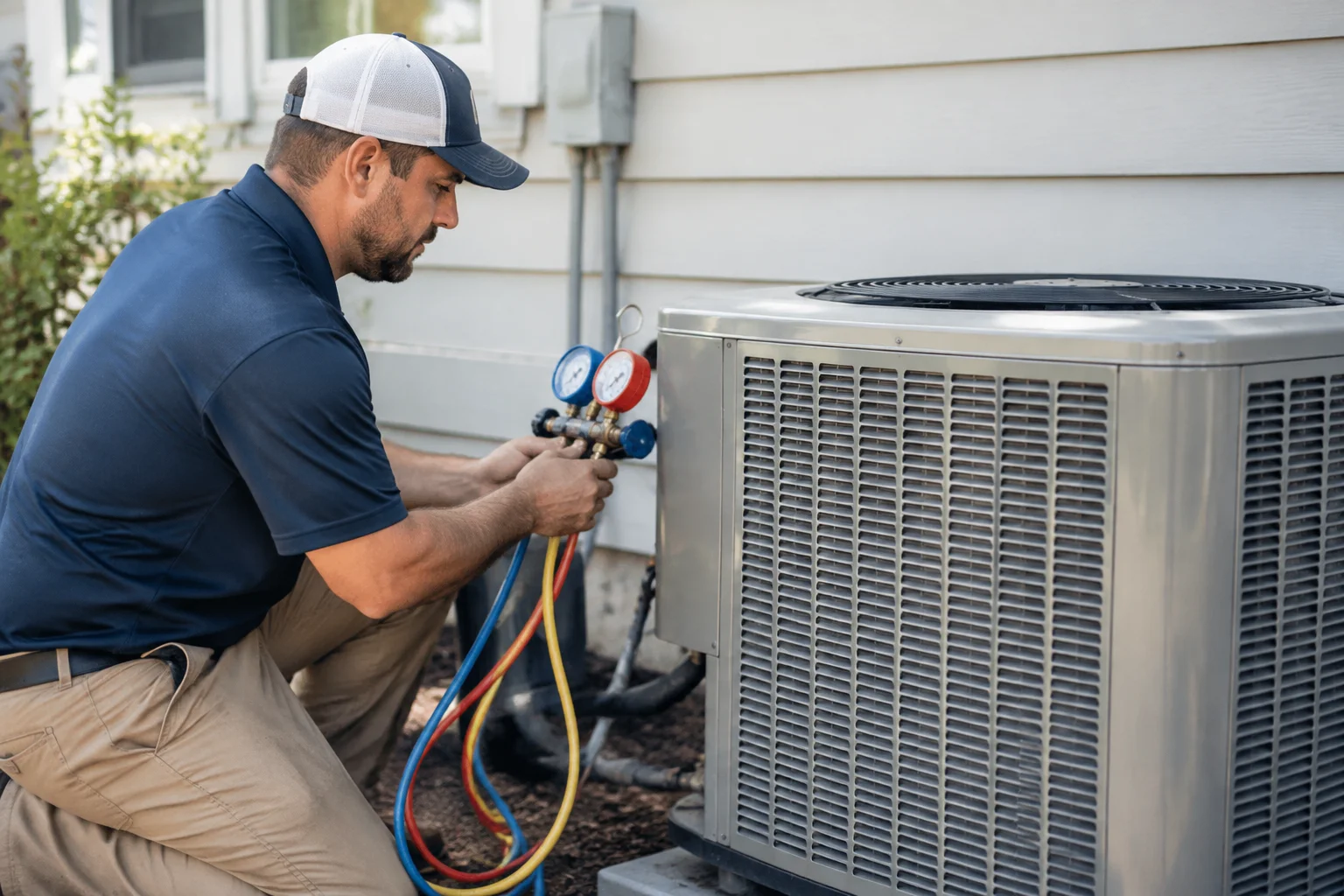
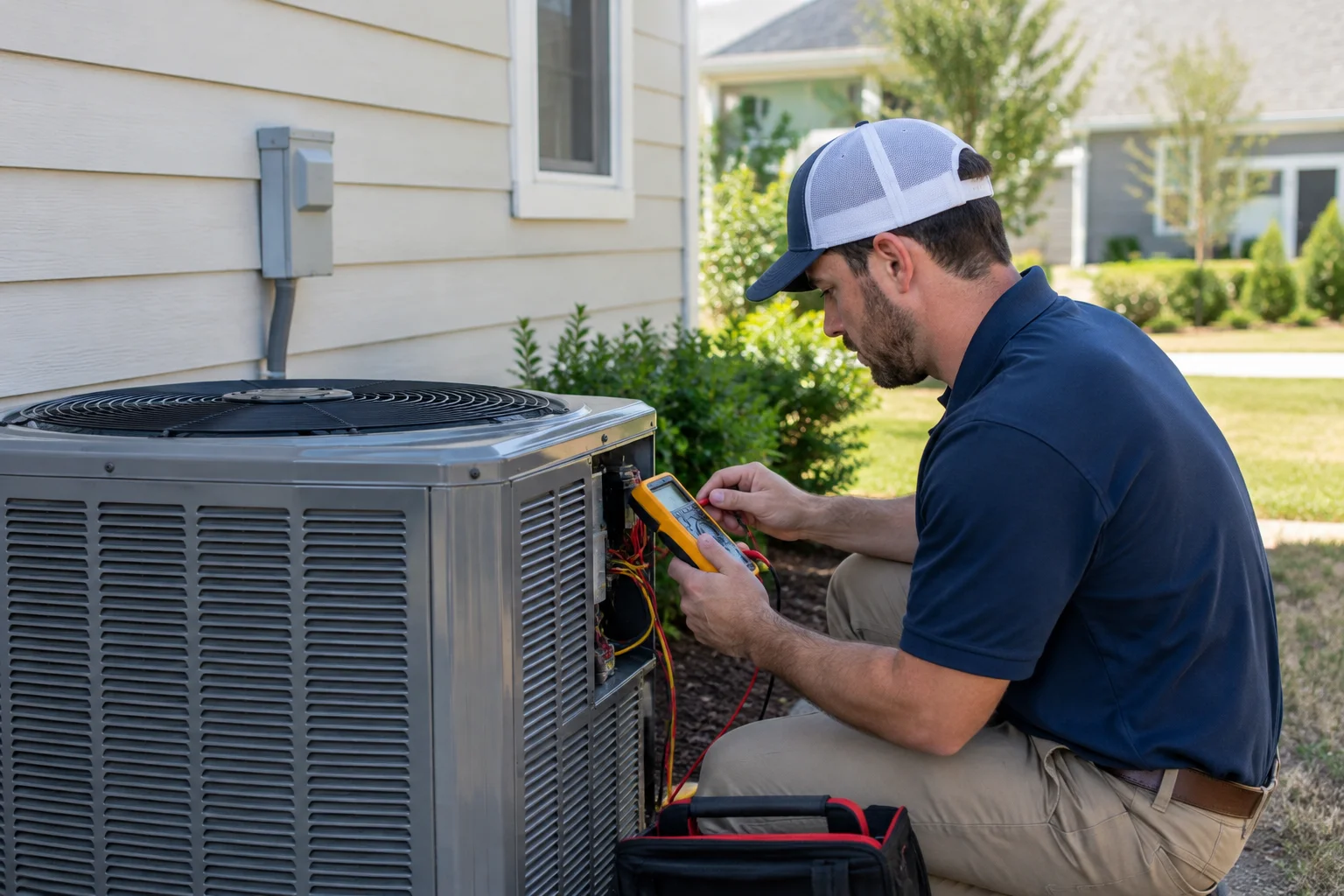
Preventive service is especially valuable in coastal Florida. A tune-up can catch early corrosion, drainage problems, dirty coils, electrical wear, and refrigerant issues before they become major repairs. That is important for full-time residents and even more important for second homes and rentals that may sit vacant between visits.
Why local service matters in Seagrove Beach
Mini-split systems are specialized equipment. They are not serviced exactly like a standard ducted air conditioner, and coastal conditions add another layer of complexity. A local HVAC company familiar with Seagrove Beach homes can evaluate more than just the equipment itself.
They can consider how salt exposure, rental use, home layout, humidity load, and storm history affect system performance. They also understand common local building types, from compact beach cottages to multi-story vacation homes and condos with limited mechanical space.
A technician who works regularly in this area is also more likely to recognize when a comfort complaint is tied to the building itself, such as sun load, insulation gaps, drainage routing, or room-by-room usage patterns. That local perspective can lead to better recommendations, whether you need cleaning, repair, replacement, or a new zone added to the home.
For property owners with both ducted and ductless equipment, it can also help to understand how the systems compare. If another part of the house uses ductwork, these related articles may be useful: Duct Replacement in Seagrove Beach, FL: Common Problems and Solutions and Duct Inspection in Seagrove Beach, FL: Answers to Common Questions.
Repair or replace? What local conditions can mean for long-term planning
Not every mini-split problem means the system needs to be replaced. Many issues, including drain clogs, dirty coils, sensor faults, and minor electrical repairs, can be fixed if caught in time. But in Seagrove Beach, corrosion and extended weather exposure can change the equation.
If the outdoor coil is heavily deteriorated, the unit has ongoing refrigerant issues, or multiple major components are failing, replacement may be more practical than repeated repair. This is especially true for older systems in high-salt locations or for rental properties where reliability matters during peak season.
Homeowners should also think about whether the existing system still fits the space. Renovations, enclosed patios, occupancy changes, and added heat load from windows or appliances can all affect performance. A properly sized and properly placed replacement may solve comfort problems that repairs alone cannot fix.
For light commercial properties, small offices, retail spaces, and mixed-use buildings in the area, weather-related HVAC planning can be even more important because downtime affects customers and operations. Businesses may also want to review options for commercial HVAC repair or commercial HVAC installation. Broader regional articles like How Local Weather Affects Commercial HVAC Repair in Destin, FL and What to Expect From Commercial HVAC Repair in Upper Grand Lagoon, FL also show how Gulf Coast weather shapes HVAC needs across nearby communities.
When to call a professional for your ductless mini-split
Some maintenance tasks, like cleaning accessible filters and keeping the outdoor area clear, are reasonable for homeowners. But many mini-split problems need professional service, especially in a coastal environment.
Call a qualified technician if your system is blowing warm air, leaking water indoors, showing error codes, freezing up, tripping breakers, making unusual noises, or struggling to control humidity. You should also schedule service if you see corrosion on outdoor components, smell mildew from the indoor head, or notice that certain rooms no longer stay comfortable.
Professional maintenance is also a smart move before peak summer heat, after a major storm event, and before high-occupancy rental periods. Catching small issues early can help avoid emergency breakdowns when outdoor temperatures and humidity are at their worst.
A Superior Mechanical provides ductless mini-split installation, repair, replacement, and maintenance for homes, rentals, condos, and light commercial properties in Seagrove Beach. For homeowners searching for ductless mini-splits near them, working with a company that understands local weather, local housing styles, and the demands of coastal HVAC systems can make a real difference in comfort and reliability.
Find Ductless Mini-Splits in Seagrove Beach, FL
If you need Ductless Mini-Splits in Seagrove Beach, FL, visit our local service page or contact A Superior Mechanical today.
Map of Seagrove Beach, FL
Frequently Asked Questions
Do ductless mini-splits work well in Seagrove Beach, FL?
Yes. Ductless mini-splits are a good fit for many Seagrove Beach homes, including condos, beach cottages, additions, guest spaces, and vacation rentals. They offer efficient zoned cooling, but they need regular maintenance because heat, humidity, salt air, and storms can affect performance.
How does salt air affect a ductless mini-split?
Salt air can speed up corrosion on outdoor coils, wiring connections, cabinet surfaces, and other components. Over time, that can reduce efficiency and shorten system life. Coastal systems should be inspected and maintained more carefully than systems farther inland.
Why is my mini-split not removing humidity well?
Poor humidity control can be caused by dirty filters, clogged coils, blocked condensate drains, low refrigerant, airflow problems, or an incorrectly sized system. In Seagrove Beach, heavy humidity makes these issues more noticeable, so prompt service is important.
When should I call for professional mini-split service?
Call a professional if your system leaks water, blows warm air, shows error codes, smells musty, trips breakers, or struggles to keep rooms comfortable. It is also wise to schedule service before summer, after major storms, and for routine maintenance in coastal conditions.
Related Articles
Photo Gallery