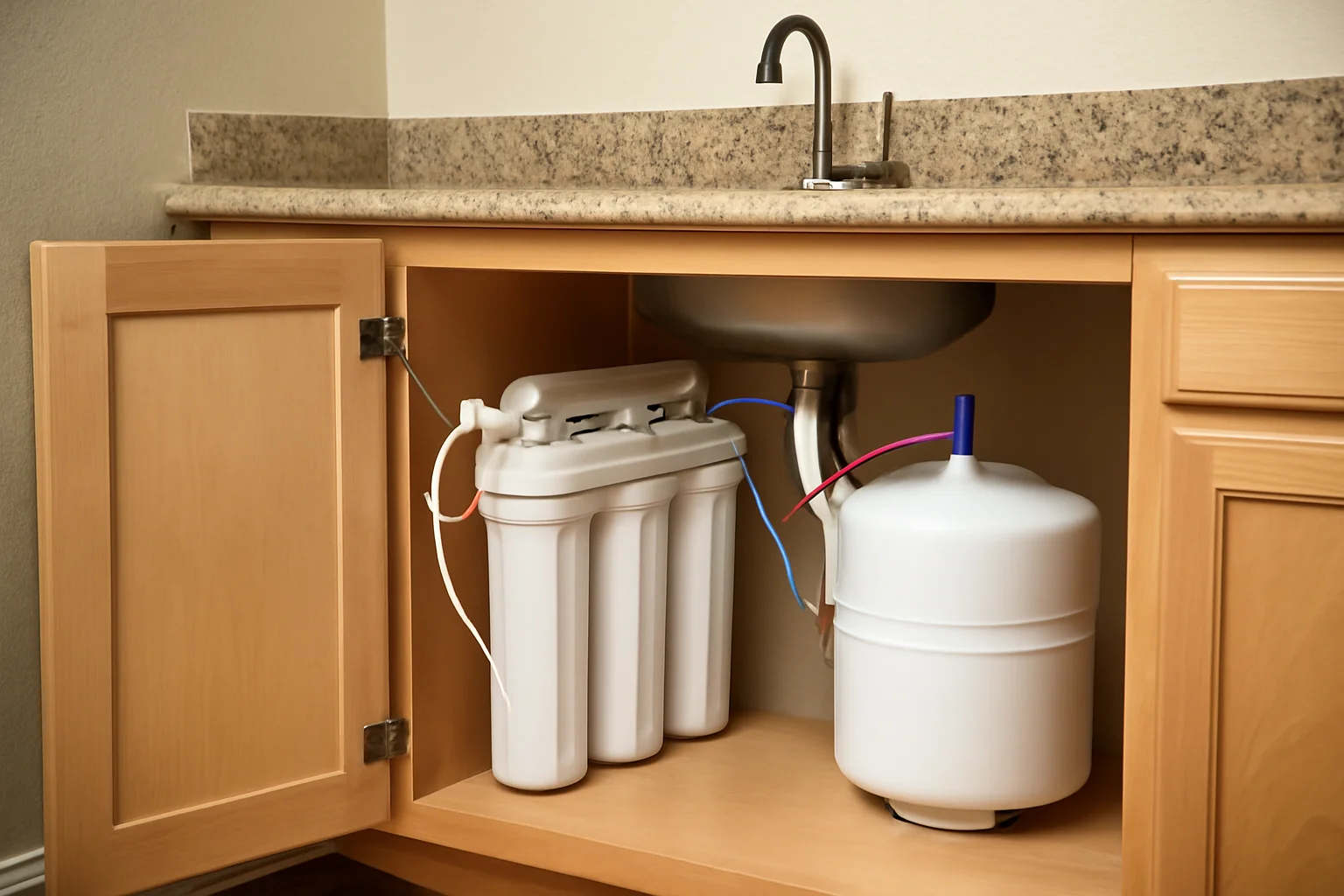
DeFuniak Springs homes rely on clean, reliable water for everything from morning coffee to bathing and laundry. A reverse osmosis system can be a big upgrade, especially for homeowners noticing metallic or chlorinated taste, cloudy ice cubes, or sediment in household water. But even a well-installed reverse osmosis system has weak points. When the system is pushed too hard or maintained too loosely, the problems can show up elsewhere in your plumbing, shortening the life of fixtures and appliances.
This guide explains what can cause reverse osmosis system problems in DeFuniak Springs, FL, and why those issues can lead to scale buildup on faucets and showerheads, dry skin after bathing, and appliances wearing out faster. You will also find practical prevention steps and clear indicators that it is time for professional water treatment service.
Reverse osmosis systems and the fixture life connection
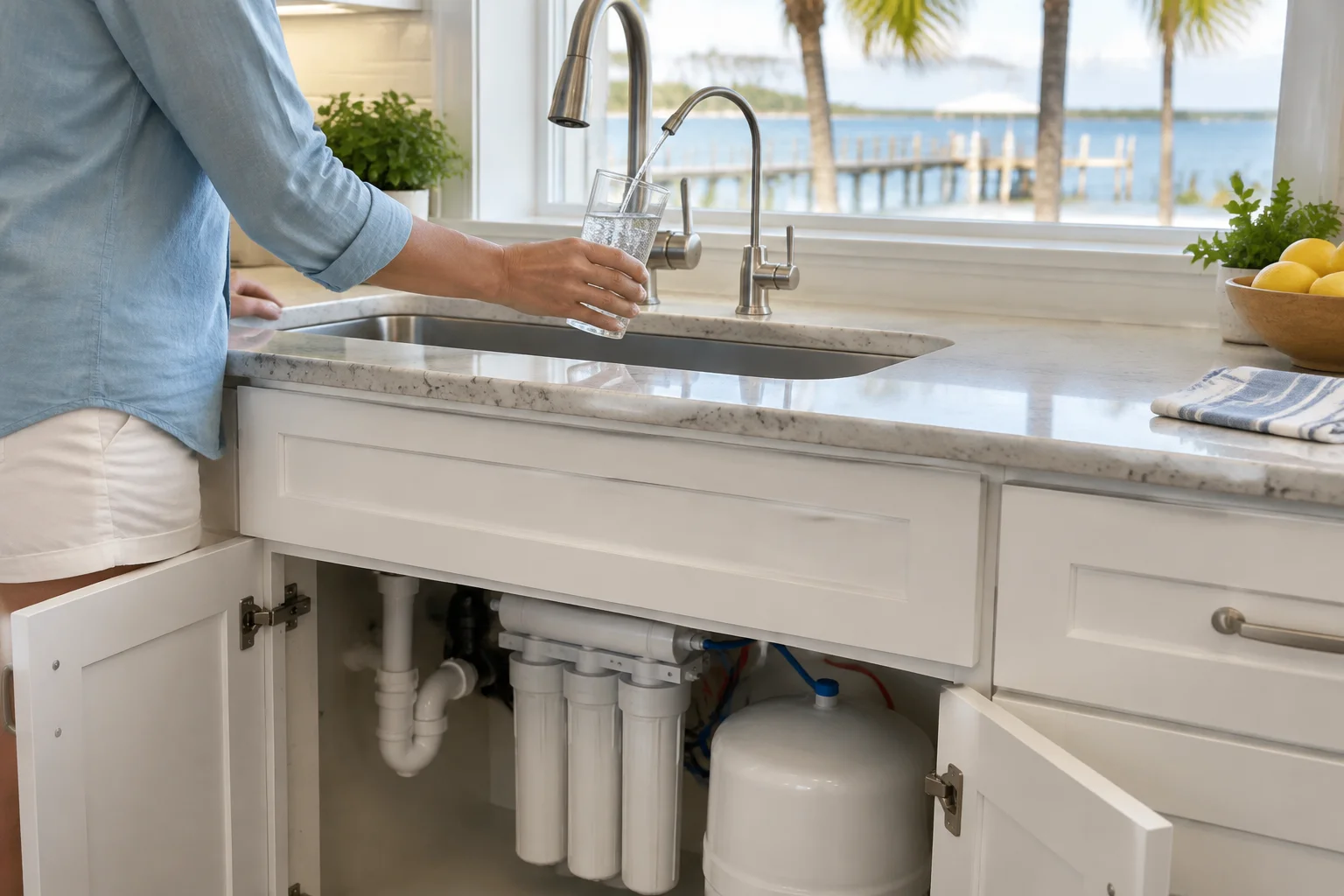
Reverse osmosis, or RO, works by pushing water through a semi-permeable membrane that removes dissolved contaminants. Most systems also include pre-filters and post-filters so the membrane is protected and the final water tastes better. When those parts are not matched to your water conditions, or when filters and membranes age out, water quality can slip.
That slip matters because water quality affects more than drinking water. If your household water is not properly treated, you may still see scale and residue on fixtures. Over time, scale buildup can narrow flow paths, increase stress on valves and aerators, and make faucets and showerheads look older sooner. It can also contribute to the kind of dull buildup that makes soap harder to rinse and can leave skin feeling dry after bathing.
If you are searching for reverse osmosis systems in DeFuniak Springs, FL, it helps to understand what commonly shortens system life and what to do before water issues spread through the home.
Hard water and scale that RO cannot fully fix
Many homeowners in the Walton County area deal with mineral content that leads to hard water spots on glass, dishes, and fixtures. You might notice:
- White or gray spots on shower doors and drinking glasses
- Scale buildup around faucets and showerheads
- Rough-feeling buildup on sink edges and tub surfaces
- Soap that does not lather or rinse well
RO is not a magic eraser for all mineral issues. While the membrane can remove many dissolved substances, scale forming minerals can still affect the system if pre-treatment is not adequate. When scale forms inside equipment, it can foul the membrane and reduce flow. That means the system works harder to produce the same amount of treated water.
When reverse osmosis struggles, homeowners often see:
- Slower production, such as smaller batches of drinking water
- More frequent filter changes than expected
- Inconsistent taste, especially for filtered water for coffee and cooking
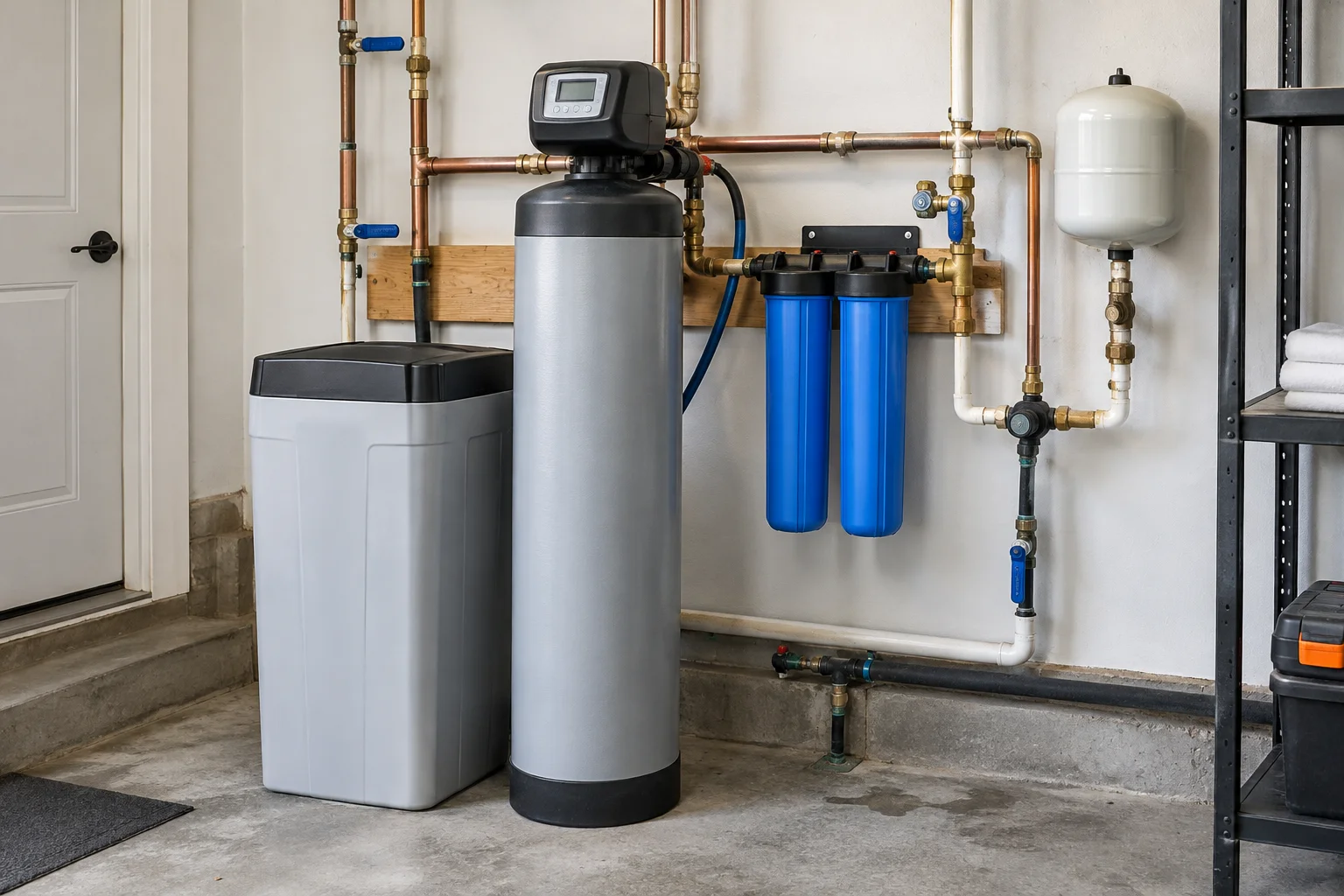
For households where hard water treatment becomes part of protecting fixtures and appliances, pairing RO with proper water softening or other pre-treatment can extend system life. A qualified technician can evaluate whether water softening, a whole house water filter, or both make sense for your setup.
Clogged pre-filters and sediment in household water
RO systems rely on pre-filters to protect the membrane. If your water has visible sediment, discoloration, or odor concerns, those pre-filters can clog faster. Even if the RO membrane is doing its job, a clogged pre-filter can reduce pressure and push the system outside its ideal operating range.
Common household clues include:
- Metallic tasting water or a noticeable change in taste
- Cloudy ice cubes from the kitchen
- Particles in the sink or around the RO drinking water line
- Faster-than-usual filter replacement schedules
Clogging is especially likely when a household has seasonal changes, well pump fluctuations, or changes in municipal supply. It is also common in homes where other water treatment equipment is overdue. If you are looking for water filtration and RO water softeners, it is worth asking how your system is protected from sediment and how filter life is monitored.
When the membrane ages out or gets stressed
The RO membrane is the heart of the system. Over time, it naturally wears out. But it can also fail early when it is stressed by poor water conditions or incorrect maintenance.
Membrane stress often comes from:
- Insufficient pre-treatment for scale and sediment
- Filters not changed on schedule
- Low or high water pressure that keeps the membrane working outside its design range
- Chlorine exposure that damages membrane materials
Homeowners typically notice the results first in the kitchen. You may see metallic, chlorinated, or unpleasant taste returning. Poor quality filtered water for coffee and cooking can show up as off flavors in beverages, or residue in pots and kettles.
Once the membrane is compromised, the system may still run, but the water may not be as clean. That can lead to more sediment and residue showing up around fixtures and appliances. If you have noticed appliances wearing out faster, it is smart to consider whether water treatment is keeping up.
Chlorine, taste issues, and the role of carbon filtration
Many municipal water supplies use chlorine or chloramine for disinfection. RO systems often include carbon filtration stages to improve taste and protect the membrane from certain chemicals. If the carbon filter is exhausted, it may not remove taste and odor effectively.
That can show up as:
- Chlorinated or unpleasant taste in drinking water
- Odor concerns that are strongest from the RO tap
- Water that tastes different from month to month
In many DeFuniak Springs kitchens, this is the first thing family members notice. A typical day might include kids grabbing water from the RO spout, coffee brewing for guests, and cooking meals where water flavor matters. When the taste changes, people often blame the coffee or the brand of tea. Sometimes the real issue is that the carbon stage is overdue or the system needs a different configuration for your local water.
Wrong filter sizes, incorrect cartridges, or skipped maintenance
One of the most common causes of RO system problems is simple: filters are not the right type, not installed correctly, or not replaced on time. Even if you buy replacement parts, the system performance can suffer if the cartridge size, micron rating, or filter chemistry does not match the system design.
Skipping maintenance can also lead to:
- Reduced flow rate and weaker water pressure at the RO faucet
- More frequent production cycling, which can wear components
- More sediment reaching the membrane
- Soap not lathering well because overall water quality is still off
Maintenance is not only about taste. It is about protecting the membrane and preventing conditions that lead to scale buildup on faucets and showerheads. A consistent maintenance schedule helps keep clean water systems working the way they were intended.
Pressure and plumbing issues that indirectly shorten RO life
RO systems are plumbing systems too, and they can be affected by the conditions around them. For example, if your home has inconsistent water pressure, the RO can operate less efficiently. If there are leaks or restrictions in tubing, the system may not produce water at the expected rate.
Another indirect issue is how the RO output is connected. If storage tanks or drain lines are not functioning properly, it can lead to performance problems. You might notice a decline in how long the RO water lasts before it needs time to refill.
While RO is the focus, this is why homeowners benefit from a local water treatment service approach. A technician can look at the whole setup, including pre-filtration, storage pressure, and the connection to your household plumbing.
How RO system problems show up in everyday life
Water quality problems are rarely limited to a single faucet. When RO performance drops, the entire home can start to feel the impact, especially in areas tied to hard water and residue.
Bathing: dry skin and dull hair
When minerals and residue are not controlled, many people notice dry skin or dull hair after bathing. You may also feel that shampoo does not rinse cleanly, which can leave hair looking flat and skin feeling tight. This is often connected to scale buildup and soap inefficiency.
Kitchen: cloudy ice cubes and poor tasting coffee
Cloudy ice cubes are a classic clue that dissolved solids or filtration issues are affecting your drinking water. If filtered water for coffee and cooking tastes metallic, chlorinated, or simply “off,” it can change the flavor of meals you make every day. Families in DeFuniak Springs may notice this most during weekends when the kitchen becomes the center of the home.
Fixtures: scale around faucets and showerheads
Scale buildup around faucets, showerheads, and plumbing fixtures is one of the most visible signs that water treatment is not keeping up. You might see hard water spots on glass, dishes, and fixture surfaces that require heavier cleaning than before.
Laundry and dishwashing: residue and soap that will not rinse
When soap does not lather well or does not rinse well, laundry can feel rough and dishes can come out with spots. That can also mean detergents are being used less efficiently, because the water is not behaving the way it should.
Why local conditions in DeFuniak Springs matter
DeFuniak Springs sits in Walton County, where homes can vary widely in plumbing age and water sources. Seasonal changes, local water chemistry shifts, and differences in how water is delivered can affect how quickly filters clog or how aggressively scale forms. Humidity and the local climate can also make residue more noticeable, especially in bathrooms where water sits on surfaces after showers.
That is why water treatment service matters locally. A water treatment professional serving your area can help you choose the right approach for better drinking water, protect your RO membrane, and reduce the mineral buildup that shortens fixture life.
Where AO Smith water filtration fits into a smarter plan
Some homeowners choose AO Smith water filtration because it offers dependable, whole-home and point-of-use options designed for real household needs. In a practical setup, an AO Smith system can be part of a broader plan that includes reverse osmosis for drinking water and whole home water filtration or pre-treatment for the rest of the plumbing.
That approach matters when you are trying to protect both your RO system and your fixtures. If you only treat one tap while the rest of the home is exposed to sediment and scale, you may still see hard water spots on glass and scale buildup around faucets. A combined strategy can support cleaner, better-tasting water throughout the day.
If you are comparing options for water filtration and RO water softeners in the region, ask about configurations that match your water conditions, your household size, and your goals for clean water systems near me style convenience.
Prevention and maintenance steps homeowners can do
You do not have to manage everything yourself to protect your RO system. But you can help your system last longer with a few consistent habits.
Replace filters on schedule, not on guesswork
Follow your service schedule or ask your technician to recommend intervals based on your water. Filters that are overdue can lead to membrane fouling, which shortens RO life and can increase sediment in drinking water.
Watch for taste, odor, and ice changes
If you notice metallic tasting water, chlorinated taste, or cloudy ice cubes, treat it as a performance signal. Those symptoms often mean carbon filtration stages are exhausted or the membrane is underperforming.
Keep an eye on flow rate
Slower production or reduced flow from the RO faucet can indicate clogged pre-filters, pressure issues, or membrane problems. Addressing it early helps prevent bigger failures.
Address hard water impacts to protect fixtures and appliances
If you are seeing scale buildup on faucets and showerheads, consider whether water softening or whole home water filtration is needed. Water softening can reduce scale formation, while whole house water filter systems can reduce sediment and protect plumbing components.
Use the right RO storage and plumbing practices
RO systems work best when storage tanks and connections are in good condition. If you notice leaks under sinks, wet spots, or unusual noises, schedule an inspection. Small plumbing problems can create bigger RO performance issues.
Signs it is time to call A Superior Mechanical
Many homeowners try to “wait it out,” but water treatment problems often worsen quietly. If you see several of the issues below, it is a good time to reach out for professional reverse osmosis installation, repair, or maintenance.
- Hard water spots on glass, dishes, and fixtures are increasing
- Scale buildup around faucets and showerheads is not responding to cleaning
- Dry skin or dull hair after bathing becomes more frequent
- Metallic, chlorinated, or unpleasant taste returns in drinking water
- Cloudy ice cubes appear from the RO tap
- Filtered water for coffee and cooking tastes noticeably worse
- Visible sediment, discoloration, and odor concerns show up in household water
- Appliances wearing out faster, especially those that heat or use water often
- Soap does not lather or rinse well, even when you are using normal amounts
For homeowners searching for reverse osmosis system near me service, local expertise helps because the technician can evaluate your specific water conditions and system configuration. If you also want to improve overall plumbing water quality, you can explore related options on water filtration and RO water softeners and learn how whole home water filtration near me solutions can support cleaner, better-tasting drinking water.
To understand how water treatment choices connect with fixture longevity, you may also find these reads helpful: Making Smarter Choices About Plumbing Fixture Replacement in DeFuniak Springs, FL, Cleaner Water Starts With Better Plumbing Care in DeFuniak Springs, and A Smarter Way to Handle Plumbing Maintenance in DeFuniak Springs. If you are planning ahead for household water issues, Staying Ahead of Plumbing Problems in DeFuniak Springs Homes can help you build a maintenance routine.
You can also browse more services through our DeFuniak Springs service area and Walton County coverage to see how A Superior Mechanical supports homeowners across the region.
Find Reverse Osmosis Systems in DeFuniak Springs, FL
If you need Reverse Osmosis Systems in DeFuniak Springs, FL, visit our local service page or contact A Superior Mechanical today.
For a broader look at whole-home water filtration, reverse osmosis, and water softener options, visit our water filtration, RO, and water softener page.
Map of DeFuniak Springs, FL
Frequently Asked Questions
Why does my reverse osmosis water taste metallic or chlorinated even though the system is running?
Metallic or chlorinated taste often points to an exhausted carbon stage or reduced membrane performance. It can also happen if pre-filters are clogged and the system cannot produce water at the expected quality. A technician can test flow and check filter and membrane condition.
Can reverse osmosis problems lead to scale buildup on faucets and showerheads?
Yes. If RO performance is reduced or if only one tap is treated while the rest of the plumbing still gets hard water, scale buildup can continue. When the membrane is fouled or pre-treatment is insufficient, water quality can also become less consistent. Whole home water filtration or water softening may be needed to protect fixtures and appliances.
How often should RO filters and membranes be replaced in DeFuniak Springs, FL?
Typical intervals vary based on incoming water quality, household usage, and whether you have sediment and scale challenges. Homeowners often see faster filter clogging when sediment or hard water is present. A Superior Mechanical can recommend a schedule based on your system and local water conditions.
What are early signs my RO system needs service?
Common early signs include reduced RO flow, cloudy ice cubes, unpleasant or metallic taste, visible sediment concerns, and increasing hard water spots on glass and dishes. If you notice these symptoms, it is best to schedule RO system repair or maintenance before the membrane is damaged.
Related Articles
Photo Gallery