A slow shower drain after a beach weekend might be a simple hair clog. A shower that fills with wastewater when someone flushes the toilet points to something more serious. Knowing the difference helps Seaside homeowners avoid wasted effort and limit property damage.
Good sewer repair and maintenance in Seaside, FL starts with understanding how fixtures, drainpipes, and the main sewer line work together. For year-round residences, second homes, and vacation rentals, a practical maintenance plan can catch trouble before a busy household pushes a restricted pipe into a full backup.
Why sewer care matters in a coastal community
Seaside homes face a combination of coastal moisture, heavy seasonal rain, landscaping, and changing occupancy. A rental may go from nearly empty to full bathrooms, frequent laundry, and constant kitchen use in a day. That increased wastewater flow can reveal a blockage that went unnoticed during quieter weeks.
Rain should not enter an intact sanitary sewer line. However, cracked pipes or leaking joints can allow groundwater into the system. Soil movement or erosion around compromised piping may also affect support and alignment. These possibilities require inspection rather than an assumption that every rainy-weather backup has the same cause.
Coastal exposure can affect some exposed metal plumbing components, but buried sewer performance depends heavily on pipe material, installation, age, and condition. Local plumbing service matters because property access, drainage conditions, and occupied rental schedules all influence how an inspection or repair should be planned.
Read the pattern before treating the clog
One slow fixture usually points closer to home
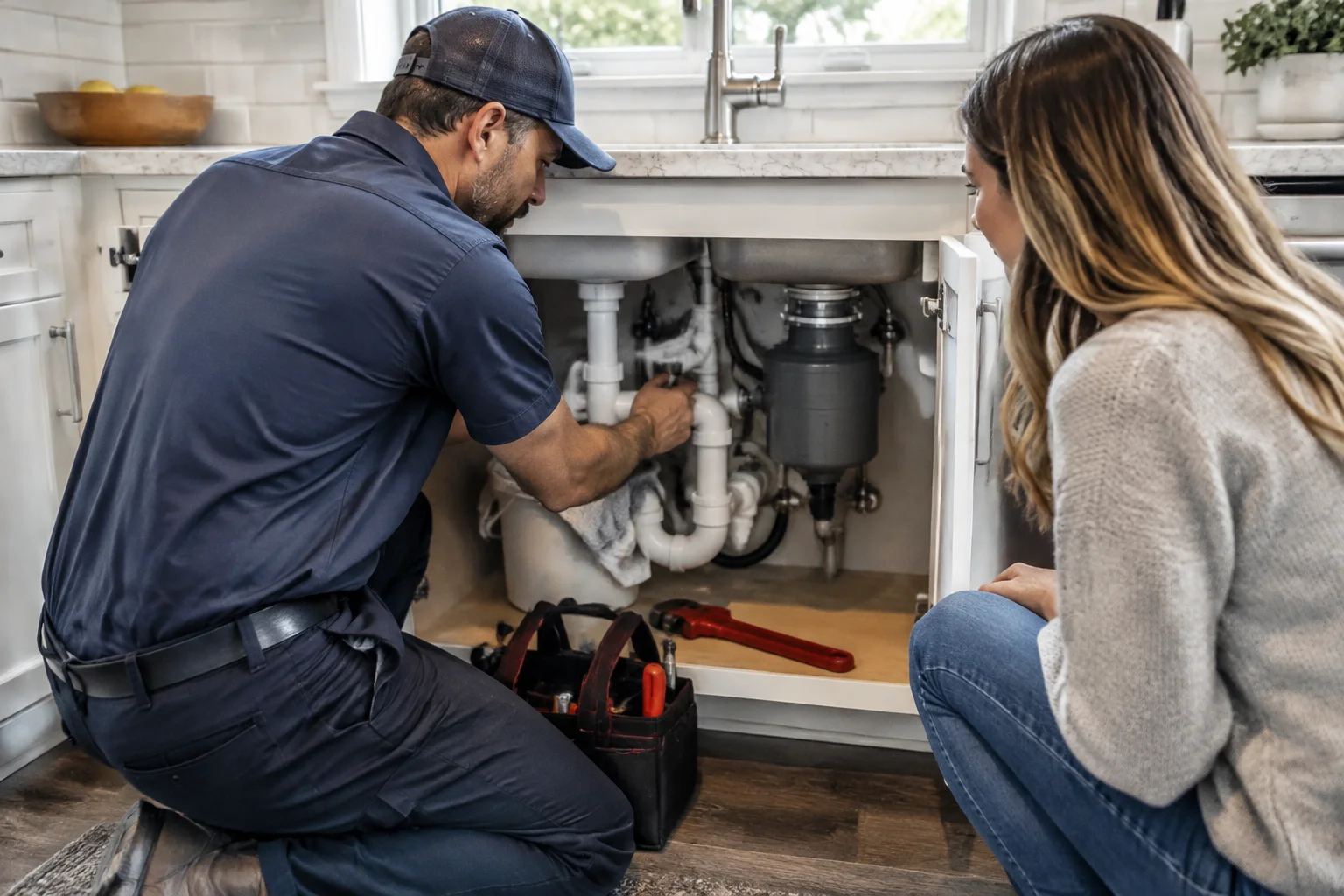
If only the bathroom sink drains slowly, the restriction may be in its stopper, trap, or nearby branch drain. Hair and soap collect in bathroom piping, while grease and food residue cause trouble in kitchens. A removable strainer or stopper may reveal the problem without disturbing anything deeper.
Homeowners searching for slow drain repair near me should note which fixture is affected, when the slowdown began, and whether other drains behave normally. That information helps a plumber distinguish a local clog from a developing sewer restriction.
Several affected fixtures suggest a shared problem
Multiple slow drains, bubbling toilets, and wastewater rising into a tub deserve prompt attention. The lowest fixtures often show a backup first because wastewater follows the easiest available path. A toilet that gurgles when the washing machine empties may indicate a shared drain restriction or a venting issue.
Sewer odors also warrant investigation, but they do not automatically mean a broken sewer line. A dry trap in an infrequently used guest bathroom can allow odors inside. If adding water to the trap does not resolve the smell, or it returns repeatedly, have the plumbing evaluated.
What causes recurring sewer trouble?
Grease, wipes, and accumulated debris
Cooking grease can cool and cling to pipe walls, gradually narrowing the passage. Wipes, even those labeled flushable, can snag and contribute to blockages. Paper towels, hygiene products, and dental floss belong in the trash, not the toilet.
Sand from beach days is another avoidable burden. Brush it off outdoors before showering and use strainers to catch hair and debris. Do not sweep sand into floor drains or assume that extra water will safely carry every material through the plumbing.
Roots, damaged joints, and poor pipe alignment
Roots can enter through existing openings in sewer piping and expand inside the line. Clearing the roots may restore drainage, but a damaged joint can remain vulnerable to regrowth. Repeated cleaning without assessing the opening may leave the underlying problem unresolved.
Cracks, offsets, and bellies can also create recurring stoppages. A belly is a low section where wastewater and solids collect. Cleaning cannot correct the slope of a settled pipe. Homeowners searching for sewer line repair near me benefit from an inspection that identifies both the obstruction and the condition that allowed it to develop.
Choose the solution after inspecting the line
A Superior Mechanical provides sewer repair and maintenance in Seaside, including inspections, cleaning, repairs, and trenchless solutions. The appropriate approach depends on what the line actually needs, not simply how often it has backed up.
Camera inspection and targeted cleaning
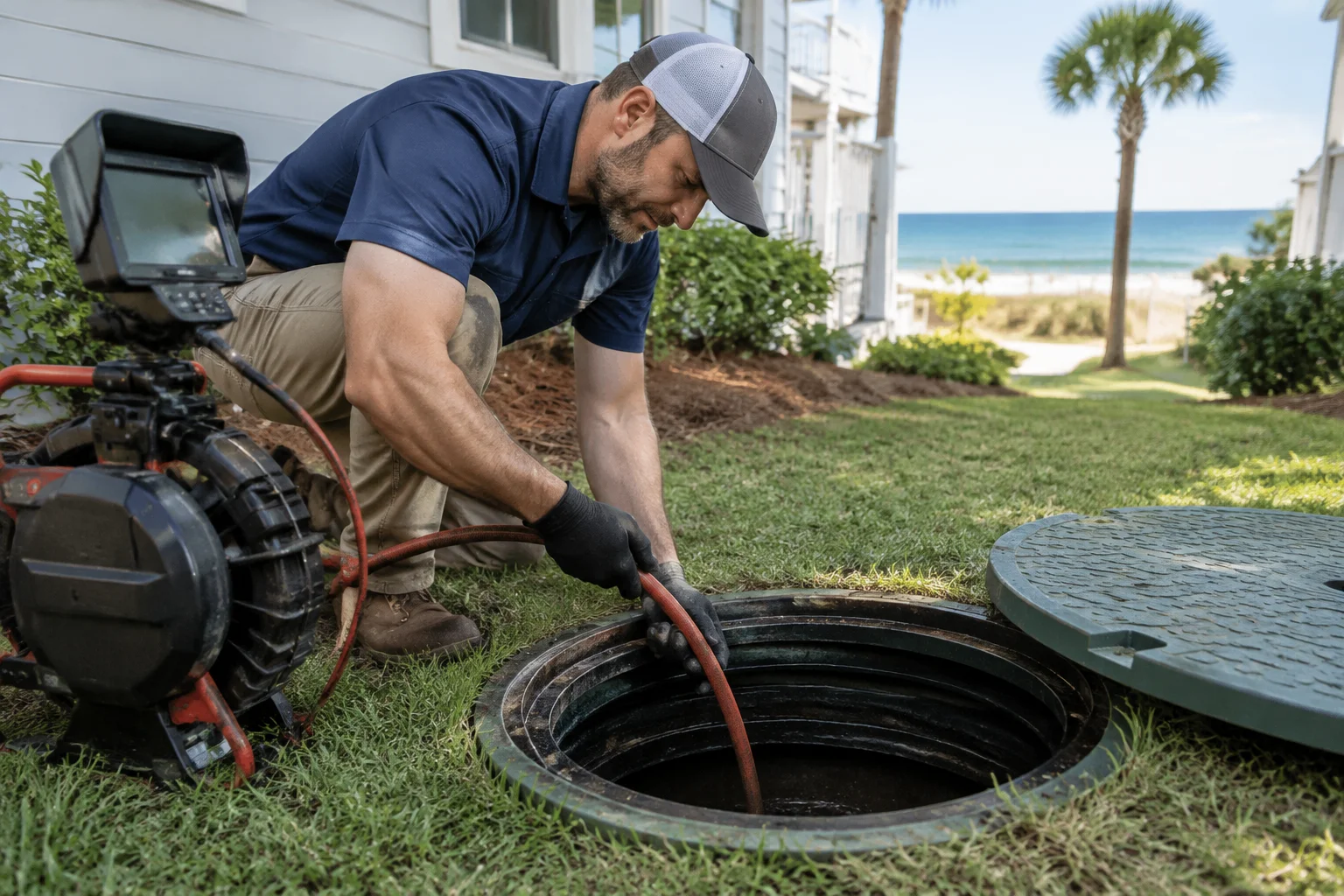
A sewer camera can help locate visible roots, damaged joints, debris, and standing water. Access and pipe conditions affect what the technician can see. A heavily blocked line may need cleaning before the inspection produces useful images, and a camera alone cannot prove that every joint is watertight.
Mechanical cleaning or hydro jetting may be appropriate depending on the obstruction and pipe condition. High-pressure cleaning is not automatically the best choice for fragile or badly damaged piping. If you are searching for sewer drain cleaning near me, ask how the plumber will assess the pipe before selecting equipment.
For localized restrictions, clogged drain and pipe cleaning services may address the problem without a larger repair. Persistent symptoms after cleaning justify further investigation.
Spot repairs, replacement, and trenchless options
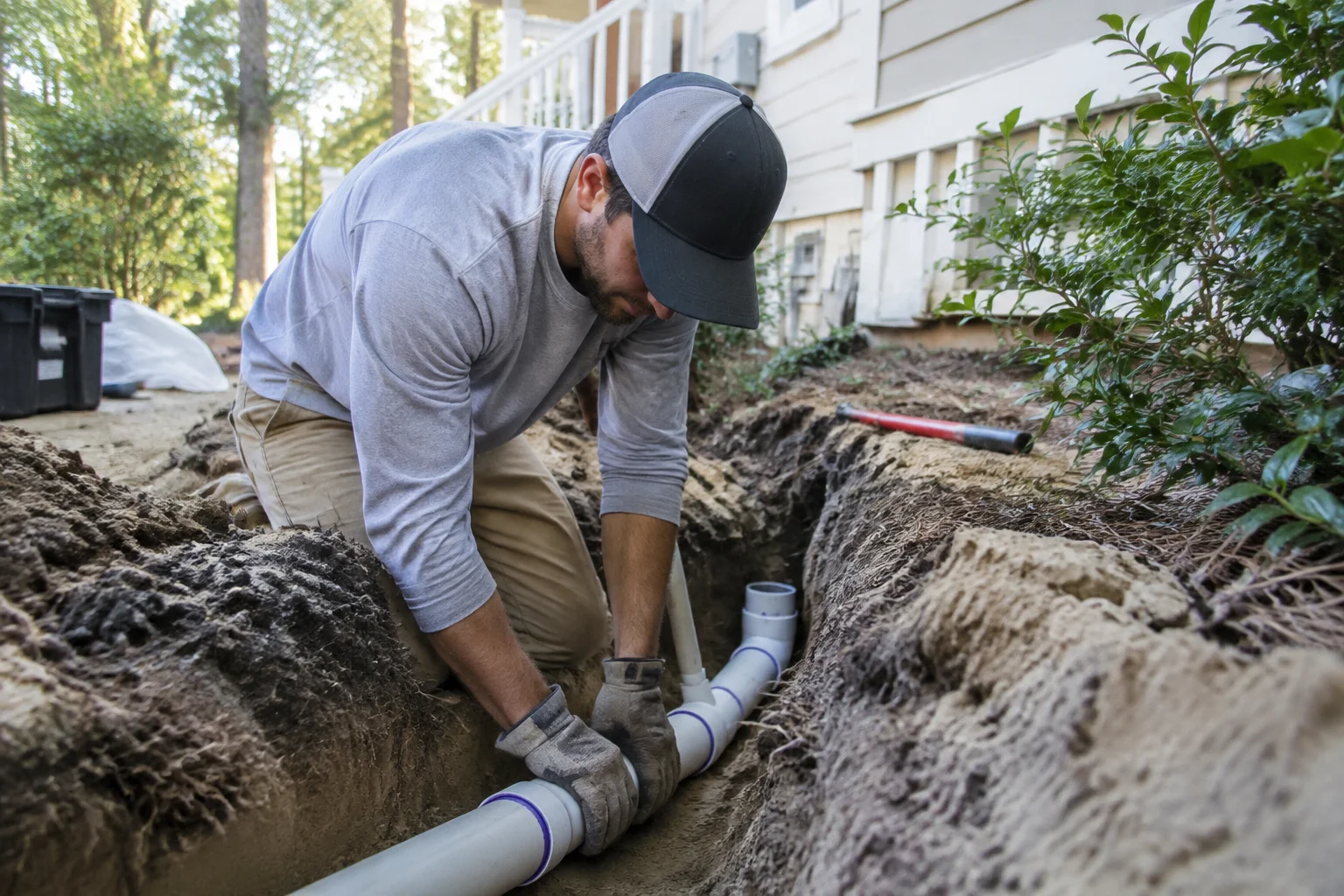
A limited defect may allow a targeted repair. More extensive deterioration, collapse, or alignment problems may require replacement. Trenchless methods can reduce excavation in suitable situations, but they are not right for every pipe, and lining generally does not correct a significant belly.
Before approving work, ask about the damaged section, access requirements, applicable permits, landscape restoration, and how the completed repair will be checked. A clear explanation should separate necessary repairs from optional improvements.
Do not confuse a sewer issue with a supply leak
Water supply pipes bring pressurized water into the home; drain and sewer pipes carry wastewater away. Low water pressure, a rising water bill, or a meter that continues moving when all water use is stopped may suggest a supply leak. A sewer blockage does not ordinarily reduce faucet pressure.
Account for irrigation, automatic equipment, and running toilets before interpreting a meter check. Damp flooring, unexplained warmth underfoot, or the sound of running water may justify leak detection, but no single symptom confirms a slab leak. Moisture can also come from drainage problems or other building sources.
Professional water leak repairs in Seaside should begin with locating the source. Accurate diagnosis helps avoid unnecessary cutting into a slab or wall. A plumbing inspection can also include pressure testing and checking a pressure regulator, if present.
Small fixture repairs belong in the same maintenance plan. A running toilet wastes water even when its drain works properly. A dripping faucet may need a cartridge, seal, or another component rather than a full replacement. Fixing these problems reduces waste without confusing them with sewer damage.
Hard water and water heaters need separate attention
Mineral deposits around faucets or on showerheads can suggest hard water, but testing is the best way to understand your home's supply. Hardness varies, so a Seaside address alone does not establish whether treatment is necessary. Scale can affect fixtures and water heater performance; it is not a blanket explanation for sewer backups.
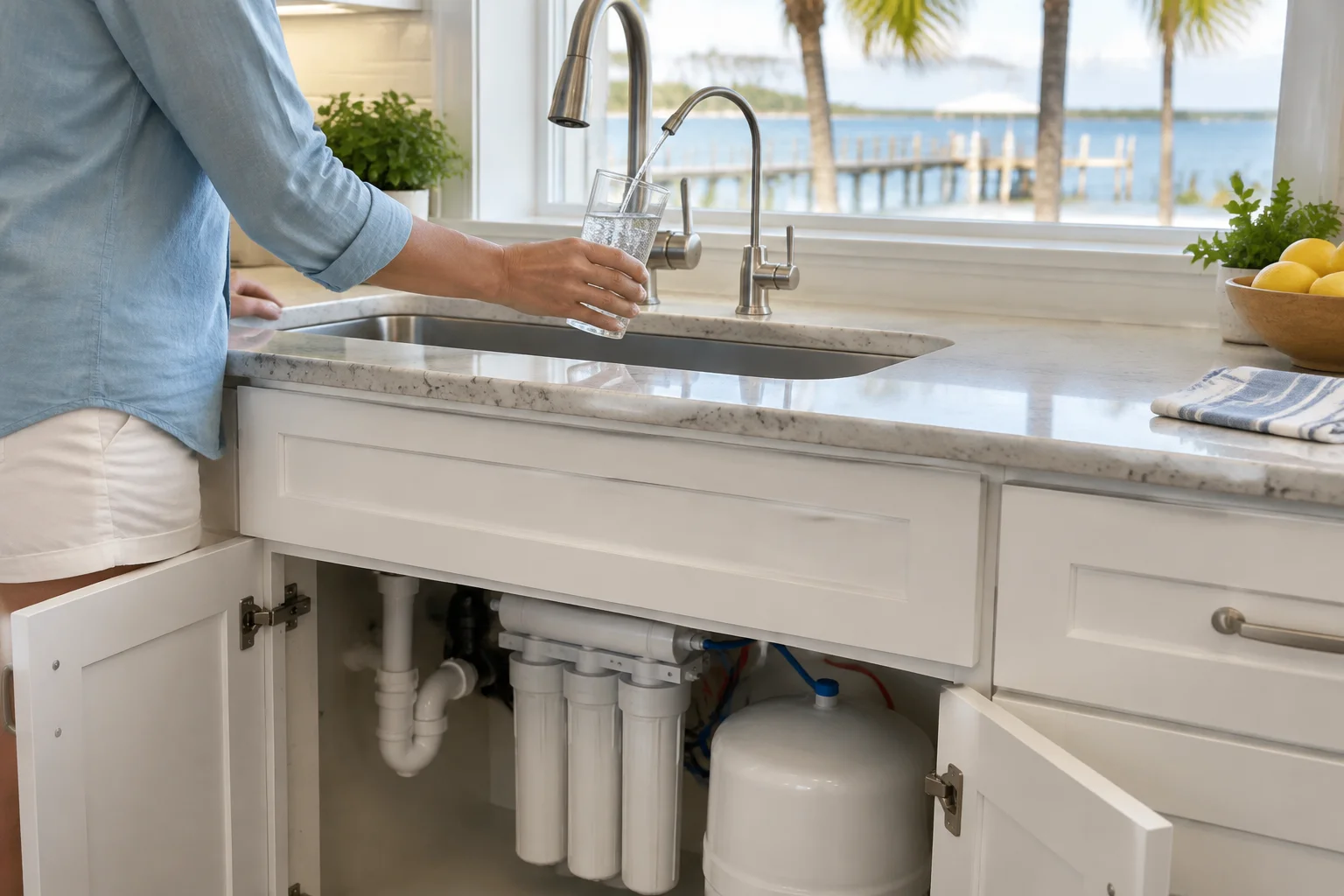
Explore clean water services based on measured water conditions. Different systems address different concerns. A drinking-water reverse osmosis unit does not treat every fixture, and a basic sediment or carbon filter does not necessarily remove hardness. The guide to everyday water filtration in Seaside offers additional context for that discussion.
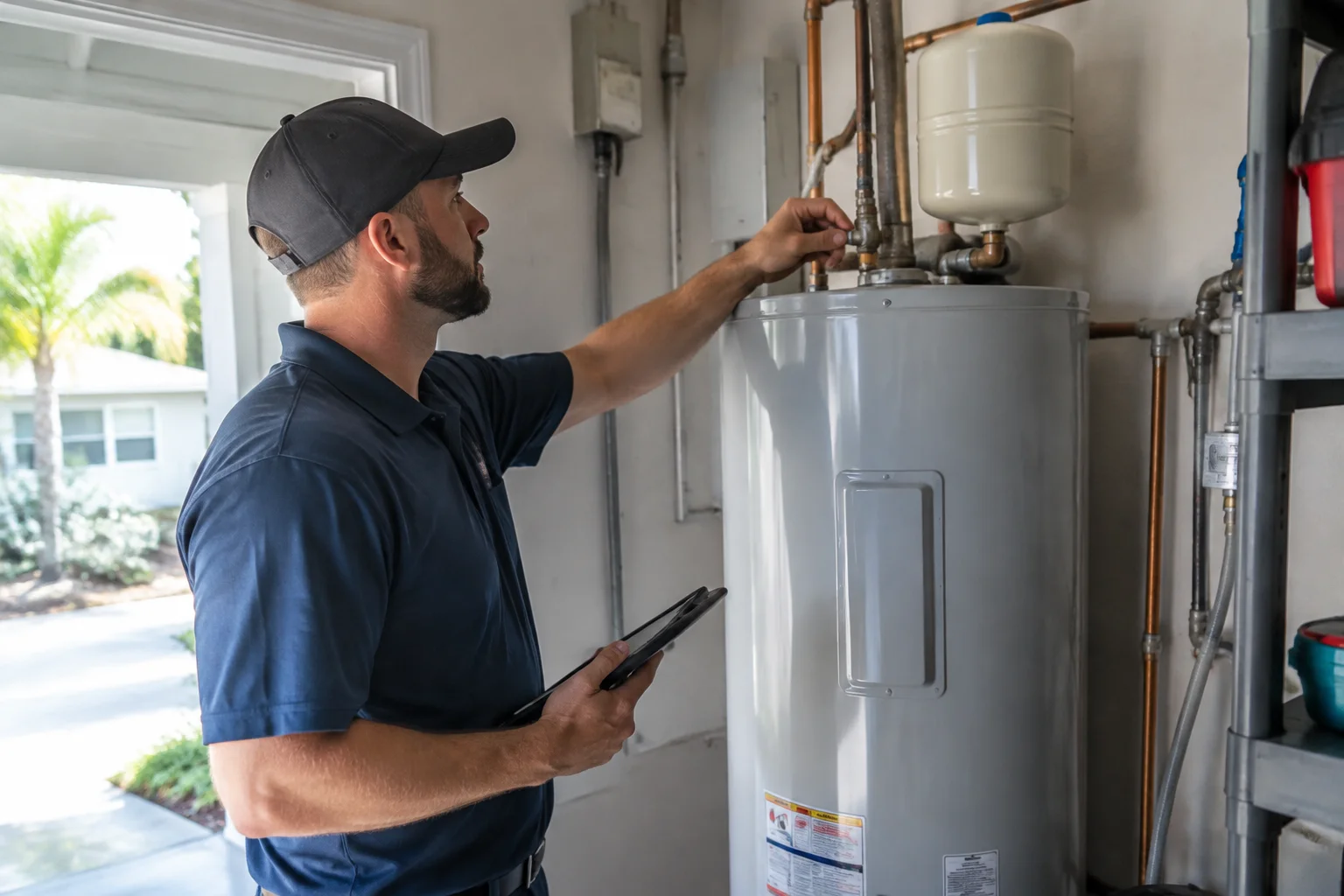
Water heater service should follow the manufacturer's recommendations for the equipment and local water conditions. Tank and tankless systems have different maintenance needs. If replacement is warranted, water heater installation in Seaside should account for household demand, available utilities, and installation requirements. Sewer cleaning will not resolve unreliable hot water.
A maintenance routine that fits Seaside homes
Build prevention into everyday use
Keep grease out of kitchen drains, scrape plates before washing, and empty strainers regularly. Flush only toilet paper and human waste. A garbage disposal does not make grease, fibrous scraps, or large quantities of food harmless to the drain system.
Avoid repeated use of chemical drain openers, especially when a blockage keeps returning. They can create exposure hazards and complicate subsequent service. Tell the plumber if any chemical product has already been used. For broader upkeep, see practical plumbing advice for Seaside homeowners living near the coast.
Check between guests and before extended absences
Between rental stays, check toilet operation, drainage speed, under-sink connections, and visible water heater leaks. Run water briefly in rarely used fixtures to replenish traps. Give guests simple disposal instructions and make sure property managers know where the main water shutoff is located.
Keep sewer cleanouts accessible rather than covering them with storage or landscaping. Schedule inspections or preventive cleaning according to the property's history, pipe condition, and professional recommendations. A house with repeated root intrusion needs a different plan from one with no drainage history. Keep inspection footage and repair records for future comparisons.
Handle a sewage backup as an urgent plumbing problem
If wastewater is entering a shower, tub, or floor drain, stop using water throughout the home. Pause laundry and dishwashing, and do not keep flushing to test whether the blockage has cleared. Keep children and pets away from contaminated areas.
Do not open a backed-up cleanout yourself; wastewater may escape under pressure. Avoid standing water near electrical equipment, and do not attempt cleanup that exposes you to sewage. Professional remediation may be necessary where contaminated water has affected building materials.
For an active supply leak, shut off the affected fixture or the main water supply if you can do so safely. That can limit clean-water damage, but it will not necessarily stop a sewer backup originating downstream. If an emergency pipe repair near me search becomes necessary, describe whether the water is clean or contaminated and which fixtures are involved.
Get a repair plan that addresses the cause
When contacting A Superior Mechanical for plumbing service in Seaside, share when the symptoms began, whether they affect multiple fixtures, and any previous cleaning or repairs. Mention recent heavy rain, changes in occupancy, and chemical products used.
For properties elsewhere in Walton County, the same principle applies: diagnose first, then choose a repair that fits the findings. Ask for an explanation of the cause, the proposed scope, and a practical maintenance schedule. Restoring flow matters, but understanding why it stopped is what helps prevent another disruption.
Find Sewer Repair and Maintenance in Seaside, FL
If you need Sewer Repair and Maintenance in Seaside, FL, visit our local service page or contact A Superior Mechanical today.
Map of Seaside, FL
Frequently Asked Questions
How can I tell whether I have a clogged drain or a main sewer problem?
A single slow fixture often indicates a restriction in its trap or branch drain. Multiple slow drains, bubbling toilets, or wastewater rising into a tub suggest a shared drain or sewer problem. These patterns guide diagnosis, but a professional inspection is needed to confirm the location and cause.
How often should a Seaside home have its sewer line cleaned?
There is no universal cleaning interval. The right schedule depends on pipe condition, root intrusion, occupancy, and previous backups. Homes with recurring problems may need scheduled maintenance, while a line with no symptoms may not require routine cleaning. An inspection can help establish an appropriate plan.
Can trenchless sewer repair fix a line without digging up the yard?
Trenchless methods can reduce excavation when the existing pipe, access, and damage are suitable. Some digging may still be required. Collapsed sections or significant slope problems may require excavation or replacement, so the line should be evaluated before a repair method is recommended.
Related Articles
- A Smarter Plumbing Plan for Seaside Homes: Repairs, Prevention, and Financing
- Cleaner Water, Easier Plumbing: Why Better Reverse Osmosis Systems Fit Seaside Homes
- Practical Plumbing Advice for Seaside Homeowners Living Near the Coast
- Less Scale, Better Taste: Everyday Water Filtration in Seaside, FL
Photo Gallery