Shalimar, FL homes sit close to the water table, and the heat and humidity can make plumbing problems feel louder than they are. A small drip can become a bigger issue when it runs unnoticed behind drywall, under tile, or through concrete. That is why leak detection matters, especially for older homes and newer builds with updated plumbing.
This guide walks you through better leak detection habits for both slab and non-slab situations, the common causes of slab leaks, and the maintenance steps that can save money. If you are searching for a plumber near me because you suspect a leak, this will also help you describe the problem clearly.
Why Shalimar homeowners should take hidden leaks seriously
In Okaloosa County, water use can change quickly with seasonal visitors, lawn watering, and vacation rentals. When your household habits shift, it can mask a leak. A hidden leak may not look dramatic at first, but it can:
- Increase your water bill even if fixtures seem normal
- Lower water pressure or cause pressure fluctuations
- Damage flooring, subflooring, and cabinets
- Encourage mold growth in damp areas
- Lead to foundation stress when a slab leak goes undetected
Older homes in Shalimar may have aging supply lines, older pipe materials, or previous repairs that were not fully sealed. Newer homes are not immune either. Even with modern plumbing, poor installation, shifting soil, or hard water can contribute to leaks over time.
Quick home checks that improve leak detection
You do not need special tools to start narrowing down possible leaks. These checks are also helpful if you end up calling leak detection and slab leak services in Shalimar.
1) Do a “water meter watch”
This is one of the most reliable homeowner leak detection steps. Turn off all water inside and outside the home, including:
- Showers and tubs
- Toilets, including any that run intermittently
- Dishwashers and washing machines
- Sprinklers or hose bibs
Then watch the meter for 10 to 15 minutes. If the meter moves, you likely have active water flow somewhere in the plumbing system.
If you are dealing with a suspected slab leak, the movement on the meter can happen even when you see no puddles.
2) Check water pressure and temperature consistency
Leaks and pipe issues can show up as pressure changes. Note whether you get:
- Lower pressure at certain times of day
- Air in the lines or sputtering at faucets
- Hot water that runs out faster than usual
Pressure problems can also point to clogged lines or other plumbing repair needs, but they are worth documenting. A technician can use these details during plumbing repair troubleshooting.
3) Look for “micro signs” around fixtures
Hidden leaks often start small. Check:
- Toilets: water level changes, a slow trickle, or a constant refill cycle
- Faucets: drips from the spout or around the handle
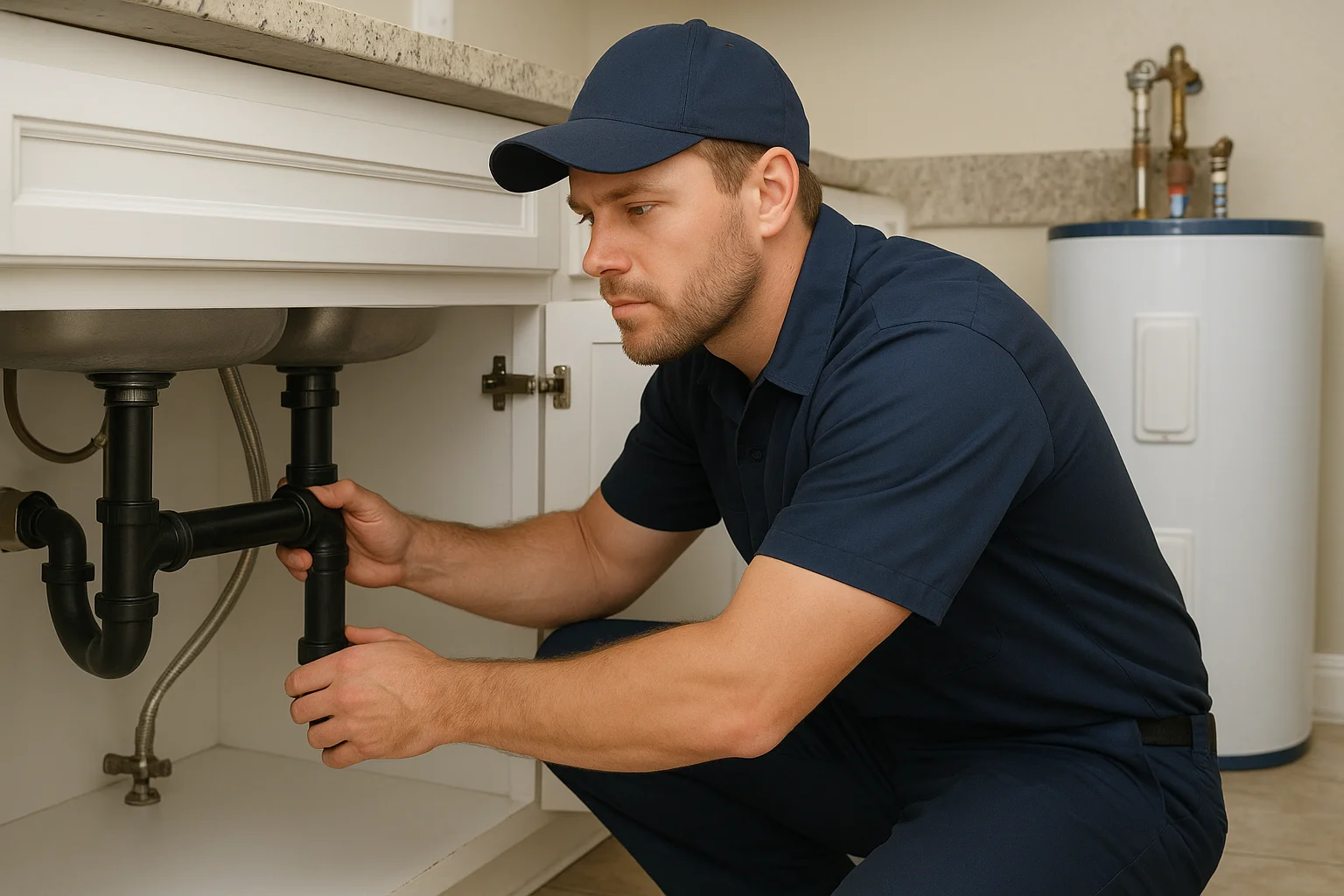
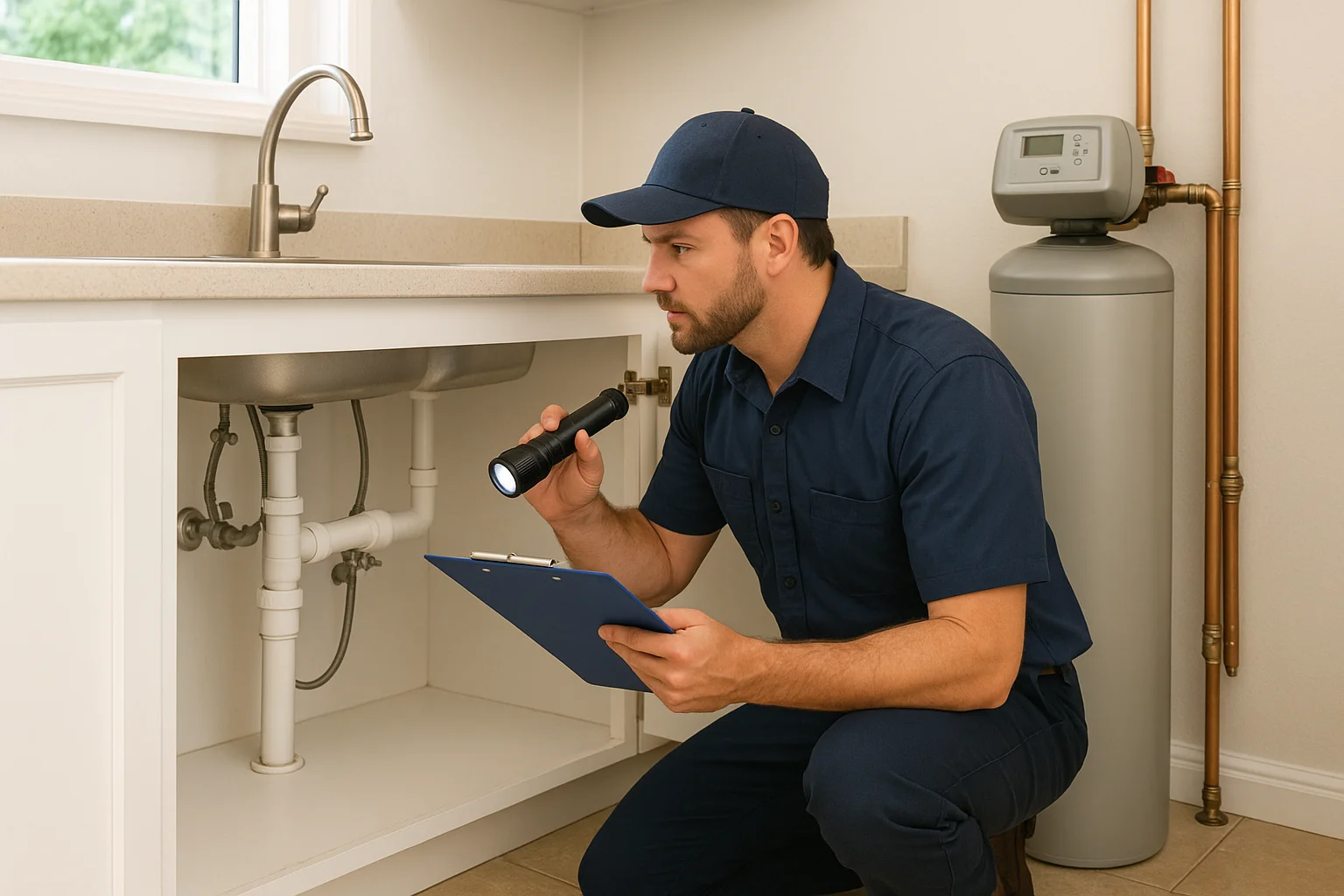
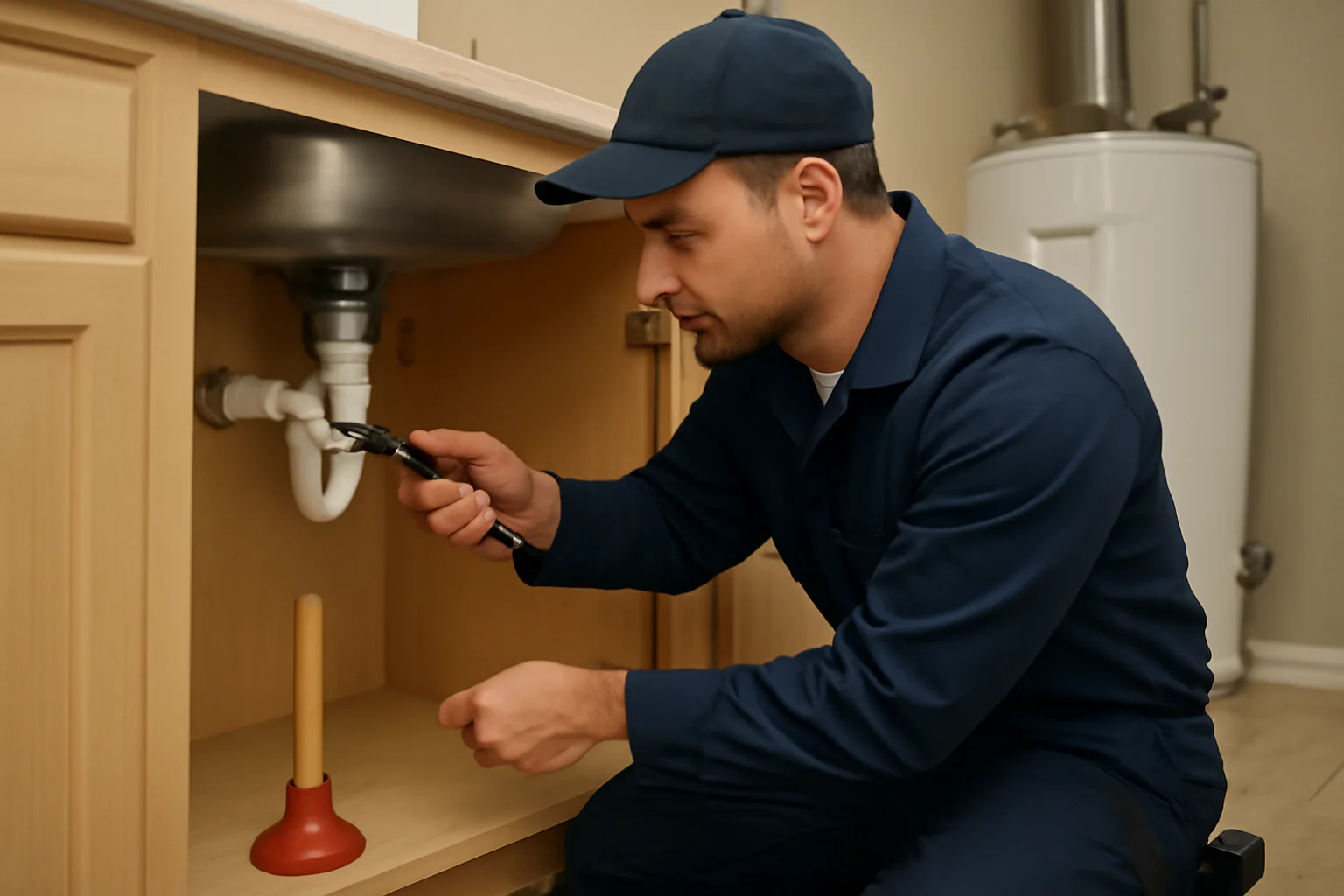
- Under-sink cabinets: dampness, musty odor, or water stains
- Water heater area: corrosion, damp floor, or mineral buildup on connections
If you notice a persistent bathroom leak, searching for toilet repair near me or faucet repair can be a good first step. However, if the signs point to water moving beneath floors, you need slab leak-focused detection.
4) Pay attention to drains and slow clogs
Some homeowners assume a slow drain means only a clog. In reality, plumbing issues can overlap. If you have repeated drain backups, consider whether there is a leak, a damaged pipe section, or a sewer line problem.
For example, when a clogged drain repair near me search turns into an ongoing pattern, camera inspection and sewer line evaluation can save time. For drain cleaning needs, many homes benefit from professional hydro jetting when buildup is significant. You can review hydro jetting in Shalimar if your drains keep returning to the same issue.
Slab leaks: what they are and how they behave
A slab leak occurs when water escapes from plumbing lines located under a concrete slab. Because the leak is under the surface, you may not see obvious water pooling right away. Over time, the escaping water can travel through soil, affect moisture levels, and damage nearby materials.
Common slab leak symptoms homeowners notice
- Unexpected rise in water bills
- Warm spots on the floor, especially near walls or bathrooms
- Cracks in tile, grout, or flooring that appear or widen
- Musty odors or recurring dampness
- Low or fluctuating water pressure
- Increased water use when no one is running fixtures
Some slab leaks are “quiet” for a while. That is why a water meter watch is so valuable. If your meter moves but you cannot find a source, slab leak detection becomes more important.
Older versus newer homes in Shalimar
Older homes may have copper lines, galvanized piping, or older repair history. Over time, pipe corrosion and joint failures can lead to leaks under the slab.
Newer homes can still experience slab leaks due to installation details, shifting ground, or pressure changes. Even hard water in the Gulf Coast region can contribute to scale buildup inside pipes, which can stress components and increase the risk of problems.
Why leaks happen in the first place
Understanding causes can help you prevent repeat issues and spot patterns earlier. Here are common leak and slab leak drivers seen in local Shalimar homes.
Hard water and mineral buildup
Shalimar homeowners often deal with hard water. Mineral deposits can build up in water heater lines, fixtures, and pipe interiors. Over time, that buildup can reduce flow, increase pressure, and contribute to leaks at joints and connections.
If you are noticing hot water heater performance issues, consider pairing leak detection with water heater service. When scale and leaks combine, the problem can become more expensive. Homeowners searching for hot water heater repair near me may also want to ask whether any water is escaping around supply lines or connections.
Water pressure that is too high
High pressure can stress pipes and fittings. It can also worsen the effects of temperature swings. If you see pressure spikes, consider testing and discussing a pressure regulator with a licensed plumber. A consistent pressure level can reduce wear on valves, faucets, and plumbing connections.
Toilets and fixture leaks that never fully stop
A toilet that runs silently can waste a surprising amount of water. A small leak at a valve or seal can also contribute to moisture around the floor edge. If you suspect a toilet leak, addressing it quickly can prevent the broader water damage that sometimes gets blamed on slab issues.
Drain and sewer line stress
When sewer lines clog or shift, it can create pressure changes that affect nearby plumbing. A home may then show symptoms like gurgling drains, slow fixtures, or recurring backups. If you suspect sewer line trouble, camera inspection is often the fastest way to confirm what is happening underground.
For homeowners searching for sewer line repair near me, it helps to know that a sewer issue can also lead to moisture and odors near areas where slab leaks are suspected.
Maintenance tips that actually reduce leak risk
Leak prevention is mostly about early detection and reducing stress on plumbing systems. These steps are realistic for Shalimar homeowners.
Build a monthly “plumbing snapshot”
Once a month, spend five minutes checking:
- Water meter movement with the house quiet
- Under-sink cabinet dryness
- Toilet fill cycles and any signs of running
- Visible supply line connections for dampness
- Any new floor cracks near bathrooms or laundry areas
Write down what you see. If a leak appears later, your notes help a licensed plumber near me narrow down the likely source.
Watch how your household uses water
Shalimar has vacation rentals and seasonal changes. If your schedule changes, compare bills and water use. A sudden increase without a matching lifestyle change is a strong clue.
Also pay attention to whether water use increases after a specific activity, like:
- Using the shower back-to-back
- Running the dishwasher and laundry in the same day
- Draining and refilling a hot water heater
Keep drains flowing to reduce pipe stress
Clogs can contribute to pressure problems and can worsen the impact of a small leak. If you have recurring slow drains, consider professional cleaning rather than repeated chemical treatments.
If you are searching for drain cleaning near me because your kitchen sink or tub keeps backing up, ask whether your plumbing needs a targeted cleaning approach. In many cases, hydro jetting or camera inspection can prevent the same issue from returning.
Maintain water heater connections and venting
Even if your main concern is slab leak detection, water heaters can be part of the moisture story. Look for:
- Corrosion around supply lines
- Signs of dampness near the base
- Mineral buildup around fittings
Homeowners searching for tankless water heater repair near me or traditional water heater repair should know that leaks can occur at valves, fittings, and lines even when the unit itself seems to work.
When to call a professional for leak repair or slab leak detection
DIY checks are helpful, but slab leaks often require specialized equipment and a methodical approach. Call a professional when you have any of the following emergency plumbing concerns or strong indicators:
- Your water meter keeps moving when the home is quiet
- You see warm floors, expanding cracks, or persistent damp spots
- Your water pressure drops noticeably or fluctuates frequently
- You smell musty odors near bathrooms or along slab edges
- You have repeated drain backups paired with unusual water use
If you are worried about an active leak causing damage, do not wait for it to “get worse.” Acting early can reduce the chance of extensive demolition and foundation-related repairs.
How a leak detection pro typically confirms the source
A good leak detection process usually includes:
- Interviewing you about symptoms, water use changes, and fixture behavior
- Checking visible plumbing first, including toilets, faucets, and water heater connections
- Using specialized leak detection tools to pinpoint the location
- Confirming suspected line paths before recommending repairs
For homeowners who want to understand what happens next, it can help to read A Shalimar Homeowner’s Guide to Emergency Plumbing and How to Keep Repairs from Getting Expensive. It also covers how small problems escalate when water keeps moving under floors or behind walls.
Cost-saving mindset: why early slab leak detection matters
Slab leaks can become expensive when they are delayed. The longer the leak continues, the more likely you will see additional damage such as:
- Flooring and subfloor replacement
- Drywall removal and mold remediation
- Expanded repair areas under the slab
- Compounding damage to nearby plumbing components
Some homeowners try to wait it out, especially if the leak seems “slow.” That strategy can backfire. If you want a clearer picture of how minor plumbing issues grow, read Small Plumbing Problems in Shalimar Can Grow Fast if Homeowners Wait Too Long.
Related plumbing services that often pair with leak detection
Leak detection and slab leak repairs are not always the only plumbing service needed. Depending on what the technician finds, you may also need related help.
Water leak repairs and pipe repair
If the leak is confirmed in accessible piping, timely water leak repairs can stop ongoing damage quickly. For homeowners dealing with visible leaks, asking about pipe repair is a practical step.
Camera inspection for sewer lines and hidden drain issues
When drains or sewer lines are part of the story, camera inspection helps confirm the condition of underground pipes. That is especially helpful when a homeowner is searching for sewer inspection near me.
Drain cleaning and hydro jetting
If a leak suspicion turns out to be a recurring clog, drain cleaning and hydro jetting may be the right solution. For homes with stubborn buildup, hydro jetting can restore flow and reduce the chance of repeat backups.
Plumbing installation and fixture upgrades
Sometimes the most cost-effective path is upgrading aging fixtures or correcting installation issues. If you are planning repairs or replacements, browse plumbing installation in Shalimar for options that can reduce future leak risk.
Choosing the right local plumbing partner in Shalimar
When you search for plumbing repair near me, you want more than a quick patch. You want a team that understands how local homes behave, how hard water can affect plumbing, and how slab leaks can present differently in older versus newer construction.
A Superior Mechanical provides professional leak detection and slab leak services in Shalimar, FL for homes, vacation rentals, and businesses across Okaloosa County. You can also explore our Shalimar service area to see the full range of plumbing support available locally.
If you are dealing with emergency plumbing concerns, do not wait for symptoms to intensify. A fast, accurate leak detection plan is often the most budget-friendly way to protect your home, your water use, and your peace of mind.
Find Leak Detection and Slab Leak in Shalimar, FL
If you need Leak Detection and Slab Leak in Shalimar, FL, visit our local service page or contact A Superior Mechanical today.
Map of Shalimar, FL
Frequently Asked Questions
How can I tell if I have a slab leak in my Shalimar home?
If your water meter keeps moving when the home is quiet, you notice warm spots on floors, recurring dampness, or new cracks near bathrooms, those can be slab leak indicators. A professional leak detection inspection is the fastest way to confirm the source.
Can a toilet leak cause water damage under a slab?
A toilet leak usually causes moisture near the bathroom floor, but it can also contribute to higher water use and damp conditions around nearby plumbing lines. If you see ongoing water meter movement and cannot find the source, slab leak detection may be necessary.
What role does hard water play in plumbing leaks and water heater issues?
Hard water can increase mineral buildup inside pipes and at fittings. That buildup may reduce flow and increase stress on components over time. It can also contribute to water heater performance problems and leaks around connections.
Should I try to fix a suspected leak myself before calling a plumber near me?
Basic checks like turning off water and watching the meter are helpful. Avoid opening floors or using repeated chemicals for suspected slab leaks. When the source is under concrete, specialized leak detection and repair planning are usually safer and more cost-effective.
What is the first step a leak detection technician takes?
They typically start by reviewing your symptoms and water use patterns, checking visible plumbing components, and then using detection tools to locate the leak. The goal is to confirm the exact line and plan repairs with minimal disruption.
Related Articles
- A Shalimar Homeowner’s Guide to Emergency Plumbing and How to Keep Repairs from Getting Expensive
- Small Plumbing Problems in Shalimar Can Grow Fast if Homeowners Wait Too Long
- Better Everyday Water Starts With the Right Purification Setup in Shalimar
- Smart Electrical Planning for Shalimar Homes: Panels, Wiring, and Protection That Keep Up
Photo Gallery