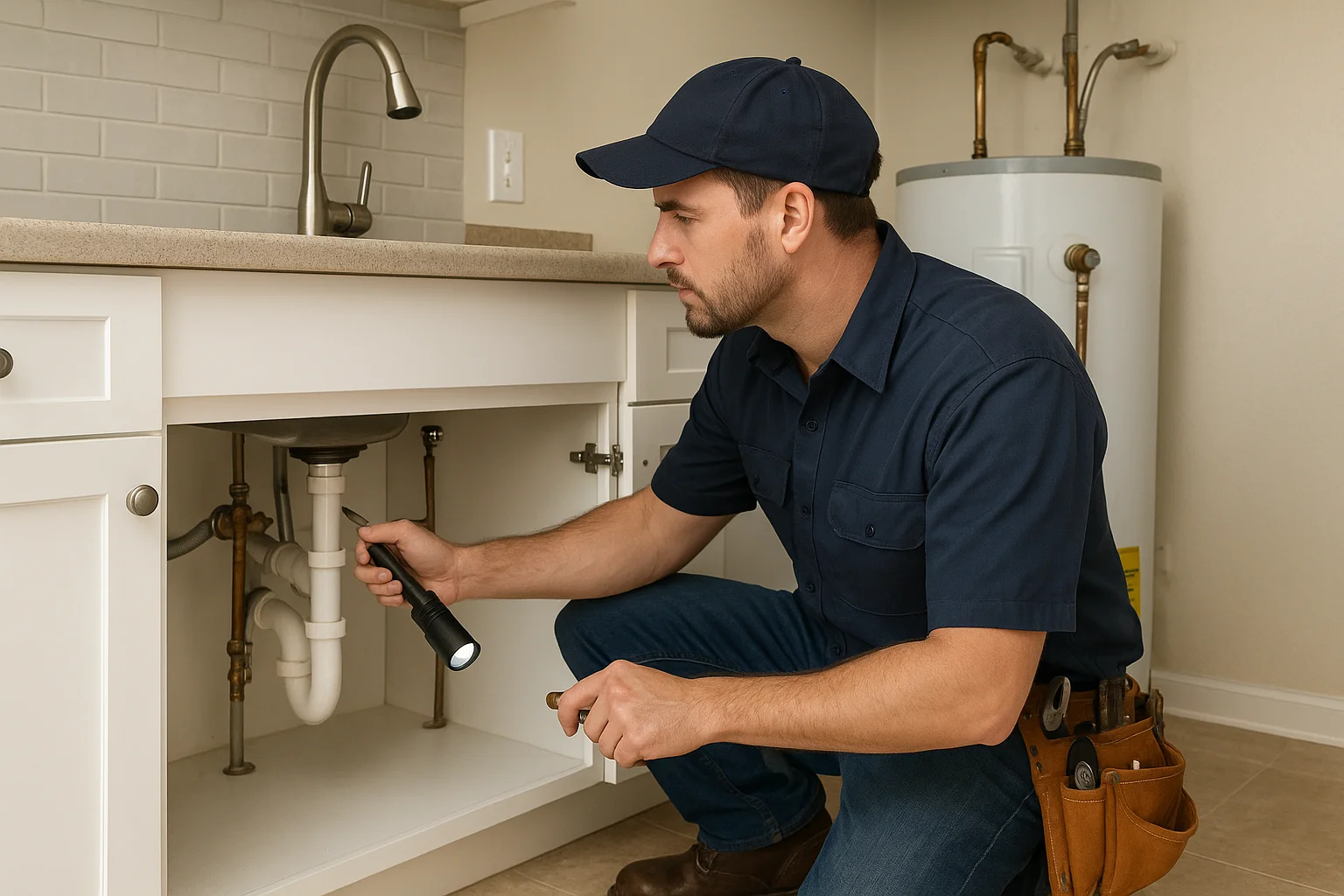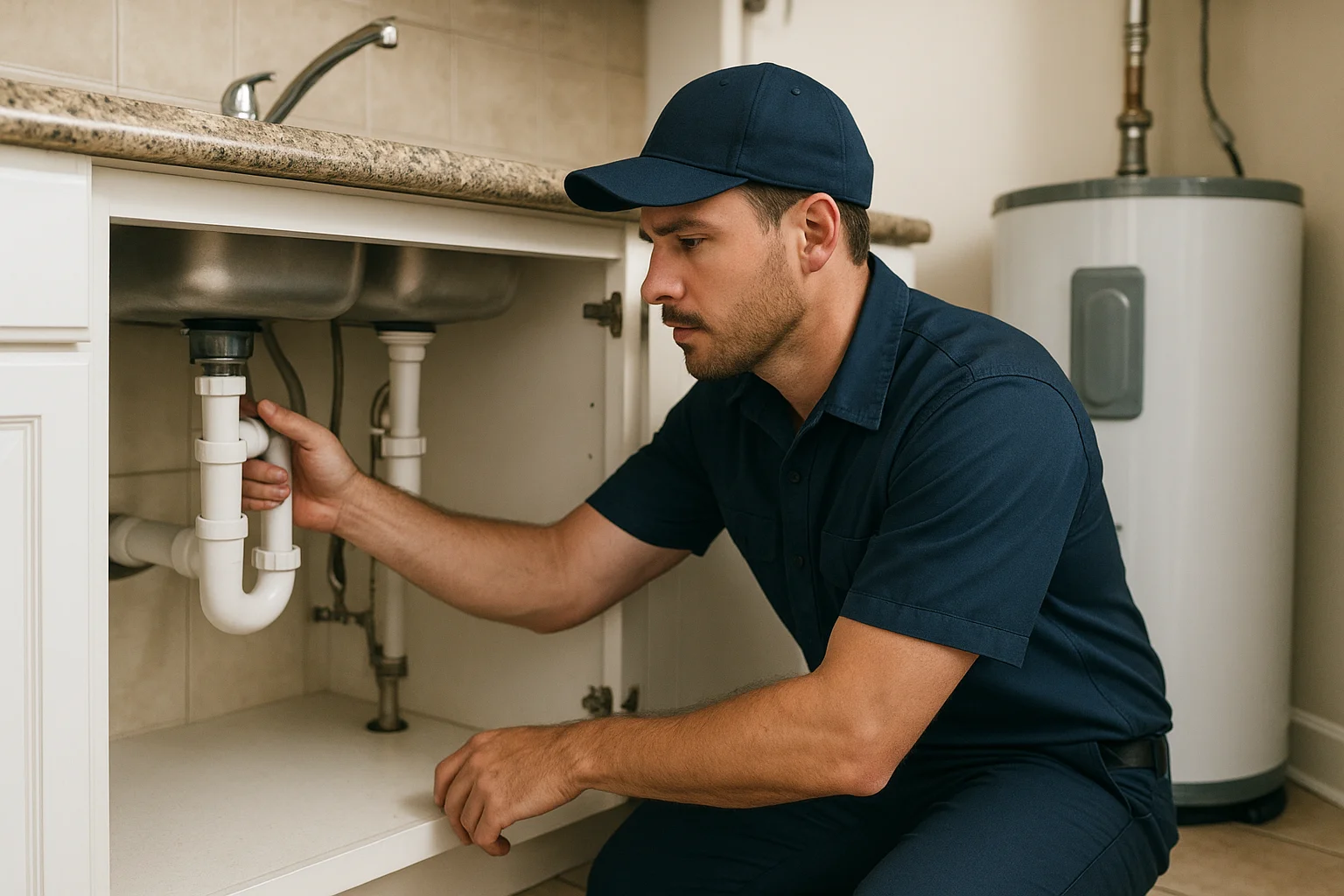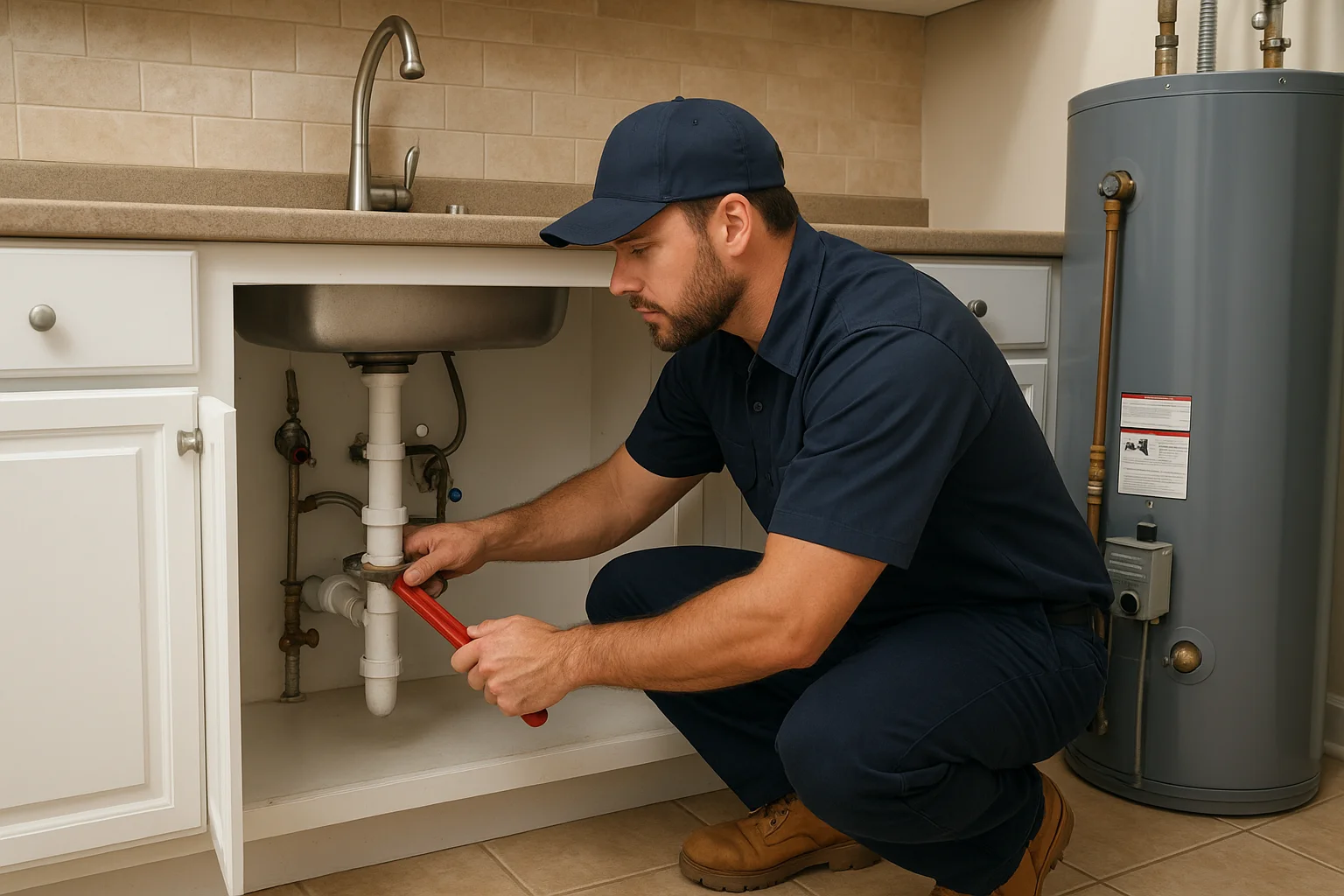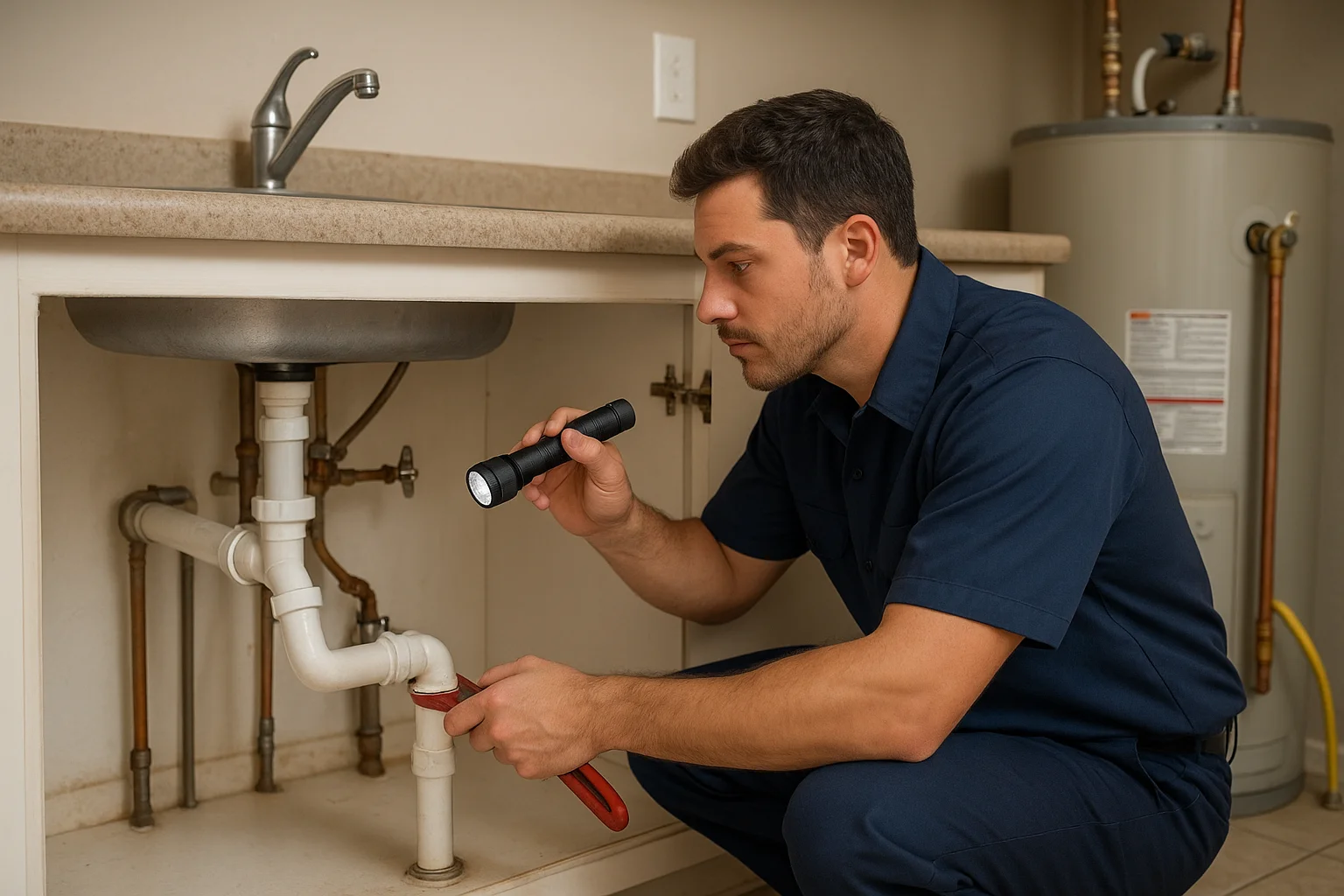
Tankless water heaters are popular in Wright, FL because they deliver hot water on demand and can be more space efficient than traditional tanks. But “on demand” does not mean “no maintenance.” Everyday plumbing habits, local water conditions, and installation details can all create problems that show up later as poor hot water flow, fluctuating temperatures, or leaks. If you are searching for tankless water heater services in Wright, FL, this guide explains what commonly goes wrong, why it happens in our area, and how routine care can prevent expensive repairs.
Why Wright, FL tankless systems need more than basic “turn it on” care
Wright homes often rely on steady water use for showers, laundry, and dishwashing. When multiple fixtures run at the same time, the tankless unit must respond quickly. That responsiveness depends on clean internal parts, correct water pressure, and properly sized water and venting components. If any of those factors drift over time, the unit may struggle to heat water consistently.
In Okaloosa County, hard water and mineral buildup are common enough that many homeowners notice scale effects in plumbing fixtures, showerheads, and faucet aerators. Tankless units are especially sensitive because water passes through heat exchanger surfaces continuously. Even small mineral deposits can reduce heat transfer, forcing the unit to work harder and increasing the chance of service issues.
Maintenance gaps that turn into plumbing repair headaches
Many tankless problems are not sudden failures. They start as small performance changes that homeowners can miss until the unit stops behaving normally. Here are the most common service issues we see in Wright homes.
1) Scale buildup from hard water
When minerals build up inside the heat exchanger, the unit may still run, but it can heat less efficiently. You might notice:
- Water that takes longer to get hot
- Temperature swings during showers
- Lower hot water flow rate
- More frequent cycling or error codes
Scale buildup can also contribute to higher operating stress. Over time, that stress can worsen other plumbing-related issues such as seal wear and small leaks around fittings.
2) Wrong or unstable water pressure
Tankless systems are designed to operate within a specific pressure range. If your home experiences pressure changes, the unit may not regulate properly. Pressure problems can come from:
- Municipal pressure variations
- Faulty pressure reducing valves
- Partially clogged filters or strainers
- Corroded pipes that restrict flow
In everyday terms, unstable pressure can cause the unit to underperform when you need it most, such as when someone runs the washing machine while you are running a shower. If you are dealing with “hot water but not enough flow,” it can be a tankless issue, a plumbing issue, or both.
3) Sediment in the supply line
Even when the water looks clear, tiny debris can travel through pipes. Sediment can collect in small internal passages, reducing performance and increasing the risk of overheating. Sediment issues often show up after:
- Recent plumbing repairs
- Water main work in the area
- Long periods of low use
Homeowners who notice reduced hot water during certain times of day may be seeing a flow and sediment issue rather than a “unit is broken” situation.
4) Poor installation and sizing for Wright water use
A tankless unit that is undersized for your household needs will struggle. This is especially true for homes where multiple showers run back to back, or where hot water demand spikes during laundry and dishwashing. If you recently added a bathroom, changed fixture types, or expanded water use, it can reveal a sizing problem.
Installation details also matter for plumbing reliability. Examples include:
- Inlet filters that were not installed correctly
- Pipe routing that creates restrictions
- Incorrect venting and airflow paths that affect safe operation
While venting and gas considerations are important, many “tankless service problems” are still plumbing problems at their root, such as flow restrictions, leak-prone fittings, and supply line issues.
Leaks, drips, and damp areas: the service issues that can spread
Leaks are where small failures become major expenses. In Wright homes, leaks can hide behind finishes, under cabinets, in utility closets, or near wall penetrations. If you have noticed moisture around the unit, wet spots on the floor, or water stains on nearby drywall, address it quickly.
Common tankless leak sources
- Loose or aging connections at supply lines
- Worn seals due to heat cycling
- Condensation issues when the unit is not operating within its design parameters
- Corrosion in nearby pipes
Because tankless units are wall mounted and connected to multiple plumbing lines, a leak can also point to a broader plumbing problem. For example, a leak that seems “like it’s coming from the tankless” can actually originate from a nearby pipe joint or fixture connection.
Clogs and flow restrictions that mimic tankless failure
Sometimes the tankless unit is blamed when the real problem is downstream. Drains, fixtures, and supply line restrictions can change how water moves through your home. That can trigger performance complaints that sound like a water heater issue.
How drains and fixtures can affect hot water comfort
Hot water and drainage systems are separate, but the plumbing in your home shares common pressures, piping layouts, and maintenance needs. If you have recurring drain clogs, slow kitchen sink drainage, or frequent toilet repair needs, it can indicate that other parts of your plumbing system are not flowing freely.
Examples of related problems that homeowners often report:
- Kitchen sink drain clogs that lead to backups and water pressure changes
- Bathroom fixture flow issues caused by clogged aerators and debris
- Slow drains that increase the chance of sewer line problems over time
If you are searching for plumber near me because you suspect a water heater issue, it may be worth asking about drain and sewer flow reliability too. Tankless performance problems can be compounded by broader plumbing restrictions.
When sewer line concerns show up alongside water heater complaints
Some homeowners notice “odd plumbing behavior” during heavy use, such as multiple fixtures running. If sewer lines are partially blocked, you may see slow drains, gurgling, or backups. In severe cases, that becomes a sewer backup repair concern. Tankless service appointments are a good time to mention any drainage symptoms, especially if you are also dealing with sewer repair and maintenance needs.
Hard water effects you can see in everyday plumbing
Hard water does not only affect the tankless unit. It also affects the rest of the plumbing system. When minerals build up in fixtures and pipes, it can reduce flow and increase maintenance needs across the home.
Look for signs like:
- Water spots and scale around faucets and showerheads
- Reduced flow from aerators
- Mineral residue near plumbing fittings
- More frequent plumbing repair visits for fixtures
These clues help explain why tankless water heater service can become more frequent without proper maintenance. If your home has mineral buildup, scale-flushing schedules and filter checks become part of reliable plumbing maintenance.
Weather and local conditions that increase plumbing stress
Wright has a humid coastal climate and seasonal temperature swings. That can affect plumbing reliability in several ways:
- Humidity can accelerate corrosion on certain metal components
- Condensation can form in enclosed areas around mechanical rooms
- Temperature changes can stress pipe joints and fittings
During heavy rain periods, stormwater impacts can also increase the urgency of emergency plumbing concerns. If you notice a sudden water leak, a backed-up drain, or water pooling near the tankless unit, treat it as a priority.
Slab leaks and hidden water damage risks
Not every leak is visible. In homes with slab foundations, a hidden leak can develop under floors. While slab leaks are not unique to tankless systems, they can show up around the same time homeowners notice hot water problems or water heater service needs. A slab leak can change water pressure, cause moisture near baseboards, and increase humidity in rooms.
If you suspect a slab leak, it is important to act fast because water damage can spread. If you are searching for How Professional Plumbing Service Helps Wright Homes Avoid Costly Water Damage, this is exactly the kind of situation where early detection matters.
Maintenance tips that help you save money without guesswork
Good tankless care is mostly about prevention: keeping flow clean, checking pressure, and catching small issues early. Here are practical steps Wright homeowners can take between professional visits.
1) Follow a maintenance schedule for descaling and cleaning
Tankless units typically need periodic descaling, especially in hard water areas. The right schedule depends on your unit model, usage, and water conditions. A professional tankless water heater service visit can include flushing, filter checks, and inspection of key components.
2) Check water pressure and keep an eye on performance
If you have a pressure gauge, confirm it stays within the unit’s recommended range. Even without a gauge, watch for changes in hot water comfort. When you notice delays, temperature swings, or weak flow, do not wait for it to worsen.
3) Inspect for small leaks during normal routine
Once a month, look around the unit connections and nearby piping. Check for dampness, mineral streaks, or corrosion at joints. Small drips can become bigger leaks, and bigger leaks can lead to water damage that is far more expensive than a plumbing repair.
4) Keep drains flowing to reduce pressure and backup risks
Slow drains can contribute to messy backups and emergency plumbing concerns. If you regularly deal with clogs, consider scheduling sewer repair and maintenance or professional drain cleaning rather than relying only on chemical cleaners.
For homeowners searching for Why Wright Homes Need Faster Emergency Plumbing Support, it helps to remember that a clogged drain can escalate quickly during high-use days.
5) Use fixture care to reduce strain on your water system
Clean faucet aerators and showerheads regularly to limit scale buildup. If you have recurring issues with flow or leaks at fixtures, you may also need faucet repair or garbage disposal repair. Keeping fixtures working properly supports overall water reliability.
If you are replacing older fixtures, this guide can help: A Smarter Way to Handle Plumbing Fixture Replacement in Wright, FL.
When to call for tankless water heater repair or plumbing repair
Some issues are safe to monitor briefly. Others should be handled immediately because they can cause water damage or unsafe operation.
Call a professional right away if you see:
- Active leaks, pooling water, or damp drywall near the unit
- Repeated error codes or sudden loss of hot water
- Burning smells, unusual exhaust behavior, or signs of unsafe operation
- Backed-up drains or sewer backup repair symptoms
- Water pressure that drops suddenly across multiple fixtures
If you are searching for tankless water heater repair near me because the unit is not performing, it is also smart to ask whether the supply line, pressure regulation, and filtration were checked. Plumbing reliability is a system, not a single appliance.
Schedule service soon if you notice gradual changes
- Hot water takes longer than usual to reach fixtures
- Shower temperature fluctuates during normal use
- Water flow seems weaker, especially during peak usage
- Mineral buildup is visible around fittings or nearby components
Addressing these issues early can prevent a bigger breakdown and help you avoid more costly plumbing repair later.
How A Superior Mechanical helps Wright homeowners protect everyday water reliability
A Superior Mechanical provides professional tankless water heater services in Wright, FL for both performance and plumbing reliability. That means more than just “getting it running.” We focus on the plumbing factors that affect how your system heats and delivers hot water, including water pressure concerns, flow restrictions, and leak prevention.
For homeowners who want a thorough approach, tankless service can pair well with other plumbing maintenance tasks. If you suspect hidden plumbing issues, camera inspection can help identify the exact problem area. You can explore Camera Inspection if you are dealing with recurring drain trouble or hard-to-find leaks.
If your home needs broader water system support, you can also look into Waterline Services. And for a wider view of local coverage, review our Wright, FL service area.
For homeowners searching for affordable plumber near me, the best value often comes from preventing repeat failures. A maintenance-focused tankless service plan can help reduce emergency callouts and protect your budget by catching problems before they spread into water damage or sewer line concerns.
Budget protection through smart plumbing maintenance
Tankless water heater service problems can be costly when they lead to leaks, damaged finishes, or emergency plumbing concerns. The money you spend on routine maintenance is usually far less than the cost of water damage repairs, slab leak repair work, or emergency drain and sewer fixes after a backup.
If you have been comparing “DIY fixes” versus local plumbing service, remember that tankless systems require correct flushing procedures, careful inspection of plumbing connections, and attention to performance indicators like flow and pressure. That is why many Wright homeowners choose a professional approach when they need reliable hot water and dependable plumbing reliability.
If you need help now, you can review our service page here: Tankless Water Heater Services in Wright, FL. For broader plumbing coverage across Okaloosa County, visit Okaloosa County plumbing services.
Find Tankless Water Heater Services in Wright, FL
If you need Tankless Water Heater Services in Wright, FL, visit our local service page or contact A Superior Mechanical today.
Map of Wright, FL
Frequently Asked Questions
What are the most common causes of tankless water heater problems in Wright, FL?
The most common causes are mineral scale buildup from hard water, sediment in the supply line, unstable water pressure, and worn connections or seals. In many cases, plumbing flow restrictions or filtration issues contribute to poor performance.
How can I tell if my issue is the tankless unit or my plumbing system?
If hot water performance changes along with whole-home pressure changes, or if you also have slow drains and fixture issues, the plumbing system may be involved. A professional inspection checks supply pressure, filters, connections, and nearby drainage reliability.
Should I flush my tankless water heater myself to save money?
Some homeowners attempt DIY descaling, but the risk is using the wrong chemicals, incorrect procedures, or missing a leak or flow restriction. Professional flushing and inspection often prevents repeat failures and helps protect against water damage.
What leak signs near a tankless water heater mean I should call right away?
Call quickly if you see active dripping, damp drywall, mineral streaks that look like fresh water trails, pooling water, or sudden hot water loss. Leaks can spread and may indicate a connection issue or a hidden plumbing problem.
Can hard water affect my drains and sewer lines too?
Hard water mainly impacts scale buildup in fixtures, pipes, and tankless internal components. However, reduced flow and recurring clogging can increase the chance of drain and sewer complications over time. Regular maintenance helps keep water moving and lowers backup risk.
Related Articles
Photo Gallery