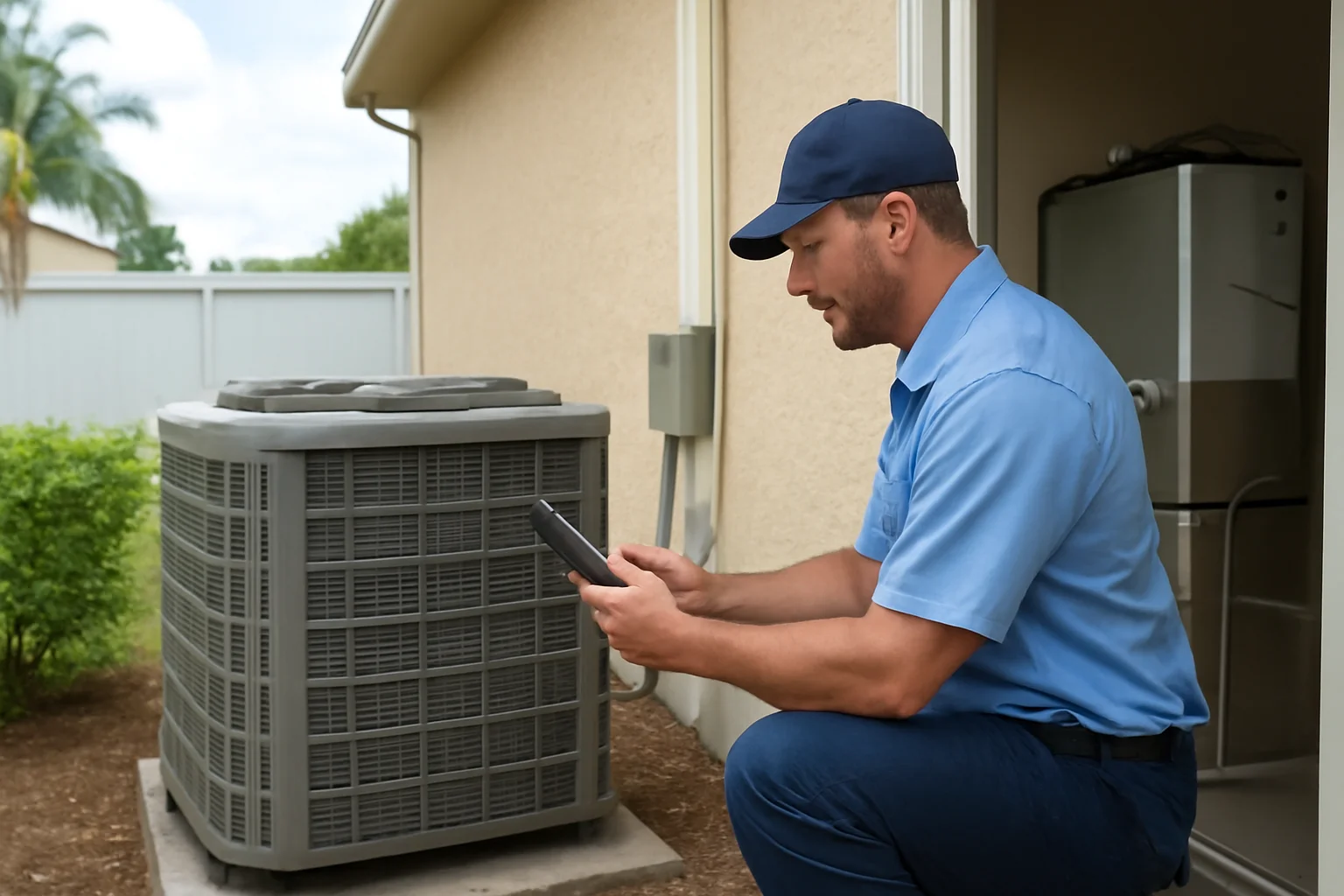
Ocean City, FL weather does not ease up on your HVAC system. Humidity stays high, coastal salt air finds its way into outdoor equipment, and long stretches of cooling demand put steady stress on refrigerant systems, condensate drainage, and airflow. That is why an air conditioning inspection is not just a checklist. It is a chance to catch small problems early, before they show up as emergency cooling concerns mid-summer.
If you have been searching for air conditioner service near me or AC repair near me, this guide will help you understand what a thorough inspection should look for in Ocean City, what common issues mean, and when it is smart to schedule preventive HVAC maintenance.
Why Ocean City AC systems need real inspection, not guesswork
In Ocean City, your air conditioning system is working in a demanding environment. Coastal air can be corrosive. Florida heat pushes run times longer than homeowners expect. And high indoor humidity can make comfort feel off even when the thermostat says the right temperature.
During an inspection, a professional HVAC contractor evaluates how your system performs under real conditions. That matters because many AC problems do not announce themselves with a single obvious failure. Instead, they show up as reduced airflow, higher energy use, inconsistent cooling, or condensate drainage issues that eventually lead to bigger repairs.
For homeowners looking for residential HVAC service near me or an HVAC contractor near me, the goal is to understand what is happening inside the system and why. That is the difference between reactive repairs and preventive HVAC maintenance.
What a professional air conditioning inspection in Ocean City should cover
A strong inspection focuses on performance, safety, and system health. It typically includes checks that help confirm that the AC can cool your home effectively and safely, even on the hottest days.
1) Thermostat and control verification
Start with the thermostat. If your thermostat is reading temperatures inaccurately, or if it is not communicating properly, the system can cycle too often, run too long, or fail to maintain consistent comfort. A technician will also check whether thermostat settings and operation match your home’s cooling needs.
In Ocean City homes, this matters because humidity can change how temperatures feel. A system that cools the air but does not remove enough moisture can leave rooms feeling sticky, even when the thermostat shows the setpoint is reached.
2) Airflow assessment across the whole cooling system
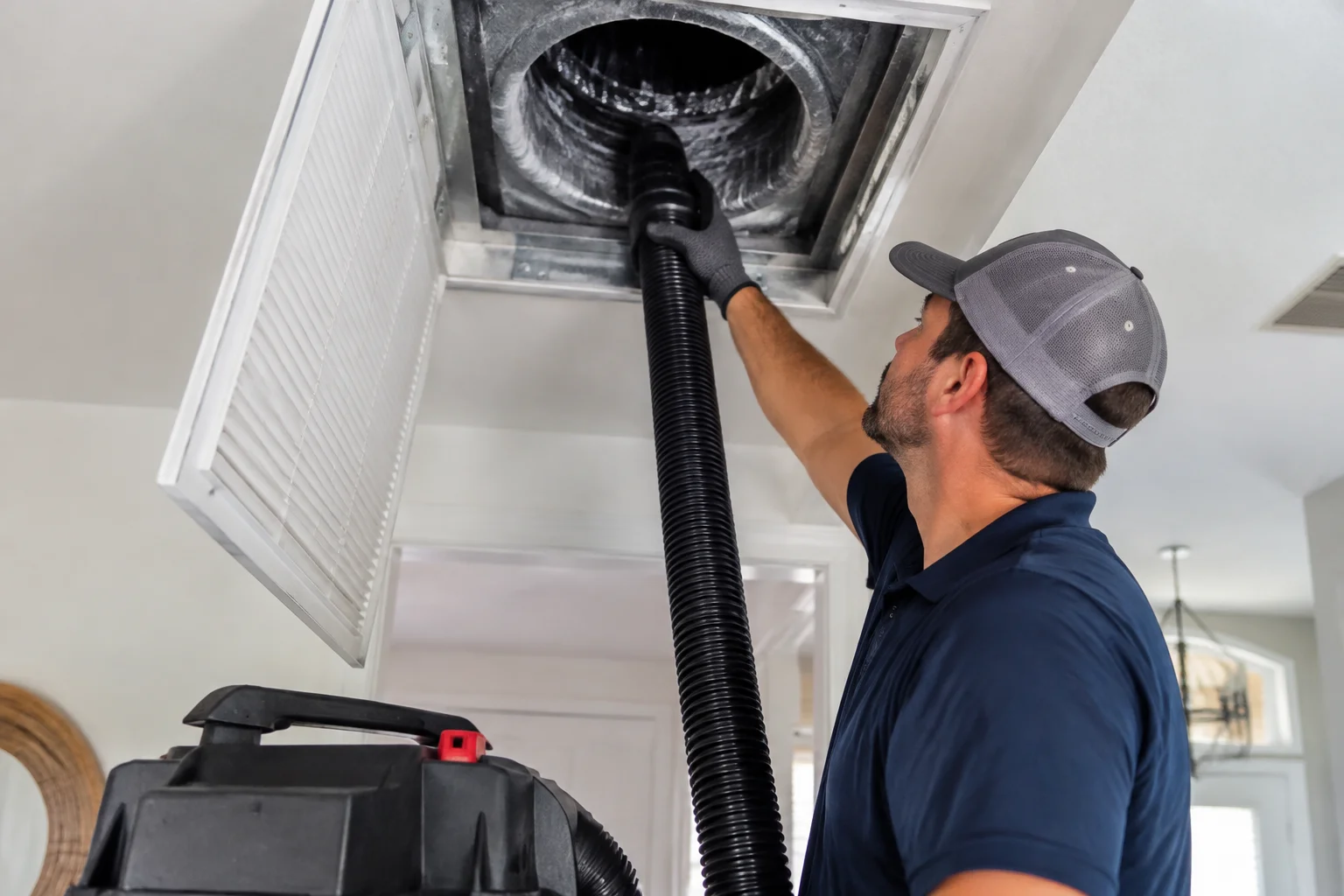
Airflow problems are among the most common causes of “it cools, but not well” complaints. During inspection, a technician should evaluate airflow at the indoor unit and at the supply registers. They should also look for red flags in the ductwork system, because restricted airflow can strain the refrigerant system and reduce moisture removal.
If you are searching for duct inspection near me because rooms feel uneven, airflow checks are a key part of the inspection. Ductwork issues can also affect indoor air quality by limiting how effectively air is filtered and circulated.
For more on duct-related comfort and performance, see Why Duct Sealing Pays Off for Ocean City Homes.
3) Condensate drainage and moisture management
Air conditioners remove humidity as part of normal cooling. That moisture should drain properly through the condensate drainage system. If drainage is slow or blocked, water can back up and create problems that are not always obvious until they worsen.
During an inspection, a technician should check condensate drainage pathways and look for signs of moisture stress that can affect indoor comfort and the equipment environment.
4) Refrigerant system inspection for performance and safety
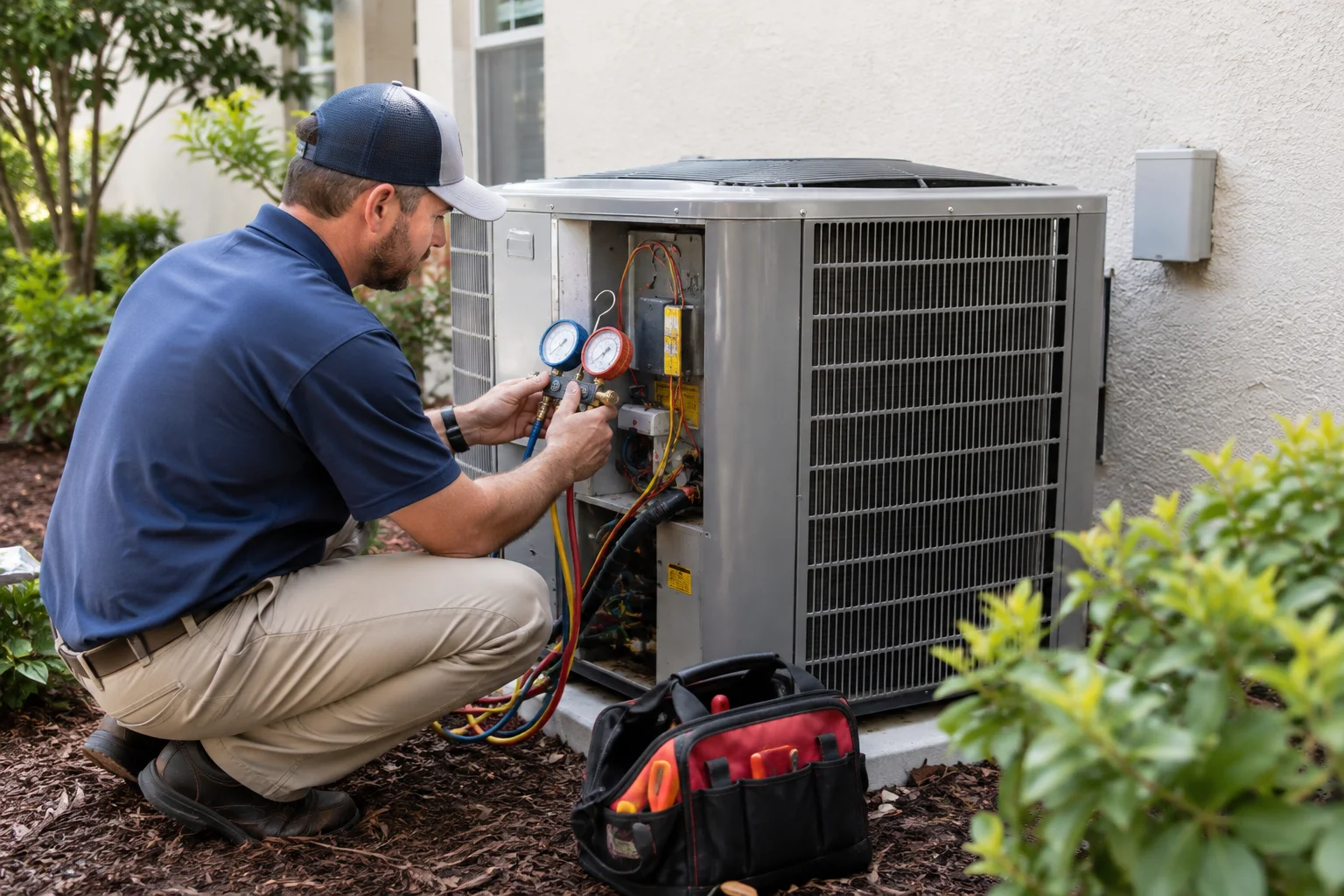
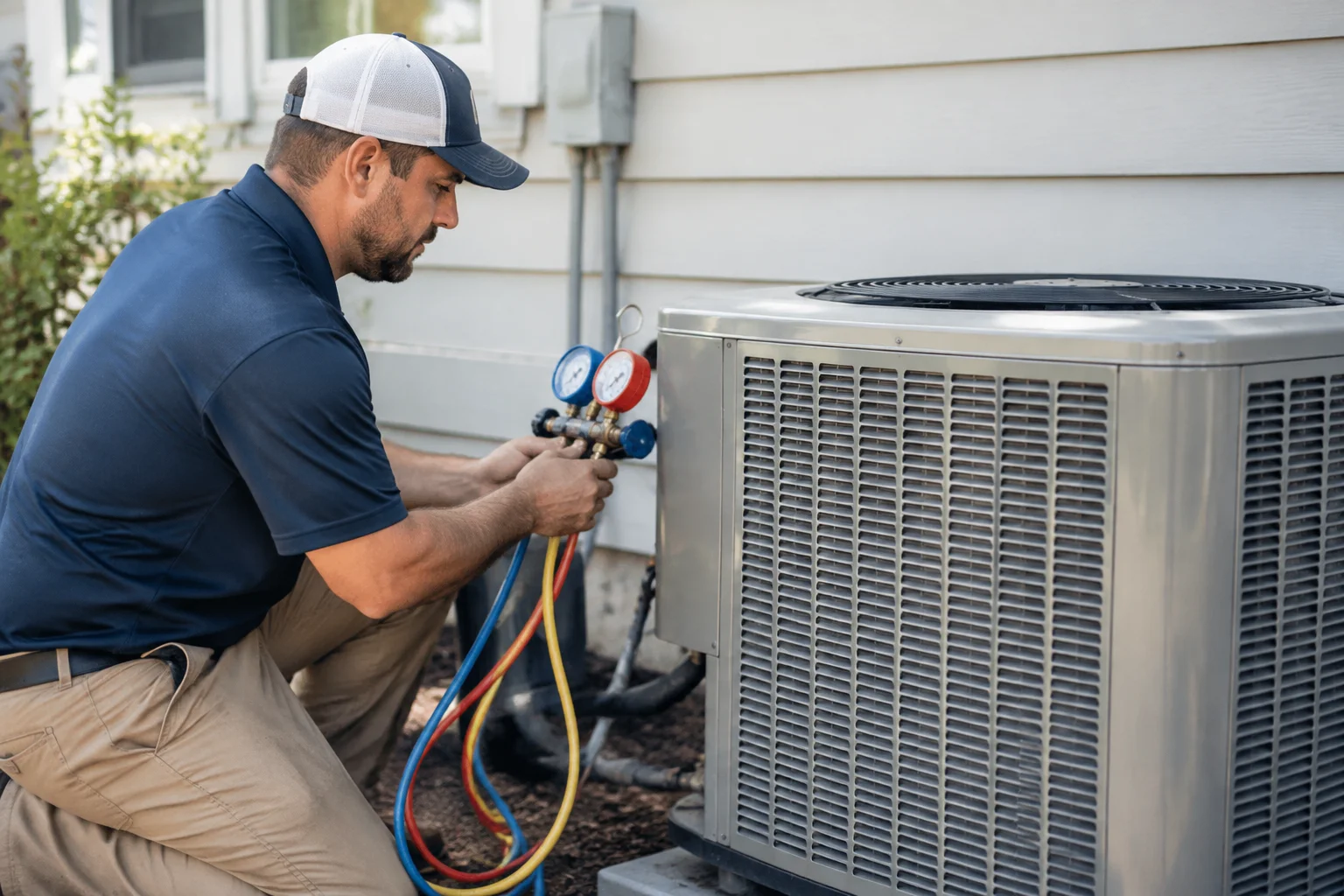
Your AC relies on a refrigerant system to move heat out of your home. An inspection should include performance checks that help confirm the system is operating as intended. If the system is underperforming, the technician should investigate causes through in-person evaluation rather than guessing.
It is important to avoid DIY assumptions about refrigerant. A professional will determine what is actually happening based on system operation, airflow, and measured performance. Without that on-site assessment, it is easy to misdiagnose the root problem.
5) Outdoor unit condition and salt air impact
Ocean City’s coastal environment means your outdoor unit can face corrosion and buildup over time. A thorough inspection should include checks on the outdoor coil area, the physical condition of components, and signs that airflow around the outdoor unit is restricted.
Even when the equipment turns on, airflow restrictions can reduce cooling capacity and increase energy use. That is one reason homeowners often feel like their system is “working harder” during peak humidity and heat.
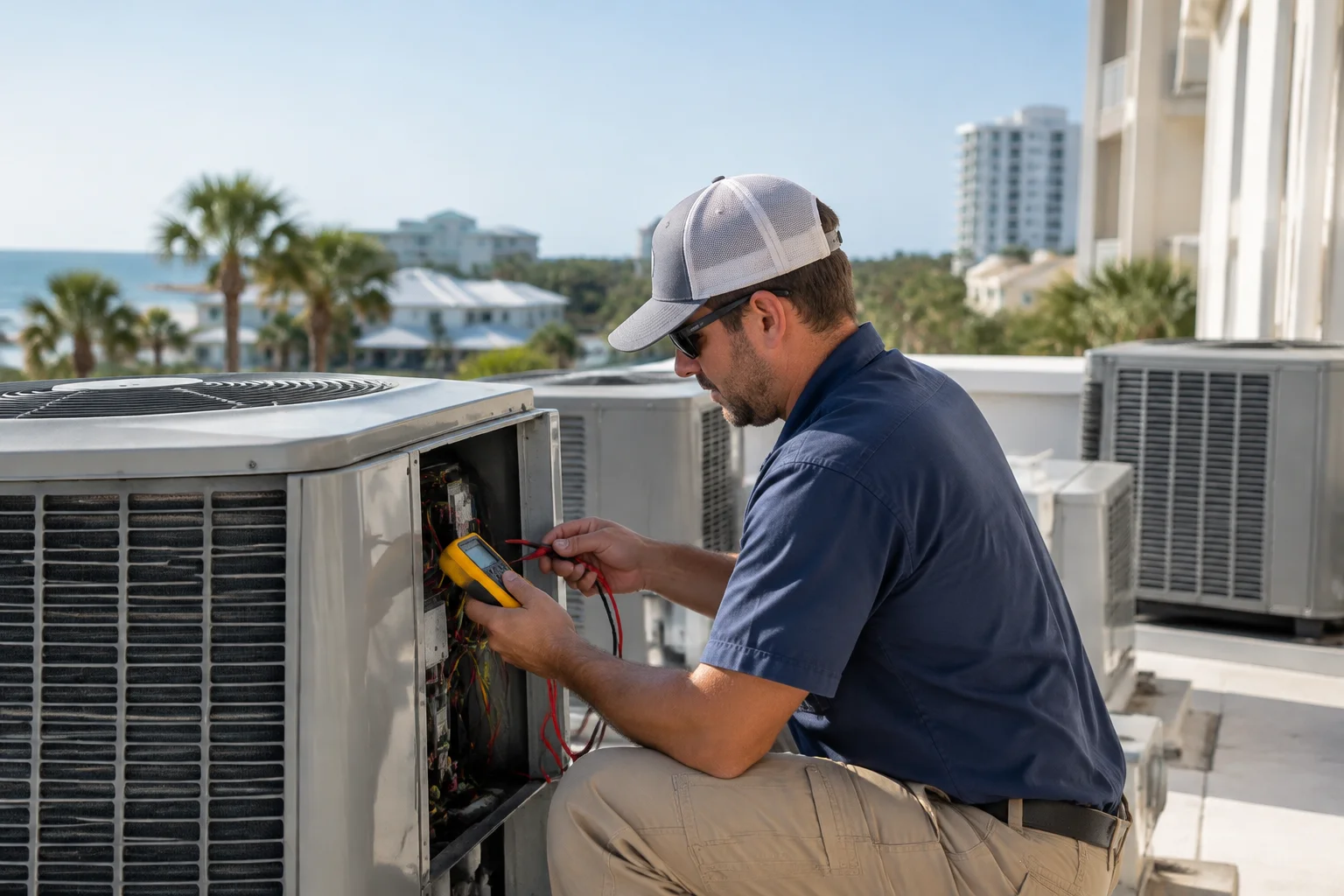
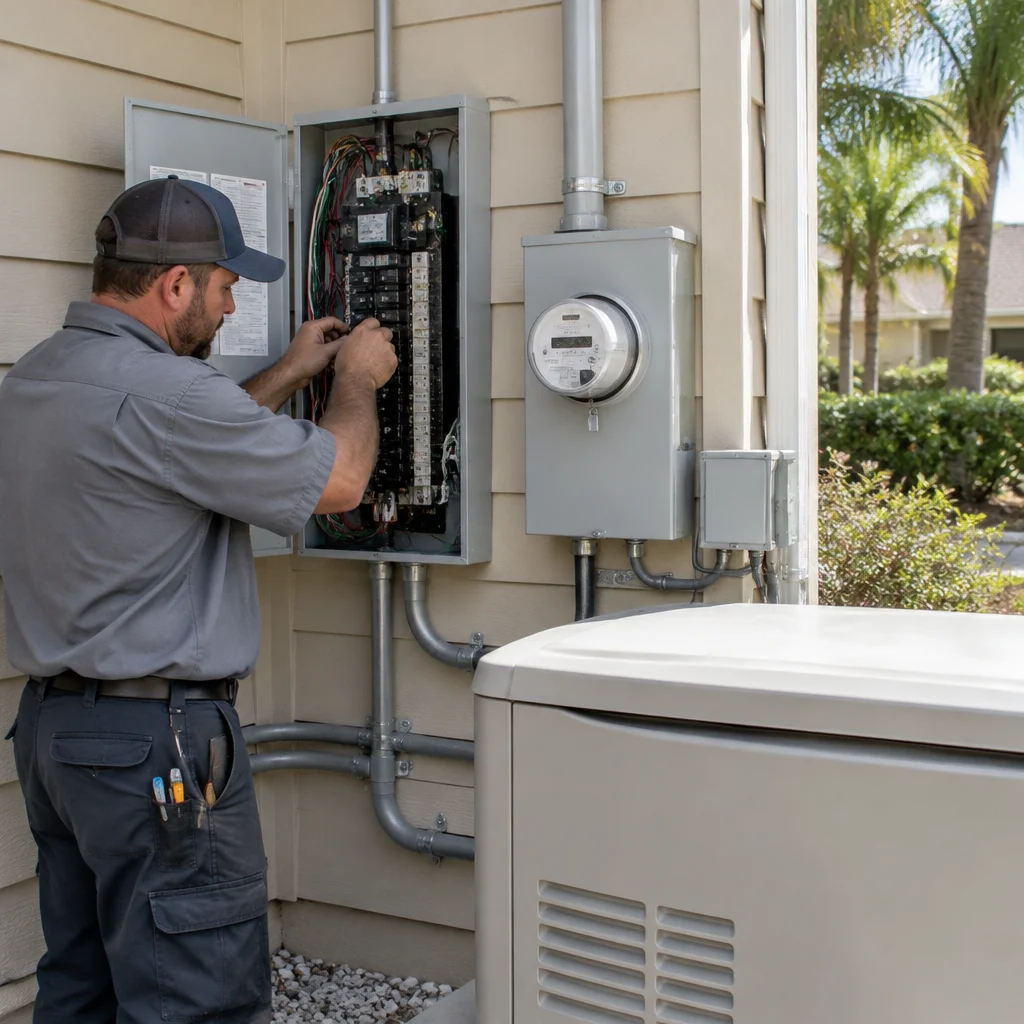
6) Electrical and component checks that support safe operation
AC systems include electrical components that must operate correctly for safe, reliable cooling. A professional inspection evaluates system operation and component condition as part of routine preventive HVAC maintenance.
Homeowners should not attempt electrical troubleshooting. If something is off, it should be handled by a qualified technician who can identify the real cause safely.
Common Ocean City AC issues that inspections uncover early
Many expensive repairs begin as less noticeable performance problems. Here are some patterns that a proper inspection can help uncover before they escalate.
Uneven cooling and hot spots
If certain rooms stay warmer, it can point to airflow limitations in ductwork, insulation gaps, or thermostat placement issues. In some cases, the system struggles to remove humidity in the hardest-hit areas, leaving them feeling uncomfortable even if temperatures are close.
If you are dealing with uneven cooling, consider pairing inspection with ductwork evaluation. For homeowners who want to go deeper into air distribution, Why Duct Sealing Pays Off for Ocean City Homes is a helpful read.
Short cycling or “runs but does not cool”
Short cycling can occur when the system cannot maintain stable cooling conditions. Causes can include airflow restrictions, control issues, or other system performance problems. An inspection helps confirm what is happening instead of relying on guesswork.
High humidity indoors despite AC running
Florida humidity can overwhelm comfort if your system is not removing moisture effectively. Condensate drainage problems, limited airflow, or refrigerant system performance issues can all affect humidity control. A professional inspection connects these dots through on-site evaluation.
Higher energy use and rising utility bills
When your AC is struggling, it often uses more energy to achieve the same cooling comfort. Blocked airflow, system inefficiency, or degraded components can contribute. Inspections help identify where performance is slipping, which supports better energy use.
Strange noises or odors during operation
Some noises can indicate airflow problems, loose components, or other mechanical concerns. Odors can point to moisture, buildup, or filtration issues. A technician can evaluate what is normal and what needs attention.
Why preventive HVAC maintenance is usually cheaper than emergency cooling
When an AC problem turns into a breakdown during a hot, humid stretch, the situation becomes more stressful and more expensive. Emergency cooling concerns often mean the system is not operating safely or efficiently, or that the repair must be prioritized under time pressure.
Preventive HVAC maintenance reduces the odds of mid-summer failures by identifying wear and performance issues before they reach a point where the system cannot keep up. For homeowners searching for AC tune up near me or scheduling air conditioner service near me, the inspection is the foundation that supports reliable cooling.
If you are also considering budget planning, you may find HVAC Financing useful. And if your home’s needs are bigger than maintenance, Air Conditioning Replacement can help you understand next steps.
How to tell the difference between a quick look and a real inspection
Not every “inspection” is the same. Homeowners can ask practical questions to confirm you are getting a thorough evaluation.
Ask what performance checks are being completed
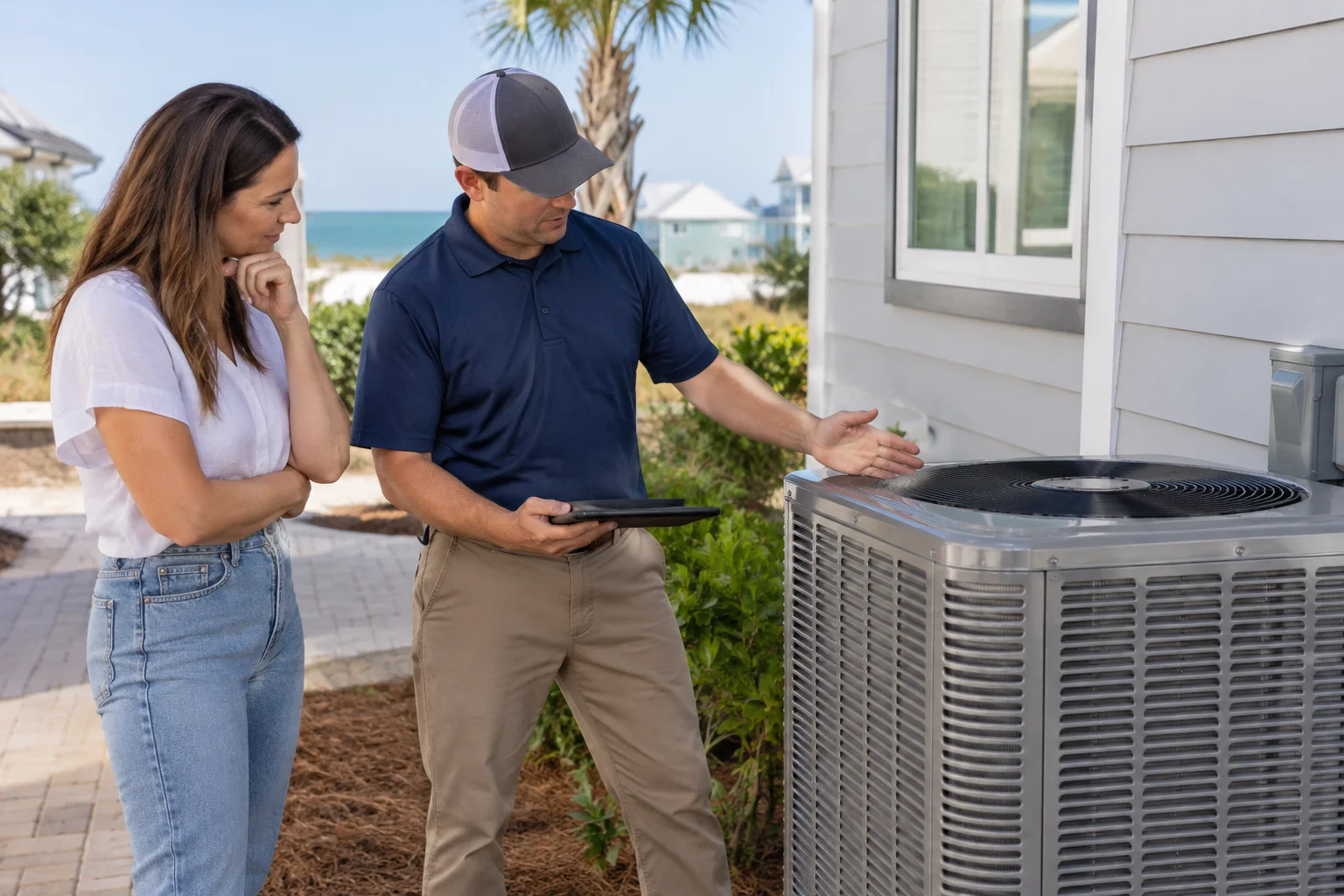
A good technician can explain how they evaluate cooling performance, airflow, humidity control, and overall system operation. If the conversation stays vague, you may not be getting the depth needed for Ocean City conditions.
Ask how ductwork and airflow are considered
Even a healthy AC struggles if air cannot move through the home properly. If you have hot spots, weak airflow, or rooms that never feel right, ductwork evaluation should be part of the discussion. You can ask directly about duct inspection and how airflow is assessed.
Ask how indoor air quality is addressed
Indoor air quality depends on filtration, airflow, and moisture management. If you have allergies, musty odors, or rooms that feel damp, mention it. A technician should connect those comfort concerns to inspection findings.
For more on how air quality affects comfort, read Keeping Ocean City Homes Comfortable Starts With the Air Inside.
When an inspection is especially important in Ocean City homes
Some situations call for inspection sooner rather than later. Consider scheduling an air conditioning inspection if you notice any of the following.
- Frequent thermostat adjustments because the temperature feels unstable.
- Comfort complaints like sticky air, rising humidity, or uneven room temperatures.
- Visible moisture issues near the indoor unit or signs that condensate drainage may not be working smoothly.
- Long run times or higher energy use without improved comfort.
- Recent storms or coastal weather impacts that could affect airflow, debris around the outdoor unit, or system operation.
If you manage a property with mixed-use or commercial components, you may also want to review Why Commercial HVAC Service Matters in Ocean City Homes and Mixed-Use Properties.
What homeowners can do between inspections
Inspections are professional work, but homeowners can support reliability and airflow in everyday ways.
Keep vents clear and maintain consistent airflow
Furniture, rugs, and storage can restrict airflow. Make sure supply registers and return paths are not blocked. This helps the system move conditioned air through the home as designed.
Stay alert to humidity symptoms
If you feel dampness, notice musty smells, or see condensation where it should not be, address it. Humidity issues can start small and then become more complex if condensate drainage or airflow is impaired.
Review thermostat settings and placement
A thermostat near direct sunlight, drafts, or heat sources can misread indoor conditions. If you have a thermostat that seems “wrong,” mention it during inspection so it can be evaluated as part of the system’s overall behavior.
Plan preventive HVAC maintenance before peak cooling
Scheduling an inspection ahead of the busiest months helps ensure your system is ready for the Florida heat, humidity, and coastal conditions that define Ocean City summers.
Scheduling an air conditioning inspection in Ocean City, FL
If you want to reduce the odds of costly repairs and protect everyday HVAC reliability, schedule a professional air conditioning inspection in Ocean City, FL. A Superior Mechanical focuses on thorough evaluation so homeowners can understand what is happening in their system and what needs attention.
To explore broader HVAC options across the area, visit the Ocean City service page and the Okaloosa County service area.
For homeowners who want the comfort of a plan rather than the stress of emergency repairs, inspection-based maintenance is one of the most practical steps you can take for reliable cooling in Ocean City.
Find Air Conditioning Inspection in Ocean City, FL
If you need Air Conditioning Inspection in Ocean City, FL, visit our local service page or contact A Superior Mechanical today.
Map of Ocean City, FL
Frequently Asked Questions
How often should I schedule an air conditioning inspection in Ocean City, FL?
Many homeowners schedule preventive HVAC maintenance before peak cooling season and again as part of an annual routine. If your system runs longer than usual, struggles with humidity, or has uneven airflow, it can be smart to schedule an inspection sooner.
What does an AC inspection include for humidity problems?
A professional inspection looks at moisture control factors like airflow, condensate drainage, and how the system operates with your thermostat settings. Because Florida humidity can mask or worsen comfort issues, the evaluation should connect indoor symptoms to system performance.
Can I diagnose refrigerant issues myself based on symptoms?
No. Refrigerant system problems require in-person evaluation and proper testing. Symptoms like weak cooling can also come from airflow restrictions or other performance issues, so a technician should investigate on site before recommending any repair approach.
How does ductwork affect air conditioning inspection results?
Ductwork impacts airflow and how effectively the system can cool and dehumidify your home. During inspection, a technician should consider airflow across the system and discuss duct-related concerns if you have hot spots, weak airflow, or comfort inconsistencies.
What should I do if my AC fails during a hot, humid day?
If you are facing emergency cooling concerns, contact an HVAC professional for emergency AC repair near me. While waiting, avoid repeated thermostat cycling and keep indoor airflow paths clear so the system is not further strained.
Related Articles
Photo Gallery