Fort Walton Beach homes feel the everyday effects of water quality long before most people think to connect them to water treatment. One week you notice soap that does not rinse well. The next, you are scrubbing hard water spots on the shower glass and wondering why your water heater seems to run more often. When hard water becomes part of daily life, the “small” problems add up, and that is where costs start climbing.
This guide breaks down what water softening services actually do, the signs your system needs attention, and how local Fort Walton Beach water conditions can make treatment more important than homeowners expect. If you are comparing water filtration near me options, exploring reverse osmosis installation, or deciding whether whole home water filtration makes sense, you will have a clearer path forward after reading.
Why Fort Walton Beach water can be tough on your home
Hard water is common in many parts of the Florida Panhandle, and Okaloosa County homes often deal with mineral-rich water that leaves deposits as it heats up and evaporates. The “hardness” comes from dissolved minerals, most notably calcium and magnesium. When water flows through your plumbing and water heater, those minerals can precipitate and form scale.
In coastal climates, water chemistry can vary by source and season. Homes may see changes after system maintenance, seasonal shifts, or changes in local supply conditions. Even if your water looks clear, dissolved minerals can still affect everything from bathing to laundry to appliance performance.
That is why water treatment in Fort Walton Beach is not just about comfort. It is also about protecting plumbing and extending the life of equipment that depends on clean, consistent water.
What hard water looks like inside and outside the house
Hard water makes itself known. Homeowners usually notice it in places where water dries and minerals are left behind.
Glass, dishes, and fixtures
If you see hard water spots on dishes, shower glass, faucets, and showerheads, scale is likely building up. These marks can start as faint film and grow into crusty buildup that takes more cleaner and more elbow grease to remove. Over time, that residue can also affect water flow through aerators and showerheads.
Scale buildup around faucets and showerheads
Look closely at faucet aerators, under showerhead nozzles, and around plumbing fixtures. Scale buildup around faucets and showerheads can reduce spray quality, cause uneven flow, and increase the effort it takes to rinse soap and shampoo. When you notice clogging that keeps coming back, it is often a water hardness and treatment issue.
Dry skin or dull hair after bathing
Many people describe dry skin from hard water and dull hair after bathing. That is not just a “feels like” problem. Hard water can interfere with how soap works, and it can leave residue that makes skin feel tight and hair feel less clean. If you have tried different shampoos and still notice the same outcome, it is worth considering hard water treatment.
Soap does not lather or rinse well
One of the clearest indicators is that soap does not lather or rinse well. You may need more product than usual, and you might still feel a slippery or filmy residue after washing. When soap does not perform the way it should, it is often because minerals are reacting with detergents and preventing efficient cleaning.
Cloudy ice cubes and taste concerns
Some homeowners notice cloudy ice cubes, especially when minerals, sediment, or other water characteristics are present. Taste can also be a clue. You might detect a metallic, chlorinated, or unpleasant taste in water, which can be noticeable in drinking water and cooking water. If you have poor tasting coffee and cooking water, the issue may be more than just preference. Water chemistry can affect flavor and how well beverages and foods turn out.
Visible sediment, discoloration, and odor concerns
Visible sediment, discoloration, or recurring odor concerns are signs that water treatment may need to do more than soften minerals. Sediment in household water can foul fixtures and reduce the effectiveness of downstream equipment. If you have water that looks cloudy at times or smells off, a professional water assessment is the best way to identify the true cause and the right solution.
Why letting hard water go untreated gets expensive
Scale is easy to ignore when the first symptoms are cosmetic. But mineral deposits do not stop at the shower door. They can accumulate inside pipes, water heaters, and appliances that use hot water. Over time, scale reduces heat transfer, forces equipment to work harder, and can shorten service intervals or the lifespan of key components.
Appliances wear out faster
Dishwashers, washing machines, water heaters, and even coffee makers can experience faster wear. Mineral buildup acts like insulation. That means the appliance has to use more energy and run longer to reach the same temperature or performance level.
Higher energy use and more frequent repairs
When scale coats heating elements and internal water paths, performance drops. You may notice longer cycles, inconsistent temperatures, or more frequent maintenance. Homeowners often end up paying twice: first for extra cleaning and then for equipment repairs.
More time spent scrubbing and replacing parts
Hard water spots on glass and fixtures can create a cycle where you clean more often and still fight recurring buildup. Over time, valve parts, showerheads, and faucet aerators can clog or wear out faster, and replacement becomes the next cost.
How water softening services help (and what they do not)
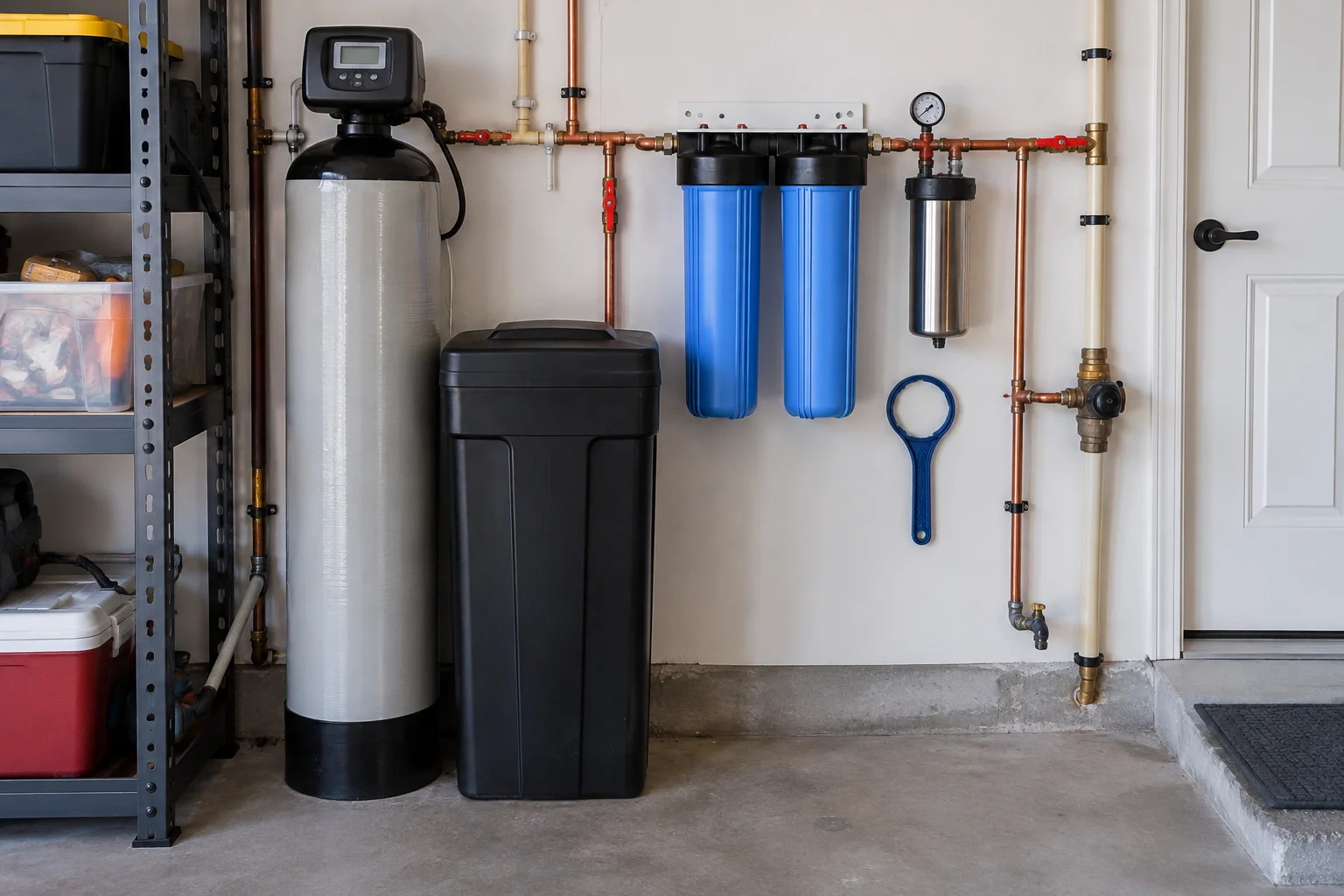
Water softening is designed specifically to address hardness minerals. A properly sized and maintained water softener reduces or removes calcium and magnesium so scale forms more slowly and soap performs better.
However, not every water quality issue is solved by softening alone. If you have sediment, odor, or taste problems, additional water filtration may be needed. Many homeowners benefit from both softening and filtration working together as a clean water system.
Water softening and the role of regeneration
Most residential water softeners use a regeneration process. That process typically includes resin beds and a controlled cycle that restores the softening media. If the system is undersized, incorrectly adjusted, or not maintained, hardness can slip through and scale can continue to build.
That is why water softener service near me searches are often really about getting the right settings, verifying performance, and ensuring the system is regenerating properly for the household’s water use.
Whole home water filtration for cleaner, better-tasting water
Whole home water filtration can help reduce sediment and improve water clarity and taste. For homeowners dealing with chlorine taste in water, metallic or unpleasant taste, or cloudy ice cubes, filtration can be part of the solution. It can also protect plumbing and appliances by reducing particles that contribute to buildup.
If you are exploring water filtration near me options, ask about a staged approach that matches your water issues. Softening targets hardness. Filtration targets other contaminants and particulates.
Reverse osmosis for drinking and cooking water
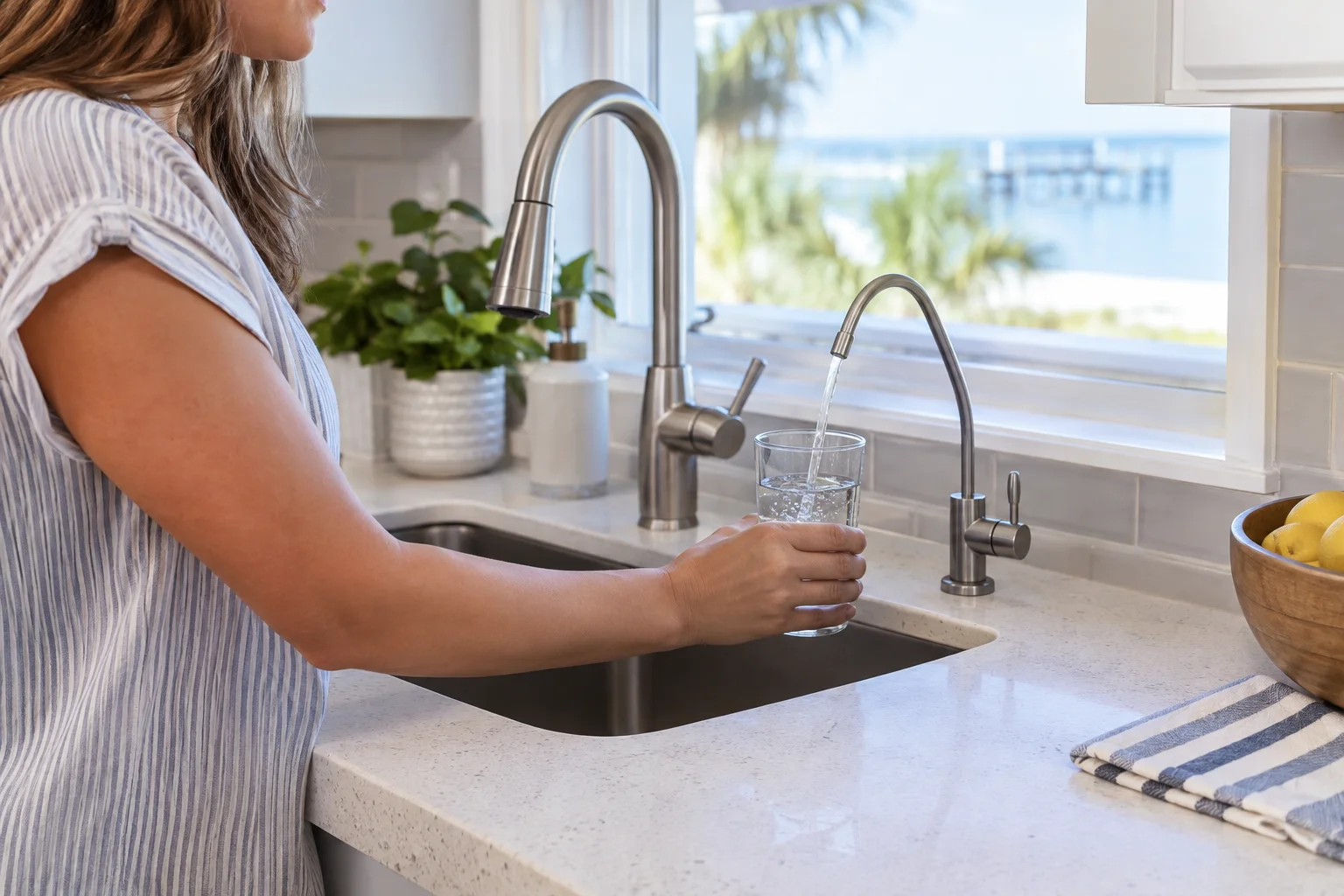
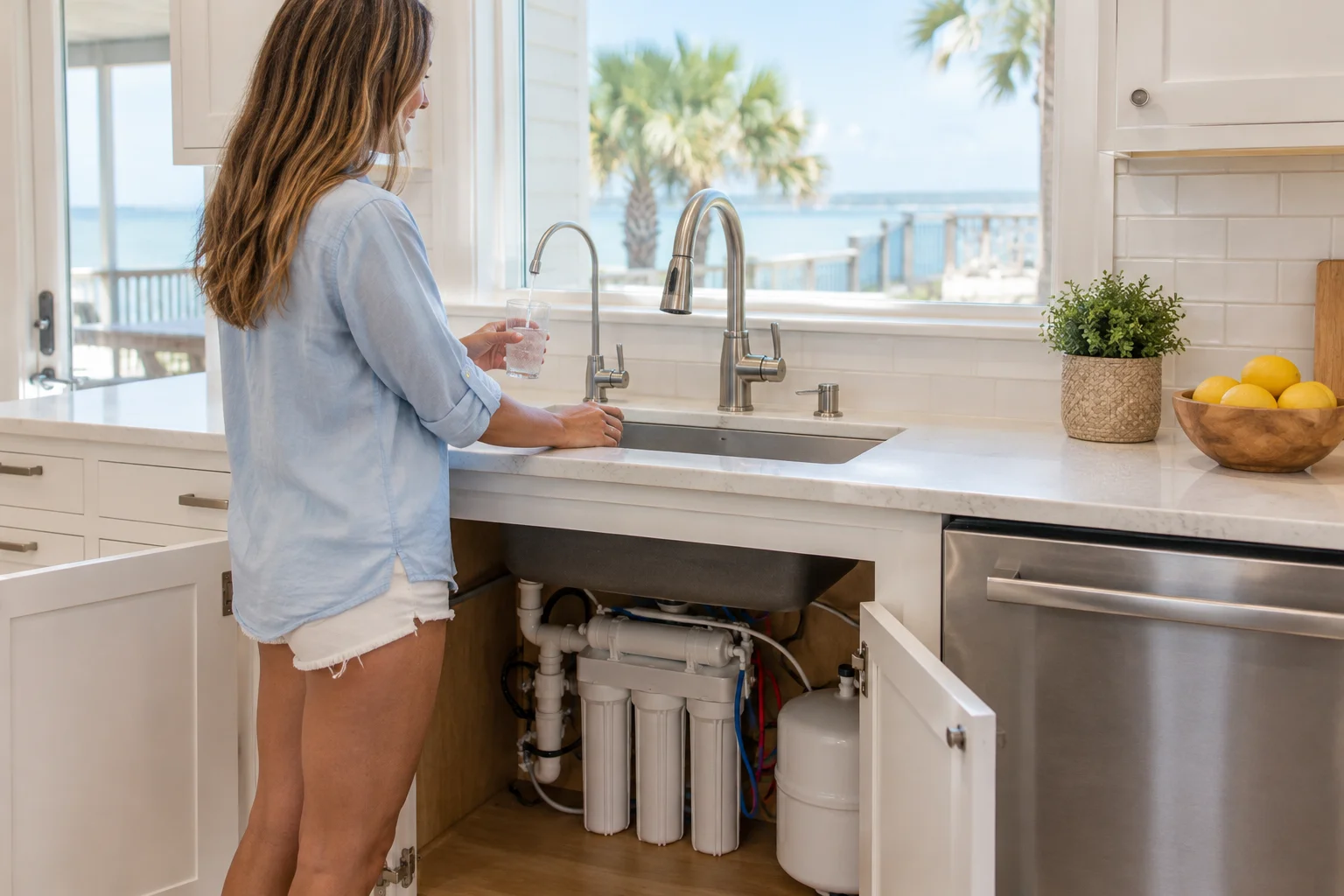
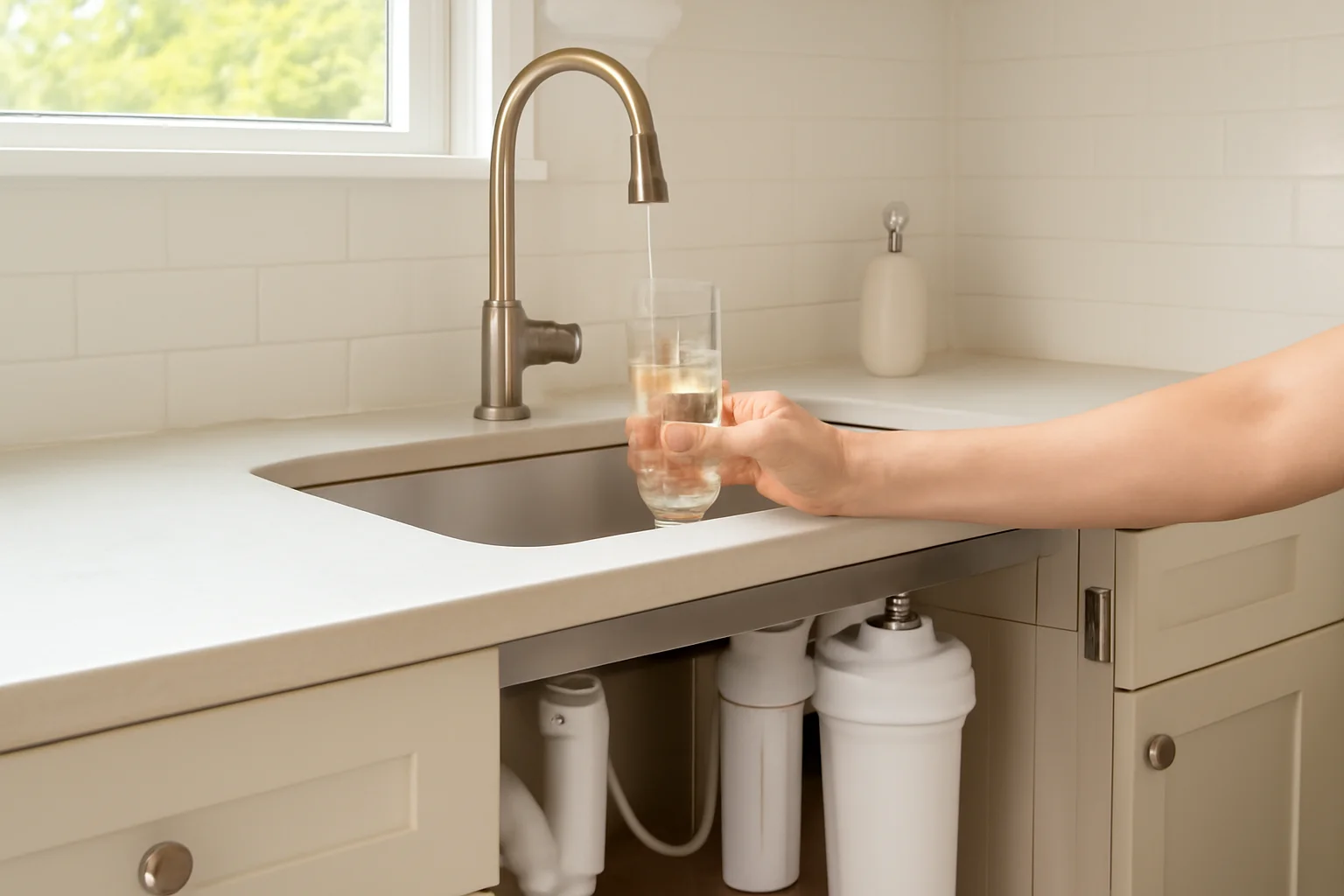
Reverse osmosis installation is commonly used to improve drinking water and cooking water by reducing dissolved solids and other contaminants at the tap. Many families keep a reverse osmosis system under the sink for everyday drinking, ice, and coffee.
Homeowners who complain about poor tasting coffee water or notice cloudy ice cubes often start with RO for taste and clarity, then pair it with softening or whole home filtration for full-home protection.
Where AO Smith water filtration fits in
AO Smith water filtration systems are designed to support whole home water treatment goals. Many homeowners choose AO Smith equipment because it is built for consistent performance and a practical approach to cleaner water. A Superior Mechanical can help you evaluate whether AO Smith water filtration makes sense for your home, especially if you want a balanced setup for both protection and everyday water quality.
Common reasons water softeners fail before homeowners notice
It is not always that the system is “broken.” Sometimes it is simply not working as it should.
Incorrect sizing for household water use
If a water softener is undersized, it can run out of capacity too quickly. That can lead to intermittent hard water symptoms, especially during high-use periods like laundry-heavy weeks, back-to-back showers, or when a family is home more often.
Salt or brine issues
Many households fill the salt tank but do not realize that bridging, low salt levels, or brine line problems can reduce effectiveness. The result is a system that appears to be running but is not regenerating properly.
Resin bed performance and maintenance gaps
Over time, resin can become less effective if the system is not maintained. Sediment in household water can also contribute to performance issues. That is another reason whole home water filtration matters for some homes.
Bypass valves and installation details
A bypass valve can accidentally be left open after maintenance or service. Installation details also matter, including plumbing connections and settings. A professional water treatment service can verify the setup and confirm performance.
What to ask for during a water treatment evaluation in Fort Walton Beach
If you are searching for water treatment near me, you want more than a guess. A good evaluation should connect your symptoms to measurable water characteristics.
- Hardness and scaling risk: Ask how they determine hardness levels and how that relates to scale buildup around faucets, showerheads, and plumbing.
- Water quality beyond hardness: If you have a metallic taste, chlorine taste in water, or odor concerns, ask what filtration steps are recommended and why.
- System sizing and setup: Confirm the plan accounts for household size, laundry habits, and water use patterns.
- Maintenance and service intervals: Ask what water softener service includes, how often it should be done, and what signs to watch for between visits.
- Options for drinking water: If your family cares about better drinking water, ask whether reverse osmosis installation should be added for the kitchen tap.
When a plan is built around your actual water conditions, you avoid the common mistake of paying for equipment that does not address the real problem.
A family kitchen example: how better water changes daily life
Picture a typical Fort Walton Beach morning. Kids grab glasses for juice. Someone makes coffee. A pot of water goes on the stove. Then the dishwasher runs at night, and the next day you notice the glassware looks dull again. If the water has hardness and taste issues, the kitchen feels it fast.
With properly matched water softening and filtration, you often see improvements like:
- Clearer ice cubes and better-tasting drinking water
- Better coffee and cooking water because the water chemistry is more consistent
- Less residue on cookware and glassware, which helps dishes look cleaner with less scrubbing
- More comfortable bathing because soap works better and soap does not need to be “fought” as much
This is also where reverse osmosis can be a smart addition. Many families keep RO for the kitchen tap and use whole home water filtration and water softening for everything else.
Prevention and maintenance that keep costs down
Homeowners can reduce the risk of expensive scale buildup by using a few simple habits and scheduling service before problems escalate.
Watch for repeating buildup patterns
If hard water spots on dishes and fixtures come back quickly, do not assume cleaning products are the issue. Treat the water source.
Keep an eye on soap performance
When soap does not lather or rinse well, test the pattern. If it changes suddenly, it can point to a softener performance problem, a settings issue, or a supply change.
Use the right maintenance schedule
Ask your water treatment professional what maintenance looks like for your system type. Regular service helps keep resin performance strong and helps prevent sediment from interfering with the softening process.
Consider a complete clean water system
Some homes need more than one solution. Whole home water filtration can address sediment and clarity. Water softening protects plumbing and appliances. Reverse osmosis can upgrade drinking and cooking water quality. When these pieces work together, the home experiences fewer “mystery” issues.
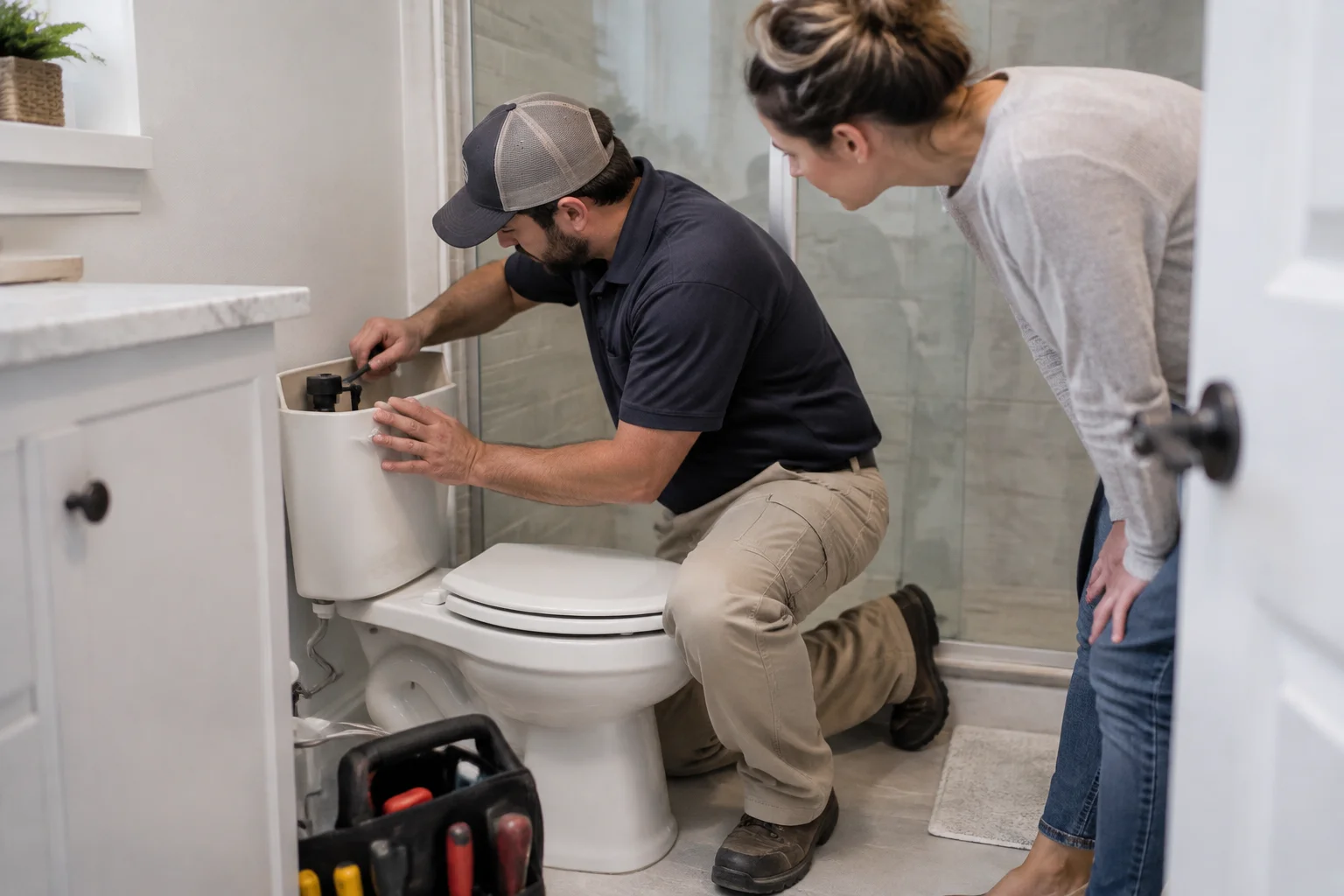
When to call a professional water treatment company in Fort Walton Beach
Call a professional water treatment service when you notice multiple symptoms at once or when the same issue keeps returning after cleaning. It is especially important to act if you are seeing:
- Scale buildup around faucets, showerheads, and plumbing that keeps coming back
- Dry skin from hard water or dull hair after bathing
- Metallic tasting water, chlorine taste in water, or unpleasant odor concerns
- Cloudy ice cubes or poor tasting coffee and cooking water
- Visible sediment, discoloration, or recurring taste changes
- Appliances wearing out faster than expected
For Fort Walton Beach homeowners, starting with a local water softening plan is often the most cost-effective way to prevent scale from spreading through the home’s plumbing and equipment. A Superior Mechanical offers professional water softening services and can help you choose the right combination of softening and filtration for your household.
Explore water softening services in Fort Walton Beach and learn how the right system can reduce hard water effects across your home. If you are also looking at broader improvements, review water filtration and reverse osmosis options to see how whole home water filtration and RO can work together. For homeowners comparing solutions across the area, visit the Fort Walton Beach service page and Okaloosa County service area for local context.
Related home protection topics homeowners ask about
Hard water can connect to other home maintenance concerns, especially when scale and sediment contribute to plumbing strain. If you are planning repairs or trying to prevent future issues, these reads can help:
- A Fort Walton Beach Homeowner’s Guide to Water Line Replacement Before Small Problems Spread
- Planning Sewer Repair Around Fort Walton Beach Homes and Hard Water
- Plumbing warning signs Fort Walton Beach homeowners should not ignore
- A Smarter Way to Handle Plumbing Services in Fort Walton Beach Homes
Choosing the right water treatment approach for your home
Fort Walton Beach families do not all have the same water problems. Some focus on better drinking water for the kitchen. Others are trying to stop hard water spots on glass and reduce buildup around showerheads. Many want protection for appliances and plumbing, especially as homes age.
A smart plan starts with understanding your symptoms, then matching them to solutions like water softening, whole home water filtration, AO Smith water filtration, and reverse osmosis installation. When you address hardness early, you can prevent scale from becoming a recurring expense and keep your home’s water experience clean, comfortable, and reliable.
If you are looking for water treatment near me, A Superior Mechanical can help you move from frustration to clarity. The goal is simple: reduce hard water effects now so your fixtures, appliances, and daily routines do not pay the price later.
Find Water Softening Services in Fort Walton Beach, FL
If you need Water Softening Services in Fort Walton Beach, FL, visit our local service page or contact A Superior Mechanical today.
For a broader look at whole-home water filtration, reverse osmosis, and water softener options, visit our water filtration, RO, and water softener page.
Map of Fort Walton Beach, FL
Frequently Asked Questions
How do I know if I need water softening or whole home water filtration?
If you see scale buildup around faucets and showerheads, hard water spots on dishes, and dry skin from hard water, softening is often the main need. If you also notice cloudy ice cubes, metallic taste, odor concerns, or visible sediment in household water, whole home water filtration may be needed alongside softening.
Will a water softener fix poor tasting coffee and cooking water?
Sometimes it helps, especially if hardness is affecting taste and residue. For many families, reverse osmosis installation at the kitchen tap provides a more noticeable improvement in drinking water and cooking water flavor. A local water assessment can confirm the best approach.
What does water softener service include?
Professional water softener service typically checks performance, verifies settings, inspects components like the brine system, and addresses issues that can reduce softening effectiveness. If you have sediment or odor concerns, the technician may also recommend filtration upgrades.
How often should I maintain or inspect my water treatment system?
Maintenance needs vary by system type and household water use. Many homeowners benefit from periodic inspections to prevent hardness from slipping through and to keep the system regenerating correctly. A Superior Mechanical can recommend a schedule based on your equipment and local water conditions.
Is AO Smith water filtration a good option for Fort Walton Beach homes?
AO Smith water filtration can be a strong fit for homeowners who want whole home water treatment for cleaner, better-tasting water and protection for plumbing and appliances. The right model depends on your water quality and goals, so it is best to match equipment to measured results.
Related Articles
Photo Gallery