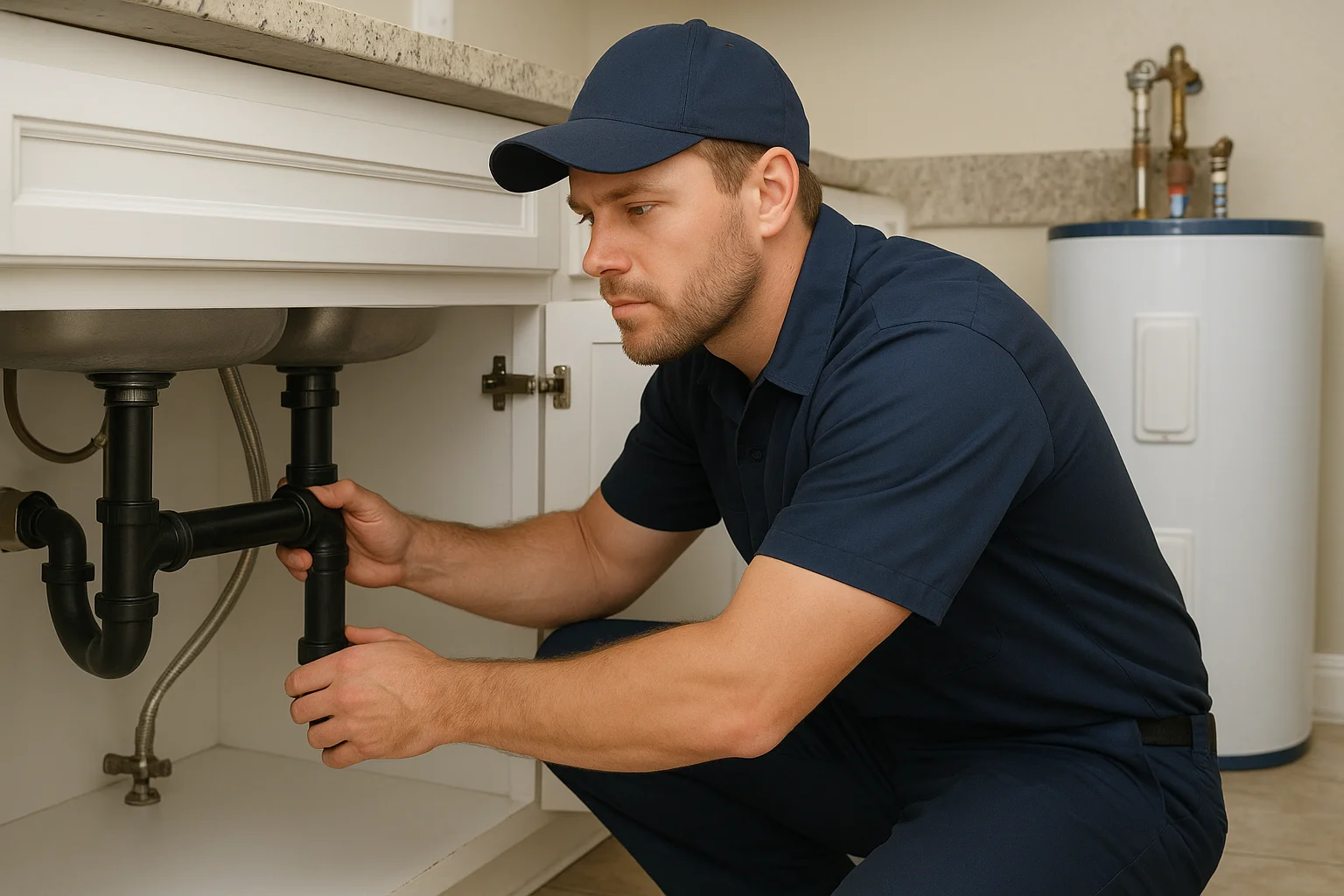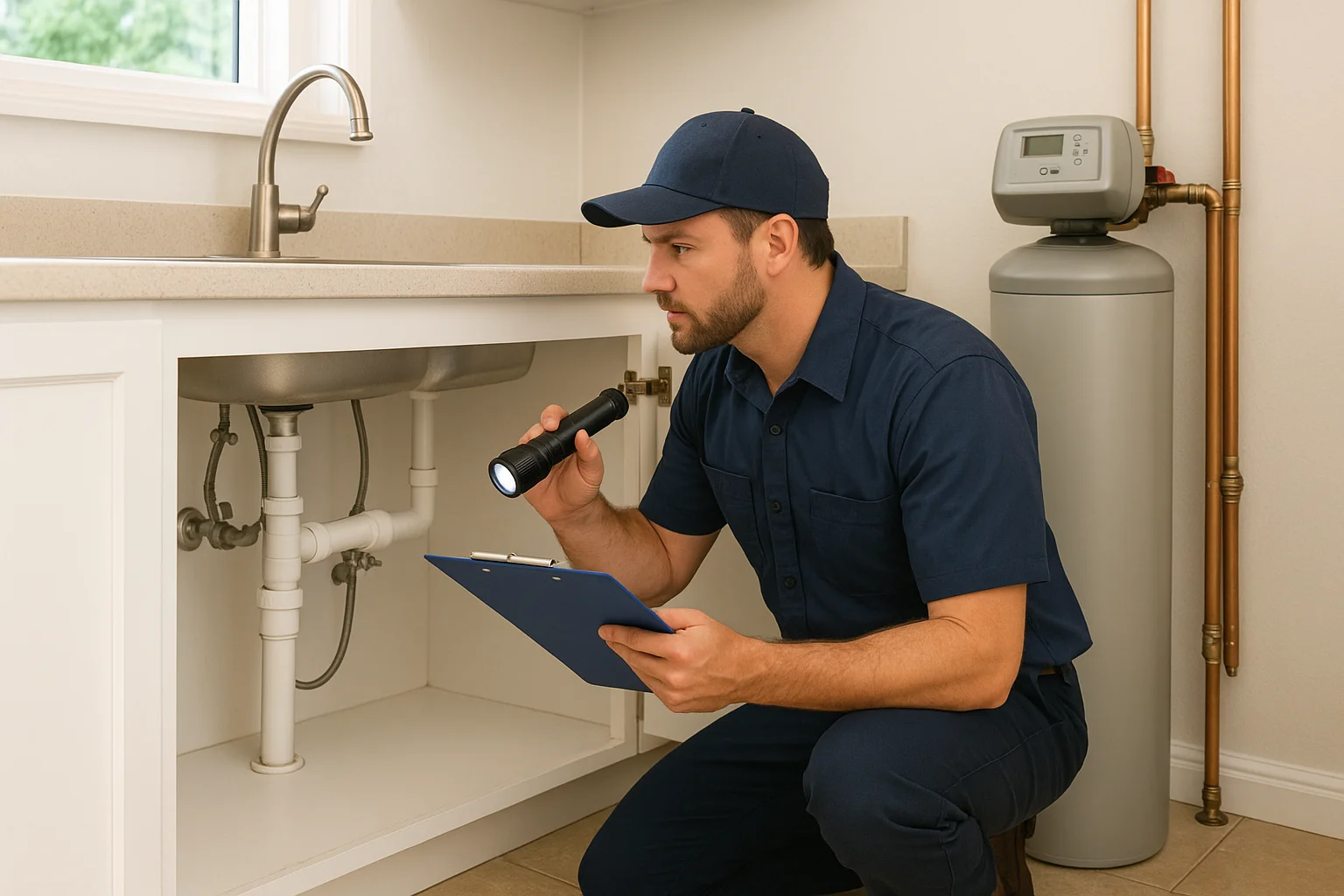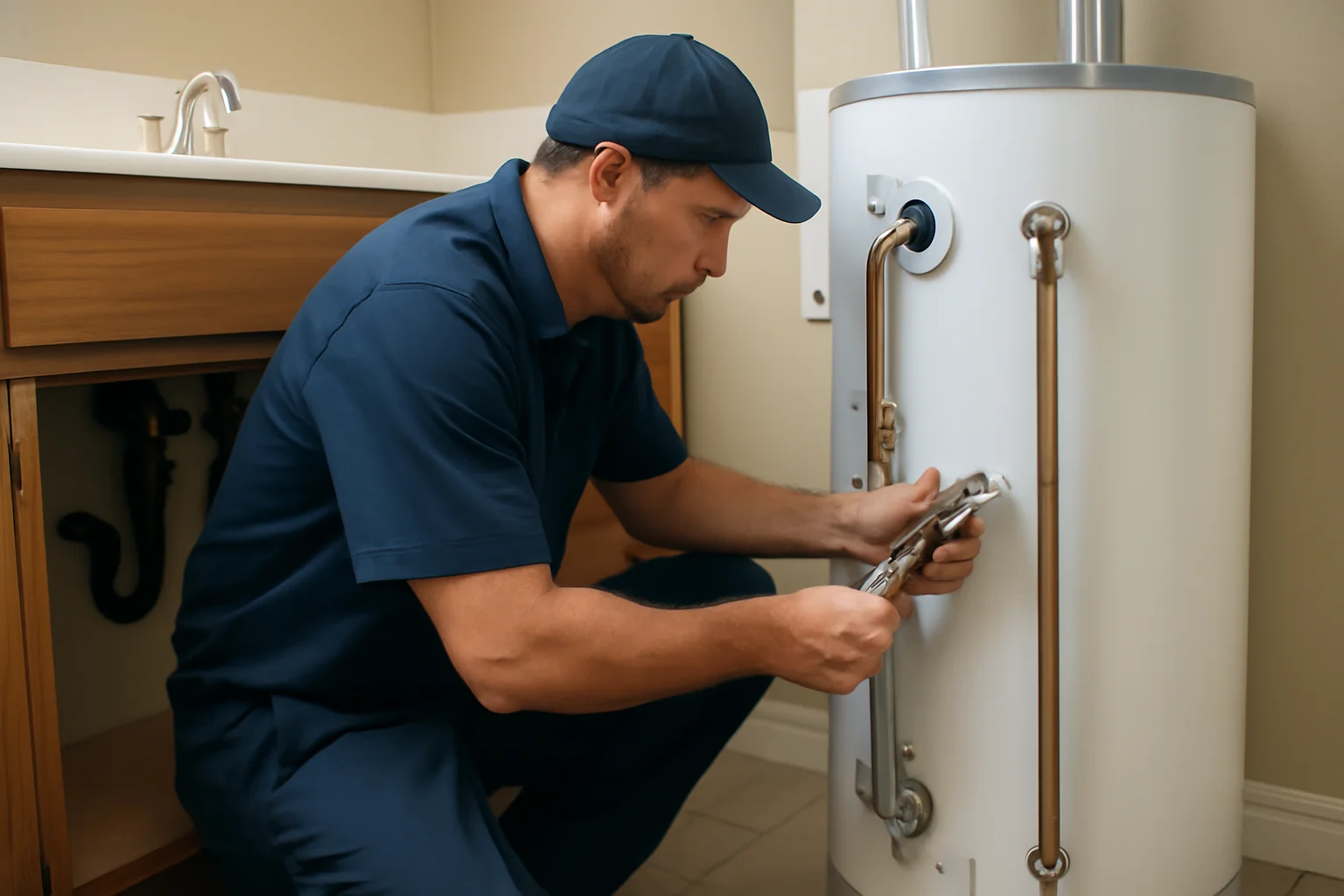
In Hammock Bay, FL, a water heater problem is rarely just about hot water. Homeowners often notice that after a repair, their drains seem slower, nearby pipes run louder, or small leaks turn into bigger moisture issues. That is because water heater repairs involve more than the tank or unit. They also affect how water moves through supply lines, how discharge is handled, and how water pressure interacts with fixtures, toilets, and nearby sewer connections.
If you are searching for water heater repair near me or a licensed plumber near me because you have a leak, a drainage concern, or recurring pipe problems, this guide breaks down the most common causes and what to watch for. It also covers prevention steps that help protect drain and pipe performance for homes across Walton County.
Why a water heater repair can impact drain and pipe performance
A water heater is part of your home plumbing system, not a standalone appliance. When technicians replace a valve, tighten fittings, reconnect discharge piping, or adjust a temperature setting, they can change how water pressure and flow behave. In Hammock Bay, where many homes sit near coastal humidity and where sprinklers, outdoor water use, and seasonal storms can stress plumbing, small repair issues can show up elsewhere.
Common ways water heater repairs can affect drains and pipes include:
- Leaks at connections that promote corrosion and weaken nearby pipe joints.
- Incorrect discharge routing that pushes water where it should not go.
- Pressure and temperature changes that increase strain on supply lines and fixture valves.
- Sediment disturbances that loosen debris and worsen drain flow.
- Backflow or pressure surges that contribute to noisy pipes and slow drains.
When homeowners notice these problems, they often turn to plumbing services like clogged pipes and drain cleaning or sewer and drain services, but the root cause may start at the water heater.
Leaks that start at the water heater and spread to pipes
Leaks are the most obvious repair-related issue. But the bigger risk is where the water goes. A small leak at a drain valve, supply connection, or pressure relief valve can wet surrounding piping and create hidden corrosion over time. In coastal Florida humidity, that corrosion can accelerate.
Pressure relief valve discharge not handled correctly
Most water heaters include a pressure relief valve that releases water if internal pressure exceeds safe limits. If the discharge line is missing, damaged, or routed incorrectly, that water can pool near the unit, run along pipes, or find its way into areas that should stay dry. Homeowners may later notice damp drywall, rust stains, or recurring moisture around the heater and nearby plumbing.
Ask a technician to confirm the discharge line is properly installed, secured, and directed to an appropriate drain location.
Drain valve or fitting leaks after service
During repairs, plumbers may replace a drain valve, tighten threaded connections, or swap a hose. If the wrong sealant is used, if a fitting is overtightened, or if a gasket is not seated correctly, leaks can appear soon after the job. These leaks can also lead to pressure loss that affects hot water delivery and can contribute to uneven flow at showers and sinks.
Pinholes and corrosion after long-term sediment
Many Hammock Bay homes see hard water effects. Over time, mineral buildup causes sediment to collect in tank bottoms. That sediment can create hot spots, reduce efficiency, and increase the chance of small leaks in the tank or at the bottom fittings. When a repair interrupts the system, sediment can be disturbed, and debris may partially block valves or contribute to slow drain issues.
Drain flow problems tied to pressure, temperature, and backflow
It is common for homeowners to say, “My water heater was just repaired, and now the drains act weird.” Sometimes the link is direct. Other times, the repair revealed an existing issue that was masked by normal pressure conditions.
Water pressure that is too high after adjustments
Water pressure affects everything from faucet aerators to toilet fill valves. If a repair changes regulator settings, affects the mix of incoming hot and cold water, or results in an incorrect valve installation, you may see pressure spikes. Those spikes can cause:
- Noisy pipes (hammering or banging)
- Faster toilet cycling
- Fluctuating flow at sinks and showers
- Higher strain on pipe joints and fittings
High pressure does not usually create a clog by itself, but it can contribute to wear that makes existing weaknesses fail sooner. If you are noticing recurring clogs or slow drainage, you may need both water heater service and drain evaluation.
Temperature settings that change how fixtures perform
Setting the thermostat too high can increase scald risk and can also raise the chance of pressure relief valve discharge events. That discharge can create moisture issues and, in some cases, affect how nearby plumbing drains if the discharge line is connected improperly.
On the other hand, a thermostat set too low can lead to lukewarm water complaints, which sometimes leads to repeated “fixes” that do not address the real issue. A proper diagnosis should confirm safe temperature settings and unit performance before chasing symptoms.
Backflow and cross-connection concerns
Backflow is when water moves in the wrong direction. Cross-connections can occur when valves are installed incorrectly or when discharge lines are modified. In a worst-case scenario, water can contaminate supply lines or create drainage problems that show up at fixtures.
This is one reason homeowners should avoid DIY water heater repair and instead use a plumber who understands local plumbing requirements and the layout of Hammock Bay homes.
Pipes can suffer even when the heater seems “working”
Not every water heater repair problem is a leak you can see. Some issues show up as pipe performance problems: slow hot water recovery, damp spots that appear after long showers, or recurring pipe noise that gets worse over time.
Supply line restrictions and valve issues
If a repair replaces a shutoff valve, flex connector, or check valve and the new component is undersized or installed with flow restrictions, hot water may arrive slower at sinks and tubs. Homeowners sometimes mistake that delay for a failing heater and request another repair, when the real problem is a restricted line.
Restricted supply flow can also create pressure imbalances that affect toilet fill and shower performance.
Improper connection to nearby fixtures
Many Hammock Bay homes share plumbing runs across basements, utility closets, crawlspaces, or slab-adjacent areas. If a repair technician disconnects and reconnects lines near other fixtures, even a small misalignment can cause seepage later. That seepage can contribute to slab leak concerns or hidden moisture that homeowners only discover after floors, drywall, or tile show signs of damage.
If you suspect a slab leak, it is important to address it quickly because moisture can travel and damage finishes.
Hard water and scaling that returns after repairs
Hard water can leave mineral scale on internal components. After a repair, scale may continue to build if the underlying issue is not addressed. That can lead to recurring valve problems, reduced flow, and more sediment movement that affects the heater and drain performance.
Some homeowners ask about improving water quality. If your household struggles with mineral buildup, consider reading A Practical Guide to Reverse Osmosis Systems for Hammock Bay Homes to understand whether it fits your home and plumbing goals.
Tank vs tankless repairs: different issues, same plumbing connections
Whether you have a traditional tank water heater or a tankless unit, repairs involve plumbing components that impact flow and drainage. The difference is how the system handles heat and how it reacts to pressure changes.
Tank water heaters: sediment and bottom fitting leaks
Tank units often need maintenance to manage sediment. If a repair includes replacing a part without addressing sediment buildup, the problem can return. Sediment can also contribute to clogged drains indirectly by loosening debris when valves are opened or when the heater is serviced.
Tankless water heaters: flow sensors and pressure stability
Tankless systems are sensitive to flow rates and pressure stability. A repair that affects inlet filters, shutoff valves, or venting components can change performance. While tankless repairs are sometimes discussed as “HVAC-like,” the plumbing portion still matters: supply lines, valves, and discharge handling are part of the system.
If you are considering Waterline Replacement because older lines cannot maintain stable flow, a proper evaluation of both the heater and the plumbing feeding it can prevent repeated service calls.
How Hammock Bay conditions can make repair problems worse
Hammock Bay, FL is shaped by coastal weather, high humidity, and storm seasons. Those factors can intensify typical plumbing wear and can make small water heater leaks harder to catch early.
Humidity and corrosion
Moisture in utility areas can speed up corrosion on fittings, valves, and nearby pipe joints. If a repair creates a tiny seep, it may take longer to notice until rust marks appear or a joint fails.
Seasonal water use and pressure changes
When households ramp up water use for showers, laundry, and outdoor routines, the system experiences different demand patterns. If a water heater repair does not restore correct pressure and flow, you may notice problems more strongly during peak use times.
Storm-related plumbing stress
After heavy rain events, homeowners sometimes discover drainage backups or slow drains that were already forming. A water heater discharge line or connection issue can add to the moisture load in the same areas where drains and sewer lines are already under stress.
If you are dealing with an emergency plumbing concern, such as a leak near the heater or water backing up, prioritize safety and call for help right away.
Prevention steps that protect drains, pipes, and the water heater
You can reduce the chance that repairs create new plumbing problems by focusing on maintenance and careful monitoring.
Watch for early warning signs
Look for these indicators in Hammock Bay homes:
- Water pooling around the base of the heater or damp spots on nearby walls
- Rust streaks or mineral deposits near connections
- Drains that suddenly run slower after water heater service
- Toilets that fill longer than usual or run more often
- New pipe noise, especially after hot water runs
- Smells or signs of moisture in utility closets or crawlspaces
Keep discharge lines correct and unobstructed
Confirm the pressure relief discharge line is properly connected and not leaking at joints. If you have a drain pan, make sure it is not overflowing. If you have ever had a “temporary fix” that someone made during an earlier repair, replace it with a proper installation.
Schedule plumbing maintenance that includes the heater
Many homeowners focus on drain cleaning, toilet repair, or faucet repair but forget the water heater until it fails. A simple annual inspection can catch worn valves, sediment buildup, and small leaks before they affect pipes and drains.
For more local guidance, review Planning Ahead for Plumbing Maintenance in Hammock Bay Homes and Planning Ahead for Cleaner Water and Fewer Plumbing Surprises in Hammock Bay.
Address hard water and scale where it matters
If your household has frequent scale on faucets or showerheads, scale is also building inside your water heater. That can lead to pressure relief issues, sediment problems, and recurring repairs. A plumber can help you evaluate options like water treatment and maintenance schedules based on your water conditions.
Use drain cleaning wisely
When drains are slow, homeowners often try harsh chemicals. Those can damage some plumbing materials and create more problems for pipes already under stress. If you suspect a clog, schedule service that clears the blockage safely. You may also need to confirm that the water heater discharge and supply lines are not contributing to the issue.
For help with recurring backups, see Clogged Pipes and Drain Cleaning and Sewer and Drain Services.
When to call a plumber for water heater repair and connected plumbing issues
If you are looking for affordable plumber near me or a plumber near me, focus on getting the right diagnosis. The goal is to prevent repeat repairs and protect drain and pipe performance.
Call soon if you notice these problems
- Any active leak around the heater, valves, or nearby pipes
- Water heater performance issues paired with slow drains or toilet problems
- New moisture in walls, ceilings, or floors near the unit
- Repeated pressure relief valve discharge or dripping
- Frequent need for faucet repair, toilet repair, or garbage disposal repair because water flow keeps changing
If the issue is connected to sewer lines, call for sewer and drain services rather than only treating the symptom.
Call immediately if you have an emergency plumbing concern
Emergency plumbing concerns include:
- Large leaks that threaten floors, electrical outlets, or HVAC equipment
- Water backing up into sinks, tubs, or toilets
- Rapidly increasing dampness or suspected slab leak signs
- Strong odors or signs of sewage exposure
In these situations, delaying can increase damage and cost.
How A Superior Mechanical approaches water heater repair in Hammock Bay
A proper water heater repair should restore safe performance and protect the plumbing system around it. That means evaluating connections, checking discharge routing, confirming valve function, and verifying that water pressure and flow are stable for your fixtures.
If you need water heater service in Hammock Bay, FL, start with our dedicated page: water heater repair in Hammock Bay. For broader service coverage across Walton County, visit /service-areas/walton-county or our local city page: /service-areas/walton-county/hammock-bay.
Homeowners often also consider water heater replacement when repairs do not solve the underlying problem. If that is your situation, you may want to compare options and readiness for water heater replacement near me conversations with a professional who can evaluate the plumbing layout first.
Common repair mistakes that can lead to recurring leaks or flow issues
Even when a repair is done quickly, certain shortcuts can cause recurring problems. Here are the mistakes homeowners should watch for when discussing plumbing repair with a service provider:
- Skipping pressure and flow checks after replacing valves or components
- Improper sealing of threaded fittings or using incompatible materials
- Discharge line errors such as missing piping, poor routing, or loose joints
- Ignoring sediment that keeps clogging valves and stressing the unit
- Not checking nearby fixtures like toilets and faucets that share plumbing runs
- Not evaluating sewer line impact when backups appear after plumbing work
When you are trying to decide between a temporary fix and real plumbing repair, it helps to have a plan that protects drains and pipes for the long run. That is especially important in Hammock Bay where many homes rely on stable plumbing performance through busy seasons.
Practical checklist for homeowners after water heater repair
After the repair, take a few minutes to confirm everything is functioning and dry:
- Check around the base and all accessible connections for dampness.
- Run hot water for a few minutes and watch for dripping or unusual pressure changes.
- Flush toilets and observe fill behavior and any noise in shared lines.
- Run a sink and monitor how quickly drains clear.
- Verify the discharge line area stays dry and does not leak.
- If you have a garbage disposal, test it and check for slow drainage patterns.
If anything looks off, report it quickly to the plumber who performed the work. Early correction prevents bigger issues like pipe leak repair near me problems or larger drain and sewer line concerns later.
Related local plumbing services that pair well with water heater repair
Water heater repairs often overlap with other plumbing needs in Hammock Bay homes. If you are dealing with drainage or pipe performance concerns, these services can complement your water heater service:
- Plumbing for homes, rentals, and businesses with recurring issues
- Waterline Replacement when older supply lines cannot maintain stable flow
- Clogged Pipes and Drain Cleaning when slow drains appear after plumbing changes
- Sewer and Drain Services if backups or sewer odors show up
When you choose a team that treats the whole plumbing system, you reduce the chance that one repair creates another problem.
Hammock Bay plumbing service coverage is available through A Superior Mechanical, with fast diagnostics and dependable repairs for tank and tankless water heaters.
Find Water Heater Repair in Hammock Bay, FL
If you need Water Heater Repair in Hammock Bay, FL, visit our local service page or contact A Superior Mechanical today.
Map of Hammock Bay, FL
Frequently Asked Questions
Can a water heater repair cause a drain to clog or drain slower?
Yes. If sediment is disturbed during service, it can loosen debris and contribute to slow drainage. Also, pressure changes after valve or connection work can affect how fixtures drain. A plumber should check both the water heater connections and the drain line if symptoms show up right after repair.
What leak signs around a water heater mean I should call a plumber right away?
Any active dripping, water pooling near the base, rust streaks on fittings, or moisture appearing on nearby walls or floors should be addressed promptly. If water is backing up in sinks or toilets, treat it as an emergency plumbing concern.
How do hard water and sediment affect water heater repairs and pipe performance?
Hard water increases mineral buildup inside the heater, leading to sediment accumulation. That sediment can reduce heater efficiency, strain components, and create recurring valve or discharge problems. Over time, it can also contribute to debris moving through plumbing runs, worsening drain performance.
Is tankless water heater repair connected to plumbing issues like toilets and drains?
It can be. Tankless systems depend on stable water pressure and proper flow through supply lines. If a repair changes valves, filters, or inlet connections, it may affect how quickly hot water arrives and how shared plumbing behaves at toilets and sinks.
Should I schedule maintenance to prevent water heater leaks from damaging pipes or slab areas?
Yes. Regular inspection helps catch small seep leaks, worn valves, and discharge line issues before they spread moisture. In homes where plumbing runs pass near slab areas, early detection reduces the risk of hidden damage and slab leak concerns.
Related Articles
Photo Gallery