Upper Grand Lagoon homes feel the heat fast, but humidity is what keeps it uncomfortable. With salt air from the coast and long stretches of warm weather, indoor moisture can build up even when your air conditioning seems to be running. That is why whole home dehumidifiers matter. They help protect indoor air quality, reduce condensation risks, and support more consistent airflow through your HVAC system.
What many homeowners miss is that a whole home dehumidifier can also reveal early HVAC problems. When humidity control starts to act “off,” it can point to airflow issues, refrigerant system strain, thermostat and control problems, or condensate drainage concerns. This guide covers the warning signs connected to whole home dehumidifiers in Upper Grand Lagoon, FL, and what you can do to prevent a bigger AC repair or system replacement situation later.
Why Upper Grand Lagoon humidity makes HVAC warning signs easier to spot
Bay County’s coastal climate means warm, moisture-laden air is a constant factor. Even well-sealed homes can pull in humidity through normal air exchange, duct leakage, and daily living. When indoor humidity stays high, it can create a chain reaction:
Moisture loads increase the work your air conditioner has to do. That can stress the refrigerant system and reduce comfort. High humidity can also make air feel hotter than the thermostat setting. Over time, moisture can contribute to musty odors and worsen indoor air quality.
Whole home dehumidifiers help by removing moisture from indoor air and routing it through condensate drainage. When the dehumidifier is properly matched to the home, it reduces the humidity load on the rest of the HVAC system. When it is not, or when something else in the system is failing, dehumidifier performance often becomes the first clue.
Common HVAC warning signs that show up through whole home dehumidifiers
Whole home dehumidifiers are designed to work as part of the overall comfort system. If anything disrupts airflow, temperature control, or moisture removal, symptoms often appear as dehumidifier “behavior” before you notice bigger HVAC issues.
1) Dehumidifier runs constantly but humidity does not drop
If your dehumidifier seems to run nonstop yet indoor humidity stays stubbornly high, the system may not be getting the airflow it needs. Dehumidifiers depend on moving air across the cooling and moisture-removal components. If ductwork is restricted, filters are clogged, or supply and return paths are imbalanced, the dehumidifier can struggle to do its job.
This can also signal an HVAC airflow problem that affects the whole comfort system. Homeowners searching for HVAC maintenance near me often notice that “humidity problems” are really airflow problems in disguise. In coastal Florida, where humidity is high, airflow issues can show up faster than you would expect.
What to check first: Verify that HVAC air filters are clean and properly installed. Confirm that supply and return vents are not blocked by furniture, curtains, or storage. If you have duct access panels, look for obvious blockages or disconnected sections.
Why a pro matters: If airflow is normal and humidity still will not drop, there may be a control or system integration issue that needs an in-person evaluation.
2) Condensate drainage problems: slow draining, overflow, or water near the unit
Whole home dehumidifiers remove moisture and send it through condensate drainage. When drainage is restricted, incorrectly routed, or partially blocked, you can see water where it should not be.
Warning signs include:
- Water pooling near the dehumidifier or in the surrounding area
- Frequent shutdowns tied to a safety mechanism
- Gurgling sounds in the drain line
- Musty odors that suggest moisture is lingering
Condensate drainage issues can also overlap with HVAC condensate drainage if your air handler or cooling system produces condensate. When moisture management fails, indoor air quality can suffer quickly in humid climates.
What to do: Do not ignore standing water. A licensed HVAC contractor can inspect condensate drainage routing, check for obstructions, and confirm that the dehumidifier is draining correctly with the HVAC system operating as intended.
3) Short cycling during humid weather
Short cycling means the dehumidifier or air conditioner starts and stops too quickly. In Upper Grand Lagoon, this can happen when the system is struggling to maintain conditions, or when controls are reading temperatures or humidity inaccurately.
Common causes include:
- Thermostats or humidity sensors that are out of calibration or placed where they do not represent the living space
- Airflow restrictions that prevent proper temperature and humidity readings
- Refrigerant system strain that can lead to performance instability
Short cycling can increase wear on components and raise energy use. It can also reduce comfort because the system does not run long enough to remove humidity effectively.
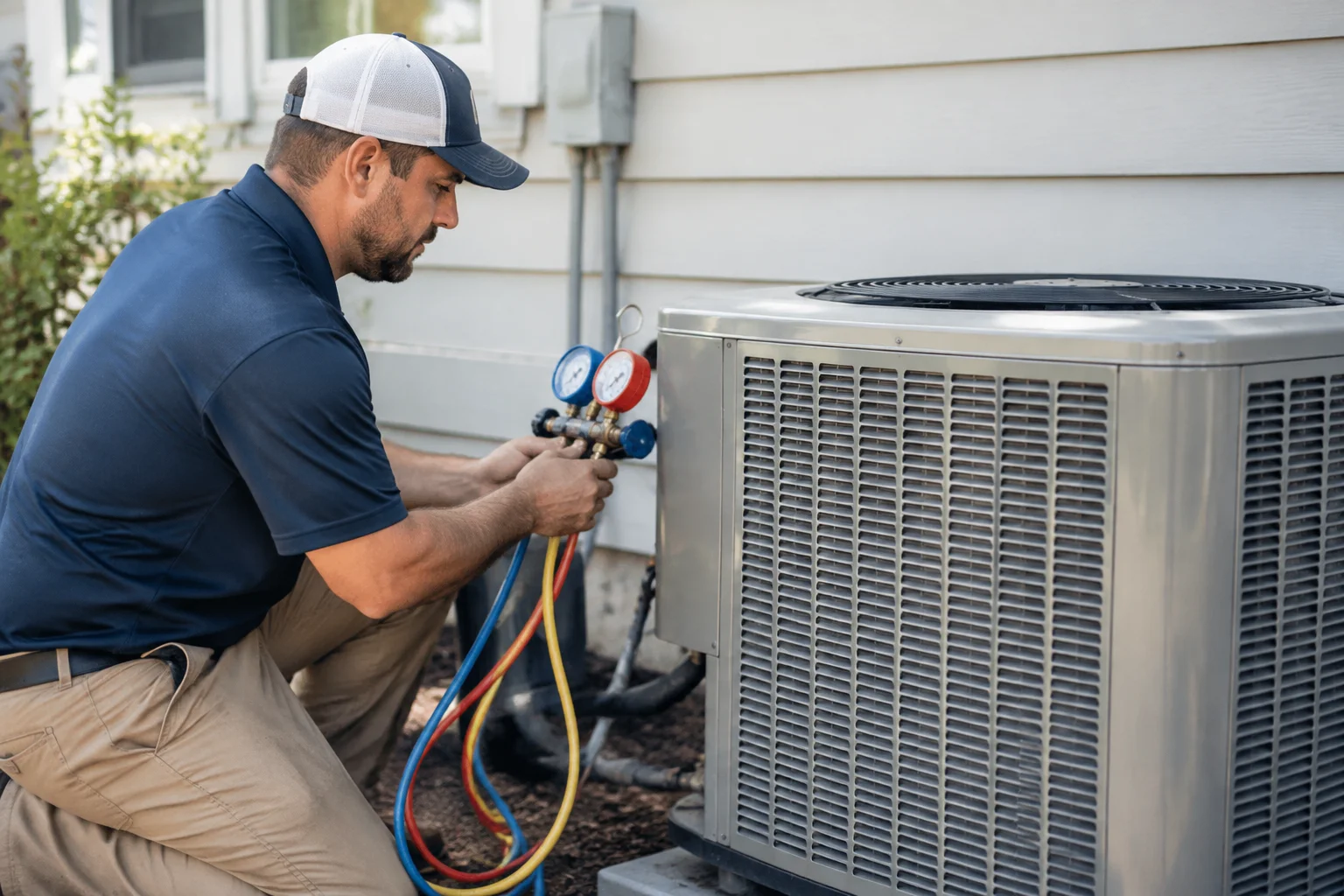
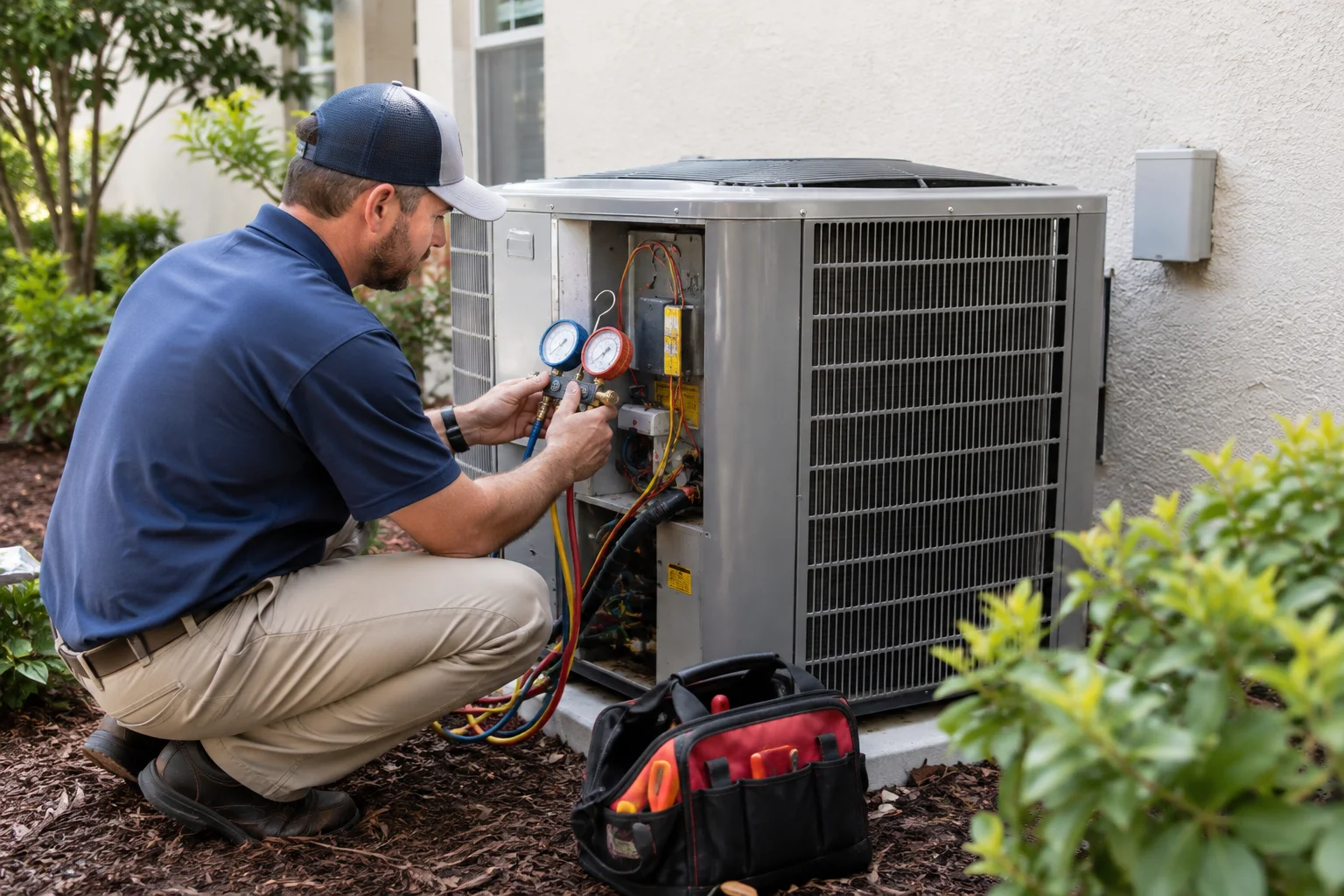
Note: A refrigerant diagnosis should be done only after an on-site inspection. If you suspect refrigerant system issues, call a local HVAC company to evaluate the system safely.
4) Ice buildup or unusual cold air patterns
Ice on components is never a “wait and see” situation. While ice can relate to airflow, it can also connect to refrigerant system performance. When humidity is high, airflow problems can be more noticeable because the system is working harder.
Signs that deserve attention:
- Frost or ice on lines, coils, or near airflow pathways
- Reduced airflow from supply registers
- Hot and cold spots that change as the dehumidifier runs
Because Upper Grand Lagoon homes may have ductwork that is affected by aging, installation history, or humidity exposure, duct inspection can be part of the troubleshooting. If air cannot move consistently, both the HVAC and dehumidifier can underperform.
5) Musty smells or “damp” air despite cooling
Air conditioning should remove some moisture, but whole home dehumidifiers take that job further. If you smell mildew or notice dampness even when the HVAC is running, it can mean moisture is not being removed effectively. Causes can include drainage issues, airflow imbalance, or a dehumidifier that is not operating to expectations.
Indoor air quality can also worsen when humidity stays elevated. That can affect allergies, comfort, and how clean the home feels, especially in coastal environments where salt air and moisture can contribute to corrosion and buildup over time.
If you are considering indoor air quality services near me, ask about humidity control, air filtration, and ductwork condition as part of the overall picture.
How whole home dehumidifiers can point to airflow and ductwork problems
In many homes, humidity issues are really airflow issues. Whole home dehumidifiers require correct air distribution to work efficiently. If your HVAC system has ductwork problems, the dehumidifier will often struggle, even if it is functioning.
Upper Grand Lagoon homes can have ductwork that is affected by:
- Age and wear, especially in tight crawlspaces or attics
- Leaky joints that allow humid air to mix in or pull air from unintended spaces
- Restricted airflow from debris, duct compression, or poorly sized duct runs
- System balance issues after renovations or new furniture and layout changes
If you suspect ductwork performance is part of the problem, request a duct inspection near me and ask the technician to evaluate airflow paths. Homeowners often benefit from a coordinated approach that includes HVAC service and ductwork evaluation rather than treating humidity control as a stand-alone issue.
Thermostats, controls, and humidity settings: where things can drift
Whole home dehumidifiers rely on thermostats and humidity controls to decide when to run. In coastal Florida, where indoor humidity can rise quickly, control accuracy matters.
Warning signs tied to controls include:
- Humidity setpoints that do not match how your home actually feels
- Dehumidifier behavior that seems inconsistent from day to day
- Comfort complaints that do not align with the thermostat’s display
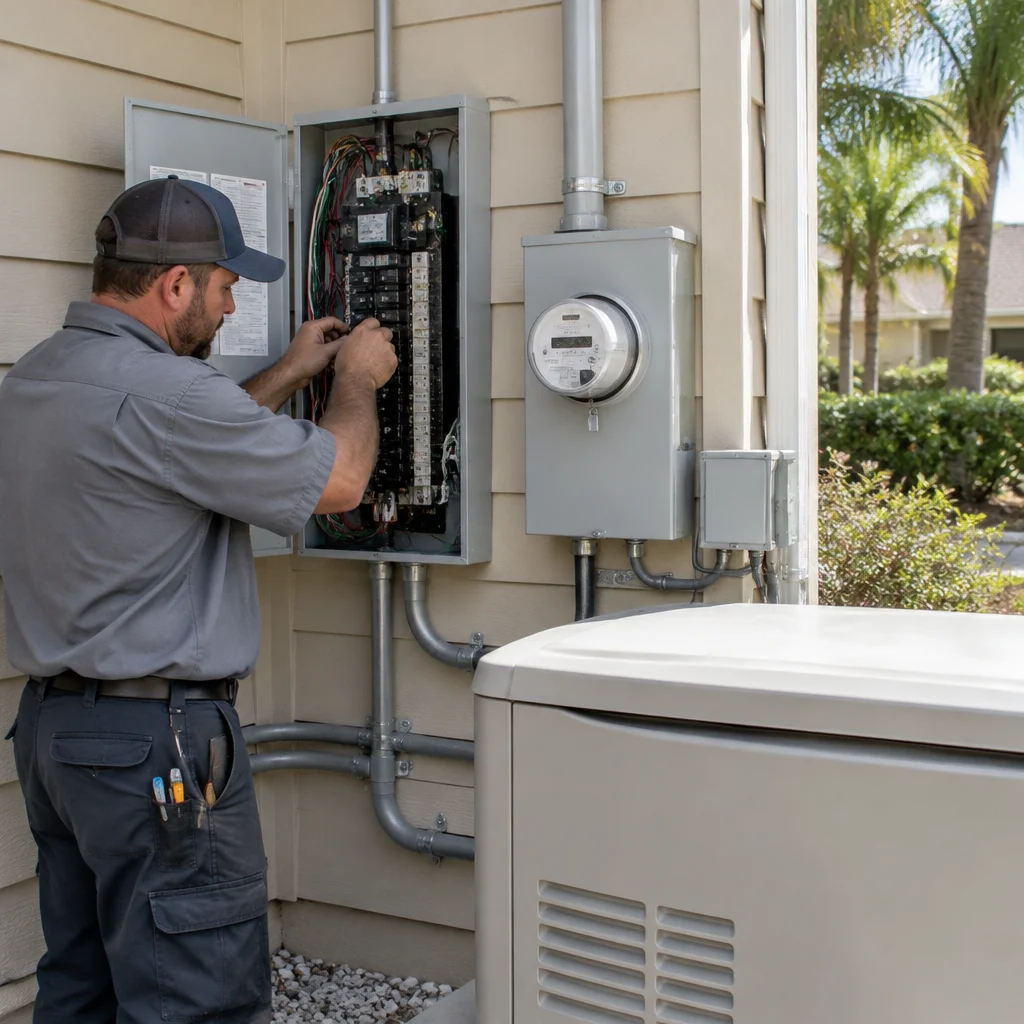
Before assuming the dehumidifier is failing, a professional can check how the system is reading indoor conditions and how it is coordinating with your HVAC equipment. This may include verifying sensor placement and confirming that the dehumidifier is integrated correctly with your comfort system.
Because diagnosing control issues is not the same as “guessing,” it is best handled by a licensed HVAC contractor who can inspect the setup in your home.
Refrigerant system strain and energy use: what humidity can hide
High humidity increases the workload on air conditioning. When the HVAC refrigerant system is under strain, you may notice performance issues that only become obvious during humid stretches. Whole home dehumidifiers can mask or highlight these problems depending on how they are installed and how the home’s airflow is behaving.
Potential symptoms that can overlap with HVAC performance concerns:
- Air feels cooler at times, then less cool later in the day
- Long run times with limited humidity improvement
- Temperature and humidity swings that do not settle
It is tempting to blame the dehumidifier, but refrigerant systems involve specific measurements and safe procedures. A professional evaluation is the right step before concluding what is happening inside the sealed system.
If you are planning a broader review, you can also explore Air Conditioning Systems and discuss whether your current setup is still appropriate for your home’s needs.
Preventive HVAC maintenance that reduces dehumidifier-related failures
Preventive maintenance can keep humidity control reliable and reduce the chance of emergency cooling concerns during Florida heat. Whole home dehumidifiers should be serviced as part of your overall residential HVAC service schedule.
Here are practical maintenance steps homeowners in Upper Grand Lagoon can plan around:
Check and replace filters on schedule
Clogged filters restrict airflow and can cause the dehumidifier to run longer than necessary. It can also lead to uneven temperatures and poor humidity removal.
Inspect airflow paths and vents
Make sure supply and return vents are clear. If you have recently changed furniture layouts or added storage near registers, airflow can shift quickly.
Confirm condensate drainage is clear
Because humidity removal depends on drainage, slow drains can cause backups. A technician can inspect the condensate drainage route and verify proper function while your system runs.
Have coils and system components inspected
Coils that are dirty or airflow that is inconsistent can reduce performance. Salt air and coastal conditions can accelerate corrosion and buildup, which is another reason preventive HVAC maintenance matters in Bay County.
Review thermostat and humidity control settings
Ask your HVAC technician to confirm that your thermostat and humidity control strategy matches your home. If you are seeing persistent comfort problems, it is useful to review how the system is operating, not just the dehumidifier itself.
If you want related guidance on keeping humidity equipment performing well, read Getting More Life and Better Results From Whole Home Dehumidifiers in Upper Grand Lagoon.
When to call A Superior Mechanical for whole home dehumidifier and HVAC troubleshooting
Homeowners can handle basic checks like filter changes and vent clearance, but HVAC and dehumidifier troubleshooting usually requires an on-site professional evaluation. You should call A Superior Mechanical if you notice any of the following:
- Dehumidifier runs continuously without improving humidity
- Water is present near the unit or you suspect condensate drainage problems
- Ice, frost, or unusual cold patterns show up during operation
- Short cycling increases during peak humidity periods
- Musty odors persist even when cooling and humidity control are running
- Your comfort issues are affecting energy use and daily living
These are the moments when professional local HVAC service matters most. Upper Grand Lagoon homes can face rapid swings in indoor humidity, and the longer a problem goes unaddressed, the more likely it is to affect airflow, indoor air quality, and overall system reliability.
If you are looking for whole home dehumidifier installation and service in Upper Grand Lagoon, FL, you can explore our service page here: Whole Home Dehumidifiers for Upper Grand Lagoon. You can also browse the broader service area information on our Upper Grand Lagoon page to see how we support homeowners across the city.
Related issues to consider: duct cleaning, duct inspection, and system replacement planning
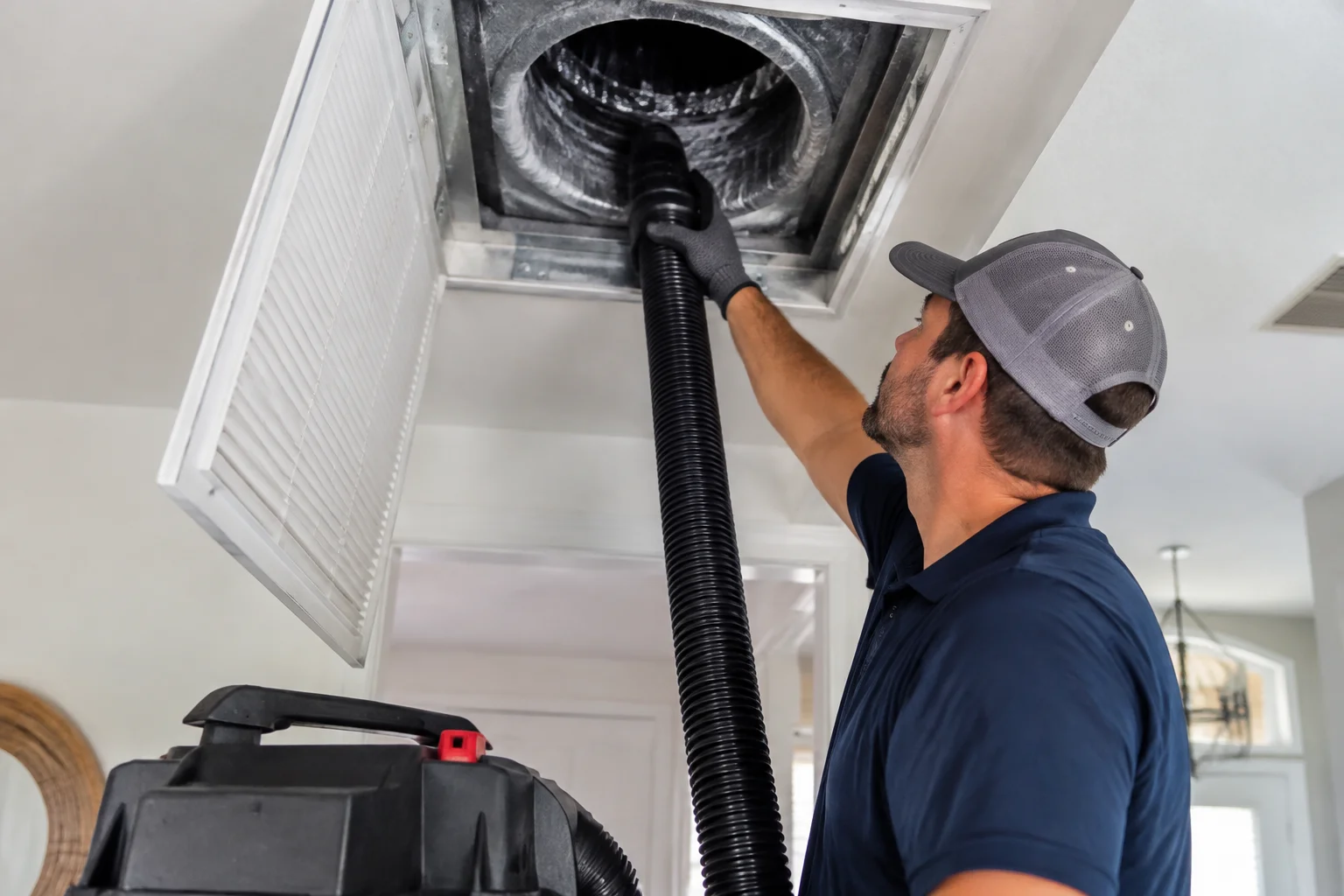
Humidity problems sometimes overlap with ductwork performance. If you have persistent musty odors, visible dust buildup, or rooms that never seem to feel right, duct cleaning near me or duct inspection near me searches can make sense, but it is best to match the approach to the underlying cause.
A technician can help determine whether humidity control is the primary issue or whether duct leakage, airflow imbalance, or filtration gaps are contributing. That is also why coordinated HVAC service near me matters, rather than addressing one component in isolation.
And if your HVAC equipment is older or repeatedly struggles during Florida summer humidity, it may be time to discuss HVAC replacement near me options. A Superior Mechanical can help you evaluate your comfort system needs based on how your home is performing, not just the age of equipment.
For homeowners interested in financing options, you can also review HVAC Financing. If you are building or upgrading, New Construction Air Conditioning and Air Conditioning Services may be useful resources for planning the right system from the start.
Emergency cooling concerns: why humidity control should not be ignored
Florida heat does not wait, and neither does indoor humidity. When a whole home dehumidifier is connected to your comfort system and something is failing, the risk is not just higher humidity. It is also the potential for your cooling equipment to work harder, run longer, or behave unpredictably.
If you are already dealing with air conditioning repair near me calls or recurring AC repair needs, treat dehumidifier warning signs as part of the same reliability story. Addressing humidity control issues early can reduce the likelihood of emergency cooling concerns later in the summer.
For homeowners who also manage commercial properties, the same reliability principles apply. If that is your situation, review Keeping Commercial HVAC Trouble Small in Upper Grand Lagoon, FL and Why Commercial HVAC Maintenance Matters More Than Most Upper Grand Lagoon Homeowners Realize.
Find Whole Home Dehumidifiers in Upper Grand Lagoon, FL
If you need Whole Home Dehumidifiers in Upper Grand Lagoon, FL, visit our local service page or contact A Superior Mechanical today.
Map of Upper Grand Lagoon, FL
Frequently Asked Questions
Can a whole home dehumidifier cause HVAC problems, or does it only show existing issues?
A whole home dehumidifier usually does not “cause” HVAC problems by itself, but it can reveal them. If humidity control is not improving, it often points to airflow restrictions, ductwork imbalance, control issues with thermostats and humidity sensors, or condensate drainage problems that affect the comfort system.
Why does my dehumidifier run nonstop during Upper Grand Lagoon summers?
In coastal Florida humidity, nonstop operation can happen when the dehumidifier cannot remove moisture effectively. Common causes include clogged filters, blocked vents, ductwork airflow issues, incorrect humidity settings, or condensate drainage restrictions. A professional inspection can confirm which factor is limiting performance.
What should I do if I notice water near the dehumidifier?
Stop troubleshooting beyond basic safety checks and contact an HVAC professional. Water near the unit can indicate a condensate drainage blockage or misrouting. In humid climates, that can quickly affect indoor air quality and lead to additional comfort and equipment problems.
Is it safe for me to check refrigerant or diagnose cooling system issues myself?
No. Refrigerant systems require proper tools and safe procedures. If you suspect refrigerant system performance issues, ice buildup, or refrigerant-related problems, schedule an in-person evaluation with a licensed HVAC contractor.
How often should whole home dehumidifiers get maintenance in Bay County?
Whole home dehumidifiers should be included in your regular preventive HVAC maintenance routine. The exact schedule depends on usage, indoor humidity levels, and system design, but routine inspections help keep condensate drainage clear, airflow strong, and indoor air quality consistent.
Related Articles
- Getting More Life and Better Results From Whole Home Dehumidifiers in Upper Grand Lagoon
- Keeping Commercial HVAC Trouble Small in Upper Grand Lagoon, FL
- Why Commercial HVAC Maintenance Matters More Than Most Upper Grand Lagoon Homeowners Realize
- A Homeowner’s Guide to Commercial HVAC Repair in Upper Grand Lagoon, FL
Photo Gallery