Mary Esther homes work hard year round. Even when temperatures are comfortable, Florida humidity can keep indoor air feeling sticky, encourage musty odors, and push your HVAC system to run longer than it should. A whole home dehumidifier helps manage moisture throughout the house, but it only performs well when airflow, condensate drainage, controls, and ductwork are set up and maintained correctly.
This guide focuses on prevention. If you are dealing with persistent dampness, condensation on windows, or air that feels clammy even after AC runs, the steps below can help you avoid common whole home dehumidifier problems in Mary Esther and across Okaloosa County. For homeowners searching for whole home dehumidifiers or HVAC service near you, prevention is often the difference between steady comfort and emergency cooling concerns during peak humidity.
Why Mary Esther humidity is tougher on dehumidifiers than many people expect
Mary Esther sits along the Gulf, and salt air plus warm coastal weather can raise the moisture load your home has to handle. In practical terms, your HVAC system and dehumidifier may need to remove more moisture because air infiltration and indoor humidity rise faster than in drier climates.
Whole home dehumidifiers are designed to work with your home’s comfort system. They pull moisture from indoor air, then move drier air back through the HVAC system and ductwork. When the home has leaky duct sections, blocked returns, or airflow restrictions, the dehumidifier has to work harder and can struggle to maintain stable humidity levels.
That is why homeowners who want reliable humidity control should think beyond the dehumidifier itself. The refrigerant system running the air conditioner or heat pump, the thermostat settings, and ductwork performance all affect how well the dehumidifier can do its job.
Common whole home dehumidifier problems homeowners can prevent
Whole home dehumidifiers are not one-size-fits-all. However, many issues share the same root causes: poor airflow, drainage problems, control settings that do not match real humidity conditions, and maintenance gaps.
1) Humidity stays high even though the unit runs
If the dehumidifier seems to run but your home still feels clammy, check for the usual suspects:
- Airflow issues in ductwork: blocked return vents, dirty air filters, or duct restrictions can reduce the amount of air the dehumidifier can treat.
- Thermostat and humidity control settings: some systems are set up to coordinate with the AC or heat pump. If settings are mismatched, moisture removal can lag.
- Home air leakage: humid outdoor air entering through gaps, attic penetrations, or poorly sealed duct transitions can overwhelm moisture removal.
Preventive step: keep HVAC filters clean and ensure returns and supply registers are not blocked by furniture, curtains, or storage.
2) Musty odors or signs of moisture near vents
A whole home dehumidifier should help reduce musty odors. If you notice lingering smells, check for:
- Condensate drainage concerns: clogged or slow condensate drainage can lead to moisture buildup and odor.
- High indoor humidity hotspots: bathrooms, laundry areas, and closets can trap moisture if ventilation is weak.
- Air distribution problems: poor duct airflow can leave some rooms wetter than others.
Preventive step: treat drainage and airflow as a system. If you have ever seen water around the unit area or notice a slow drain smell, schedule a professional inspection.
3) Condensation on windows or exterior walls
Condensation can happen when indoor air is too humid for the surface temperature. In Mary Esther, this can show up when AC runs but humidity control is inconsistent, or when ductwork design causes uneven cooling.
Preventive step: make sure your thermostat is configured to manage humidity, not just temperature. If your system cycles too aggressively, humidity can spike between runs.
4) Short cycling or unusual operation during peak humidity
When the dehumidifier or HVAC equipment cycles frequently, it can indicate airflow restriction, control coordination issues, or a drainage condition that interrupts normal operation. Short cycling can also stress components in the refrigerant system by forcing frequent starts and stops.
Preventive step: avoid running with dirty filters and keep air paths clear. If you see repeated rapid cycling, a local HVAC contractor should evaluate the system in person.
Airflow and ductwork: the hidden drivers of whole home dehumidifier performance
Whole home dehumidifiers rely on air movement. Even a well-installed unit can underperform if airflow through the return and supply pathways is restricted.
What to inspect during routine homeowner checks
- Air filters: replace on schedule and do not “stretch” filter life. A clogged filter reduces airflow and can cause both humidity and comfort issues.
- Return vents: ensure returns are not blocked. If a door is often closed or a return is covered, airflow changes can affect dehumidification.
- Supply registers: confirm that air is flowing to the areas where you feel the most humidity.
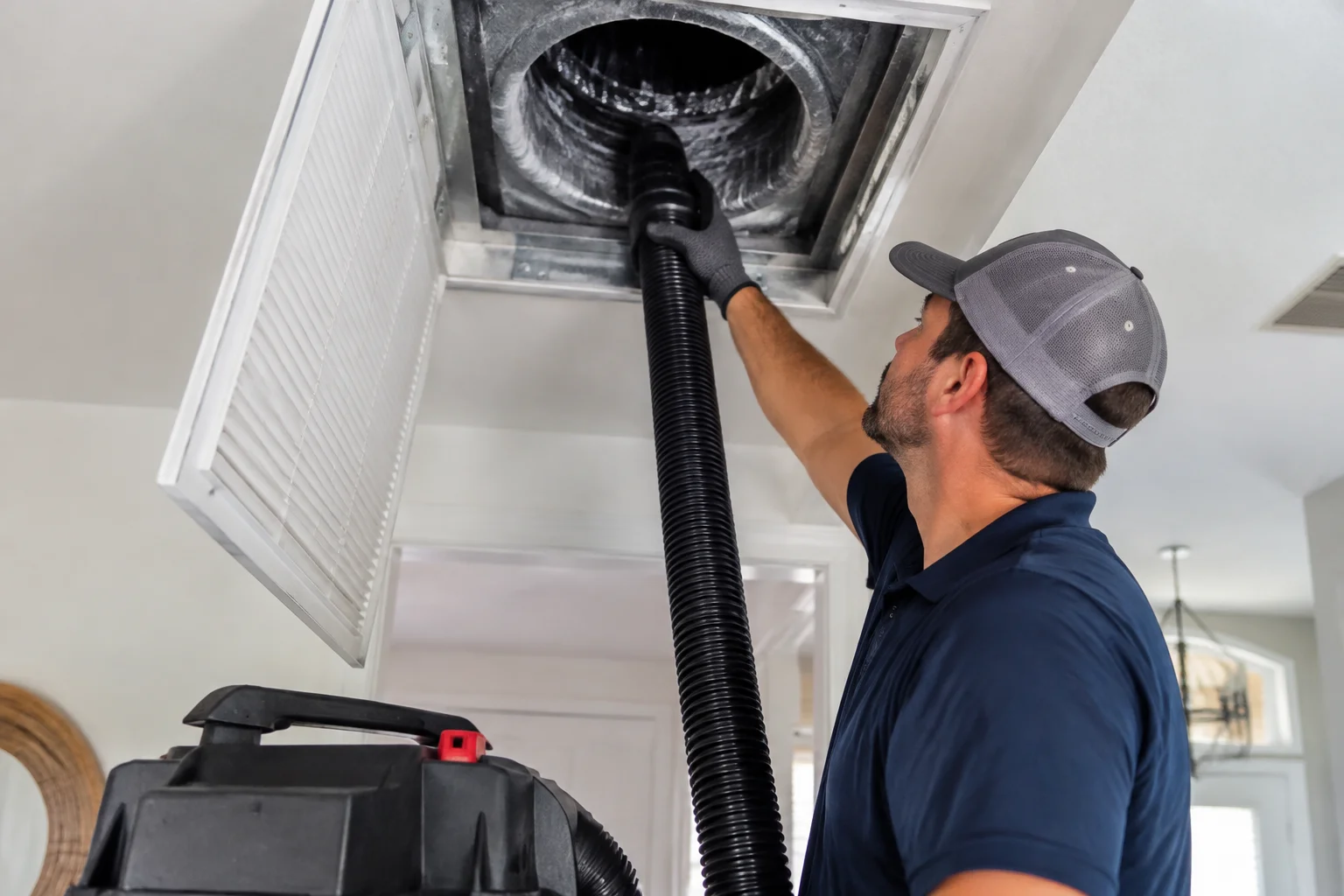
- Duct sealing: if you notice whistling, leaks near accessible duct sections, or unusual dust patterns, ask about ductwork inspection.
If you are searching for indoor air quality services near me because humidity and odors keep returning, it may be worth discussing whether duct cleaning or duct repair is part of the solution. For some Mary Esther homes, airflow improvements can make humidity control feel dramatically more stable.
For guidance related to airflow and maintenance, you may also find this helpful: Practical HVAC Upgrades Built Around Duct Cleaning in Mary Esther, FL.
Condensate drainage: preventing water problems before they become emergencies
Moisture removed by a dehumidifier must go somewhere. Many whole home systems collect condensate and drain it through a dedicated line. If that line becomes restricted, water can back up and create moisture where you do not want it.
In Mary Esther, where humidity swings can be significant, a small drainage issue can become a bigger comfort problem quickly. That is especially true during summer heat when the air conditioner or heat pump is also running frequently.
Homeowner prevention habits
- Check for slow draining or water smells near the dehumidifier area.
- Do not ignore standing water or damp drywall near the unit.
- Keep the area around the unit clear so airflow and service access are not blocked.
If you ever see water where it should not be, do not try to “patch” drainage yourself. A professional HVAC technician can inspect the condensate drainage path and confirm the system is operating as intended.
Thermostats and humidity controls: settings that prevent moisture spikes
Many homeowners focus on temperature because it is easy to measure and feel. Whole home dehumidifiers are different. They respond to humidity levels and often coordinate with the air conditioning or heat pump to manage comfort.
Common thermostat-related causes
- Humidity setpoints that are too high: even small changes can shift how often the system removes moisture.
- Mode mismatch: running only in certain modes may not coordinate correctly with the dehumidifier.
- Fan settings: continuous fan operation or fan cycling patterns can change how much air is pulled through the system.
Preventive step: if you have a smart thermostat or humidity controls, review the dehumidifier coordination settings with a technician. Homeowners searching for heating control systems often need the same kind of careful configuration so temperature and humidity targets work together.
How the AC and heat pump affect whole home dehumidifiers
Whole home dehumidifiers are closely tied to HVAC operation. Even when the dehumidifier is the primary moisture control tool, the air conditioner or heat pump still influences indoor humidity through cooling cycles, airflow, and the refrigerant system performance.
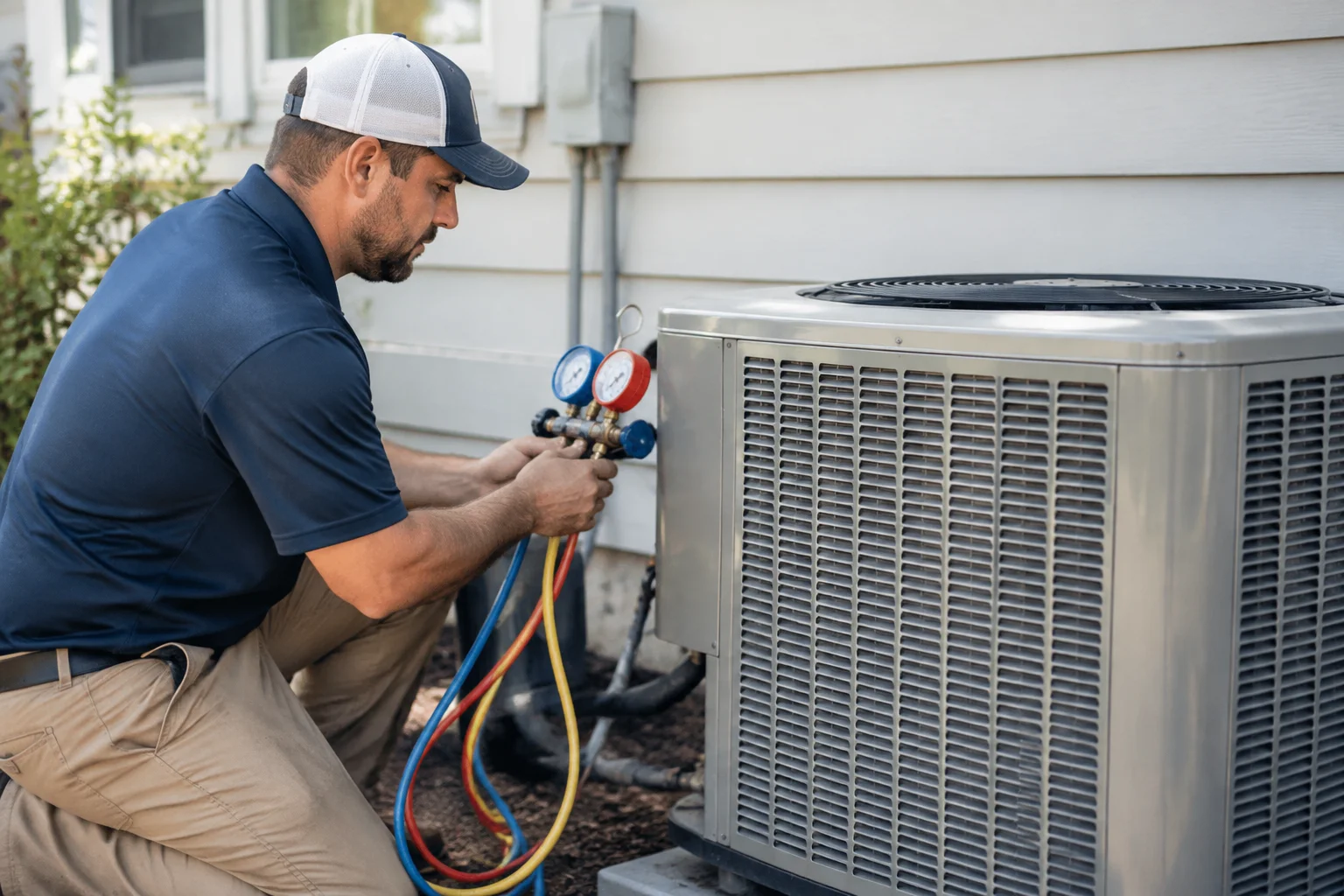
When the refrigerant system is not operating efficiently, the AC may not remove moisture as effectively. That can show up as higher indoor humidity, longer run times, or inconsistent comfort. If your system has struggled with performance, it can also increase energy use because equipment runs longer to reach the thermostat temperature.
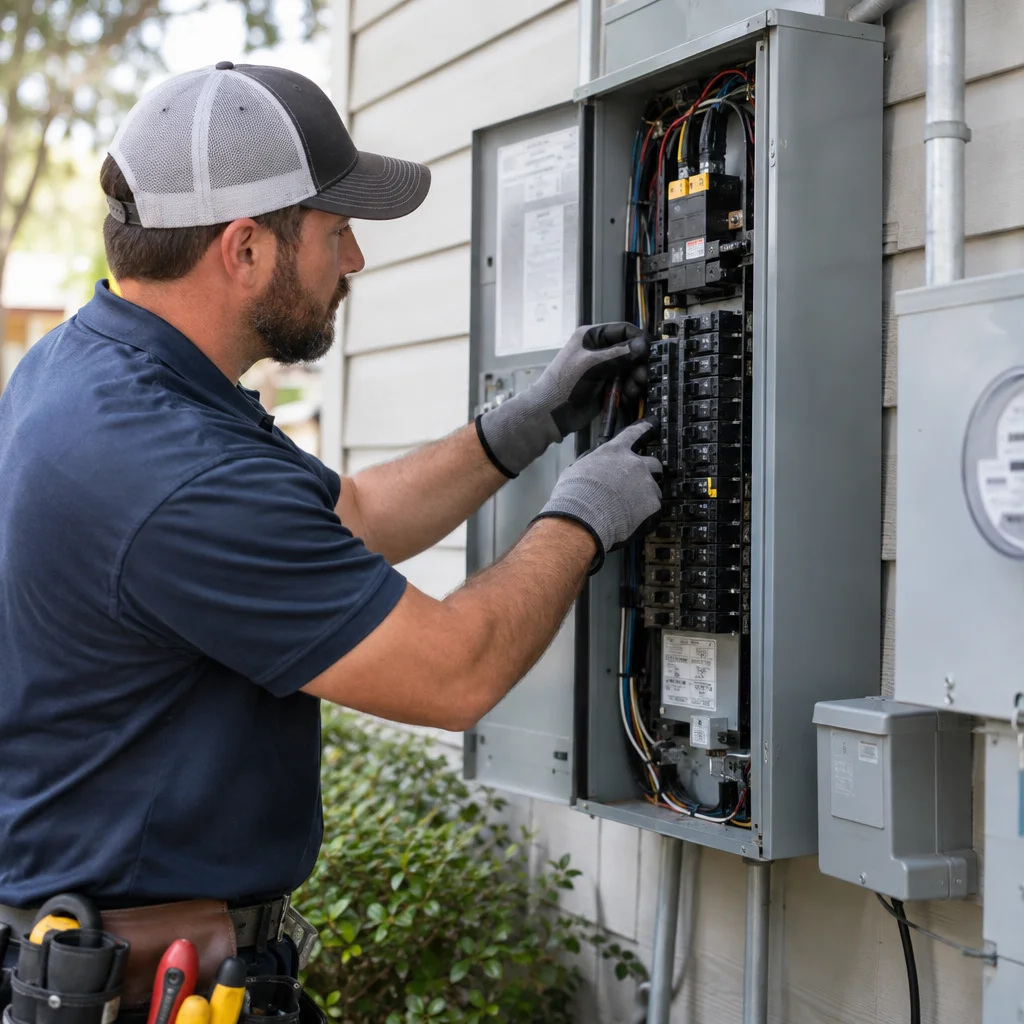
Important: refrigerant and electrical issues require in-person evaluation. If you suspect a refrigerant system problem, do not attempt a diagnosis based on symptoms alone. A trained HVAC contractor can check operation safely and accurately.
Maintenance that keeps dehumidifiers reliable in a coastal Florida home
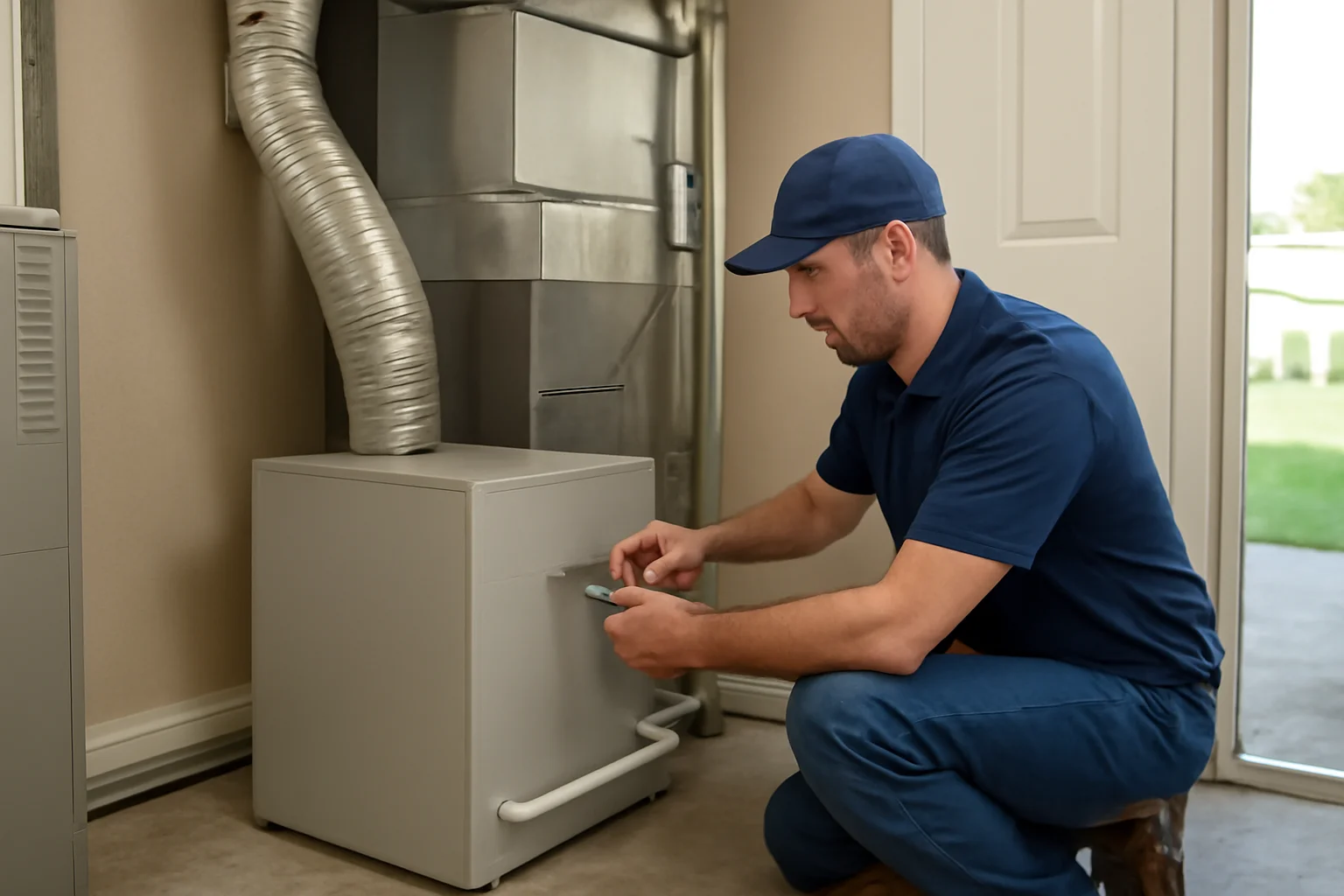
Preventive HVAC maintenance is how homeowners avoid the most common whole home dehumidifier issues. Maintenance keeps airflow paths clean, confirms drainage is functioning, and verifies that controls are coordinating properly with the AC or heat pump.
What to schedule as part of preventive care
- Seasonal system inspection: particularly before the heaviest humidity months.
- Filter and airflow verification: confirm correct airflow and return/supply performance.
- Condensate drainage check: inspect the drainage path and confirm it is clear.
- Control and thermostat coordination review: ensure humidity targets and modes match your comfort needs.
- Ductwork performance assessment: look for signs of restriction or issues that affect distribution.
If you manage rental properties or multiple homes, preventive maintenance becomes even more important. This related guide can help: Keeping Mary Esther Properties Comfortable: A Practical Guide to HVAC Care for Managed Homes and Rentals.
For homeowners who want to focus on indoor air quality outcomes, humidity control is part of the bigger picture. If you are also considering how airflow and moisture affect comfort, you may find this useful: Indoor Air Quality.
Energy use and comfort: how to avoid “working harder” without better results
When a whole home dehumidifier cannot remove moisture efficiently, it may run longer. Meanwhile, your air conditioner or heat pump also runs to maintain temperature. The combined effect can increase energy use and still leave you with uncomfortable humidity.
Mary Esther homeowners often notice this during late spring and summer when salt air and warm outdoor temperatures raise moisture levels. If your home feels muggy, you may be paying for extra runtime without getting the dryness you want.
Prevention focuses on the basics that directly affect performance: clean filters, clear airflow, properly coordinated thermostat settings, and confirmed condensate drainage. If those are in place and humidity remains high, it is a sign to schedule a deeper HVAC evaluation.
Why salt air and coastal conditions can affect HVAC performance
Coastal environments can be hard on outdoor equipment and system components. While a whole home dehumidifier is an indoor comfort device, it still depends on the overall HVAC system to deliver stable comfort.
Salt air and moisture can contribute to corrosion and wear over time. That can affect outdoor coil performance and the overall refrigerant system operation, which then influences indoor moisture removal. Preventive HVAC maintenance helps technicians identify early issues before they turn into major comfort problems.
When to call a professional HVAC contractor in Mary Esther
You can prevent many problems with routine care, but some situations require professional inspection. Call an HVAC contractor if you notice any of the following:
- Persistent high humidity despite the dehumidifier running
- Musty odors that return quickly
- Condensate drainage concerns, water around the unit, or unusual smells
- Repeated short cycling of the dehumidifier or HVAC system
- Airflow changes you cannot explain, such as rooms staying damp while others feel dry
For homeowners searching for Why Better HVAC Maintenance Matters for Whole Home Dehumidifiers in Sandestin, the lesson carries over to Mary Esther: preventive service helps keep dehumidification stable and supports reliable AC performance during peak humidity.
If you need whole home dehumidifier services in Mary Esther, Okaloosa County, consider scheduling through A Superior Mechanical’s whole home dehumidifier service area page. You can also explore services for Mary Esther or browse Okaloosa County HVAC services to match your needs.
Preventive planning for summer and emergency cooling concerns
Even with a dehumidifier, summer comfort depends on the HVAC system staying reliable. Humidity and heat can stress equipment, and when something goes wrong, you want the system to be ready to handle cooling demand.
Plan ahead by scheduling preventive HVAC maintenance before the hottest weeks. If you are searching for whole home dehumidifiers and also need an AC tune up or related HVAC service, ask about coordinating humidity control with your air conditioning service plan.
For commercial properties in Mary Esther, the approach is similar but the stakes are higher for indoor air quality and comfort consistency. If your building needs a system designed for dry, comfortable air, review Commercial HVAC design that keeps Mary Esther buildings comfortable, dry, and efficient and consider Commercial HVAC Installation when upgrades are part of the plan.
Practical checklist for homeowners with whole home dehumidifiers
- Replace HVAC filters on schedule and keep returns unblocked.
- Confirm condensate drainage is clear and watch for water or odors.
- Review thermostat humidity settings so targets match real comfort goals.
- Pay attention to airflow distribution, especially in rooms that feel damp.
- Schedule preventive HVAC maintenance before peak humidity season.
- If humidity remains high or you see repeated cycling, get a professional in-person evaluation.
Whole home dehumidifiers can be a major upgrade for Mary Esther comfort, especially when paired with properly functioning AC or heat pump operation, well-performing ductwork, and a thermostat that manages humidity intelligently. With the right preventive steps, you reduce the odds of moisture problems and keep your system ready for the heat and humidity that coastal Florida delivers.
Find Whole Home Dehumidifiers in Mary Esther, FL
If you need Whole Home Dehumidifiers in Mary Esther, FL, visit our local service page or contact A Superior Mechanical today.
Map of Mary Esther, FL
Frequently Asked Questions
How can I tell if my whole home dehumidifier is underperforming?
If your home feels clammy, you see condensation on windows, or musty odors return even when the unit is running, it often points to airflow restrictions, control coordination issues, or condensate drainage problems. A technician can verify performance safely in person.
Do I need ductwork checks for whole home dehumidifiers?
Yes, ductwork and airflow matter. Whole home dehumidifiers rely on air movement through returns and supplies. Blocked vents, dirty filters, or restricted duct sections can reduce dehumidification effectiveness and cause uneven comfort.
What should I watch for with condensate drainage?
Watch for slow drainage, water around the unit area, or damp smells. Condensate drainage issues can lead to moisture buildup. If you notice any of these signs, schedule HVAC service promptly.
Can thermostat settings affect humidity control?
Absolutely. Humidity setpoints, operating modes, and fan behavior can change how the system coordinates with the AC or heat pump. If humidity is not stable, review the settings with a professional so temperature and humidity targets work together.
Is it safe to troubleshoot refrigerant or electrical problems myself?
No. Refrigerant system and electrical issues require safe, in-person evaluation. If you suspect a refrigerant or electrical problem, contact an HVAC contractor for proper diagnosis and repair.
Related Articles
- Keeping Mary Esther Properties Comfortable: A Practical Guide to HVAC Care for Managed Homes and Rentals
- Commercial HVAC design that keeps Mary Esther buildings comfortable, dry, and efficient
- Practical HVAC Upgrades Built Around Duct Cleaning in Mary Esther, FL
- Why Better HVAC Maintenance Matters for Whole Home Dehumidifiers in Sandestin
Photo Gallery