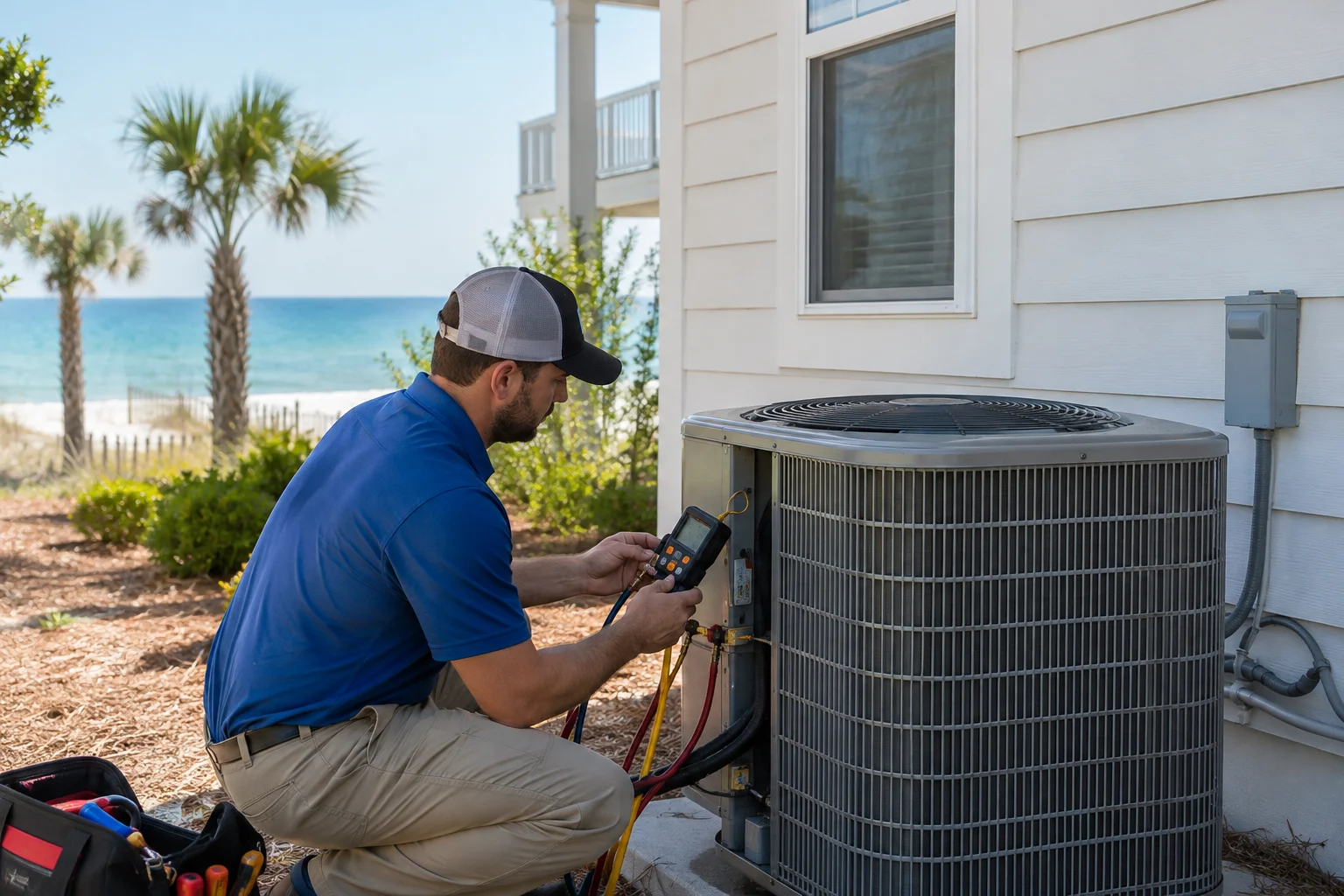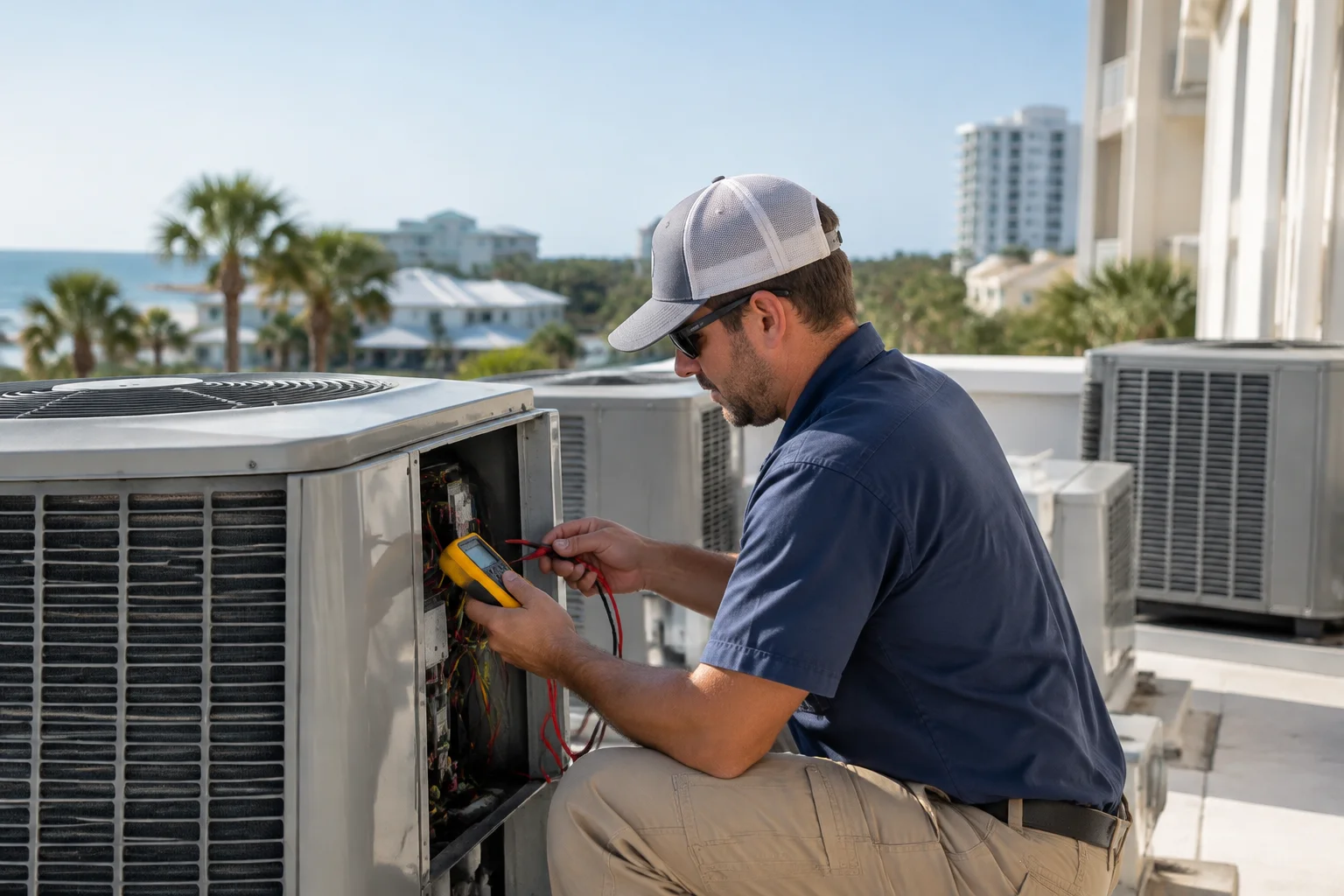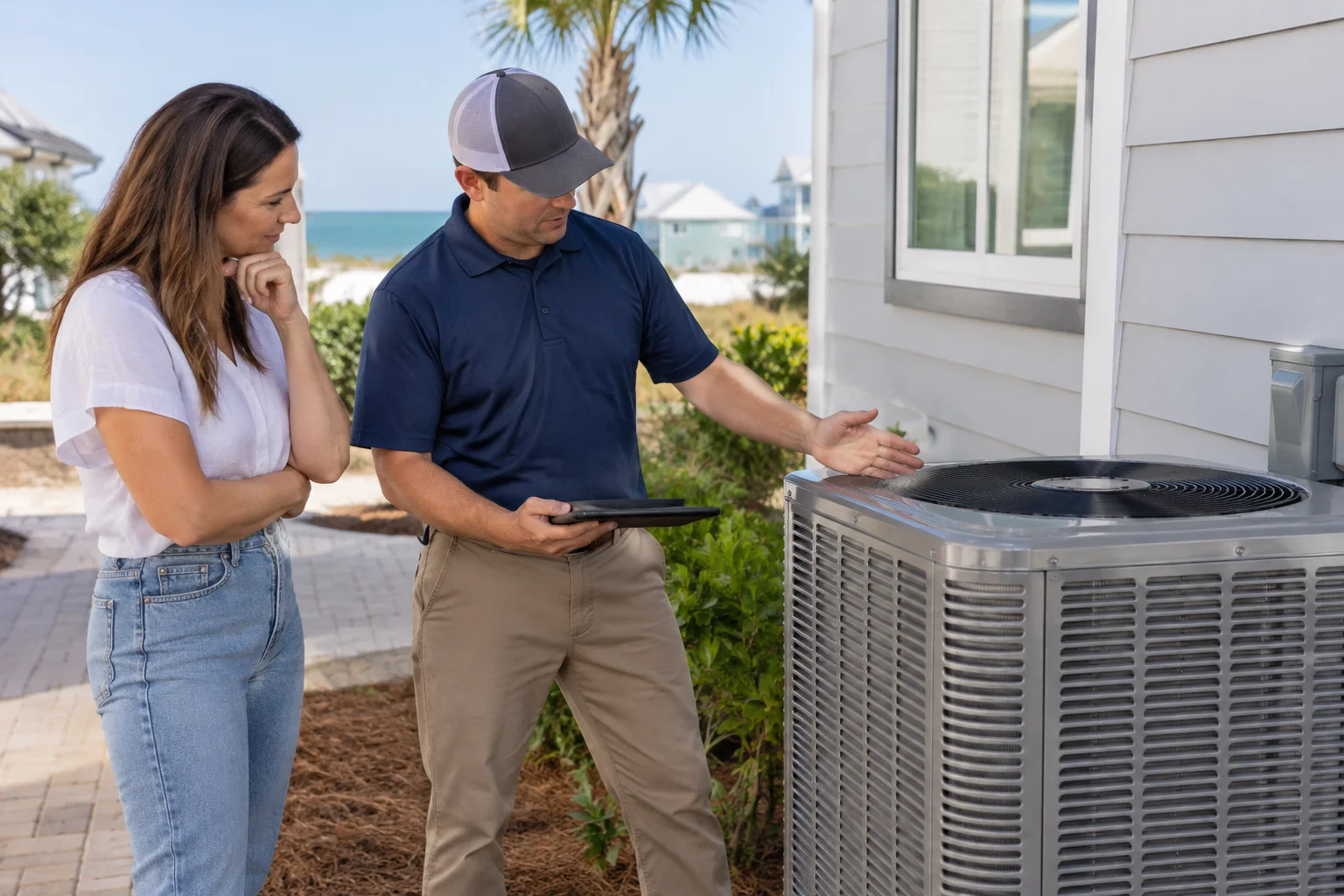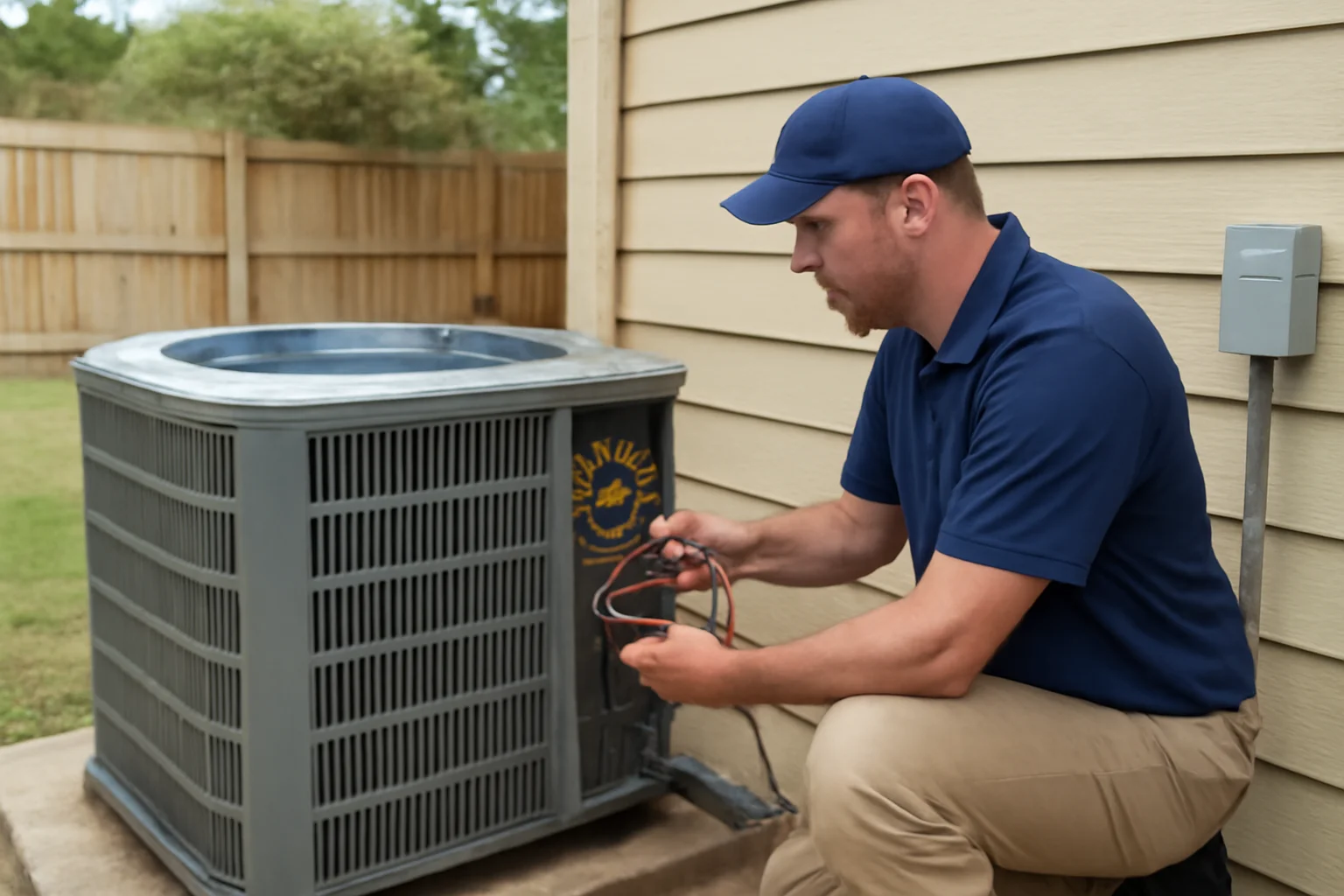
Freeport, FL is beautiful, but the weather is demanding on HVAC systems. Warm temperatures, frequent humidity, and salt air from the Gulf can make indoor comfort feel sticky and can stress air conditioners, heat pumps, and ductwork. When moisture builds up faster than your system can handle, homeowners often end up with emergency cooling concerns, especially during peak summer weeks.
The good news is that you can reduce the odds of those urgent calls. Air filtration and dehumidifiers are not just “comfort upgrades.” When they are sized correctly and maintained consistently, they help protect airflow, reduce indoor humidity, and support healthier indoor air quality. That reduces the chance of unexpected breakdowns tied to condensation, clogged airflow paths, and poor system performance.
If you want a local Air Filtration & Dehumidifiers service in Freeport, A Superior Mechanical can help you choose the right approach for your home and your goals.
Why Freeport humidity turns HVAC problems into emergencies
In Freeport, summer humidity is not a minor inconvenience. It affects how your home feels, how your ductwork behaves, and how your cooling system manages condensation. Air conditioners and heat pumps remove moisture as they cool, but they cannot do it efficiently if airflow is restricted or if indoor air contains too many airborne particles and irritants.
When humidity stays high, several things can happen at once:
Comfort drops and cooling runs longer. High indoor moisture makes the air feel warmer. Your thermostat may call for cooling more often, increasing runtime.
Condensate drainage can become a weak link. If condensate drainage is slow or blocked, moisture can back up. That can lead to water concerns near equipment and can worsen indoor humidity.
Airflow becomes harder to maintain. Dirty filters, clogged returns, or duct restrictions can reduce airflow. Reduced airflow can make the system work harder to reach the thermostat setting.
Indoor air quality suffers. Particles and biological contaminants can linger when filtration and ventilation are not properly matched to the home.
These are not “one-cause” issues. They stack. That is why homeowners sometimes see a cascade that ends in an emergency HVAC call during the hottest stretch of the year.
Air filtration: the overlooked step for stable cooling
Air filtration is about more than capturing dust. It helps protect airflow and supports indoor air quality by reducing airborne contaminants that can circulate through your living spaces. In a coastal climate like Freeport, your home may also pull in outdoor particles through air leaks and normal ventilation cycles.
How the right filtration reduces stress on your system
When your filtration is properly selected and installed, it can help keep your indoor air cleaner without starving the system of airflow. That matters because an air conditioner or heat pump depends on steady airflow across refrigerant systems to transfer heat effectively.
On the other hand, filtration problems often show up as:
Filters that are too restrictive. If a filter is not appropriate for your system and duct design, airflow can drop. That can make cooling feel weak and can increase wear.
Filters that are neglected. A clogged filter raises static pressure and reduces airflow, which can cause the system to run longer and struggle to dehumidify.
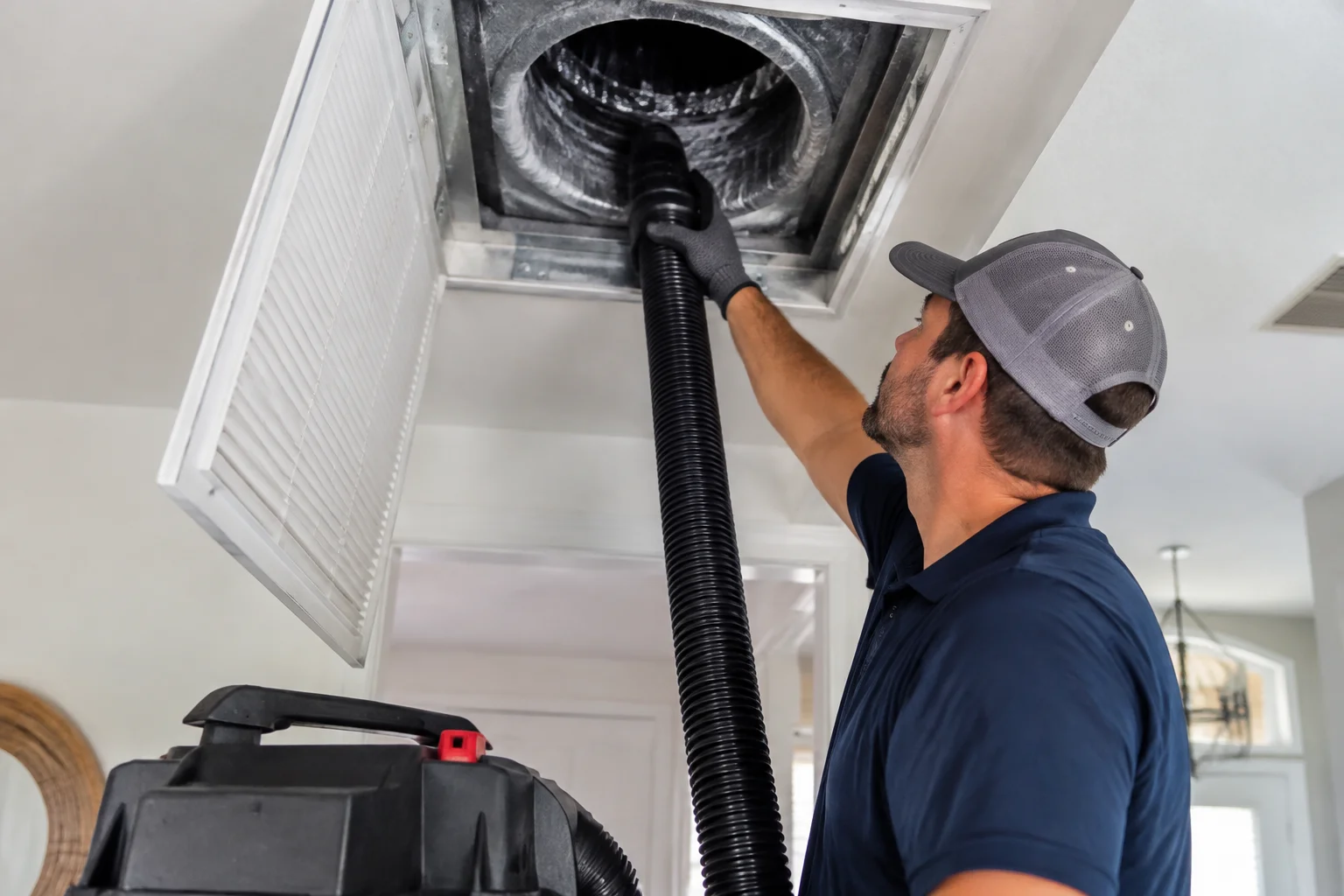
Dust buildup in returns and ductwork. Even with a good filter, ductwork can accumulate debris over time. That can reduce airflow and make humidity harder to control.
If you are searching for HVAC service near me because your AC repair needs seem to be tied to poor airflow, filtration and ductwork inspection are often the missing pieces.
Where to focus in a Freeport home
Start with the basics:
Return air path. Make sure returns are not blocked by furniture, curtains, or storage.
Filter access. Verify that the filter fits the housing correctly and that air is not bypassing around it.
Airflow balance. Rooms that never feel cool or consistently feel damp can point to ductwork issues, not just “weak AC.”
For homes where airflow is inconsistent, consider duct inspection in Freeport. It can help identify restrictions that contribute to both temperature swings and humidity problems.
Dehumidifiers: the humidity control that prevents runaway cooling
Whole home dehumidifiers and properly designed humidity control can take pressure off your cooling system. In Freeport, where summer humidity is persistent, dehumidification is often the difference between “AC is running” and “the house feels comfortable.”
When humidity is high, the thermostat can keep calling for cooling even if temperatures are close to target. That increases energy use and can increase the chance of equipment problems during peak demand.
What dehumidifiers do for indoor air quality
Dehumidifiers reduce moisture in the air, which helps:
Limit musty odors. Moisture feeds odors and supports biological growth on surfaces.
Improve comfort. Lower humidity allows the air to feel cooler at the same temperature setting.
Support HVAC performance. When humidity is controlled, the cooling system can focus on sensible cooling rather than fighting moisture all day.
Condensate drainage matters more than many homeowners realize
Dehumidifiers and cooling systems both involve condensate drainage. If drainage is not correct or becomes restricted, moisture can accumulate where it should not. That is when you can start seeing emergency cooling concerns, including water-related issues near equipment and unexpected indoor dampness.
Professional installation and periodic checks help ensure condensate drainage works as intended. If you notice water pooling, recurring wet spots, or sudden increases in indoor humidity, a licensed HVAC contractor should evaluate the setup.
Thermostats and airflow: small settings that can trigger big problems
Many HVAC emergencies start as comfort complaints. A thermostat setting that is too aggressive, a fan mode that does not match your humidity goals, or poor airflow can all contribute to system strain.
Common thermostat and comfort mistakes in Freeport
Cooling set too low. Dropping the setpoint can increase runtime and may not solve humidity. In humid weather, comfort is often humidity-first.
Running the fan constantly. Continuous fan can help circulate air but can also change humidity behavior depending on the system and duct design.
Ignoring indoor humidity readings. If your home feels sticky, you likely need humidity control, not just colder air.
For homeowners who want to avoid repeated service calls, pairing thermostat settings with correct filtration and humidity equipment is usually more effective than changing settings alone.
Refrigerant systems, airflow, and why “weak cooling” is often a clue
Air filtration and dehumidification support the conditions that refrigerant systems need to operate efficiently. Your AC or heat pump relies on proper airflow to move heat out of the home. When airflow is restricted, cooling can feel weak even if the system runs.
Because refrigerant systems are sensitive, it is important to keep expectations realistic. A homeowner can look for comfort and airflow symptoms, but refrigerant diagnosis requires an in-person evaluation by a professional.
Still, you can watch for patterns that often point to airflow and humidity control problems:
Long run times without reaching comfort. The house stays damp or does not cool evenly.
Rooms that feel humid even when others feel cool. This can indicate ductwork imbalance or return issues that reduce dehumidification.
Inconsistent airflow from vents. That can be filter-related, duct-related, or tied to system performance.
If you are considering AC repair near me because cooling feels inconsistent, ask your HVAC contractor to evaluate airflow, filtration, and humidity control as part of the troubleshooting plan. That can prevent repeat visits and help address the root cause.
Preventive HVAC maintenance that protects filtration and dehumidifiers
Preventive maintenance is where most emergency HVAC calls are avoided. For Freeport homeowners, maintenance should include more than a quick check of thermostat operation. It should account for indoor air quality, humidity control, ductwork conditions, and the overall refrigerant system environment created by airflow.
Maintenance items that directly reduce emergency risk
Filter and airflow verification. Confirm correct filter type and check for airflow problems that can reduce dehumidification.
Coil and drainage inspection. Cooling systems must manage condensate drainage properly. Dehumidifiers also need drainage checked to avoid moisture buildup.
Ductwork assessment. Ductwork can develop leaks or restrictions that impact airflow. That can turn humidity control into a losing battle.
Indoor air quality checks. If allergies, odors, or dust are increasing, indoor air quality testing can help determine whether filtration and ventilation are aligned with your home.
Thermostat and control review. Verify that settings and system behavior match your comfort and humidity goals.
If you want to connect indoor air quality goals to HVAC performance, consider indoor air quality testing in Freeport.
Why local service matters in Walton County
Freeport homes range from newer builds to older neighborhoods, and ductwork layouts vary widely. Coastal conditions also matter. Salt air can contribute to corrosion potential and can increase the amount of airborne material entering the system. A local HVAC contractor understands how these realities show up in real homes and can tailor filtration and dehumidifier strategy accordingly.
For broader context on how routine care affects reliability, you can also read Why Efficient Heating and Cooling Starts With Commercial HVAC Maintenance in Freeport, FL. The principles of airflow, cleaning, and consistent system care apply to residential comfort planning as well.
When you should schedule service before it becomes an emergency
Not every problem needs urgent assistance, but some comfort and moisture patterns should be addressed quickly, especially during hot, humid stretches.
Schedule an HVAC evaluation if you notice these trends
Humidity stays high despite AC running. That can point to filtration, ductwork airflow, or dehumidification mismatch.
Musty smells increase. Moisture and indoor air quality issues often travel together.
Condensate drainage seems off. Slow drainage, water spots, or recurring dampness near equipment are reasons to call.
Airflow is weaker than usual. Filters, returns, duct restrictions, or system performance can be involved.
Frequent cycling or poor temperature control. That can be tied to airflow and humidity control strategy.
If you are dealing with an urgent comfort situation, review Emergency HVAC Services in Freeport. For many homeowners, a maintenance-focused plan is what keeps emergencies from happening in the first place.
Choosing the right filtration and dehumidifier approach for your home
Homeowners often ask for a single solution that fits every house. In reality, the right plan depends on your ductwork, your thermostat behavior, your indoor humidity patterns, and how your home holds moisture.
What a professional HVAC contractor considers
A licensed HVAC contractor should evaluate:
Home layout and ductwork. Duct inspection helps identify restrictions that affect airflow and dehumidification.
Indoor air quality goals. Allergies, odors, dust, and general comfort expectations can influence filtration strategy.
Humidity behavior. Some homes need stronger dehumidification support during peak humidity.
Condensate drainage setup. The drainage path should match the equipment and the home environment.
Compatibility with your refrigerant system. Your cooling system must operate with the airflow conditions created by filtration and humidity equipment.
Because refrigerant diagnosis and equipment replacement decisions require an in-person evaluation, a responsible contractor will not rush to conclusions based on symptoms alone. Instead, they will inspect the system, review airflow and humidity behavior, and recommend a plan that supports comfort and reliability.
Energy use and comfort: how humidity control reduces strain
In Freeport, high humidity can push your HVAC system to run longer. Longer runtime can increase energy use and can wear down components over time. Air filtration and dehumidifiers help by improving the conditions your system needs to cool and dehumidify effectively.
Even if your goal is not “lower bills,” better humidity control can prevent the uncomfortable cycle where the thermostat keeps calling for cooling while the home still feels damp. That cycle is where many emergency cooling concerns begin.
Practical prevention checklist for Freeport homeowners
Use this checklist to reduce the chance of emergency HVAC calls related to air filtration and dehumidifiers:
Replace or service filters on schedule and ensure the filter fits correctly without bypass.
Check returns and vents for blockages, dust buildup, and weak airflow.
Monitor indoor comfort and humidity patterns during humid weeks, not just temperature.
Confirm condensate drainage is working for both cooling equipment and any dehumidifier components.
Schedule preventive HVAC maintenance before peak season stress builds.
Get duct inspection if rooms feel damp or uneven. Duct repair may be needed to restore airflow balance.
If you are searching for residential HVAC service near me or HVAC company near me to improve indoor air quality, ask specifically about filtration, dehumidification, ductwork airflow, and condensate drainage checks. Those topics connect directly to emergency cooling risk in Freeport’s humid conditions.
Helpful next steps with A Superior Mechanical
Whether you want cleaner indoor air, better humidity control, or a more reliable cooling season, A Superior Mechanical helps Freeport homeowners connect the dots between filtration, dehumidifiers, ductwork, and overall HVAC performance. For homes where airflow or humidity has become difficult to manage, professional evaluation can prevent repeated AC repair calls and reduce emergency cooling concerns.
Start by exploring Air Filtration & Dehumidifiers for Freeport, or learn more about service coverage on the Freeport page and Walton County.
If you are also dealing with airflow-related comfort problems, pairing humidity control with an air conditioning inspection can help you understand how your system is performing. For homeowners exploring long-term reliability, these steps can be part of a plan that supports preventive HVAC maintenance and helps avoid the “mid-summer emergency” scenario.
For homeowners comparing options, you may also find these reads useful: The Details That Get Missed in Commercial HVAC Installation in Freeport, FL and A Homeowner’s Guide to HVAC Financing and Why It Matters in Freeport, FL. While they focus on broader HVAC decisions, they reinforce why correct system design and maintenance matter when humidity control is part of the goal.
Find Air Filtration & Dehumidifiers in Freeport, FL
If you need Air Filtration & Dehumidifiers in Freeport, FL, visit our local service page or contact A Superior Mechanical today.
Map of Freeport, FL
Frequently Asked Questions
How do air filtration and dehumidifiers work together in a humid Freeport home?
Air filtration improves indoor air quality by reducing airborne particles, while dehumidifiers reduce moisture levels. Together, they help your AC or heat pump maintain comfort more effectively. When humidity is controlled, the system often does not have to run as long to achieve the same feel-good results.
Can a dirty air filter cause humidity problems, not just poor indoor air quality?
Yes. A clogged or improperly sized filter can restrict airflow. When airflow drops, cooling and dehumidification performance can suffer. That can leave your home feeling damp even when the system is running.
What should I check about condensate drainage for my dehumidifier or cooling system?
Look for signs of slow drainage or moisture where it should not be, such as water spots near equipment or recurring dampness. Condensate drainage should be inspected by a professional because the correct setup depends on your specific equipment and installation.
When is it reasonable to call for AC repair near me versus scheduling preventive maintenance?
If you see a clear comfort trend such as high humidity despite cooling, musty odors increasing, visible water concerns, or noticeably weak airflow, schedule professional service promptly. Preventive HVAC maintenance is best when problems are starting to form, before they turn into emergency cooling concerns.
Will I need HVAC replacement to solve humidity and filtration issues?
Not necessarily. Many humidity and indoor air quality problems are related to airflow, ductwork condition, filtration choices, and dehumidifier setup. A Superior Mechanical can evaluate your system in person and recommend options that fit your home, without jumping to HVAC replacement.
Related Articles
- Why Efficient Heating and Cooling Starts With Commercial HVAC Maintenance in Freeport, FL
- The Details That Get Missed in Commercial HVAC Installation in Freeport, FL
- A Homeowner’s Guide to HVAC Financing and Why It Matters in Freeport, FL
- Staying Ahead of Commercial HVAC Problems in Freeport, FL: A Practical Guide for More Reliable Buildings
Photo Gallery