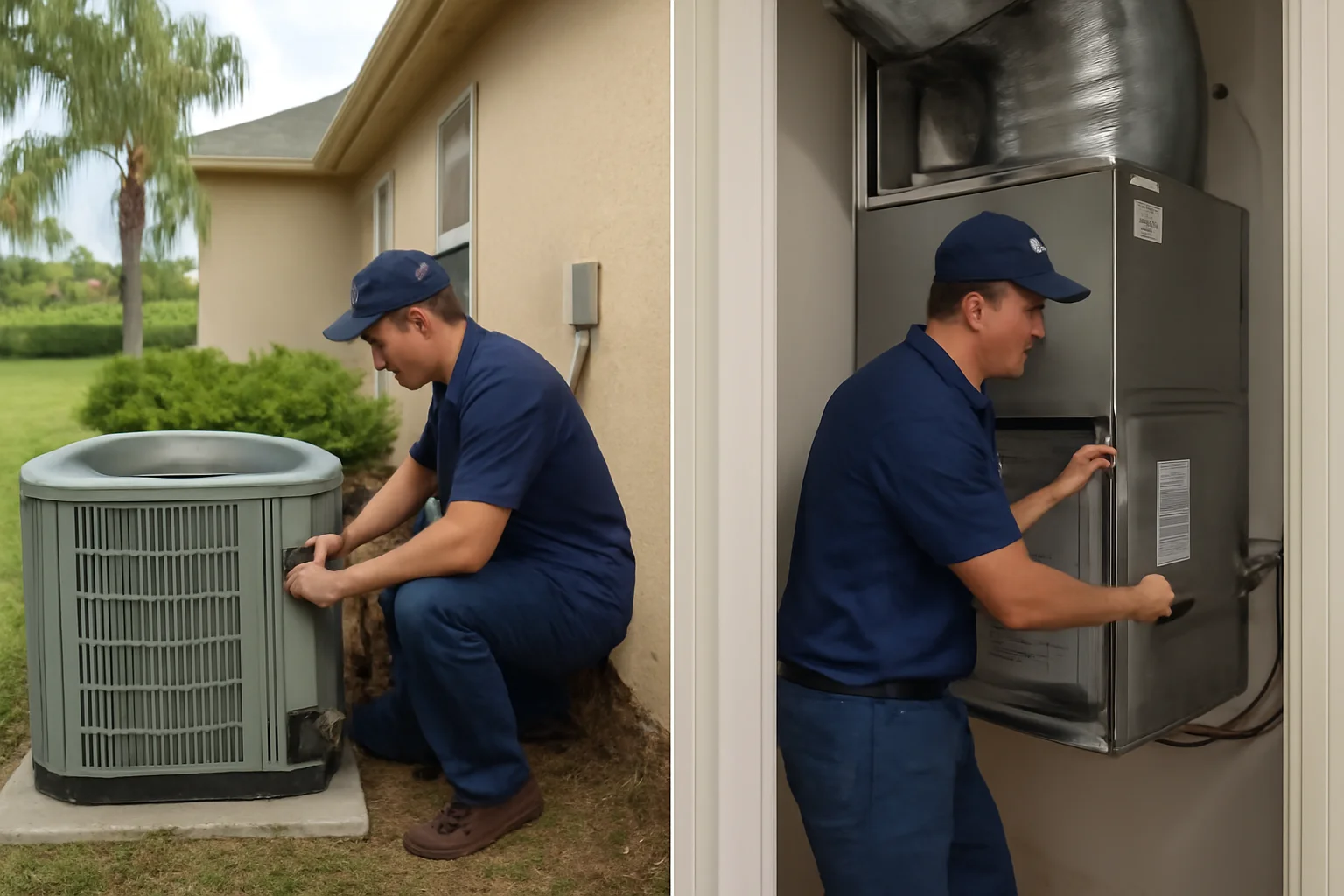
Freeport feels like paradise, but the air is often doing more work than homeowners realize. Warm Gulf air, coastal salt exposure, and frequent humidity swings can push HVAC systems to work harder while indoor comfort and indoor air quality suffer. The good news is that you can make your system more reliable and your home healthier with smarter air filtration and dehumidifier planning, plus airflow and maintenance habits that match Walton County weather.
This guide focuses on practical, homeowner-friendly steps for air filtration and dehumidifiers in Freeport, FL. We will talk about airflow, condensate drainage, thermostats, ductwork, refrigerant systems, emergency cooling concerns, and the kind of preventive HVAC maintenance that helps you avoid mid-summer surprises.
If you want a targeted assessment, A Superior Mechanical helps homeowners and property managers improve indoor air quality and humidity control. Start with our local service page for Air Filtration & Dehumidifiers in Freeport, FWCFL, or browse our Freeport service area to see how we support homes across Walton County.
Why Freeport humidity changes how your HVAC should be set up
In Freeport, the HVAC challenge is not just temperature. Humidity affects how your home feels, how quickly surfaces dry, and how comfortable you stay during Florida heat. When indoor moisture is high, you can see condensation on cool surfaces, musty odors, and a higher risk of dust and allergens sticking around.
That humidity also increases the workload on your air conditioning and heat pump system. When the system runs longer to cool the air, it must also manage moisture. If airflow is restricted or filtration is not matched to your ductwork and equipment, the system can struggle to move air the way it is designed to. That can lead to inconsistent comfort, higher energy use, and more frequent service calls.
Salt air from coastal exposure adds another layer of complexity. It can contribute to corrosion over time in HVAC components, especially in outdoor units. Humidity makes that environment more challenging, so preventive maintenance matters.
Air filtration: choose performance that matches your airflow, not just your preferences
Air filtration is central to indoor air quality. It helps capture dust, pollen, and other airborne particles that homeowners feel as “stale air” or visible dust. But filtration is not a one-size-fits-all upgrade. The right filter depends on:
- Your system design and blower capacity
- Your ductwork layout and return air paths
- Whether your home has areas with higher dust loads, like crawl spaces, attics, or rooms with older building materials
- How often the system runs and how your thermostat is set
- Whether you add whole-home air purification features such as an Air Scrubber
When filtration is mismatched, airflow can drop. That can show up as weak supply airflow from vents, poor temperature balance, or frequent cycling. In Florida heat, those symptoms can quickly become “AC repair near me” searches when the system cannot keep up.
Practical filtration tips homeowners can use right away
Here are steps that help most Freeport homes:
- Check the filter size and fit. A filter that does not seal properly around the edges can allow unfiltered air to bypass the media.
- Replace on a schedule you can actually maintain. Humid coastal air often brings more particulates indoors, and filters can load faster.
- Watch for airflow complaints after changing filtration. If you recently upgraded filtration and noticed weaker airflow, that is a signal to have your airflow and ductwork evaluated.
- Coordinate filtration with dehumidification. Filtration and humidity control work together. If you are adding a dehumidifier but filtration is too restrictive, the system may not deliver the airflow needed for consistent comfort.
Dehumidifiers: humidity control is a comfort upgrade and a system protection strategy
Whole home dehumidifiers can improve comfort by reducing indoor moisture levels. In Freeport, that often means fewer musty odors, less clamminess, and a home that feels more stable during humid stretches.
Dehumidification can also reduce strain on your cooling system. When indoor humidity is lower, you may be able to maintain comfort with less run time, because the air does not feel as “heavy” at the same temperature. Lower moisture also helps limit condensation issues that can affect building materials and indoor air quality.
Condensate drainage is not optional
Any dehumidification system needs a reliable path for condensate drainage. Poor drainage can lead to water issues, odors, and equipment performance problems. Homeowners should confirm that condensate lines are:
- Properly routed and not kinked
- Draining consistently during high humidity periods
- Installed with attention to local layout, including where lines run through conditioned or unconditioned spaces
If you have ever heard a dehumidifier “fighting” or shutting down due to drainage issues, that is a strong reason to request an inspection rather than trying to troubleshoot blindly.
Airflow reliability: the hidden factor behind filtration performance and cooling comfort
Air filtration and dehumidifiers rely on airflow. If your system cannot move air through the return, filter, evaporator coil, and supply ducts efficiently, indoor air quality and humidity control suffer.
In Freeport homes, airflow problems can show up due to ductwork design, shifting insulation, or long-term accumulation of debris. Even if your HVAC system is “running,” it may not be delivering the air volumes you expect.
How to spot airflow problems before they become emergency cooling concerns
Look for these homeowner-friendly clues:
- Rooms feel warmer or cooler than the rest of the house for no clear reason
- Supply vents feel weak, especially on the first floor or in bedrooms
- More dust buildup than usual
- Longer cooling cycles to reach temperature targets
- Moisture issues that seem worse even when the thermostat is set correctly
Florida heat can turn small airflow issues into bigger problems fast. When airflow is restricted, cooling performance can drop and refrigerant systems can be stressed. That is why homeowners searching for AC repair near me often run into the same theme: the comfort problem started as a distribution or filtration issue, not just a single component failure.
Ductwork and returns: where good intentions go wrong
Many filtration and dehumidification plans assume air will travel smoothly through the duct system. In real homes, ductwork can have leaks, poor balancing, or sections that do not deliver air where it is needed. Returns matter just as much as supplies, because the system needs a clear path for air to come back.
If you are considering filtration upgrades, ductwork evaluation should be part of the conversation. For homeowners in Freeport, ductwork issues can also affect indoor air quality by pulling air from unwanted areas or allowing unconditioned air to mix with conditioned air.
If you suspect ductwork is contributing to comfort problems, explore Ductwork Services and ask about airflow testing and duct balancing during an HVAC inspection.
Thermostats and settings that support humidity control
Your thermostat choices can make a noticeable difference in how your system handles humidity. In humid conditions, the HVAC system often needs to run in a way that removes moisture without overshooting temperature.
Simple thermostat habits for Freeport homeowners
- Use schedules that match occupancy. If the home sits empty during the day, humidity can rise when the system is not actively controlling indoor conditions.
- Consider fan behavior. Continuous fan can improve air mixing, but it may also increase energy use. Your best setting depends on duct design and comfort goals.
- Set realistic temperature targets. Extremely aggressive setpoints can cause short cycling if airflow or humidity removal is not balanced.
- Pair thermostat strategy with dehumidification. If you add a whole home dehumidifier, thermostat settings may need adjustment so the system does not fight your humidity control strategy.
If you are updating a system or want better control, you may also want to review Heating Control Systems to ensure your controls are aligned with your comfort goals.
Refrigerant systems and coil performance: why airflow and filtration matter
Air conditioning and heat pump performance depends on coil conditions and airflow across the evaporator coil. When airflow is reduced due to restrictive filtration, clogged components, or duct restrictions, the system can struggle to exchange heat as designed.
That is where refrigerant systems can become a concern. Low or high refrigerant is not something homeowners should diagnose on their own. But homeowners should understand that airflow and coil cleanliness influence how the system performs. A professional evaluation can confirm that the system is operating within expected conditions.
When you see symptoms like inconsistent cooling, longer run times, or poor dehumidification despite the thermostat being set correctly, the root cause may involve airflow, coil performance, drainage issues, or refrigerant system operation. Those require an in-person assessment by a licensed HVAC contractor.
Maintenance that supports airflow, filtration, and dehumidifier reliability
Preventive HVAC maintenance is the most reliable way to protect comfort during Florida heat and humidity. It also helps reduce the chances of a mid-summer breakdown when you least want to think about repairs.
What to include in a seasonal plan for Freeport
- Inspect and clean components affecting airflow. This can include checking blower operation, verifying airflow paths, and addressing buildup that restricts airflow.
- Confirm condensate drainage. For dehumidifiers and cooling systems, drainage performance matters. A clogged or poorly routed condensate line can cause shutdowns and moisture problems.
- Review filtration and indoor air quality goals. Make sure your filtration approach matches your home’s needs and your system’s airflow capability.
- Check outdoor unit conditions. Salt air and humidity can contribute to corrosion. Cleaning and inspection can help protect outdoor equipment performance.
- Verify thermostat operation. Controls should match your humidity and comfort goals, especially during peak humidity.
For homeowners who want a deeper maintenance strategy, it can help to understand how professional service supports reliability year round. If you manage larger properties or commercial spaces, these posts can be useful even for homeowners with high-comfort expectations: Why Efficient Heating and Cooling Starts With Commercial HVAC Maintenance in Freeport, FL and Staying Ahead of Commercial HVAC Problems in Freeport, FL.
Indoor air quality beyond filtration: Air Scrubbers and whole home approaches
Air filtration captures particles, but indoor air quality can also be affected by odors, microbial growth potential, and how air circulates through the home. Some homeowners choose whole home purification options like Air Scrubbers to complement filtration and improve overall air handling.
Whether that is a good fit depends on your system design, ductwork, and humidity control plan. A professional evaluation helps confirm the approach aligns with your comfort goals and your equipment’s airflow capabilities.
If you want to focus on air quality solutions, explore Indoor Air Quality Services to see how A Superior Mechanical supports homeowners looking for cleaner air and better humidity control.
Common Freeport HVAC issues that show up with humidity and filtration problems
Homeowners in Walton County often notice patterns when humidity and filtration are not working together:
- Short cycling. The system may turn on and off frequently if airflow is restricted or if comfort targets are not aligned with humidity removal.
- Musty smells. These can connect to moisture issues, condensate drainage problems, and poor air mixing.
- Uneven comfort. Duct balance and return airflow can cause some rooms to feel clammy while others feel fine.
- More dust. If filtration is not properly installed or airflow is bypassing the filter, dust can build up faster.
- Higher energy use. When the system runs longer to achieve comfort, energy use often increases, especially during humid Florida stretches.
These issues can also overlap with AC or heat pump problems. If you are trying to decide between a simple tune-up and a larger repair, it helps to have a professional inspection that considers airflow, humidity control, and equipment performance together. That is especially important for homeowners searching for heat pump repair near me or AC tune up near me and hoping the right fix will be identified quickly.
System replacement and upgrades: when planning for reliability pays off
Some homeowners eventually consider HVAC replacement when equipment is aging or comfort problems keep returning. When that happens, filtration and dehumidification should be part of the planning, not an afterthought.
Upgrading without considering airflow and humidity control can lead to the same complaints in a new system: uneven comfort, poor dehumidification, or higher energy use. A professional consultation helps align your new setup with your home’s ductwork, comfort goals, and indoor air quality needs.
If you are comparing options and want to understand how financing can support planned upgrades, the guide A Homeowner’s Guide to HVAC Financing and Why It Matters in Freeport, FL can help you think through timing and budgeting.
How to avoid getting stuck during peak humidity and heat
Florida summers can bring stretches where you rely on cooling for comfort and health. When humidity is high, even small comfort problems feel worse. That is why it helps to plan before the hottest weeks arrive.
Here is a homeowner checklist that supports emergency cooling prevention:
- Replace filters and confirm proper fit before peak humidity
- Make sure condensate drainage paths are clear and draining properly
- Schedule an air conditioning inspection near me style appointment early, not after the first major heat wave
- Address airflow complaints promptly, especially if you recently changed filtration
- Keep thermostat settings consistent with humidity control goals
If your system is already struggling, waiting can increase the chance of more serious failures. Homeowners searching for HVAC company near me and licensed HVAC contractor near me usually want the same thing: a clear evaluation that considers airflow, filtration, humidity control, and system reliability.
Questions to ask during a professional filtration and dehumidifier evaluation
When you contact an HVAC company, you can make the inspection more productive by asking focused questions. Consider:
- How does my ductwork affect airflow and filtration performance?
- What indoor humidity targets make sense for my home and comfort goals?
- Is my condensate drainage set up correctly for the dehumidifier and cooling system?
- Would an Air Scrubber or other air purification approach complement my filtration?
- Are there signs my system is being stressed by restricted airflow?
- What preventive HVAC maintenance items should I prioritize in Freeport’s humidity?
For additional context on how installation details can affect performance, you may find this helpful: The Details That Get Missed in Commercial HVAC Installation in Freeport, FL. Even though it is written with commercial systems in mind, the airflow and commissioning concepts often apply to residential comfort planning as well.
When to call A Superior Mechanical in Freeport
If you notice musty odors, uneven comfort, weak airflow after filter changes, or persistent humidity problems, it is a good time to schedule an evaluation. These issues can involve ductwork, airflow balance, condensate drainage, and HVAC performance. An in-person professional assessment helps ensure any refrigerant system concerns are handled appropriately and safely, and that ductwork and indoor air quality solutions are matched to your home.
To get started, visit Air Filtration & Dehumidifiers in Freeport, FWCFL or explore Walton County HVAC services to find the right support for your property. For homeowners dealing with comfort reliability issues, pairing filtration and dehumidification planning with ductwork and preventive maintenance is often the difference between “the system is running” and “the home feels right.”
Find Air Filtration & Dehumidifiers in Freeport, FL
If you need Air Filtration & Dehumidifiers in Freeport, FL, visit our local service page or contact A Superior Mechanical today.
Map of Freeport, FL
Frequently Asked Questions
How do I know whether my humidity problem is an HVAC issue or a ventilation issue?
Humidity can come from multiple sources, but HVAC-related causes are common in Freeport, especially when airflow is restricted, filtration is mismatched, or condensate drainage is not working correctly. A professional inspection can evaluate airflow, duct performance, and dehumidification needs so you can target the real cause.
Can I improve indoor air quality without changing my thermostat settings?
Yes, upgrades like better filtration or whole home air purification can help indoor air quality. However, thermostat and fan settings also influence air circulation and how effectively your system removes moisture. If humidity remains high after filtration changes, thermostat strategy and dehumidification may need adjustment.
What should I check first if my airflow feels weaker after installing a new air filter?
Start by confirming the filter size and that it seals correctly in the housing. If airflow is still weak, the next step is to have airflow and duct performance evaluated. Restrictive filtration can reduce airflow, and the fix may involve duct balancing or selecting a filtration approach that matches your system.
Do dehumidifiers need condensate drainage maintenance?
Yes. Condensate drainage must remain clear and properly routed. If drainage is blocked or poorly installed, the dehumidifier can shut down, create odors, or contribute to moisture issues. A technician can inspect the drainage path and confirm reliable operation.
Is it safe for me to check refrigerant levels if my AC or heat pump is not cooling well?
No. Refrigerant issues require in-person evaluation by a licensed HVAC professional. Homeowners should avoid DIY refrigerant checks and instead request an inspection to determine whether the problem is airflow, coil performance, drainage, or a refrigerant system concern.
Related Articles
- Why Efficient Heating and Cooling Starts With Commercial HVAC Maintenance in Freeport, FL
- The Details That Get Missed in Commercial HVAC Installation in Freeport, FL
- A Homeowner’s Guide to HVAC Financing and Why It Matters in Freeport, FL
- Staying Ahead of Commercial HVAC Problems in Freeport, FL: A Practical Guide for More Reliable Buildings
Photo Gallery