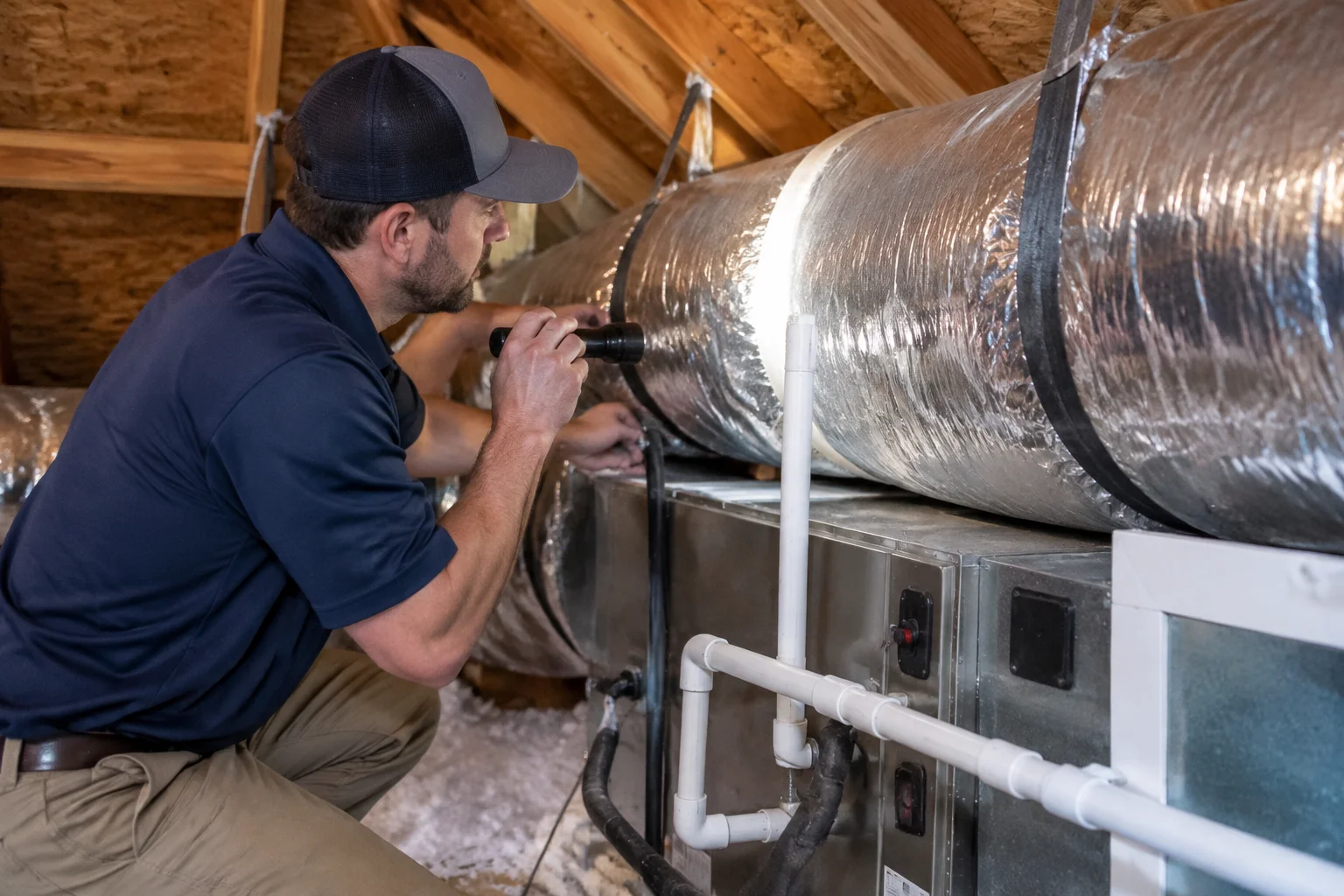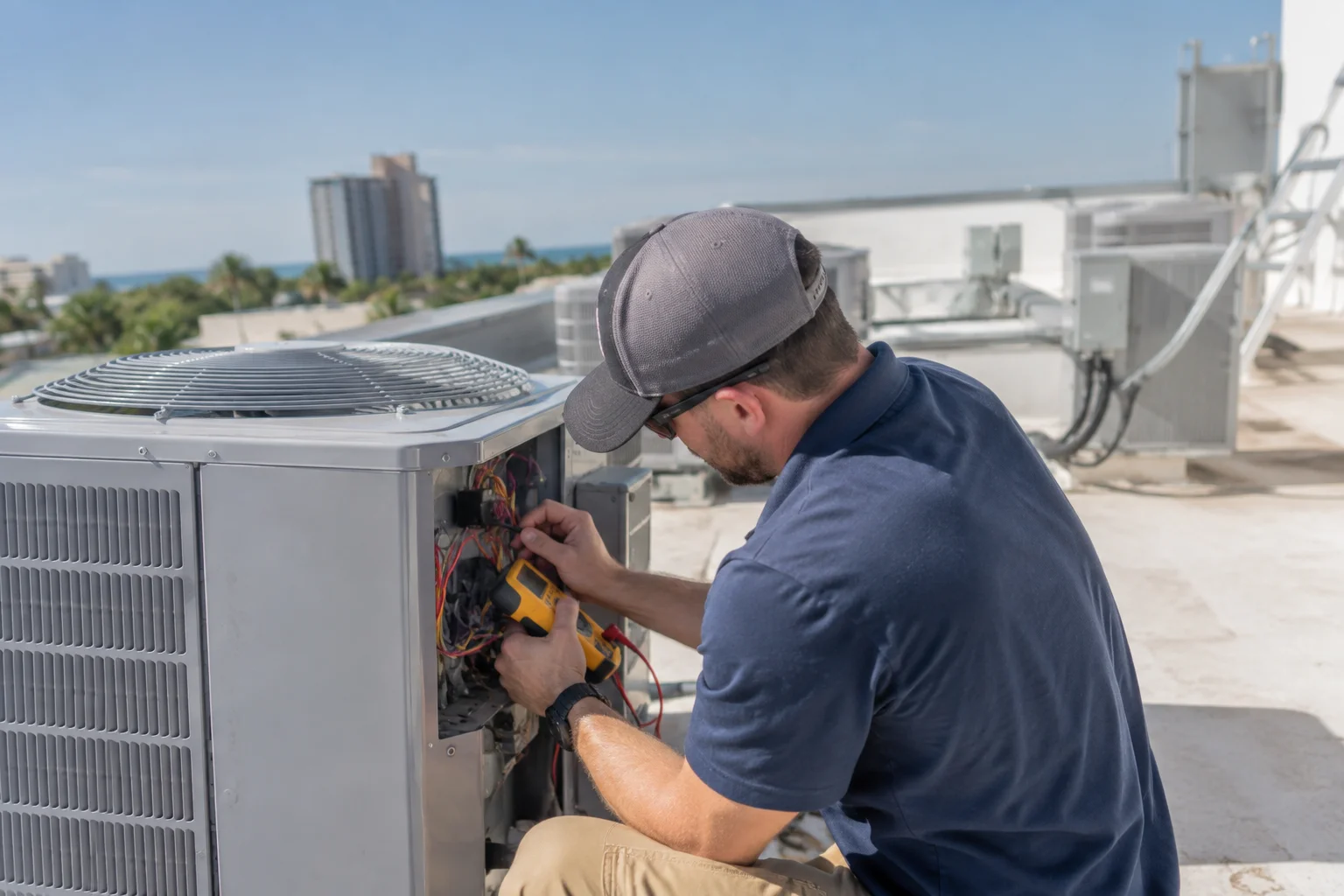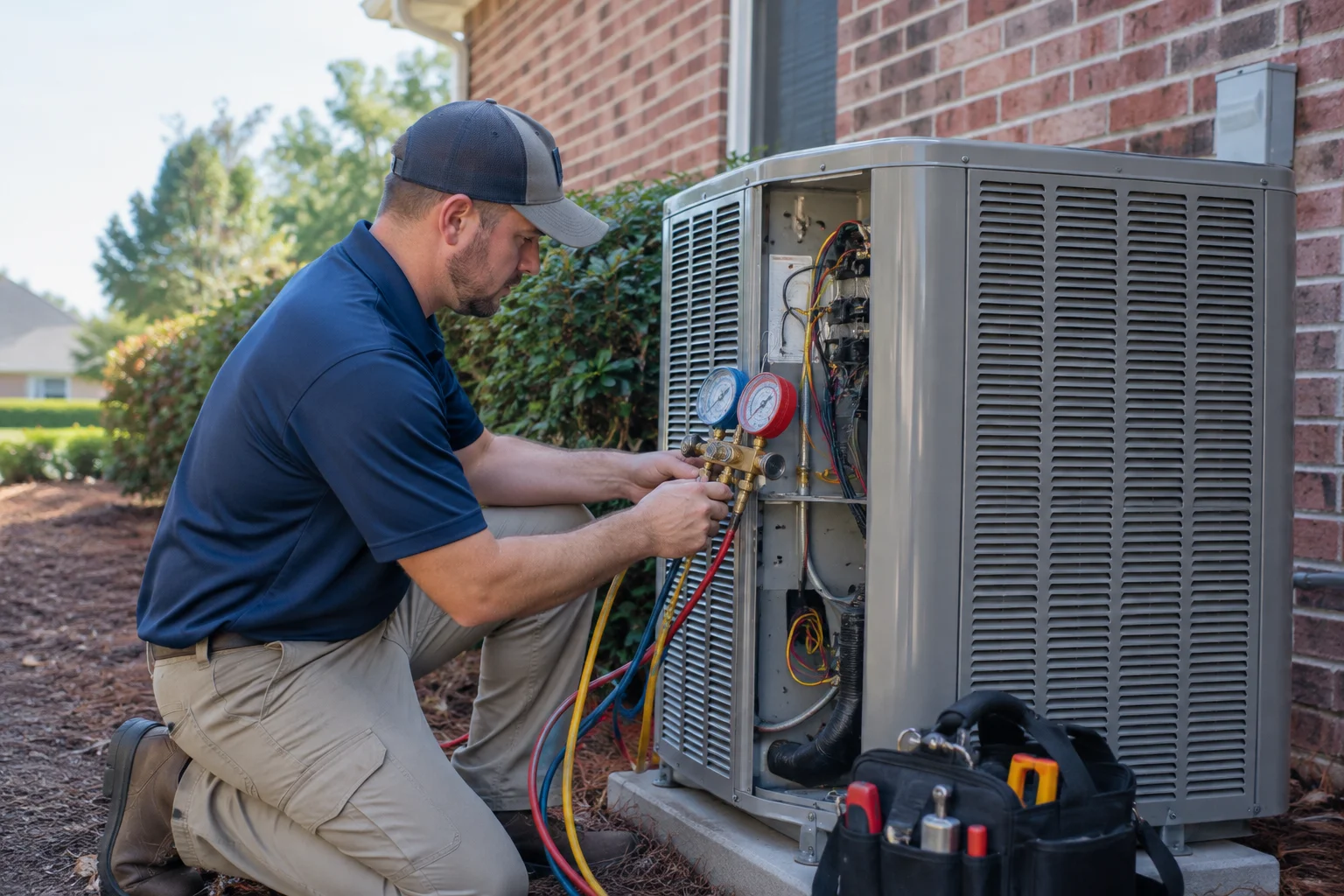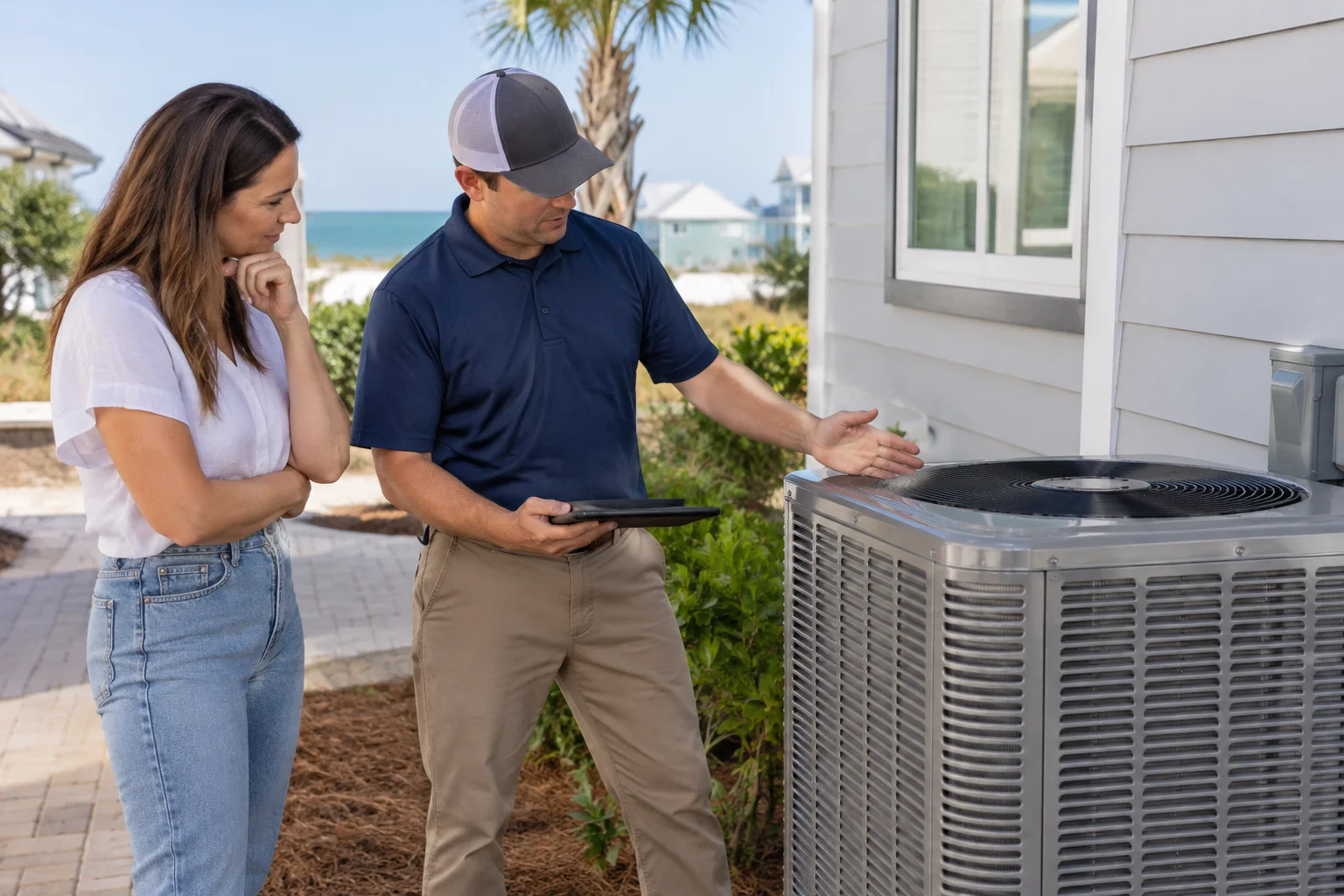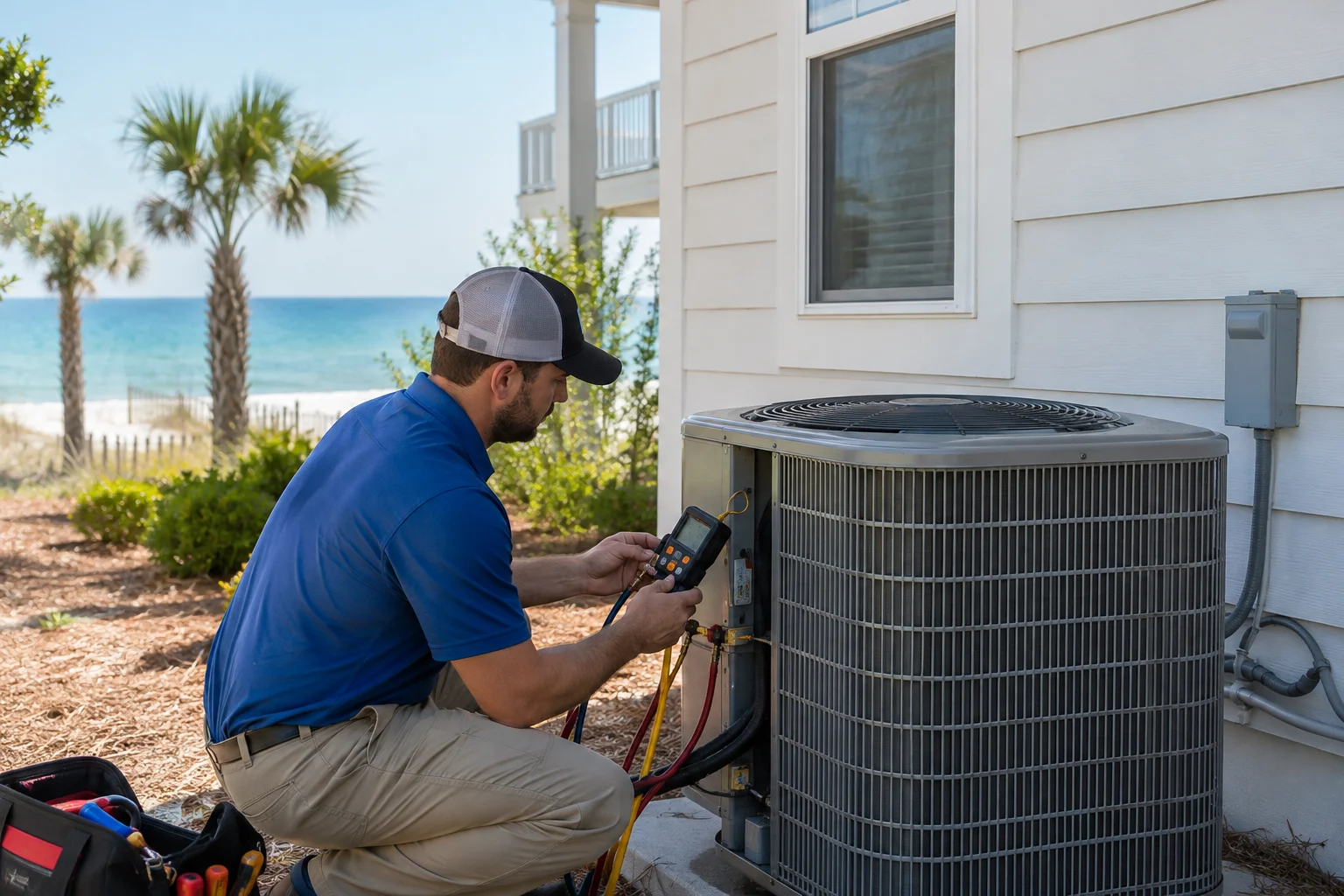
WaterColor is all about coastal comfort, but Florida’s heat and humidity, along with salt air from the Gulf, can quietly push an air conditioning system out of balance. A routine air conditioning inspection does more than “look things over.” A smart inspection focuses on airflow, humidity, system health, and the parts of cooling that homeowners often do not notice until the AC is struggling.
If you are a local property owner planning for preventive HVAC maintenance or trying to avoid air conditioning repair emergencies, these inspection tips will help you know what to ask for and what warning signs to take seriously.
Start with the WaterColor reality: humidity and salt air change how AC systems age
In WaterColor and across Walton County, air conditioners run longer during humid stretches. Even when the temperature seems “manageable,” the moisture load can keep the system working harder. Over time, that can affect:
- Airflow through supply and return paths, especially when filter access is inconvenient or ductwork is not sealed well.
- Coil performance as dirt, organic growth, and coastal exposure reduce heat transfer.
- Condensate drainage and moisture handling when drains, pans, or lines become partially blocked.
- Refrigerant system behavior when components are stressed or when airflow problems make the system operate outside its intended balance.
Salt air can also accelerate corrosion on outdoor components and create a “slow decline” effect. That is why an inspection should not only confirm the AC turns on. It should evaluate whether the system is actually cooling and dehumidifying the way it is designed to.
Airflow is the inspection topic most homeowners overlook
Many cooling complaints start with airflow, but they show up as symptoms that feel like “temperature problems.” If airflow is restricted, the system may run longer, cool less evenly, and struggle to remove humidity. Homeowners often attribute that to the thermostat settings or “Florida weather,” when the root cause is often ductwork, filters, or indoor air pathways.
What to check before a technician arrives
You can do a few safe checks that help your AC inspection go faster and more accurately:
- Filter condition: Check the filter type and how dirty it is. If it looks clogged or has been in place longer than you remember, airflow may already be restricted.
- Supply and return vents: Make sure vents are not blocked by furniture, rugs, or curtains. In coastal homes, it is common to rearrange spaces seasonally, and airflow paths can shift.
- Register balance: Note hot and cold spots room by room. If one area never feels right, it can point to duct airflow issues or pressure imbalance.
- System run behavior: During cooling, does the system cycle frequently, or does it run continuously? Both patterns can relate to airflow and humidity control problems.
What an inspection should include
Ask your licensed HVAC contractor about how they evaluate airflow during an inspection. A thorough air conditioning inspection in WaterColor should consider:
- Whether the indoor unit and blower are moving air the way they should
- How the return side is performing (not just the supply)
- Whether ductwork is likely contributing to airflow loss
- Whether humidity removal is consistent with the load
If you suspect duct issues, it is worth reviewing local guidance on duct sealing. For example, homeowners looking at ductwork improvements may find this helpful: Why WaterColor Homes Benefit from Better Duct Sealing and Aeroseal Care.
Humidity control is not optional in Walton County
In WaterColor, the biggest “comfort” difference from a well-maintained AC is often humidity removal, not just temperature. When an air conditioner cannot dehumidify effectively, the home can feel clammy even if the thermostat reads “cool.”
A smart inspection should look at how the system handles moisture, including airflow across the indoor coil and how condensate drainage performs.
Common humidity-related inspection gaps
- Dirty indoor coil or airflow restrictions: If airflow is low, the coil may not operate in a way that supports moisture removal.
- Condensate drainage problems: A partially clogged drain line can cause water to back up or create musty odors.
- Thermostat behavior: Some thermostats can be set up in ways that do not align with how the home actually needs to cool and dehumidify.
Do not assume humidity issues are “normal Florida.” If your home feels damp, it is a cue to include indoor comfort and moisture handling in your AC inspection.
Condensate drainage: the quiet failure that can damage comfort
Condensate drainage is easy to overlook because it usually happens out of sight, near the indoor unit or in the drain line. But when drainage is restricted, you can see warning signs like:
- Water around the air handler or near the drain pan
- Musty odors during cooling season
- Unusual dampness in closets or utility areas
- Thermostat short cycling or “weird” cooling cycles that may be tied to moisture management
A professional inspection should evaluate condensate drainage as part of the cooling system check. If drainage issues are present, the problem can affect indoor air quality, comfort, and long-term system health.
Refrigerant systems: why inspection is about balance, not guesswork
Refrigerant is part of the cooling system that affects performance, but it is also where homeowners can get misled by assumptions. It is not appropriate for anyone to “diagnose” refrigerant problems without an in-person professional evaluation. Airflow problems can mimic refrigerant symptoms, and refrigerant handling requires proper tools and safe procedures.
That said, a quality inspection should include refrigerant system checks as applicable to the equipment and conditions. The goal is to confirm the system is operating as intended, especially when the AC is running in Florida humidity for long stretches.
During your inspection, ask what the technician is checking and how they will interpret results in the context of airflow and humidity. That helps keep the process grounded in the full system, not just one component.
Thermostats and controls: small settings can cause big comfort issues
Thermostats do not just control temperature. They influence how often the system runs, how it cycles, and sometimes how it manages indoor humidity depending on the system setup.
Homeowners often overlook these inspection-relevant items:
- Thermostat placement: If it is exposed to direct sun, placed near supply vents, or located in a drafty hallway, readings can be inaccurate.
- Mode settings: Cooling mode, fan operation, and scheduling can affect humidity removal and energy use.
- Sensor accuracy: Some thermostats use built-in sensors that may not reflect the comfort in the rooms you care about most.
If your home is comfortable in some rooms but not others, thermostat settings alone may not be the answer. Still, thermostat installation or adjustments sometimes help an inspection uncover what is actually happening across the system.
If you need thermostat support, you can explore options through local service like our WaterColor service area coverage and discuss what fits your home.
Ductwork and indoor air quality: comfort depends on what the AC circulates
Air conditioning inspection is also about indoor air quality services and how the system distributes conditioned air. When ductwork is leaky, poorly insulated, or blocked by construction debris, the AC can waste energy and fail to deliver consistent airflow.
Coastal homes may also experience higher moisture exposure, which can contribute to dust and microbial growth if moisture control is not working properly. That is why duct inspection and airflow evaluation belong in a smart inspection plan.
How to tell when indoor air quality is part of the problem
- Dust seems to settle quickly after cleaning
- Rooms feel stale even with the AC running
- Allergies or respiratory irritation increase during humid weeks
- Musty odors show up when the AC starts cooling
If you are searching for indoor air quality services near me, bring these observations to your HVAC inspection. A professional can connect comfort symptoms to airflow, humidity, ductwork, and maintenance needs.
For homeowners focused on system airflow and distribution, you may also find this related read useful: Why WaterColor Homes Benefit from Better Duct Sealing and Aeroseal Care.
Energy use and efficiency: a cooling system can “work” and still waste power
When airflow is restricted or humidity removal is off, the system often runs longer and cycles differently than it should. That increases energy use and can lead to more wear on the components that keep your home comfortable.
Energy waste can be hard to spot because the AC may still blow cold air. That is why an inspection should connect system performance to real cooling behavior, not just whether the unit starts.
Homeowners who have higher-than-expected utility bills during peak humidity season should consider an inspection as part of their preventive HVAC maintenance plan. It can help identify issues tied to airflow, duct leakage, or moisture handling.
Signs your AC inspection should happen sooner, not later
Even with preventive maintenance, Florida weather can expose problems. If you notice any of the following, schedule an air conditioning inspection in WaterColor:
- Uneven cooling: Some rooms are consistently warmer or colder.
- Humidity discomfort: The home feels damp or clammy despite normal thermostat settings.
- Frequent cycling: The system turns on and off more often than usual.
- Long run times: The AC struggles to reach temperature on humid days.
- Strange noises: Rattling, squealing, or grinding sounds during operation.
- Condensate concerns: Water, odors, or dampness near indoor equipment.
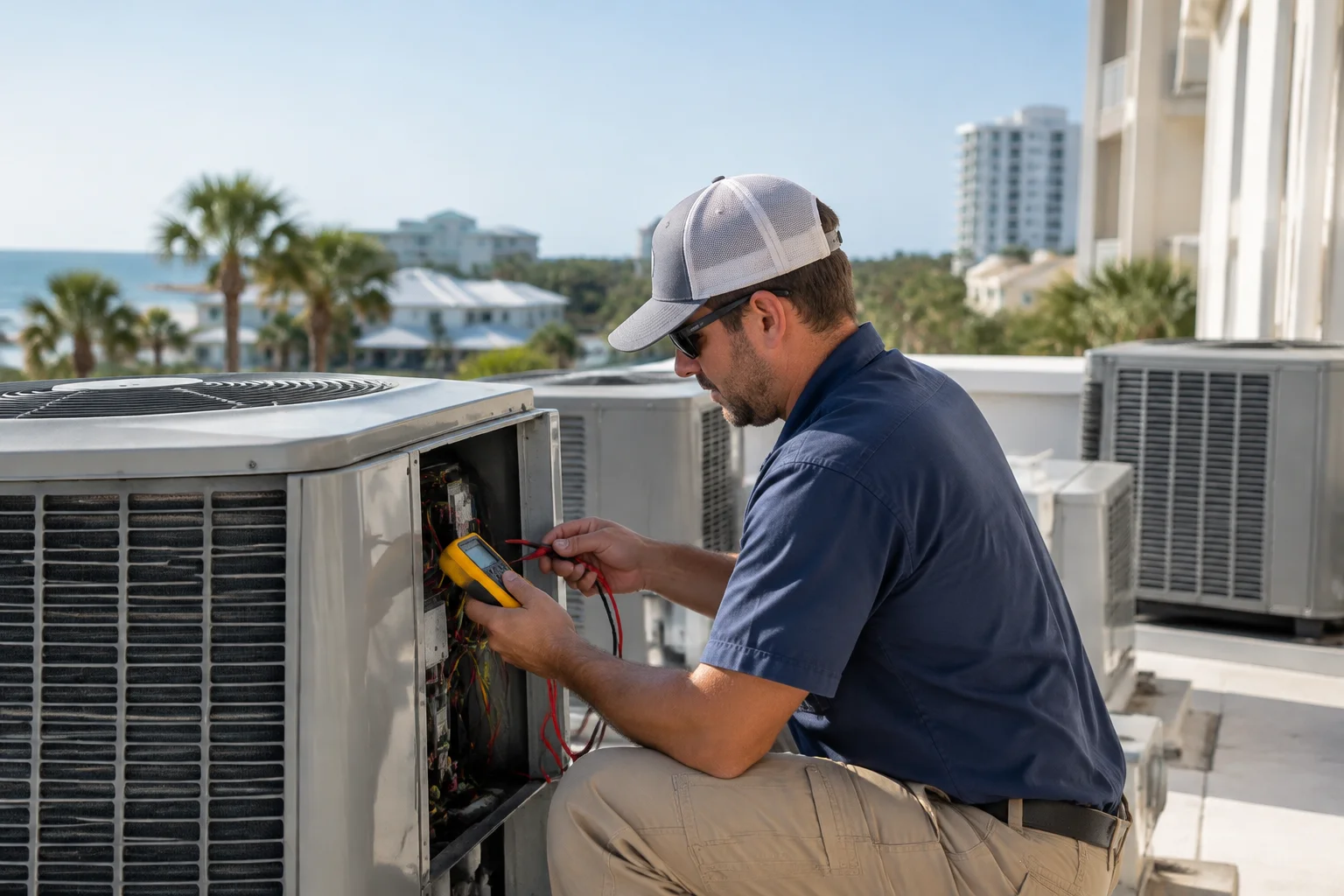
- Outdoor unit exposure issues: Visible corrosion, debris buildup, or blocked airflow around the condenser.
If you are trying to find HVAC maintenance near me to prevent a mid-summer breakdown, those symptoms are strong indicators that a professional inspection should not wait until the next cooling season.
How to prepare for an inspection so you get better answers
You will get more value from your visit when you help the technician understand what you are experiencing. Before the appointment, gather a few details:
- When the issue started and whether it happens only on humid days
- Which rooms are affected
- Any thermostat changes you made
- How often filters are changed and what type you use
- Any drain or odor concerns you have noticed
During the inspection, ask questions about airflow, humidity control, condensate drainage, and ductwork. A licensed HVAC contractor near me should be able to explain what they are checking and how it affects comfort and system reliability.
If your property is commercial or you manage mixed-use spaces, airflow and comfort problems can look different. You can review Why Commercial HVAC Systems Struggle in WaterColor Homes and How to Stay Ahead of It to understand how building design can change HVAC performance.
Emergency cooling concerns: what to do before you need emergency AC repair
In coastal Florida, “waiting it out” can be risky when humidity climbs and overnight temperatures stay warm. While no one wants to think about emergencies, a smart home plan includes knowing how you will respond if the AC fails during a heat wave.
Here are practical steps that support preparedness:
- Know your system type: Central air, ducted split system, or heat pump. If you are considering heat pump repair near me, keep your equipment model information handy.
- Confirm thermostat operation: If the system does not respond normally, document what you see on the thermostat.
- Keep airflow paths open: Avoid blocking supply and return vents so airflow is not an added problem.
- Have a maintenance record: Notes from inspections and filter changes help technicians troubleshoot faster.
If you are already searching for emergency AC repair near me because the system is not cooling, an inspection is still valuable after repairs. It helps confirm the root cause and reduces the chance of repeat failures.
When inspection leads to bigger decisions like ductwork or system replacement
Sometimes homeowners hear “inspection” and assume it only results in minor adjustments. In reality, a proper evaluation can reveal that ductwork needs attention, indoor comfort requires humidity-focused changes, or the system may be nearing the end of its useful life. That is where planning matters.
If you are weighing HVAC replacement near me, the inspection should help clarify what is actually driving poor performance. It should also be clear about what can be improved without jumping straight to replacement. A technician should not push decisions without a thorough, in-person assessment.
For homeowners who want to understand options for new installations in the area, you can review Air Conditioning Installation and discuss how to match equipment to the home’s layout, ductwork, and humidity needs.
Why professional local HVAC service matters in WaterColor
WaterColor homes are often designed for coastal living, but comfort still depends on HVAC fundamentals: airflow, humidity control, condensate drainage, and balanced refrigerant system operation. Local conditions add extra stress through heat, humidity, and salt exposure.
That is why working with A Superior Mechanical for an air conditioning inspection is more than a checkbox. A professional inspection helps you catch issues early, supports indoor air quality, and improves the odds that your AC can handle long, humid Florida cooling days without surprise failures.
If you manage multiple properties or want coverage across the region, you can also review Walton County HVAC service and confirm what is available for your specific home setup.
Need inspection for a specific system type?
Some WaterColor properties use multi-zone or advanced setups. If your home has a VRF or multi-zone configuration, you can explore VRF Multi-Zone Systems to understand how inspections and comfort checks can differ from simpler single-zone setups.
For repair-focused needs, pairing inspection insights with targeted service can help. If you are dealing with performance issues, consider Air Conditioning Repair alongside a follow-up inspection so the system is not just “fixed,” but verified for proper operation.
Preventive AC tune up planning: make the inspection part of your seasonal routine
Preventive HVAC maintenance works best when it is planned, not rushed. In WaterColor, scheduling an inspection ahead of peak humidity helps ensure the system is ready for the weeks when the AC runs hardest. Even if your unit seems to cool, a professional inspection can identify early issues tied to airflow, humidity control, condensate drainage, and refrigerant system performance.
If you are searching for AC tune up near me or looking for a licensed HVAC contractor near me, focus on what the inspection evaluates, not just whether service is offered. The more the visit covers airflow, humidity, indoor comfort, and system operation, the more useful it will be for your home.
Find Air Conditioning Inspection in WaterColor, FL
If you need Air Conditioning Inspection in WaterColor, FL, visit our local service page or contact A Superior Mechanical today.
Map of WaterColor, FL
Frequently Asked Questions
What does an air conditioning inspection in WaterColor usually include?
A thorough inspection evaluates airflow and comfort performance, checks indoor and outdoor components for condition, reviews condensate drainage and moisture handling, and assesses how the system is operating in humid conditions. It should also connect what you are feeling at home to what the equipment is doing.
Why does my home feel humid even when the thermostat is set to cool?
Humidity issues often point to airflow restrictions, coil performance problems, condensate drainage concerns, or thermostat and control settings that do not match the home’s needs. A professional inspection helps sort comfort symptoms from the underlying cooling system causes.
Can ductwork problems cause AC problems that look like a refrigerant issue?
Yes. Poor airflow from duct leaks or restrictions can change how the system operates and can create symptoms that people associate with refrigerant. That is why an in-person evaluation should consider airflow, humidity control, and overall system operation together.
How often should I schedule preventive HVAC maintenance in Walton County?
Most homeowners benefit from seasonal preventive maintenance before peak cooling demand. If your home has persistent humidity discomfort, uneven cooling, or condensate concerns, scheduling an inspection sooner can help catch issues before they lead to air conditioning repair.
What are the safest steps I can take before calling for emergency AC repair?
First, check that the thermostat is set correctly and that vents are not blocked. Then, note what the system is doing (cycling, running continuously, unusual noises, or any drain or odor issues). Avoid attempting refrigerant or electrical troubleshooting. A licensed HVAC contractor can evaluate the system safely.
Related Articles
- Why Commercial HVAC Systems Struggle in WaterColor Homes and How to Stay Ahead of It
- Why WaterColor Homes Benefit from Better Duct Sealing and Aeroseal Care
- Keeping WaterColor Homes Comfortable Without the Emergency Call
- Seagrove Beach Comfort Clues That Point to a Better Air Conditioning Inspection
Photo Gallery