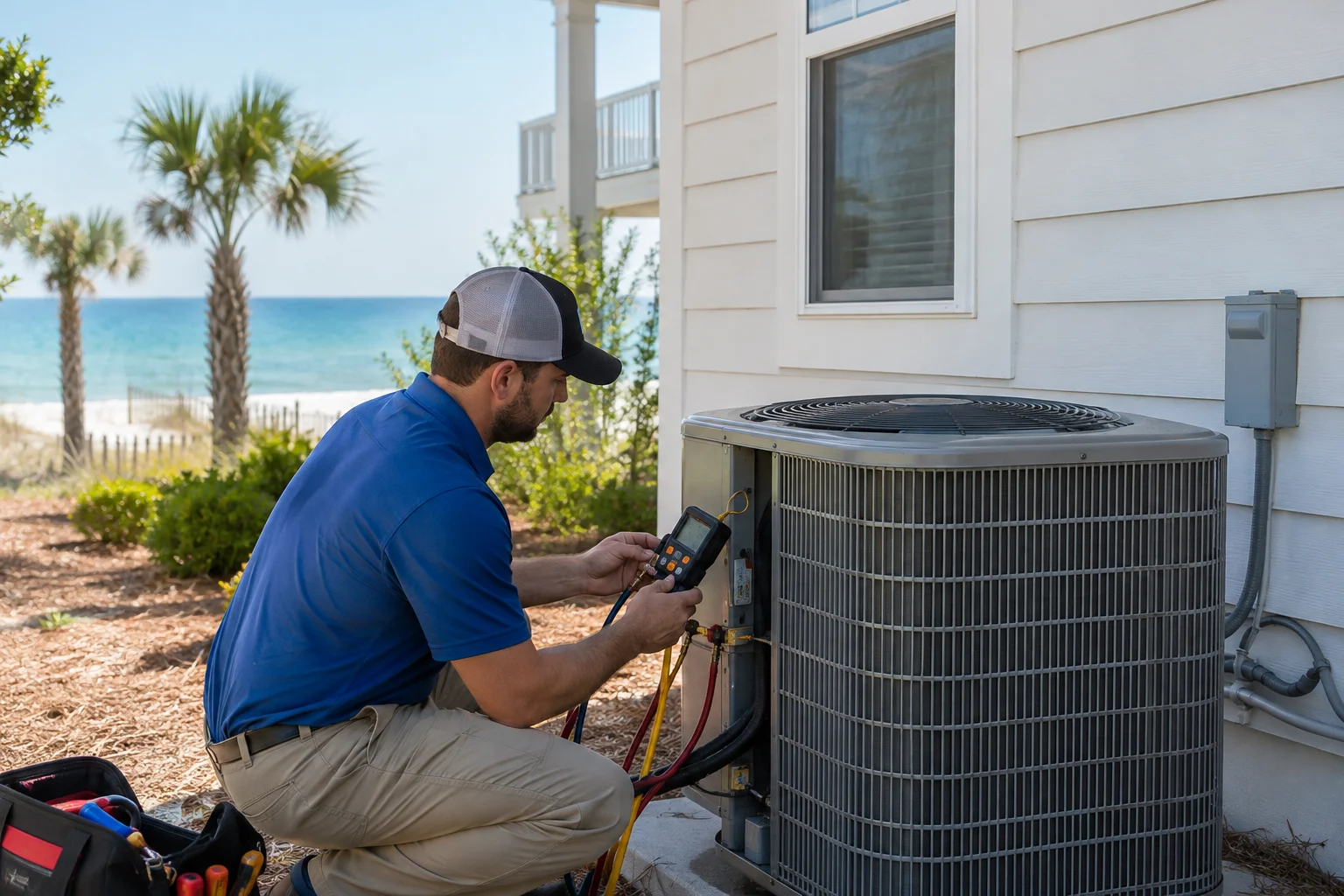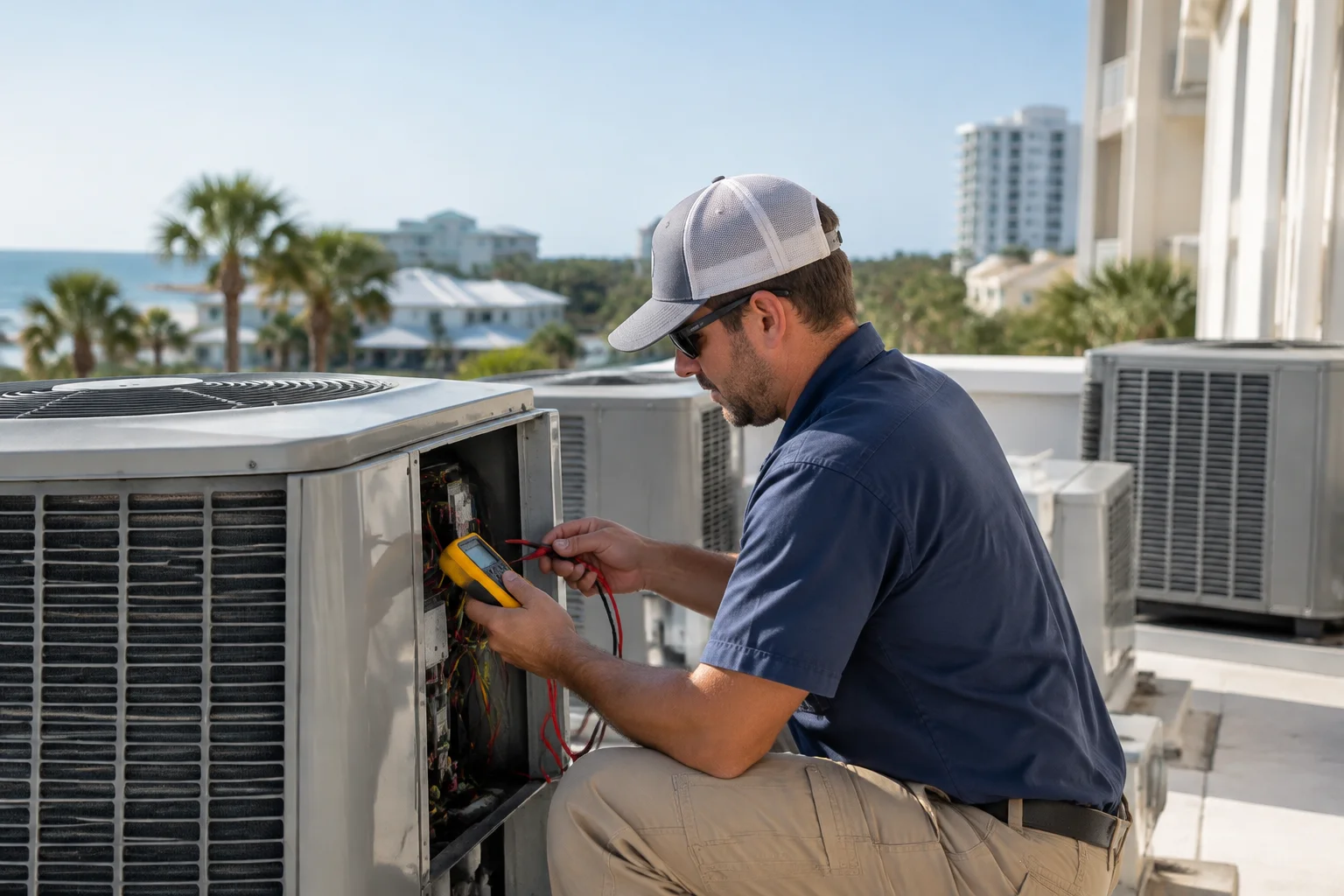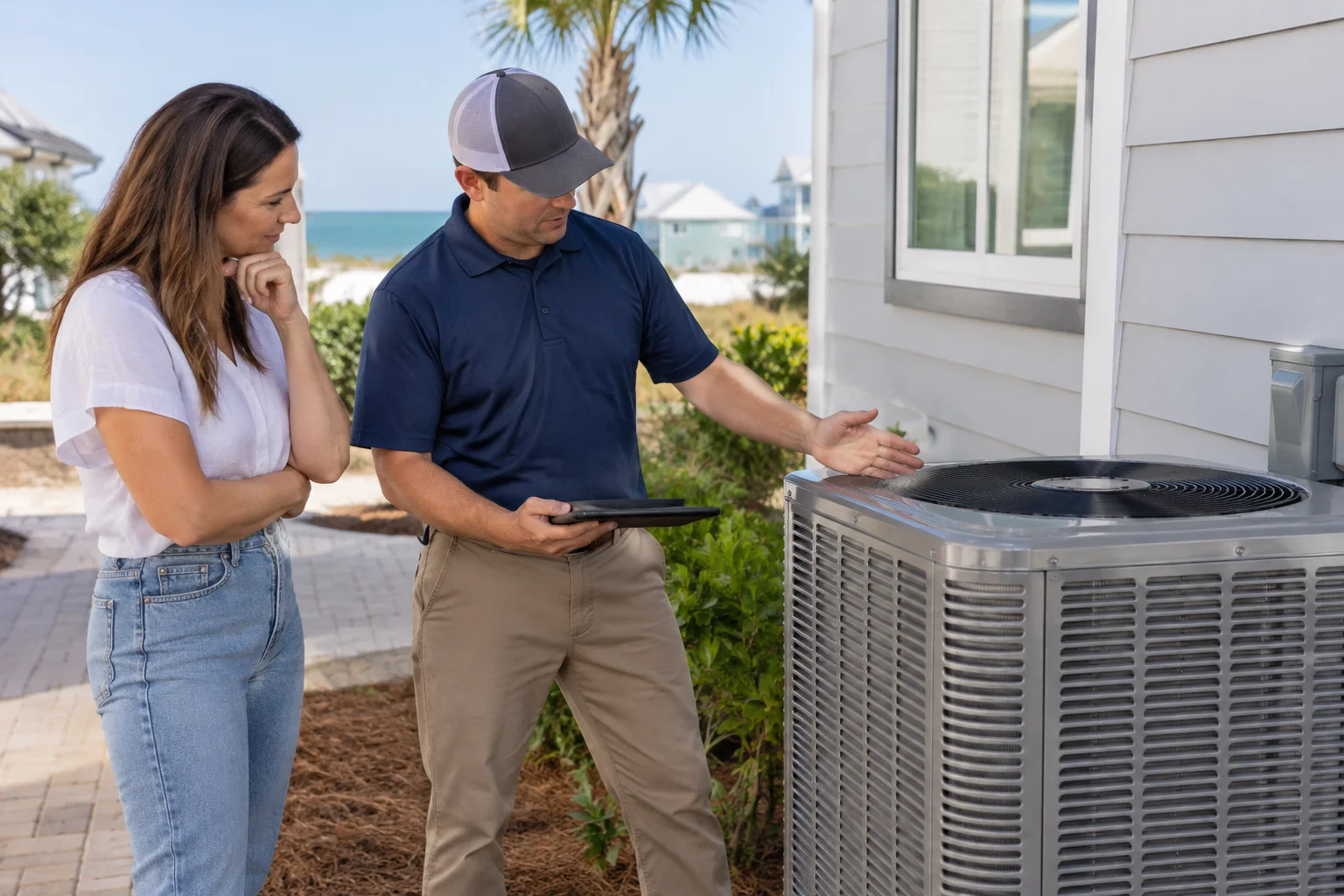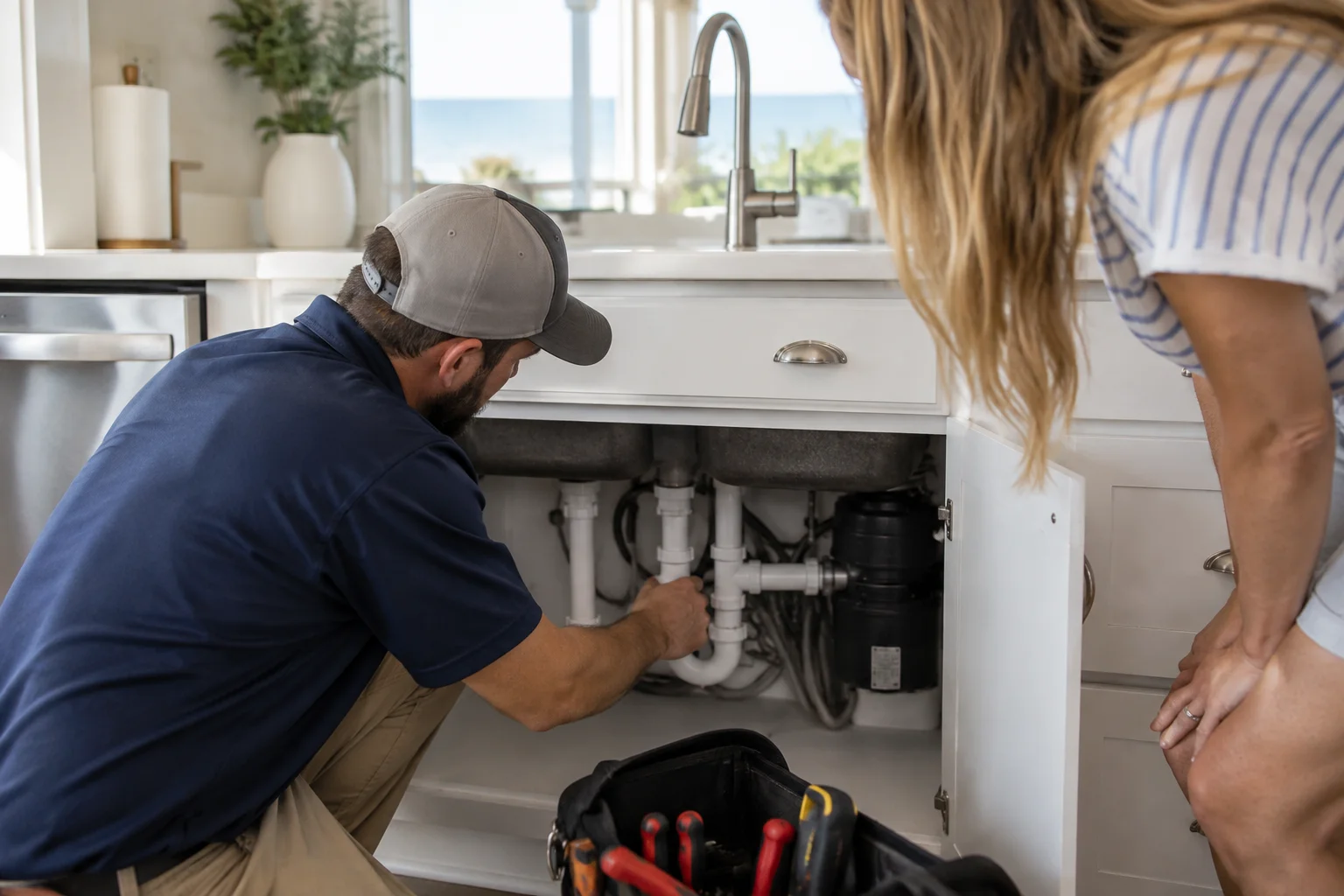
Living in Freeport means dealing with real Florida weather. Hot afternoons, high humidity, and salt air from the coast can stress heating and cooling systems faster than many homeowners expect. Even if you live in a home, you may manage a property with shared equipment, a small commercial space, or a residence that depends on a ducted system. When commercial HVAC problems start, they often show up as warning signs long before the system fully fails. Catching those signals early is one of the most practical ways to control repair costs and protect indoor comfort.
This guide connects common HVAC warning signs homeowners notice to the commercial HVAC services that keep buildings in Freeport comfortable and efficient. It also covers preventive HVAC maintenance habits that reduce emergency cooling concerns during Florida heat.
Why commercial HVAC warning signs matter for Freeport homes and properties
Commercial HVAC systems are built for continuous demand, but they still rely on the same fundamentals: correct airflow, safe refrigerant system operation, steady condensate drainage, and controls that match the building’s schedule. In Freeport, the environment adds pressure. Humidity loads increase cooling demand. Coastal salt air can accelerate wear on components. Ductwork and filters can collect moisture and debris. When airflow drops or condensate drainage slows, comfort issues and equipment strain follow.
For homeowners overseeing a residential building with commercial-style equipment, or managing a mixed-use property, the goal is the same as any commercial air conditioning contractor near me would recommend: identify early warning signs, address root causes with professional HVAC service, and prevent the next failure from stacking on top of the first.
Warning sign 1: Warm air that should feel cool, or cooling that feels uneven
Uneven comfort is one of the most common HVAC warning signs connected to airflow problems. In commercial spaces, you might notice hot spots near supply vents, colder areas near return grilles, or rooms that never quite reach set temperature. In homes tied to shared ductwork, the pattern can still show up as certain rooms staying warmer during peak Florida heat.
Common causes include clogged filters, dirty blower wheels, blocked or leaking ductwork, restrictive return paths, and thermostat settings that do not match how the system is actually operating. Humidity can also make cooling feel weaker because the air may not be dehumidifying even when temperatures drop.
Maintenance that helps:
- Check and replace filters on schedule. A filter that is overdue can reduce airflow quickly.
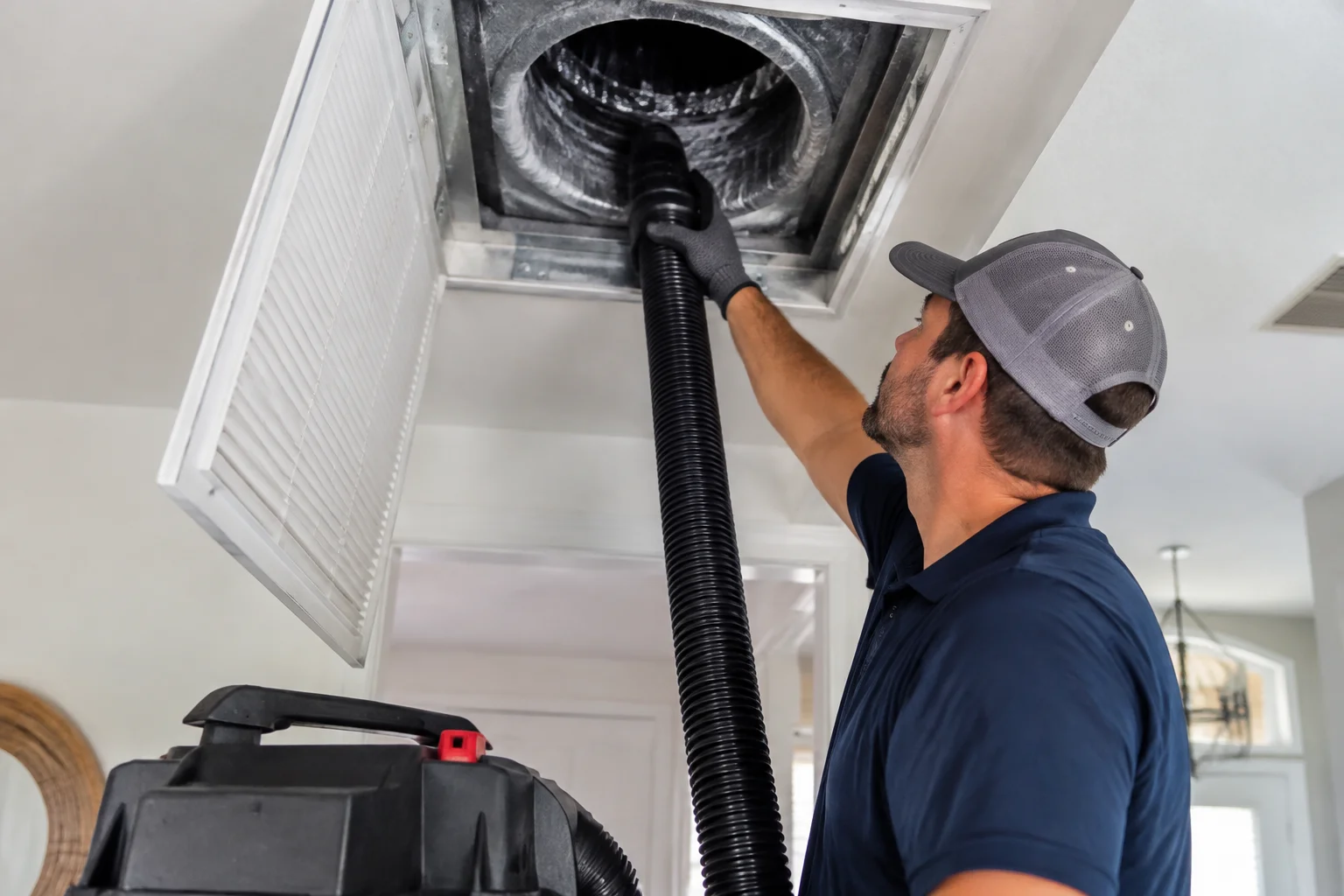
- Inspect ductwork and registers for obstructions, damage, and poor balancing. Duct inspection near me can be a useful search when airflow problems persist.
- Verify thermostat operation and programming so the system responds correctly to schedules and occupancy.
If you are searching for air conditioning repair near me because rooms feel warm, start by documenting when the issue happens and where the temperature differences are most noticeable. That information helps a local HVAC contractor near me narrow down whether the issue is airflow, controls, or something else.
Warning sign 2: Short cycling or frequent on and off behavior
Short cycling is when the system turns on, runs briefly, then shuts down repeatedly. In commercial HVAC systems, it can be linked to airflow restrictions, thermostat issues, sensor problems, or refrigerant system problems. In homes, it can also occur when the thermostat is demanding cooling but airflow is not supporting steady operation.
Why it matters in Freeport: high humidity and frequent cooling demand can push a stressed system into a cycle of start-stop operation. That increases wear on motors and components and often leads to higher energy use.
Maintenance that helps:
- Ensure condensate drainage is clear. When moisture removal is impaired, safety controls may respond and interrupt operation.
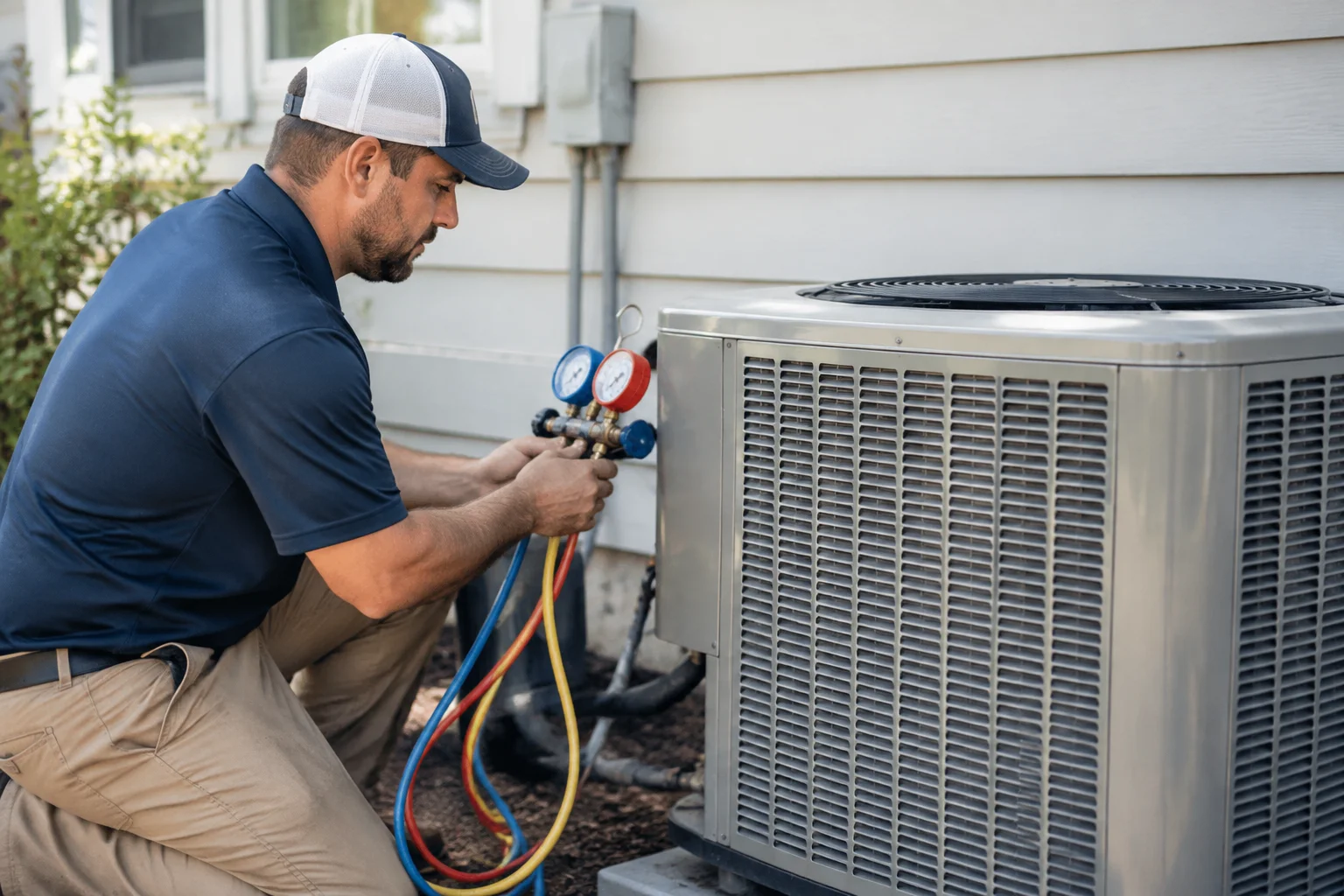
- Confirm airflow is correct before assuming the refrigerant system is at fault. A professional evaluation is required for any refrigerant-related conclusions.
- Review thermostat settings and confirm proper calibration and sensor function during an HVAC tune up.
If you suspect your system is short cycling, it is reasonable to schedule commercial HVAC service near me rather than waiting for it to worsen. Repeated cycling can also create comfort swings that make residents or staff feel uncomfortable even when the temperature display looks “close.”
Warning sign 3: Humidity that stays high or “sticky” air even when cooling runs
In Freeport, humidity is not a minor inconvenience. When indoor humidity remains high, you may notice condensation on windows, a musty smell, or surfaces that feel clammy. Even if the thermostat reaches the set temperature, the building may not be removing moisture effectively.
High humidity can point to several issues tied to cooling performance and airflow. Dirty coils, restricted airflow across the evaporator, blower problems, and condensate drainage problems can all contribute. In commercial settings, improper zoning or misconfigured controls can also play a role.
Maintenance that helps:
- Schedule coil and drain maintenance as part of preventive HVAC maintenance. Moisture removal depends on clean surfaces and clear drainage paths.
- Address duct leakage and airflow balance so conditioned air reaches the spaces that need dehumidification.
- Consider indoor air quality goals when humidity is a recurring issue. Indoor air quality planning is often connected to filtration choices and airflow management.
Homeowners who feel humidity is not improving after routine filter changes may need more than basic service. A professional technician can evaluate airflow, condensate drainage, and cooling performance in a way that is appropriate for the system you have.
Warning sign 4: Water leaks, clogged drain lines, or wet spots around the unit
Condensate drainage is a central part of how air conditioning removes moisture. When condensate drainage is slow, blocked, or improperly routed, you can see warning signs like:
- Water pooling near the indoor unit
- Wet drywall or ceiling stains
- Musty odors that suggest moisture buildup
- Safety shutdowns that interrupt cooling
In humid Florida conditions, condensate drainage problems can escalate quickly. A drain line that is partially blocked might work for a while, then fail during heavier humidity periods.
Maintenance that helps:
- Inspect condensate drainage during scheduled service, not just when you see water.
- Confirm drain line routing and slope so water can flow away reliably.
- Keep the area around the unit dry and accessible so technicians can check the drain pan and lines safely.
If you are seeing leaks, treat it as an HVAC repair issue, not a “wait and see” situation. Water damage can spread beyond the HVAC closet or mechanical room.
Warning sign 5: Higher energy bills without a clear reason
Energy use increases when a system has to work harder to deliver the same comfort. In Freeport, that can happen when airflow is reduced, coils are dirty, ductwork leaks, dampers or zoning controls are not operating correctly, or equipment is not running as efficiently as it should.
For homeowners managing commercial-style systems, rising utility costs can also be a sign that preventive HVAC maintenance has slipped. A commercial HVAC system that has not been serviced can lose performance gradually, and the building can feel “fine” until the inefficiency becomes expensive.
Maintenance that helps:
- Schedule AC tune up near me at the right time of year so the system starts the cooling season ready.
- Inspect ductwork for leaks and restrictions. Duct repair near me searches often come from comfort problems, but duct leaks also drive energy waste.
- Check thermostat operation so setpoints and schedules match how the building is actually used.
When energy use climbs, avoid guessing. A local HVAC company near me can connect the dots between airflow, controls, and cooling performance during an evaluation.
Warning sign 6: Strange noises, vibration, or unusual smells
Commercial equipment can produce normal operating sounds, but changes are meaningful. Watch for:
- Rattling or scraping that suggests a blower issue
- Grinding noises that may point to worn components
- Squealing that could be related to belts or motor strain
- Burning odors or smoky smells that require urgent attention
In coastal areas, salt air can contribute to corrosion and accelerated wear. That can increase the likelihood of noises and performance changes over time. Dust accumulation also rises in humid conditions, especially if filtration and air sealing are not maintained.
Maintenance that helps:
- Keep filters and returns clean to reduce dust load on fans and coils.
- Inspect blower wheels and motor mounts during service.
- Address indoor air quality concerns when odors are recurring. Sometimes the issue is airflow and filtration, not “something burning.”
If you notice burning odors or any sign of smoke, stop using the system and contact a professional immediately. This is one of the emergency cooling concerns homeowners should take seriously.
Warning sign 7: Refrigerant system concerns suggested by performance problems
Some homeowners try to link symptoms directly to refrigerant, but refrigerant systems require careful, in-person evaluation. Performance issues can be caused by airflow restrictions, coil contamination, control problems, or other factors that can mimic refrigerant-related symptoms.
That said, you should pay attention if you notice:
- Cooling that is consistently weak across many rooms
- Frequent cycling that does not improve after basic maintenance
- Frozen or overly warm coil surfaces
- Persistent comfort problems during peak humidity
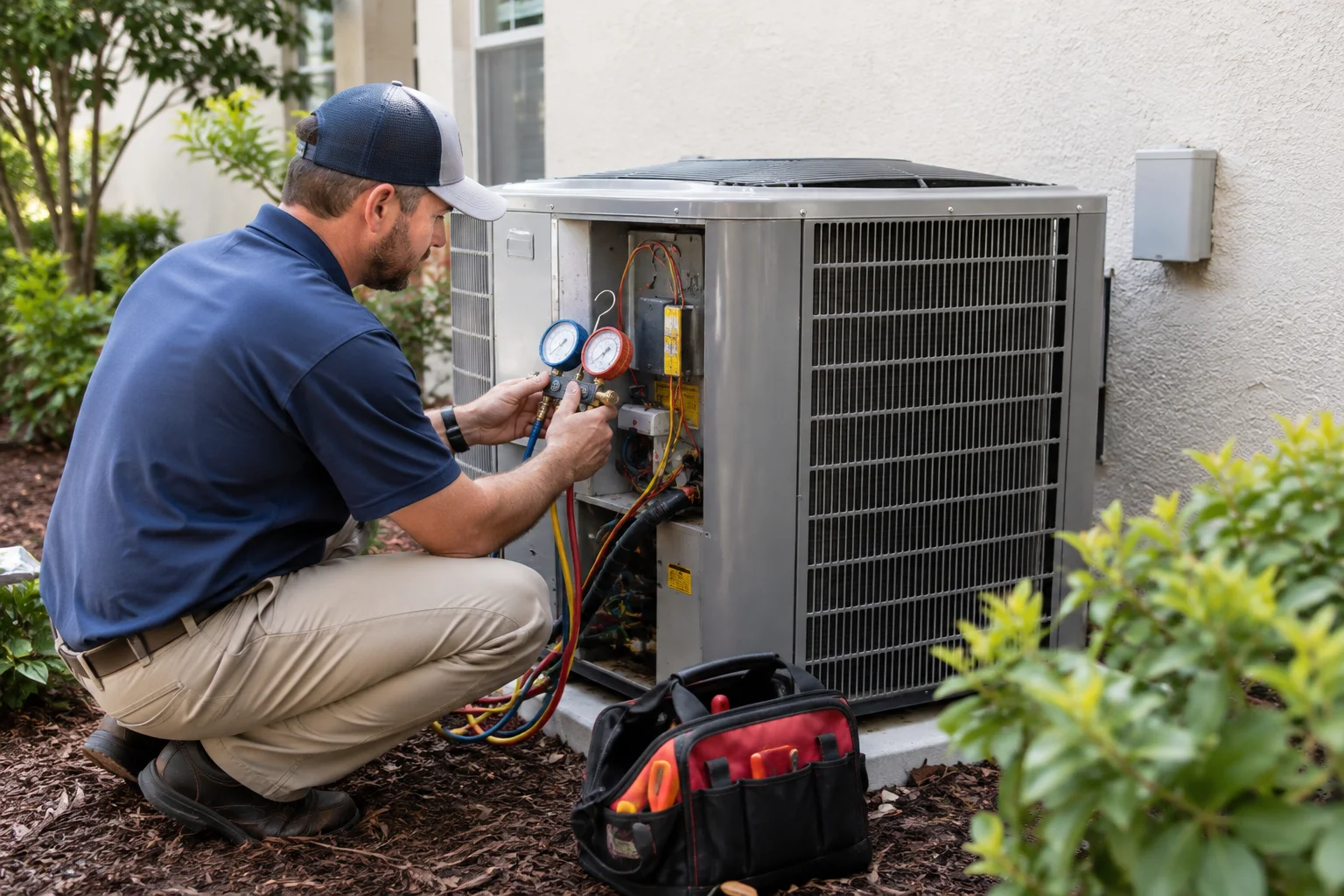
Instead of attempting a diagnosis yourself, schedule HVAC repair near me with a technician who can evaluate the system safely. Any refrigerant-related conclusion should be based on what is measured on site.
Warning sign 8: Thermostat behavior that does not match comfort
Thermostats are the control center for how your system responds to daily life. In commercial buildings, thermostats may also coordinate with zoning, schedules, and occupancy. In homes with ducted systems serving multiple areas, thermostat mismatch can still cause comfort complaints.
Common thermostat warning signs include:
- Set temperature changes that do not produce expected comfort
- Schedules that do not align with occupancy
- Short cycling or delayed response
- Display errors or inconsistent readings
Maintenance that helps:
- Verify settings and calibration during service visits.
- Consider thermostat installation near me when you need better scheduling, zoning coordination, or improved control of humidity comfort.
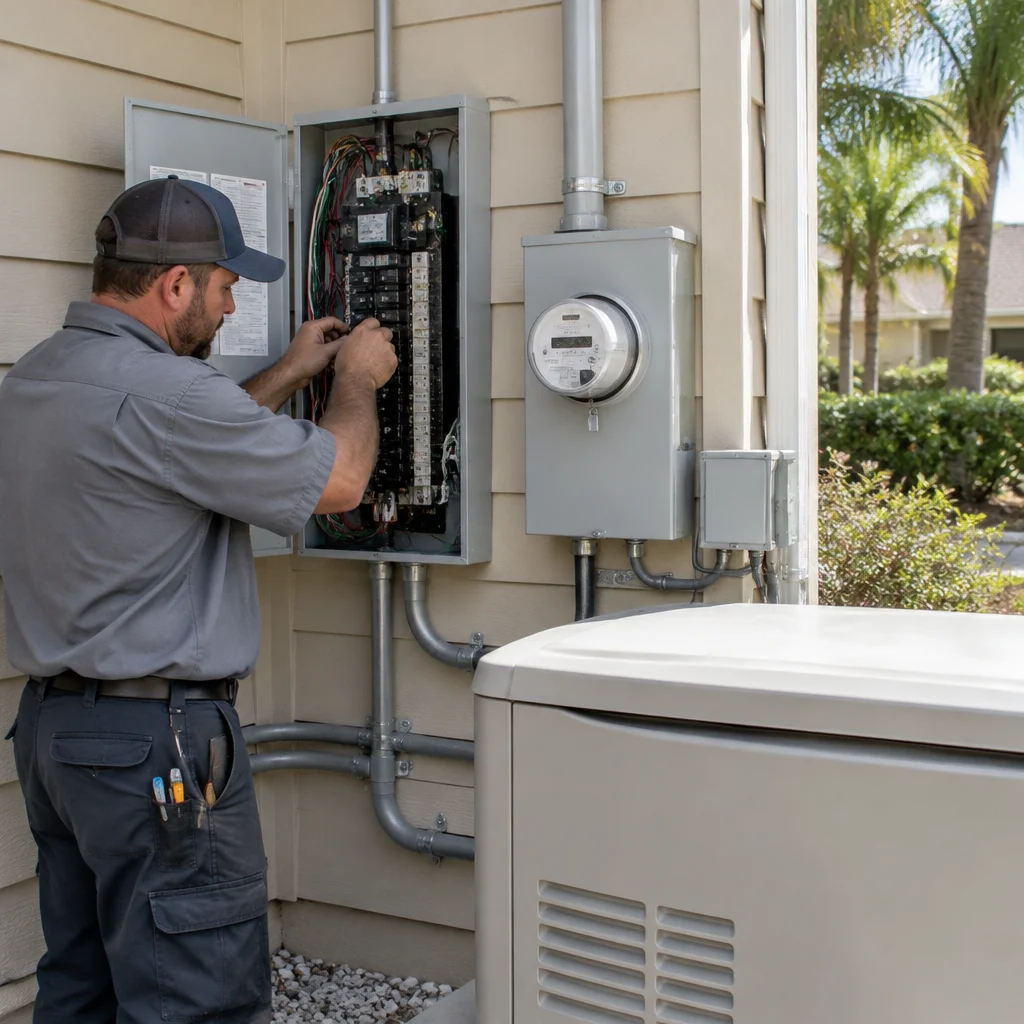
- Inspect wiring and sensor function as part of a professional check. Avoid DIY electrical work.
Commercial building realities in Freeport that affect HVAC reliability
Freeport homes and commercial properties often share challenges that influence HVAC performance. Many buildings rely on ductwork that can accumulate dust and moisture in humid conditions. Coastal salt air can affect outdoor components, and that can show up as corrosion, reduced efficiency, and performance changes over time.
In retail spaces, restaurants, and hospitality properties, comfort demands can fluctuate throughout the day. That creates additional load on systems and increases the importance of scheduling preventive HVAC maintenance. In multi-site facilities across Walton County, consistent service practices matter because small differences in maintenance history can lead to different failure patterns.
To support these realities, homeowners and property managers benefit from professional commercial HVAC services in Freeport, Florida that include both repair and preventive planning. If you are looking for a place to start, review commercial HVAC services in Freeport and HVAC help in Freeport.
Preventive HVAC maintenance tips that reduce emergency cooling concerns
Preventive maintenance is not about “more service” for the sake of it. It is about keeping the system’s key performance drivers stable: airflow, moisture removal, safe operation of refrigerant systems, and controls that match the building’s needs.
1) Use a seasonal plan that fits Florida weather
Freeport’s summer heat arrives quickly and stays intense. Plan maintenance so the system is ready before the hottest weeks. Many issues are easier to address when you are not fighting peak cooling demand.
2) Keep airflow paths clean
Filters, return grilles, supply registers, and ductwork all influence airflow. When airflow drops, the system has to work harder. That can increase energy use and contribute to humidity problems.
If you suspect airflow restrictions, consider ductwork-focused service such as duct cleaning and duct inspections. For properties with specific layout needs, ductless mini-splits can sometimes improve comfort in targeted areas, but the right approach depends on the building.
3) Maintain condensate drainage
Condensate drainage is tied directly to dehumidification. During routine service, technicians should inspect drain pans, lines, and drainage paths. Homeowners should also keep the mechanical area clear so maintenance can be performed properly.
4) Don’t ignore thermostat and control details
In commercial settings, thermostat schedules and zoning settings can make or break comfort. In homes, the thermostat still controls run times and humidity comfort. If you have uneven comfort or short cycling, include thermostat operation in your maintenance conversations.
5) Plan for heat pump service when applicable
Some buildings in Florida use heat pumps for heating and cooling. When heat pump service is needed, performance issues can show up as comfort problems, airflow changes, or inconsistent operation. If you have a heat pump and you are noticing recurring warning signs, explore heat pump services in Freeport with a technician who can evaluate the system in person.
How to decide between preventive maintenance and repair
Not every issue requires urgent repair, but some warning signs are clear “act now” indicators. Use this practical approach:
- Schedule maintenance when you notice gradual comfort changes, rising energy use, or humidity that is slowly worsening.
- Schedule repair when you notice leaks, unusual smells, repeated short cycling, or sudden loss of cooling performance.
- Seek immediate help when you see signs of electrical distress, smoke, or water damage spreading.
For homeowners searching for HVAC service near me, it helps to start with a clear list of symptoms, when they started, and whether they happen during certain times of day. That can reduce guesswork and help a technician focus on the likely causes during on-site evaluation.
Why professional commercial HVAC service matters in Walton County
Commercial HVAC systems are more complex than many homeowners realize. They often involve zoning, ductwork balancing, advanced controls, and equipment designed for steady performance under load. In Freeport’s humidity and salt air, the margin for error is smaller. Small issues like restricted airflow or slow condensate drainage can turn into bigger problems, including equipment strain and emergency cooling concerns.
Professional local HVAC service matters because it connects symptoms to the correct system components. A technician can evaluate airflow, airflow distribution, condensate drainage, thermostat behavior, and cooling performance. They can also identify when refrigerant system concerns are suspected, while avoiding assumptions that could lead to unnecessary work. For additional reading on maintaining reliability, see Why Efficient Heating and Cooling Starts With Commercial HVAC Maintenance in Freeport, FL and Staying Ahead of Commercial HVAC Problems in Freeport, FL.
Maintenance planning that protects comfort and budget
Homeowners often want to save money, and preventive HVAC maintenance is one of the most direct ways to do that. It can help you avoid the pattern where minor warnings are ignored until the system fails during the hottest part of the year. When maintenance is aligned with Freeport’s climate and the building’s actual usage, it supports steadier comfort and more predictable operating costs.
If you are managing a property that needs consistent commercial air conditioning contractor support, you can explore the service options at commercial HVAC services for Freeport and broader coverage across Walton County.
Related details homeowners ask about HVAC warning signs
Some issues have overlapping causes. For example, humidity complaints can be related to airflow, condensate drainage, or coil performance. Energy use can rise due to restricted airflow, control mismatches, or ductwork leaks. That is why it helps to use a professional process rather than relying on DIY troubleshooting.
If you are also planning upgrades or new construction, these topics can help you understand how installation details affect long-term reliability: The Details That Get Missed in Commercial HVAC Installation in Freeport, FL. And if financing is part of your decision, review A Homeowner’s Guide to HVAC Financing and Why It Matters in Freeport, FL.
Find Commercial HVAC Services in Freeport, FL
If you need Commercial HVAC Services in Freeport, FL, visit our local service page or contact A Superior Mechanical today.
Map of Freeport, FL
Frequently Asked Questions
What are the most common commercial HVAC warning signs homeowners notice in Freeport?
Frequent short cycling, uneven cooling, humidity that stays high, condensate drainage issues like wet spots, and rising energy use are among the most common warning signs. In coastal Freeport conditions, airflow problems and moisture management can show up faster.
Can dirty filters and ductwork really cause “weak cooling” in humid Florida?
Yes. Restricted airflow can reduce cooling and dehumidification performance. When air cannot move across coils and through ducts properly, comfort suffers and the system often runs longer, increasing energy use. A professional duct inspection and airflow evaluation helps confirm the cause.
My unit is leaking water. Does that always mean condensate drainage is clogged?
Water leaks often relate to condensate drainage, but the exact source can vary. An in-person inspection is important because leaks can also involve drainage pan issues, airflow-related condensation, or other installation and maintenance factors.
How do I know if my thermostat or system controls are contributing to the problem?
If cooling behavior does not match the set temperature, schedules do not align with occupancy, or the system short cycles, controls may be involved. A technician can verify thermostat operation and system response during an HVAC service visit.
Should I try to troubleshoot refrigerant issues myself?
No. Refrigerant system concerns require safe, on-site evaluation. Performance symptoms can come from airflow restrictions, coil contamination, or control problems. A professional can assess what is actually happening before recommending any next steps.
Related Articles
- Why Efficient Heating and Cooling Starts With Commercial HVAC Maintenance in Freeport, FL
- The Details That Get Missed in Commercial HVAC Installation in Freeport, FL
- A Homeowner’s Guide to HVAC Financing and Why It Matters in Freeport, FL
- Staying Ahead of Commercial HVAC Problems in Freeport, FL: A Practical Guide for More Reliable Buildings
Photo Gallery