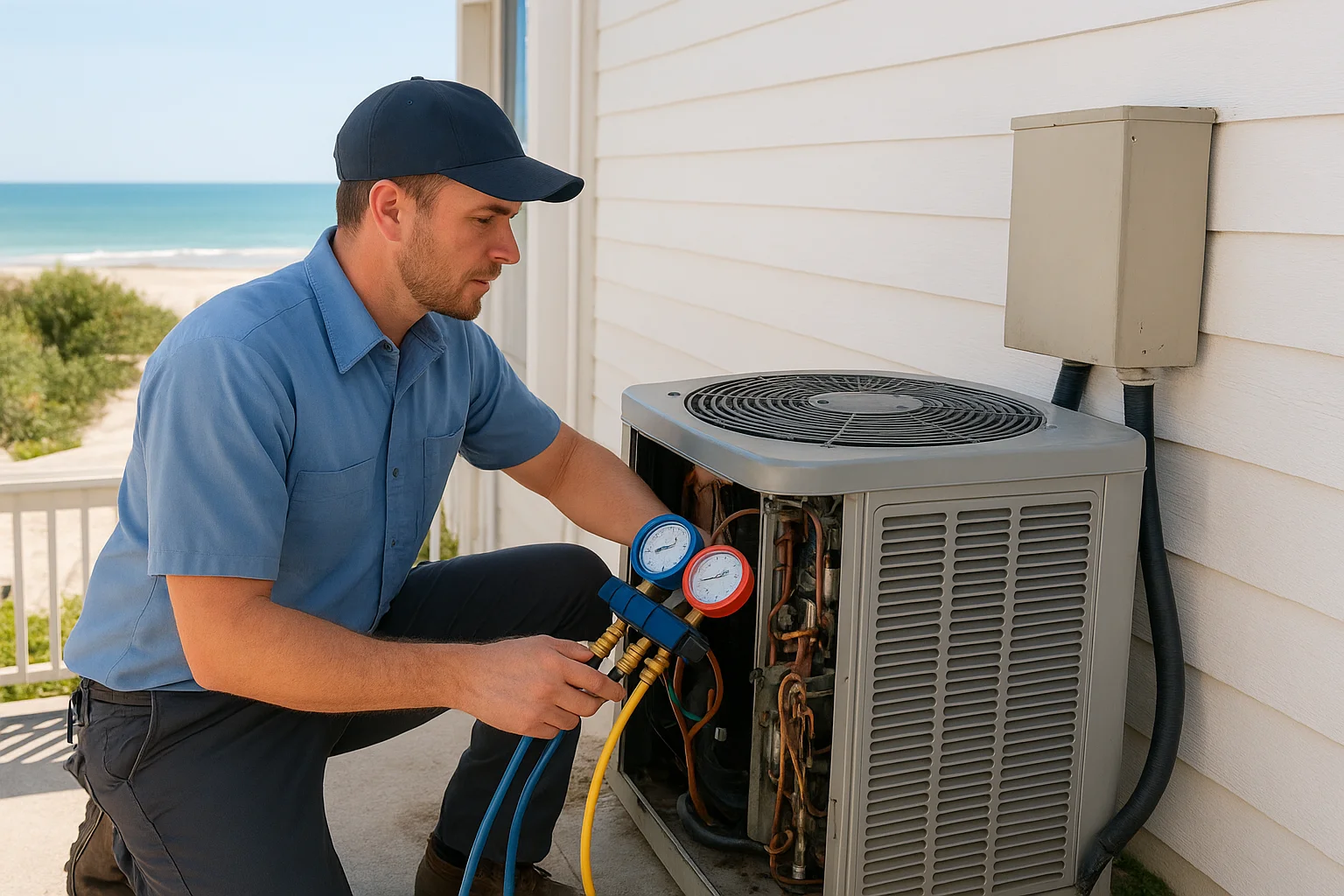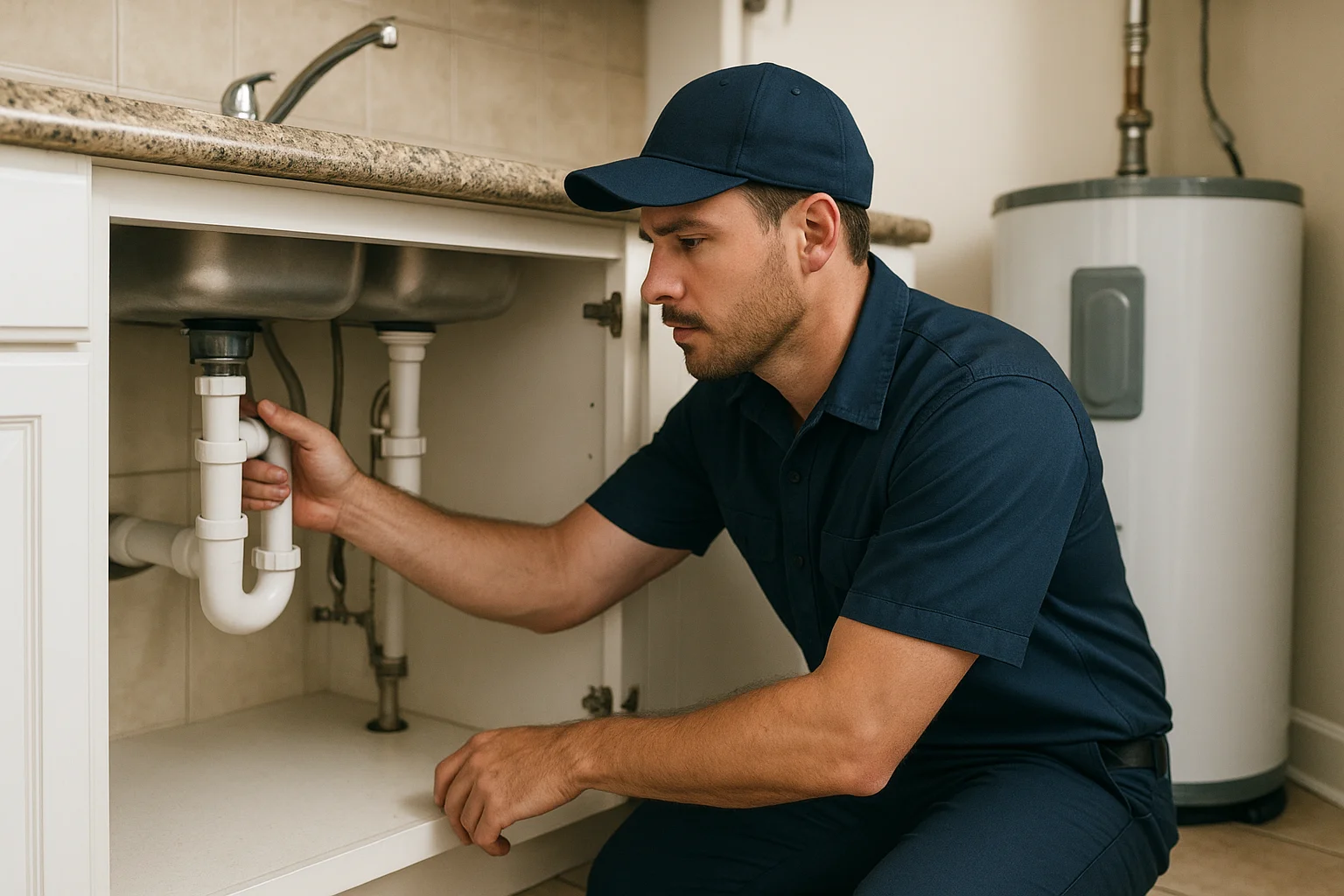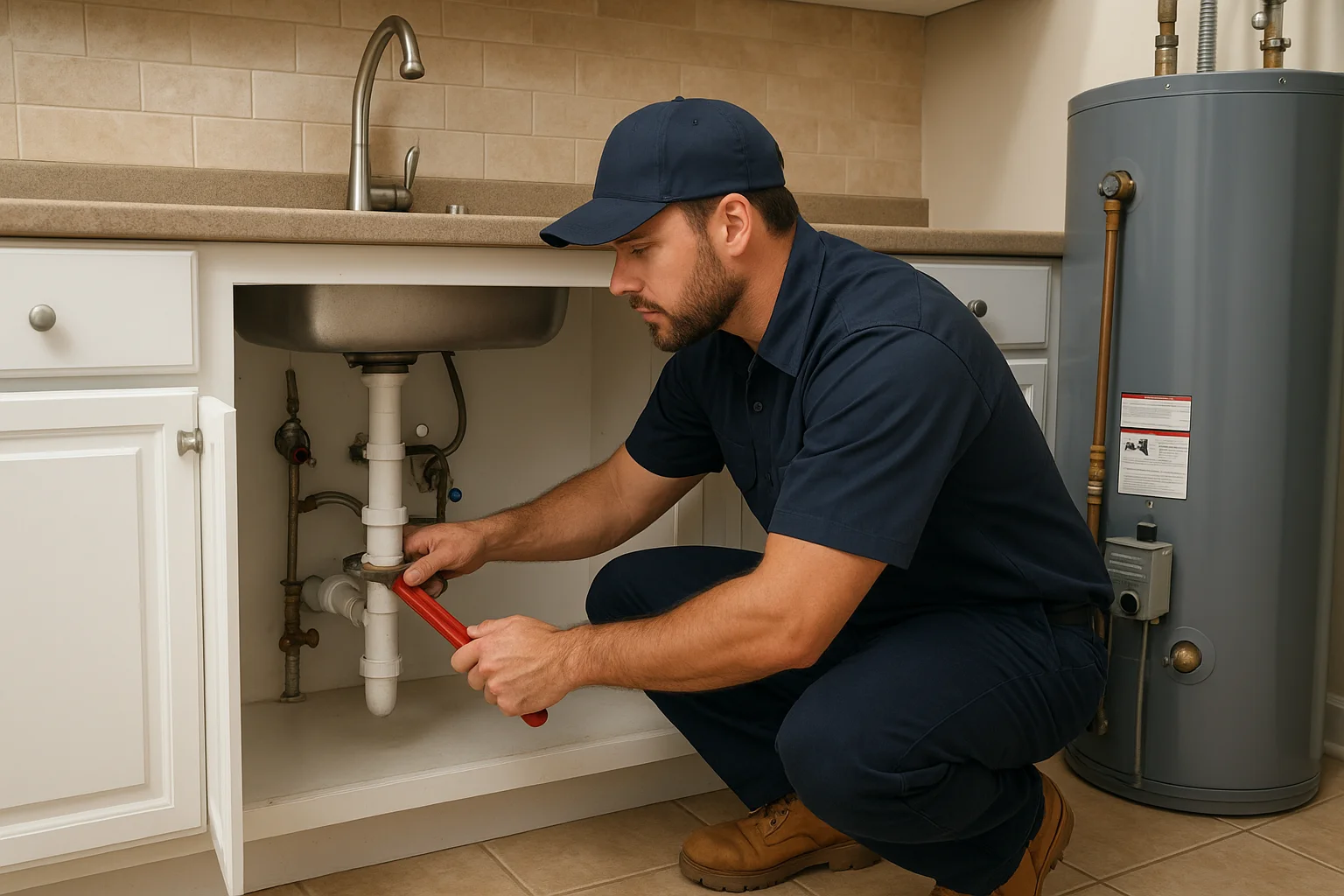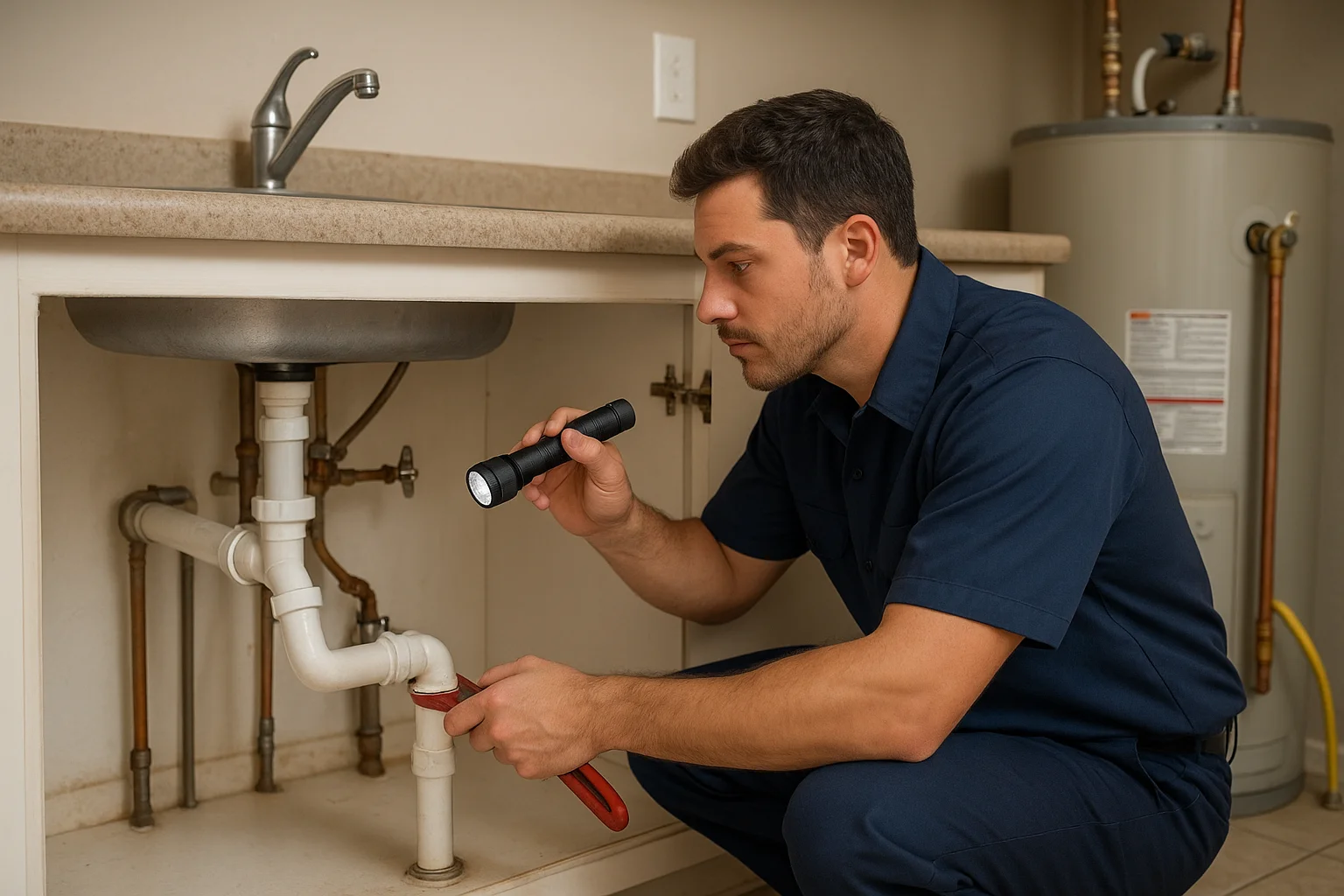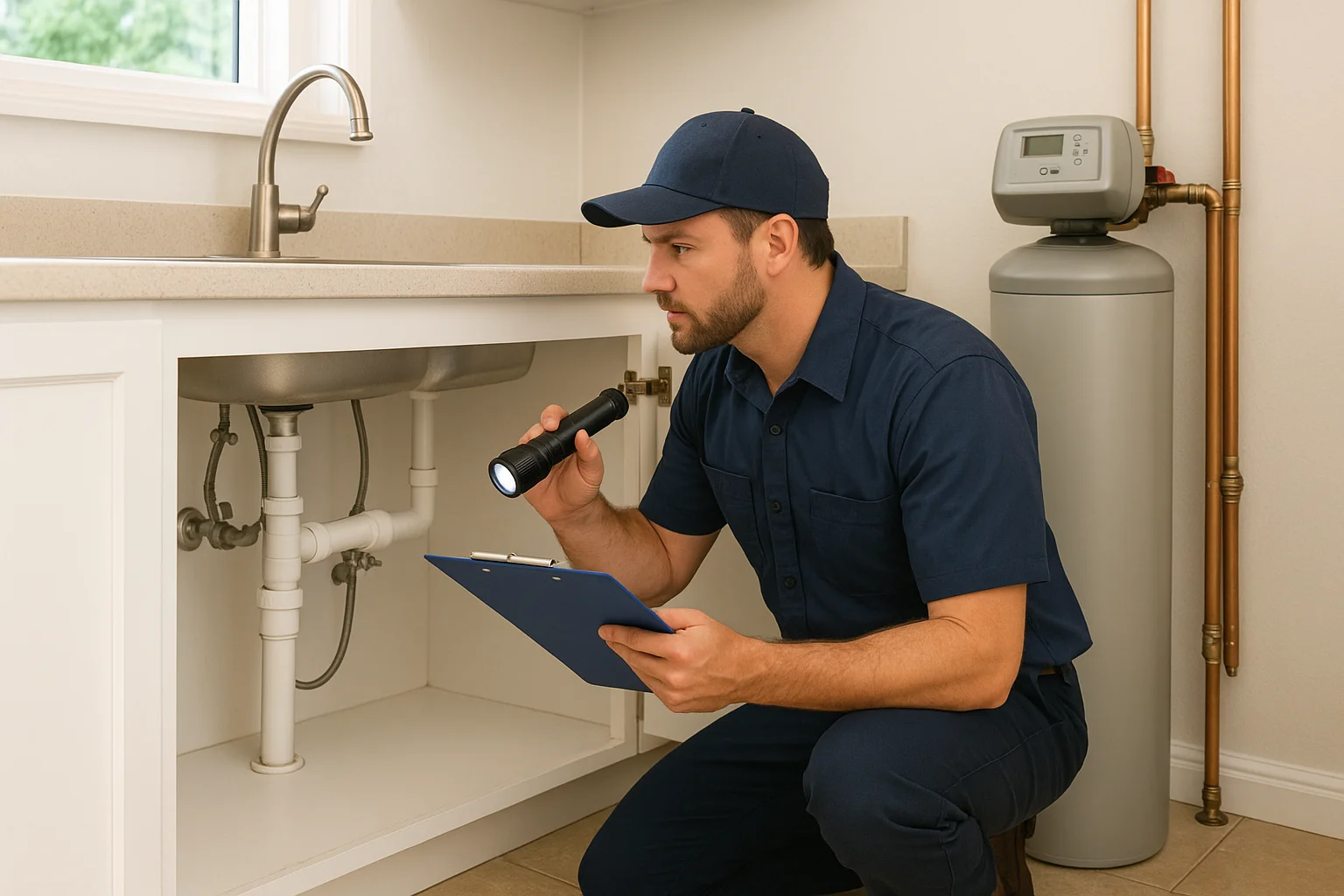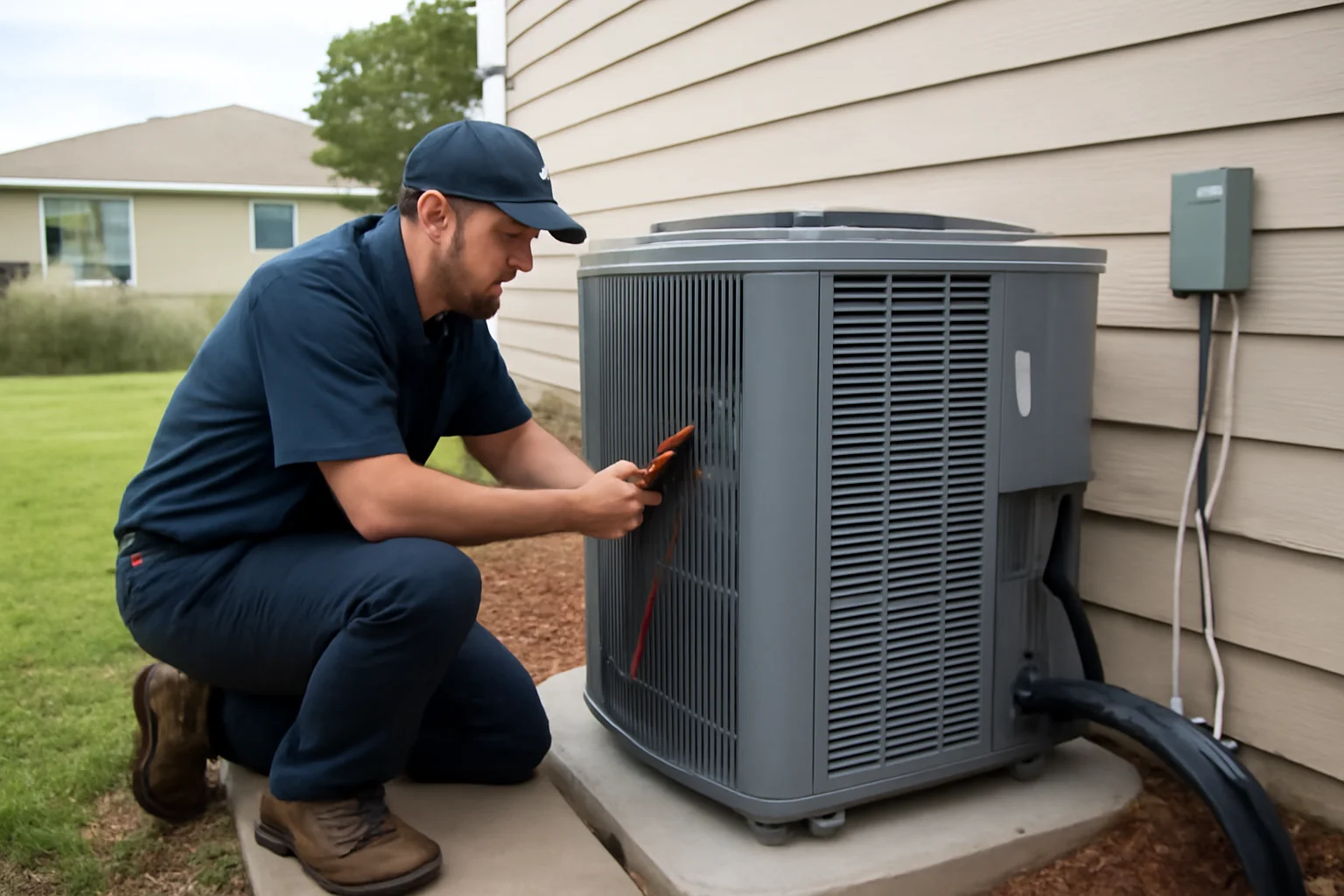
Families in Santa Rosa Beach rely on dependable cooling through long, humid Florida summers. Geothermal energy systems can deliver steady comfort, but they are still part of an HVAC refrigerant and airflow network. When something starts to slip, early warning signs often show up first in comfort, humidity control, airflow, and condensate drainage. Below is a practical guide to the most common HVAC warning signs connected to geothermal setups, plus prevention steps and the right time to schedule professional help from A Superior Mechanical.
Why geothermal HVAC can behave differently in Santa Rosa Beach
In Walton County, homes face heat, humidity, and salt air. Even well-designed geothermal systems can be stressed by these conditions, especially when ductwork is leaky, filters are neglected, or condensate drains are slow. Geothermal systems typically use a heat pump connected to the ground loop for heat exchange, then distribute heating and cooling through your home’s air handler and ductwork.
That means the “first symptoms” are often not about the ground loop itself. Homeowners usually notice changes in airflow, thermostat behavior, indoor air quality, humidity levels, and drainage performance. Those symptoms can also overlap with issues in the refrigerant system, blower operation, ductwork restrictions, or thermostat settings.
If you are comparing options or upgrading a system, it can help to review how maintenance affects performance. See Why Better HVAC Maintenance Makes New AC Installations Work Better in Santa Rosa Beach.
Warning sign 1: Airflow feels weaker even when the thermostat says “on”
One of the earliest geothermal HVAC warning signs is reduced airflow. Families may feel that rooms do not cool evenly, vents blow less air, or the system runs longer to reach the set temperature. In geothermal systems, this can be caused by a range of HVAC factors:
- Dirty air filters that restrict airflow and force the indoor blower to work harder.
- Blocked or poorly designed ductwork, including duct leaks, kinks, or undersized runs that limit distribution.
- Air handler or blower performance issues that reduce circulation.
- Incorrect thermostat settings or thermostat sensor placement that causes the system to cycle oddly.
Why this matters: reduced airflow can increase humidity problems and can also contribute to refrigerant system strain because the unit is not moving heat the way it was designed to move it. If you are searching for AC repair near me or HVAC repair near me, pay attention to whether the issue is consistent with airflow or only appears at certain times of day.
For homeowners who suspect ductwork issues, it may help to read about duct upgrades and performance. Consider Duct Replacement.
Warning sign 2: Humidity stays high, even when the house feels “cool”
Florida humidity is relentless. A geothermal heat pump is designed to remove moisture during cooling, but comfort breakdown can happen when airflow is restricted, condensate drainage is sluggish, or indoor air quality components are not maintained.
Watch for:
- Condensation on windows returning quickly after wiping
- Musty odors or a damp smell in closets and hallways
- Sticky indoor surfaces or lingering humidity after the system cycles
Common causes include:
- Dirty filters that reduce the system’s ability to dehumidify.
- Condensate drainage problems such as an overflowing drain pan, clogged drain line, or drainage that cannot keep up during peak humidity.
- Air leakage in ductwork that draws humid air into the system or prevents properly conditioned airflow from reaching rooms.
- Indoor air quality issues like dust buildup on coils or insufficient filtration that affects comfort.
Because humidity control affects comfort and can contribute to mold concerns, this is a warning sign worth addressing early. If your comfort problems started after a long period without HVAC maintenance, scheduling Air Conditioning Maintenance can help restore steady performance.
Also consider the role of whole-home dehumidification. If humidity is a recurring battle, review Whole Home Dehumidifiers.
Warning sign 3: Condensate drainage issues or water around the system
Geothermal and conventional heat pump systems both rely on proper condensate handling during cooling. In Santa Rosa Beach, where humidity peaks, drainage problems can become more frequent.
Look for:
- Water pooling near the air handler or on the floor
- Dripping from a drain line or signs of moisture staining
- Slow drainage or a system that shuts down or behaves differently when the drain is full
Potential causes include:
- Clogged condensate drains from algae, debris, or slime buildup
- Improper drain slope or drainage route issues
- A drain pan that is not draining freely
- Coil conditions that increase condensate load when cleaning and airflow are not up to standard
Families should treat standing water seriously because it can lead to indoor air quality problems and equipment damage. If you notice water, contact a local HVAC company near me for an in-person inspection rather than trying to guess the cause.
Warning sign 4: The system runs constantly or cycles too often
A geothermal heat pump should not struggle to maintain comfort. When it runs constantly, it may be trying to overcome airflow restrictions, thermostat issues, or refrigerant system imbalance. When it cycles too often, it may be reacting to temperature sensor problems, airflow disruptions, or other control-related factors.
Pay attention to patterns:
- Long run times in the afternoon heat
- Frequent short cycles at night when the home should stabilize
- Different behavior after filter changes or after opening attic access panels
Why it gets expensive: persistent runtime increases energy use and can accelerate wear on indoor components. Cycling issues can also increase strain on system parts and reduce comfort consistency. If you are considering HVAC maintenance near me to prevent a mid-summer breakdown, this is exactly the type of performance problem maintenance should help catch early.
Warning sign 5: Strange noises from the air handler or ductwork
Unusual sounds can point to fan and airflow problems, loose components, or vibration caused by restricted airflow. In geothermal systems, noises often show up in the indoor air handler rather than at the ground loop. Salt air and coastal conditions can also contribute to corrosion of exposed components over time, which can affect sound and operation.
Possible sounds include:
- Rattling or vibrating from the air handler
- Whistling that suggests airflow leaks or duct restriction
- Banging during startup or shutdown
Some noises are minor, but persistent or worsening sounds should be evaluated. A licensed HVAC contractor can identify whether the noise is tied to ductwork, blower operation, or another component that affects performance and indoor air quality.
Warning sign 6: Thermostat problems that look like HVAC failures
Families often blame the heat pump when the real issue is the thermostat. In coastal Florida homes, thermostat placement, wiring condition, and sensor accuracy can influence how the system cycles and how it controls humidity.
Watch for:
- Temperature swings that do not match the thermostat settings
- Cooling that stops before the home feels comfortable
- Heating and cooling modes that do not behave as expected
- Unresponsive controls or frequent error messages
If you suspect thermostat installation or calibration issues, seek thermostat installation near me help from a qualified team. Thermostat fixes can be part of a broader service plan, but they should be evaluated alongside airflow, humidity performance, and condensate drainage.
Warning sign 7: Rising energy use during hot, humid stretches
When geothermal systems lose efficiency, homeowners may see higher energy use without obvious comfort improvement. Energy use increases can also happen when ductwork is leaking, when filters are clogged, or when airflow does not match the system’s design.
Other contributors include:
- Restricted returns and supply registers
- Indoor air handler coil buildup from dust and coastal particulates
- Humidity control that is not holding steady, causing the system to work longer
Energy spikes can be frustrating, especially for families trying to budget through summer. Professional diagnosis should focus on the system as a whole: airflow, refrigerant system performance, thermostat operation, and condensate drainage. Avoid making assumptions about refrigerant without an in-person evaluation.
Warning sign 8: Refrigerant-related symptoms you should not ignore
Geothermal HVAC uses a refrigerant system to transfer heat between the indoor air handler and the ground loop. If the refrigerant system is not operating correctly, homeowners may notice cooling that is weak, inconsistent temperature control, or comfort issues that do not improve with filter changes.
However, refrigerant diagnosis is not something homeowners should attempt themselves. Refrigerant work requires training, proper tools, and safe handling procedures. If you see persistent comfort problems that align with refrigerant system concerns, schedule a professional inspection. A qualified technician can check system performance and determine the next steps based on what they observe in your home.
If your search includes heat pump repair near me or AC repair near me, be specific about your geothermal setup and what you are seeing, such as weak airflow, high humidity, or drainage issues.
Why salt air and humidity can worsen common HVAC problems
Santa Rosa Beach homes often sit close to the coast, and salt air can affect HVAC components over time. Even when geothermal equipment is mostly indoors, the system still depends on air movement, coil performance, and clean drainage. Coastal conditions can increase the rate at which dirt and contaminants build up in air paths, which can reduce airflow and indoor air quality.
Humidity also increases condensate load during cooling, making condensate drainage maintenance more important. A drain line that might seem fine in a drier season can become a problem during peak summer weeks.
Prevention that actually helps families avoid costly repairs
Prevention is not just about avoiding breakdowns. It is about protecting comfort, humidity control, and energy use. Here are practical steps homeowners can take between professional visits.
1) Keep filters clean and airflow paths open
Check filters regularly and replace them when they are dirty. Also make sure supply and return registers are not blocked by furniture, curtains, or storage. For ductwork performance, small restrictions can lead to big comfort changes in humid weather.
2) Watch condensate drainage during high humidity
If your home has an air handler in a closet, utility room, or attic space, periodically check for moisture signs. Any water staining, slow draining, or musty odors are cues to schedule service.
3) Use thermostat settings that support humidity control
During hot, humid days, avoid constant setpoint changes. If your thermostat is programmable, use schedules that match occupancy patterns and allow the system to stabilize. If you are considering a new thermostat, ask about performance with heat pump systems and how it handles humidity-related comfort goals.
4) Schedule preventive HVAC maintenance before peak summer
A tune-up can help identify airflow restrictions, coil buildup, drainage concerns, and control issues before they become expensive. If you are searching for HVAC maintenance near me, choose a team that understands geothermal systems and coastal conditions.
For homeowners who want additional context on how maintenance supports performance and reliability, revisit Why Better HVAC Maintenance Makes New AC Installations Work Better in Santa Rosa Beach.
When to call A Superior Mechanical for geothermal HVAC service
Some issues can wait for the next appointment. Others should be addressed sooner, especially when indoor air quality and emergency cooling concerns are involved.
Contact a local HVAC contractor near me for an inspection if you notice:
- Water pooling or signs of condensate overflow
- Persistent high humidity or worsening musty odors
- Weak airflow that does not improve after filter changes
- Frequent cycling or runtime that seems abnormal
- Temperature control that keeps drifting despite normal thermostat use
- Any rapid worsening during a heat wave when families need reliable cooling
Geothermal systems are designed for long-term comfort, but they still depend on correct airflow, functioning condensate drainage, and properly operating refrigerant systems. A professional evaluation is the safest way to determine what is causing the warning sign you are seeing.
Choosing the right geothermal HVAC service in Santa Rosa Beach, FL
Not every HVAC contractor approaches geothermal systems the same way. For families in Santa Rosa Beach and across Walton County, the best service is the kind that understands how the geothermal heat pump interacts with indoor airflow, ductwork, thermostats, and humidity control. It is also the kind that considers local climate realities like coastal salt air, summer humidity, and the way Florida homes are built and retrofitted.
If you manage a second home, rental, or multi-unit property, you may also want to review how HVAC decisions impact comfort and reliability. Helpful reads include Better HVAC Decisions for Property Managers and Homeowners in Santa Rosa Beach and A Homeowner’s Guide to Property Management HVAC Services in Santa Rosa Beach.
To learn more about services in your area, visit our Santa Rosa Beach service area and explore the geothermal-focused page at /service-areas/walton-county/santa-rosa-beach/geothermal-energy. For broader Walton County coverage, see /service-areas/walton-county.
Related comfort upgrades that can pair with geothermal performance
Sometimes the geothermal system is working, but the home needs help to distribute and manage air and moisture. Depending on your ductwork and indoor air quality goals, a professional may recommend options like improved filtration, ductwork adjustments, or whole home dehumidification.
If you are considering duct cleaning or duct-related improvements, ask about the right approach for your system and duct design. For airflow and distribution concerns, you can also explore Air Conditioning Inspection and Duct Replacement.
What not to do when you see geothermal HVAC warning signs
Homeowners want to solve problems quickly, especially during hot Florida weeks. Still, there are a few actions that can delay the real fix.
- Do not ignore water or drainage signs. Moisture can affect indoor air quality and equipment components.
- Do not assume refrigerant is the cause based on comfort alone. Refrigerant system issues require safe, trained evaluation.
- Do not attempt equipment replacement without an in-person assessment. A professional inspection can reveal whether the issue is airflow, controls, condensate drainage, or another factor.
- Do not keep changing thermostat settings to “troubleshoot” a comfort problem. Instead, document symptoms and schedule service.
When a family’s comfort is at stake, a careful diagnosis is the best path to avoid unnecessary costs and extended downtime.
Keeping emergency cooling concerns in mind
Santa Rosa Beach summers can push indoor temperatures fast when systems struggle. If you notice warning signs early, you can reduce the odds of an emergency cooling situation. Weak airflow, high humidity, and drainage problems can all compound during peak heat and create conditions that are uncomfortable and potentially unhealthy.
Scheduling preventive HVAC maintenance and acting on warning signs before they worsen is the most reliable way to protect comfort for the whole household.
If you are dealing with geothermal HVAC warning signs and want a clear plan for repairs and prevention, contact A Superior Mechanical for local geothermal energy system service in Santa Rosa Beach. You can start by reviewing geothermal-energy and then reach out for an in-person inspection.
Find Geothermal Energy Systems in Santa Rosa Beach, FL
If you need Geothermal Energy Systems in Santa Rosa Beach, FL, visit our local service page or contact A Superior Mechanical today.
Map of Santa Rosa Beach, FL
Frequently Asked Questions
Are geothermal HVAC warning signs different from traditional AC warning signs?
Some symptoms overlap, like weak airflow, thermostat issues, and high humidity. With geothermal systems, homeowners often notice comfort and airflow problems first because the indoor air handler, ductwork, condensate drainage, and controls still need to perform correctly in Florida heat.
Why does my home stay humid even when the system is running?
High humidity is commonly tied to restricted airflow, dirty filters, duct leakage, or condensate drainage that cannot keep up during humid days. A professional inspection can confirm what is limiting dehumidification and indoor air quality.
What should I check if I notice water near my geothermal air handler?
Water near the air handler often points to a condensate drainage problem. Because moisture can affect indoor air quality and equipment condition, schedule service promptly for an in-person evaluation rather than waiting.
Can a thermostat issue cause geothermal cooling problems?
Yes. Incorrect settings, sensor placement, or thermostat configuration can cause cycling behavior that looks like HVAC failure. A technician can verify thermostat operation alongside airflow and humidity performance.
Do I need to worry about refrigerant if my cooling feels weak?
Weak cooling can have multiple causes, including airflow and humidity control issues. Refrigerant system problems require safe, trained diagnosis. An in-person inspection is the right next step before deciding on any repair path.
Related Articles
- Why Better HVAC Maintenance Makes New AC Installations Work Better in Santa Rosa Beach
- Better HVAC Decisions for Property Managers and Homeowners in Santa Rosa Beach
- A Homeowner’s Guide to Property Management HVAC Services in Santa Rosa Beach
- A Practical Look at HVAC Financing for Santa Rosa Beach Property Owners
Photo Gallery